




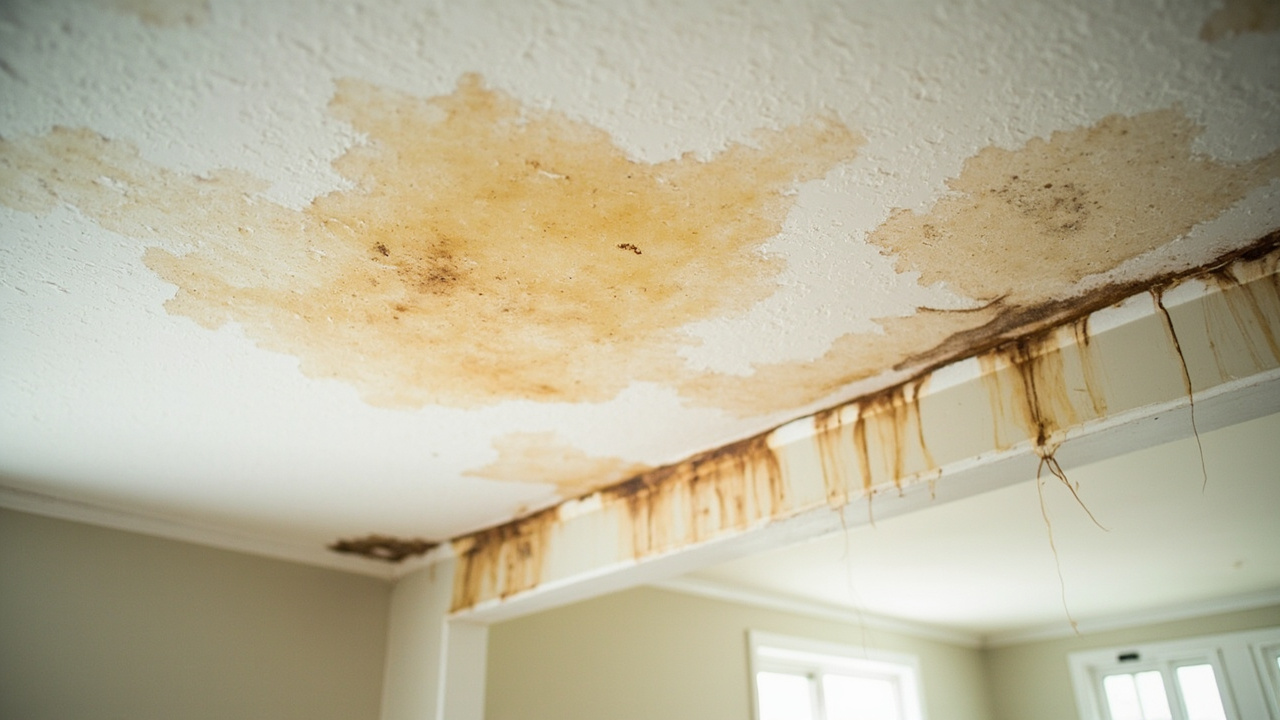


Louisville sits in the Ohio River Valley, where relative humidity stays above 70 percent for much of the year. When a slow leak develops, moisture does not evaporate. It soaks into porous materials like drywall and insulation, creating the perfect environment for mold spores to colonize. Add in winter temperatures that swing from 20 degrees at night to 45 degrees during the day, and you get repeated freeze-thaw cycles that stress solder joints and create micro-cracks in copper supply lines. These small failures turn into visible brown spots on ceiling and damp patches on walls within weeks once the weather warms and humidity rises again.
Local building codes in Jefferson County require proper vapor barriers and insulation in attic spaces, but many older Louisville homes were built before these standards existed. When pipes run through unconditioned attic spaces or crawl spaces, they face temperature extremes that accelerate corrosion and joint failure. Victory Plumbing Louisville understands these regional construction patterns. We know which homes are likely to have cast iron drain stacks, where galvanized supply lines were commonly used, and how to navigate tight crawl spaces common in Highlands and Germantown properties. Choosing a plumber familiar with Louisville's housing stock means faster diagnosis and repairs that account for your home's specific vulnerabilities.