





Menu

Sediment Buildup in Pipes in Louisville – Expert Diagnosis and Permanent Solutions

When mineral deposits and calcium buildup threaten your water flow and appliance lifespan, our diagnostic approach identifies the exact source of sediment buildup in pipes and delivers targeted solutions that restore system performance across Louisville homes and businesses.

Slider Image 1
Slider Image 2
Slider Image 3
Slider Image 4
Slider Image 5
Slider Image 7
Slider Image 8
Slider Image 9
Slider Image 10
Slider Image 11

Why Louisville Pipes Face Constant Sediment and Mineral Threats

You turn on the faucet and the water pressure is weak. Your water heater makes banging noises. Your fixtures have white crusty deposits. These are signs of sediment buildup in pipes, and Louisville's water characteristics make this problem worse than in many other cities.

The Ohio River supplies much of Louisville's municipal water, and while the Louisville Water Company treats it well, the water still carries dissolved minerals. Calcium and magnesium pass through treatment and enter your plumbing system. Over time, these minerals precipitate out of solution and create calcium buildup in water lines. The temperature changes in your hot water system accelerate this process.

Older neighborhoods like Old Louisville, the Highlands, and Germantown have aging galvanized steel pipes that corrode internally. This corrosion creates rough surfaces where mineral deposits in water pipes accumulate faster. The result is progressive restriction of water flow.

Limescale accumulation in plumbing is not just about reduced pressure. The sediment layer insulates pipes and water heater elements, forcing your system to work harder. Your energy bills climb. Appliances fail early. In extreme cases, hard water pipe scaling can completely block supply lines to fixtures.

Pipe calcification problems show up differently depending on your water temperature and usage patterns. Hot water lines develop scale faster because heat drives mineral precipitation. Cold water lines accumulate sediment more slowly, but iron particles and sand from the distribution system still settle in horizontal runs and low spots.

If you see brown water when you first turn on a faucet, white buildup around fixture connections, or fluctuating water pressure throughout the day, you have sediment accumulation that needs professional attention. Ignoring these signs leads to costly emergency repairs and premature replacement of water heaters, washing machines, and dishwashers.

Why Louisville Pipes Face Constant Sediment and Mineral Threats
How We Remove Sediment and Restore Your Plumbing System

How We Remove Sediment and Restore Your Plumbing System

Most plumbers will tell you to replace everything. We take a different approach. We diagnose first, then match the solution to the specific type and location of sediment in your system.

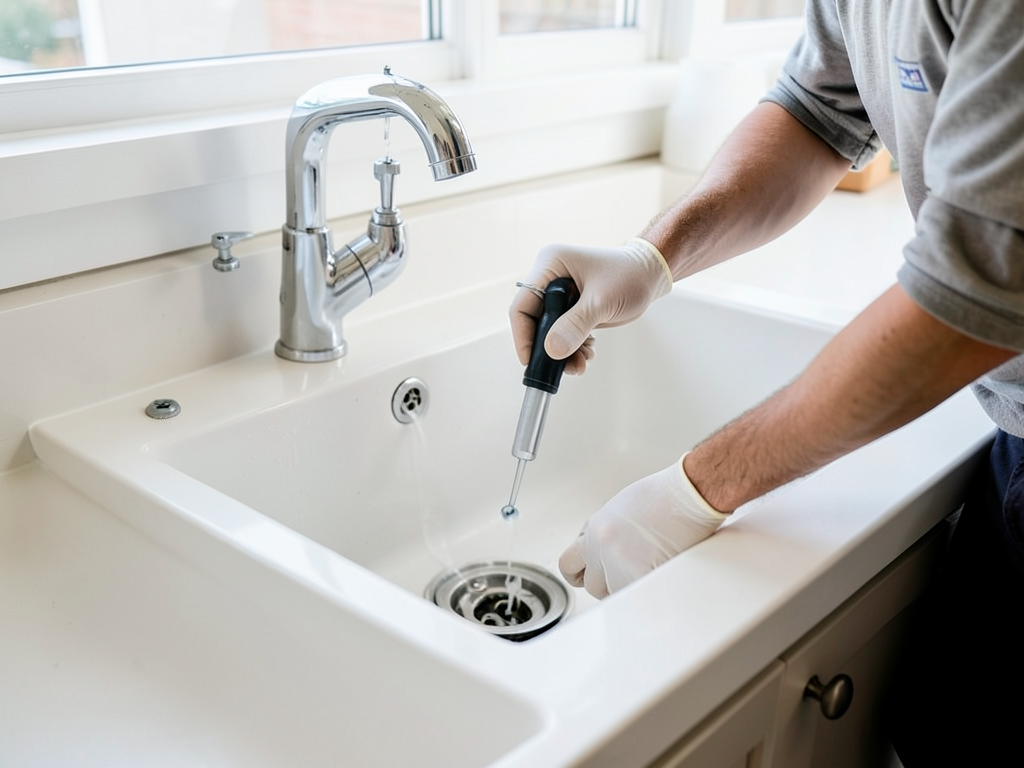
We start with a pressure test at multiple fixtures to map where restrictions exist. A significant pressure drop between the main shutoff and a specific fixture tells us where sediment has accumulated. We use inspection cameras in accessible drain lines and cleanouts to visually confirm scale buildup on pipe interiors.

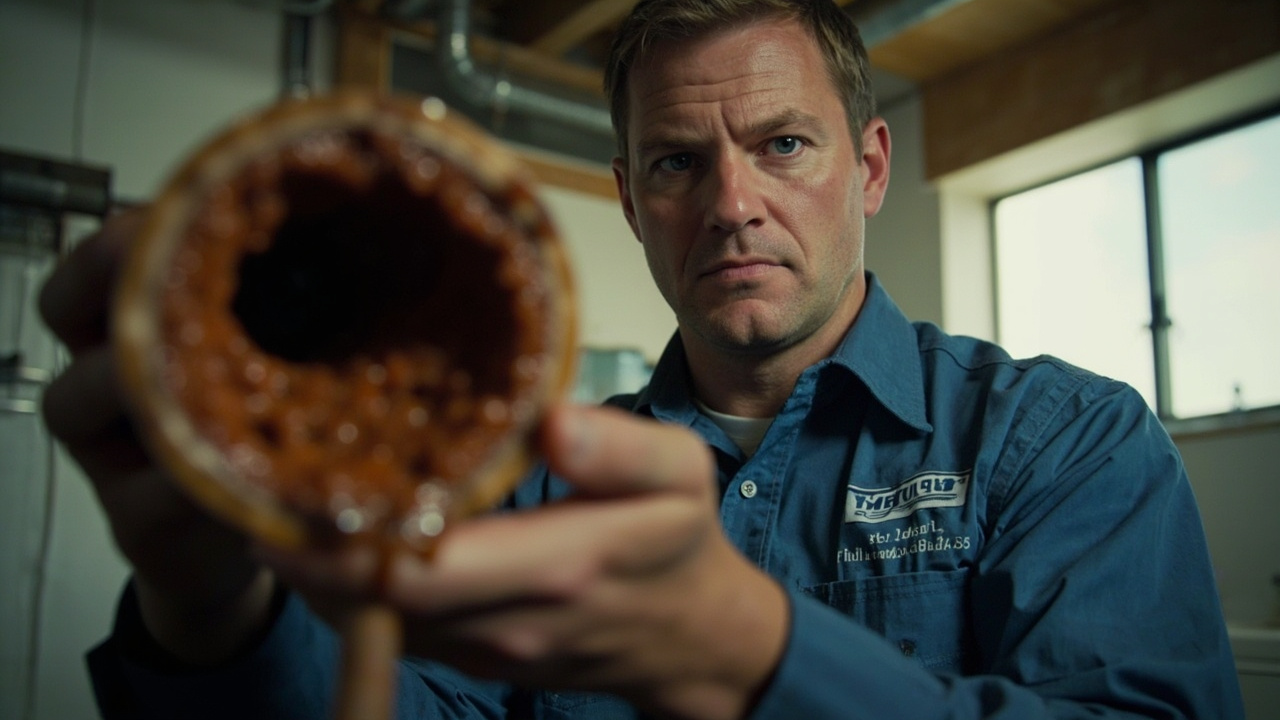
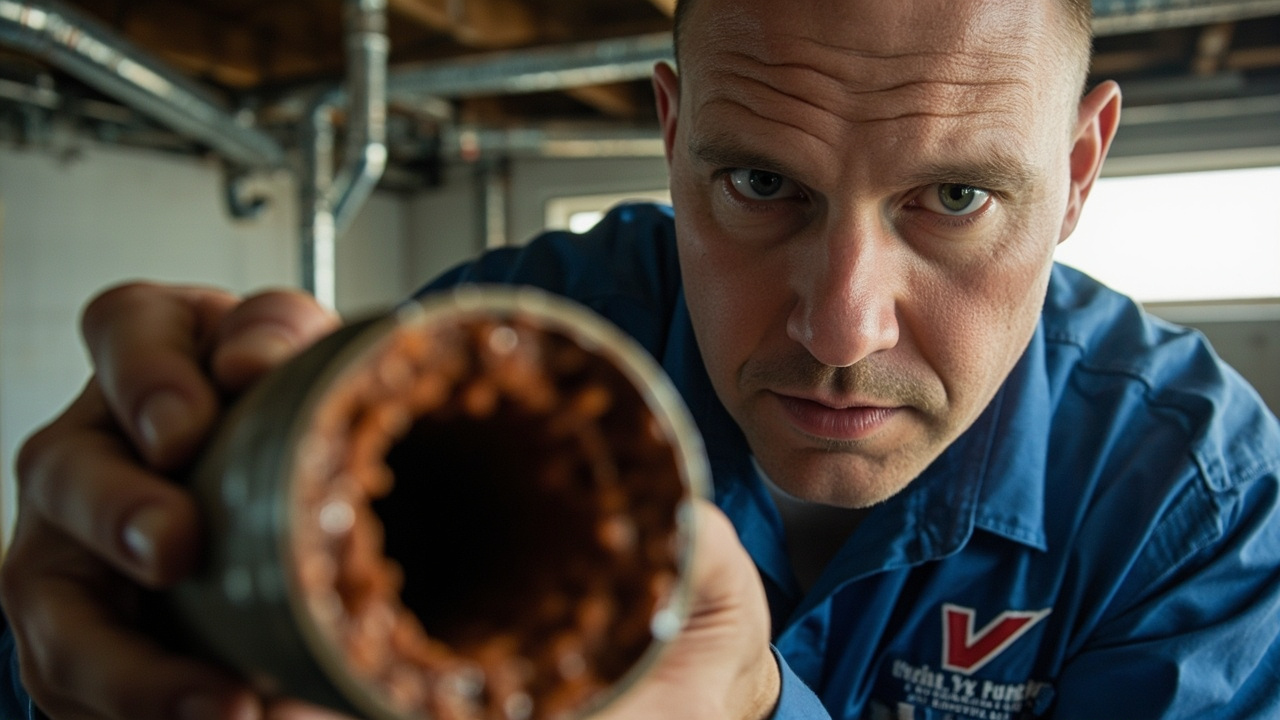
For calcium buildup in water lines, we evaluate whether the deposits are soft scale or hard scale. Soft scale forms at lower temperatures and can sometimes be removed with descaling solutions pumped through isolated sections of pipe. Hard scale, which forms in water heaters and hot water distribution lines, often requires mechanical removal or pipe replacement.

We drain and flush water heaters to remove settled sediment from the tank bottom. Most Louisville homes should have this done annually, but if you have never had it done, we may recover several gallons of sandy sediment from the tank. This single service often eliminates the banging sounds and restores heating efficiency.

For whole-house issues, we evaluate whether a water softener or sediment filter makes sense. A softener removes calcium and magnesium before they enter your plumbing, preventing future buildup. A sediment filter captures particles before they settle in your pipes. The right choice depends on your water test results and your specific symptoms.

When pipe replacement is necessary, we target only the affected sections. There is no reason to repipe your entire house if the problem exists in one branch line. We use PEX or copper for replacements, both of which resist scale buildup better than old galvanized steel. We also assess whether your main shutoff valve and pressure regulator need replacement, since sediment often damages these components first.

What Happens During Your Sediment Assessment

Sediment Buildup in Pipes in Louisville – Expert Diagnosis and Permanent Solutions
01

System Pressure Mapping

We test static and flowing pressure at your main water line, water heater outlet, and each fixture group. Pressure loss patterns tell us whether you have localized blockages or system-wide scaling. We document baseline readings so you can track improvement after treatment. This diagnostic step takes 30 to 45 minutes and gives us a clear picture of sediment distribution in your plumbing.
02

Visual and Chemical Analysis

We inspect aerators and showerheads for mineral buildup and examine your water heater anode rod condition. If we see heavy scaling, we perform a water hardness test to measure calcium and magnesium levels. We also check for iron and sediment particles that indicate corrosion or distribution system problems. This analysis determines whether you need descaling, filtration, or softening.
03

Solution and Cost Options

We present you with a detailed plan that addresses your immediate symptoms and prevents future buildup. You get options, not a single expensive proposal. We explain what happens if you delay action and what results you can expect from each solution. Our goal is to give you the information you need to make a smart decision about your plumbing system.

Why Louisville Property Owners Choose Our Sediment Solutions

You need a plumber who understands the specific water conditions in Louisville, not someone who applies the same solution to every problem. We have worked on homes and buildings throughout Jefferson County, from the Victorian houses in Old Louisville with their original galvanized supply lines to the newer construction in Middletown and Okolona.

We know that the Louisville Water Company maintains excellent treatment standards, but dissolved minerals still make it through. We also know that private wells in outer areas often have even higher mineral content. Our approach changes based on your water source and your building's age.

Many plumbers push whole-house repipes as the default answer to scaling problems. That approach makes sense if your pipes are galvanized steel and over 50 years old. But if you have copper or PEX in most of your house, targeted repairs and water treatment often solve the problem at a fraction of the cost.

We also provide realistic timelines. A water heater flush and pressure test takes a few hours. A targeted pipe replacement might take a day. A whole-house water softener installation takes one to two days depending on your plumbing configuration and whether we need to add new shutoff valves. We schedule the work around your availability and minimize disruption.

Our technicians carry the tools to handle sediment issues on the first visit. We stock descaling pumps, replacement anode rods, sediment filters, and the pipe fittings we need for targeted replacements. If we recommend a water softener or filtration system, we provide specifications and installation quotes on the spot.

We also understand Louisville's building codes and permitting requirements. Any repipe work or water treatment installation requires permits in Louisville Metro. We handle the paperwork and inspections so you do not have to navigate that process yourself. Choosing Victory Plumbing Louisville means you get a local team that knows the rules and the inspectors.

What You Can Expect From Our Sediment Services

Response Time and Scheduling

We offer same-day and next-day appointments for diagnostic visits. Sediment buildup is not usually an emergency, but we understand that declining water pressure and appliance problems disrupt your daily routine. We provide two-hour arrival windows and call ahead when we are on the way. If we need to return for a repair or installation, we schedule at your convenience and commit to firm start times. Most diagnostic visits take 60 to 90 minutes, depending on how many fixtures you want us to test.

Diagnostic Process and Transparency

Our diagnostic fee covers pressure testing, visual inspection, and water quality testing. We show you what we find. If we pull sediment from your water heater or cut out a scaled section of pipe, you see the evidence. We take photos and explain what caused the buildup and what will happen if it continues. You get a written report with our findings and recommendations. There is no pressure to commit to expensive solutions on the spot. We want you to understand your options and make an informed choice.

Quality of Repairs and Replacements

When we replace pipe sections, we use materials that resist future scaling. PEX is our default choice for supply lines because it is flexible, durable, and does not corrode. Copper is another excellent option, especially for exposed installations where appearance matters. We avoid galvanized steel entirely because it promotes sediment accumulation. All joints are pressure-tested before we close walls or ceilings. You get a clean installation that meets code and lasts. We also clean up debris and protect your floors and fixtures during the work.

Maintenance and Long-Term Prevention

After we address your immediate sediment problem, we provide a maintenance plan to prevent recurrence. This typically includes annual water heater flushing, filter cartridge replacement schedules if you install a sediment filter, and periodic water hardness testing if you install a softener. We send reminders when service is due. Many Louisville homeowners also benefit from anode rod replacement every three to five years to extend water heater life. We explain what maintenance your specific system needs and what you can skip. Our goal is to help you avoid future sediment crises.

Frequently Asked Questions

You Have Questions,
We Have Answers

What causes sediment in water pipes? +

Sediment in water pipes comes from mineral deposits, corroded pipe interiors, and particulates in the municipal water supply. Louisville's water contains calcium, magnesium, and iron that settle inside pipes over time. Older galvanized or copper pipes develop rust and scale as they age. Disturbances in the main water lines, like repair work or pressure changes, also stir up sediment. If you notice cloudy or gritty water, the problem often lies in your water heater tank or aging supply lines. Regular flushing prevents heavy accumulation.

How long does it take to run water to get sediment out? +

Run cold water from each faucet for 5 to 10 minutes to clear minor sediment. Start with the fixture closest to your water main and work outward. If sediment persists after 15 minutes, the buildup is likely deeper in your plumbing system or water heater. For heavy accumulation, flushing alone will not solve the problem. You need a professional inspection to locate the source. In Louisville homes with older galvanized pipes, sediment issues often require pipe replacement, not just flushing.

Is it okay to pour boiling water down drains in the house to clean them? +

Boiling water is safe for metal pipes but can damage PVC or older glued joints common in Louisville homes built before the 1980s. The heat can soften plastic and loosen adhesive seals, causing leaks. Boiling water also will not dissolve grease effectively without a degreasing agent. For routine maintenance, use hot tap water with dish soap instead. If you face persistent slow drains, the blockage likely sits deeper than boiling water can reach. A plumber can clear it safely without risking pipe damage.

How do you remove buildup from pipes? +

Removing pipe buildup requires hydro jetting or mechanical snaking depending on severity. Hydro jetting uses high-pressure water to scour pipe walls clean and works well for mineral scale and grease. A drain snake breaks up clogs but does not remove sediment attached to pipe interiors. For Louisville homes with galvanized pipes, heavy corrosion often means the buildup is part of the pipe itself. In those cases, pipe replacement is the only permanent fix. Chemical drain cleaners will not remove sediment and can corrode pipes further.

How do you flush sediment out of pipes? +

Flush sediment by turning off your water heater, connecting a hose to the drain valve, and draining the tank completely. Open a hot water faucet upstairs to allow air in. For supply lines, close the main shutoff, open all faucets, and drain the system. Turn the water back on slowly and let it run until clear. Louisville's hard water means you should flush your water heater annually. If sediment keeps returning quickly, you likely have corroded pipes that need replacement.

What are two things you should never flush down a toilet? +

Never flush wipes or feminine hygiene products. Wipes do not break down like toilet paper, even if labeled flushable. They snag on pipe joints and create blockages that require professional snaking. Feminine products absorb water and expand, causing immediate clogs in older sewer lines common in Louisville neighborhoods. These items also contribute to municipal sewer backups during heavy rain. Stick to toilet paper and human waste only. Everything else belongs in the trash to protect your plumbing and the city's sewer system.

How much do plumbers usually charge to unclog a drain? +

Drain clearing in Louisville typically costs between $150 and $400 depending on location and severity. A simple sink clog runs cheaper than a mainline stoppage. Emergency calls after hours or on weekends cost more. The price includes snaking or hydro jetting, but camera inspection and pipe repair add to the total. Older homes with cast iron or galvanized pipes often need more work. Get a clear quote before work starts and ask if the plumber charges a trip fee separately from labor.

Why is my water full of sediment? +

Sediment in your water signals corroded pipes, a dirty water heater, or disturbances in Louisville's municipal supply. If the problem affects only hot water, your water heater tank has sediment buildup and needs flushing. If cold water is also cloudy, you likely have aging galvanized pipes shedding rust and scale. Sudden sediment after years of clear water often follows mainline work in your neighborhood. A plumber can test your water and inspect your pipes to pinpoint the cause and recommend repairs.

How do you flush the water pipes in your house? +

Shut off your main water valve and open all faucets, starting on the highest floor. Let them drain completely. Turn the main valve back on slowly and leave faucets open until water runs clear. This flushes sediment stirred up by repairs or pressure changes. Flush your water heater separately using the drain valve. In Louisville homes with older plumbing, flushing can temporarily worsen sediment as buildup breaks loose. If water stays cloudy after 15 minutes, call a plumber to inspect your pipes.

What does Dawn dish soap do to drains? +

Dawn dish soap helps break down grease and oils in drains but does not clear clogs. Pour a few tablespoons down the drain with hot water to maintain clear pipes. The soap emulsifies grease so it washes away instead of sticking to pipe walls. This works for prevention, not treatment. If you already have a slow drain, soap alone will not fix it. You need mechanical clearing or hydro jetting. Dawn also will not touch mineral sediment or hair clogs that commonly affect Louisville households.

How Louisville Water Quality Accelerates Pipe Sediment Problems

Louisville's water supply comes primarily from the Ohio River, which carries dissolved minerals from upstream drainage areas. The Louisville Water Company treats this water to meet federal standards, but calcium and magnesium remain in solution because they are not health hazards. These minerals precipitate inside your plumbing when water temperature changes or when it sits in pipes for extended periods. The result is progressive limescale accumulation that reduces flow, damages appliances, and increases energy costs. Older neighborhoods with galvanized steel plumbing experience faster sediment buildup because corrosion creates rough interior surfaces where calcium bonds easily.

Louisville Metro requires permits for water heater replacements and any repipe work that affects your main supply line. We handle permitting and coordinate inspections so your work meets local code requirements. Our familiarity with Louisville Water Company standards and Jefferson County building regulations means your installation passes inspection the first time. Choosing a plumber who understands local requirements saves you time and ensures your system performs reliably for years. We have worked throughout Louisville, from the historic homes downtown to the suburban subdivisions in the east end, and we know what solutions work best in each area.

Plumbing Services in The Louisville Area

We are proud to serve the entire Louisville metropolitan area and its surrounding communities. Our convenient location allows us to provide swift and reliable service to homes and businesses throughout the region. Whether you're in the heart of the city or a nearby suburb, we’re never far away. Visit our office or give us a call to discuss your plumbing needs. We look forward to being your trusted local plumbing partner.

Address:
Victory Plumbing Louisville, 2600 W Broadway, Louisville, KY, 40211

Additional Services We Offer

Our news updates

Latest Articles & News from The Blogs

Stopping the Banging Sound in Your Pipes with Water Hammer Arrestors in Shively That sudden banging noise when you turn…

Stopping the Banging Sound in Your Pipes with Water Hammer Arrestors in Shively

Stopping the Banging Sound in Your Pipes with Water Hammer Arrestors in Shively That sudden banging noise when you turn…

Identifying Dangerous Water Heater Venting Issues in Your Historic Old Louisville Home

Identifying Dangerous Water Heater Venting Issues in Your Historic Old Louisville Home Water heater venting problems in Old Louisville’s historic…

The Truth About Flushable Wipes and Why They Keep Clogging Pipes in Hikes Point

The Truth About Flushable Wipes and Why They Keep Clogging Pipes in Hikes Point Flushable wipes might seem convenient but…

Contact Us

Call (502) 370-2677 now to schedule a pressure test and sediment evaluation. We will identify the cause of your water flow problems and give you clear options to restore performance. Do not wait until your water heater fails or your pipes block completely.