



Menu

Emergency Sewer Backup Cleanup in Louisville – 24/7 Response Within 60 Minutes

When raw sewage floods your property, every minute counts. Victory Plumbing Louisville deploys certified technicians around the clock to extract contaminated water, disinfect affected areas, and restore safety to your home or business before structural damage spreads.

Slider Image 1
Slider Image 2
Slider Image 3
Slider Image 4
Slider Image 5
Slider Image 7
Slider Image 8
Slider Image 9
Slider Image 10
Slider Image 11

Why Sewer Backups Strike Louisville Properties Without Warning

Sewage erupting through floor drains or toilets is not just disgusting. It is dangerous. Raw sewage carries E. coli, hepatitis A, and other pathogens. You have minutes, not hours, to stop the contamination from soaking into drywall, subflooring, and HVAC ductwork.

Louisville's aging sewer infrastructure compounds the problem. Many neighborhoods in the Highlands, Old Louisville, and Germantown still rely on combined sewer systems built in the 1920s. When heavy rain overwhelms the system, stormwater forces sewage back through your lateral line and into your lowest drains. The clay soil common throughout Jefferson County does not help. It shifts with freeze-thaw cycles and wet seasons, cracking lateral pipes and creating entry points for tree roots. Once roots infiltrate your sewer line, blockages form fast.

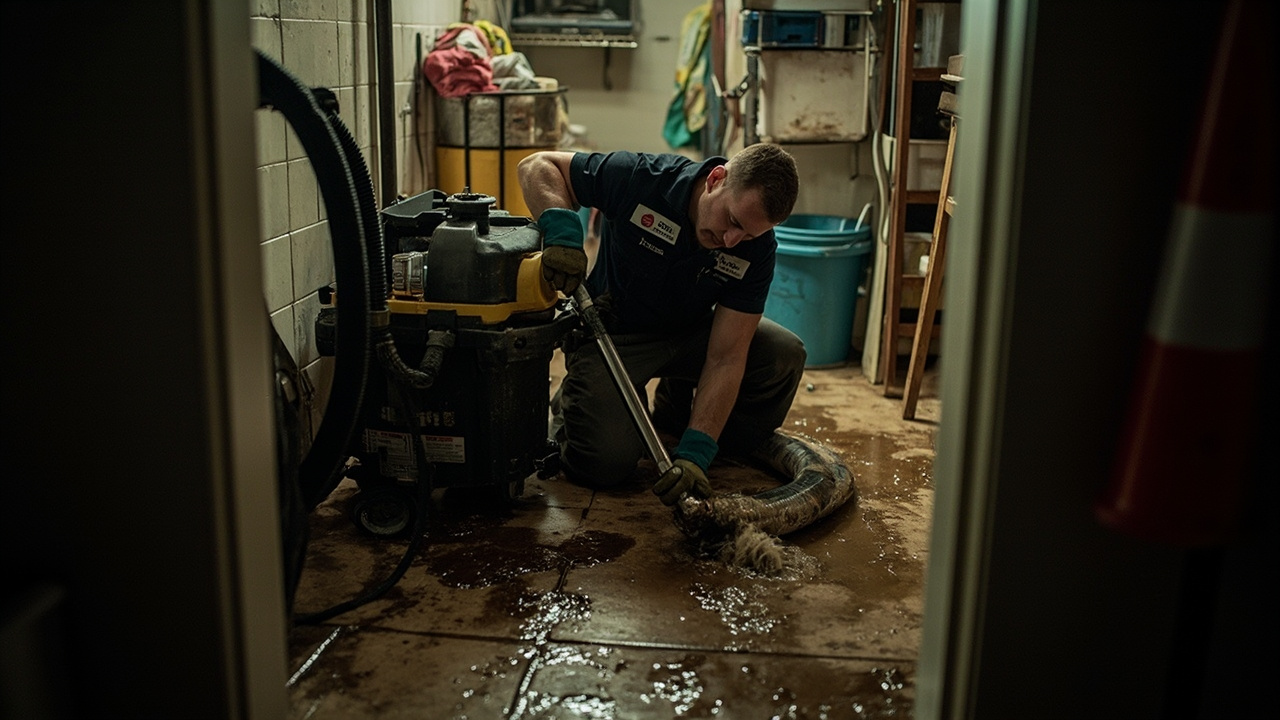
You need urgent sewage removal services the moment you see black water pooling in your basement or smell that unmistakable odor. Waiting even a few hours allows bacteria to multiply and gives Category 3 water (the most hazardous classification) time to seep into porous materials you cannot clean yourself. Emergency raw sewage extraction requires industrial-grade pumps, antimicrobial agents, and air movers. A shop vacuum and bleach will not cut it.

Victory Plumbing Louisville operates 24 hour sewer overflow cleaning crews because we know sewage does not wait for business hours. Our rapid sewer backup restoration process begins the moment you call. We dispatch a truck equipped for immediate sewage spill mitigation, so you do not spend the night in a contaminated home.

Why Sewer Backups Strike Louisville Properties Without Warning
How Professional Sewage Extraction Prevents Permanent Damage

How Professional Sewage Extraction Prevents Permanent Damage

Sewer backup cleanup is not carpet cleaning. It is a biohazard response. Our technicians arrive in personal protective equipment because raw sewage exposure can cause serious illness. We follow IICRC S500 standards for water damage restoration and OSHA bloodborne pathogen protocols.

First, we stop the source. If your main sewer line is blocked, we use a truck-mounted hydro-jetter to clear the obstruction before extracting standing water. Pumping sewage out of your basement does no good if it just floods back in ten minutes later. We locate the blockage with a sewer camera, then blast it out with high-pressure water jets rated up to 4,000 PSI. Tree roots, grease clogs, and collapsed pipe sections require different approaches, and we identify the cause on-site.

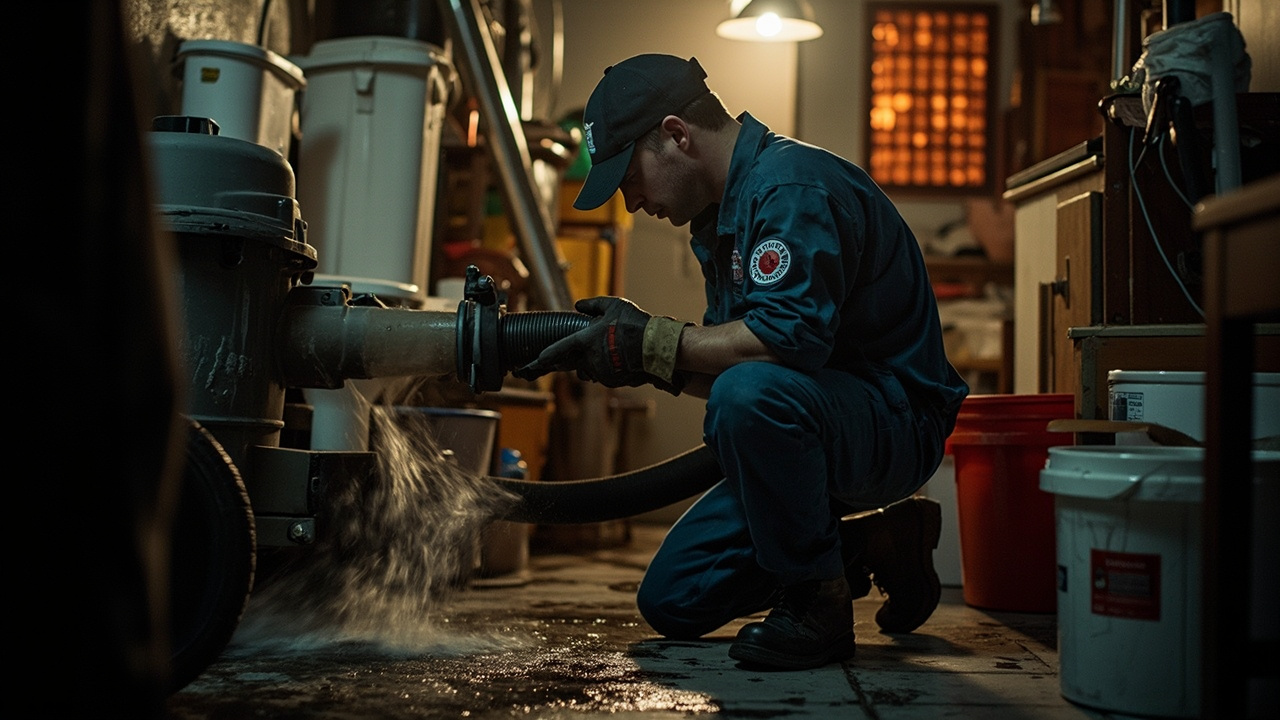
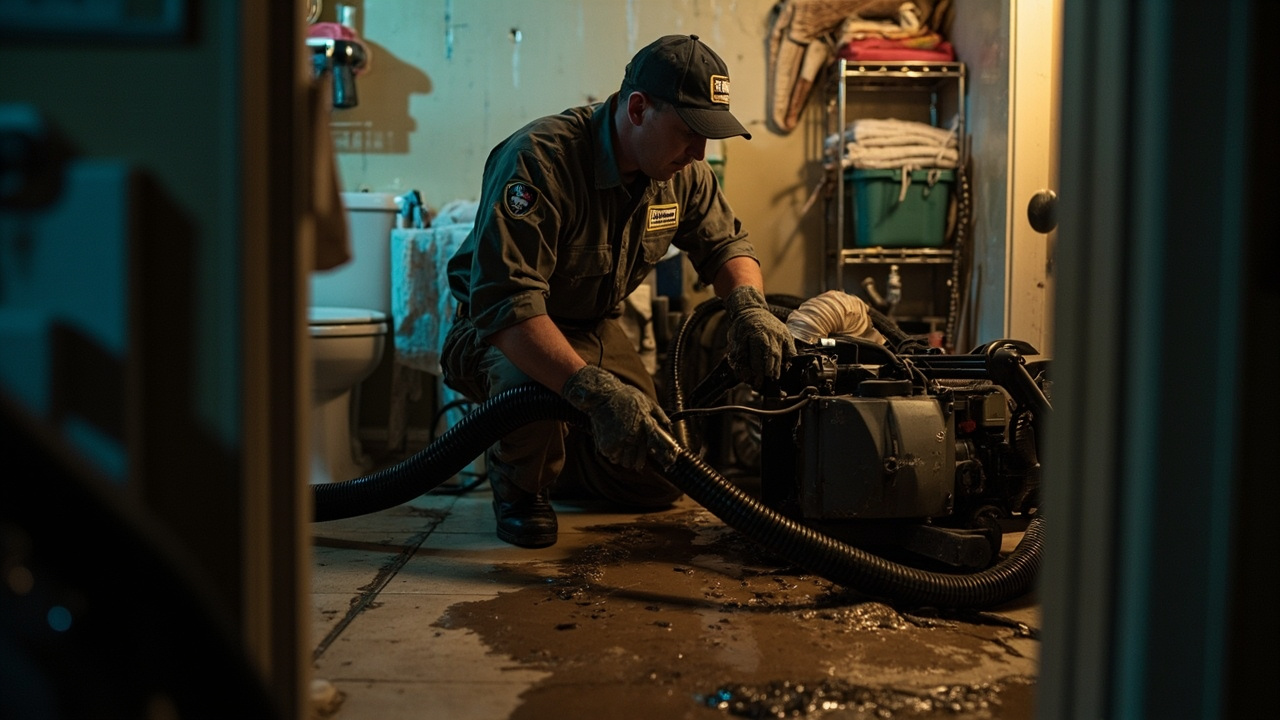
Next comes extraction. We use submersible pumps and weighted wands to remove contaminated water from carpets, padding, and subflooring. Standard shop vacuums cannot handle solids or the sheer volume. Our truck-mount extractors pull thousands of gallons per hour and discharge directly into a tanker for proper disposal. We do not dump sewage into your yard or storm drains.

Then we treat every affected surface with EPA-registered antimicrobial solutions. Bleach alone does not kill all sewage pathogens, and it can damage certain materials. We apply hospital-grade disinfectants formulated for Category 3 water contamination, then set up commercial air movers and dehumidifiers to dry structural cavities. Moisture trapped in wall cavities breeds mold within 48 hours. Our thermal imaging cameras find hidden moisture pockets that homeowners miss.

What Happens When You Call for Emergency Sewage Cleanup

Emergency Sewer Backup Cleanup in Louisville – 24/7 Response Within 60 Minutes
01

Immediate Dispatch and Containment

You call our emergency line and speak to a live dispatcher, not a voicemail system. We ask three questions: Where is the sewage coming from? How deep is the water? Do you smell sewer gas? This determines which truck we send and what equipment to load. Our technician arrives within 60 minutes, assesses the scene, and sets up containment barriers to stop sewage from spreading into unaffected rooms. We also shut off electrical circuits in flooded areas to prevent electrocution.
02

Extraction and Line Clearing

We pump out standing sewage using truck-mounted extractors, then camera-inspect your sewer lateral to locate the blockage. If tree roots or a collapsed section caused the backup, we clear the line with hydro-jetting or cable augering. We do not leave until water flows freely through your main drain line. All contaminated materials that cannot be disinfected, like carpet padding and drywall below the waterline, get removed and bagged for disposal. We document everything for insurance claims.
03

Disinfection and Structural Drying

After extraction, we fog affected areas with antimicrobial vapor and apply residual disinfectants to all hard surfaces. We place air movers and dehumidifiers to dry framing, subflooring, and insulation. Our moisture meters track progress daily. We do not pull equipment until readings confirm the structure is dry. You receive a completion report with photos and moisture logs. If mold appears during drying, we contain and remediate it immediately. Your home is safe to occupy once air quality testing clears.

Why Louisville Property Owners Trust Victory Plumbing for Sewage Emergencies

When sewage floods your property at 2 a.m., you need a crew that knows Louisville's sewer system inside and out. We have cleaned up backups in century-old shotgun houses in Germantown and modern subdivisions in Middletown. We know which neighborhoods still have terracotta laterals from the 1940s and where the MSD combined sewer overflows happen most often.

Louisville Metro requires specific permits for sewer line excavation, and we pull them fast. If your lateral pipe collapsed under your driveway, we coordinate with the city and handle the street cut permit. We also know which restoration work triggers code upgrades. If your cleanup involves more than 50 percent of a room, you may need to bring electrical and plumbing up to current code. We walk you through that before you get surprised during final inspection.

Our technicians hold IICRC Water Restoration Technician and Applied Microbial Remediation certifications. That matters because improper sewage cleanup leads to mold infestations, lingering odors, and failed insurance claims. We document every step with photos and moisture readings so your insurer cannot deny coverage for hidden damage that shows up later.

We also communicate with your insurance adjuster directly. Most homeowners policies cover sudden sewer backups if you have the optional rider. We provide detailed estimates, scope of loss reports, and drying logs. You should not have to fight your insurer while your house smells like a sewer. We have worked with every major carrier operating in Louisville, and we know what documentation they require.

Speed matters, but so does thoroughness. We do not pull our equipment after 24 hours and leave you with damp subflooring. We monitor the drying process for three to five days and adjust equipment as needed.

What to Expect During Emergency Sewage Cleanup

Response Time and Availability

We answer emergency calls 24 hours a day, 365 days a year. Our dispatch center is staffed by real people, not an answering service. When you call, we ask about the severity and your location, then send the closest available truck. Most Louisville-area properties get service within 60 minutes during off-peak hours and 90 minutes during peak storm events when multiple calls come in. We prioritize based on contamination level and flooding depth. A basement full of raw sewage gets faster response than a slow toilet backup. Our trucks carry enough equipment to handle up to 3,000 square feet of flooded space without returning to the shop.

On-Site Assessment and Scope

Our technician performs a visual inspection and uses moisture meters to check walls, baseboards, and subflooring for saturation. We probe hidden areas with infrared cameras to locate water migration you cannot see. We also inspect your main sewer line with a push camera to identify the blockage. You get a verbal walkthrough of what we found, what needs to happen next, and what your insurance may cover. We take photos and video for your records before we move or dispose of anything. If the damage is extensive, we may recommend a licensed mold assessor or structural engineer. You receive a written estimate before major work begins.

Cleanup Results and Safety Standards

By the time we finish, all standing sewage is gone, affected surfaces are disinfected, and structural materials are drying under controlled conditions. We remove and dispose of contaminated materials like carpet padding, insulation, and drywall that cannot be salvaged. Hard surfaces get treated with EPA-registered antimicrobials rated for Category 3 water. We leave air movers and dehumidifiers in place for several days and return daily to check moisture levels. You get a completion certificate with before-and-after photos, moisture logs, and a list of materials removed. Your property is safe to occupy once air quality testing shows no elevated bacteria or mold spore counts.

Documentation and Insurance Coordination

We provide detailed invoices, scope of loss reports, and photographic evidence formatted for insurance claims. If your policy includes sewer backup coverage, we work directly with your adjuster to get approval before starting major restoration work. We also help you understand what your policy covers and what falls under your deductible. Most carriers require proof that the damage was sudden and accidental, not the result of long-term neglect. Our documentation includes the date and time of the incident, the source of the backup, and the extent of contamination. You get copies of everything we submit to your insurer.

Frequently Asked Questions

You Have Questions,
We Have Answers

How to clean up after a sewer back up? +

Stop the source immediately. Turn off water if possible and avoid the affected area. Do not touch contaminated materials without gloves and protective gear. Sewage contains dangerous bacteria and pathogens. Call a professional cleanup crew right away. They will extract standing water, remove contaminated materials like drywall and insulation, sanitize all surfaces with hospital-grade disinfectants, and dry the space completely. In Louisville, older sewer systems and clay soil shifts can worsen backups. Attempting DIY cleanup exposes you to serious health risks and can spread contamination. Professional crews work fast, handle insurance documentation, and restore your home safely.

How much does sewage backup cleanup cost? +

Costs vary based on contamination level, affected square footage, and materials damaged. Minor backups affecting a small bathroom start around a few hundred dollars. Extensive basement flooding with category 3 sewage can reach several thousand dollars. Louisville homes with finished basements or older plumbing face higher costs due to material removal. Insurance often covers sewage backup if you have the right endorsement. Professional crews provide detailed estimates and work directly with your insurance adjuster. Waiting increases costs as contamination spreads and materials absorb more sewage. Get multiple quotes, but prioritize speed over price to prevent mold growth and structural damage.

Can you clear a main sewer line clog yourself? +

No. Main sewer line clogs require professional equipment like hydro-jetting machines or sewer cameras. DIY methods like drain snakes only reach 25 to 50 feet and cannot clear tree roots, grease buildup, or collapsed pipes. Louisville's mature tree canopy means root intrusion is common in older neighborhoods. Forcing a clog can crack pipes or worsen the blockage. You risk exposure to raw sewage and harmful gases. Licensed plumbers have the tools to diagnose the exact problem and clear the line safely. If you see multiple drains backing up or sewage in your basement, call a professional immediately.

How much does it cost to have a sewer clean out? +

Professional sewer cleanout typically costs between a few hundred to over a thousand dollars, depending on clog severity and access difficulty. Simple cleanouts using a cable auger are cheaper. Hydro-jetting for grease or root clogs costs more but clears lines completely. Camera inspections add to the price but pinpoint the exact problem. Louisville's older sewer laterals and clay soil shifts can complicate access. Emergency after-hours service costs more but prevents additional damage. Ask for a flat-rate quote before work begins. Many companies offer financing or work with insurance if the backup caused property damage.

How long do sewage bacteria last on surfaces? +

Sewage bacteria can survive on surfaces for days to weeks without proper disinfection. E. coli, salmonella, and hepatitis viruses thrive in moist environments. Porous materials like carpet, drywall, and insulation absorb sewage and harbor bacteria indefinitely. Surface wiping is not enough. Professional cleanup uses EPA-registered antimicrobial treatments that kill pathogens on contact. In Louisville's humid climate, bacteria multiply faster if moisture remains. Every hour counts. Do not assume surfaces are safe because they look clean. Health departments recommend professional decontamination for any sewage exposure. Children, elderly, and immune-compromised individuals face the highest risk from lingering contamination.

Is it safe to live in a house after sewage backup? +

No. Do not stay in a home with active sewage contamination. Raw sewage releases toxic gases like hydrogen sulfide and methane, which cause respiratory distress and explosions. Bacteria and viruses spread through the air and on surfaces. Children and pets are especially vulnerable. You must vacate immediately and call a professional restoration company. They will assess air quality, remove contaminated materials, disinfect thoroughly, and confirm the space is safe before re-entry. Louisville homes with basements or crawl spaces face added risk as sewage seeps into hidden areas. Your health is not worth the risk. Leave and let professionals handle it.

How Louisville's Combined Sewer System Creates Basement Flooding Risks

Much of Louisville still operates on a combined sewer system, where stormwater and sanitary sewage share the same pipes. When heavy rain overwhelms the system, MSD allows intentional overflows into the Ohio River to prevent widespread backups. But that relief does not always reach your lateral line fast enough. During major storms, pressure builds in the main line and forces sewage back through floor drains and basement toilets. Neighborhoods with older infrastructure, like Old Louisville and the Highlands, see this most often. Clay soil common throughout Jefferson County makes it worse by shifting during wet seasons and cracking aging terracotta laterals. Once cracks form, tree roots infiltrate and create blockages that trigger backups even in dry weather.

Victory Plumbing Louisville has cleaned up hundreds of sewer backups across every zip code in the metro area. We know which streets flood first during heavy rain and where the oldest sewer laterals are buried. We also stay current on Louisville Metro's sewer separation projects and MSD requirements for backwater valve installation. When you call us, you get a crew that understands local codes, knows how to pull permits fast, and can navigate MSD coordination if your backup involves a main line issue. Local expertise matters when you need rapid sewer backup restoration and immediate sewage spill mitigation. We do not waste time figuring out your neighborhood. We already know it.

Plumbing Services in The Louisville Area

We are proud to serve the entire Louisville metropolitan area and its surrounding communities. Our convenient location allows us to provide swift and reliable service to homes and businesses throughout the region. Whether you're in the heart of the city or a nearby suburb, we’re never far away. Visit our office or give us a call to discuss your plumbing needs. We look forward to being your trusted local plumbing partner.

Address:
Victory Plumbing Louisville, 2600 W Broadway, Louisville, KY, 40211

Additional Services We Offer

Our news updates

Latest Articles & News from The Blogs

The Logistics of Shared Sewer Lines for Historic Homeowners in Old Louisville If your Old Louisville Victorian shares a sewer…

The Logistics of Shared Sewer Lines for Historic Homeowners in Old Louisville

The Logistics of Shared Sewer Lines for Historic Homeowners in Old Louisville If your Old Louisville Victorian shares a sewer…

Plumbing Repairs You Should Definitely Make Before Listing Your St. Matthews Home for Sale

Plumbing Repairs You Should Definitely Make Before Listing Your St. Matthews Home for Sale Selling your St. Matthews home in…

Planning a Luxury Freestanding Tub Installation in Your Mockingbird Valley Master Suite

Planning a Luxury Freestanding Tub Installation in Your Mockingbird Valley Master Suite Installing a luxury freestanding tub in your Mockingbird…

Contact Us

Raw sewage is a biohazard. Do not wait. Call (502) 370-2677 now for 24-hour emergency sewer backup cleanup. Our crew arrives in under 60 minutes with industrial extraction equipment, antimicrobial treatments, and the experience to restore your property safely.