


Menu

Safe Drain Cleaning Products in Louisville – Expert-Vetted Solutions That Protect Your Pipes and the Ohio River Watershed

Learn which non-toxic drain openers, enzymatic drain cleaners, and septic safe clog removers actually work in Louisville's aging cast iron and clay sewer systems without corroding pipes or harming local waterways.

Slider Image 1
Slider Image 2
Slider Image 3
Slider Image 4
Slider Image 5
Slider Image 7
Slider Image 8
Slider Image 9
Slider Image 10
Slider Image 11

Why Chemical Drain Cleaners Are Dangerous for Louisville Homes

Louisville sits in the Ohio River Valley, where older neighborhoods like Old Louisville, Crescent Hill, and Germantown still have original cast iron drain lines and clay sewer laterals installed 60 to 100 years ago. These aging pipes cannot tolerate the sulfuric acid and sodium hydroxide found in conventional chemical drain cleaners.

When you pour caustic drain openers down a 70-year-old cast iron pipe, you accelerate corrosion from the inside out. The heat generated by these chemicals can crack clay tiles in your sewer lateral, leading to root intrusion and costly excavation. Louisville homeowners face a unique challenge because our soil composition shifts with seasonal flooding and freeze-thaw cycles, which already stress older plumbing infrastructure.

Beyond pipe damage, harsh chemical drain cleaners pose risks to septic systems common in eastern Jefferson County and Oldham County. They kill the beneficial bacteria that break down waste, causing system failure. These same chemicals end up in the Ohio River watershed, harming aquatic ecosystems.

Safe drain cleaning products offer a smarter solution. Eco-friendly drain cleaners use enzymatic formulas and natural drain unblockers that dissolve organic matter without corroding metal or ceramic pipes. Non-toxic drain openers work slower than chemical products but protect your plumbing investment and the environment. For homes built before 1970, septic safe clog removers are not optional, they are essential to avoid catastrophic pipe failure.

You need products specifically designed for the challenges Louisville plumbing systems face.

Why Chemical Drain Cleaners Are Dangerous for Louisville Homes
How Safe Drain Cleaning Products Actually Work

How Safe Drain Cleaning Products Actually Work

Enzymatic drain cleaners use biological agents to break down the organic materials that cause most residential clogs. Hair, soap scum, food particles, and grease are organic compounds. Enzymes act as biological catalysts that digest these substances into smaller molecules that flow freely through your drain lines.

The process takes time. While a caustic chemical cleaner might clear a clog in 15 minutes through violent exothermic reaction, an enzymatic formula works over 8 to 12 hours. The tradeoff is safety. You eliminate pipe corrosion risk and protect the beneficial bacteria in septic systems.

Natural drain unblockers typically combine enzymatic action with mechanical compounds. Products containing citric acid or vinegar-based formulas create mild fizzing action that helps dislodge buildup without generating dangerous heat. These formulations work best as preventive maintenance rather than emergency clog removal.

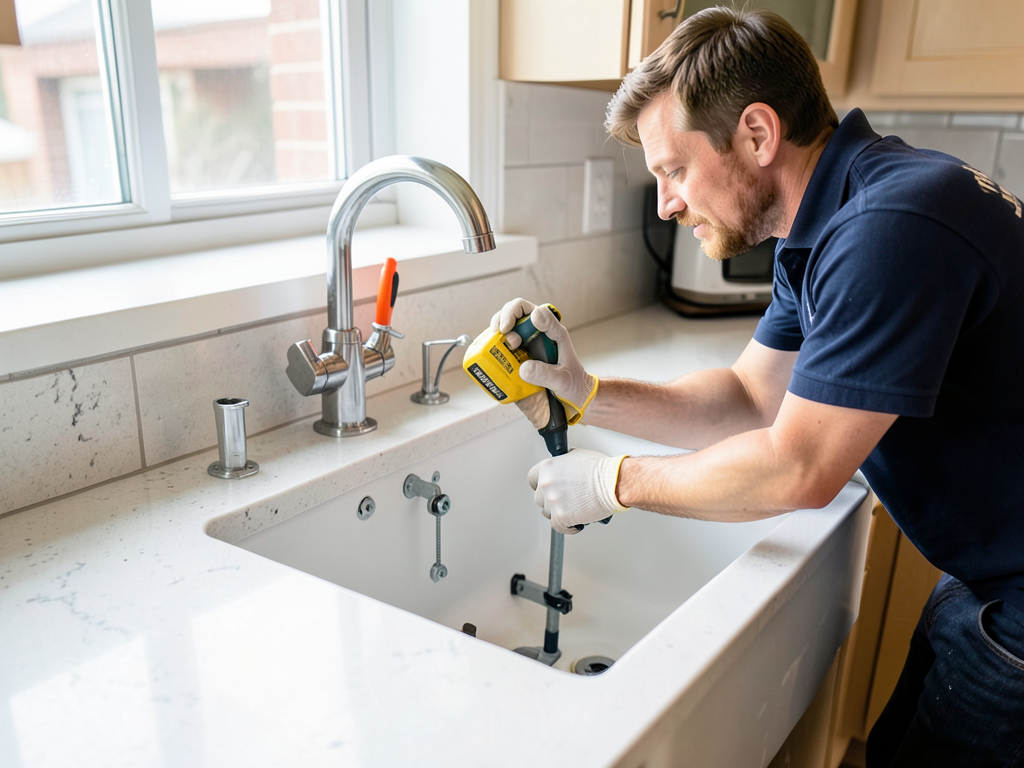
For stubborn clogs in Louisville homes with galvanized steel or cast iron pipes, a drain auger remains the safest mechanical solution. Victory Plumbing Louisville uses professional-grade cable machines that physically break through blockages without introducing corrosive substances into aging pipe systems.

The key difference between safe products and conventional chemicals is predictability. Enzymatic drain cleaners will not suddenly generate 200-degree heat that warps PVC joints or cracks porcelain fixtures. Non-toxic drain openers will not release chlorine gas if accidentally mixed with other household cleaners.

For Louisville homeowners managing older plumbing infrastructure, this predictability matters more than speed. A slow-acting enzymatic treatment protects your investment. An emergency chemical pour can cost you thousands in pipe replacement.

Choosing the Right Safe Drain Product for Your Louisville Home

Safe Drain Cleaning Products in Louisville – Expert-Vetted Solutions That Protect Your Pipes and the Ohio River Watershed
01

Identify Your Pipe Material

Before selecting any drain cleaning product, determine what your drain lines are made of. Louisville homes built before 1960 likely have cast iron or galvanized steel. Homes from the 1960s through 1980s often used copper or early PVC. Newer construction uses PVC or ABS plastic. Cast iron requires enzymatic formulas only. Galvanized steel corrodes rapidly with any acidic compound. PVC tolerates most products, but heat remains a concern near joints and traps.
02

Match Product to Clog Type

Hair and soap clogs respond well to enzymatic drain cleaners with protease and lipase enzymes. Kitchen sink grease buildup requires bacterial formulas with lipase specifically. Bathroom sinks benefit from products targeting keratin breakdown. Toilet clogs rarely respond to any chemical treatment and require mechanical augering. Laundry drain issues often involve detergent buildup and lint, which enzymatic products handle effectively. Matching the enzyme type to the organic material determines success rate.
03

Apply With Proper Timing

Enzymatic drain cleaners work best overnight when water usage stops. Pour the recommended amount directly into the drain, avoid immediate rinsing, and let biological action occur for 8 to 12 hours. Morning showers flush away dissolved material. For preventive maintenance, monthly overnight treatments keep organic buildup from forming clogs. Emergency clogs require professional augering first, then enzymatic follow-up to prevent recurrence. Timing matters because enzymes need contact time with organic material.

Why Louisville Homeowners Trust Local Plumbing Expertise for Product Recommendations

Victory Plumbing Louisville has responded to hundreds of drain emergencies caused by homeowners using the wrong products. We have pulled apart corroded cast iron pipes in Butchertown where chemical cleaners ate through 2mm of remaining pipe wall. We have excavated collapsed clay sewer laterals in Highlands neighborhoods where caustic drain openers cracked 80-year-old terra cotta tiles.

Our technicians understand Louisville's plumbing infrastructure because we work in these systems daily. We know that homes near Cherokee Park often have shallow sewer laterals vulnerable to root intrusion. We recognize that properties in Shively and Valley Station frequently have septic systems that cannot tolerate harsh chemicals. We have seen how the 2009 ice storm and 2018 windstorms damaged vent stacks, creating drainage issues that chemicals cannot fix.

When you call us about a slow drain, we do not automatically sell you a service call. We ask about your home's age, previous plumbing work, and what you have already tried. For many situations, we recommend specific septic safe clog removers or enzymatic products that address your exact problem without damaging your pipes.

This approach builds trust. Louisville homeowners return to us because we prioritize their plumbing system's longevity over quick profit. We explain why a particular eco-friendly drain cleaner works for their pipe material and clog type. We educate about prevention strategies that reduce future emergency calls.

Local expertise means understanding that a 1920s shotgun house in Portland has different plumbing needs than a 2015 subdivision home in Prospect. We tailor product recommendations and service solutions to your specific property and Louisville's unique infrastructure challenges.

What You Need to Know Before Buying Drain Cleaning Products

Response Time for Different Products

Enzymatic drain cleaners require 8 to 12 hours to work effectively. Plan overnight applications when no one needs that drain. Bacterial formulas may take 24 hours for full effectiveness but provide longer-lasting results by establishing beneficial colonies that continue breaking down organic matter. Natural drain unblockers with mechanical action work faster, typically within 2 to 4 hours, but offer less thorough cleaning. For genuine emergencies where a drain is completely blocked, no safe chemical product works fast enough. Professional mechanical augering clears the immediate blockage in 30 to 60 minutes, then you follow up with enzymatic maintenance treatments.

Reading Labels and Understanding Ingredients

Check for enzyme types listed on the label. Protease breaks down protein materials like hair. Lipase targets fats and oils. Amylase handles starches and carbohydrates. Cellulase works on paper products and plant fibers. Products listing specific enzyme types are more reliable than those claiming proprietary blends. Avoid products containing sodium hydroxide, sulfuric acid, or hydrochloric acid regardless of marketing claims about being safer. Look for USDA BioPreferred certification or EPA Safer Choice labels. For septic systems, verify the product explicitly states septic safe, not just biodegradable. These terms have different meanings, and only septic safe products preserve bacterial colonies essential for waste breakdown.

Realistic Effectiveness Expectations

Safe drain cleaning products excel at preventive maintenance and minor slow drains. They effectively handle gradual buildup of organic materials like hair, soap scum, and food particles. They will not clear complete blockages caused by foreign objects, collapsed pipes, root intrusion, or mineral deposits. Louisville's hard water causes calcium and lime scale in drain lines that no enzymatic product can remove. These mineral deposits require mechanical descaling or hydro jetting. Realistic expectations prevent frustration. Use eco-friendly drain cleaners monthly to prevent clogs from forming. When you have a genuine blockage with standing water that will not drain, call for professional mechanical clearing rather than wasting time and money on multiple product attempts.

Long-Term Maintenance Strategies

Establish a monthly drain maintenance routine using enzymatic products. Treat all drains in your home on the same night each month when you can avoid water usage for 8 to 12 hours. This prevents organic buildup from accumulating into clogs. For kitchen drains, run hot water for 30 seconds after each meal to help grease move through pipes before it solidifies. Install mesh drain screens in bathroom sinks and showers to catch hair before it enters drain lines. For homes on septic systems, schedule professional tank inspections every three years and use only septic safe products for all household cleaning. Victory Plumbing Louisville offers drain camera inspections that identify problem areas before they become emergencies, allowing targeted preventive treatment.

Frequently Asked Questions

You Have Questions,
We Have Answers

What is the safest drain cleaner? +

Enzyme-based drain cleaners are the safest option for routine maintenance. These bio-enzymatic formulas use natural bacteria to break down organic material like hair, grease, and soap scum without corroding pipes. Products like Bio-Clean or Earth Enzymes work slowly over several hours but cause zero damage to plumbing systems common in Louisville homes, including older cast iron or PVC. They are safe for septic systems and won't create toxic fumes. For persistent clogs, skip chemical cleaners entirely and call a plumber. A professional hydro-jetting or snaking service protects your pipes and solves the problem permanently.

What do plumbers recommend to keep drains clean? +

Plumbers recommend hot water flushes and routine mechanical cleaning. Pour boiling water down your kitchen sink weekly to dissolve grease buildup before it solidifies. Use drain screens to catch hair and debris in bathroom sinks and tubs. Monthly enzyme treatments maintain drain health without chemical damage. For Louisville homes with older plumbing, avoid harsh chemicals that accelerate pipe corrosion, especially in cast iron systems common in historic neighborhoods. Schedule annual professional drain cleaning with hydro-jetting or mechanical snaking. This proactive approach prevents clogs before they form and extends the lifespan of your entire plumbing system.

Why do plumbers say not to use drain cleaner? +

Chemical drain cleaners generate extreme heat that can crack pipes, melt plastic fittings, and corrode metal plumbing. The active ingredients like sodium hydroxide or sulfuric acid eat through organic clogs but also attack pipe materials over time. In Louisville homes with older cast iron or galvanized steel pipes, this accelerates deterioration. Chemical cleaners also create toxic fumes and pose burn risks if splashed. They rarely solve tough clogs, instead pushing debris deeper into the line. Plumbers see repeat service calls after chemical cleaner failures. Mechanical removal with a snake or hydro-jetting solves the problem safely and completely.

How to clean drains without chemicals? +

Manual removal works best without chemicals. Use a drain snake or zip-it tool to pull out hair and debris from bathroom drains. For kitchen sinks, remove the P-trap under the sink and clean it manually. Pour boiling water down drains weekly to prevent grease buildup. A wet/dry vacuum can create suction to dislodge clogs. Combine a plunger with hot water for minor stoppages. For Louisville homes, consider professional hydro-jetting for stubborn clogs. This method uses high-pressure water to scour pipe walls clean without chemicals or pipe damage. Schedule service before clogs become emergencies.

What do plumbers recommend instead of Drano? +

Plumbers recommend mechanical removal tools instead of Drano. A hand-crank drain snake or power auger physically breaks up clogs without chemical damage. For serious blockages, professional hydro-jetting uses high-pressure water to clear pipes completely. If you prefer a drain cleaner, choose enzyme-based products that digest organic material slowly without generating heat or corrosive fumes. These work best as maintenance tools, not emergency solutions. In Louisville, where homes often have aging plumbing systems, avoiding caustic chemicals like Drano prevents pipe damage and costly repairs. Call a licensed plumber for persistent clogs rather than pouring chemicals down the line.

Does Dawn dish soap unclog drains? +

Dawn dish soap can help with minor grease clogs but is not a complete solution. Squirt several tablespoons of Dawn into the drain, then flush with boiling water. The soap breaks down grease molecules, allowing hot water to wash them through the system. This method works best as prevention rather than cure. For Louisville kitchens dealing with accumulated grease from Southern cooking, use this technique weekly to maintain clear drains. However, Dawn cannot dissolve hair, soap scum, or solid debris. For actual clogs, use a plunger, drain snake, or call a plumber. Dawn is maintenance, not a miracle cure.

Why should you never use baking soda and vinegar to unclog a drain? +

Baking soda and vinegar create a fizzy reaction that looks impressive but lacks cleaning power. The chemical reaction produces carbon dioxide gas and water, which cannot generate enough force to break up clogs. The fizzing action occurs in the drain opening, not where the clog sits deeper in the pipe. This mixture also neutralizes into salt water, leaving no active cleaning agent. While harmless, it wastes time when you need real solutions. In Louisville plumbing systems, especially older cast iron lines, mechanical removal or enzyme cleaners work better. Use a drain snake or call a professional for effective clog removal.

Why pour salt down the drain every night? +

Pouring salt down drains nightly is unnecessary and ineffective. This internet myth claims salt prevents clogs by scouring pipes or killing bacteria. In reality, salt dissolves quickly and passes through without cleaning action. It does not prevent grease buildup, hair accumulation, or soap scum. For Louisville homeowners, better prevention includes weekly boiling water flushes, drain screens to catch debris, and monthly enzyme treatments. Salt can also corrode metal pipes over time. Save your salt for cooking. Focus on proven maintenance like proper disposal of grease, using drain screens, and scheduling annual professional drain cleaning for lasting results.

How to get rid of brown gunk in sink drain? +

Brown gunk is biofilm, a slimy mixture of bacteria, soap scum, and decomposing organic matter. Remove the sink stopper and clean it thoroughly with a brush and degreasing soap. Pour boiling water down the drain to loosen buildup. Use a drain brush or bottle brush to scrub pipe walls just below the drain opening. Flush with more boiling water. For deeper cleaning, apply an enzyme-based drain cleaner that digests organic material safely. In Louisville bathrooms with hard water, mineral deposits mix with biofilm, creating stubborn gunk. Monthly cleaning prevents buildup. For recurring issues, have a plumber inspect for drainage problems.

What are two things you should never flush down a toilet? +

Never flush wipes or feminine hygiene products. Flushable wipes do not break down like toilet paper and create massive clogs in sewer lines. They snag on pipe joints and tree roots, collecting other debris into blockages that require professional removal. Feminine hygiene products absorb water and expand, lodging in pipes and causing backups. Louisville homes connected to older sewer systems face higher risk because these items catch on rough pipe surfaces or root intrusions. Only flush toilet paper and human waste. Everything else belongs in the trash. This simple rule prevents expensive plumbing emergencies and protects the municipal sewer system.

How Louisville's Water Chemistry Affects Drain Product Performance

Louisville Water Company draws from the Ohio River and treats it to meet federal standards, but our water remains moderately hard with 120 to 180 mg/L of dissolved minerals. This hardness creates soap scum faster than in soft water areas. When soap mixes with hard water minerals, it forms insoluble compounds that stick to pipe walls. Enzymatic drain cleaners must work harder in Louisville because they face both organic buildup and mineral deposits. The lipase enzymes that break down soap work effectively, but they cannot dissolve the calcium carbonate left behind. This is why Louisville homes benefit from quarterly hydro jetting in addition to monthly enzymatic treatments. The combination addresses both organic and mineral accumulation that our specific water chemistry creates.

Louisville Municipal Code requires proper disposal of household chemicals to protect our combined sewer system and wastewater treatment plants. When you pour caustic drain cleaners down your drains, they flow to Morris Forman Water Quality Treatment Center, where they can disrupt biological treatment processes. Metropolitan Sewer District has documented increasing chemical loads that stress treatment capacity. By choosing non-toxic drain openers and septic safe clog removers, you support the infrastructure that protects the Ohio River. Victory Plumbing Louisville educates homeowners about these connections because local plumbing decisions have community-wide environmental impacts. Our technicians understand Louisville's drainage systems from your individual pipe to the regional watershed.

Plumbing Services in The Louisville Area

We are proud to serve the entire Louisville metropolitan area and its surrounding communities. Our convenient location allows us to provide swift and reliable service to homes and businesses throughout the region. Whether you're in the heart of the city or a nearby suburb, we’re never far away. Visit our office or give us a call to discuss your plumbing needs. We look forward to being your trusted local plumbing partner.

Address:
Victory Plumbing Louisville, 2600 W Broadway, Louisville, KY, 40211

Additional Services We Offer

Our news updates

Latest Articles & News from The Blogs

Stopping the Banging Sound in Your Pipes with Water Hammer Arrestors in Shively That sudden banging noise when you turn…

Stopping the Banging Sound in Your Pipes with Water Hammer Arrestors in Shively

Stopping the Banging Sound in Your Pipes with Water Hammer Arrestors in Shively That sudden banging noise when you turn…

Identifying Dangerous Water Heater Venting Issues in Your Historic Old Louisville Home

Identifying Dangerous Water Heater Venting Issues in Your Historic Old Louisville Home Water heater venting problems in Old Louisville’s historic…

The Truth About Flushable Wipes and Why They Keep Clogging Pipes in Hikes Point

The Truth About Flushable Wipes and Why They Keep Clogging Pipes in Hikes Point Flushable wipes might seem convenient but…

Contact Us

Stop risking your pipes with harsh chemicals. Call Victory Plumbing Louisville at (502) 370-2677 for personalized product recommendations based on your home's plumbing system. We help you choose solutions that work without causing damage.