




Menu

Noisy Pipes in Louisville – Expert Diagnosis and Permanent Fixes for Water Hammer and Banging Plumbing

Victory Plumbing Louisville specializes in identifying the root cause of loud water pipes, water hammer, and rattling plumbing systems throughout the Louisville metro, delivering lasting solutions that restore peace and prevent future damage.

Slider Image 1
Slider Image 2
Slider Image 3
Slider Image 4
Slider Image 5
Slider Image 7
Slider Image 8
Slider Image 9
Slider Image 10
Slider Image 11

Why Louisville Homes Experience Banging Pipes and Water Hammer

You hear it every time you turn off the faucet. A sharp bang echoes through the walls. Or maybe your pipes rattle when the washing machine cycles off. You are not imagining it, and you are not alone. Noisy pipes are one of the most common plumbing complaints in Louisville homes, and the root causes are often tied to our local water system and housing stock.

Louisville sits on the Ohio River floodplain, which means our municipal water pressure runs higher than average to compensate for elevation changes and ensure consistent delivery across neighborhoods from Highlands to Crescent Hill. That elevated pressure causes water hammer when valves close quickly. The sudden stop sends a shockwave backward through the pipes, creating that distinctive banging sound.

Older homes in historic districts like Old Louisville and Cherokee Triangle often have galvanized steel pipes that have narrowed over decades due to mineral deposits. Water rushing through these constricted pipes creates turbulence, which amplifies rattling and vibration. Add in loose pipe straps or missing air chambers, and you have a recipe for loud water pipes that wake you up at night.

The problem gets worse during winter. Louisville sees freeze-thaw cycles that cause pipes to expand and contract. Mounting brackets loosen, which allows pipes to move and knock against studs and joists. That movement compounds existing water hammer issues and creates new sources of noise.

The good news is that noisy plumbing is almost always fixable once you identify the specific cause. Most homeowners try to ignore it, but that banging can signal pressure problems that will eventually damage fixtures, valves, and the pipes themselves.

Why Louisville Homes Experience Banging Pipes and Water Hammer
How We Diagnose and Fix Rattling Pipes and Water Hammer

How We Diagnose and Fix Rattling Pipes and Water Hammer

Most plumbers will tell you to install water hammer arrestors and call it done. That works sometimes, but not always. We take a different approach because noisy pipes usually have multiple contributing factors.

We start by testing your static water pressure at the main and at fixtures throughout the house. Louisville homes should run between 50 and 70 psi. Anything above 80 psi puts stress on valves and fixtures, and it amplifies water hammer when those valves close. If pressure is high, we install a pressure-reducing valve at your main line to bring it into the safe zone.

Next, we check pipe mounting. Loose or missing straps allow pipes to move when water surges through them. We secure all accessible horizontal runs with proper spacing and use cushioned straps to absorb vibration. For vertical runs, we inspect riser clamps and replace any that have degraded.

Air chambers are the original water hammer prevention system. These short vertical pipes trap air that acts as a cushion when water flow stops suddenly. Over time, air chambers fill with water and stop working. We drain the system and recharge the chambers, or we install modern water hammer arrestors that use a piston and air bladder for longer-lasting protection.

We also inspect quick-closing valves. Washing machine solenoids and dishwasher valves shut off in milliseconds, which creates the worst water hammer. Installing arrestors directly at those appliances stops the shockwave before it travels through your system.

For homes with galvanized pipes, we evaluate whether corrosion and buildup are restricting flow. If diameters have narrowed significantly, repiping problem sections eliminates turbulence and the rattling it causes.

What Happens When You Call About Banging Pipes

Noisy Pipes in Louisville – Expert Diagnosis and Permanent Fixes for Water Hammer and Banging Plumbing
01

System Pressure Testing

We measure water pressure at multiple points throughout your home using calibrated gauges. This identifies whether high municipal pressure or a failing pressure regulator is causing water hammer. We test under static conditions and while fixtures operate to capture pressure spikes that occur during normal use. Louisville homes near pumping stations often see pressure swings that contribute to noisy plumbing.
02

Pipe and Valve Inspection

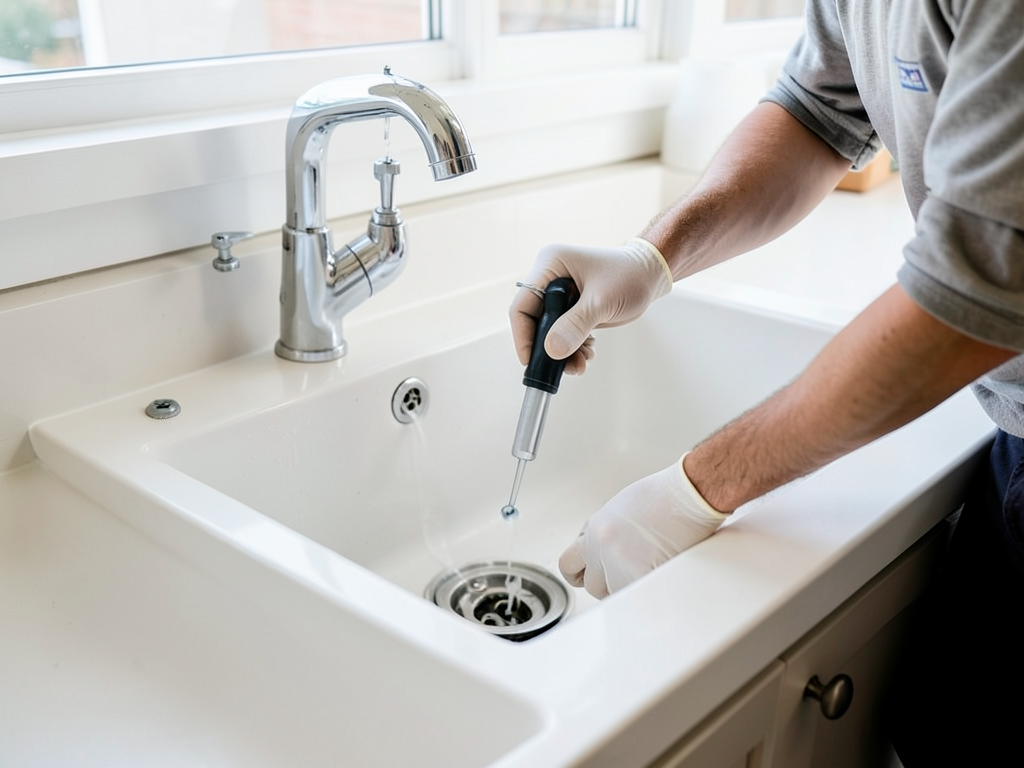
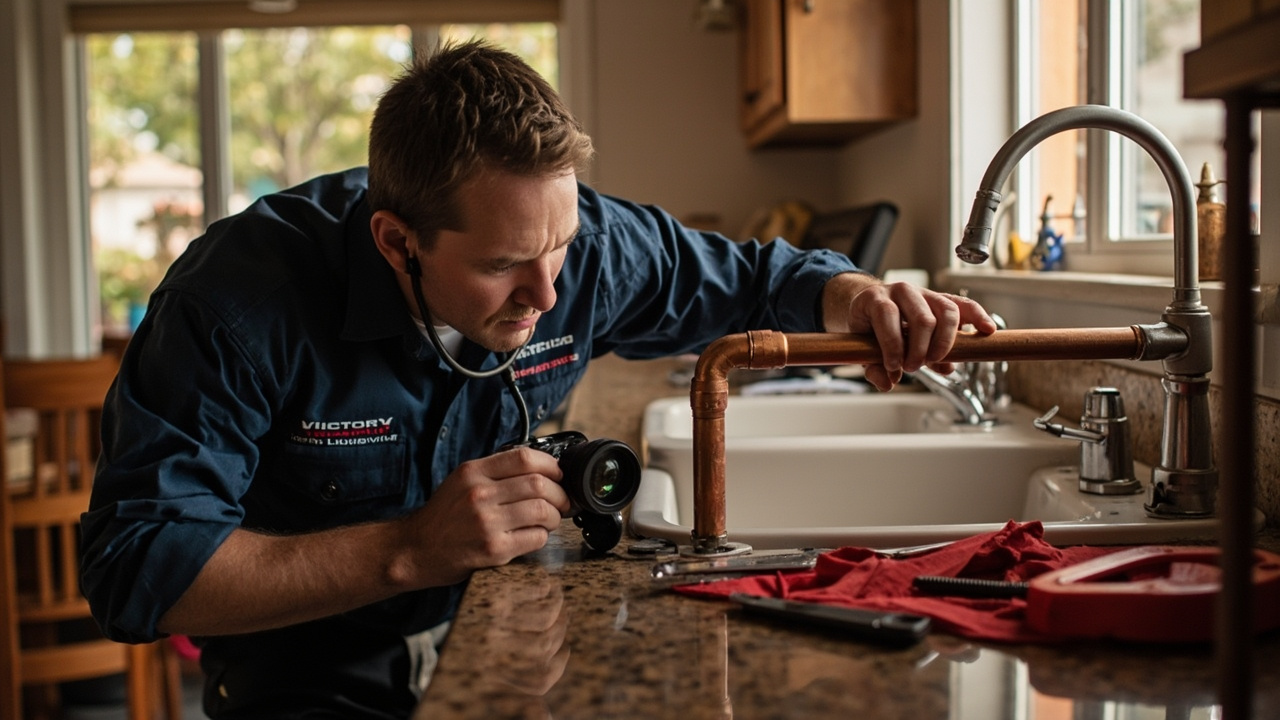
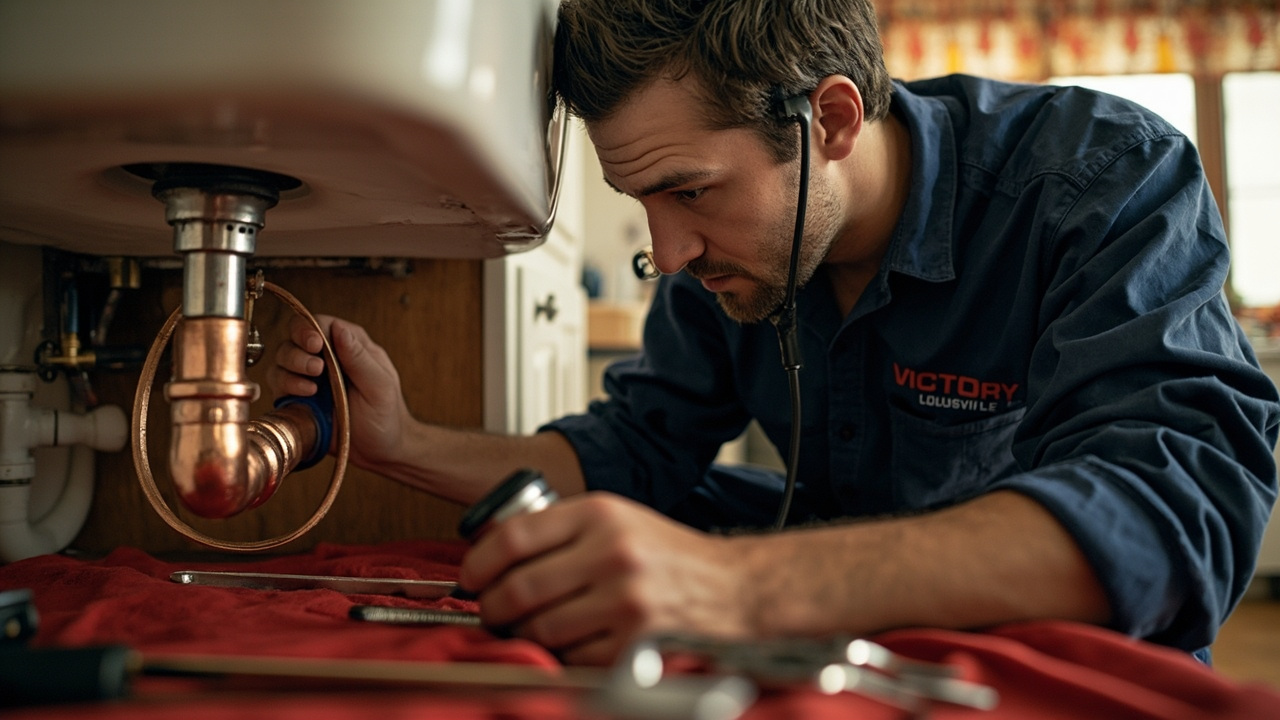
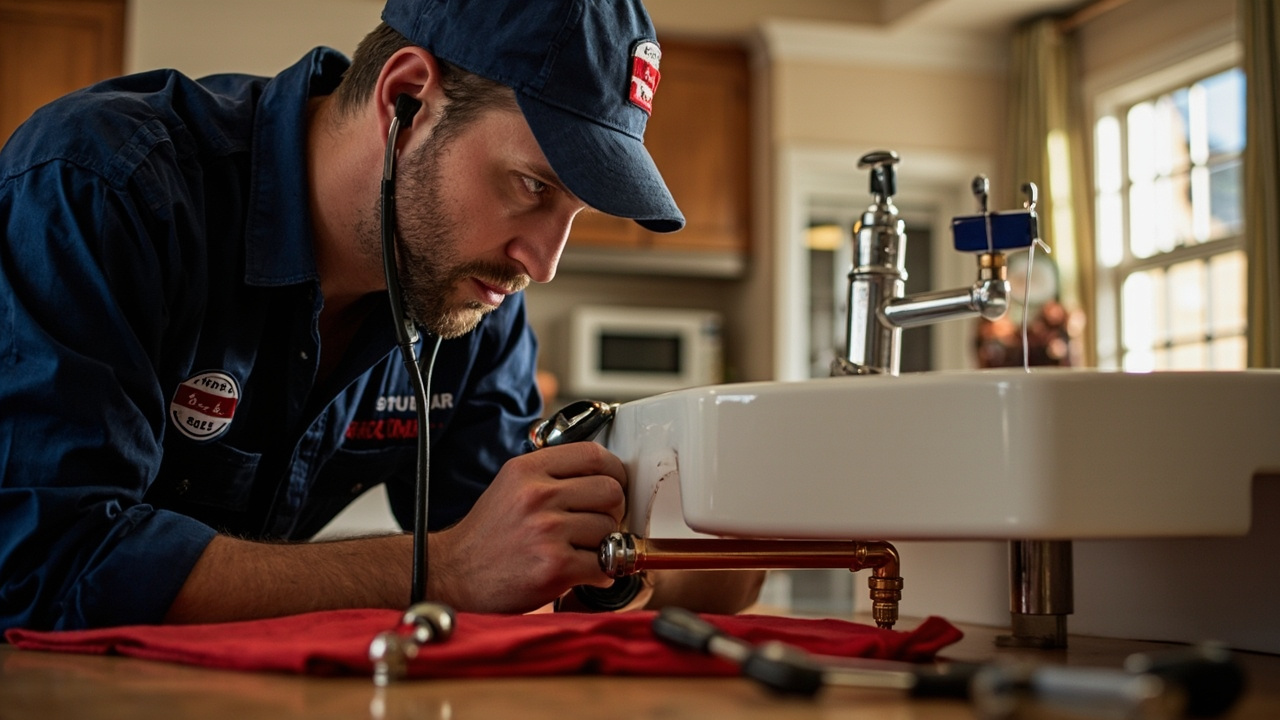
We trace your supply lines through accessible areas, checking for loose mounting straps, missing air chambers, and failing arrestors. We operate fixtures and appliances to pinpoint exactly where the noise originates. We inspect quick-closing valves at washing machines, dishwashers, and toilets, as these are the most common triggers for water hammer. We also check for pipe corrosion or buildup that restricts flow and creates turbulence.
03

Targeted Repairs and Testing

We implement the appropriate fix based on what we find. This might include installing a pressure-reducing valve, securing loose pipes, recharging air chambers, or adding water hammer arrestors at problem valves. After repairs, we test the system thoroughly by operating all fixtures and appliances. You should hear silence instead of banging. We confirm that pressure stays within safe limits and that pipes remain secure under normal use conditions.

Why Louisville Homeowners Choose Us for Plumbing Diagnostics

Noisy pipes are diagnostic problems. The banging is just a symptom. Finding the actual cause requires experience with Louisville housing stock and water systems. We have worked in enough homes from Germantown to St. Matthews to recognize patterns that other plumbers miss.

We know that homes near the Crescent Hill Reservoir often have elevated pressure because of their position relative to the water tower. We know that houses built in the 1920s and 1930s in Old Louisville frequently have air chambers that have failed. We know that newer subdivisions in eastern Jefferson County sometimes have undersized risers that create velocity issues.

That local knowledge saves time and prevents unnecessary work. A plumber who does not understand Louisville water delivery might install arrestors when the real problem is 95 psi pressure that needs regulation at the main. Or they might replace a section of pipe when simply securing it would solve the rattling.

We also understand Louisville building codes and know what modifications require permits and inspections. Installing a new pressure-reducing valve on your main line is considered a significant alteration in Louisville Metro, and we handle the permitting process correctly.

You get a written diagnosis that explains exactly what is causing your noisy pipes and what your options are. We explain the difference between quick fixes and permanent solutions. If your galvanized pipes are corroded throughout, we tell you that securing them might quiet the rattling temporarily, but repiping will deliver lasting results.

We do not oversell. If your problem requires a simple fix, that is what we recommend. If it requires investment in system upgrades, we explain why and what you gain from making that investment now versus later.

What to Expect During Your Service Call

Response Time and Scheduling

Noisy pipes are rarely true emergencies, but they disrupt your daily life and signal underlying issues that can cause damage over time. We typically schedule diagnostic visits within 24 to 48 hours of your call. If water hammer is severe enough to cause visible leaks or fixture damage, we prioritize your appointment. Our diagnostic visits usually take 45 to 90 minutes depending on your home size and plumbing layout. We arrive with pressure testing equipment and the most common repair components so we can often resolve the issue during the first visit.

The Diagnostic Process

We start by asking when you hear the noise and what triggers it. That conversation gives us clues about whether you have water hammer, loose pipes, or flow restrictions. We test pressure at your main shutoff and at fixtures throughout the house. We ask you to demonstrate the problem by operating the fixtures or appliances that cause banging. We inspect accessible pipes in basements, crawl spaces, and utility rooms. We look for loose straps, missing air chambers, and signs of corrosion. We explain our findings as we go and show you the specific components that need attention.

The Finished Result

You should hear silence when you shut off faucets and when appliances cycle. The banging, rattling, and hammering should be gone. Your water pressure should stay consistent and within the safe range. Pipes should remain secure and quiet under normal use. We operate all your fixtures and appliances before we leave to confirm the repair worked. If we installed a pressure-reducing valve, we set it to the optimal pressure for your home and show you how to adjust it if needed. You get documentation of what we found and what we fixed.

Ongoing Maintenance and Follow-Up

Water hammer arrestors and pressure regulators are mechanical devices that can wear out over time. Arrestors typically last 10 to 15 years before the internal bladder fails. Pressure-reducing valves should be tested annually to confirm they maintain correct output pressure. We recommend checking pipe straps and mounting brackets every few years, especially in basements and crawl spaces where seasonal humidity can corrode fasteners. If your noisy pipes return after our repair, we come back to determine whether a component failed or a new issue developed. Most fixes for water hammer and rattling pipes are permanent when installed correctly.

Frequently Asked Questions

You Have Questions,
We Have Answers

How do you stop noisy water pipes? +

Stopping noisy pipes depends on the cause. Water hammer needs a pressure-reducing valve or water hammer arrestor installed near fixtures. Loose pipes require securing with proper hangers or foam insulation. High water pressure above 80 psi damages fixtures and creates banging sounds. Install a pressure regulator at your main line. Air in pipes requires bleeding the system by opening faucets at the highest point first, then working down. Louisville's older homes often have undersized or corroded piping that amplifies noise. A plumber can diagnose the exact issue and implement the right fix.

Why is there a loud sound coming from my pipes? +

Loud sounds signal specific plumbing issues. Banging or hammering happens when water flow stops abruptly, causing pressure shock waves. Whistling or squealing indicates restricted flow through a worn valve washer or partially closed valve. Rattling suggests loose pipes vibrating against framing when water flows. Gurgling points to drainage problems or improper venting. Louisville's clay soil shifts can stress pipe connections, creating rattles or clicks. High mineral content in local water supplies can narrow pipes over time, increasing velocity and noise. Temperature changes cause expansion and contraction in copper pipes, producing ticking sounds.

What is the average cost to fix noisy pipes? +

Repair costs vary by complexity. Simple fixes like securing loose pipes or replacing valve washers run low, while installing water hammer arrestors or pressure-reducing valves costs more. Whole-house repipes for severe corrosion represent the high end. Louisville's historic homes may require additional labor for access through plaster walls or tight crawlspaces. Most residential repairs for isolated noisy pipe issues fall in the moderate range. Costs increase if the problem damaged drywall or requires multiple locations. Get a diagnostic inspection first. Addressing noise early prevents expensive pipe failures later.

How to identify noisy pipe problems? +

Identify the sound first. Listen at each fixture when the noise occurs. Banging during valve closure indicates water hammer. Whistling when running water suggests a worn washer. Rattling constant noise means loose pipes. Check when it happens. Noise only when hot water runs points to thermal expansion in pipes. Louisville's temperature swings stress pipes more than moderate climates. Note the location. Sounds near the water heater suggest sediment buildup or expansion issues. Upstairs bathroom noise may indicate air in vertical supply lines. Document patterns before calling a plumber for faster diagnosis.

Do pipes make noise before bursting? +

Yes, certain noises warn of imminent failure. Loud banging or sudden pressure changes weaken pipe joints and can cause ruptures, especially in older galvanized or corroded copper pipes. Constant rattling loosens connections over time. Whistling at high pitch indicates restricted flow that increases pressure stress. Louisville homes built before 1960 often have original galvanized steel pipes already weakened by corrosion. The freeze-thaw cycles we experience accelerate failure in compromised sections. Ignoring persistent noise often results in leaks or burst pipes during winter cold snaps. Address unusual sounds immediately to prevent water damage.

Should I be concerned about water hammering? +

Yes. Water hammer creates pressure spikes exceeding 10 times normal pressure. This hydraulic shock damages pipe joints, loosens fittings, and stresses fixtures. Repeated hammering causes premature failure of washing machine hoses, dishwasher connections, and toilet fill valves. Louisville's hard water compounds the problem by accelerating corrosion at weakened joints. The shock waves travel through your entire plumbing system, damaging sections far from the source. Water hammer also stresses your water heater and can crack older fixtures. Install arrestors or pressure regulators promptly. This prevents expensive repairs and protects your plumbing investment long-term.

Can I ignore the water hammer? +

No. Ignoring water hammer guarantees future problems. Each hammer event weakens joints and fittings through micro-fractures. Repeated shocks cause premature pipe failure and leaks inside walls where you cannot see damage developing. Louisville's humid climate turns hidden leaks into mold growth quickly. Water hammer stresses appliance connections, shortening the life of your washing machine, dishwasher, and water heater. The pressure spikes also damage fixture cartridges and seals. What starts as annoying noise becomes a burst pipe flooding your home. Address water hammer when you first notice it. Prevention costs far less than emergency repairs and water damage restoration.

Can DIY fix noisy pipes? +

Simple fixes work for minor issues. You can secure exposed pipes with foam insulation or plastic hangers. Replacing a worn faucet washer stops whistling if you have basic skills. Bleeding air from pipes requires only opening faucets in sequence. However, installing water hammer arrestors, pressure regulators, or accessing pipes inside walls requires experience and proper tools. Louisville's older homes often have outdated plumbing configurations that complicate repairs. Misdiagnosing the cause wastes money on wrong solutions. A professional identifies the root problem quickly and implements code-compliant repairs. Call a plumber for persistent noise or inaccessible pipe locations.

How long does it take to bleed air out of water pipes? +

Bleeding air takes 15 to 30 minutes for most homes. Start at the highest faucet, usually an upstairs bathroom. Open both hot and cold sides fully. Move systematically to lower fixtures, opening each until water flows smoothly without sputtering. The main floor comes next, then basement fixtures last. Louisville's multi-story homes may need two cycles to purge all air. Leave each faucet open for two to three minutes after sputtering stops. If air returns repeatedly, you have a bigger problem like a cracked pipe drawing air or improper venting. Persistent air requires professional diagnosis.

Does homeowners insurance cover water pipe repair? +

Standard policies rarely cover noisy pipes themselves. Insurance typically covers sudden, accidental damage like a burst pipe flooding your home, not wear and tear or maintenance issues. Noise indicates a developing problem, not sudden failure. If ignored noise leads to a burst that causes water damage, insurance may cover the damage but not the underlying pipe repair. Louisville's clay soil movement can stress pipes gradually, which insurers consider maintenance. Review your policy for specific exclusions. Some newer policies offer optional equipment breakdown coverage. Maintain your plumbing proactively to avoid denied claims and expensive out-of-pocket repairs.

How Louisville Water Pressure and Historic Housing Create Noisy Plumbing

Louisville Water Company maintains higher distribution pressure than most cities its size because the service area spans significant elevation changes from the Ohio River valley to the elevated neighborhoods in the eastern parts of Jefferson County. Homes in areas like Crescent Hill, Cherokee Triangle, and parts of Highlands can see static pressure above 90 psi during low-demand periods. That pressure is essential for consistent delivery across the system, but it creates water hammer problems in homes without proper pressure regulation or functional arrestors. The city requires backflow preventers and pressure regulation on new construction, but older homes were built before those standards existed.

Louisville has one of the largest collections of Victorian-era housing in the country. Those beautiful homes in Old Louisville and surrounding historic districts were plumbed with galvanized steel pipe in the early 1900s. Many still have original plumbing in sections that are difficult to access. Corrosion narrows those pipes over time, which increases water velocity and creates turbulence. The mounting methods used 100 years ago also differ from modern standards. Pipes were often strapped less frequently, which allows more movement. We understand the challenges of working in these older systems and know how to quiet noisy plumbing without compromising historic integrity or requiring invasive demolition.

Plumbing Services in The Louisville Area

We are proud to serve the entire Louisville metropolitan area and its surrounding communities. Our convenient location allows us to provide swift and reliable service to homes and businesses throughout the region. Whether you're in the heart of the city or a nearby suburb, we’re never far away. Visit our office or give us a call to discuss your plumbing needs. We look forward to being your trusted local plumbing partner.

Address:
Victory Plumbing Louisville, 2600 W Broadway, Louisville, KY, 40211

Additional Services We Offer

Our news updates

Latest Articles & News from The Blogs

Installing a French Drain to Stop Yard Erosion in Windy Hills Standing water in your yard after a Kentucky downpour…

Installing a French Drain to Stop Yard Erosion in Windy Hills

Installing a French Drain to Stop Yard Erosion in Windy Hills Standing water in your yard after a Kentucky downpour…

ADA Compliant Bathroom Remodeling for Seniors in the Russell Neighborhood

ADA Compliant Bathroom Remodeling for Seniors in the Russell Neighborhood\p>Seniors in Louisville's Russell neighborhood deserve bathrooms that support independence and…

Professional Pot Filler Installation for Your Rock Creek Kitchen

Professional Pot Filler Installation for Your Rock Creek Kitchen A pot filler mounted near your stove eliminates heavy lifting and…

Contact Us

You do not have to live with noisy plumbing. Call Victory Plumbing Louisville at (502) 370-2677 to schedule a diagnostic visit. We will identify what is causing your water hammer or rattling pipes and fix it right the first time.