



Menu

Water Conservation Tips in Louisville – Proven Strategies to Cut Your Water Bill by 30% or More

Learn expert water conservation tips from Louisville plumbing professionals who understand our region's unique water challenges, from seasonal droughts to aging infrastructure, and discover practical ways to save water that reduce consumption without sacrificing comfort.

Slider Image 1
Slider Image 2
Slider Image 3
Slider Image 4
Slider Image 5
Slider Image 7
Slider Image 8
Slider Image 9
Slider Image 10
Slider Image 11

Why Louisville Homeowners Are Wasting Thousands of Gallons Every Month

Louisville sits at the confluence of the Ohio River, but that does not mean water is unlimited or free. Our region experiences seasonal water stress, particularly during summer droughts when the Louisville Water Company issues conservation advisories. Meanwhile, aging residential plumbing systems throughout neighborhoods like Old Louisville, the Highlands, and St. Matthews waste thousands of gallons through slow leaks, inefficient fixtures, and outdated appliances.

Most Louisville homeowners do not realize their daily habits send hundreds of gallons down the drain unnecessarily. A toilet flapper that fails to seal completely can waste 200 gallons per day. A dripping faucet wastes 3,000 gallons per year. Older showerheads installed before 1992 use 5 gallons per minute, compared to modern WaterSense models that deliver the same pressure with just 2 gallons per minute.

The financial impact adds up quickly. Louisville Water Company rates have increased steadily, and the average Louisville household now spends over $600 annually on water and sewer service. Ways to save water directly translate to lower bills, but more importantly, they help preserve our regional water supply during drought conditions and reduce strain on our aging water treatment infrastructure.

Water efficiency strategies are not about deprivation. They are about eliminating waste through smarter fixtures, routine maintenance, and simple behavior changes. Whether you live in a historic Crescent Hill home with original plumbing or a newer Springhurst subdivision house, reduce water consumption techniques work across all property types and ages.

Why Louisville Homeowners Are Wasting Thousands of Gallons Every Month
Professional Water Efficiency Strategies That Actually Work

Professional Water Efficiency Strategies That Actually Work

Effective water saving techniques start with a systematic audit of your home's plumbing system. Victory Plumbing Louisville approaches water conservation from a plumber's perspective, identifying the hidden leaks and inefficiencies that DIY methods miss.

The toilet is the single largest water user in most homes, accounting for nearly 30% of indoor consumption. We test for silent leaks using dye tablets in the tank. If color appears in the bowl without flushing, the flapper needs replacement. Upgrading to a dual-flush toilet or installing a WaterSense certified model can save a family of four up to 13,000 gallons per year. For historic Louisville homes where replacing original porcelain is not desirable, we install fill cycle diverters and adjust float valves to reduce tank volume.

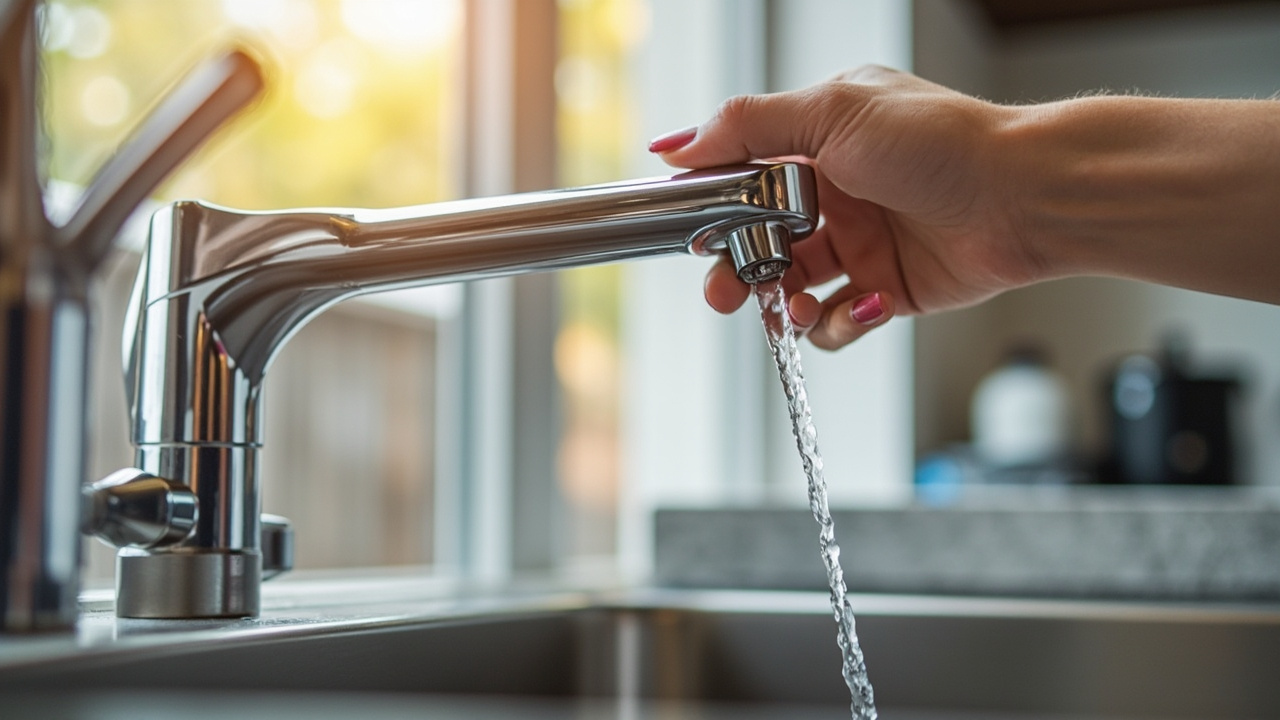
Faucet aerators represent the easiest upgrade. These inexpensive devices thread onto existing faucets and reduce flow from 2.2 gallons per minute to 1.5 or even 0.5 gpm for bathroom sinks. The pressure feels the same because aerators mix air into the stream. We install low-flow aerators throughout the house during routine service calls.

Showerheads offer dramatic savings. A 10-minute shower with an old 5 gpm head uses 50 gallons. The same shower with a 2 gpm WaterSense head uses just 20 gallons. Multiply that daily difference across a family, and you save thousands of gallons monthly.

Hot water recirculation systems and point-of-use water heaters eliminate the gallons wasted waiting for hot water to travel from the tank to the fixture. In larger Louisville homes with long pipe runs, this wasted water adds up to 10 gallons per day per person.

Pressure regulation matters too. Louisville Water Company delivers water at 50-80 psi, but residential plumbing only needs 40-50 psi. Excessive pressure stresses pipes, shortens fixture lifespan, and wastes water. We install pressure-reducing valves on the main line to optimize flow.

How to Save Water at Home Through a Three-Step Assessment

Water Conservation Tips in Louisville – Proven Strategies to Cut Your Water Bill by 30% or More
01

Leak Detection and Repair

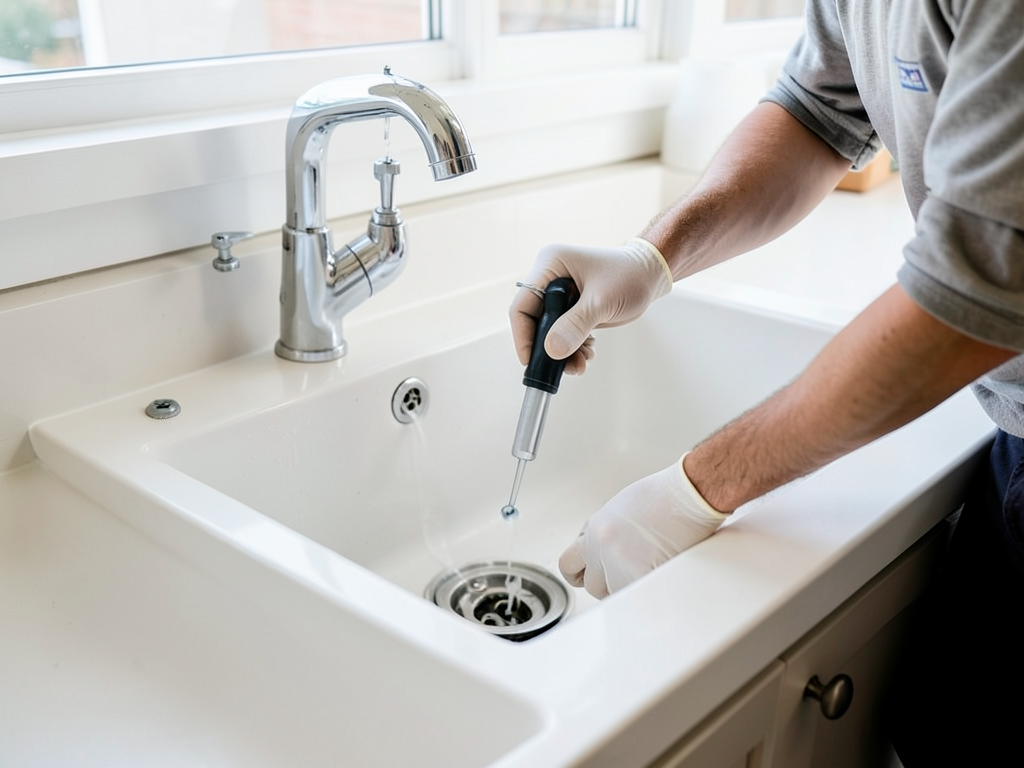
We start by reading your water meter, then shutting off all fixtures and appliances for two hours. If the meter dial moves during this period, you have a leak. We use acoustic listening devices and thermal imaging cameras to pinpoint leaks inside walls, under slabs, and in supply lines. Toilet leaks get verified with dye tests. Even small leaks get repaired immediately because they compound over time. A pinhole leak in a supply line can waste 10,000 gallons before it becomes visible.
02

Fixture Efficiency Evaluation

We measure actual flow rates at every fixture using calibrated gauges. Toilets get tested for gallons per flush. Showerheads and faucets get measured in gallons per minute. We document which fixtures exceed modern efficiency standards and calculate the annual water and cost savings available through replacement. You receive a prioritized list showing which upgrades deliver the fastest payback. Toilet replacements typically pay for themselves within two years through reduced water bills.
03

Behavioral and System Optimization

We review household water use patterns and identify opportunities for behavioral change. This includes guidance on full-load dishwashing and laundry practices, turning off taps while brushing teeth, and shortening showers. We also evaluate larger system improvements like greywater systems for landscape irrigation, rainwater harvesting from gutters and downspouts, and smart irrigation controllers that adjust watering schedules based on local weather data. These advanced strategies complement fixture upgrades for maximum water conservation.

Why Louisville Residents Trust Victory Plumbing Louisville for Water Conservation

Water conservation requires local knowledge. Victory Plumbing Louisville understands Louisville's water infrastructure, from the treatment plant intake on the Ohio River to the distribution mains running beneath Bardstown Road. We know which neighborhoods have high mineral content that accelerates fixture wear. We understand how Louisville's freeze-thaw cycles cause pipe stress that leads to leaks.

Our technicians stay current on Louisville Water Company rebate programs for high-efficiency toilets and appliances. We help homeowners navigate the paperwork to receive rebates that offset upgrade costs. Many Louisville residents do not realize these programs exist, leaving money on the table when replacing old fixtures.

We also understand Louisville's housing stock. Historic homes in Old Louisville and the Highlands have unique plumbing configurations with galvanized steel pipes, drum traps, and outdated venting. These systems need specialized approaches to water conservation that preserve historic integrity while improving efficiency. Cookie-cutter solutions from national chains do not account for these details.

Louisville's clay soil creates foundation movement that stresses pipes and creates leaks. We recognize the warning signs of soil-related pipe stress and address root causes rather than just patching symptoms. This prevents recurring leaks that waste water and money.

Local suppliers matter too. We maintain relationships with Louisville plumbing supply houses that stock WaterSense certified products compatible with our regional water chemistry. Big-box retailers often carry fixtures designed for different water conditions that fail prematurely in Louisville.

Our service area covers Jefferson County and surrounding communities. We understand the differences between city water service and well water in eastern Jefferson County. Well owners face different conservation priorities, including pressure tank optimization and pump efficiency. We tailor recommendations to your specific water source and plumbing configuration.

What to Expect When You Implement Water Saving Techniques

Immediate Measurable Results

Most water efficiency strategies deliver immediate, measurable savings. After repairing a running toilet or replacing a high-flow showerhead, you will see reduced consumption on your next water bill. We recommend reading your meter weekly during the first month to track progress. Louisville Water Company bills bimonthly, so compare consumption before and after upgrades across matching billing periods to account for seasonal variations. Most families save 20-30% on water costs within the first year. Larger homes with older fixtures often exceed 40% savings. The investment in new fixtures typically pays back within 18-36 months through lower utility bills.

No Sacrifice in Comfort or Performance

Modern water-efficient fixtures perform better than older high-flow models. WaterSense showerheads use pressure-compensating technology and optimized spray patterns to deliver satisfying flow at lower volume. Dual-flush toilets clear the bowl completely using gravity-assisted or pressure-assisted flushing that works with less water. Low-flow faucet aerators maintain comfortable pressure through air injection. You will not notice a difference in daily use, but your meter will. Some Louisville residents worry that low-flow fixtures will not work with their older plumbing. We evaluate supply pressure and pipe diameter to ensure compatibility before recommending specific products. Proper installation matters too. We anchor showerheads securely and seal all threads to prevent pressure loss.

Long-Term System Health Improvements

Water conservation strategies improve overall plumbing system health. Fixing leaks reduces moisture intrusion that causes mold, wood rot, and structural damage. Pressure regulation extends fixture and appliance lifespan by reducing stress on seals, gaskets, and valve seats. Modern fixtures resist mineral buildup better than older designs, reducing maintenance requirements. Water heaters last longer when sized appropriately for actual usage rather than outdated consumption assumptions. Lower hot water demand means less recovery time, less energy consumption, and less thermal stress on the tank. These secondary benefits multiply the value of water efficiency upgrades beyond simple utility bill savings.

Ongoing Support and Maintenance Guidance

Victory Plumbing Louisville provides ongoing support after implementing water conservation measures. We offer annual plumbing inspections that include leak detection, fixture performance testing, and water meter analysis. These checkups catch small problems before they become expensive failures. We maintain service records for every home, tracking which fixtures were installed and when. This helps predict maintenance needs and replacement cycles. We also provide seasonal reminders for tasks like disconnecting garden hoses before winter, checking outdoor spigots for freeze damage, and cleaning faucet aerators. Many clients join our maintenance program for priority scheduling and discounted service rates on routine conservation-related repairs.

Frequently Asked Questions

You Have Questions,
We Have Answers

What are 10 ways to conserve water? +

Start with low-flow showerheads and faucet aerators to cut usage by up to 60%. Fix leaky toilets and dripping faucets immediately. Run dishwashers and washing machines only with full loads. Turn off the tap while brushing teeth or scrubbing dishes. Water your lawn early morning to reduce evaporation, especially during Louisville's humid summers. Install a rain barrel to capture runoff from your roof. Mulch garden beds to retain moisture. Shorten your showers by two minutes. Use a broom instead of a hose to clean driveways. Upgrade to WaterSense-labeled fixtures for long-term savings.

What are the 5 R's of water conservation? +

The 5 R's are Reduce, Reuse, Recycle, Repair, and Rethink. Reduce consumption by installing low-flow fixtures and limiting shower times. Reuse greywater from washing machines or dehumidifiers for outdoor plants. Recycle water by collecting rain in barrels or cisterns. Repair leaks immediately because a single dripping faucet wastes gallons daily. Rethink habits like running taps unnecessarily or overwatering lawns. In Louisville, where summer heat stresses water systems, these principles help protect the Ohio River watershed and keep infrastructure costs lower for everyone. Small behavioral shifts create big impact over time.

What are 7 ways to conserve water? +

Fix all leaks in toilets, faucets, and irrigation systems. Install low-flow showerheads and dual-flush toilets. Run full loads in dishwashers and washing machines. Turn off taps while brushing teeth or washing dishes. Water lawns early morning or late evening to minimize evaporation, particularly during Louisville's humid growing season. Use mulch around plants to hold moisture in soil. Limit showers to five minutes or less. These methods reduce your water bill and ease demand on Louisville Water Company infrastructure during peak summer months when usage spikes across the metro area.

What are 20 ways to save water? +

Install low-flow fixtures and dual-flush toilets. Fix all drips and leaks immediately. Run full appliance loads. Turn off taps when not actively using water. Shorten showers to five minutes. Use a broom instead of a hose for outdoor cleaning. Water lawns early morning. Collect rainwater in barrels. Mulch garden beds. Wash cars with a bucket, not a running hose. Insulate hot water pipes. Install faucet aerators. Use a dishpan for hand-washing dishes. Thaw food in the fridge, not under running water. Keep drinking water in the fridge. Check irrigation systems for leaks monthly. Replace old appliances with WaterSense models. Sweep driveways instead of hosing them down. Limit lawn watering to one inch weekly. Monitor your water bill for unusual spikes.

What are 8 ways to conserve water? +

Install low-flow showerheads and faucet aerators to instantly reduce flow rates. Fix leaks in toilets, pipes, and outdoor spigots. Run dishwashers and washing machines only when full. Turn off the tap while brushing teeth or soaping hands. Water outdoor plants early morning or late evening to reduce evaporation loss. In Louisville, where summer humidity already stresses water infrastructure, these five actions directly cut your monthly bill and help maintain consistent pressure throughout neighborhoods. Even small households can save thousands of gallons yearly with these straightforward changes. Start with the easiest fix first.

How can we save water 50 ways? +

Fifty ways cover every area of your home and yard. Indoors, fix leaks, install low-flow fixtures, run full appliance loads, turn off taps when not in use, take shorter showers, and insulate hot water lines. Outdoors, use rain barrels, drip irrigation, mulch, and native plants that tolerate Louisville's clay soils and humidity. Water lawns only when needed, not on a fixed schedule. Clean with buckets, not hoses. Check meters regularly for hidden leaks. Educate your household on usage patterns. The key is stacking small habits across all water touchpoints to create compound savings over months and years.

How to stop wasting water? +

Stop wasting water by auditing your home for leaks. A running toilet can waste 200 gallons daily. Install shut-off nozzles on hoses and turn off taps while scrubbing or brushing. Avoid using your toilet as a trash can. Run appliances only with full loads. Time your showers and aim for five minutes. In Louisville, summer lawn watering is the biggest culprit. Water only when grass shows stress, early morning to prevent evaporation. Use mulch to retain soil moisture. Track your Louisville Water Company bill monthly for usage spikes that signal hidden leaks or wasteful habits.

What are 5 ways to protect the environment? +

Conserve water by fixing leaks and installing efficient fixtures. Reduce energy use by upgrading to LED bulbs and programmable thermostats. Minimize waste by composting organic material and recycling plastics, metals, and paper. Use native plants in landscaping to reduce chemical runoff into Louisville's waterways and the Ohio River. Walk, bike, or carpool to cut vehicle emissions. Each action lowers your environmental footprint. In Louisville, where stormwater runoff stresses local creeks and the river, reducing lawn chemicals and using rain barrels directly protects water quality for the entire metro area. Small choices compound into measurable impact.

What is water conservation 10 lines? +

Water conservation means using water efficiently to reduce waste and protect supply. It starts with fixing leaks, installing low-flow fixtures, and limiting shower times. Run appliances only when full. Water lawns early morning to minimize evaporation. Collect rainwater for outdoor use. Insulate hot water pipes to reduce wait time. Replace old toilets with dual-flush models. Turn off taps while brushing teeth. Use mulch to retain soil moisture. In Louisville, where summer demand peaks strain infrastructure, conservation keeps rates lower and ensures reliable pressure across neighborhoods. Every gallon saved matters for future availability and cost control.

How to save water 30 ways? +

Thirty ways span indoor, outdoor, and behavioral changes. Indoors, fix all leaks, install low-flow showerheads and faucet aerators, run full appliance loads, take shorter showers, turn off taps while brushing or washing, and insulate hot water lines. Outdoors, use rain barrels, drip irrigation, mulch, drought-tolerant plants, and water early morning. Clean driveways with brooms, not hoses. Check irrigation systems monthly. Monitor your Louisville Water Company bill for spikes. Thaw food in the fridge. Keep drinking water cold in the refrigerator. Wash cars with buckets. Replace old appliances with WaterSense models. Educate your household on usage.

How Louisville's Seasonal Drought Patterns Make Water Conservation Critical

Louisville experiences irregular but recurring drought conditions, particularly during late summer when Ohio River levels drop and rainfall decreases. The Louisville Water Company monitors river conditions and aquifer levels constantly, issuing voluntary conservation advisories when supplies tighten. During the 2023 drought, river levels fell to critical thresholds, requiring temporary intake adjustments. Climate projections suggest these droughts will increase in frequency and severity. Homeowners who implement water efficiency strategies now protect themselves from future mandatory restrictions and rate increases. Additionally, Louisville's combined sewer system means excessive water use during storms contributes to overflow events that impact water quality downstream. Reducing overall consumption helps manage stormwater infrastructure capacity.

Victory Plumbing Louisville maintains relationships with Louisville Water Company staff and stays informed about regional supply conditions, infrastructure projects, and conservation programs. We attend Louisville Metro quarterly water quality meetings and participate in regional planning discussions about water resource management. This involvement keeps us ahead of regulatory changes and rebate opportunities that benefit our customers. Our technicians receive ongoing training in water efficiency certification programs and maintain familiarity with EPA WaterSense specifications. When you work with a local plumbing company invested in Louisville's water future, you get recommendations aligned with community-wide conservation goals, not just quick product sales.

Plumbing Services in The Louisville Area

We are proud to serve the entire Louisville metropolitan area and its surrounding communities. Our convenient location allows us to provide swift and reliable service to homes and businesses throughout the region. Whether you're in the heart of the city or a nearby suburb, we’re never far away. Visit our office or give us a call to discuss your plumbing needs. We look forward to being your trusted local plumbing partner.

Address:
Victory Plumbing Louisville, 2600 W Broadway, Louisville, KY, 40211

Additional Services We Offer

Our news updates

Latest Articles & News from The Blogs

Installing a French Drain to Stop Yard Erosion in Windy Hills Standing water in your yard after a Kentucky downpour…

Installing a French Drain to Stop Yard Erosion in Windy Hills

Installing a French Drain to Stop Yard Erosion in Windy Hills Standing water in your yard after a Kentucky downpour…

ADA Compliant Bathroom Remodeling for Seniors in the Russell Neighborhood

ADA Compliant Bathroom Remodeling for Seniors in the Russell Neighborhood\p>Seniors in Louisville's Russell neighborhood deserve bathrooms that support independence and…

Professional Pot Filler Installation for Your Rock Creek Kitchen

Professional Pot Filler Installation for Your Rock Creek Kitchen A pot filler mounted near your stove eliminates heavy lifting and…

Contact Us

Victory Plumbing Louisville offers comprehensive water efficiency assessments for Louisville homeowners ready to reduce water consumption and lower utility bills. Call (502) 370-2677 to schedule your home water audit. We will identify leaks, measure fixture flow rates, and provide a customized action plan with projected savings for every recommendation.