



Menu

Hydro Jetting vs. Snaking in Louisville – Choose the Right Solution for Permanent Drain Clearing

Understanding the difference between hydro jetting and snaking helps you pick the most effective method for your specific drain problem, saving you time and preventing repeat clogs in your Louisville home or business.

Slider Image 1
Slider Image 2
Slider Image 3
Slider Image 4
Slider Image 5
Slider Image 7
Slider Image 8
Slider Image 9
Slider Image 10
Slider Image 11

Why Louisville Homeowners Face the Hydro Jet vs Drain Snake Decision More Often Than You Think

Louisville's clay-heavy soil and mature tree canopy create perfect conditions for aggressive root intrusion into sewer lines. Oak, maple, and sycamore roots actively seek moisture, penetrating pipe joints and creating dense blockages that simple mechanical clearing cannot fully remove.

When you call about a slow drain or recurring backup, the technician has two primary options for clearing the line. The plumbing snake, also called a rooter or cable auger, uses a rotating metal cable with a cutting head to bore through blockages. Water jetting uses high-pressure streams up to 4,000 PSI to scour pipe walls clean.

The hydro jetting vs rooter decision depends on what is actually blocking your line. A one-time grease buildup responds differently than years of mineral scale or invasive tree roots. The difference between hydro jetting and snaking becomes critical when you understand that a drain snake creates a hole through the obstruction, while hydro jetting removes it entirely from the pipe interior.

Many Louisville properties built before 1970 have cast iron or clay tile sewer lines. These older materials develop rough interiors as they corrode, creating surfaces where debris catches and accumulates. A cable can punch through today's clog, but the rough pipe wall grows a new blockage within weeks.

The pros and cons of hydro jetting vs snaking come down to immediate clearance versus long-term prevention. You need to understand both methods to make an informed decision about which approach solves your specific drainage problem.

Why Louisville Homeowners Face the Hydro Jet vs Drain Snake Decision More Often Than You Think
How Each Method Actually Works Inside Your Drain Line

How Each Method Actually Works Inside Your Drain Line

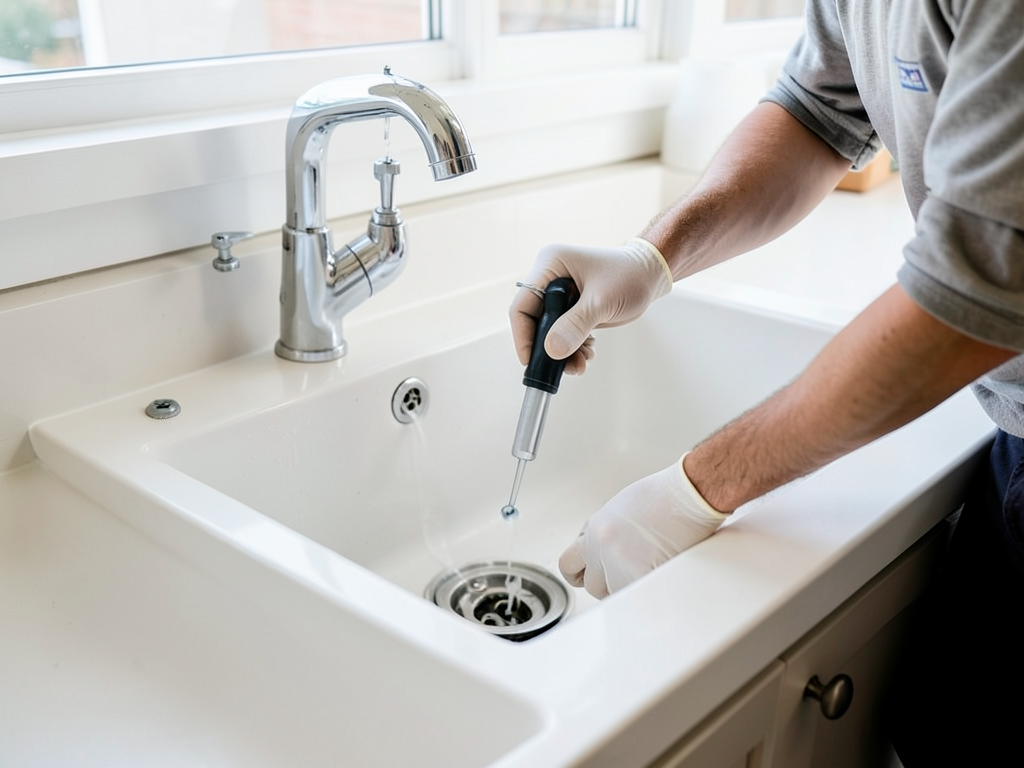
A drain snake relies on mechanical force. The technician feeds a flexible cable into your cleanout or through a drain opening, advancing it until hitting resistance. The cable rotates at high speed while cutting heads or retrieval tools break up or pull back the obstruction. This approach works well for localized clogs caused by paper products, hair masses, or single-point grease accumulations.

The limitation shows up in what the snake leaves behind. After boring a hole through the blockage, residual buildup remains adhered to pipe walls. In root-invaded lines, the cable cuts through root masses but leaves the root structure intact within the pipe. New growth fills the cleared path within months.

Hydro jetting attacks the problem from a different angle. The technician inserts a specialized nozzle connected to a high-pressure water pump. As water blasts forward and at angles up to 360 degrees, it scours every surface of the pipe interior. Forward jets cut through obstructions while rear-facing jets propel the hose and flush debris downstream.

The pressure settings adjust based on pipe material and condition. Older clay tiles receive gentler treatment around 2,000 PSI to avoid joint damage, while modern PVC or cast iron handles 3,500 to 4,000 PSI. The difference in cleaning power becomes obvious when you see the debris that emerges: not just a hole through the clog, but complete removal of scale, grease, soap residue, and biological growth.

Water jetting also eliminates root intrusions more thoroughly. The pressurized stream cuts roots flush with the pipe interior and washes fragments completely out of the system, rather than leaving jagged remnants that immediately resume growth.

What Happens When You Need Professional Drain Clearing in Louisville

Hydro Jetting vs. Snaking in Louisville – Choose the Right Solution for Permanent Drain Clearing
01

Video Camera Inspection

Before choosing between a snake or hydro jet, the technician inserts a waterproof camera into your drain line. This reveals the exact nature of the blockage, pipe material, overall condition, and any structural damage like cracks or bellied sections. The camera inspection prevents guesswork and identifies whether your pipes can handle high-pressure water without risking damage to compromised sections.
02

Method Selection and Execution

Based on camera findings, the technician recommends the appropriate clearing method. Simple clogs in good-condition pipes often start with snaking for quick relief. Heavy buildup, grease accumulation, or root masses get hydro jetting for complete removal. In some situations, snaking creates initial access, then jetting finishes with thorough cleaning. The approach adapts to your specific pipe condition and blockage type.
03

Post-Cleaning Verification

After clearing the line, the camera goes back in to verify complete obstruction removal and confirm no damage occurred during the process. You see before and after footage showing exactly what was blocking your drain and proof of thorough cleaning. This documentation helps you understand whether you need preventive maintenance or if underlying pipe problems require attention beyond simple clearing.

Why Louisville Properties Need Tailored Drain Clearing Strategies

Victory Plumbing Louisville understands that cookie-cutter approaches fail in this region. The combination of seasonal ground movement from freeze-thaw cycles, high summer humidity promoting biological growth in drain lines, and the prevalence of mature landscaping creates unique challenges that generic drain clearing does not address.

Homes in the Highlands or Cherokee Triangle with original clay tile sewers from the 1920s require different handling than Springhurst subdivisions with modern PVC systems. The technician needs to recognize cast iron corrosion patterns common in Germantown-area properties versus root intrusion issues plaguing Anchorage homes built among established oak groves.

Louisville's municipal separate storm sewer system means that foundation drains often connect to sanitary sewers in older neighborhoods. During heavy rain events common in spring and fall, these connections introduce sediment and debris that mechanical snaking alone cannot adequately remove. Water jetting provides the scouring action needed to prevent sediment accumulation that gradually reduces flow capacity.

Local expertise also matters when working near the Ohio River flood plain. Properties in low-lying areas experience higher water tables and increased hydrostatic pressure against aging sewer lines. This environment accelerates joint separation in clay tile systems, creating entry points for soil infiltration. A technician familiar with these conditions recognizes when camera inspection reveals issues beyond simple blockage clearing.

The decision between hydro jetting and snaking also considers your building's plumbing configuration. Multi-story buildings, commercial kitchens, and properties with long lateral runs to the main sewer require different strategies than single-story homes with short, straight drain runs. Proper method selection prevents recurring service calls and unnecessary expense.

What You Can Expect From Professional Drain Clearing Service

Response Time and Scheduling

Most drain clearing appointments happen within 24 hours of your call. Emergency situations like sewage backups or completely blocked main lines receive same-day priority scheduling. Standard service calls for slow drains or preventive maintenance fit into next-available appointment slots. The initial phone conversation establishes urgency level based on your symptoms. Technicians arrive with both snaking and jetting equipment, allowing method selection based on camera inspection findings rather than predetermined assumptions about your problem.

Diagnostic Assessment Process

The camera inspection provides definitive answers about your drain condition. You see real-time footage of blockage type, location, and severity. The technician explains what the camera reveals, pointing out root intrusion, grease accumulation, scale buildup, or structural issues like cracks and offset joints. This visual evidence eliminates guesswork and helps you understand why certain clearing methods work better for your specific situation. The assessment also identifies whether your problem stems from isolated clogs or systemic issues requiring more comprehensive solutions.

Clearing Results and Effectiveness

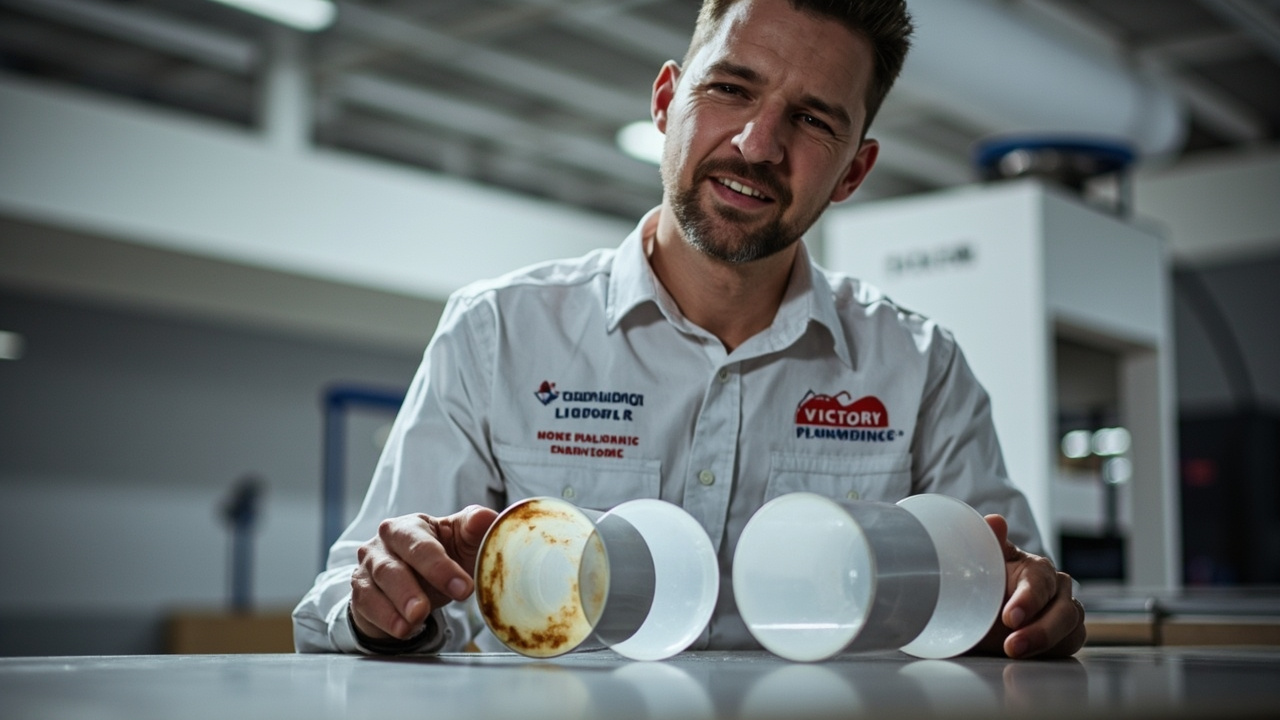
Drain snaking typically restores immediate flow within 30 to 60 minutes for straightforward blockages. You get rapid relief from backups, though residual buildup remains on pipe walls. Hydro jetting takes longer, usually 90 minutes to two hours for thorough cleaning, but removes all accumulated debris and growth. The post-cleaning camera inspection shows the difference clearly. Snaked lines show a clear path through the blockage. Jetted lines reveal clean pipe interiors with buildup completely removed, providing longer-lasting results and extended time before the next service need.

Preventive Maintenance Recommendations

After clearing your drain, the technician provides guidance based on camera findings. Properties with active root intrusion benefit from annual hydro jetting to prevent complete blockages. Homes with grease buildup issues need enzyme treatments and periodic jetting. The maintenance plan adapts to your specific pipe condition, usage patterns, and local environmental factors. Buildings with older drain systems often establish scheduled jetting intervals to prevent emergency situations. This proactive approach costs less than repeated emergency calls and extends the functional life of aging sewer lines.

Frequently Asked Questions

You Have Questions,
We Have Answers

What are the disadvantages of hydro jetting? +

Hydro jetting costs more upfront than snaking. It requires specialized equipment and training, which increases service fees. The process uses significant water pressure, so it is not suitable for fragile or severely corroded pipes common in older Louisville homes. If your pipes have existing cracks or weak joints, the force can worsen damage. Hydro jetting also needs access points, which may require removing cleanout caps or creating openings. For simple clogs like hair or soap buildup, the method can be overkill. A camera inspection beforehand helps avoid pipe damage, but that adds to the total cost.

Is snaking and jetting the same thing? +

No. Snaking and jetting are different methods. Snaking uses a flexible metal cable with a blade or auger that spins to break through clogs. It works well for simple blockages like hair, toilet paper, or light grease buildup. Hydro jetting shoots high-pressure water through your pipes to scour away buildup, roots, and sludge. Snaking punches a hole through the blockage. Jetting removes the entire obstruction and cleans pipe walls. Snaking is cheaper and faster for minor issues. Jetting is more thorough and prevents future clogs, especially in Louisville homes with clay sewer lines prone to root intrusion.

Is hydro jetting worth it? +

Yes, if you have recurring clogs or heavy buildup. Hydro jetting completely clears grease, soap scum, mineral deposits, and tree roots that snaking leaves behind. It restores full pipe diameter and flow capacity. For Louisville homes with mature trees and older sewer lines, jetting prevents repeated service calls. The upfront cost is higher, but you avoid frequent snaking appointments. It is worth the investment for commercial kitchens, multi-unit properties, or homes with chronic drain problems. For one-time clogs or fragile pipes, snaking may be smarter. A camera inspection helps you decide which method fits your situation.

Is it better to use a snake or drain cleaner? +

Use a snake. Chemical drain cleaners corrode pipes, damage seals, and create toxic fumes. They rarely clear tough clogs and can worsen blockages by hardening grease. In Louisville's older homes with cast iron or galvanized pipes, chemicals accelerate rust and pitting. Drain cleaners are dangerous to handle and harmful if they splash. A drain snake mechanically breaks through clogs without chemical damage. For stubborn blockages, hydro jetting is safer and more effective than any bottle of cleaner. Professionals avoid drain cleaners entirely because they create more problems than they solve. Save your pipes and skip the chemicals.

Can hydro jetting damage old pipes? +

Yes, if pipes are already compromised. Hydro jetting uses pressures up to 4,000 PSI, which can crack weakened cast iron, clay, or Orangeburg pipes. Many Louisville homes built before 1980 have older sewer lines vulnerable to pressure damage. Corroded joints, existing fractures, or root-damaged sections can fail under the force. A camera inspection before jetting identifies weak spots. Experienced plumbers adjust pressure based on pipe material and condition. If your pipes are fragile, snaking or pipe replacement may be safer options. Proper assessment prevents costly breaks, but hydro jetting itself does not damage healthy pipes.

Why do plumbers say not to use drain cleaner? +

Chemical drain cleaners corrode pipes and damage fixtures. They contain lye or sulfuric acid that eats through clogs but also attacks pipe walls, rubber seals, and gaskets. In Louisville's humid climate, repeated use accelerates corrosion in metal pipes. Chemicals create heat that can warp PVC and crack porcelain. They rarely clear tough blockages and often make things worse by solidifying grease. Fumes are hazardous, and splashback can burn skin. Drain cleaners also harm septic systems and water treatment plants. Plumbers see the aftermath: pitted pipes, leaking joints, and worsened clogs. Mechanical methods like snaking or jetting work better without the damage.

Can I DIY hydrojetting? +

No. DIY hydro jetting is dangerous and impractical. Professional equipment costs thousands of dollars and requires training to operate safely. Incorrect pressure settings can rupture pipes, flood your home, or cause serious injury. You need a camera inspection first to check pipe condition and locate blockages. Without proper nozzles and technique, you will not clear the clog effectively. In Louisville's older homes, misuse can crack clay or cast iron sewer lines, leading to expensive repairs. Rental units lack the power of professional jetters. Hire a licensed plumber who knows how to adjust pressure and avoid damaging your plumbing system.

How much do plumbers charge to snake a main line? +

Costs vary based on accessibility, blockage severity, and pipe length. Most plumbers charge between a service call fee and an hourly rate for snaking a main line. Louisville's clay sewer lines and mature tree roots can complicate the job, increasing time and difficulty. Simple clogs near the cleanout cost less. Blockages deep in the line or requiring multiple access points cost more. Some companies offer flat-rate pricing. Always ask for a quote after assessment. Camera inspection may add to the total but helps identify the exact problem. Avoid price-shopping alone. Experience and equipment quality matter for main line work.

What are the signs I need hydro jetting? +

Watch for recurring clogs that return shortly after snaking. Slow drains throughout your home signal buildup in the main line. Foul odors from drains indicate grease, sludge, or organic matter coating pipe walls. Gurgling sounds when flushing toilets or running water suggest restricted flow. In Louisville, homes with large trees often need jetting to remove root intrusion. Multiple fixtures backing up at once points to a mainline blockage. If you notice sewage backups in lower-level drains, jetting may be necessary. A camera inspection confirms the need and shows what snaking left behind.

How much do plumbers charge to hydrojet? +

Pricing depends on pipe length, blockage severity, and accessibility. Hydro jetting typically costs more than snaking due to specialized equipment and expertise. Main line jetting runs higher than secondary lines. Louisville homes with deep sewer laterals or difficult cleanout access may see increased costs. Some companies charge flat rates, others bill hourly. Camera inspection often accompanies jetting to assess pipe condition and confirm clearance, which adds to the total. Request a detailed estimate after evaluation. While jetting costs more upfront, it prevents repeat service calls and extends time between cleanings compared to snaking alone.

How Louisville's Clay Soil and Tree Coverage Impact Your Drain Clearing Method Choice

The Crosby and Crider soil series dominant throughout Jefferson County contain high clay content that shrinks during dry summer months and expands during wet seasons. This movement stresses rigid pipe joints in older sewer systems, creating gaps where tree roots enter. Louisville's 44-inch average annual rainfall keeps these roots actively growing year-round. The combination means that drain snakes provide only temporary relief in root-invaded lines, cutting through growth that regrows within three to six months. Hydro jetting cuts roots flush with pipe interiors and delays regrowth significantly longer, making it the practical choice for properties with mature landscaping near sewer laterals.

Louisville Metro codes require proper permitting for sewer line repairs and replacements, but drain clearing falls under routine maintenance. Understanding local regulations helps you recognize when camera inspection reveals damage requiring permitted repair work versus simple blockages that clearing resolves. Victory Plumbing Louisville maintains relationships with Louisville Water Company inspectors and understands MSD requirements for properties connected to combined sewer systems in older neighborhoods. This local knowledge ensures that your drain clearing service complies with municipal standards and identifies situations where simple clearing is not adequate for underlying structural problems.

Plumbing Services in The Louisville Area

We are proud to serve the entire Louisville metropolitan area and its surrounding communities. Our convenient location allows us to provide swift and reliable service to homes and businesses throughout the region. Whether you're in the heart of the city or a nearby suburb, we’re never far away. Visit our office or give us a call to discuss your plumbing needs. We look forward to being your trusted local plumbing partner.

Address:
Victory Plumbing Louisville, 2600 W Broadway, Louisville, KY, 40211

Additional Services We Offer

Our news updates

Latest Articles & News from The Blogs

Installing a French Drain to Stop Yard Erosion in Windy Hills Standing water in your yard after a Kentucky downpour…

Installing a French Drain to Stop Yard Erosion in Windy Hills

Installing a French Drain to Stop Yard Erosion in Windy Hills Standing water in your yard after a Kentucky downpour…

ADA Compliant Bathroom Remodeling for Seniors in the Russell Neighborhood

ADA Compliant Bathroom Remodeling for Seniors in the Russell Neighborhood\p>Seniors in Louisville's Russell neighborhood deserve bathrooms that support independence and…

Professional Pot Filler Installation for Your Rock Creek Kitchen

Professional Pot Filler Installation for Your Rock Creek Kitchen A pot filler mounted near your stove eliminates heavy lifting and…

Contact Us

Stop guessing about the right solution for your clogged drains. Call Victory Plumbing Louisville at (502) 370-2677 for camera inspection and professional clearing. You get honest assessment and the most effective method for your specific situation.