



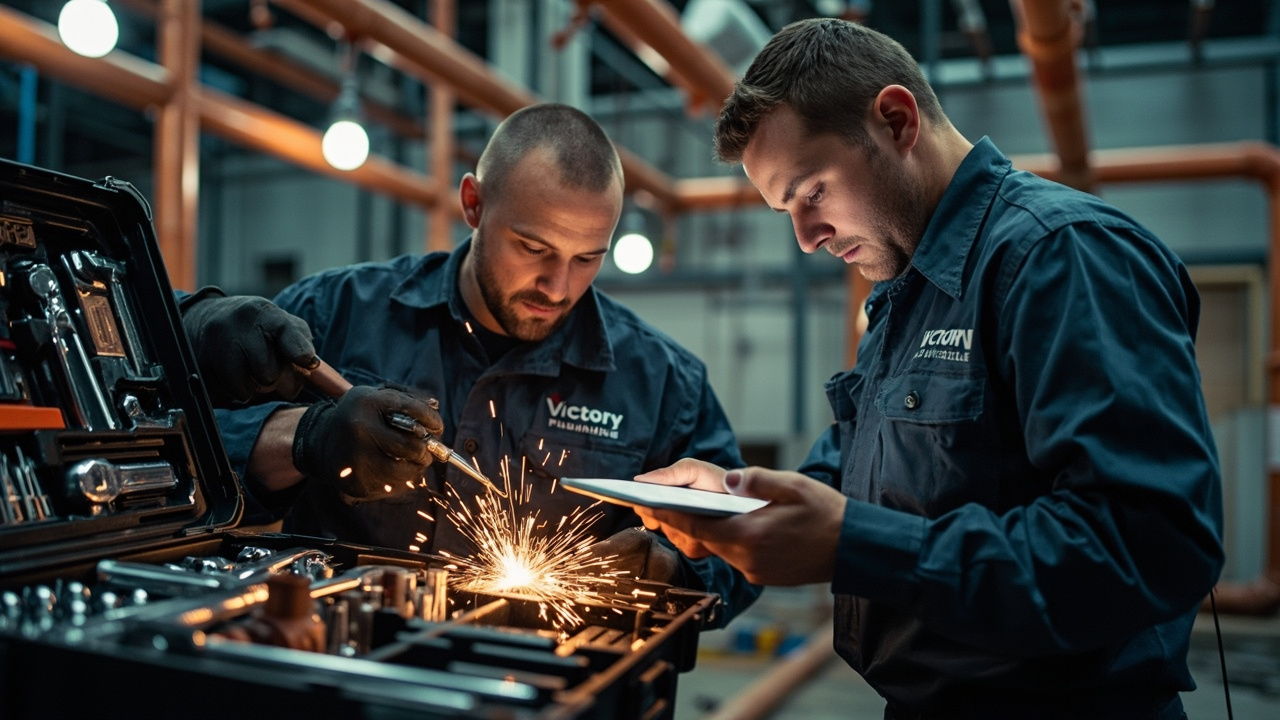
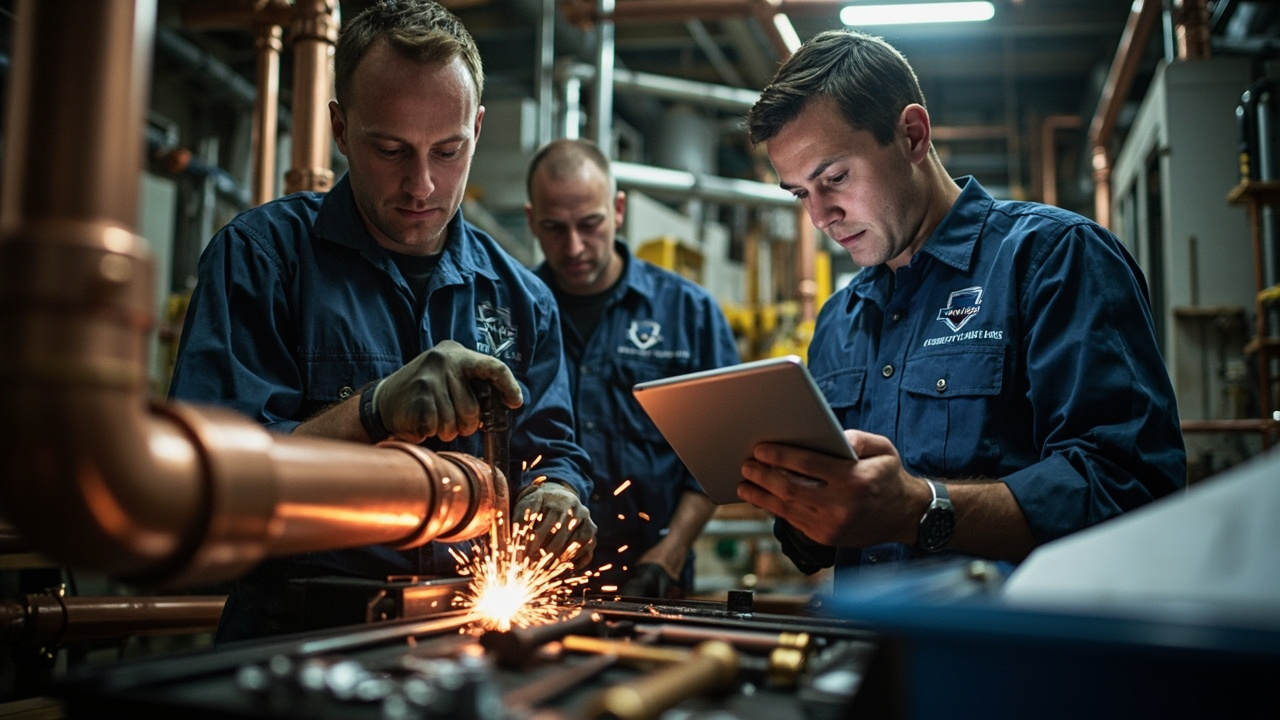

Louisville's position along the Ohio River established it as a manufacturing hub generations ago. Many commercial buildings in the Butchertown and Portland neighborhoods date to the early 1900s, when plumbing codes were minimal or nonexistent. These facilities often contain galvanized steel supply lines and cast iron waste systems that require specialized knowledge to repair or replace. The city's chemical and distilling industries around Rubbertown demand industrial plumbing contractors familiar with process piping, chemical-resistant materials, and hazardous waste handling protocols. Even modern facilities face challenges from Louisville's hard water, which accelerates scale buildup in water heaters and reduces the efficiency of commercial dishwashing equipment in restaurants throughout the Highlands and Clifton neighborhoods.
Commercial plumbing services in Louisville must navigate Jefferson County's inspection requirements and coordinate with Louisville Water Company for backflow prevention compliance. The merger of city and county governments created unified code enforcement that applies equally to downtown high-rises and suburban office parks. Local commercial plumbers understand these requirements and maintain working relationships with inspectors, streamlining the approval process for complex projects. This local expertise prevents the delays and failed inspections that plague contractors unfamiliar with Louisville Metro's specific interpretations of state plumbing codes. Businesses that partner with local commercial plumbing firms avoid the expensive lessons learned by contractors attempting to apply knowledge from other markets to Louisville's unique regulatory environment.