




Menu

Wet Spots in Yard in Louisville – Fast Underground Leak Detection Before Foundation Damage Starts

Victory Plumbing Louisville uses advanced leak detection equipment to pinpoint underground water line failures causing wet spots in your yard, stopping foundation erosion and expensive property damage before it spreads.

Slider Image 1
Slider Image 2
Slider Image 3
Slider Image 4
Slider Image 5
Slider Image 7
Slider Image 8
Slider Image 9
Slider Image 10
Slider Image 11

Why Louisville Yards Stay Soggy Even When It Hasn't Rained

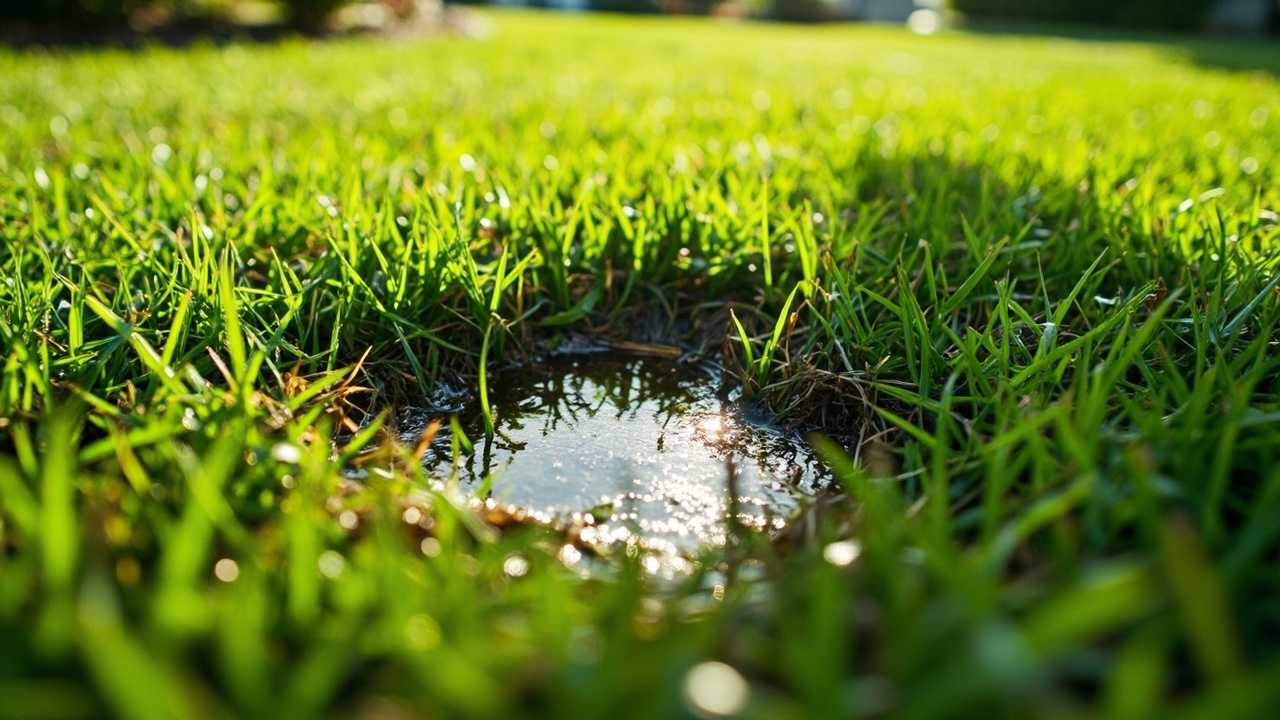
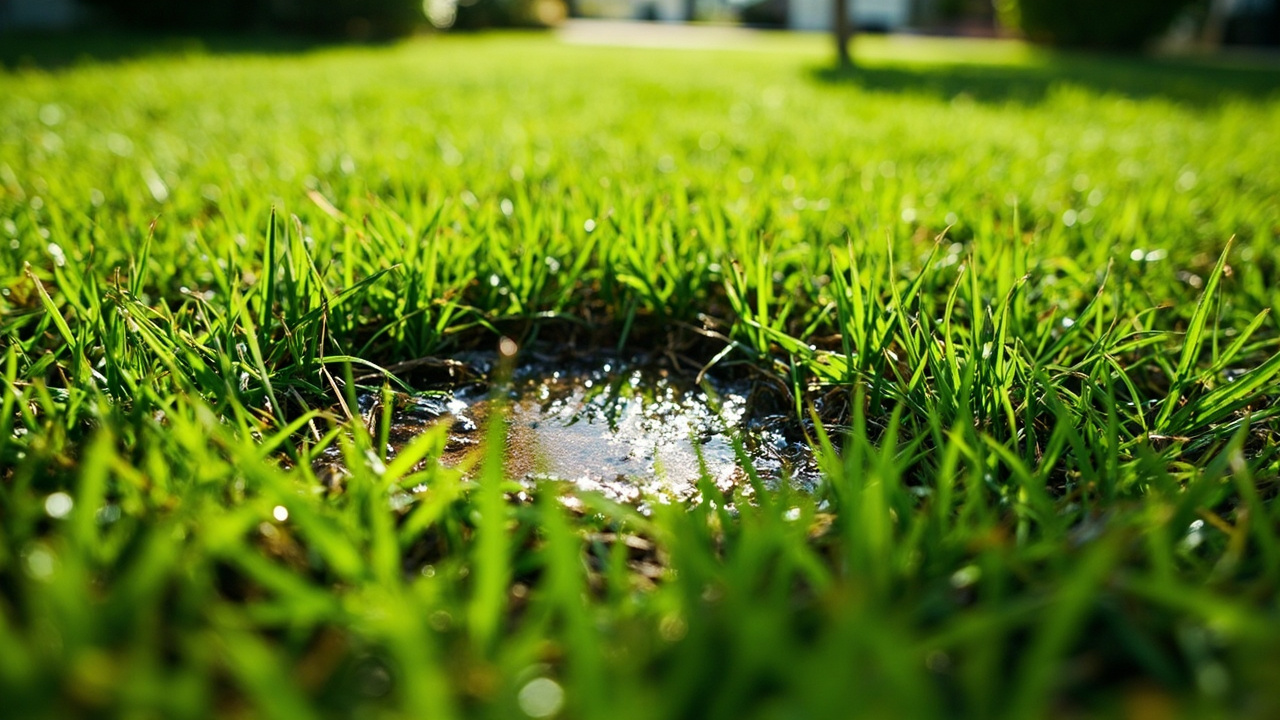
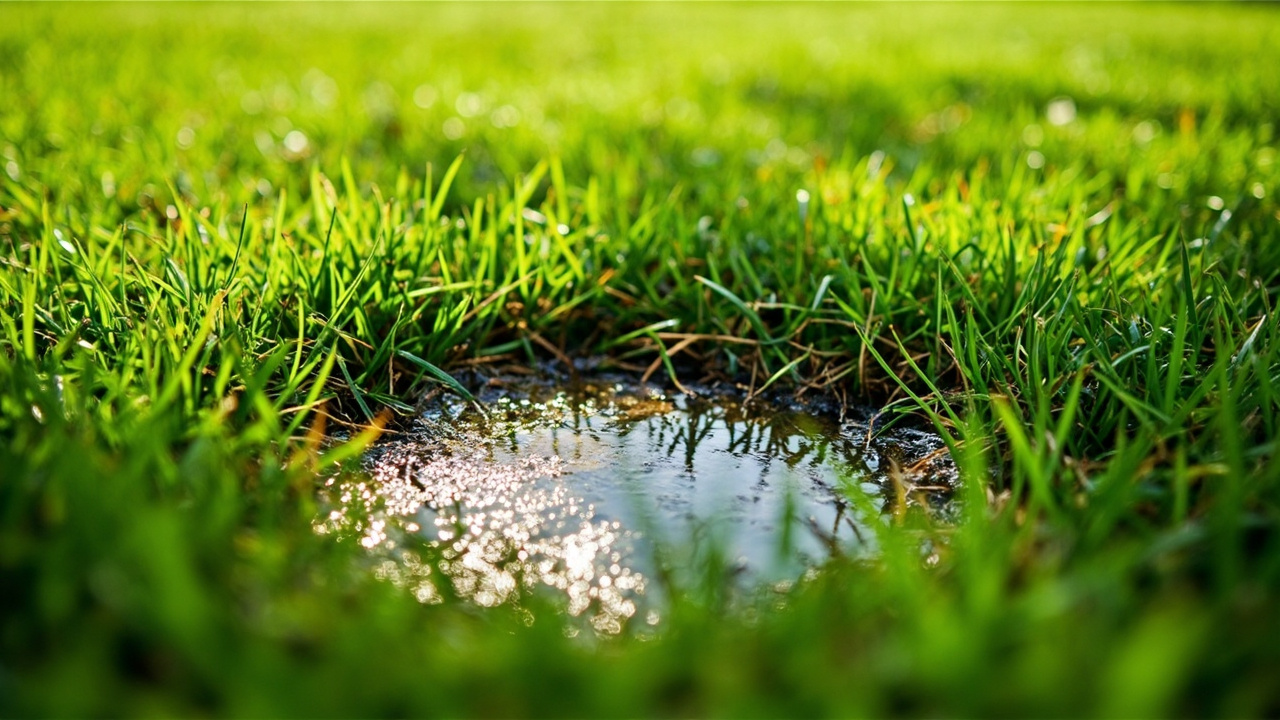
You walk outside after three dry days and find soggy patches in your lawn that never seem to dry out. Pooling water in yard areas that should be bone dry. Saturated areas in grass that squelch under your feet. These are not drainage problems. These are warning signs of underground water line failures that are actively flooding your property right now.

Louisville sits on karst limestone bedrock riddled with natural voids and sinkholes. When clay soil shifts during freeze-thaw cycles between December and March, it stresses aging water lines. A pinhole leak in a pressurized main line can discharge 200 gallons per day into your soil without you ever seeing it on your water bill until the failure worsens. The Ohio River Valley's high water table makes this worse. Water has nowhere to go, so it surfaces as unexplained standing water in your yard.

The wet spot you see today represents thousands of gallons already lost underground. The real danger is what you cannot see: soil erosion carving voids beneath driveways, sidewalks, and foundation slabs. Damp spots in lawn areas closest to your home are the most urgent. Water migrates toward your foundation footings, destabilizing the soil that supports your entire structure. Basement walls crack. Floors settle unevenly. What starts as a nuisance becomes a structural emergency.

Louisville's older neighborhoods like Crescent Hill and Clifton have galvanized steel service lines installed in the 1940s and 1950s. These lines corrode from the inside out. The outside looks fine. The inside is a rust-choked mess waiting to burst. If your home was built before 1980 and you have persistent wet areas, you have a failing water line.

Why Louisville Yards Stay Soggy Even When It Hasn't Rained
How We Find Hidden Leaks Without Destroying Your Landscaping

How We Find Hidden Leaks Without Destroying Your Landscaping

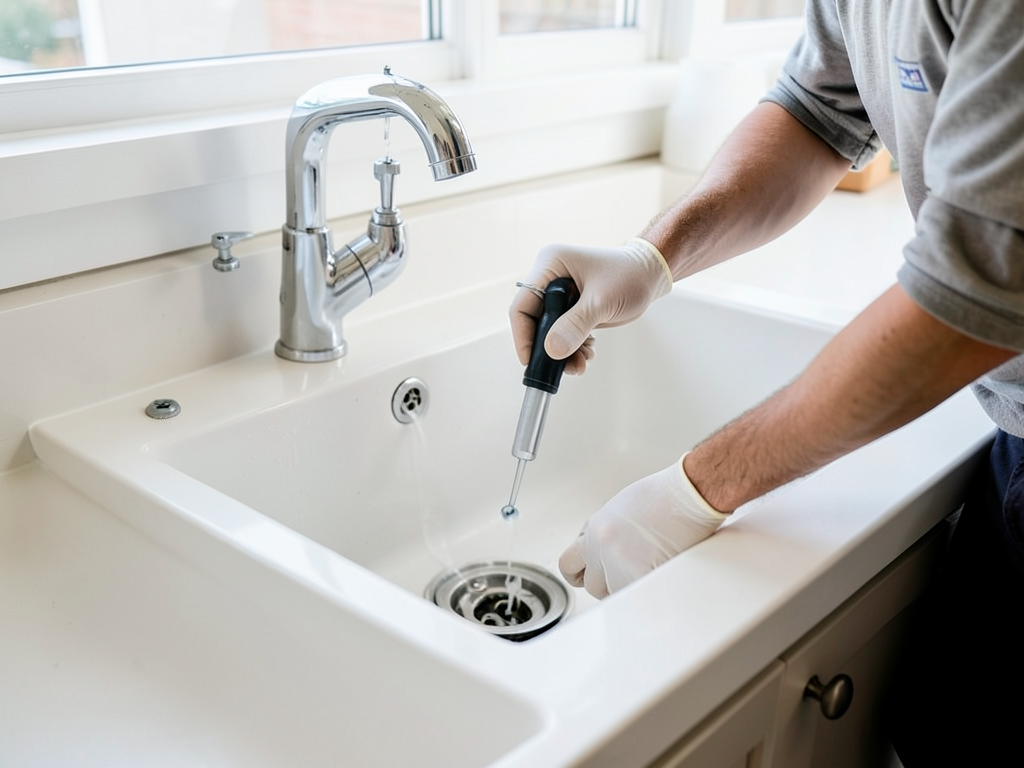
Most plumbers guess. They dig trenches across your yard hoping to stumble onto the leak. We use electronic acoustic leak detection and tracer gas injection to pinpoint the exact failure location within inches before we ever touch a shovel.

We start with a pressure test on your main water line. We isolate the line, pressurize it to 150 PSI, and monitor for pressure drop. A leak reveals itself immediately through pressure decay. Then we use ground microphones to listen for the distinct frequency signature of water escaping under pressure. Leaking water creates a specific sound pattern between 200 and 1,500 Hz that travels through soil and pipe. We walk your property with headphones and a sensor wand, triangulating the source.

For deeper lines or ambiguous signals, we inject non-toxic tracer gas (a hydrogen-nitrogen mix) into the isolated line. The gas is lighter than air and migrates up through soil faster than water. We use a sensitive detector at ground level to map the gas concentration. The highest reading marks the leak location. This method works even under concrete driveways and landscaped beds.

Once we have the exact coordinates, we use hydrovac excavation for precision digging. A high-pressure water jet loosens soil while a vacuum system removes it, exposing the damaged pipe without disturbing surrounding areas. We excavate a surgical access point, not a battlefield trench.

After we repair the line using compression couplings or full pipe replacement depending on the pipe material and condition, we pressure test again before backfilling. You get documentation of the test results. We restore landscaping using the original soil in reverse layers to prevent settling. The repair site will be indistinguishable from the surrounding yard within one growing season.

What Happens During Your Underground Leak Investigation

Wet Spots in Yard in Louisville – Fast Underground Leak Detection Before Foundation Damage Starts
01

Initial Water System Assessment

We inspect your water meter for continuous flow with all fixtures off, confirming active leakage. We document your wet spots with photos and measurements, then map your property's water line layout using utility locate services and historical records. We identify the service line material and installation date if records exist. This baseline data guides our detection strategy and helps estimate the scope of potential failure.
02

Precision Leak Location

Using electronic acoustic detection equipment, we scan your yard systematically along the service line path. We mark signal intensity at multiple points to create a heat map of leak probability. If acoustic signals are unclear due to deep burial or noise interference, we inject tracer gas and use surface detection to confirm the exact failure point. You watch the process and see real-time readings that prove the leak location before excavation begins.
03

Surgical Repair and Verification

We excavate only the necessary area using hydrovac technology, exposing the damaged pipe section with minimal disruption. We cut out the failed section and install a repair coupling or replacement pipe segment using code-compliant materials. After repair, we conduct a full pressure test to verify integrity before backfilling. You receive a written test report and photos of the completed repair. We restore landscaping using proper compaction techniques to prevent future settling.

Why Louisville Homeowners Trust Local Underground Leak Experts

Victory Plumbing Louisville has spent years diagnosing underground leaks in properties from the Highlands to St. Matthews to Middletown. We know the specific failure patterns of Louisville's aging water infrastructure. We know which streets still have original 1950s galvanized lines. We know how karst geology creates unpredictable soil voids that accelerate pipe stress. This local knowledge means faster diagnosis and fewer exploratory trenches across your property.

We own our leak detection equipment. We do not rent it for your job and learn how to use it on your lawn. Our technicians train continuously on acoustic signature interpretation and tracer gas detection protocols. When we tell you we found your leak at a specific coordinate, you can trust that assessment. We have proven it hundreds of times on properties just like yours.

Louisville Metro requires permits for water line repairs that cross the right-of-way or connect to the municipal main. We handle all permit applications and coordinate inspections with Louisville Water Company. We know the local inspectors. We know what they expect to see. Your repair passes inspection the first time because we build it to exceed code requirements, not just meet them.

We also understand Louisville's seasonal challenges. Winter freeze-thaw cycles stress pipes differently than summer clay expansion. Spring brings saturated ground conditions that complicate excavation and compaction. Fall leaves cover wet spots and mask the extent of surface water. We adjust our detection methods and repair techniques based on current ground conditions, not a generic textbook approach.

When you hire Victory Plumbing Louisville for underground leak detection, you hire a team that has solved this exact problem on your street, in your soil type, with your pipe material. We bring institutional knowledge that out-of-town competitors cannot match.

What to Expect When We Investigate Your Wet Yard

Response Time and Scheduling

We schedule leak detection appointments within 24 to 48 hours of your call. Underground leaks worsen daily, so we prioritize these investigations. Most residential leak detection appointments take two to four hours depending on property size and line complexity. If we find the leak during the detection visit and you approve the repair, we can often complete the fix the same day for shallow lines with accessible routing. Deeper lines or lines under hardscape may require excavation equipment scheduling for the following day. You receive a detailed timeline before we start work.

How the Detection Process Works

We start by turning off all water usage inside your home and verifying continuous meter movement. This confirms an active leak. We then walk your property with electronic listening equipment, documenting signal strength at multiple points. If acoustic detection does not produce a clear result, we isolate your service line and inject tracer gas while monitoring surface concentrations. We explain each step as we work and show you the equipment readings. You see the evidence before we dig. Once we locate the leak, we mark the spot with spray paint and measure its distance from permanent landmarks so you have a record of the exact location.

Repair Quality and Materials

We repair underground water lines using compression repair couplings for copper pipe or PEX transitions for galvanized line replacement. All materials meet or exceed Louisville Water Company specifications. We do not use temporary fixes or patch clamps. Every repair is a permanent solution designed to outlast the surrounding pipe. After installation, we pressure test the line to 150 PSI for 15 minutes and document zero pressure loss. You receive photos of the damaged section, the repair materials, and the completed work before backfill. The repair site is restored with proper soil compaction in six-inch lifts to prevent future settling.

Post-Repair Monitoring and Follow-Up

After we complete your repair, we recommend monitoring your water meter for 48 hours to confirm the leak is fully resolved. We provide written instructions on how to check for continuous meter movement. If your wet spot does not begin drying within five to seven days, we return to investigate whether a secondary leak exists or if the wet area represents residual saturation draining naturally. We also provide guidance on grading adjustments if surface water drainage contributed to your wet spot. Follow-up visits within the first 30 days are included in your repair service to ensure complete resolution.

Frequently Asked Questions

You Have Questions,
We Have Answers

Why is there a sudden wet spot in my yard? +

A sudden wet spot in your Louisville yard signals trouble. Common causes include underground water line breaks, sewer line leaks, or failed sprinkler systems. Louisville's clay soil holds water longer, making leaks more visible. You might notice higher water bills, soft ground, or standing water even during dry weather. Underground pipes deteriorate from age, freeze-thaw cycles, or tree root intrusion. The wet spot often appears downhill from the leak source. If the area stays soggy for days without rain, you need a professional inspection. Ignoring it wastes water, damages your foundation, and creates mosquito breeding grounds.

How to fix wet spots in yard? +

Fixing wet spots starts with finding the source. For Louisville yards, test if it is drainage or a leak. Check your water meter with all fixtures off. If it moves, you have a leak requiring pipe repair. For drainage issues, regrade the area to slope away from structures. Add French drains or catch basins where water collects. Louisville's heavy clay soil needs amendment with compost to improve absorption. Sometimes downspout extensions fix the problem. For persistent spots near your foundation, you need professional excavation and waterproofing. Quick fixes mask symptoms but proper diagnosis saves money long-term.

How to fix a muddy spot in yard? +

Muddy spots in Louisville yards come from poor drainage or compacted clay soil. First, stop foot traffic to prevent more compaction. Aerate the area with a garden fork or aerator to break up hard soil. Mix in sand and compost to improve drainage and texture. For low spots, fill with topsoil and regrade to match surrounding areas. Install stepping stones or gravel paths for high-traffic zones. Consider French drains if water pools after rain. Louisville's humid climate means slow drying, so address the root cause. Temporary fixes like straw or mulch reduce mud but do not solve drainage problems.

How to fix water runoff in yard? +

Water runoff damages Louisville landscapes, especially with our clay soil and frequent storms. Start by identifying the flow path. Install swales or berms to redirect water away from structures. French drains with perforated pipe and gravel handle heavy flow. Rain gardens planted with native species absorb runoff naturally. Extend downspouts at least six feet from foundations. Regrade slopes to create gentle drainage away from buildings. For severe erosion, use riprap or retaining walls. Louisville properties near hillsides need professional grading. Proper runoff management protects your foundation, prevents basement flooding, and stops soil loss during storms.

How to detect water leaks in a yard? +

Detecting yard water leaks requires observation and testing. Check your water meter before bed with all fixtures off. Read it again in the morning. If numbers changed, you have a leak. Look for soggy spots, unusually green patches, or standing water. Listen for hissing sounds near the meter or supply line. Louisville's freeze-thaw cycles crack pipes, so inspect after cold snaps. Use a soil probe to feel for saturated ground along your main line path. Your water bill spikes without explanation signal hidden leaks. Professional leak detection uses acoustic sensors and pressure testing to pinpoint breaks without excavating your entire yard.

Does homeowners insurance cover main water line leak? +

Coverage depends on your specific policy and leak cause. Most Louisville homeowners policies cover sudden, accidental main line breaks but exclude gradual deterioration or maintenance issues. If a tree root cracks your line overnight, you might have coverage. Slow leaks from aging pipes typically are not covered. Review your policy declarations page for water backup endorsements. Some insurers offer optional water line coverage for exterior pipes. Document damage with photos and call your agent immediately after discovery. Keep repair estimates and contractor invoices. Deductibles apply, and coverage limits vary. Preventive maintenance like root barriers and pipe inspections protect your investment better than insurance alone.

What to put on the ground to absorb water? +

For Louisville yards, materials that absorb water depend on your goal. Topsoil mixed with compost improves drainage in planting beds. Sand helps if you have pure clay but needs mixing, not layering. Pea gravel in French drains channels water away. Mulch absorbs some moisture and reduces evaporation but breaks down in wet areas. For temporary fixes, kitty litter or sand absorbs small spills. Expanded shale or limestone chips improve soil structure. Do not use sand alone on clay. It creates concrete-like hardpan. The best solution addresses why water pools, not just absorption. Fix grading, repair leaks, or install proper drainage systems.

What is the rule of 3 in landscaping? +

The rule of three in landscaping creates visual balance and interest. Plant in odd-numbered groups, preferably threes, fives, or sevens. This applies to flower beds, shrub groupings, and hardscape elements. Three creates a triangle, the most stable visual shape. It prevents the formal look of pairs while avoiding cluttered randomness. For Louisville landscapes, use three different plant heights or textures in each bed. Repeat groupings of three throughout your yard for cohesion. This rule also applies to color schemes and focal points. Three creates professional-looking design without extensive training. It guides the eye naturally and makes small yards feel larger.

Why is part of my lawn always wet? +

A persistently wet lawn section points to specific problems. Louisville's clay soil drains poorly, trapping water in low spots or compacted areas. Underground springs or high water tables create natural wet zones. Broken irrigation lines or leaking water mains saturate soil constantly. Tree roots or buried debris block drainage paths. The area might sit in shade, preventing evaporation. Downspouts or neighbor runoff could concentrate water there. Septic drain fields stay damp by design. Check for pipe leaks first. If natural, install drainage tile or create a rain garden with moisture-loving plants. Fighting natural hydrology costs more than working with it.

How to dry up a wet yard fast without drainage? +

Drying a wet Louisville yard without drainage takes effort. Spread sand or topsoil mixed with compost over soggy areas to absorb moisture and raise grade slightly. Aerate compacted soil so water penetrates instead of pooling. Redirect downspouts and use temporary berms to channel new water away. Rent a sod cutter to remove saturated grass, letting soil dry faster. Till the area to increase evaporation surface. Spread straw or wood chips temporarily. For faster results, pump standing water to street drains if legal. Long-term, you need drainage solutions. Quick fixes work for events but persistent wetness requires French drains, regrading, or professional help.

How Louisville's Karst Geology Makes Wet Spots in Yard a Foundation Threat

Louisville sits atop Ordovician-age limestone bedrock riddled with natural voids, sinkholes, and underground drainage channels. This karst terrain means water does not percolate evenly through soil. It finds voids and migrates unpredictably. When an underground water line leaks, the escaping water carves pathways through clay soil and disappears into subsurface voids, creating hidden erosion zones beneath driveways, sidewalks, and foundation slabs. The soggy patches you see at the surface represent only a fraction of the total water volume. Much of it is actively undermining your property's structural support without visible evidence until a collapse occurs.

Victory Plumbing Louisville has diagnosed underground leaks across Jefferson County's diverse housing stock, from pre-war bungalows in Old Louisville with century-old lead service lines to 1960s ranch homes in Fern Creek with corroded galvanized pipe. We understand how Louisville's freeze-thaw cycles stress buried lines differently than constant cold climates. We know which neighborhoods have clay soil that swells and contracts with moisture changes, creating shear stress on rigid pipe. This local experience means we find your leak faster and recommend repair methods that account for Louisville's specific ground conditions and future stress patterns.

Plumbing Services in The Louisville Area

We are proud to serve the entire Louisville metropolitan area and its surrounding communities. Our convenient location allows us to provide swift and reliable service to homes and businesses throughout the region. Whether you're in the heart of the city or a nearby suburb, we’re never far away. Visit our office or give us a call to discuss your plumbing needs. We look forward to being your trusted local plumbing partner.

Address:
Victory Plumbing Louisville, 2600 W Broadway, Louisville, KY, 40211

Additional Services We Offer

Our news updates

Latest Articles & News from The Blogs

Installing a French Drain to Stop Yard Erosion in Windy Hills Standing water in your yard after a Kentucky downpour…

Installing a French Drain to Stop Yard Erosion in Windy Hills

Installing a French Drain to Stop Yard Erosion in Windy Hills Standing water in your yard after a Kentucky downpour…

ADA Compliant Bathroom Remodeling for Seniors in the Russell Neighborhood

ADA Compliant Bathroom Remodeling for Seniors in the Russell Neighborhood\p>Seniors in Louisville's Russell neighborhood deserve bathrooms that support independence and…

Professional Pot Filler Installation for Your Rock Creek Kitchen

Professional Pot Filler Installation for Your Rock Creek Kitchen A pot filler mounted near your stove eliminates heavy lifting and…

Contact Us

Call Victory Plumbing Louisville at (502) 370-2677 right now for same-week leak detection. Every day you wait, thousands more gallons erode the soil under your property. We find it, we fix it, and we prove it with pressure test documentation.