




Menu

Water Stains on Ceiling or Walls in Louisville – Expert Diagnosis and Permanent Leak Repair

Victory Plumbing Louisville stops water damage at the source with thermal imaging, pressure testing, and targeted pipe repair to eliminate brown spots on ceiling and ceiling discoloration from leak before mold takes hold.

Slider Image 1
Slider Image 2
Slider Image 3
Slider Image 4
Slider Image 5
Slider Image 7
Slider Image 8
Slider Image 9
Slider Image 10
Slider Image 11

Why Louisville Homes Show Yellow Water Marks and Ceiling Discoloration

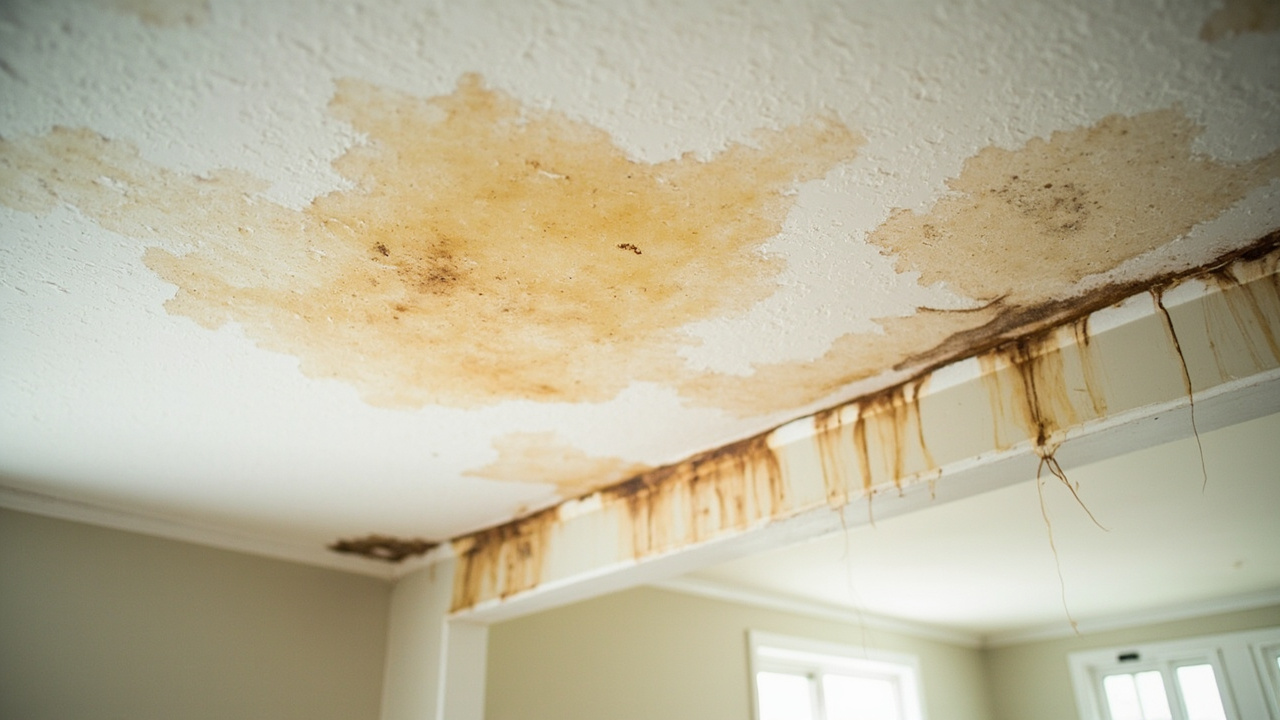
You walk into your bathroom and notice a growing brown spot spreading across the ceiling. Or you find damp patches on walls in the upstairs hallway that were not there last month. These moisture stains on drywall do not appear overnight. They signal an active leak somewhere in your plumbing system.

Louisville's humid climate accelerates the problem. When pipes sweat or develop pinhole leaks, the moisture does not evaporate quickly. It soaks into drywall, insulation, and ceiling joists. The Ohio River Valley keeps humidity levels high year-round, which means a slow drip can turn into visible yellow water marks within weeks.

The freeze-thaw cycle causes additional stress. Louisville winters drop below freezing often enough to expand pipes, then thaw them repeatedly. This movement creates micro-cracks in copper lines and loosens solder joints. You see the damage months later when ceiling discoloration from leak appears in seemingly random spots.

Older homes in neighborhoods like Old Louisville and Highlands face another risk. Original cast iron drain stacks corrode from the inside out. When they finally breach, the leak travels along floor joists and appears as brown spots on ceiling in rooms below. The visible stain is just the surface issue. Behind it, you have saturated insulation, compromised framing, and the beginning stages of mold colonization. The longer water sits, the more expensive the fix becomes.

Why Louisville Homes Show Yellow Water Marks and Ceiling Discoloration
How We Find and Fix the Leak Causing Your Water Stains

How We Find and Fix the Leak Causing Your Water Stains

Most plumbers cut open your ceiling, guess at the source, and patch the visible damage. That approach misses the actual leak location. Victory Plumbing Louisville uses diagnostic tools to pinpoint the failure before we touch drywall.

We start with thermal imaging cameras. These devices detect temperature differentials behind walls and ceilings. Active water leaks show up as cold spots because evaporating moisture pulls heat away from surfaces. This tells us exactly where the pipe has failed without exploratory demolition.

For suspected slab leaks or pressurized line failures, we run a static pressure test. We isolate sections of your supply system and monitor pressure drop over 15 minutes. A declining gauge confirms an active leak. We then use acoustic listening equipment to trace the sound of water escaping under pressure. This combination narrows the location to within inches.

Once we expose the failed section, we evaluate the pipe material and age. Pinhole leaks in copper often indicate systemic corrosion. If your home has original copper from the 1970s or earlier, we recommend repiping the affected zone to prevent repeat failures. For cast iron drain stacks, we use sectional replacement with PVC or ABS to eliminate future corrosion.

We do not just fix the pipe. We inspect the surrounding framing for rot, test moisture levels in adjacent cavities, and confirm the area is dry before closing walls. If moisture content exceeds 17 percent, we bring in air movers and dehumidifiers to prevent mold growth. The repair is not complete until the structure is dry and stable.

What Happens When You Call About Water Stains

Water Stains on Ceiling or Walls in Louisville – Expert Diagnosis and Permanent Leak Repair
01

Leak Location and Assessment

Our technician arrives with thermal imaging and moisture meters to map the affected area. We trace the stain pattern back to its origin point, checking supply lines, drain stacks, and fixture connections. You get a clear explanation of what failed, why it failed, and what we need to access for repair. We take photos and document moisture readings before any work begins.
02

Targeted Pipe Repair

We expose only the failed section of pipe, minimizing drywall removal. If the leak is in a supply line, we cut out the damaged segment and install a new coupling or repipe the run with PEX for flexibility. For drain leaks, we replace corroded cast iron with schedule 40 PVC. We pressure test repairs before closing walls to confirm zero leakage under operating conditions.
03

Drying and Structural Verification

After the plumbing repair, we verify moisture levels in surrounding materials have dropped below 15 percent. If framing or insulation is saturated, we coordinate drying equipment or recommend structural repairs. You receive documentation of final moisture readings and photos of completed work. We explain what to monitor and when to call if new stains appear, which indicates a separate issue upstream.

Why Louisville Homeowners Trust Us With Water Damage Leaks

Water stains look like a ceiling problem. They are actually a plumbing failure that requires pipe-level expertise. Victory Plumbing Louisville specializes in leak detection and repair in homes built across different eras of Louisville construction.

We understand the plumbing systems common to each neighborhood. Homes in Cherokee Triangle often have original galvanized supply lines that corrode from the inside. Properties in Okolona and Highview may have polybutylene piping installed in the 1980s, which is prone to brittle failure. We know what to look for based on your home's age and location.

Our technicians are trained in non-invasive leak detection. We do not tear apart your home on speculation. Thermal imaging and pressure testing give us confirmed data before we make a single cut. This saves you money on drywall repair and reduces the time your home is under construction.

We also coordinate with remediation contractors when needed. If your leak has caused mold growth or structural rot, we provide documentation for insurance claims and work directly with mitigation crews to ensure the plumbing repair happens in sequence with drying and reconstruction. You get one point of contact instead of juggling multiple vendors.

Louisville's building codes require proper venting and drain sizing for all plumbing repairs. We pull permits when code requires it and ensure all work meets current standards. This protects your home value and prevents issues during future inspections or sales. You are not just getting a patch job. You are getting a code-compliant repair that solves the root cause.

What You Can Expect From Our Water Stain Investigation and Repair

Same-Day Diagnostic Appointments

Water stains indicate an active leak. The longer water flows, the more damage accumulates. We schedule diagnostic visits within 24 hours of your call. Our trucks carry thermal cameras, moisture meters, and pressure testing equipment so we can identify the source during the first visit. You get a written estimate before we begin any repair work. For leaks causing active dripping or ceiling sag, we can often complete the repair the same day.

Comprehensive Leak Tracing

We do not guess. Thermal imaging shows us temperature changes behind walls and ceilings where water is present. Acoustic equipment picks up the sound of pressurized water escaping from supply lines. We map the entire affected area and trace the leak back to its origin point. You see the thermal images and understand exactly where the failure is located. This precision prevents unnecessary demolition and reduces repair costs compared to exploratory cutting.

Permanent Pipe-Level Repair

We fix the plumbing system, not just the stain. Once we expose the failed pipe, we evaluate whether a localized repair is sufficient or if the surrounding pipe shows signs of imminent failure. For pinhole leaks in copper, we often recommend repiping the affected zone with PEX to prevent repeat failures. For corroded cast iron drains, we replace the damaged section with schedule 40 PVC. All repairs are pressure tested and inspected before we close walls.

Post-Repair Moisture Verification

Fixing the leak is only half the job. We measure moisture content in drywall, insulation, and framing before and after repair. If readings exceed safe levels, we recommend drying equipment or coordinate with remediation contractors. You receive a written report of final moisture levels and photos of completed work. We explain what to monitor in the weeks following repair and provide guidance on when to repaint or resurface the affected ceiling or wall area.

Frequently Asked Questions

You Have Questions,
We Have Answers

Is a water stain on a ceiling serious? +

Yes, it can be serious. A water stain signals active or past moisture intrusion. Even if the leak stopped, trapped moisture behind drywall can promote mold growth and structural rot. In Louisville, high humidity accelerates this damage. The stain itself is the symptom, not the problem. You need to find the source, whether it's a roof leak, failed flashing, burst pipe, or HVAC condensation issue. Ignoring it risks ceiling collapse, electrical hazards, and expensive mold remediation. Address it quickly to prevent bigger headaches.

How to tell if water is leaking behind a wall? +

Look for discoloration, bubbling paint, or soft drywall. You might notice peeling wallpaper or a musty smell near baseboards. Water travels downward and sideways, so stains often appear below or adjacent to the actual leak. In Louisville homes with clay soil, foundation shifting can crack pipes inside walls. Listen for dripping sounds or run water fixtures to test. If you see unexplained dampness or warped flooring near a wall, water is likely hiding behind it. A plumber can use thermal imaging to pinpoint hidden leaks without tearing into walls.

Why do I have water spots on my ceiling but no leak? +

You likely had a past leak that dried up, or moisture is condensing inside the ceiling cavity. In Louisville, attic condensation from poor ventilation is common during humid summers. HVAC ducts that sweat or improperly vented bathroom fans can also cause phantom stains. Sometimes roof leaks only occur during wind-driven rain, leaving stains but no obvious drip. Even if the leak stopped, the stain remains until cleaned and sealed. Get an inspection to confirm the source is dormant before covering it up.

How to get rid of brown water stains on a ceiling? +

First, fix the leak source. Once dry, spray the stain with a bleach solution to kill mold spores. Scrub gently, then rinse and let it dry completely. Apply a stain-blocking primer like Kilz or Zinsser to seal the discoloration. Regular paint will not cover brown tannins, they will bleed through. After priming, finish with ceiling paint that matches your existing color. If the drywall is soft or sagging, you need to replace that section before painting. Skipping the primer wastes time and money.

Can I just paint over a water stained ceiling? +

No. Painting over a water stain without fixing the leak and priming first guarantees the stain will bleed through. You need to stop the moisture source, dry the area completely, and apply a stain-blocking primer before painting. If you skip these steps, the brown tannins will seep through fresh paint within weeks. Worse, if moisture remains trapped, mold will grow behind your new paint job. In Louisville's humid climate, this happens fast. Do it right once, or do it twice.

How to know if a water stain on the ceiling is new or old? +

A new stain is dark, wet, and soft to the touch. You might see active dripping or feel dampness. An old stain is dry, faded, and hard. The edges are crisp and discolored yellow or brown. New stains often have a water ring that expands outward. Old stains stay static. If you press on the drywall and it feels spongy, the leak is recent or ongoing. In Louisville, rapid temperature swings can reactivate old roof leaks, making dormant stains look fresh again. When in doubt, monitor it for a week.

Can plumbers detect leaks behind walls? +

Yes. Professional plumbers use electronic leak detection, thermal imaging cameras, and acoustic listening devices to locate hidden leaks without demolition. These tools identify temperature changes and sound frequencies from water escaping under pressure. In Louisville, older homes with galvanized or polybutylene pipes often develop pinhole leaks inside walls. A trained plumber can map your plumbing layout and isolate the problem zone quickly. This saves you from guessing and cutting into multiple walls. Detection typically costs less than repairing unnecessary drywall damage from blind searching.

Does home insurance cover leak detection? +

Most homeowner policies cover sudden, accidental leaks but not gradual damage from neglect. If a pipe bursts and you call a plumber to find it, leak detection may be covered as part of the mitigation process. However, policies vary. Some exclude detection costs but cover the resulting water damage and repairs. In Louisville, you need to document the timeline and show you acted quickly. Read your policy or call your agent before hiring help. Prevention and maintenance issues are almost never covered.

How long does it take for a water leak to cause mold? +

Mold can start growing within 24 to 48 hours in the right conditions. Louisville's warm, humid climate accelerates this timeline. Porous materials like drywall, insulation, and wood are perfect mold food when wet. Small leaks that go unnoticed for weeks create hidden colonies inside walls and ceilings. Even after a leak stops, trapped moisture keeps mold spreading. If you smell mustiness or see black spots, mold is already established. Speed matters. Dry out affected areas immediately and fix the source to prevent a health hazard.

What are signs of a serious ceiling issue? +

Watch for sagging, bulging, or bowing drywall. Cracks radiating from a stain signal structural stress. Active dripping, large wet areas, or spreading stains mean ongoing leaks. Peeling paint, visible mold, or a strong musty odor indicate advanced water damage. In Louisville homes, ceiling joists can rot quickly if a roof leak goes untreated through multiple rainstorms. If you see any of these signs, get a professional inspection immediately. Ceiling collapse is rare but happens when wood framing fails. Do not ignore warning signs.

How Louisville's Humidity and Freeze-Thaw Cycles Accelerate Water Stain Damage

Louisville sits in the Ohio River Valley, where relative humidity stays above 70 percent for much of the year. When a slow leak develops, moisture does not evaporate. It soaks into porous materials like drywall and insulation, creating the perfect environment for mold spores to colonize. Add in winter temperatures that swing from 20 degrees at night to 45 degrees during the day, and you get repeated freeze-thaw cycles that stress solder joints and create micro-cracks in copper supply lines. These small failures turn into visible brown spots on ceiling and damp patches on walls within weeks once the weather warms and humidity rises again.

Local building codes in Jefferson County require proper vapor barriers and insulation in attic spaces, but many older Louisville homes were built before these standards existed. When pipes run through unconditioned attic spaces or crawl spaces, they face temperature extremes that accelerate corrosion and joint failure. Victory Plumbing Louisville understands these regional construction patterns. We know which homes are likely to have cast iron drain stacks, where galvanized supply lines were commonly used, and how to navigate tight crawl spaces common in Highlands and Germantown properties. Choosing a plumber familiar with Louisville's housing stock means faster diagnosis and repairs that account for your home's specific vulnerabilities.

Plumbing Services in The Louisville Area

We are proud to serve the entire Louisville metropolitan area and its surrounding communities. Our convenient location allows us to provide swift and reliable service to homes and businesses throughout the region. Whether you're in the heart of the city or a nearby suburb, we’re never far away. Visit our office or give us a call to discuss your plumbing needs. We look forward to being your trusted local plumbing partner.

Address:
Victory Plumbing Louisville, 2600 W Broadway, Louisville, KY, 40211

Additional Services We Offer

Our news updates

Latest Articles & News from The Blogs

Stopping the Banging Sound in Your Pipes with Water Hammer Arrestors in Shively That sudden banging noise when you turn…

Stopping the Banging Sound in Your Pipes with Water Hammer Arrestors in Shively

Stopping the Banging Sound in Your Pipes with Water Hammer Arrestors in Shively That sudden banging noise when you turn…

Identifying Dangerous Water Heater Venting Issues in Your Historic Old Louisville Home

Identifying Dangerous Water Heater Venting Issues in Your Historic Old Louisville Home Water heater venting problems in Old Louisville’s historic…

The Truth About Flushable Wipes and Why They Keep Clogging Pipes in Hikes Point

The Truth About Flushable Wipes and Why They Keep Clogging Pipes in Hikes Point Flushable wipes might seem convenient but…

Contact Us

Water stains grow larger every day the leak continues. Call Victory Plumbing Louisville at (502) 370-2677 to schedule a diagnostic visit. We will locate the source, explain your options, and provide a written estimate before starting any work. Do not wait until the ceiling sags.