




Menu

PEX vs. Copper Piping Guide in Louisville – Choose the Right Material for Your Home

Understand the critical differences between PEX and copper piping systems so you can make an informed decision that protects your Louisville home from water damage and costly repairs.

Slider Image 1
Slider Image 2
Slider Image 3
Slider Image 4
Slider Image 5
Slider Image 7
Slider Image 8
Slider Image 9
Slider Image 10
Slider Image 11

Why Louisville Homeowners Face a Critical Choice Between PEX and Copper

You are planning a remodel or dealing with a major plumbing overhaul. The question hits you fast: PEX or copper?

Louisville's climate makes this choice more complex than you think. Our city experiences significant freeze-thaw cycles each winter. Temperatures drop below freezing multiple times between December and February. Water expands when it freezes. Rigid materials crack under that pressure.

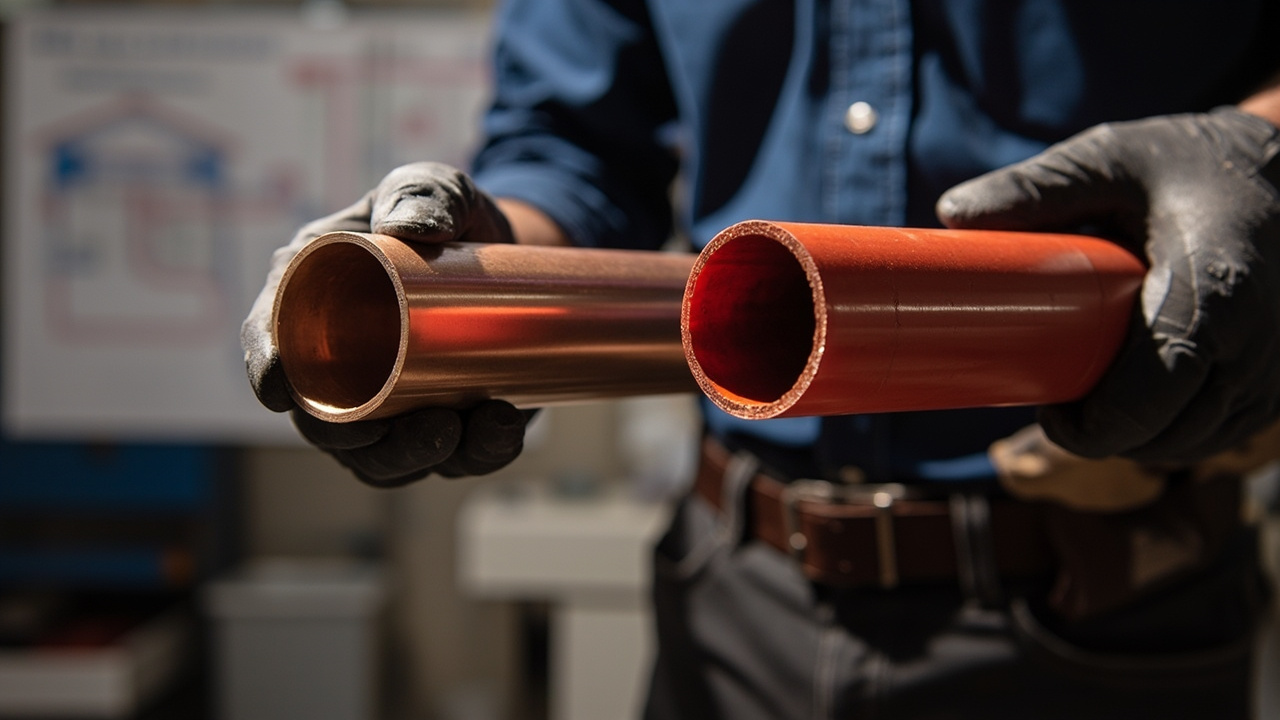
The difference between PEX and copper pipes is not just about cost. It is about how each material responds to our local conditions. Copper tubing is rigid and conducts temperature rapidly. When a hard freeze hits, copper pipes in exterior walls or crawl spaces become vulnerable. Cross-linked polyethylene, known as PEX, flexes. It expands slightly when water inside freezes, which reduces the risk of catastrophic rupture.

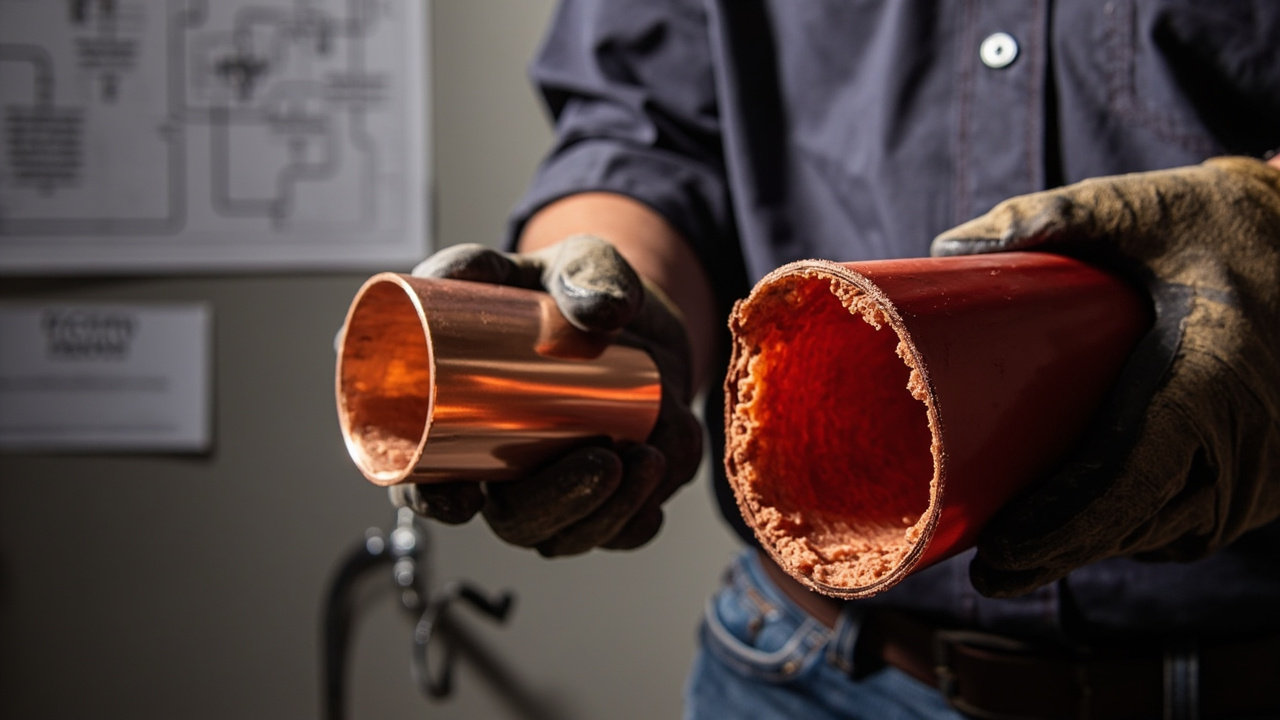
Louisville sits in an area with moderately hard water. Mineral deposits accumulate inside pipes over time. Copper develops pinhole leaks from internal corrosion when water chemistry is aggressive. PEX resists corrosion entirely because it is a plastic polymer.

The copper vs PEX plumbing pros and cons shift based on application. You need to understand how your home's specific layout, your water quality, and your budget intersect with material performance. Many older homes in the Highlands and Crescent Hill have existing copper systems. Mixing materials requires proper transition fittings and knowledge of thermal expansion rates.

The PEX vs copper comparison starts with understanding what each material does well and where each one fails. Your home deserves the right choice.

Why Louisville Homeowners Face a Critical Choice Between PEX and Copper
How PEX and Copper Perform in Real-World Plumbing Applications

How PEX and Copper Perform in Real-World Plumbing Applications

Let's break down the practical differences between PEX piping vs copper plumbing in terms you can use.

Copper tubing is a proven material. It has been the standard for decades. Copper is durable, handles high temperatures, and resists UV degradation if exposed to sunlight. Type L copper, the most common residential grade, has thick walls that withstand pressure spikes. Copper does not release chemicals into drinking water, which makes it a trusted choice for health-conscious homeowners.

The downsides are real. Copper costs significantly more than PEX, both in material and labor. Soldering copper joints requires skill, time, and heat. You pay a premium for that expertise. Copper also transmits noise. When water flows through copper at high velocity, you hear it. Water hammer, the banging sound when valves close quickly, travels through copper and resonates in your walls.

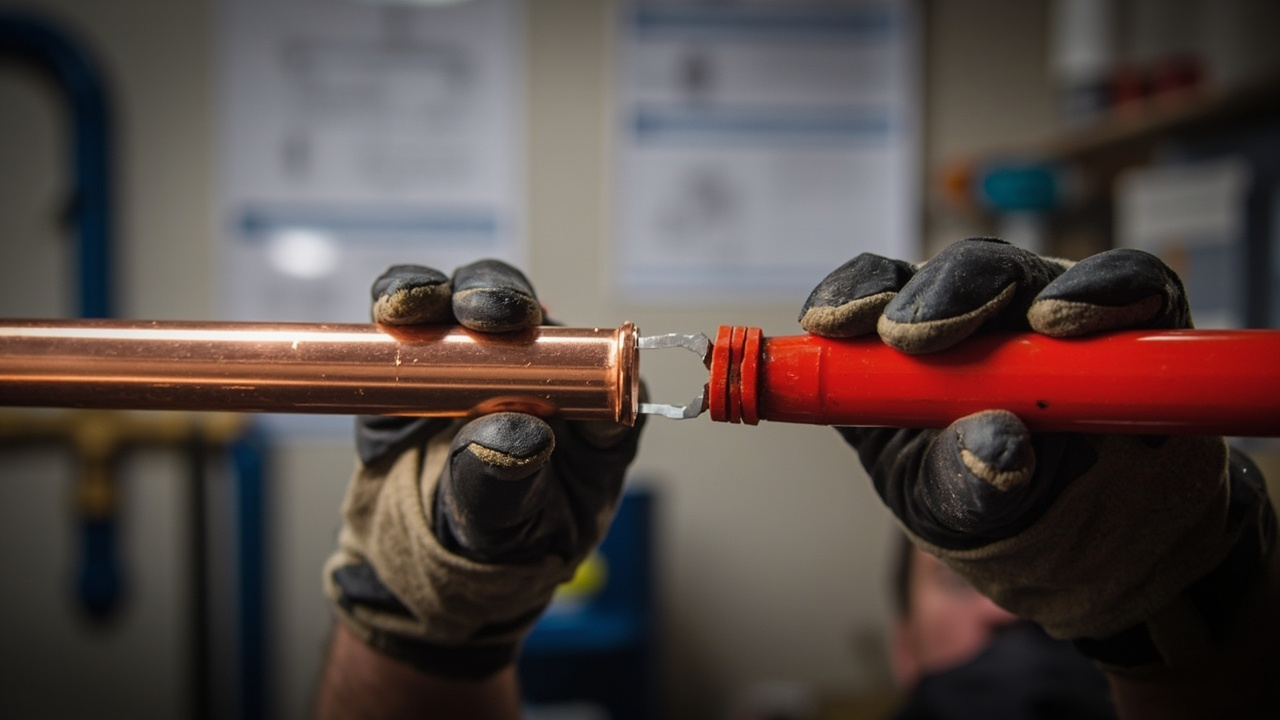
Cross-linked polyethylene offers flexibility that copper cannot match. PEX comes in long coils, which means fewer joints. Fewer joints mean fewer potential leak points. PEX installs faster because you use mechanical fittings or crimp rings instead of soldering. The material is color-coded: red for hot, blue for cold, white for either. This simplifies troubleshooting later.

PEX handles freeze conditions better. The tubing expands without splitting, which protects you during unexpected cold snaps. PEX also dampens water hammer naturally because the material absorbs vibration instead of transmitting it.

The trade-off is vulnerability. PEX degrades when exposed to UV light, so you cannot use it outdoors unless it is protected. Some fittings can restrict flow slightly compared to full-bore copper. PEX also cannot be installed in areas exposed to high heat, like near water heaters or recirculation loops, without specific high-temperature rated products.

Victory Plumbing Louisville evaluates your home's plumbing layout, water pressure, existing infrastructure, and future maintenance needs before recommending a material. We do not push one solution. We install what fits your situation.

What You Can Expect When Choosing Between PEX and Copper

PEX vs. Copper Piping Guide in Louisville – Choose the Right Material for Your Home
01

System Assessment

We inspect your current plumbing system to identify what type of piping you have, where it runs, and what condition it is in. We test water pressure at multiple fixtures to establish baseline performance. We check for existing corrosion, pinhole leaks, or signs of freeze damage. This assessment determines whether you need a full repipe or targeted upgrades in specific zones of your home.
02

Material Recommendation

Based on your water quality, budget, and home layout, we explain which material makes sense. For older homes with low water pressure, we might recommend PEX to improve flow. For homes with high UV exposure in utility areas, copper might be the better choice. We walk you through the PEX vs copper comparison so you understand exactly why we recommend what we do.
03

Installation and Testing

We install the new piping using code-compliant methods. For PEX, we use expansion fittings or crimp rings depending on the application. For copper, we solder joints with lead-free solder. After installation, we pressure test the system to verify there are no leaks. We flush the lines to remove debris and verify proper flow at every fixture. You get a system that works correctly from day one.

Why Local Knowledge Matters When Selecting Pipe Material

Louisville's building codes and local water conditions influence which piping material performs best. Our city sits in Jefferson County, where the Louisville Water Company supplies water from the Ohio River. That water is treated and moderately hard, with occasional fluctuations in pH depending on seasonal river conditions.

Homes built before 1980 almost universally used copper. Many of those systems are now showing age. Pinhole leaks appear in horizontal runs where sediment settles. Homeowners in areas like Clifton and Germantown deal with this regularly.

Newer subdivisions in eastern Jefferson County often use PEX because builders value speed and cost savings. However, not all PEX installations are equal. Poorly installed PEX can develop leaks at fittings if the wrong crimp tool is used or if expansion fittings are installed without proper technique.

Victory Plumbing Louisville understands the local housing stock. We know which neighborhoods have cast iron drain lines paired with copper supply lines. We know where builders cut corners and where systems were installed correctly. We have worked in the Highlands, St. Matthews, Anchorage, Lyndon, and every surrounding community.

We also understand Louisville's inspection requirements. Jefferson County requires permits for repipes. Inspectors look for proper support intervals, correct fitting types, and appropriate use of materials in different zones. We handle the permitting process and coordinate inspections so you do not have to navigate bureaucracy.

Local expertise means we source materials from suppliers who stock products suitable for Louisville's water chemistry. We do not use generic big-box fittings that fail prematurely. We use professional-grade components that match the performance characteristics of your chosen pipe material.

When you hire someone who knows this city, you avoid the trial-and-error approach that out-of-town contractors use. You get a system designed for Louisville's specific conditions.

What to Expect When You Upgrade Your Home's Plumbing

Project Timeline

A full repipe of a typical 1,500-square-foot home takes two to four days depending on access and complexity. We work efficiently to minimize disruption. We section off work areas to keep water flowing to parts of your home while we work on others. For partial upgrades, like replacing a problem zone with PEX or copper, the work often completes in one day. We communicate daily about progress and any unexpected findings, like hidden corrosion or outdated shutoff valves that need replacement.

Material Selection Consultation

We do not sell you a material based on our inventory. We evaluate your water pressure, your home's age, the condition of your existing system, and your long-term plans. If you plan to sell in a few years, PEX offers excellent value. If you are in your forever home and want maximum longevity, copper might be the better investment. We test your water quality if needed to identify corrosive conditions that would affect copper. You get a recommendation based on data, not guesswork.

Quality of Installation

Every joint is pressure tested. Every fitting is installed to manufacturer specifications. We use the correct support hangers and spacing to prevent sagging or stress on connections. For copper, we use Type L tubing, not the thinner Type M that some contractors use to save money. For PEX, we use expansion fittings in critical areas because they provide the most reliable seal. You receive a system that meets or exceeds code requirements, installed by technicians who have completed manufacturer certification programs for the products we install.

Post-Installation Support

We provide documentation of all work completed, including photos of before and after conditions. If you experience any issues with the new piping, we respond quickly to diagnose and resolve them. We explain how to maintain your new system, including how often to drain your water heater and what signs indicate a problem. We also offer annual maintenance plans that include system inspections to catch small issues before they become major repairs. You have ongoing support, not just a one-time service.

Frequently Asked Questions

You Have Questions,
We Have Answers

Do plumbers prefer PEX or copper? +

Most plumbers prefer PEX for residential repiping due to speed and flexibility. PEX installs faster, requires fewer joints, and bends around corners without fittings. This cuts labor time significantly. Copper remains the choice for exposed applications and certain commercial jobs where fire codes demand it. In Louisville, PEX handles freeze-thaw cycles well because it expands slightly without bursting. Older plumbers trained on copper may still favor it, but younger technicians embrace PEX for efficiency. The choice depends on project scope, budget, and local code requirements. Both materials work well when installed correctly.

Why don't insurance companies like PEX plumbing? +

Some insurers raise concerns about early PEX formulations that failed prematurely, causing water damage claims. Older PEX systems had issues with fittings cracking or leaching chemicals. Modern PEX meets strict ASTM standards and performs reliably. Insurers may ask about the brand and installation date during underwriting. In Louisville, homes with outdated polybutylene pipe face higher premiums or coverage denials. If you are repiping, provide documentation showing certified PEX-A or PEX-B materials and professional installation. This satisfies most underwriters and protects your homeowner policy.

What are the downsides of PEX pipe? +

PEX cannot be used outdoors because UV light degrades the plastic, causing brittleness and failure. It also cannot be installed near water heaters or recessed lights due to heat sensitivity. Rodents can chew through PEX, though this is rare inside walls. Some homeowners dislike the plastic taste in new installations, which fades after flushing. PEX requires special fittings and crimping tools, so DIY repairs can be tricky. In Louisville, you must protect PEX in crawlspaces from freezing temps, even though it resists bursting better than copper. Always hire a licensed plumber for proper installation.

Why do plumbers not use copper anymore? +

Copper costs more upfront and takes longer to install due to soldering requirements. Labor expenses drive many plumbers toward PEX for residential jobs. Copper also faces theft risk on job sites and in vacant homes. In Louisville, high humidity can accelerate pinhole leaks in copper, especially with acidic well water in some county areas. PEX flexibility reduces joint count, meaning fewer potential leak points. Copper still dominates commercial work and code-required applications, but for standard home repiping, PEX offers speed and cost savings without sacrificing performance or longevity.

What is the life expectancy of PEX pipes vs copper pipes? +

Copper pipes last 50 to 70 years when installed in neutral water conditions. Hard or acidic water shortens that lifespan by causing pinhole leaks. PEX pipes are rated for 50 years, though real-world data is still accumulating since the material became widespread in the 1990s. PEX resists corrosion and scale buildup, which extends functional life. In Louisville, water chemistry varies by neighborhood. Copper in older Highlands homes shows pitting after decades, while PEX in newer subdivisions shows no degradation. Both materials provide decades of service when matched to water conditions and installed properly.

Do bacteria grow in PEX pipe? +

Studies show bacteria can form biofilm on any pipe surface, including PEX. The risk is not higher than copper or CPVC. Biofilm growth depends on water chemistry, temperature, and stagnation, not pipe material. Hot water systems and proper flow prevent bacterial colonization. In Louisville, municipal water is chlorinated, which controls bacteria effectively. If you have well water, test it annually and treat if needed. PEX itself does not promote bacterial growth. The key is maintaining water quality and avoiding dead legs where water sits unused for long periods.

Where is PEX banned in the US? +

PEX is legal in all 50 states, but California restricted it until 2009 due to early contamination concerns. Some local jurisdictions still require special approvals or limit PEX to certain applications. New York City did not approve PEX for potable water until 2021, preferring copper for high-rise buildings. These bans reflect outdated safety fears, not current product performance. In Louisville, PEX is fully approved under Kentucky plumbing code for residential and most commercial uses. Always check local amendments before starting a project, but PEX meets national standards and is widely accepted.

Why do plumbers not like PEX? +

Some plumbers resist PEX due to unfamiliarity or bad experiences with early products. Older technicians trained on copper may distrust plastic piping. Concerns include rodent damage, fitting failures, and the learning curve for crimping tools. These issues are rare with quality brands and proper technique. In Louisville, licensed plumbers who stay current embrace PEX for its speed and reliability. The resistance is generational, not technical. PEX installation requires different skills than soldering copper, so shops with heavy copper inventory or older crews may push back. Performance data supports PEX when installed correctly.

What is the best pipe for a residential water line? +

For most Louisville homes, PEX-A or PEX-B offers the right balance of cost, durability, and installation ease. Copper works well in exposed areas or where codes require metal. CPVC is cheaper but cracks under stress and cannot handle Louisville freeze-thaw cycles as well. PEX resists corrosion, installs quickly, and handles temperature swings. Type L copper is mandatory for underground service lines in many areas. For whole-house repiping, PEX wins on cost and longevity. Choose certified materials and hire a licensed plumber to match the pipe to your water chemistry and home structure.

Why is PEX banned in NYC? +

New York City banned PEX until 2021 due to concerns about chemical leaching and fire safety in dense high-rise construction. The FDNY worried about smoke toxicity during fires and the need for metal piping in fireproofing assemblies. After years of testing, NYC approved PEX for potable water with restrictions on installation methods. The ban reflected extreme caution in a unique building environment, not flaws in the material. Louisville operates under Kentucky state code, which has allowed PEX for decades. NYC's caution does not apply to single-family homes or low-rise buildings common in Louisville neighborhoods.

How Louisville's Freeze Cycles and Water Quality Affect Your Piping Choice

Louisville experiences an average of 20 to 30 nights below freezing each winter. Pipes in exterior walls, unheated crawl spaces, and attics face the highest risk. Copper tubing in these locations can burst when water freezes and expands. The material has no give. PEX can expand up to three times its diameter without rupturing, which gives you a margin of safety during unexpected deep freezes. Homeowners in older neighborhoods with minimal insulation in exterior walls see this advantage most clearly. The difference between PEX and copper pipes becomes critical when you factor in our local climate patterns. Cross-linked polyethylene handles Louisville's temperature swings better than rigid copper tubing.

Jefferson County enforces the International Plumbing Code with local amendments. Any repipe or major plumbing upgrade requires a permit and inspection. Local inspectors know what to look for. They check support spacing, proper use of dielectric unions when transitioning between materials, and correct installation of pressure regulators. Victory Plumbing Louisville maintains strong relationships with local inspectors because we consistently deliver code-compliant work. We understand Louisville's specific requirements, which means your project passes inspection the first time. Choosing a local plumbing contractor who knows these details protects you from costly rework and delays.

Plumbing Services in The Louisville Area

We are proud to serve the entire Louisville metropolitan area and its surrounding communities. Our convenient location allows us to provide swift and reliable service to homes and businesses throughout the region. Whether you're in the heart of the city or a nearby suburb, we’re never far away. Visit our office or give us a call to discuss your plumbing needs. We look forward to being your trusted local plumbing partner.

Address:
Victory Plumbing Louisville, 2600 W Broadway, Louisville, KY, 40211

Additional Services We Offer

Our news updates

Latest Articles & News from The Blogs

Installing a French Drain to Stop Yard Erosion in Windy Hills Standing water in your yard after a Kentucky downpour…

Installing a French Drain to Stop Yard Erosion in Windy Hills

Installing a French Drain to Stop Yard Erosion in Windy Hills Standing water in your yard after a Kentucky downpour…

ADA Compliant Bathroom Remodeling for Seniors in the Russell Neighborhood

ADA Compliant Bathroom Remodeling for Seniors in the Russell Neighborhood\p>Seniors in Louisville's Russell neighborhood deserve bathrooms that support independence and…

Professional Pot Filler Installation for Your Rock Creek Kitchen

Professional Pot Filler Installation for Your Rock Creek Kitchen A pot filler mounted near your stove eliminates heavy lifting and…

Contact Us

You need answers specific to your home. Call Victory Plumbing Louisville at (502) 370-2677 today. We evaluate your system, explain your options, and install the piping material that fits your needs. No pressure. No guesswork. Just honest recommendations backed by local expertise.