




Menu

How to Prevent Frozen Pipes in Louisville – Protect Your Home Before Temperatures Drop

Learn the proven winterization steps that keep Louisville plumbing systems flowing when cold fronts hit, including insulation methods, temperature monitoring, and emergency shutoff procedures that protect your property investment.

Slider Image 1
Slider Image 2
Slider Image 3
Slider Image 4
Slider Image 5
Slider Image 7
Slider Image 8
Slider Image 9
Slider Image 10
Slider Image 11

Why Louisville Homes Face Unique Frozen Pipe Risks

Louisville sits in a freeze-thaw zone that creates perfect conditions for pipe failures. You get sudden cold snaps that drop temperatures into the teens overnight, then warming trends that thaw everything by afternoon. This cycle puts massive stress on your plumbing.

The Ohio River Valley traps cold air masses near ground level. Crawl spaces and exterior walls get hit hardest. Your pipes can freeze in spots you would never expect because Louisville homes were not always built with northern-style insulation standards.

Older homes in the Highlands and Crescent Hill have pipes running through unheated attics and exposed rim joists. Newer subdivisions in eastern Jefferson County sometimes cut corners on crawl space ventilation, creating moisture problems that amplify freeze risk.

Keeping water pipes from freezing means understanding where your vulnerabilities are. Most burst pipes happen at hose bibs, main shutoff valves, and anywhere copper runs through exterior walls. The damage shows up hours after the freeze when thawing water finds cracks you created during the cold snap.

Stopping pipes from freezing requires three layers of protection. You need insulation on the pipes themselves, heat sources in vulnerable zones, and emergency protocols when the forecast drops below 20 degrees. Skipping any layer means you are gambling with thousands in water damage.

Frozen pipe prevention tips work only if you implement them before the cold front arrives. Once temperatures drop and your water slows to a trickle, you are already in crisis mode. Winterizing plumbing pipes is a fall checklist item, not a panic response when the weather app flashes warnings.

Why Louisville Homes Face Unique Frozen Pipe Risks
The Three-Layer Defense Against Pipe Freezing

The Three-Layer Defense Against Pipe Freezing

Protecting pipes from freezing starts with identifying exposure points. You need to map every section of copper or PEX that runs through unconditioned space. This includes crawl spaces, attics, garages, and any exterior wall cavity. Infrared cameras reveal cold spots that indicate inadequate insulation or air infiltration.

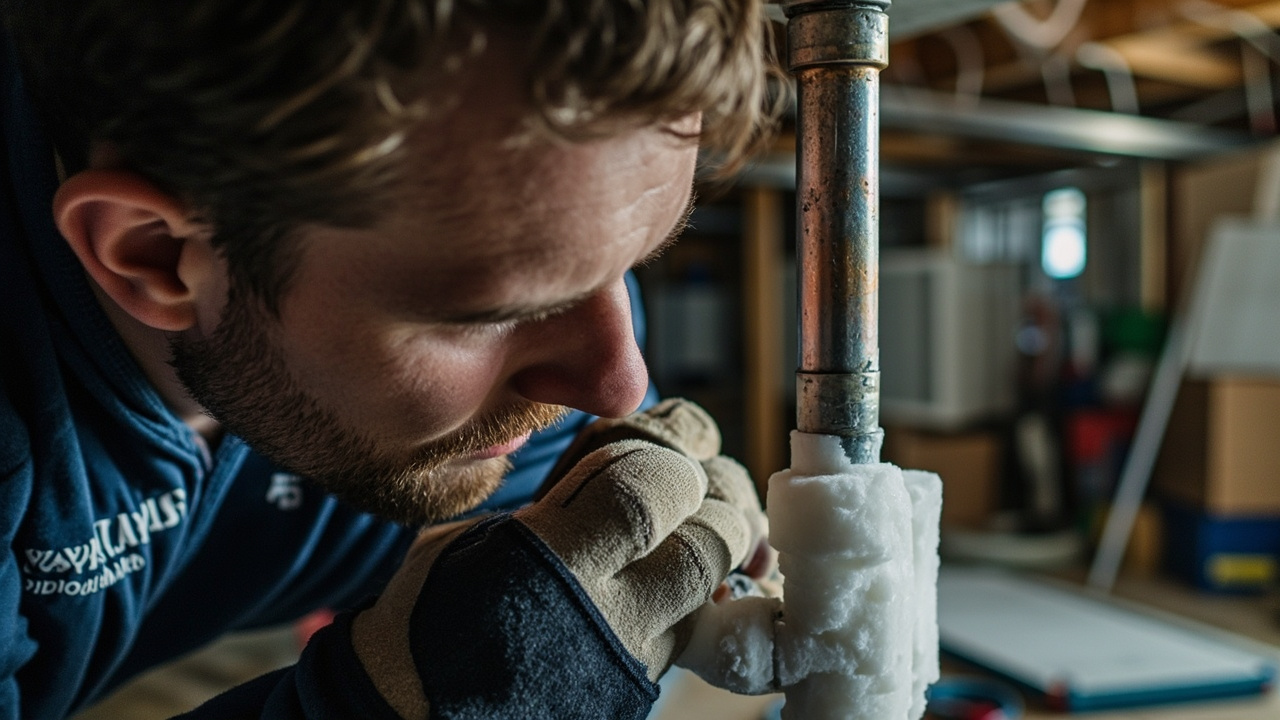
Layer one is physical insulation. Foam pipe sleeves provide minimal protection. Fiberglass wrap with vapor barrier works better for straight runs. Heat cable becomes necessary for pipes in consistently cold zones like unheated basements or outdoor hydrants. The cable wraps around the pipe in a spiral pattern, plugged into a thermostat that activates below 38 degrees.

Layer two addresses the space around the pipes. Seal rim joist gaps with spray foam. Add batt insulation between floor joists in crawl spaces, installed against the subfloor rather than hanging down near the ground. This keeps your pipe zone within the thermal envelope. Crawl space vents need closable covers, or you can switch to a conditioned crawl space design that eliminates vents entirely.

Layer three is active management during cold events. When Louisville forecasts show overnight lows in the teens, you open cabinet doors under sinks to let warm air circulate around supply lines. You set faucets to a pencil-width drip on both hot and cold sides, which keeps water moving and prevents static freezing. You disconnect and drain garden hoses, then close interior shutoff valves to hose bibs and open the exterior valve to drain residual water.

The most overlooked step is draining low-point drains in your system. Most homes have these near the water heater or main shutoff. Opening these valves releases trapped water that can freeze even when you think everything is winterized.

Your Winterization Checklist for Louisville Plumbing

How to Prevent Frozen Pipes in Louisville – Protect Your Home Before Temperatures Drop
01

Locate Vulnerable Pipes

Walk your property with a flashlight and notepad. Check every crawl space access, attic hatch, and garage wall. Look for exposed copper or PEX lines. Pay attention to pipes near foundation vents or exterior doors where cold air infiltrates. Mark these locations on a simple floor plan so you know exactly where to focus your insulation and heat cable efforts before temperatures drop.
02

Install Insulation and Heat Sources

Wrap every exposed pipe with foam sleeves rated for your pipe diameter. Secure them with zip ties or foil tape, leaving no gaps. For pipes in extreme cold zones, add self-regulating heat cable beneath the insulation. These cables sense pipe temperature and activate only when needed, preventing energy waste. Seal crawl space vents and add rim joist insulation to keep the cold out of your pipe zones entirely.
03

Monitor and Maintain Through Winter

Check your Louisville weather forecast daily from November through March. When overnight lows drop into the teens, implement your drip protocol and open cabinet doors. Test your heat cables monthly to confirm they activate properly. Inspect insulation after each major cold snap for compression or moisture damage that reduces effectiveness. Keep your thermostat at 55 degrees minimum even when you travel, and never let your home drop below 50 degrees.

Why Louisville Homeowners Trust Local Plumbing Knowledge

Louisville plumbing systems have quirks that out-of-town contractors miss. Homes built before 1980 often have galvanized supply lines that corrode from the inside, creating narrow passages where water freezes faster. Ranch homes from the 1960s run pipes through slab edges that lose heat quickly. Split-level designs popular in the 1970s hide pipes in cantilevered floors with zero insulation below them.

You need someone who understands these patterns. Victory Plumbing Louisville has winterized hundreds of homes across Jefferson County. We know that Clifton homes need extra attention on north-facing bathrooms. We know that St. Matthews subdivisions from the 1980s have notorious crawl space moisture issues that amplify freeze risk.

Local building code knowledge matters too. Louisville requires backflow prevention on irrigation systems, but most homeowners forget to winterize these devices. A frozen backflow preventer can contaminate your entire water supply when it thaws. We handle the full winterization process, including components you did not know existed.

Our approach starts with a thermal assessment. We use infrared imaging to find cold spots in your walls and floors. This reveals insulation failures and air leaks that create freeze zones. You get a prioritized list of fixes based on actual risk, not generic advice.

We also educate you on emergency responses. You learn where your main shutoff valve is located and how to operate it. You get a printed guide that explains what to do if you wake up to frozen pipes, including which faucets to open first and when to call for help.

Choosing a Louisville-based plumber means you get someone who responds quickly when a cold snap hits. We are not routing calls to a regional dispatch center three states away. You call us directly, and we know exactly where you are and what your home needs.

What to Expect From Professional Pipe Winterization

Service Timeline and Scheduling

Most winterization appointments take two to four hours depending on your home size and the number of vulnerable pipe runs. We recommend scheduling between late September and early November before the first hard freeze. If you wait until December, you are racing the weather. Emergency winterization is available when forecasts show dangerous cold approaching, but advance planning always yields better protection. We complete outdoor work first, then move to interior insulation and heat cable installation.

Property Assessment Process

Your winterization starts with a complete property walk-through. We inspect every area where pipes are exposed to exterior temperatures. This includes crawl spaces, attics, garages, exterior walls, and any unheated zones. We use thermal imaging to identify insulation gaps and air infiltration points. You receive a written assessment that ranks vulnerability by location, explaining which areas need immediate attention and which can be addressed over time. This transparency helps you make informed decisions about protection investments.

Quality of Protection Delivered

Our winterization work uses commercial-grade materials rated for Louisville temperature extremes. Pipe insulation includes vapor barriers that prevent condensation damage during thaw cycles. Heat cables are self-regulating models that adjust output based on ambient temperature, preventing overheating and energy waste. All electrical connections meet NEC standards with proper GFCI protection. We seal every penetration point where cold air can reach your pipes, creating a comprehensive thermal barrier that holds up through multiple freeze-thaw cycles each winter season.

Ongoing Support and Monitoring

After winterization, you receive a detailed maintenance guide specific to your property. This includes heat cable testing procedures, insulation inspection schedules, and emergency protocols for extreme cold events. We provide pre-winter checkup services each fall to verify your protection systems remain effective. If you experience freeze damage despite winterization, we respond immediately to assess what failed and make corrections. Our goal is continuous improvement of your freeze protection strategy, adapting to new weather patterns and home modifications over time.

Frequently Asked Questions

You Have Questions,
We Have Answers

Do all faucets need to drip to prevent freezing? +

No. You only need to drip faucets on exterior walls or in unheated spaces like basements, crawl spaces, and garages. Focus on bathrooms and kitchens where pipes run through outside walls. In Louisville homes, especially older properties in areas like Old Louisville or Germantown, pipes in uninsulated exterior walls are most vulnerable. Interior pipes rarely need attention. A steady drip from one faucet on each at-risk line is enough. Running every faucet wastes water and money without adding protection. Target your efforts where pipes face real freeze risk.

How do I stop my pipes from freezing? +

Insulate exposed pipes in crawl spaces, attics, and garages with foam pipe sleeves. Seal air leaks around rim joists and foundation cracks common in Louisville's older homes. Keep cabinet doors open under sinks on exterior walls so warm air circulates. Disconnect garden hoses and shut off outdoor spigot valves from inside. During hard freezes, let vulnerable faucets drip slightly and maintain your thermostat at 55 degrees minimum, even when away. If you have a basement or crawl space, consider a space heater in extreme cold. Preventive insulation beats emergency pipe repairs.

At what temperature do pipes freeze? +

Pipes begin freezing at 32 degrees Fahrenheit, but damage risk increases significantly when outdoor temperatures drop to 20 degrees or below for several hours. Louisville typically sees these conditions during January and February cold snaps. Wind chill accelerates the process. Pipes in unheated spaces freeze faster than those in conditioned areas. Metal pipes conduct cold better than PEX, freezing quicker. Homes built on crawl spaces, common in Louisville's Highlands and Crescent Hill neighborhoods, face higher risk because cold air circulates freely beneath the floor. Monitor forecasts and take action before temperatures plunge.

How often should I run water to keep pipes from freezing? +

Run water every few hours when temperatures stay below 20 degrees. A pencil-thin stream is sufficient. You do not need continuous flow unless conditions are extreme, below 10 degrees with high wind. Louisville winters rarely demand constant dripping for days. Check weather forecasts and start dripping before nightfall when temperatures drop hardest. If you leave town during winter, ask a neighbor to check or leave one faucet dripping steadily. Moving water resists freezing better than standing water. Balance protection with water conservation. A few gallons of prevention beats thousands in burst pipe damage.

Should you drip faucets all day or just at night? +

Drip faucets primarily at night when temperatures drop lowest. Most Louisville freeze events happen between midnight and sunrise. If forecasts predict sustained below-freezing conditions throughout the day, continue dripping until temperatures rise above 32 degrees. During severe cold snaps with highs in the teens, maintain the drip around the clock. Monitor your specific situation. Homes with poor insulation or significant north-facing exterior walls need more protection. Turn off drips once the threat passes to conserve water. Night is the critical window, but extreme cold demands extended precautions.

What freezes first, hot or cold water pipes? +

Cold water pipes freeze first. Hot water pipes retain residual heat from your water heater longer, delaying freezing. However, both will freeze if exposed long enough to subfreezing temperatures. In Louisville homes, cold water supply lines running through unheated crawl spaces or along exterior walls are most vulnerable. Hot water lines eventually lose their heat advantage after a few hours without use. Do not assume hot water pipes are safe. Insulate both equally. The temperature of water inside matters less than the pipe's location and exposure to cold air.

At what temperature should you let your faucets drip? +

Let faucets drip when outdoor temperatures reach 20 degrees or below, especially if wind chill drives conditions lower. Louisville typically hits this threshold several times each winter. Start dripping before temperatures fall, ideally by evening. Focus on faucets connected to pipes in exterior walls, unheated basements, or crawl spaces. A drip the width of a pencil lead works. You do not need a full stream. Adjust based on your home's age and insulation quality. Older Louisville homes in historic districts need earlier intervention than newer, well-insulated construction.

Do ping pong balls keep water from freezing? +

No. Ping pong balls do not prevent pipes from freezing. This myth suggests floating balls reduce surface ice formation in pools or ponds, but it does not apply to plumbing systems. Water inside pipes freezes from the outside in as cold penetrates pipe walls. Surface movement means nothing. In Louisville homes, proper insulation, heat tape, and allowing faucets to drip are proven methods. Do not rely on gimmicks. Frozen pipes cause serious damage. Burst pipes flood homes and cost thousands in repairs. Stick with insulation, controlled dripping, and maintaining adequate heat.

What pipes are most likely to freeze? +

Pipes in unheated spaces freeze most often. Crawl spaces, attics, garages, and exterior walls are high-risk zones. In Louisville, homes built on crawl spaces face significant vulnerability because cold air circulates freely underneath. Pipes along north-facing walls receive less sunlight and stay colder longer. Outdoor spigots and hose bibs freeze quickly without proper shutoff and drainage. Older homes in neighborhoods like Butchertown or Phoenix Hill often have minimal insulation around rim joists where pipes enter the home. PEX resists freezing better than copper or galvanized steel, but location matters most.

Where do pipes freeze first? +

Pipes freeze first where cold air reaches them directly. Exterior wall cavities, uninsulated crawl spaces, and unheated attics are the initial freeze points. In Louisville homes, pipes entering through foundation walls or running along sill plates freeze earliest because cold penetrates concrete and wood quickly. North-facing exposures freeze before south-facing walls due to less solar warming. Gaps around pipe penetrations allow frigid air inside wall cavities. Check your basement or crawl space perimeter first. Seal air leaks and add insulation to vulnerable sections before winter arrives. Prevention starts where cold air enters.

How Louisville Freeze-Thaw Cycles Demand Aggressive Pipe Protection

Louisville does not stay frozen. You get three-day cold snaps followed by warming trends that push temperatures back into the 40s. This pattern is harder on pipes than consistent sub-freezing weather. Each freeze creates micro-cracks in copper. Each thaw allows water back into damaged sections. By the third or fourth cycle, you get catastrophic failures that flood your home. The Ohio River Valley traps Arctic air masses near ground level, creating temperature inversions where your crawl space stays colder than the outdoor air above. Standard insulation methods fail in these conditions.

Victory Plumbing Louisville understands these regional challenges because we have been protecting local homes through them for years. We know that Jefferson County homes need different winterization strategies than properties 50 miles south. We stay current with local building amendments that affect freeze protection requirements. Our relationships with Louisville building inspectors mean we know exactly what passes inspection and what creates liability. When you work with a plumber who lives and operates in this market, you get protection strategies that actually match the weather patterns your home faces each winter.

Plumbing Services in The Louisville Area

We are proud to serve the entire Louisville metropolitan area and its surrounding communities. Our convenient location allows us to provide swift and reliable service to homes and businesses throughout the region. Whether you're in the heart of the city or a nearby suburb, we’re never far away. Visit our office or give us a call to discuss your plumbing needs. We look forward to being your trusted local plumbing partner.

Address:
Victory Plumbing Louisville, 2600 W Broadway, Louisville, KY, 40211

Additional Services We Offer

Our news updates

Latest Articles & News from The Blogs

Installing a French Drain to Stop Yard Erosion in Windy Hills Standing water in your yard after a Kentucky downpour…

Installing a French Drain to Stop Yard Erosion in Windy Hills

Installing a French Drain to Stop Yard Erosion in Windy Hills Standing water in your yard after a Kentucky downpour…

ADA Compliant Bathroom Remodeling for Seniors in the Russell Neighborhood

ADA Compliant Bathroom Remodeling for Seniors in the Russell Neighborhood\p>Seniors in Louisville's Russell neighborhood deserve bathrooms that support independence and…

Professional Pot Filler Installation for Your Rock Creek Kitchen

Professional Pot Filler Installation for Your Rock Creek Kitchen A pot filler mounted near your stove eliminates heavy lifting and…

Contact Us

Schedule your winterization assessment now before temperatures drop. Call Victory Plumbing Louisville at (502) 370-2677 to book your appointment. Our team will identify your vulnerable pipe runs and implement protection before the freeze hits. Do not wait until your water stops flowing.