
Why Louisville Homeowners Should Upgrade to a Battery Backup Sump Pump
Living in Louisville means dealing with heavy spring rains, Ohio River flooding, and the occasional summer thunderstorm that knocks out power. When your primary sump pump fails during a storm because the electricity goes out, your basement can flood within minutes. A battery backup sump pump provides automatic protection when you need it most, pumping thousands of gallons even when the grid is down. Louisville Metro Department of Codes & Regulations.
Louisville’s unique climate and geography make battery backup systems essential for local homeowners. The combination of clay-heavy soil that retains water, aging infrastructure in neighborhoods like St. Matthews and The Highlands, and frequent power disruptions during Kentucky storms creates conditions for basement flooding emergencies. Louisville MSD.
Don’t wait for the next major weather event to discover your primary pump’s weakness. A properly installed battery backup system monitors continuously and activates automatically when water levels rise or power fails, giving you peace of mind during Louisville’s most challenging weather seasons. The Cost of Tankless Water Heater Installation in Jeffersontown.
How Battery Backup Sump Pumps Work During Louisville Power Outages
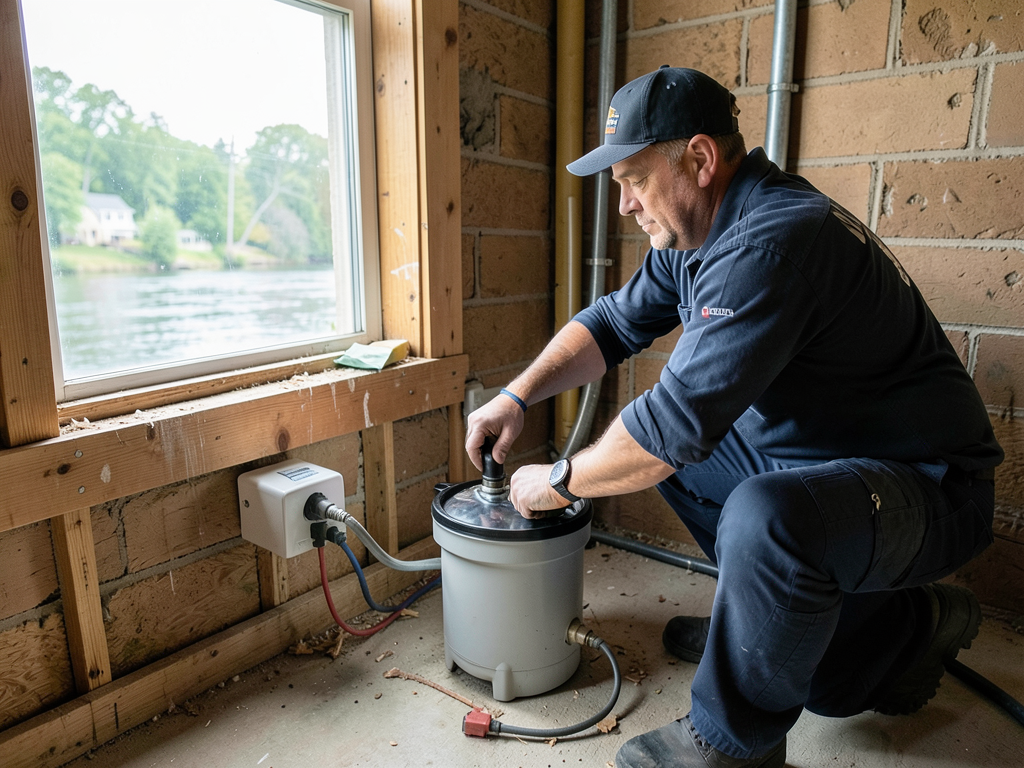
Battery backup sump pumps operate on a simple principle. They provide independent pumping power when your main electric pump cannot function. These systems consist of a secondary pump, a deep-cycle battery, a monitoring controller, and an alarm system. When the primary pump loses power or cannot keep up with water inflow, the backup pump activates automatically. Fixing Low Water Pressure in Your Crescent Hill Bungalow.
During Louisville thunderstorms, power outages often occur just when sump pumps are needed most. Heavy rainfall saturates the ground, and without electrical power, your primary pump becomes useless. A battery backup system continues operating for hours, pumping water at rates between 1,500 and 3,000 gallons per hour depending on the model.
The monitoring system constantly checks battery voltage, water levels, and pump functionality. If the battery needs charging or the water level rises too quickly, the system alerts you through audible alarms and optional smartphone notifications. This early warning capability lets you address issues before they become emergencies. Why Your Prospect Home Needs a Whole House Water Filtration System.
Comparing Battery Backup vs Water-Powered Backup Systems
| Feature | Battery Backup | Water-Powered Backup |
|---|---|---|
| Power Source | Deep-cycle battery | City water pressure |
| Installation Cost | $600-$1,200 | $300-$800 |
| Pumping Capacity | 1,500-3,000 GPH | 750-1,500 GPH |
| Runtime During Outage | 4-8 hours continuous | Unlimited (water available) |
| Maintenance | Battery replacement every 3-5 years | Annual inspection only |
| Louisville Suitability | Excellent for heavy storms | Limited by water pressure |
Battery backup systems offer superior performance for Louisville’s weather patterns. Water-powered systems depend on adequate municipal water pressure, which often drops during major storms when many residents use water simultaneously. Battery systems maintain consistent pumping capacity regardless of external conditions.
The higher pumping capacity of battery backups makes them ideal for Louisville’s heavy clay soil that holds water near foundations. During prolonged rainfall, water can accumulate faster than water-powered systems can remove it, while battery backups handle the increased volume effectively. How to Handle a Main Sewer Line Backup in Your St. Matthews Home.
Top Battery Backup Systems for Louisville Homes
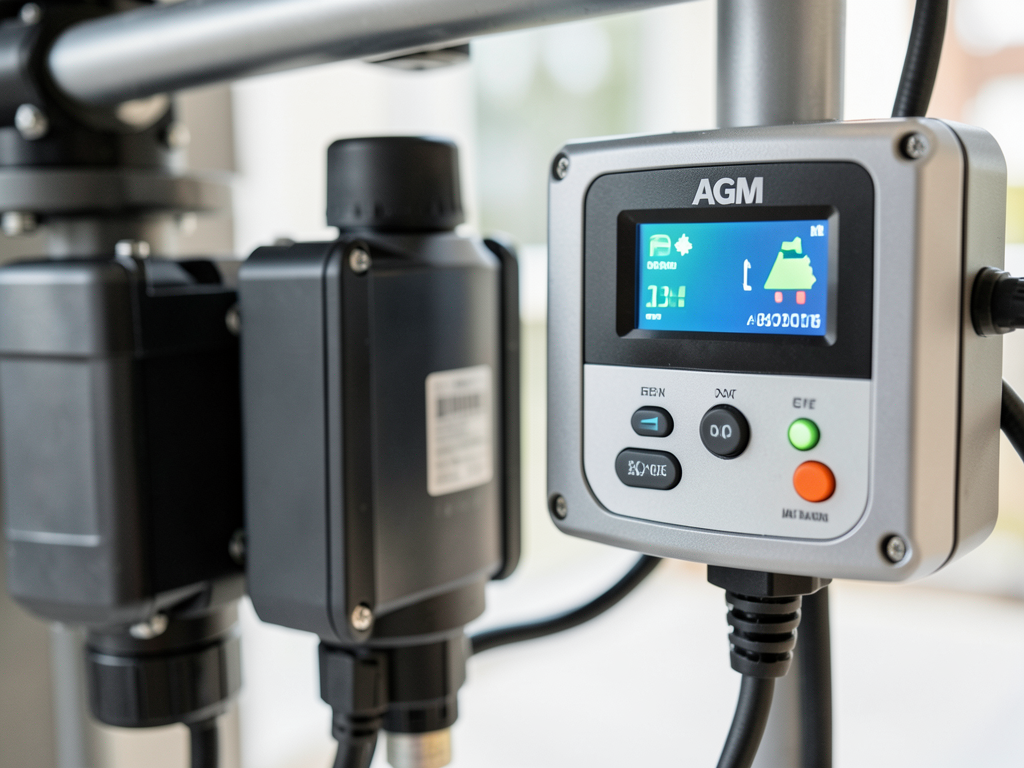
Several manufacturers produce reliable battery backup sump pumps suitable for Louisville’s climate conditions. The key factors to consider include pumping capacity, battery life, monitoring features, and compatibility with your existing sump pit configuration.
AGM (Absorbed Glass Mat) batteries dominate the market because they require no maintenance and perform well in the temperature variations common in Louisville basements. These sealed batteries won’t leak acid and can be mounted in any orientation, making installation easier in tight sump pit spaces.
Look for systems with automatic battery testing that checks voltage monthly and alerts you when replacement is needed. This feature prevents the most common failure mode: discovering your battery is dead during an actual emergency. Quality systems also include high-water alarms that sound when water levels exceed normal operating ranges.
Installation Requirements for Louisville Basements
Proper installation ensures your battery backup system functions correctly when needed. Louisville homes vary significantly in basement construction, from historic properties in Old Louisville with stone foundations to newer constructions in eastern suburbs with poured concrete walls.
The sump pit must be sized correctly to accommodate both the primary and backup pumps without interference. Most Louisville homes need a minimum 18-inch diameter pit to allow proper float switch operation for both systems. The backup pump should be mounted slightly higher than the primary pump to prevent both from running simultaneously under normal conditions.
Check valves prevent water from flowing back into the pit after pumping, and each pump should have its own dedicated discharge line. Louisville’s building code requires proper venting of battery backup systems to prevent hydrogen gas accumulation, especially important in sealed basement environments.
Maintenance Schedule for Louisville Climate Conditions
Battery backup systems require regular maintenance to ensure reliability during Louisville’s storm seasons. The high humidity and temperature fluctuations in Kentucky basements can affect battery performance and electrical connections.
Monthly: Test the alarm system and verify the battery voltage using the system’s built-in tester. Clean any debris from the sump pit that could interfere with float switch operation. Check that the backup pump activates when the primary pump is unplugged.
Quarterly: Inspect all electrical connections for corrosion, which is common in Louisville’s humid environment. Verify the battery terminals are clean and tight. Test the complete system by filling the pit with water to ensure both pumps operate correctly.
Annually: Replace the battery every 3-5 years depending on usage and environmental conditions. Louisville’s hot summers and cold winters can reduce battery lifespan compared to more moderate climates. Schedule professional inspection to check controller functionality and alarm systems.
Cost Factors for Battery Backup Installation in Louisville
The total cost of battery backup sump pump installation varies based on several factors specific to Louisville homes. Basic systems start around $600 for DIY installation, while professional installation with premium components ranges from $1,200 to $2,500.
Existing sump pit configuration affects installation complexity. Homes without current sump systems require excavation and pit construction, adding $500 to $1,000 to the project. Louisville’s clay soil can make excavation more challenging than in areas with sandy or loamy soil.
Battery quality significantly impacts long-term costs. Premium AGM batteries cost more initially but last longer and perform better in Louisville’s temperature extremes. Cheaper lead-acid batteries may need replacement every 2-3 years instead of the 4-5 years typical for quality AGM batteries.
Professional installation ensures proper wiring, code compliance, and system testing. Louisville’s electrical code requires GFCI protection for sump pump circuits, and improper installation can void warranties or create safety hazards.
Louisville Weather Patterns That Demand Backup Protection
Louisville experiences weather patterns that make battery backup sump pumps particularly valuable. The Ohio River Valley location creates conditions where heavy rainfall can overwhelm drainage systems, especially in low-lying areas near the river.
Spring thunderstorms in April and May often bring intense rainfall over short periods. Louisville’s average annual rainfall of 45 inches falls in concentrated bursts that can saturate soil quickly. When this occurs during evening hours, power outages are common just as water infiltration rates peak.
Winter ice storms can cause extended power outages while ground remains frozen, preventing natural drainage. Water from melting snow and ice has nowhere to go except toward foundations, and without power, primary pumps cannot operate. Battery backups provide crucial protection during these extended outages.
Summer heat waves increase electricity demand, raising the likelihood of rolling blackouts during peak cooling hours. These outages often coincide with afternoon thunderstorm development, creating the exact conditions where sump pump failure would cause basement flooding.
Smart Technology Integration for Modern Louisville Homes
Modern battery backup systems incorporate smart technology that provides Louisville homeowners with real-time monitoring and control. WiFi-enabled controllers can send text alerts when the system activates, battery voltage drops, or water levels rise unusually high.
These smart systems allow you to monitor your sump pump status from anywhere using smartphone apps. You’ll receive notifications if the power goes out at your home while you’re at work or traveling, giving you time to arrange emergency pumping if needed.
Some advanced systems integrate with whole-home automation platforms, allowing coordinated responses to flooding threats. For example, the system might automatically shut off HVAC systems to prevent damage if water reaches critical levels, or activate whole-house generators if available.
Louisville’s growing tech-savvy population appreciates these monitoring capabilities, especially for vacation homes or properties in flood-prone areas. The peace of mind provided by knowing your basement is protected 24/7 justifies the additional investment in smart monitoring technology.
Insurance Benefits and Code Compliance
Many Louisville homeowners insurance policies offer premium discounts for properties with battery backup sump pumps. Insurance companies recognize that these systems significantly reduce water damage claims, which are among the most expensive types of property damage to repair.
Louisville Metro’s building code requires battery backup systems for new construction in certain flood-prone zones. The code also mandates specific installation practices, including dedicated electrical circuits, proper grounding, and alarm systems that alert occupants to pump failures.
According to Louisville Metro Department of Codes & Regulations, sump pump installations must comply with NEC Article 682, which covers submersible pumps and related equipment. This includes requirements for GFCI protection, proper wire sizing, and disconnect switches located within sight of the equipment.
Documentation of your battery backup system installation may be required for insurance claims or property sales. Keep all manufacturer specifications, installation permits, and maintenance records to demonstrate compliance with local requirements.
Common Installation Mistakes to Avoid
Improper installation can render your battery backup system ineffective when you need it most. Understanding common mistakes helps ensure your system provides reliable protection for your Louisville home.
Incorrect pump sizing is a frequent error. Installing a backup pump with insufficient capacity for your basement size or local water table conditions means it cannot keep up during heavy rainfall. Louisville’s clay soil retains water longer than sandy soils, requiring higher pumping capacity.
Poor battery maintenance or selection causes many system failures. Using automotive batteries instead of deep-cycle marine batteries results in poor performance and short lifespan. Automotive batteries are designed for short, high-current bursts, while sump pumps need sustained power output over hours.
Improper wiring creates safety hazards and system failures. Battery backup systems must be installed with proper overcurrent protection and GFCI circuits. DIY installations often miss these critical safety requirements, creating fire hazards or electrical shock risks.
Neglecting regular testing means discovering problems only during emergencies. Monthly testing and annual professional inspection catch issues like corroded connections, failing batteries, or malfunctioning controllers before they cause system failure.
Emergency Response Planning for Louisville Homeowners
Even with a battery backup system, smart homeowners develop emergency response plans for severe weather events. Louisville’s geography and weather patterns create scenarios where multiple protective measures provide the best security.
Keep emergency contact numbers readily available, including your plumber’s 24/7 service line. Store battery backup system documentation where it’s accessible during power outages. Consider keeping a portable generator as additional backup for extended outages.
Know the location of your main water shutoff valve and electrical panel. During severe flooding, you may need to shut off utilities to prevent additional damage. Mark these locations clearly and ensure all household members know how to operate them.
Maintain a supply of essential items like flashlights, batteries, and a battery-powered weather radio. Louisville’s weather can change rapidly, and having these items readily available helps you respond effectively to developing situations.
Consider installing water sensors in addition to your sump pump system. These devices can detect leaks from plumbing failures or foundation cracks that your sump pump cannot address, providing comprehensive water damage protection.
Frequently Asked Questions
How long will a battery backup sump pump run during a power outage?
Most quality battery backup systems provide 4-8 hours of continuous pumping depending on the battery capacity and pumping rate. Higher capacity batteries and lower pumping rates extend runtime. Many Louisville homeowners choose systems with 12-24 hour capacity for added protection during extended outages.
Can I install a battery backup sump pump myself?
While DIY installation is possible, professional installation ensures proper sizing, code compliance, and reliable operation. Louisville’s electrical code has specific requirements for sump pump installations, and improper wiring can create safety hazards. Professional installation also includes system testing and warranty protection.
What size battery backup do I need for my Louisville home?
Battery size depends on your basement square footage, local water table depth, and typical rainfall patterns. Most Louisville homes need systems capable of pumping 2,000-3,000 gallons per hour. A professional assessment considers your specific conditions, including soil type and foundation construction.
How much does professional battery backup sump pump installation cost in Louisville?
Professional installation typically costs $1,200 to $2,500 in Louisville, including the system, battery, and labor. Factors affecting cost include basement access, existing sump pit configuration, and system features like smart monitoring. Basic systems start around $600 for DIY installation.
Does Louisville MSD offer any rebates for flood prevention systems?
Louisville MSD occasionally offers rebates for flood prevention measures, though specific programs vary by year. Check the MSD website or contact their customer service for current incentive programs. Some homeowners insurance companies also offer premium discounts for battery backup installations. Backflow Prevention & Testing.
Protect Your Louisville Home Today
Don’t wait for the next major storm to discover your basement’s vulnerability. Louisville’s combination of heavy rainfall, power outages, and aging infrastructure makes battery backup sump pumps an essential investment for local homeowners. The peace of mind and property protection these systems provide far outweighs their cost.
Professional installation ensures your system meets Louisville’s building codes and performs reliably when needed. Our experienced technicians understand local conditions and can recommend the right system for your specific home and neighborhood conditions.
Call (502) 370-2677 today to schedule your battery backup sump pump consultation. We’ll assess your current system, recommend appropriate upgrades, and provide a clear installation timeline. Protect your basement before the next storm hits.
Pick up the phone and call (502) 370-2677 before the next storm hits. Louisville weather waits for no one, but your battery backup system can be ready when you need it most.
{
“@context”: “https://schema.org”,
“@type”: “BlogPosting”,
“headline”: “Why Louisville Homeowners Should Upgrade to a Battery Backup Sump Pump”,
“description”: “Protect your Louisville basement from flooding with battery backup sump pumps. Learn about installation, maintenance, and local weather patterns affecting your home.”,
“wordCount”: 2361,
“datePublished”: “2026-03-01T12:44:00.000Z”,
“dateModified”: “2026-03-01T12:44:00.000Z”,
“inLanguage”: “en-US”,
“mainEntityOfPage”: {
“@type”: “WebPage”,
“@id”: “https://victoryplumbinglouisville.com”
},
“publisher”: {
“@type”: “LocalBusiness”,
“name”: “Victory Plumbing Louisville”,
“url”: “https://victoryplumbinglouisville.com”
},
“author”: {
“@type”: “Organization”,
“name”: “Victory Plumbing Louisville”,
“url”: “https://victoryplumbinglouisville.com”
},
“image”: {
“@type”: “ImageObject”,
“url”: “https://victoryplumbinglouisville.com/wp-content/uploads/2026/03/why-louisville-homeowners-should-upgrade-to-a-batt-1.png”
}
}
{
“@context”: “https://schema.org”,
“@type”: “Plumber”,
“name”: “Victory Plumbing Louisville”,
“url”: “https://victoryplumbinglouisville.com”,
“address”: {
“@type”: “PostalAddress”,
“addressLocality”: “Louisville”
},
“areaServed”: {
“@type”: “City”,
“name”: “Louisville”
}
}
{
“@context”: “https://schema.org”,
“@type”: “FAQPage”,
“mainEntity”: [
{
“@type”: “Question”,
“name”: “How long will a battery backup sump pump run during a power outage?”,
“acceptedAnswer”: {
“@type”: “Answer”,
“text”: “Most quality battery backup systems provide 4-8 hours of continuous pumping depending on the battery capacity and pumping rate. Higher capacity batteries and lower pumping rates extend runtime. Many Louisville homeowners choose systems with 12-24 hour capacity for added protection during extended outages.”
}
},
{
“@type”: “Question”,
“name”: “Can I install a battery backup sump pump myself?”,
“acceptedAnswer”: {
“@type”: “Answer”,
“text”: “While DIY installation is possible, professional installation ensures proper sizing, code compliance, and reliable operation. Louisville’s electrical code has specific requirements for sump pump installations, and improper wiring can create safety hazards. Professional installation also includes system testing and warranty protection.”
}
},
{
“@type”: “Question”,
“name”: “What size battery backup do I need for my Louisville home?”,
“acceptedAnswer”: {
“@type”: “Answer”,
“text”: “Battery size depends on your basement square footage, local water table depth, and typical rainfall patterns. Most Louisville homes need systems capable of pumping 2,000-3,000 gallons per hour. A professional assessment considers your specific conditions, including soil type and foundation construction.”
}
},
{
“@type”: “Question”,
“name”: “How much does professional battery backup sump pump installation cost in Louisville?”,
“acceptedAnswer”: {
“@type”: “Answer”,
“text”: “Professional installation typically costs $1,200 to $2,500 in Louisville, including the system, battery, and labor. Factors affecting cost include basement access, existing sump pit configuration, and system features like smart monitoring. Basic systems start around $600 for DIY installation.”
}
},
{
“@type”: “Question”,
“name”: “Does Louisville MSD offer any rebates for flood prevention systems?”,
“acceptedAnswer”: {
“@type”: “Answer”,
“text”: “Louisville MSD occasionally offers rebates for flood prevention measures, though specific programs vary by year. Check the MSD website or contact their customer service for current incentive programs. Some homeowners insurance companies also offer premium discounts for battery backup installations. Backflow Prevention & Testing.”
}
}
]
}
{
“@context”: “https://schema.org”,
“@type”: “BreadcrumbList”,
“itemListElement”: [
{
“@type”: “ListItem”,
“position”: 1,
“name”: “Home”,
“item”: “https://victoryplumbinglouisville.com”
},
{
“@type”: “ListItem”,
“position”: 2,
“name”: “Blog”,
“item”: “https://victoryplumbinglouisville.com/blog”
},
{
“@type”: “ListItem”,
“position”: 3,
“name”: “Why Louisville Homeowners Should Upgrade to a Battery Backup Sump Pump”
}
]
}
{
“@context”: “https://schema.org”,
“@type”: “Service”,
“serviceType”: “Plumbing”,
“provider”: {
“@type”: “LocalBusiness”,
“name”: “Victory Plumbing Louisville”,
“url”: “https://victoryplumbinglouisville.com”
},
“areaServed”: {
“@type”: “City”,
“name”: “Louisville”
},
“description”: “Protect your Louisville basement from flooding with battery backup sump pumps. Learn about installation, maintenance, and local weather patterns affecting your home.”
}