
What Every Schnitzelburg Homeowner Should Know Before Relocating Laundry Room Pipes
Moving your laundry room in Schnitzelburg involves more than just shifting appliances. Louisville’s older homes in this neighborhood often have hidden plumbing challenges that can turn a simple project into a complex renovation. Understanding the technical requirements, local building codes, and cost factors before you begin can save you thousands of dollars and weeks of frustration. Louisville Metro Department of Codes & Regulations.
The process requires proper drainage, venting, and supply line installation that meets Kentucky State Plumbing Code standards. Most Schnitzelburg homes built before 1980 have cast iron drain lines that may fail when disturbed during relocation. This guide covers everything you need to know about relocating laundry room plumbing in Louisville’s historic Schnitzelburg neighborhood. 24/7 Emergency Plumbing Services.
Planning Your Laundry Room Move: What Louisville Homeowners Need to Know
Before moving any plumbing fixtures in Schnitzelburg you need to understand your home’s current plumbing layout. Most homes in this area near Baxter Avenue and Barret Avenue were built between 1900 and 1950 with galvanized steel supply lines and cast iron drain pipes. These materials have a limited lifespan and may fail when disturbed during relocation.
The first step is determining your new laundry room location relative to existing plumbing. The farther you move from current fixtures the more extensive and expensive the project becomes. Schnitzelburg homes typically have plumbing concentrated in specific areas often near kitchens or original bathrooms on the first floor.
Consider the path your new plumbing will take. Walls may contain electrical wiring HVAC ducts or load-bearing structures that complicate pipe routing. The Louisville Metro Department of Codes & Regulations requires permits for any plumbing relocation that involves cutting into walls or floors.
Foundation type matters significantly in Schnitzelburg. Many homes have crawl spaces or basements that provide access for new plumbing installation. However some properties near Cherokee Park have slab foundations which dramatically increase relocation costs due to the need for concrete cutting and jackhammering.
Technical Requirements: Drainage Venting and Supply Lines
Proper drainage is critical for laundry room relocation. The Kentucky Residential Code requires a minimum 2-inch drain line for washing machine discharge. This must connect to the home’s main drain system with proper slope at least 1/4 inch per foot of horizontal run. Inadequate slope causes slow drainage and potential backups.
Every washing machine drain needs a standpipe that extends 18 to 30 inches above the trap weir. The standpipe must have a P-trap installed below floor level to prevent sewer gases from entering your home. Schnitzelburg homes often have limited vertical space in utility areas making proper standpipe installation challenging. How to Handle a Main Sewer Line Backup in Your St. Matthews Home.
Venting is frequently overlooked but essential. Each drain requires proper venting to maintain atmospheric pressure and prevent trap siphoning. The Louisville plumbing code requires vents to extend through the roof or connect to the home’s existing vent system. Improper venting causes slow drainage gurgling sounds and eventual trap failure.
Supply lines need dedicated shut-off valves and proper sizing. Modern washing machines require both hot and cold water supplies with 3/4-inch supply lines feeding into 1/2-inch branch lines. The Kentucky code mandates water hammer arrestors on washing machine supply lines to prevent pipe damage from sudden valve closure. The Cost of Tankless Water Heater Installation in Jeffersontown.
Floor drains provide additional protection against leaks and overflows. While not required by code installing a floor drain in your new laundry room prevents water damage from potential supply line failures or washing machine malfunctions. Fixing Low Water Pressure in Your Crescent Hill Bungalow.
Local Louisville Plumbing Permits and Compliance
Moving laundry room plumbing in Schnitzelburg requires permits from the Louisville Metro Department of Codes & Regulations. The permit process ensures your project meets current Kentucky State Plumbing Code requirements and passes inspection. Work without permits can result in fines failed home inspections and insurance claim denials.
The permit application requires detailed plumbing plans showing new fixture locations drain routing vent connections and supply line layouts. Licensed Kentucky master plumbers must pull these permits and sign off on the work. DIY plumbing relocation is illegal in Louisville and can create dangerous conditions.
Inspection requirements include rough-in inspection before walls are closed and final inspection after completion. Inspectors check for proper pipe sizing adequate venting correct trap installation and compliance with local amendments to the state plumbing code. Schnitzelburg’s historic district may have additional requirements for exterior modifications.
MSD (Metropolitan Sewer District) compliance affects laundry room relocation projects. The district requires proper connection to the sanitary sewer system and may have specific requirements for greywater discharge in older neighborhoods. Some Schnitzelburg homes near Beargrass Creek may need additional backflow prevention devices. Metropolitan Sewer District of Louisville.
Insurance implications matter when relocating plumbing. Licensed plumbers carry liability insurance that protects homeowners from damage caused by faulty installation. DIY work or unlicensed contractors can void your homeowner’s insurance and leave you financially responsible for water damage.
Slab vs Crawl Space: How Your Foundation Impacts Relocation Costs
Foundation type significantly affects laundry room relocation costs in Schnitzelburg. Homes with crawl spaces or basements near Barret Avenue typically cost less to modify because plumbers can access pipes from below. This eliminates the need for destructive concrete cutting and reduces labor time.
Slab-on-grade homes near Baxter Avenue present major challenges. Cutting through concrete slabs requires specialized equipment and creates dust and debris throughout your home. The process involves jackhammering removing concrete installing new plumbing and pouring new concrete often doubling or tripling project costs.
Crawl space access allows for PEX piping installation which is faster and more flexible than traditional copper. PEX can bend around obstacles and requires fewer fittings reducing leak potential. However proper insulation and protection from pests are essential in crawl space installations.
Basement access provides the best conditions for plumbing relocation. Plumbers can work standing up use standard tools and easily modify existing drain lines. Many Schnitzelburg homes near Eastern Parkway have full basements that make laundry room moves relatively straightforward compared to slab homes.
Foundation height affects pipe slope requirements. Homes with low crawl spaces may not provide adequate fall for proper drainage requiring creative solutions like pump systems or extensive excavation. These complications can add $2000 to $5000 to your project cost.
Average Cost Factors for Moving Washer and Dryer Hookups
Laundry room relocation costs in Schnitzelburg vary widely based on project complexity. Simple moves within the same room or to adjacent spaces typically cost $1500 to $3000. Moving across the house or to a different floor can cost $5000 to $12000 or more.
Labor costs in Louisville average $75 to $150 per hour for licensed plumbers. A typical laundry room relocation requires 15 to 40 hours of work depending on distance and complexity. Additional costs include permits materials and potential wall or floor repairs.
Material costs vary significantly. PEX piping costs $0.50 to $2 per foot while copper costs $2 to $4 per foot. Drain pipes cost $3 to $10 per foot depending on material and diameter. Vent pipes add another $2 to $8 per foot.
Unexpected issues frequently arise in Schnitzelburg homes. Galvanized pipes often corrode internally reducing water flow. Cast iron drain pipes may have separated joints or tree root intrusion. These issues discovered during demolition can add $1000 to $3000 to your project.
Golden Nuggets: Schnitzelburg Plumbing Facts You Need to Know
Schnitzelburg’s unique soil composition affects plumbing longevity. The area’s clay-rich soil near Goss Avenue expands and contracts with moisture changes putting pressure on underground pipes. This causes more frequent slab leaks than in other Louisville neighborhoods.
Many Schnitzelburg homes built before 1920 used lead supply lines which are now illegal and dangerous. These pipes cannot handle the pressure from modern washing machines and often fail during relocation projects. Professional testing identifies lead pipes before work begins.
The neighborhood’s mature tree canopy creates root intrusion problems. Oak and maple trees near Barret Park have root systems that seek water sources. These roots commonly invade cast iron drain lines through small joints creating blockages and pipe separation.
Schnitzelburg homes near Cherokee Park often have shared sewer lines with neighbors. This complicates relocation projects because modifications may affect multiple properties. MSD requires documentation of shared lines before permits are issued.
Water pressure varies significantly across Schnitzelburg. Homes near Eastern Parkway often have higher pressure than those near Goss Avenue. This affects pipe sizing requirements and may necessitate pressure-reducing valves for proper washing machine operation.
Diagnostic Language: Sounds and Signs of Plumbing Problems
Listen for gurgling sounds from drains when the washing machine drains. This indicates improper venting or partial blockages in the system. The sound resembles water pouring through a narrow straw with intermittent air bubbles.
Check for water stains on ceilings below laundry rooms. Brown or yellow discoloration indicates slow leaks from supply lines or drain connections. These stains often appear as irregular shapes with darker edges where water pools.
Feel for warm spots on concrete slabs near proposed laundry room locations. This suggests hot water supply line leaks or electrical issues in adjacent walls. The warmth typically feels like a mild fever when you place your hand on the surface.
Notice sewer odors in utility areas. A strong rotten egg smell indicates failed P-traps or broken vent pipes. The odor intensifies when washing machines drain because the water displaces trapped gases.
Watch for slow drainage in existing fixtures. If sinks or tubs drain slowly in your current laundry area this suggests main drain line issues that will complicate relocation. Water may back up into other fixtures when the washing machine drains.
Building Code Compliance: Kentucky Plumbing Code Section 604
Kentucky Plumbing Code Section 604 specifically addresses washing machine installations and modifications. This section requires 2-inch minimum drain lines for all washing machine discharges regardless of fixture location. The code also mandates accessible cleanouts for all new drain installations.
Section 604.3 requires washing machine standpipes to extend between 18 and 30 inches above the trap weir. This prevents siphoning while providing adequate air gap for proper drainage. Violations of this requirement cause frequent overflows and water damage.
The code’s Section 604.5 addresses water hammer protection. All washing machine supply lines must include approved water hammer arrestors to prevent pipe damage from sudden valve closure. These devices absorb pressure spikes that can cause pipe joints to fail.
Section 604.7 requires accessible shut-off valves for all washing machine supply lines. These valves must be located within 6 feet of the fixture and clearly labeled for hot and cold supplies. Hidden valves behind walls violate code requirements.
Ventilation requirements in Section 604.9 mandate that all washing machine drains connect to the home’s vent system. Dry vent extensions must maintain minimum slopes and cannot have horizontal runs longer than 6 feet without vertical rises.
Step-by-Step Laundry Room Plumbing Relocation Process
Step 1: Initial Assessment – Licensed plumber evaluates existing plumbing layout foundation type and proposed new location. This includes checking water pressure testing drain flow and inspecting visible pipes for corrosion or damage.
Step 2: Permit Acquisition – Plumber pulls necessary permits from Louisville Metro Department of Codes & Regulations. This process takes 3 to 7 business days and requires detailed plumbing plans.
Step 3: Demolition – Remove existing fixtures cut access holes in walls and floors and protect surrounding areas from dust and debris. This phase typically takes 1 to 2 days.
Step 4: Rough-In Plumbing – Install new drain lines supply pipes and vent connections according to approved plans. All pipes must be properly supported and protected from damage.
Step 5: Inspection – Louisville inspector examines rough-in work before walls are closed. This ensures compliance with Kentucky Plumbing Code and local amendments.
Step 6: Finish Installation – Install fixtures connect supply lines and test all connections for leaks. This includes installing washing machine boxes and connecting to existing vent systems.
Step 7: Final Inspection – Inspector verifies all work meets code requirements. This includes checking pipe sizing venting and fixture installation.
Step 8: Cleanup and Restoration – Repair any wall or floor damage repaint affected areas and ensure the work area is clean and safe.
Cost Comparison Table: Relocation Scenarios in Schnitzelburg
| Scenario | Estimated Cost | Timeline | Foundation Type |
|---|---|---|---|
| Same Room Move | $1500 – $2500 | 2-3 days | Any |
| Adjacent Room | $2500 – $4000 | 3-5 days | Basement/Crawl |
| Different Floor | $6000 – $10000 | 1-2 weeks | Basement only |
| Slab Foundation | $8000 – $15000 | 2-3 weeks | Slab |
| Historic District | $10000 – $20000 | 2-4 weeks | Variable |
Why Schnitzelburg Homes Are Uniquely Vulnerable
Schnitzelburg’s historic nature creates plumbing relocation challenges unmatched in newer Louisville neighborhoods. The area’s homes built between 1880 and 1950 used construction methods and materials that don’t accommodate modern appliance requirements.
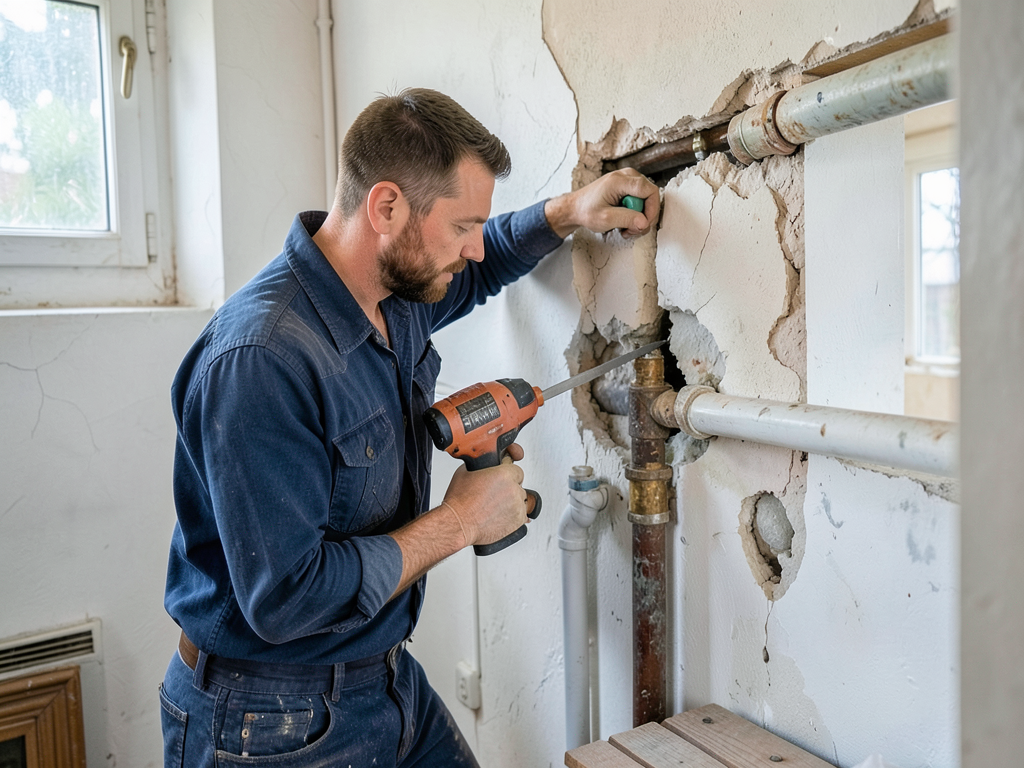
Many Schnitzelburg homes have plaster walls rather than drywall. Cutting into plaster creates massive dust clouds and requires specialized repair techniques. The brittle nature of plaster often causes additional cracking beyond the work area.
The neighborhood’s narrow lot sizes mean homes are built close together. This limits exterior access for vent pipe installation and may require creative solutions like interior vent routing through multiple floors.
Schnitzelburg’s mature tree canopy near Cherokee Park creates root intrusion risks. Roots commonly grow under foundations seeking moisture and can damage new plumbing installations within months of completion.
The area’s clay soil near Goss Avenue expands when wet and contracts when dry. This soil movement puts pressure on underground pipes causing joint separation and slab leaks that complicate relocation projects.
Many Schnitzelburg homes have had multiple plumbing modifications over the decades. These layered modifications create unknown conditions that only become apparent during demolition often requiring extensive rework.
Local Landmarks and Infrastructure Affecting Your Project
Homes near Baxter Park often have shallow water tables that complicate basement plumbing installations. The park’s irrigation system affects groundwater levels creating seasonal flooding risks for below-grade work.
Properties along Barret Avenue may experience vibration from nearby CSX railroad tracks. This vibration can loosen pipe fittings over time requiring additional support and flexible connections in plumbing installations.
The Schnitzelburg Area Community Council has specific guidelines for exterior modifications in the historic district. These guidelines may affect vent pipe routing and require additional approval steps beyond standard permits.
ZIP codes 40217 and 40204 encompass most of Schnitzelburg. Homes in 40217 near Eastern Parkway typically have better access for plumbing work than those in 40204 near downtown Louisville.
The Beargrass Creek Greenway project near Cherokee Park affects drainage patterns in the area. Some homes near the creek may require additional backflow prevention devices due to changed water table levels. Backflow Prevention & Testing.
Call Now for Your Schnitzelburg Plumbing Assessment
Don’t risk costly mistakes with your laundry room relocation. Schnitzelburg’s unique plumbing challenges require experienced professionals who understand local codes historic home construction and neighborhood-specific issues.
Call (502) 370-2677 today for a comprehensive plumbing assessment. Our licensed Kentucky master plumbers will evaluate your specific situation provide accurate cost estimates and ensure your project meets all Louisville requirements.
We serve all of Schnitzelburg including areas near Baxter Avenue Barret Park Eastern Parkway and Cherokee Park. Our team understands the unique challenges of relocating laundry room plumbing in Louisville’s historic neighborhoods.
Schedule your assessment now and avoid the costly surprises that plague DIY and inexperienced plumbing projects in Schnitzelburg homes.
You may also find this helpful. How to Choose the Right Shower Valve for Your Pleasure Ridge Park Bathroom Upgrade.
You may also find this helpful. Why Your Fairdale Home Makes a Loud Banging Noise When You Turn Off the Water.
{
“@context”: “https://schema.org”,
“@type”: “BlogPosting”,
“headline”: “What Every Schnitzelburg Homeowner Should Know Before Relocating Laundry Room Pipes”,
“description”: “Essential plumbing insights for Schnitzelburg homeowners moving laundry rooms. Learn local codes, costs, and foundation challenges specific to Louisville’s historic district.”,
“wordCount”: 2550,
“datePublished”: “2026-03-13T13:18:00.000Z”,
“dateModified”: “2026-03-13T13:18:00.000Z”,
“inLanguage”: “en-US”,
“mainEntityOfPage”: {
“@type”: “WebPage”,
“@id”: “https://victoryplumbinglouisville.com”
},
“publisher”: {
“@type”: “LocalBusiness”,
“name”: “Victory Plumbing Louisville”,
“url”: “https://victoryplumbinglouisville.com”
},
“author”: {
“@type”: “Organization”,
“name”: “Victory Plumbing Louisville”,
“url”: “https://victoryplumbinglouisville.com”
},
“image”: {
“@type”: “ImageObject”,
“url”: “https://victoryplumbinglouisville.com/wp-content/uploads/2026/03/what-every-schnitzelburg-homeowner-should-know-bef-1.png”
}
}
{
“@context”: “https://schema.org”,
“@type”: “Plumber”,
“name”: “Victory Plumbing Louisville”,
“url”: “https://victoryplumbinglouisville.com”,
“address”: {
“@type”: “PostalAddress”,
“addressLocality”: “Louisville”
},
“areaServed”: {
“@type”: “City”,
“name”: “Louisville”
}
}
{
“@context”: “https://schema.org”,
“@type”: “BreadcrumbList”,
“itemListElement”: [
{
“@type”: “ListItem”,
“position”: 1,
“name”: “Home”,
“item”: “https://victoryplumbinglouisville.com”
},
{
“@type”: “ListItem”,
“position”: 2,
“name”: “Blog”,
“item”: “https://victoryplumbinglouisville.com/blog”
},
{
“@type”: “ListItem”,
“position”: 3,
“name”: “What Every Schnitzelburg Homeowner Should Know Before Relocating Laundry Room Pipes”
}
]
}
{
“@context”: “https://schema.org”,
“@type”: “Service”,
“serviceType”: “Plumbing”,
“provider”: {
“@type”: “LocalBusiness”,
“name”: “Victory Plumbing Louisville”,
“url”: “https://victoryplumbinglouisville.com”
},
“areaServed”: {
“@type”: “City”,
“name”: “Louisville”
},
“description”: “Essential plumbing insights for Schnitzelburg homeowners moving laundry rooms. Learn local codes, costs, and foundation challenges specific to Louisville’s historic district.”
}