
Why Your Toilet is Sweating and Creating Puddles on Your Iroquois Park Bathroom Floor
Your toilet is sweating because cold water inside the tank meets warm humid air from Louisville’s Ohio Valley climate creating condensation on the porcelain surface. This moisture then drips down forming puddles on your bathroom floor. Understanding this process is the first step to stopping the damage. The Cost of Tankless Water Heater Installation in Jeffersontown.
How Louisville’s Humidity Creates Bathroom Condensation Problems
Iroquois Park sits in a bowl-shaped valley where humid summer air gets trapped creating moisture levels that average 72% relative humidity from June through September. When your toilet tank fills with groundwater that stays around 55°F year-round and the bathroom air hits 85°F with high humidity the surface of the cold porcelain drops below the dew point causing water vapor to condense into liquid droplets. Fixing Low Water Pressure in Your Crescent Hill Bungalow.
This isn’t just an annoyance. Left untreated the constant moisture can warp hardwood floors encourage mold growth behind baseboards and even cause subfloor rot over time. The Louisville Metro Department of Codes & Regulations requires bathrooms to maintain proper ventilation to prevent moisture damage but many older Iroquois Park homes built before 1980 lack adequate exhaust systems. EPA bathroom ventilation guidelines.
Quick DIY Fixes for Minor Toilet Condensation
Before calling a plumber try these simple solutions that often reduce or eliminate sweating:
- Increase Bathroom Ventilation
Run your exhaust fan during and after showers for at least 30 minutes. Iroquois Park homes near the park often have inadequate CFM ratings. Your fan should move 1 CFM per square foot of bathroom space.. Read more about Everything You Should Consider Before Installing a Bidet in Your Deer Park Bathroom.
- Check the Flapper Valve
A leaking flapper keeps cold water flowing constantly making the tank stay cold. Add a few drops of food coloring to the tank water. If color appears in the bowl within 30 minutes you have a leak that needs replacing. Why Your Prospect Home Needs a Whole House Water Filtration System.
- Reduce Ambient Moisture
Use a small dehumidifier in the bathroom during humid months. Even a 30-pint unit can lower relative humidity enough to prevent condensation on cold surfaces.
- Improve Air Circulation
Keep the bathroom door open when possible and use a small fan to move air across the toilet tank surface breaking up the moisture layer that forms on cold porcelain.
Advanced Solutions: Toilet Tank Insulation Kits
When basic fixes don’t work installing a tank insulation kit creates a barrier between the cold water and warm air. These kits include foam panels that line the interior tank walls preventing cold transfer to the outer surface.
Installation requires draining the tank removing it from the bowl and carefully applying adhesive-backed foam panels. The process takes about 2 hours for someone comfortable with basic plumbing tools. Many Iroquois Park homeowners with older ranch-style homes from the 1960s and 1970s find this solution effective since their bathrooms often lack proper ventilation. 24/7 Emergency Plumbing Services.
Look for kits rated for your specific toilet model. Universal kits work but may require trimming. The foam should be at least 1/2 inch thick for adequate insulation. Some newer toilets come with factory-installed insulated tanks but retrofitting older models is usually more cost-effective than replacement.
The Permanent Fix: Installing an Anti-Sweat Mixing Valve
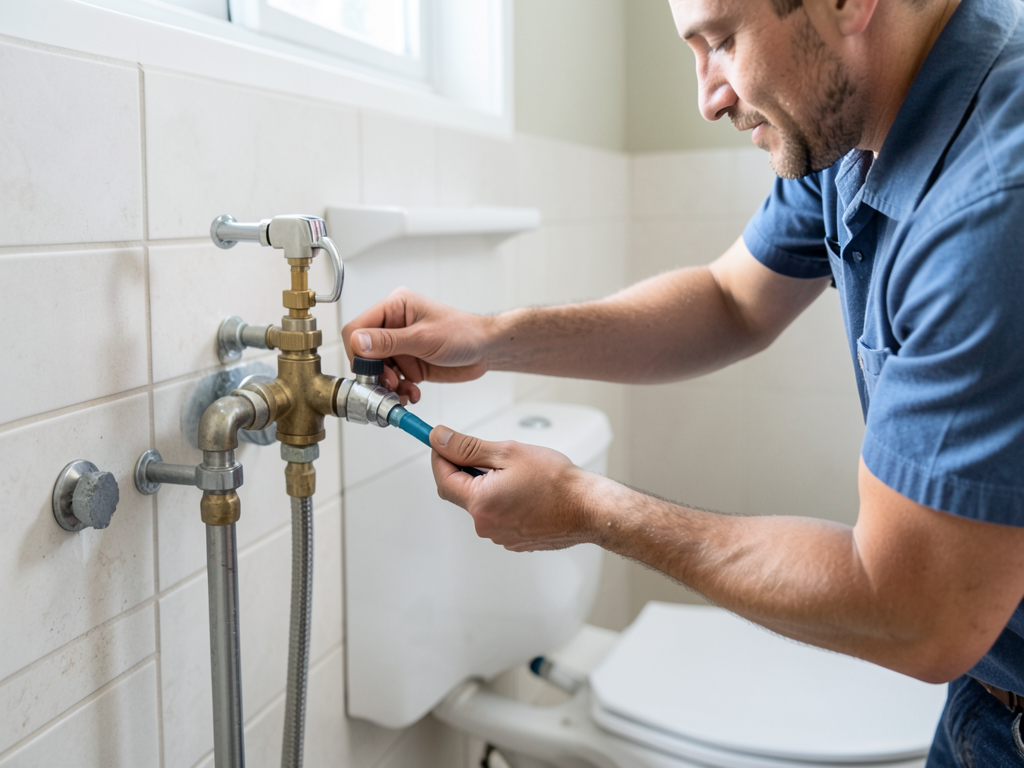
An anti-sweat mixing valve solves condensation by adding a small amount of hot water to the cold supply line before it reaches the toilet tank. This raises the water temperature just enough to keep the tank surface above the dew point without making the water uncomfortably warm.
The valve installs on the cold water supply line near the toilet. It has a built-in thermostat that automatically adjusts the hot-cold mix based on incoming water temperature and ambient humidity. When Louisville’s summer humidity spikes the valve increases the hot water ratio preventing condensation.
Installation requires cutting into both hot and cold water lines and ensuring proper pressure balance. The Kentucky State Plumbing Code requires all mixing valves to maintain a maximum temperature of 110°F for toilet supply lines to prevent scalding hazards. Professional installation typically takes 2-3 hours and costs between $350-$500 including parts.
This solution works best for homes in Iroquois Park’s older neighborhoods where bathroom humidity tends to be higher due to mature tree canopy blocking airflow and older construction methods that trap moisture.
Diagnostic Test: Is It Really Condensation or a Leak?
Before investing in solutions confirm you’re dealing with condensation not an actual leak. Many homeowners mistake a slow tank-to-bowl leak for sweating because both create water on the floor.
Perform the dye test: Add dark food coloring to the tank water and wait 30 minutes without flushing. If colored water appears on the floor you have a crack or bad seal. If the bowl water turns color but the floor stays dry you have a flapper leak keeping the tank cold. If neither happens but you still see floor moisture it’s likely condensation.
Another test involves feeling the tank surface. A sweating tank feels uniformly damp across the entire exterior surface. A leaking tank typically has wet spots near fittings or along the bottom seam. The temperature also differs – a sweating tank stays cold to the touch while a leaking tank may feel closer to room temperature.
Impact on Iroquois Park Home Types
Iroquois Park’s diverse housing stock faces different condensation challenges. Historic homes near the park entrance built in the 1920s and 1930s often have plaster walls and original hardwood floors that are particularly vulnerable to moisture damage. The constant dampness can cause floorboards to cup and finish to peel within months.
Ranch homes from the 1950s through 1970s typically have vinyl flooring which resists water better but the particleboard underlayment can swell and deteriorate when exposed to moisture. Many of these homes also have single-pane windows that contribute to overall bathroom humidity.
Newer construction in the park’s outer areas usually handles condensation better due to improved building codes requiring proper bathroom ventilation and moisture barriers. However even modern homes can experience sweating during Louisville’s extreme humidity events when outdoor air holds more moisture than the indoor air can handle. How to Handle a Main Sewer Line Backup in Your St. Matthews Home.
Cost-Benefit Analysis: DIY vs Professional Solutions
Choosing between DIY fixes and professional installation depends on your home’s specific conditions and your comfort level with plumbing work.
| Solution | Initial Cost | Installation Time | Effectiveness | Best For |
|---|---|---|---|---|
| Ventilation Improvement | $50-$200 | 1-2 hours | Low-Medium | Minor condensation |
| Tank Insulation Kit | $25-$50 | 2-3 hours | Medium-High | DIY homeowners |
| Anti-Sweat Valve | $350-$500 | 2-3 hours | High | Severe cases |
| Insulated Toilet Replacement | $400-$800 | 1-2 hours | High | New construction |
The anti-sweat valve provides the most reliable long-term solution but requires professional installation to ensure code compliance and proper function. DIY insulation kits work well for moderate cases but may need replacement every 5-7 years as the adhesive degrades.
Preventing Secondary Damage in Your Bathroom
Even after solving the condensation problem existing moisture may have caused hidden damage. Check these areas within 30 days of fixing the sweating issue:
- Baseboards for warping or discoloration
- Floor around the toilet for soft spots or discoloration
- Wall behind the toilet for peeling paint or wallpaper
- Carpet or rug underneath for mildew smell
Use a moisture meter to check subfloor moisture content. Readings above 18% indicate potential rot. The IICRC S500 standard for water damage restoration recommends removing and replacing any material with moisture content exceeding 16% to prevent mold growth. IICRC S500 water damage restoration standard.
If you find damage, address it immediately. Rotted subfloor can collapse under weight creating safety hazards. Mold behind walls can spread through your home’s air system affecting indoor air quality.
Seasonal Considerations for Louisville Homeowners
Condensation problems follow seasonal patterns in Iroquois Park. Summer brings the highest risk when outdoor humidity combines with cold groundwater. However winter can also cause issues when warm bathroom air meets cold tank surfaces in poorly insulated homes.
Spring and fall transitional seasons often create the worst condensation because temperature swings are extreme. A 40-degree morning can warm to 75 degrees by afternoon while humidity stays high, creating perfect conditions for sweating.
Monitor your bathroom during different seasons to understand your specific risk patterns. Homes near the park’s wooded areas may experience more severe condensation due to reduced airflow and increased shade keeping bathrooms cooler.
When to Call a Professional Plumber
DIY solutions work for many homeowners but certain situations require professional expertise:
- Multiple bathrooms experiencing condensation simultaneously
- Existing water damage to floors or walls
- Suspected hidden leaks behind walls
- Need for anti-sweat valve installation
- Older homes with galvanized steel pipes requiring system evaluation
Professional plumbers can also identify if your condensation is actually a symptom of larger issues like inadequate whole-house humidity control or failing plumbing components. They have moisture detection equipment that can find problems behind walls without destructive testing.
Call (502) 370-2677 today to schedule your inspection before the next humid spell hits Iroquois Park. Our technicians understand local building patterns and can recommend solutions specific to your home’s construction type and age.
Frequently Asked Questions
Will a sweating toilet eventually stop on its own?
No. Condensation will continue as long as cold water enters the tank and warm humid air contacts the porcelain surface. The problem typically worsens during summer months and can cause permanent damage to flooring and subfloor if left untreated.
Can I just wipe up the water every day instead of fixing it?
Wiping up water provides temporary relief but doesn’t solve the underlying moisture problem. Constant dampness promotes mold growth, damages flooring finishes, and can lead to structural issues in the subfloor. The moisture also creates an ideal environment for dust mites and other allergens.
How much does professional toilet condensation repair cost in Iroquois Park?
Professional solutions range from $200 for ventilation improvements to $500 for anti-sweat valve installation. Most Iroquois Park homes need solutions in the $300-$400 range when factoring in local labor rates and material costs specific to Louisville’s market.
Will fixing my toilet’s condensation help with my overall bathroom moisture problems?
Yes. Solving toilet condensation often reveals or resolves other moisture issues like inadequate ventilation or hidden leaks. Many homeowners find that addressing toilet sweating improves overall bathroom air quality and reduces mold and mildew problems throughout the space.
Is toilet condensation covered by homeowners insurance?
Generally no. Insurance typically covers sudden damage but not gradual moisture problems like condensation. However if condensation leads to mold or rot that causes sudden failure like a floor collapse, the resulting damage might be covered. Check your specific policy for details.
Take Action Before Your Bathroom Floor Suffers Permanent Damage
Condensation may seem like a minor annoyance but the moisture it creates can cause thousands of dollars in damage to your Iroquois Park home. Hardwood floors warp, subfloors rot, and mold spreads through your home’s air system when moisture problems persist.
Don’t wait until you’re dealing with a bathroom floor replacement or mold remediation project. The solutions range from simple DIY fixes to professional installations that provide permanent relief from Louisville’s humidity.
Pick up the phone and call (502) 370-2677 before the next storm hits. Our Iroquois Park plumbing experts will diagnose your specific situation and recommend the most cost-effective solution for your home’s age, construction type, and your family’s needs. We respond quickly because we understand that moisture problems only get worse with time.
{
“@context”: “https://schema.org”,
“@type”: “BlogPosting”,
“headline”: “Why Your Toilet is Sweating and Creating Puddles on Your Iroquois Park Bathroom Floor”,
“description”: “Discover why your toilet is sweating in Iroquois Park and creating puddles on your bathroom floor. Learn DIY fixes, professional solutions, and how Louisville humidity affects your plumbing.”,
“wordCount”: 1899,
“datePublished”: “2026-03-31T12:46:00.000Z”,
“dateModified”: “2026-03-31T12:46:00.000Z”,
“inLanguage”: “en-US”,
“mainEntityOfPage”: {
“@type”: “WebPage”,
“@id”: “https://victoryplumbinglouisville.com”
},
“publisher”: {
“@type”: “LocalBusiness”,
“name”: “Victory Plumbing Louisville”,
“url”: “https://victoryplumbinglouisville.com”
},
“author”: {
“@type”: “Organization”,
“name”: “Victory Plumbing Louisville”,
“url”: “https://victoryplumbinglouisville.com”
},
“image”: {
“@type”: “ImageObject”,
“url”: “https://victoryplumbinglouisville.com/wp-content/uploads/2026/03/why-your-toilet-is-sweating-and-creating-puddles-o-1.png”
}
}
{
“@context”: “https://schema.org”,
“@type”: “Plumber”,
“name”: “Victory Plumbing Louisville”,
“url”: “https://victoryplumbinglouisville.com”,
“address”: {
“@type”: “PostalAddress”,
“addressLocality”: “Louisville”
},
“areaServed”: {
“@type”: “City”,
“name”: “Louisville”
}
}
{
“@context”: “https://schema.org”,
“@type”: “FAQPage”,
“mainEntity”: [
{
“@type”: “Question”,
“name”: “Diagnostic Test: Is It Really Condensation or a Leak?”,
“acceptedAnswer”: {
“@type”: “Answer”,
“text”: “Before investing in solutions confirm you’re dealing with condensation not an actual leak. Many homeowners mistake a slow tank-to-bowl leak for sweating because both create water on the floor.”
}
},
{
“@type”: “Question”,
“name”: “Will a sweating toilet eventually stop on its own?”,
“acceptedAnswer”: {
“@type”: “Answer”,
“text”: “No. Condensation will continue as long as cold water enters the tank and warm humid air contacts the porcelain surface. The problem typically worsens during summer months and can cause permanent damage to flooring and subfloor if left untreated.”
}
},
{
“@type”: “Question”,
“name”: “Can I just wipe up the water every day instead of fixing it?”,
“acceptedAnswer”: {
“@type”: “Answer”,
“text”: “Wiping up water provides temporary relief but doesn’t solve the underlying moisture problem. Constant dampness promotes mold growth, damages flooring finishes, and can lead to structural issues in the subfloor. The moisture also creates an ideal environment for dust mites and other allergens.”
}
},
{
“@type”: “Question”,
“name”: “How much does professional toilet condensation repair cost in Iroquois Park?”,
“acceptedAnswer”: {
“@type”: “Answer”,
“text”: “Professional solutions range from $200 for ventilation improvements to $500 for anti-sweat valve installation. Most Iroquois Park homes need solutions in the $300-$400 range when factoring in local labor rates and material costs specific to Louisville’s market.”
}
},
{
“@type”: “Question”,
“name”: “Will fixing my toilet’s condensation help with my overall bathroom moisture problems?”,
“acceptedAnswer”: {
“@type”: “Answer”,
“text”: “Yes. Solving toilet condensation often reveals or resolves other moisture issues like inadequate ventilation or hidden leaks. Many homeowners find that addressing toilet sweating improves overall bathroom air quality and reduces mold and mildew problems throughout the space.”
}
},
{
“@type”: “Question”,
“name”: “Is toilet condensation covered by homeowners insurance?”,
“acceptedAnswer”: {
“@type”: “Answer”,
“text”: “Generally no. Insurance typically covers sudden damage but not gradual moisture problems like condensation. However if condensation leads to mold or rot that causes sudden failure like a floor collapse, the resulting damage might be covered. Check your specific policy for details.”
}
}
]
}
{
“@context”: “https://schema.org”,
“@type”: “HowTo”,
“name”: “DIY Toilet Condensation Fixes”,
“step”: [
{
“@type”: “HowToStep”,
“position”: 1,
“name”: “Increase Bathroom Ventilation”,
“text”: “Run your exhaust fan during and after showers for at least 30 minutes. Iroquois Park homes near the park often have inadequate CFM ratings. Your fan should move 1 CFM per square foot of bathroom space.”
},
{
“@type”: “HowToStep”,
“position”: 2,
“name”: “Check the Flapper Valve”,
“text”: “A leaking flapper keeps cold water flowing constantly making the tank stay cold. Add a few drops of food coloring to the tank water. If color appears in the bowl within 30 minutes you have a leak that needs replacing. Why Your Prospect Home Needs a Whole House Water Filtration System.”
},
{
“@type”: “HowToStep”,
“position”: 3,
“name”: “Reduce Ambient Moisture”,
“text”: “Use a small dehumidifier in the bathroom during humid months. Even a 30-pint unit can lower relative humidity enough to prevent condensation on cold surfaces.”
},
{
“@type”: “HowToStep”,
“position”: 4,
“name”: “Improve Air Circulation”,
“text”: “Keep the bathroom door open when possible and use a small fan to move air across the toilet tank surface breaking up the moisture layer that forms on cold porcelain.”
}
],
“image”: “https://victoryplumbinglouisville.com/wp-content/uploads/2026/03/why-your-toilet-is-sweating-and-creating-puddles-o-1.png”
}
{
“@context”: “https://schema.org”,
“@type”: “BreadcrumbList”,
“itemListElement”: [
{
“@type”: “ListItem”,
“position”: 1,
“name”: “Home”,
“item”: “https://victoryplumbinglouisville.com”
},
{
“@type”: “ListItem”,
“position”: 2,
“name”: “Blog”,
“item”: “https://victoryplumbinglouisville.com/blog”
},
{
“@type”: “ListItem”,
“position”: 3,
“name”: “Why Your Toilet is Sweating and Creating Puddles on Your Iroquois Park Bathroom Floor”
}
]
}
{
“@context”: “https://schema.org”,
“@type”: “Service”,
“serviceType”: “Plumbing”,
“provider”: {
“@type”: “LocalBusiness”,
“name”: “Victory Plumbing Louisville”,
“url”: “https://victoryplumbinglouisville.com”
},
“areaServed”: {
“@type”: “City”,
“name”: “Louisville”
},
“description”: “Discover why your toilet is sweating in Iroquois Park and creating puddles on your bathroom floor. Learn DIY fixes, professional solutions, and how Louisville humidity affects your plumbing.”
}