
Why You Hear Popping Sounds Coming from Your Water Heater in Shawnee
Your water heater is supposed to provide hot water quietly in the background. When you start hearing popping, crackling, or rumbling sounds, something is wrong. These noises are not normal and indicate a serious issue that needs attention. Why Your Prospect Home Needs a Whole House Water Filtration System.
The popping sounds you hear are caused by sediment buildup at the bottom of your tank. As water heats up, steam bubbles form under the sediment layer and explode through it, creating those distinctive popping noises. This is a common problem in Shawnee homes due to the local water conditions. The Cost of Tankless Water Heater Installation in Jeffersontown.
Hard water contains high levels of dissolved minerals like calcium and magnesium. When this water is heated repeatedly, these minerals settle at the bottom of your tank. Over time, this sediment layer grows thicker, causing your water heater to work harder and become less efficient. The popping sounds are your first warning sign that maintenance is needed. Fixing Low Water Pressure in Your Crescent Hill Bungalow.
If left untreated, sediment buildup can lead to higher energy bills, reduced hot water supply, and eventually complete water heater failure. The popping sounds mean your water heater is struggling to heat water through a layer of hardened mineral deposits. This is not a problem that will fix itself – it will only get worse over time.. Read more about How to Get Instant Hot Water at Every Tap in Your Hurstbourne Home.
Victory Plumbing has been serving Shawnee homeowners for over 15 years. We understand the specific challenges our local water conditions create for plumbing systems. Our technicians can diagnose the exact cause of your water heater noises and provide the right solution to restore quiet, efficient operation to your home.. Read more about The Best Tankless Water Heaters for Small Condos and Apartments in the Highlands.
Common Causes of Popping Noises in Shawnee Water Heaters
Understanding what causes these popping sounds helps you recognize when professional help is needed. The primary culprit is always sediment, but several factors contribute to how quickly it builds up in your specific situation.
Hard water is the main cause of sediment buildup. Shawnee receives water from the Louisville Water Company, which draws from the Ohio River. This water naturally contains high mineral content from the limestone-rich geology of the region. The minerals precipitate out when water is heated, forming the sediment layer at the bottom of your tank. Louisville Water Company.
Water temperature settings also affect sediment formation. Higher thermostat settings cause more rapid mineral precipitation. Many homeowners unknowingly set their water heaters too high, thinking hotter water is better. This actually accelerates sediment buildup and increases your energy costs.. Read more about How to Size a Tankless Water Heater for Your Large Indian Hills Home.
The age of your water heater matters too. Older units have had more time to accumulate sediment. A 10-year-old water heater in Shawnee likely has several inches of hardened mineral deposits at the bottom. This creates a perfect environment for steam bubbles to form and pop through the sediment layer.
Water usage patterns influence how quickly sediment builds up. Homes with high hot water demand experience more frequent heating cycles, which means more opportunities for mineral precipitation. Large families or homes with multiple bathrooms typically see faster sediment accumulation.
Call (502) 370-2677 today to schedule your water heater inspection. Our technicians can determine if sediment is causing your popping noises and recommend the best solution for your specific situation.
Why Shawnee Homes Experience More Water Heater Issues
Shawnee residents face unique challenges when it comes to water heater maintenance. The local water quality and environmental conditions create perfect conditions for sediment-related problems that homeowners in other areas might not experience as severely.
The Louisville Water Company provides water with hardness levels typically ranging from 115 to 160 milligrams per liter. This puts our local water in the “very hard” category according to the U.S. Geological Survey. For comparison, water with hardness below 60 mg/L is considered soft, while levels above 180 mg/L are considered very hard.
Shawnee’s location along the Ohio River means our water travels through limestone bedrock before reaching treatment facilities. Limestone is primarily composed of calcium carbonate, which dissolves into the water and becomes the main component of water heater sediment. This is why Shawnee homes see sediment buildup faster than areas with different geological conditions.
Local climate patterns also affect water heater performance. Shawnee experiences hot, humid summers and cold winters. During summer months, higher ambient temperatures can cause water heaters to cycle more frequently as they work to maintain set temperatures. This increased cycling accelerates sediment formation.
Many Shawnee homes were built between the 1950s and 1980s, a period when water heater technology and water treatment were less advanced than today. These older homes often have original plumbing fixtures that may contribute to mineral buildup throughout the system, not just in the water heater.
According to the Kentucky State Plumbing Code, water heaters must be installed with proper safety devices including temperature and pressure relief valves. However, the code does not address sediment prevention, leaving homeowners to manage this issue through regular maintenance. Backflow Prevention & Testing.
Diagnostic Signs Beyond Popping Noises
Popping sounds are just one symptom of sediment buildup. Several other warning signs indicate your water heater needs professional attention. Learning to recognize these signs helps you address problems before they cause complete system failure.
Reduced hot water supply is a common companion to popping noises. As sediment builds up, it takes up space in your tank that could otherwise hold hot water. You might notice you run out of hot water faster than usual, especially during morning showers or when doing laundry.
Cloudy or rusty-looking hot water often accompanies sediment problems. The minerals in the sediment can discolor water, and as the sediment layer breaks apart, it releases particles into your hot water supply. This is particularly noticeable when you first turn on hot water after it has been sitting in the tank.
Longer recovery times indicate sediment is insulating the bottom of your tank from the heating element. Your water heater has to work much harder and longer to heat the same amount of water. You might notice the unit runs continuously or cycles on and off more frequently than normal.
Visible leaks around the base of your water heater can result from sediment-related corrosion. As sediment builds up, it can cause hot spots on the tank bottom, leading to metal fatigue and eventual leaks. Even small puddles around your unit warrant immediate professional inspection.
Higher than normal energy bills often accompany sediment problems. Your water heater is using more electricity or gas to produce the same amount of hot water. If you notice your utility costs creeping up without increased usage, sediment buildup could be the cause.. Read more about Switching from Electric to Gas — What You Need to Know About Running Gas Lines in Germantown.
Age is another diagnostic factor. Water heaters typically last 8-12 years in Shawnee’s hard water conditions. If your unit is approaching this age and making popping sounds, replacement might be more cost-effective than repair.
Professional vs. DIY Solutions for Popping Noises
Homeowners often wonder if they can fix popping water heater noises themselves or if professional service is necessary. While some basic maintenance is possible for DIY enthusiasts, sediment problems often require professional expertise to resolve completely.
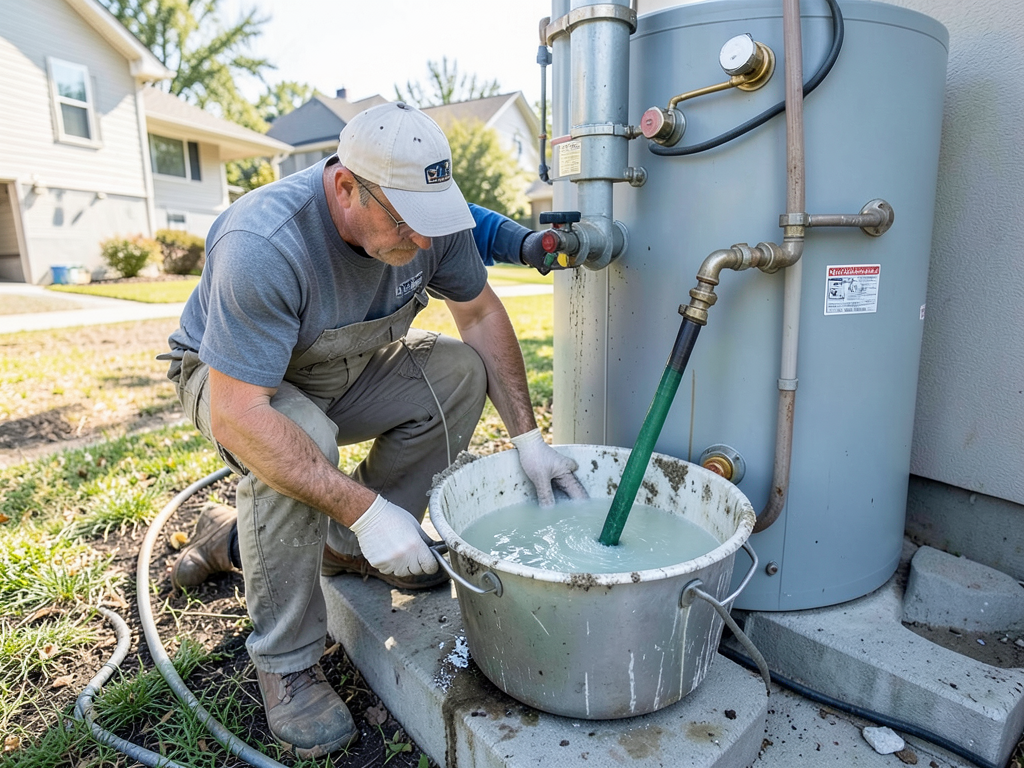
DIY flushing involves draining your water heater to remove sediment. This process requires turning off power or gas, connecting a garden hose to the drain valve, and flushing several gallons of water through the system. While this can provide temporary relief, it often doesn’t remove all sediment, especially in heavily affected units.
Professional flushing uses specialized equipment and techniques to remove sediment more thoroughly. Technicians use high-pressure flushing systems that can break up and remove hardened mineral deposits that DIY methods leave behind. They also inspect other components during the service, identifying potential problems before they cause failures.
Anode rod inspection is another critical service that professionals provide. This sacrificial rod protects your tank from corrosion but deteriorates over time. During professional maintenance, technicians check the anode rod and replace it if necessary, extending your water heater’s lifespan significantly.
Safety considerations make professional service worthwhile. Draining a water heater involves extremely hot water that can cause severe burns. Gas water heaters require proper pilot light handling, and electric units need correct breaker management. Professional technicians have the training and equipment to perform these tasks safely.
Water quality testing is another advantage of professional service. Technicians can test your water’s hardness level and recommend appropriate treatment solutions. This might include whole-house water softeners or specific maintenance schedules based on your water’s mineral content.
Professional service often includes a complete system evaluation. Technicians check for gas leaks, examine electrical connections, test pressure relief valves, and look for signs of corrosion or wear that might not be obvious to homeowners. This comprehensive approach prevents future problems.
Step-by-Step Professional Water Heater Maintenance
Understanding what happens during professional water heater service helps you appreciate the value of expert maintenance. The process involves several critical steps that ensure your unit operates safely and efficiently.
The first step is always safety preparation. Technicians turn off power or gas supply and allow the unit to cool completely. This prevents burns and ensures safe working conditions. They also wear protective equipment including gloves and eye protection when handling hot water and mineral deposits.
Next comes the drain and flush procedure. Technicians connect professional-grade equipment to your drain valve and flush the tank thoroughly. They often use a technique called “stirring” where they briefly turn on the cold water supply to agitate sediment at the bottom of the tank, making it easier to flush out completely.
During the flush, technicians monitor the water coming out of the drain. Clear water indicates successful sediment removal, while cloudy or sandy water means more flushing is needed. They continue the process until the discharge water runs completely clear.
Anode rod inspection follows the flush. The technician removes the rod to check its condition. A healthy anode rod should be about half its original diameter. If it’s more corroded than that, replacement is recommended. This simple component can extend your water heater’s life by several years.
Temperature and pressure relief valve testing ensures this critical safety device functions properly. The technician lifts the test lever to verify it opens and closes correctly. A faulty pressure relief valve can cause dangerous pressure buildup in your water heater.
Finally, technicians check all connections, examine the tank exterior for signs of corrosion, and verify proper operation of all controls. They’ll also provide recommendations for ongoing maintenance based on your specific water conditions and usage patterns.
Don’t wait for complete failure. Call (502) 370-2677 to schedule your professional water heater service today.</n
Preventing Future Sediment Buildup in Your Shawnee Home
Once you’ve addressed current sediment problems, prevention becomes your best strategy for avoiding future issues. Several approaches can help minimize sediment formation and extend your water heater’s life.
Annual professional flushing is the most effective prevention method. Even if you don’t hear popping noises, having your water heater professionally serviced once per year removes sediment before it becomes a major problem. This is especially important in Shawnee’s hard water conditions.
Water softening systems can dramatically reduce sediment formation. These systems remove calcium and magnesium from your water before it enters your water heater. While the initial investment might seem significant, the energy savings and extended appliance life often justify the cost over time.
Temperature management helps prevent rapid sediment formation. Setting your water heater to 120°F instead of higher temperatures reduces mineral precipitation while still providing adequate hot water for most household needs. This also reduces scalding risk and saves energy.
Installing a whole-house water filter can catch sediment before it reaches your water heater. These filters typically use sediment cartridges that trap particles as water enters your home. While they won’t remove dissolved minerals, they can reduce the amount of particulate matter that contributes to sediment buildup.
Monitoring your hot water usage helps identify problems early. Pay attention to how long you can run hot water before it turns cold, and note any changes in water clarity or odor. Early detection allows for simpler, less expensive solutions.
Consider upgrading to a tankless water heater if sediment problems persist. These units heat water on demand rather than storing it in a tank, eliminating the sediment accumulation issue entirely. While more expensive initially, they can be cost-effective in areas with very hard water.
Regular inspection of your entire plumbing system helps prevent sediment-related problems. Corroded pipes or fixtures can contribute additional minerals to your water supply, accelerating sediment formation in your water heater.
When Replacement Makes More Sense Than Repair
Sometimes sediment problems indicate it’s time to replace rather than repair your water heater. Several factors help determine whether repair or replacement is the most cost-effective solution for your situation.
Age is often the deciding factor. If your water heater is over 10 years old and experiencing sediment problems, replacement might be more economical than repair. The cost of repeated maintenance, combined with the likelihood of other component failures, often makes replacement the better long-term investment.
The severity of sediment buildup matters too. If flushing reveals several inches of hardened mineral deposits, the tank may have already suffered damage. Sediment creates hot spots that can weaken tank walls, leading to leaks or catastrophic failure. In these cases, replacement prevents potential water damage.
Energy efficiency considerations play a role in the decision. Older water heaters operate at much lower efficiency than modern units. If your current unit is causing high energy bills due to sediment problems, a new high-efficiency model could pay for itself through energy savings within a few years.
Hot water demand changes might necessitate replacement. If your household has grown or your hot water needs have increased, your current water heater might be undersized even if it’s functioning properly. Upgrading to a larger or more efficient unit could solve both capacity and sediment issues.
Water quality improvements might justify replacement. If you’re planning to install a water softener or whole-house filtration system, pairing it with a new water heater ensures you start with clean, sediment-free equipment that will benefit from the improved water quality.
Safety concerns can make replacement necessary. Severe sediment buildup can cause pressure relief valves to malfunction or create conditions where the tank could fail catastrophically. If safety inspections reveal these issues, immediate replacement is the responsible choice.
Understanding Your Water Heater Warranty and Local Regulations
Water heater warranties and local regulations affect how you maintain and repair your equipment. Understanding these requirements helps you make informed decisions about service and replacement.
Most water heater manufacturers require annual maintenance to keep warranties valid. This typically includes flushing the tank and inspecting the anode rod. Failure to perform this maintenance can void your warranty, leaving you responsible for repair or replacement costs that would otherwise be covered.
The Louisville Metro Department of Codes & Regulations requires permits for water heater replacement. This ensures installations meet current safety standards and local building codes. Professional plumbers handle permit requirements as part of their service, ensuring your installation is legal and insurable. How to Handle a Main Sewer Line Backup in Your St. Matthews Home.
Kentucky State Plumbing Code mandates specific safety features for water heaters, including properly sized and functioning temperature and pressure relief valves. The code also requires adequate clearance around units for maintenance access and specifies proper venting for gas water heaters.
Local water quality regulations affect how water heaters must be maintained. The Louisville Water Company’s water quality reports are public documents that can help you understand the specific mineral content affecting your home. This information helps technicians recommend appropriate maintenance schedules.
Insurance considerations matter too. Many homeowner insurance policies require professional installation and maintenance of major appliances like water heaters. DIY repairs or maintenance might void coverage if problems occur, leaving you financially responsible for water damage or other issues.
Environmental regulations affect how old water heaters must be disposed of. Professional plumbers handle proper disposal of old units, ensuring compliance with local regulations regarding refrigerant gases, insulation materials, and metal recycling requirements.
Emergency Response for Water Heater Failures
Sometimes sediment problems lead to sudden water heater failures that require immediate attention. Knowing how to respond to these emergencies can minimize damage to your home and ensure quick restoration of hot water service.
Complete loss of hot water is the most obvious emergency sign. If your water heater stops producing hot water entirely, especially if accompanied by popping or rumbling sounds beforehand, sediment may have caused a heating element failure or tank leak.
Visible leaks around your water heater require immediate action. Turn off the water supply to the unit and power or gas supply if you can do so safely. Water leaking from a tank often indicates structural failure that could lead to flooding if not addressed quickly.
Unusual noises beyond popping, such as loud banging or whistling sounds, can indicate dangerous pressure buildup. If you hear these sounds, turn off power or gas to the unit immediately and contact emergency plumbing services. These noises can precede catastrophic tank failure.
Water discoloration that persists after running taps for several minutes might indicate internal tank corrosion. Rusty or muddy-looking hot water often means the tank’s protective lining has failed, allowing water to contact and corrode the steel tank walls.
Gas odors near a gas water heater constitute an immediate emergency. If you smell gas, evacuate the area, avoid creating sparks, and call your gas company’s emergency line from a safe location. Do not attempt to operate any electrical switches or use phones near the suspected leak.
Victory Plumbing offers 24/7 emergency response for water heater problems in Shawnee and throughout the Louisville area. Our technicians arrive quickly with the tools and parts needed to diagnose and repair most water heater issues on the first visit.
Cost Considerations for Water Heater Service and Replacement
Understanding the costs associated with water heater maintenance helps you budget for necessary services and make informed decisions about repair versus replacement. Several factors influence the total cost of addressing sediment-related problems.
Professional flushing typically costs between $150 and $300, depending on your water heater’s size, accessibility, and the severity of sediment buildup. This service includes complete tank draining, sediment removal, anode rod inspection, and system testing. While this might seem expensive, it’s far less costly than emergency repairs or premature replacement.
Anode rod replacement, if needed, adds $100 to $200 to the service cost. This component is crucial for preventing tank corrosion, and replacement every 3-5 years can extend your water heater’s life by 5-8 years, making it a worthwhile investment.
Water softener installation costs vary widely based on system size and features, typically ranging from $1,500 to $3,000 for whole-house systems. However, these systems protect not just your water heater but all your plumbing fixtures and appliances, potentially saving thousands in prevented damage.
Water heater replacement costs depend on the unit type and size. Standard 40-50 gallon electric or gas water heaters typically cost $1,000 to $2,500 installed, while high-efficiency or tankless models can cost $2,500 to $5,000 or more. These prices include removal of the old unit and installation of the new one.
Emergency service calls carry premium pricing, often 1.5 to 2 times standard rates. However, the cost of emergency service is usually far less than the potential damage from a catastrophic water heater failure that floods your home.
Energy savings from efficient water heaters can offset higher initial costs. Modern high-efficiency units can reduce energy consumption by 20-30% compared to older models, potentially saving $100 to $300 per year on utility bills.
Financing options are available for major water heater investments. Many plumbing companies offer payment plans that make it easier to invest in quality equipment and professional installation without straining your budget.
Frequently Asked Questions
How often should I have my water heater flushed in Shawnee?
Due to Shawnee’s hard water conditions, annual professional flushing is recommended. Homes with very high water usage or older units might benefit from twice-yearly service. Regular maintenance prevents sediment buildup and extends your water heater’s life significantly.
Can I flush my water heater myself to stop the popping noises?
While DIY flushing is possible, it often doesn’t remove all sediment, especially in heavily affected units. Professional service uses specialized equipment and techniques to thoroughly clean your tank and inspect other components that DIY methods miss. Safety considerations also make professional service worthwhile.
How long does professional water heater maintenance take?
A complete professional service typically takes 1-2 hours. This includes draining the tank, removing sediment, inspecting the anode rod, testing safety devices, and checking all connections. Emergency repairs might take longer depending on the specific problem and parts availability.
What’s the difference between a popping sound and a dangerous water heater noise?
Popping sounds from sediment are usually not immediately dangerous but indicate maintenance is needed. Dangerous noises include loud banging, whistling, or hissing sounds that might indicate pressure problems. If you hear unusual noises or smell gas, turn off the unit and call emergency services immediately.
Should I repair or replace my 10-year-old water heater that’s making popping sounds?
At 10 years old, replacement often makes more sense than repair, especially if sediment problems are severe. The cost of repeated maintenance plus the likelihood of other component failures usually makes a new, efficient unit the better long-term investment. A professional inspection can help you decide.
How can I tell if my water heater problem is covered by warranty?
Check your water heater’s age and maintenance records. Most manufacturers require proof of annual maintenance for warranty claims. If your unit is under 6 years old and has been properly maintained, sediment-related problems might be covered. Professional plumbers can help determine warranty status.
What zip codes in Shawnee does Victory Plumbing serve?
Victory Plumbing serves all Shawnee zip codes including 40214, 40215, and surrounding areas. We also serve nearby neighborhoods like Pleasure Ridge Park, Valley Station, and Fairdale. Our service area extends throughout the greater Louisville metro region.
How quickly can you respond to emergency water heater problems?
Victory Plumbing offers 24/7 emergency service throughout Shawnee and the greater Louisville area. We typically arrive within 1-2 hours for emergency calls, with priority given to situations involving leaks, gas odors, or complete loss of hot water service.
Does hard water affect tankless water heaters too?
Yes, hard water can affect tankless water heaters, though differently than traditional tank units. Tankless units can develop scale buildup on heat exchangers, reducing efficiency. They typically require professional descaling every 1-2 years in hard water areas like Shawnee.
What should I do if I hear popping sounds but still have hot water?
Popping sounds indicate sediment buildup that will worsen over time. Schedule professional service soon to prevent complete failure. While you still have hot water, the problem will only get worse and could lead to higher energy bills or sudden loss of service.
Take Action Before Complete Failure Occurs
Popping sounds from your water heater are warning signs that shouldn’t be ignored. These noises indicate sediment buildup that will only worsen over time, potentially leading to complete system failure, higher energy bills, and unexpected cold showers when you least expect them.
Victory Plumbing understands the specific challenges Shawnee homeowners face with hard water and aging plumbing systems. Our experienced technicians can diagnose your water heater problems quickly and provide effective solutions that restore quiet, efficient operation to your home.
Don’t wait for complete failure to force your hand. Professional maintenance is far less expensive than emergency repairs or premature replacement. Our comprehensive service includes thorough sediment removal, safety inspections, and maintenance recommendations specific to your home’s needs and local water conditions.
Call (502) 370-2677 now to schedule your water heater inspection and service. Our friendly staff will answer your questions, provide transparent pricing, and schedule service at your convenience. We offer same-day service for most appointments and 24/7 emergency response when you need us most.
Victory Plumbing is committed to keeping Shawnee homes comfortable and efficient. Let us help you silence those annoying popping noises and ensure your water heater provides reliable hot water for years to come. Your comfort is our priority, and we’re ready to serve you today.
Remember, those popping sounds are your water heater’s way of asking for help. Don’t ignore them. Professional service now can prevent costly emergencies later. Contact Victory Plumbing and take the first step toward quiet, efficient hot water service in your home.
We look forward to serving you and helping you maintain a comfortable, efficient home. Call us today and experience the Victory Plumbing difference that has made us Shawnee’s trusted plumbing professionals for over 15 years.
Ready to stop the popping and restore quiet, efficient hot water? Call (502) 370-2677 today and let Victory Plumbing solve your water heater problems once and for all. For more information, visit Metropolitan Sewer District.
{
“@context”: “https://schema.org”,
“@type”: “BlogPosting”,
“headline”: “Why You Hear Popping Sounds Coming from Your Water Heater in Shawnee”,
“description”: “Learn why your water heater makes popping noises in Shawnee and what it means for your home. Victory Plumbing explains sediment buildup and solutions.”,
“wordCount”: 4141,
“datePublished”: “2026-04-05T09:04:00.000Z”,
“dateModified”: “2026-04-05T09:04:00.000Z”,
“inLanguage”: “en-US”,
“mainEntityOfPage”: {
“@type”: “WebPage”,
“@id”: “https://victoryplumbinglouisville.com”
},
“publisher”: {
“@type”: “LocalBusiness”,
“name”: “Victory Plumbing Louisville”,
“url”: “https://victoryplumbinglouisville.com”
},
“author”: {
“@type”: “Organization”,
“name”: “Victory Plumbing Louisville”,
“url”: “https://victoryplumbinglouisville.com”
},
“image”: {
“@type”: “ImageObject”,
“url”: “https://victoryplumbinglouisville.com/wp-content/uploads/2026/03/why-you-hear-popping-sounds-coming-from-your-water-1.png”
}
}
{
“@context”: “https://schema.org”,
“@type”: “Plumber”,
“name”: “Victory Plumbing Louisville”,
“url”: “https://victoryplumbinglouisville.com”,
“address”: {
“@type”: “PostalAddress”,
“addressLocality”: “Louisville”
},
“areaServed”: {
“@type”: “City”,
“name”: “Louisville”
}
}
{
“@context”: “https://schema.org”,
“@type”: “FAQPage”,
“mainEntity”: [
{
“@type”: “Question”,
“name”: “How often should I have my water heater flushed in Shawnee?”,
“acceptedAnswer”: {
“@type”: “Answer”,
“text”: “Due to Shawnee’s hard water conditions, annual professional flushing is recommended. Homes with very high water usage or older units might benefit from twice-yearly service. Regular maintenance prevents sediment buildup and extends your water heater’s life significantly.”
}
},
{
“@type”: “Question”,
“name”: “Can I flush my water heater myself to stop the popping noises?”,
“acceptedAnswer”: {
“@type”: “Answer”,
“text”: “While DIY flushing is possible, it often doesn’t remove all sediment, especially in heavily affected units. Professional service uses specialized equipment and techniques to thoroughly clean your tank and inspect other components that DIY methods miss. Safety considerations also make professional service worthwhile.”
}
},
{
“@type”: “Question”,
“name”: “How long does professional water heater maintenance take?”,
“acceptedAnswer”: {
“@type”: “Answer”,
“text”: “A complete professional service typically takes 1-2 hours. This includes draining the tank, removing sediment, inspecting the anode rod, testing safety devices, and checking all connections. Emergency repairs might take longer depending on the specific problem and parts availability.”
}
},
{
“@type”: “Question”,
“name”: “What’s the difference between a popping sound and a dangerous water heater noise?”,
“acceptedAnswer”: {
“@type”: “Answer”,
“text”: “Popping sounds from sediment are usually not immediately dangerous but indicate maintenance is needed. Dangerous noises include loud banging, whistling, or hissing sounds that might indicate pressure problems. If you hear unusual noises or smell gas, turn off the unit and call emergency services immediately.”
}
},
{
“@type”: “Question”,
“name”: “Should I repair or replace my 10-year-old water heater that’s making popping sounds?”,
“acceptedAnswer”: {
“@type”: “Answer”,
“text”: “At 10 years old, replacement often makes more sense than repair, especially if sediment problems are severe. The cost of repeated maintenance plus the likelihood of other component failures usually makes a new, efficient unit the better long-term investment. A professional inspection can help you decide.”
}
},
{
“@type”: “Question”,
“name”: “How can I tell if my water heater problem is covered by warranty?”,
“acceptedAnswer”: {
“@type”: “Answer”,
“text”: “Check your water heater’s age and maintenance records. Most manufacturers require proof of annual maintenance for warranty claims. If your unit is under 6 years old and has been properly maintained, sediment-related problems might be covered. Professional plumbers can help determine warranty status.”
}
},
{
“@type”: “Question”,
“name”: “What zip codes in Shawnee does Victory Plumbing serve?”,
“acceptedAnswer”: {
“@type”: “Answer”,
“text”: “Victory Plumbing serves all Shawnee zip codes including 40214, 40215, and surrounding areas. We also serve nearby neighborhoods like Pleasure Ridge Park, Valley Station, and Fairdale. Our service area extends throughout the greater Louisville metro region.”
}
},
{
“@type”: “Question”,
“name”: “How quickly can you respond to emergency water heater problems?”,
“acceptedAnswer”: {
“@type”: “Answer”,
“text”: “Victory Plumbing offers 24/7 emergency service throughout Shawnee and the greater Louisville area. We typically arrive within 1-2 hours for emergency calls, with priority given to situations involving leaks, gas odors, or complete loss of hot water service.”
}
},
{
“@type”: “Question”,
“name”: “Does hard water affect tankless water heaters too?”,
“acceptedAnswer”: {
“@type”: “Answer”,
“text”: “Yes, hard water can affect tankless water heaters, though differently than traditional tank units. Tankless units can develop scale buildup on heat exchangers, reducing efficiency. They typically require professional descaling every 1-2 years in hard water areas like Shawnee.”
}
},
{
“@type”: “Question”,
“name”: “What should I do if I hear popping sounds but still have hot water?”,
“acceptedAnswer”: {
“@type”: “Answer”,
“text”: “Popping sounds indicate sediment buildup that will worsen over time. Schedule professional service soon to prevent complete failure. While you still have hot water, the problem will only get worse and could lead to higher energy bills or sudden loss of service.”
}
}
]
}
{
“@context”: “https://schema.org”,
“@type”: “BreadcrumbList”,
“itemListElement”: [
{
“@type”: “ListItem”,
“position”: 1,
“name”: “Home”,
“item”: “https://victoryplumbinglouisville.com”
},
{
“@type”: “ListItem”,
“position”: 2,
“name”: “Blog”,
“item”: “https://victoryplumbinglouisville.com/blog”
},
{
“@type”: “ListItem”,
“position”: 3,
“name”: “Why You Hear Popping Sounds Coming from Your Water Heater in Shawnee”
}
]
}
{
“@context”: “https://schema.org”,
“@type”: “Service”,
“serviceType”: “Plumbing”,
“provider”: {
“@type”: “LocalBusiness”,
“name”: “Victory Plumbing Louisville”,
“url”: “https://victoryplumbinglouisville.com”
},
“areaServed”: {
“@type”: “City”,
“name”: “Louisville”
},
“description”: “Learn why your water heater makes popping noises in Shawnee and what it means for your home. Victory Plumbing explains sediment buildup and solutions.”
}