
Maintaining the Sewage Ejector Pump in Your Barret Hill Basement
Your Barret Hill basement bathroom or laundry room depends on a sewage ejector pump to move waste uphill to the main sewer line. When this system fails sewage backs up creating serious health hazards and property damage. Understanding how your pump works and recognizing early warning signs prevents costly repairs. How to Handle a Main Sewer Line Backup in Your St. Matthews Home.
Barret Hill homes near Beargrass Creek often sit on slightly elevated terrain with basements below the main sewer line elevation. The system includes a basin that collects waste a float switch that activates the pump and discharge pipes that carry waste away from your home. Local soil conditions feature Jefferson County’s characteristic silty clay loam that drains slowly. During heavy rains this soil becomes saturated putting extra strain on your pump system. The Louisville Metro Sewer District requires all basement ejector systems to have proper backflow prevention devices installed according to MSD Standard Detail SD-5.2. MSD Standard Detail SD-5.2.
Early warning signs include gurgling sounds from drains slow flushing toilets or foul odors coming from floor drains. These symptoms often indicate your pump struggles to keep up with demand. A failing float switch might cause the pump to run continuously or not at all. Ignoring these signs leads to complete system failure and sewage backup into your finished basement.
Professional maintenance includes cleaning the basin checking the float mechanism testing the check valve and inspecting discharge lines for blockages. Most Louisville plumbers recommend annual service to catch problems before they escalate. The typical ejector pump lasts seven to ten years depending on usage and maintenance.
Call (502) 370-2677 today to schedule your ejector pump inspection before a backup occurs.
Common Sewage Ejector Pump Problems in Barret Hill Homes
Understanding the most frequent failure points helps you spot trouble early. Here are the issues we see most often in Barret Hill basements.
Float Switch Malfunctions
The float switch acts like a toilet tank float telling the pump when to turn on and off. When debris or grease coats the float it can stick in the up or down position. A stuck float causes the pump to run continuously burning out the motor or prevents it from running at all allowing waste to overflow the basin.
Testing the float requires manually lifting it while the pump runs. If the pump continues running after you lower the float the switch needs replacement. This simple diagnostic test takes under five minutes but prevents thousands in water damage. Why Your Prospect Home Needs a Whole House Water Filtration System.
Clogged Impeller Damage
The impeller spins like a boat propeller moving waste through the discharge pipe. Baby wipes feminine products and paper towels often pass through toilets but clog impellers. Once clogged the motor works harder drawing more electricity and generating excess heat until it fails completely.
Listen for a humming sound without water movement. This indicates the motor runs but the impeller cannot turn. The repair requires removing the pump from the basin which involves handling raw sewage and should only be done by professionals wearing proper protective equipment. The Cost of Tankless Water Heater Installation in Jeffersontown.
Check Valve Failure
The check valve prevents pumped waste from flowing back into the basin after each cycle. When this one-way valve fails you hear water hammer sounds as waste slams back through the discharge pipe. The pump then runs continuously trying to keep up with the backflow. Fixing Low Water Pressure in Your Crescent Hill Bungalow.
Replacing a check valve requires shutting off power and water to the system then cutting into the discharge line. The MSD plumbing code mandates check valves on all ejector pump systems to prevent cross-contamination of the public sewer system.
DIY Troubleshooting vs Professional Repair
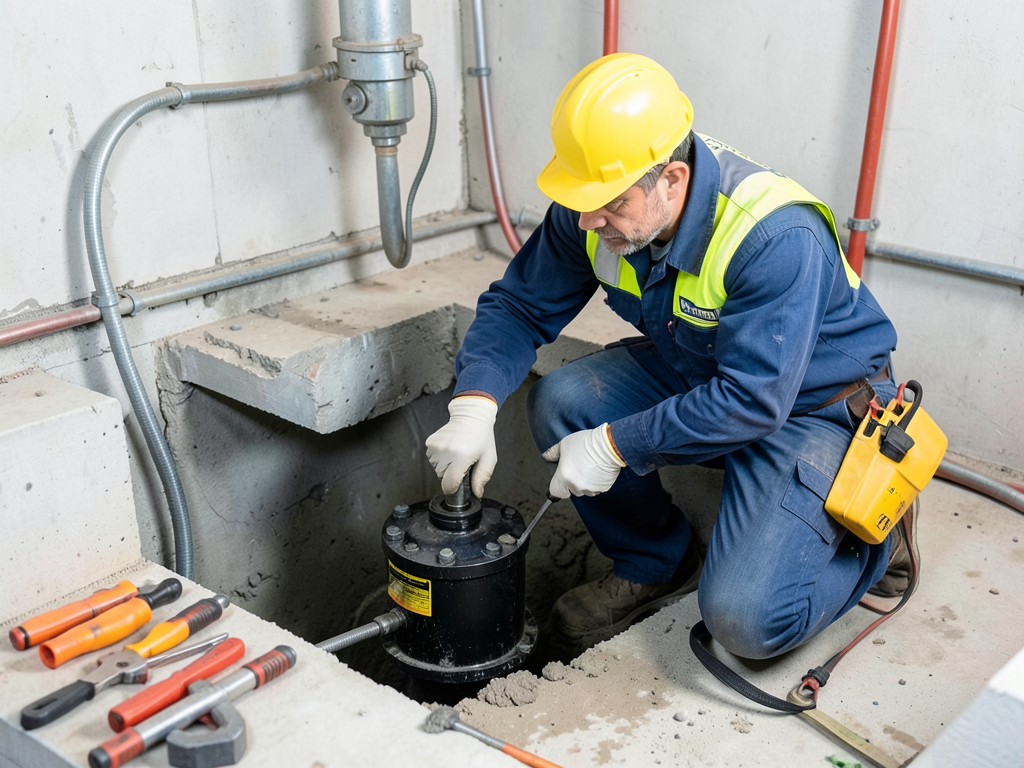
Some ejector pump issues you can safely check yourself while others require professional tools and training. Here’s what you can handle and what needs a licensed plumber.
Safe DIY Checks
First check the electrical breaker. Many ejector pumps have dedicated circuits that trip during power surges. Reset the breaker and listen for the pump to start. If it hums but does not pump the motor may be seized.
Next inspect the basin cover for proper sealing. A loose cover allows sewer gases to escape creating foul odors. Tighten all clamps and check the rubber gasket for cracks or deterioration.
Finally listen for unusual sounds during pump operation. Grinding indicates debris in the impeller while clicking suggests float switch problems. Document these sounds to help your plumber diagnose the issue quickly.
When to Call a Professional
Raw sewage contains harmful bacteria including E. coli and other pathogens. Any repair requiring basin access demands proper personal protective equipment including gloves goggles and respirators. The MSD requires all ejector pump work to follow Kentucky State Plumbing Code Chapter 815 which mandates specific venting and trap requirements. Kentucky State Plumbing Code Chapter 815.
Professional repairs also include testing discharge lines with cameras to locate blockages and verifying proper backflow preventer function. These diagnostic tools cost thousands and require training to operate safely. Backflow Prevention & Testing.
Call (502) 370-2677 for professional ejector pump service in Barret Hill.
Zoeller Pump Company: Louisville’s Local Authority
Many Barret Hill homes use pumps manufactured by Zoeller Pump Company located right here in Louisville. This Kentucky company has produced reliable wastewater pumps since 1939 and their products meet or exceed all MSD requirements. Zoeller Pump Company.
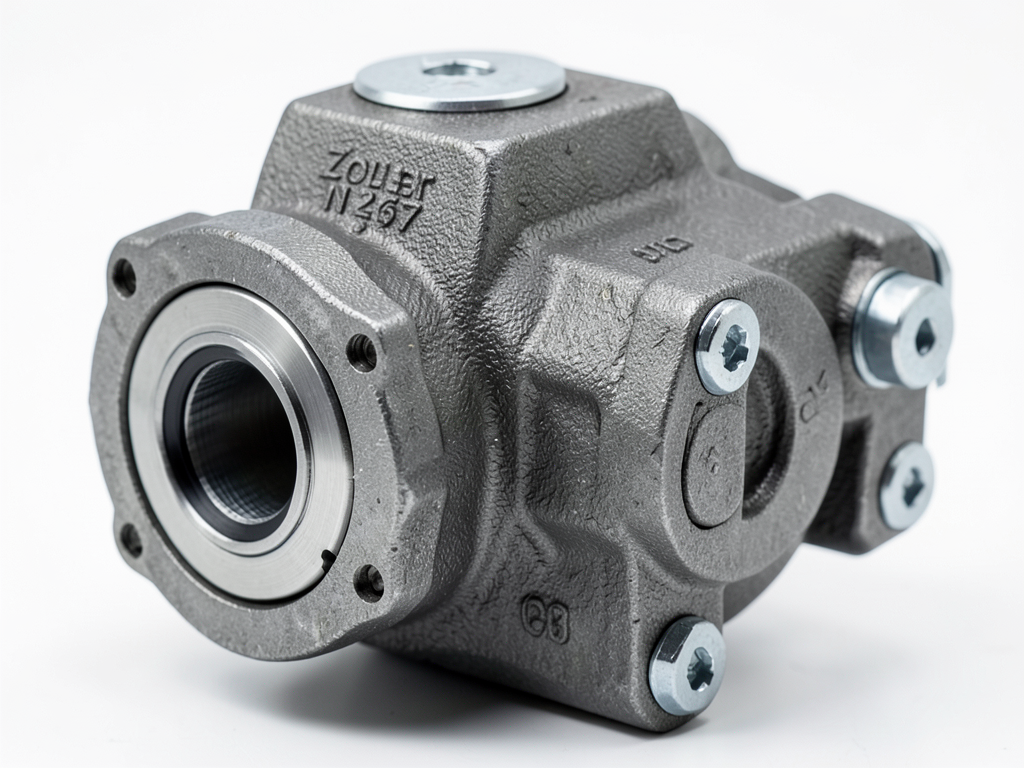
Zoeller’s N267 model serves as the industry standard for residential ejector applications. This submersible pump features a cast iron construction stainless steel fasteners and a mechanical seal designed to withstand continuous use in harsh wastewater environments. The motor draws 9.6 amps at 115 volts and can pump up to 43 gallons per minute against a 20-foot head pressure.
Local plumbers prefer Zoeller pumps because replacement parts remain available decades after installation. The company maintains a technical support line for troubleshooting and their pumps carry three-year warranties when installed by certified professionals.
Emergency Response for Sewage Backup
When sewage backs up into your basement every minute counts. Raw sewage destroys flooring drywall and personal belongings while creating serious health risks. Here’s what to do immediately.
First Response Steps
Shut off power to the affected area at the main breaker. Water and electricity create deadly shock hazards. If you must enter standing water wear rubber boots and avoid touching anything metal.
Stop using all plumbing fixtures including toilets sinks and washing machines. Continuing to add waste to the system only worsens the backup. Open windows for ventilation but avoid using fans which can spread contaminated air.
Document damage with photos for insurance purposes. Most homeowners policies cover sewage backup but require prompt reporting and professional cleanup to qualify for full reimbursement.
Professional Cleanup Requirements
MSD regulations require all sewage cleanup to follow EPA guidelines for Category 3 water damage. This means removing all porous materials including carpet padding and drywall that contacted sewage. Hard surfaces require cleaning with EPA-registered disinfectants and verification testing to ensure no harmful bacteria remain.
Professional restoration companies use moisture meters to detect hidden water in wall cavities and thermal imaging to locate saturated areas behind finished surfaces. The drying process typically requires commercial dehumidifiers running for three to five days depending on the extent of contamination.
Preventive Maintenance Schedule
Regular maintenance extends pump life and prevents emergency failures. Here’s a maintenance schedule that protects your investment.
Monthly Checks
Listen for unusual pump sounds during operation. The motor should run smoothly without grinding or clicking. Check the basin cover for proper sealing and inspect visible discharge pipes for leaks or corrosion.
Test the alarm system if your pump includes one. Pour water into the basin until the float rises and verify the alarm sounds. A non-functioning alarm means you lose your first warning of pump failure.
Annual Professional Service
Professional service includes removing the pump to clean the impeller and check the motor bearings. Technicians also test the check valve operation inspect electrical connections and verify proper float adjustment. They measure amp draw to ensure the motor operates within manufacturer specifications.
Service also includes cleaning the basin to remove grease and debris buildup that can cause float sticking. Technicians check the vent pipe for blockages and verify the proper installation of the required vacuum breaker according to MSD Standard Detail SD-5.2.
Five-Year Overhaul
After five years most ejector pumps benefit from complete overhaul including new seals bearings and potentially the motor. This preventative replacement costs less than emergency service and prevents the inconvenience of unexpected failure.
During overhaul technicians also inspect the discharge line for corrosion and verify the proper installation of the required cleanout access. They test the backflow preventer function and replace any worn electrical components.
Cost Factors for Ejector Pump Service
Understanding what drives repair costs helps you budget appropriately and avoid surprises. Several factors influence the final price of ejector pump service in Barret Hill.
Labor Considerations
Emergency service calls during nights weekends or holidays typically cost 1.5 to 2 times standard rates. Standard service calls during business hours include a diagnostic fee that applies toward the final repair cost if you proceed with the work.
Complex repairs requiring basin removal or discharge line work take longer and cost more. Simple float switch replacements might take under an hour while complete pump replacement could require three to four hours including testing and cleanup.
Parts and Materials
Standard replacement pumps range from $400 to $800 depending on horsepower and features. Premium models with stainless steel construction and extended warranties cost more but often last longer in harsh wastewater environments.
Check valves float switches and alarm systems each add to the total cost. Quality components cost more upfront but reduce the likelihood of repeat failures. Using non-compliant parts can also violate MSD regulations and cause problems during property sales or inspections.
Additional Services
Camera inspection of discharge lines costs extra but identifies problems before they cause backups. This service proves valuable when multiple fixtures show slow drainage or when sewage odors persist after pump repair.
Basin cleaning and sanitizing adds to service costs but removes odor-causing bacteria and prevents future float sticking. This service proves especially valuable in systems that handle kitchen waste containing grease and food particles.
Building Code Compliance in Barret Hill
Louisville Metro and Kentucky State Plumbing Codes establish specific requirements for ejector pump installations. Understanding these requirements helps ensure your system remains compliant and avoids costly corrections.
MSD Requirements
The Metropolitan Sewer District mandates all basement plumbing fixtures requiring pumps to connect through approved ejector systems. This includes basement bathrooms laundry rooms and utility sinks located below the main sewer line elevation. The system must include proper venting traps and backflow prevention devices.
MSD Standard Detail SD-5.2 specifies basin dimensions pump capacity requirements and alarm system specifications. The code requires audible and visual alarms to alert homeowners of pump failure before sewage overflows occur.
Kentucky State Plumbing Code
Kentucky State Plumbing Code Chapter 815 governs all aspects of ejector pump installation and repair. The code requires licensed plumbers to perform all work involving waste systems and mandates specific materials for different applications.
The code also establishes requirements for discharge pipe sizing vent pipe installation and cleanout access. It mandates specific trap configurations to prevent sewer gas entry and requires all work to pass inspection by the local plumbing inspector before final approval.
Frequently Asked Questions
How long should an ejector pump last?
Most residential ejector pumps function properly for seven to ten years with proper maintenance. Heavy usage poor maintenance or installation of inappropriate materials can reduce this lifespan significantly. Annual professional service helps maximize pump longevity.
Can I use my basement bathroom during a power outage?
No. Without power the pump cannot move waste to the main sewer line. Using fixtures during outages causes waste to collect in the basin until power returns or the system overflows. Consider battery backup systems for critical applications if power outages are common in your area.
What causes the alarm to sound?
The alarm sounds when water in the basin rises above normal operating levels indicating pump failure or excessive inflow. This could result from power loss float switch failure or pump motor problems. The alarm provides critical early warning before sewage backs up into your living space.
How much does replacement cost?
Complete ejector pump replacement including parts and labor typically costs between $1,200 and $2,500 depending on pump quality and installation complexity. Premium systems with battery backup and advanced controls cost more but provide additional protection against failures.
Should I get a battery backup?
Battery backup systems provide valuable protection if your home experiences frequent power outages or if you cannot afford pump failure consequences. These systems automatically switch to battery power during outages and sound alarms when batteries need replacement. The added cost often proves worthwhile for finished basements or homes with elderly occupants.
Service Area and Contact Information
Victory Plumbing serves Barret Hill and surrounding Louisville neighborhoods including St. Matthews The Highlands and Crescent Hill. Our technicians understand local building codes and common issues affecting homes in these areas.
We offer 24/7 emergency service for sewage ejector pump failures. Our trucks carry common replacement parts allowing us to complete most repairs during the initial visit. All work complies with MSD and Kentucky State Plumbing Code requirements.
Call (502) 370-2677 now to schedule your ejector pump inspection or emergency repair service. Don’t wait for sewage to back up into your finished basement. Our experienced technicians will diagnose the problem quickly and provide upfront pricing before beginning any work.
Regular maintenance prevents most emergency failures and extends your pump’s service life. Contact us today to learn about our preventive maintenance programs designed specifically for Barret Hill homes and the unique challenges they face.
{
“@context”: “https://schema.org”,
“@type”: “BlogPosting”,
“headline”: “Maintaining the Sewage Ejector Pump in Your Barret Hill Basement”,
“description”: “Expert sewage ejector pump maintenance for Barret Hill basements. Learn local troubleshooting tips, MSD code requirements, and when to call (502) 370-2677 for service.”,
“wordCount”: 2312,
“datePublished”: “2026-04-17T07:08:00.000Z”,
“dateModified”: “2026-04-17T07:08:00.000Z”,
“inLanguage”: “en-US”,
“mainEntityOfPage”: {
“@type”: “WebPage”,
“@id”: “https://victoryplumbinglouisville.com”
},
“publisher”: {
“@type”: “LocalBusiness”,
“name”: “Victory Plumbing Louisville”,
“url”: “https://victoryplumbinglouisville.com”
},
“author”: {
“@type”: “Organization”,
“name”: “Victory Plumbing Louisville”,
“url”: “https://victoryplumbinglouisville.com”
},
“image”: {
“@type”: “ImageObject”,
“url”: “https://victoryplumbinglouisville.com/wp-content/uploads/2026/03/maintaining-the-sewage-ejector-pump-in-your-barret-1.png”
}
}
{
“@context”: “https://schema.org”,
“@type”: “Plumber”,
“name”: “Victory Plumbing Louisville”,
“url”: “https://victoryplumbinglouisville.com”,
“address”: {
“@type”: “PostalAddress”,
“addressLocality”: “Louisville”
},
“areaServed”: {
“@type”: “City”,
“name”: “Louisville”
}
}
{
“@context”: “https://schema.org”,
“@type”: “FAQPage”,
“mainEntity”: [
{
“@type”: “Question”,
“name”: “How long should an ejector pump last?”,
“acceptedAnswer”: {
“@type”: “Answer”,
“text”: “Most residential ejector pumps function properly for seven to ten years with proper maintenance. Heavy usage poor maintenance or installation of inappropriate materials can reduce this lifespan significantly. Annual professional service helps maximize pump longevity.”
}
},
{
“@type”: “Question”,
“name”: “Can I use my basement bathroom during a power outage?”,
“acceptedAnswer”: {
“@type”: “Answer”,
“text”: “No. Without power the pump cannot move waste to the main sewer line. Using fixtures during outages causes waste to collect in the basin until power returns or the system overflows. Consider battery backup systems for critical applications if power outages are common in your area.”
}
},
{
“@type”: “Question”,
“name”: “What causes the alarm to sound?”,
“acceptedAnswer”: {
“@type”: “Answer”,
“text”: “The alarm sounds when water in the basin rises above normal operating levels indicating pump failure or excessive inflow. This could result from power loss float switch failure or pump motor problems. The alarm provides critical early warning before sewage backs up into your living space.”
}
},
{
“@type”: “Question”,
“name”: “How much does replacement cost?”,
“acceptedAnswer”: {
“@type”: “Answer”,
“text”: “Complete ejector pump replacement including parts and labor typically costs between $1,200 and $2,500 depending on pump quality and installation complexity. Premium systems with battery backup and advanced controls cost more but provide additional protection against failures.”
}
},
{
“@type”: “Question”,
“name”: “Should I get a battery backup?”,
“acceptedAnswer”: {
“@type”: “Answer”,
“text”: “Battery backup systems provide valuable protection if your home experiences frequent power outages or if you cannot afford pump failure consequences. These systems automatically switch to battery power during outages and sound alarms when batteries need replacement. The added cost often proves worthwhile for finished basements or homes with elderly occupants.”
}
}
]
}
{
“@context”: “https://schema.org”,
“@type”: “BreadcrumbList”,
“itemListElement”: [
{
“@type”: “ListItem”,
“position”: 1,
“name”: “Home”,
“item”: “https://victoryplumbinglouisville.com”
},
{
“@type”: “ListItem”,
“position”: 2,
“name”: “Blog”,
“item”: “https://victoryplumbinglouisville.com/blog”
},
{
“@type”: “ListItem”,
“position”: 3,
“name”: “Maintaining the Sewage Ejector Pump in Your Barret Hill Basement”
}
]
}
{
“@context”: “https://schema.org”,
“@type”: “Service”,
“serviceType”: “Plumbing”,
“provider”: {
“@type”: “LocalBusiness”,
“name”: “Victory Plumbing Louisville”,
“url”: “https://victoryplumbinglouisville.com”
},
“areaServed”: {
“@type”: “City”,
“name”: “Louisville”
},
“description”: “Expert sewage ejector pump maintenance for Barret Hill basements. Learn local troubleshooting tips, MSD code requirements, and when to call (502) 370-2677 for service.”
}