
Installing a French Drain to Stop Yard Erosion in Windy Hills
Standing water in your yard after a Kentucky downpour is more than just a nuisance. It signals serious drainage problems that can destroy your landscaping, undermine your foundation, and create breeding grounds for mosquitoes. In Windy Hills, where the rolling terrain and heavy clay soil create perfect conditions for water pooling, a professionally installed French drain system offers the most reliable solution to redirect excess water away from your property. The Cost of Tankless Water Heater Installation in Jeffersontown.
French drains work by creating an underground channel that collects surface and subsurface water through a perforated pipe surrounded by gravel. The system channels water to a safe discharge point, preventing the soil saturation that causes erosion, foundation damage, and basement flooding. For homeowners in Jefferson County’s hilly neighborhoods, this drainage method addresses the unique challenges of our Ohio River Valley climate and Kentucky’s expansive clay soils. Fixing Low Water Pressure in Your Crescent Hill Bungalow.
French drain installation requires precise engineering to handle the specific water flow patterns on your property. The process involves calculating proper slope gradients, selecting appropriate pipe sizes, and ensuring compliance with Louisville Metro Department of Codes & Regulations requirements for stormwater management. Without professional installation, even a well-intentioned DIY system can fail, leaving you with the same erosion problems and wasted investment. Louisville Metro Department of Codes & Regulations.
Windy Hills properties face particular challenges due to our region’s combination of heavy spring rains, freeze-thaw cycles, and the clay-rich soil that expands when wet and contracts when dry. This soil movement can crack foundations and create uneven settling that damages driveways and walkways. A properly designed French drain system accounts for these local conditions, providing year-round protection against the water-related damage that plagues so many Louisville-area homes.
How French Drains Solve Kentucky’s Unique Drainage Problems
Kentucky’s climate creates a perfect storm for yard drainage issues. Our region receives approximately 45 inches of rainfall annually, with most falling during intense spring storms and summer thunderstorms. When this water hits the compacted clay soil common throughout Jefferson County, it has nowhere to go. The clay particles are so fine that water moves through them at a rate of only 0.01 to 0.06 inches per hour, compared to sandy soils that can absorb water at 20 inches per hour.
This slow drainage creates hydrostatic pressure against your foundation walls. As water accumulates in the soil surrounding your home, it exerts lateral pressure that can exceed 30 pounds per square foot. Over time, this pressure causes foundation cracks, basement wall bowing, and water infiltration through mortar joints. The problem compounds during freeze-thaw cycles when trapped water expands by approximately 9% as it freezes, widening existing cracks and creating new ones.
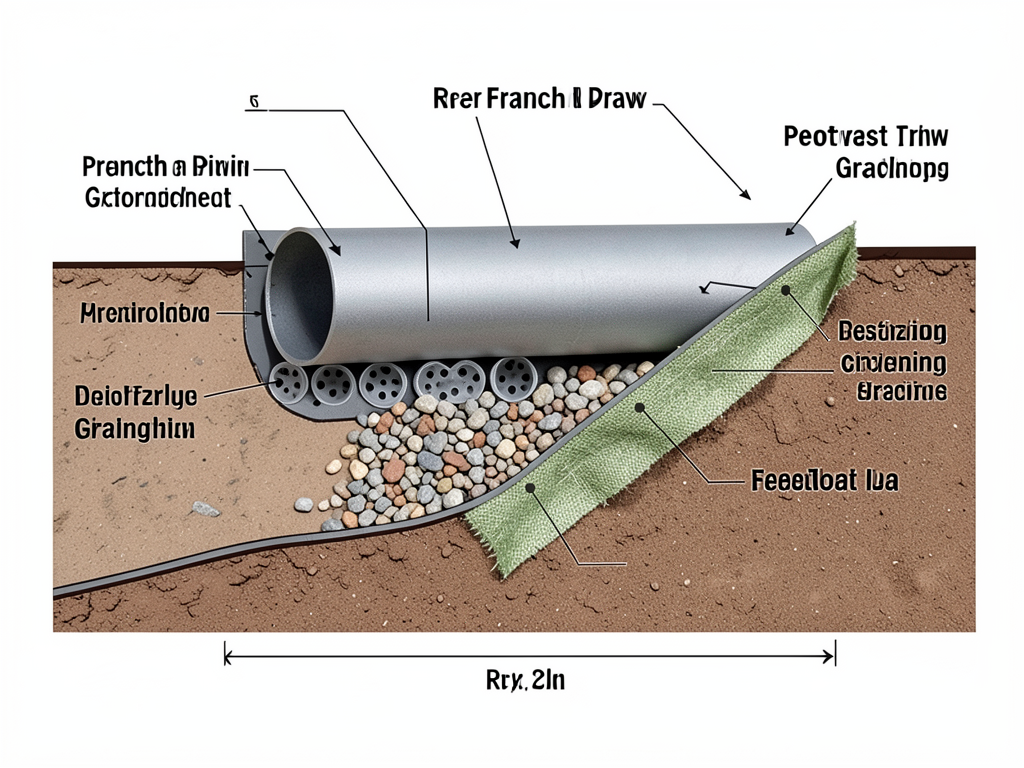
French drains address these issues by intercepting water before it can build up against your foundation. The system typically consists of a 4 to 6-inch perforated pipe surrounded by clean gravel, all wrapped in geotextile fabric to prevent soil infiltration. Water enters through the pipe perforations and flows by gravity to a discharge point, usually 20 to 30 feet from the foundation. The gravel bedding provides additional storage capacity during heavy rainfall events, preventing surface flooding while the system catches up.
The effectiveness of French drains in Kentucky soil depends on proper installation depth and slope. Pipes must be installed below the frost line, typically 12 to 18 inches deep in our region, to prevent freezing and maintain year-round functionality. The system requires a minimum slope of 1% (1 foot of drop per 100 feet of run) to ensure water flows toward the discharge point without stagnation. In areas with significant elevation changes, like the hilly sections of Windy Hills, multiple collection points may be necessary to handle water from different yard elevations. How to Handle a Main Sewer Line Backup in Your St. Matthews Home.
Our Professional French Drain Installation Process
Installing a French drain system requires more than just digging a trench and laying pipe. Our process begins with a comprehensive site assessment to identify water sources, flow patterns, and discharge options. We use laser levels to map your yard’s topography, identifying low spots where water naturally collects and determining the optimal path for water removal. This assessment also includes checking for underground utilities through Kentucky 811 to prevent damage during excavation.
The installation process follows strict engineering principles to ensure long-term performance. First, we excavate the trench to the calculated depth and width, typically 18 to 24 inches deep and 12 inches wide. The trench bottom must maintain consistent slope throughout its length, which we verify using a builder’s level and grade rod. Any deviations can create water pockets that reduce system efficiency and potentially become mosquito breeding sites.
Next, we install a layer of clean, washed gravel at the trench bottom. This gravel bedding, typically 2 to 3 inches deep, provides a stable base for the pipe and creates immediate water storage capacity. We use 1 to 1.5-inch washed stone rather than pea gravel, as the larger size maintains better void space for water flow. The pipe selection depends on your specific needs – we typically use 4-inch perforated PVC pipe for residential applications due to its durability and resistance to root intrusion. Why Your Prospect Home Needs a Whole House Water Filtration System.
The perforated pipe is laid with holes facing downward to prevent sediment from entering through the top perforations. We connect sections using appropriate couplings and ensure all joints are secure to prevent separation under soil pressure. The pipe is then covered with additional gravel to within 4 to 6 inches of the surface grade. This gravel layer serves as the primary collection medium, allowing water to flow freely into the pipe from all sides.
Finally, we wrap the entire system in non-woven geotextile fabric before backfilling with soil. This fabric prevents soil particles from migrating into the gravel and eventually clogging the pipe perforations. Without this filter fabric, even high-quality French drains can fail within 5 to 7 years as sediment fills the voids between gravel particles. The fabric we use has a flow rate of at least 90 gallons per minute per square foot, ensuring it won’t restrict water entry into the system.
French Drain vs. Other Drainage Solutions: Making the Right Choice
French drains aren’t always the best solution for every drainage problem. Understanding the differences between drainage systems helps you make the right choice for your specific situation. French drains excel at handling subsurface water and moderate surface runoff, but they’re not designed for rapid water removal during extreme rainfall events or for collecting water from large roof areas.
Surface drainage systems, such as swales and graded channels, work better for moving large volumes of water quickly across your property. These systems use the natural slope of your land to direct water to storm drains or other safe discharge points. However, they require significant yard space and may not be suitable for smaller Windy Hills properties where every square foot counts. Surface systems also don’t address the subsurface water that causes foundation problems.
Sump pump systems provide active water removal for basements and crawl spaces where French drains might not reach. These systems collect water in a sump pit and use an electric pump to discharge it away from your foundation. While highly effective, sump pumps require electricity to operate and can fail during power outages – a significant concern during Kentucky’s severe thunderstorm season when you need drainage most. They also require regular maintenance to prevent pump failure and check valve issues.
Catch basins and yard drains offer another alternative for collecting surface water from specific problem areas. These grated drains connect to solid underground pipes that discharge water at a safe distance from your home. They work well for collecting water from downspouts, driveway runoff, and low spots in your yard. However, catch basins can clog with leaves and debris, requiring periodic cleaning to maintain flow capacity.
The best drainage solution often combines multiple systems to address different water sources. For example, a French drain might handle subsurface water while catch basins collect surface runoff from downspouts. This integrated approach provides comprehensive protection against the various ways water can threaten your foundation and landscaping. During our site assessment, we evaluate all potential water sources to recommend the most effective combination for your specific property.
Common Signs You Need a French Drain in Windy Hills
Recognizing the warning signs of drainage problems can help you address issues before they cause expensive damage. One of the most obvious indicators is standing water that remains in your yard for more than 24 hours after rainfall. This water pooling suggests your soil’s absorption rate is exceeded by the volume of water entering your yard, a common problem in Windy Hills where the hilly terrain creates natural collection points.
Foundation issues often indicate subsurface water problems that French drains can address. Look for horizontal cracks in your foundation walls, especially those that seem to widen over time. These cracks typically result from hydrostatic pressure pushing against your foundation. You might also notice your basement walls bowing inward slightly – a sign that soil pressure from saturated ground is exceeding the wall’s structural capacity.
Musty odors in your basement or crawl space often indicate chronic moisture problems. Even if you don’t see standing water, high humidity levels create conditions for mold growth and wood rot. Check for efflorescence – a white, powdery substance on concrete walls caused by water carrying dissolved salts to the surface. This mineral deposit indicates water is moving through your foundation walls, even if it’s not visible as liquid water.
Landscape erosion provides another clear warning sign. If you notice topsoil washing away during rainstorms, creating gullies or exposing plant roots, your yard lacks adequate drainage. This erosion not only damages your landscaping but also creates uneven settling that can crack sidewalks, driveways, and foundation walls. The problem often worsens each year as erosion deepens natural channels for water flow.
Water in your basement after heavy rains suggests multiple drainage problems. While some basement moisture comes from surface water intrusion, much of it results from hydrostatic pressure forcing water through foundation cracks or even through the porous concrete itself. French drains address this pressure by lowering the water table around your foundation, reducing the force pushing water toward your basement walls.
Compliance with Louisville Metro Stormwater Regulations
Installing drainage systems in Louisville requires compliance with specific regulations designed to protect our combined sewer system and prevent downstream flooding. The Louisville Metro Department of Codes & Regulations requires permits for most drainage improvements that alter how water flows across your property. These regulations ensure your solution doesn’t simply redirect water to your neighbor’s property or overwhelm the municipal stormwater system.
The Metropolitan Sewer District (MSD) has established specific requirements for French drain discharge. Water must be directed to appropriate discharge points such as existing storm drains, roadside ditches, or natural watercourses. Discharging to sanitary sewers is strictly prohibited, as this can overwhelm the wastewater treatment system during heavy rainfall. MSD also requires that discharge points not create erosion or flooding on adjacent properties. Metropolitan Sewer District of Louisville.
Property owners must also comply with Jefferson County’s drainage easement requirements. These legal restrictions may limit where you can install drainage improvements, particularly near property lines or in areas designated for utility access. Before beginning any drainage project, we verify easement locations and ensure your proposed system doesn’t violate these restrictions. Violating drainage easements can result in costly removal orders and potential liability for damage to utility infrastructure.
Soil erosion control represents another critical compliance area. Louisville’s stormwater regulations require erosion control measures during construction to prevent sediment from entering storm drains. This typically involves installing silt fencing, straw wattles, or other barriers to contain disturbed soil. These measures protect our waterways from sedimentation that can harm aquatic life and increase flooding by reducing channel capacity.
Post-installation inspections may be required depending on your project’s scope. MSD or Metro Codes inspectors might verify that your system meets all regulatory requirements before you can legally use it. These inspections ensure proper pipe sizing, appropriate discharge methods, and compliance with setback requirements from property lines and structures. Working with a contractor familiar with local regulations helps you avoid costly rework and potential fines for non-compliance.
Cost Factors for French Drain Installation in Jefferson County
French drain installation costs vary significantly based on several factors specific to your Windy Hills property. The linear footage of trenching represents the largest variable cost, with prices typically ranging from $25 to $45 per linear foot in Jefferson County. This range reflects differences in soil conditions, with harder clay soils requiring more excavation time and effort than loamy soils. Properties with extensive rock or tree root interference may see costs at the higher end of this range.
Soil conditions significantly impact both labor and equipment requirements. Kentucky’s clay soil becomes extremely difficult to excavate when wet, potentially requiring larger equipment or more manual labor to achieve proper trench dimensions. Rocky soil may require jackhammering or rock saws to cut through limestone bedrock common in our region. These challenging conditions can add $5 to $15 per linear foot to your project cost compared to ideal soil conditions.
Access limitations also affect installation costs. Properties with limited equipment access due to fencing, landscaping, or narrow side yards may require smaller excavation equipment or manual digging. While this protects existing features, it significantly increases labor time. A project that might take one day with full-size equipment could require three to four days of manual labor, potentially doubling the labor portion of your installation cost.
Material quality and pipe selection influence both initial costs and long-term performance. While basic corrugated pipe might save $2 to $3 per linear foot initially, it’s more susceptible to crushing under soil load and root intrusion. High-quality PVC pipe with a smooth interior wall costs more upfront but provides better flow rates and longer service life. The geotextile fabric quality also matters – cheaper fabrics may degrade within 5 years, while premium fabrics can last 25 years or more.
Permit requirements and inspections add administrative costs that vary by project scope. Simple French drain installations might require only a basic drainage permit costing $50 to $100, while larger systems affecting multiple properties could require engineered plans and multiple inspections, adding $500 to $1,500 to your project cost. These permits ensure your system meets all local requirements and protects you from liability for drainage-related damage to neighboring properties.
Maintenance Requirements for Long-Term Performance
French drains require minimal maintenance when properly installed, but neglecting basic upkeep can significantly reduce their effectiveness and lifespan. The most critical maintenance task involves keeping the discharge area clear of debris and vegetation. Grass, leaves, and other organic matter can accumulate around the outlet, restricting water flow and potentially causing backup into the system. We recommend clearing the discharge area at least twice yearly, ideally in early spring and late fall.
Surface water should never be allowed to flow directly into the French drain system through the soil surface. While the geotextile fabric prevents most soil infiltration, direct surface water entry can overwhelm the system during heavy rains and accelerate fabric clogging. Ensure that downspouts, sump pump discharges, and other concentrated water sources connect to the French drain through solid pipes rather than allowing water to flow over the ground surface into the system.
Annual inspections help identify potential problems before they cause system failure. Check for areas where soil has settled over the French drain, creating low spots that might collect surface water. Look for signs of erosion around the discharge point that could indicate the outlet is overwhelmed or partially blocked. If you notice water remaining in the yard longer than usual after rainfall, your French drain may have developed partial clogging that requires professional cleaning.
Root intrusion represents one of the most common causes of French drain failure, particularly in older systems without root barrier protection. Tree and shrub roots naturally seek out the moisture and nutrients in the gravel surrounding your drain pipe. Over time, these roots can grow through pipe perforations or even crack PVC pipes. Chemical root treatments applied annually can prevent this damage, or you might need to install root barriers when planting new landscaping near your drainage system.
Professional cleaning every 5 to 7 years helps maintain optimal flow rates and extends system life. This process typically involves using a high-pressure water jet to scour the inside of the pipe and flush accumulated sediment from the system. The cleaning also provides an opportunity to inspect the pipe condition and identify any sections that may need repair or replacement. While this maintenance adds cost, it’s far less expensive than replacing an entirely clogged French drain system.
Frequently Asked Questions
How long does a French drain last in Kentucky’s climate?
A properly installed French drain system with quality materials typically lasts 20 to 30 years in Kentucky. The system’s lifespan depends on factors like soil acidity, tree root proximity, and whether the geotextile fabric was properly installed. Systems without filter fabric often fail within 5 to 7 years as sediment clogs the gravel bed.
Will a French drain solve my basement water problems?
French drains address one of the primary causes of basement moisture – hydrostatic pressure from saturated soil around your foundation. However, they may not solve all basement water issues. If water enters through foundation cracks or floor joints, additional measures like foundation sealing or interior drainage systems might be necessary for complete protection.
How much slope does a French drain need?
French drains require a minimum slope of 1% (1 foot of drop per 100 feet of run) to ensure proper water flow. For optimal performance, we recommend a 2% slope when possible. This gradient provides sufficient velocity to keep sediment suspended in the water column and prevent pipe clogging.
Can I install a French drain myself to save money?
While DIY installation is possible, professional installation ensures proper slope, pipe sizing, and compliance with local regulations. Incorrect installation can lead to system failure, foundation damage, or even legal issues if water is improperly discharged. Professional installation also includes warranty protection and ensures the system handles your specific water volume requirements.
What’s the difference between a French drain and a curtain drain?
French drains typically address subsurface water and are installed deeper, often adjacent to foundations. Curtain drains are shallower systems designed primarily for surface water interception. Both use similar materials but differ in depth, application, and the specific water problems they address. Your property’s conditions determine which system is most appropriate.
- Inspect Discharge Area
Check the outlet point quarterly for debris, erosion, or vegetation blockage that could restrict water flow.
- Clear Surface Water Sources
Ensure downspouts and sump pumps connect via solid pipes rather than allowing surface water to enter the system.
- Monitor Performance
Observe how quickly water drains from your yard after rainfall. Slow drainage may indicate partial clogging.
- Prevent Root Intrusion
Apply chemical root treatments annually if trees are near the system, or install root barriers during landscaping.
- Schedule Professional Cleaning
Have the system professionally cleaned every 5-7 years to maintain optimal flow rates and prevent sediment buildup.

Protect Your Windy Hills Property from Water Damage
Don’t wait until water damage becomes a costly emergency. The combination of Kentucky’s heavy rainfall, our region’s clay soil, and Windy Hills’ rolling terrain creates perfect conditions for yard erosion and foundation problems. A professionally installed French drain system provides the most reliable solution for protecting your property investment and maintaining your home’s structural integrity. Protecting Your Anchorage Basement with a Reliable Sump Pump System.
At Victory Plumbing, we understand the unique drainage challenges facing Windy Hills homeowners. Our team has extensive experience with Jefferson County’s soil conditions, Louisville Metro regulations, and the specific water flow patterns common to our area’s hilly neighborhoods. We use only commercial-grade materials and follow engineering principles that ensure your French drain system performs effectively for decades.
Every French drain installation begins with a comprehensive site assessment to identify all water sources and determine the optimal system design for your property. We handle all permitting requirements and ensure compliance with MSD and Metro Codes regulations. Our installation process includes proper trench excavation, pipe selection, gravel bedding, and geotextile fabric installation – all critical factors that determine whether your system succeeds or fails.
The cost of professional French drain installation varies based on your property’s specific conditions, but addressing drainage problems early typically costs far less than repairing foundation damage or replacing a failed DIY system. Most installations in Windy Hills range from $2,500 to $8,000 depending on linear footage, soil conditions, and system complexity. We provide detailed written estimates and explain all cost factors before beginning work.
Ready to eliminate yard erosion and protect your foundation? Call (502) 370-2677 today to schedule your free drainage assessment. Our team will evaluate your property’s specific conditions and recommend the most effective solution for your needs. Don’t let another Kentucky rainstorm cause more damage – take action now to protect your Windy Hills home from water-related problems.
Pick up the phone and call (502) 370-2677 before the next storm hits. Our experienced team is ready to help you solve your drainage problems with a professionally designed and installed French drain system that will protect your property for years to come.
{
“@context”: “https://schema.org”,
“@type”: “BlogPosting”,
“headline”: “Installing a French Drain to Stop Yard Erosion in Windy Hills”,
“description”: “Stop yard erosion in Windy Hills with expert French drain installation. Learn how our local drainage solutions protect your foundation from Kentucky’s heavy rains.”,
“wordCount”: 3584,
“datePublished”: “2026-04-21T13:44:00.000Z”,
“dateModified”: “2026-04-21T13:44:00.000Z”,
“inLanguage”: “en-US”,
“mainEntityOfPage”: {
“@type”: “WebPage”,
“@id”: “https://victoryplumbinglouisville.com”
},
“publisher”: {
“@type”: “LocalBusiness”,
“name”: “Victory Plumbing Louisville”,
“url”: “https://victoryplumbinglouisville.com”
},
“author”: {
“@type”: “Organization”,
“name”: “Victory Plumbing Louisville”,
“url”: “https://victoryplumbinglouisville.com”
},
“image”: {
“@type”: “ImageObject”,
“url”: “https://victoryplumbinglouisville.com/wp-content/uploads/2026/03/installing-a-french-drain-to-stop-yard-erosion-in-1.png”
}
}
{
“@context”: “https://schema.org”,
“@type”: “Plumber”,
“name”: “Victory Plumbing Louisville”,
“url”: “https://victoryplumbinglouisville.com”,
“address”: {
“@type”: “PostalAddress”,
“addressLocality”: “Louisville”
},
“areaServed”: {
“@type”: “City”,
“name”: “Louisville”
}
}
{
“@context”: “https://schema.org”,
“@type”: “FAQPage”,
“mainEntity”: [
{
“@type”: “Question”,
“name”: “How long does a French drain last in Kentucky’s climate?”,
“acceptedAnswer”: {
“@type”: “Answer”,
“text”: “A properly installed French drain system with quality materials typically lasts 20 to 30 years in Kentucky. The system’s lifespan depends on factors like soil acidity, tree root proximity, and whether the geotextile fabric was properly installed. Systems without filter fabric often fail within 5 to 7 years as sediment clogs the gravel bed.”
}
},
{
“@type”: “Question”,
“name”: “Will a French drain solve my basement water problems?”,
“acceptedAnswer”: {
“@type”: “Answer”,
“text”: “French drains address one of the primary causes of basement moisture – hydrostatic pressure from saturated soil around your foundation. However, they may not solve all basement water issues. If water enters through foundation cracks or floor joints, additional measures like foundation sealing or interior drainage systems might be necessary for complete protection.”
}
},
{
“@type”: “Question”,
“name”: “How much slope does a French drain need?”,
“acceptedAnswer”: {
“@type”: “Answer”,
“text”: “French drains require a minimum slope of 1% (1 foot of drop per 100 feet of run) to ensure proper water flow. For optimal performance, we recommend a 2% slope when possible. This gradient provides sufficient velocity to keep sediment suspended in the water column and prevent pipe clogging.”
}
},
{
“@type”: “Question”,
“name”: “Can I install a French drain myself to save money?”,
“acceptedAnswer”: {
“@type”: “Answer”,
“text”: “While DIY installation is possible, professional installation ensures proper slope, pipe sizing, and compliance with local regulations. Incorrect installation can lead to system failure, foundation damage, or even legal issues if water is improperly discharged. Professional installation also includes warranty protection and ensures the system handles your specific water volume requirements.”
}
},
{
“@type”: “Question”,
“name”: “What’s the difference between a French drain and a curtain drain?”,
“acceptedAnswer”: {
“@type”: “Answer”,
“text”: “French drains typically address subsurface water and are installed deeper, often adjacent to foundations. Curtain drains are shallower systems designed primarily for surface water interception. Both use similar materials but differ in depth, application, and the specific water problems they address. Your property’s conditions determine which system is most appropriate.”
}
}
]
}
{
“@context”: “https://schema.org”,
“@type”: “HowTo”,
“name”: “How to Maintain Your French Drain”,
“step”: [
{
“@type”: “HowToStep”,
“position”: 1,
“name”: “Inspect Discharge Area”,
“text”: “Check the outlet point quarterly for debris, erosion, or vegetation blockage that could restrict water flow.”
},
{
“@type”: “HowToStep”,
“position”: 2,
“name”: “Clear Surface Water Sources”,
“text”: “Ensure downspouts and sump pumps connect via solid pipes rather than allowing surface water to enter the system.”
},
{
“@type”: “HowToStep”,
“position”: 3,
“name”: “Monitor Performance”,
“text”: “Observe how quickly water drains from your yard after rainfall. Slow drainage may indicate partial clogging.”
},
{
“@type”: “HowToStep”,
“position”: 4,
“name”: “Prevent Root Intrusion”,
“text”: “Apply chemical root treatments annually if trees are near the system, or install root barriers during landscaping.”
},
{
“@type”: “HowToStep”,
“position”: 5,
“name”: “Schedule Professional Cleaning”,
“text”: “Have the system professionally cleaned every 5-7 years to maintain optimal flow rates and prevent sediment buildup.”
}
],
“image”: “https://victoryplumbinglouisville.com/wp-content/uploads/2026/03/installing-a-french-drain-to-stop-yard-erosion-in-1.png”
}
{
“@context”: “https://schema.org”,
“@type”: “BreadcrumbList”,
“itemListElement”: [
{
“@type”: “ListItem”,
“position”: 1,
“name”: “Home”,
“item”: “https://victoryplumbinglouisville.com”
},
{
“@type”: “ListItem”,
“position”: 2,
“name”: “Blog”,
“item”: “https://victoryplumbinglouisville.com/blog”
},
{
“@type”: “ListItem”,
“position”: 3,
“name”: “Installing a French Drain to Stop Yard Erosion in Windy Hills”
}
]
}
{
“@context”: “https://schema.org”,
“@type”: “Service”,
“serviceType”: “Plumbing”,
“provider”: {
“@type”: “LocalBusiness”,
“name”: “Victory Plumbing Louisville”,
“url”: “https://victoryplumbinglouisville.com”
},
“areaServed”: {
“@type”: “City”,
“name”: “Louisville”
},
“description”: “Stop yard erosion in Windy Hills with expert French drain installation. Learn how our local drainage solutions protect your foundation from Kentucky’s heavy rains.”
}