
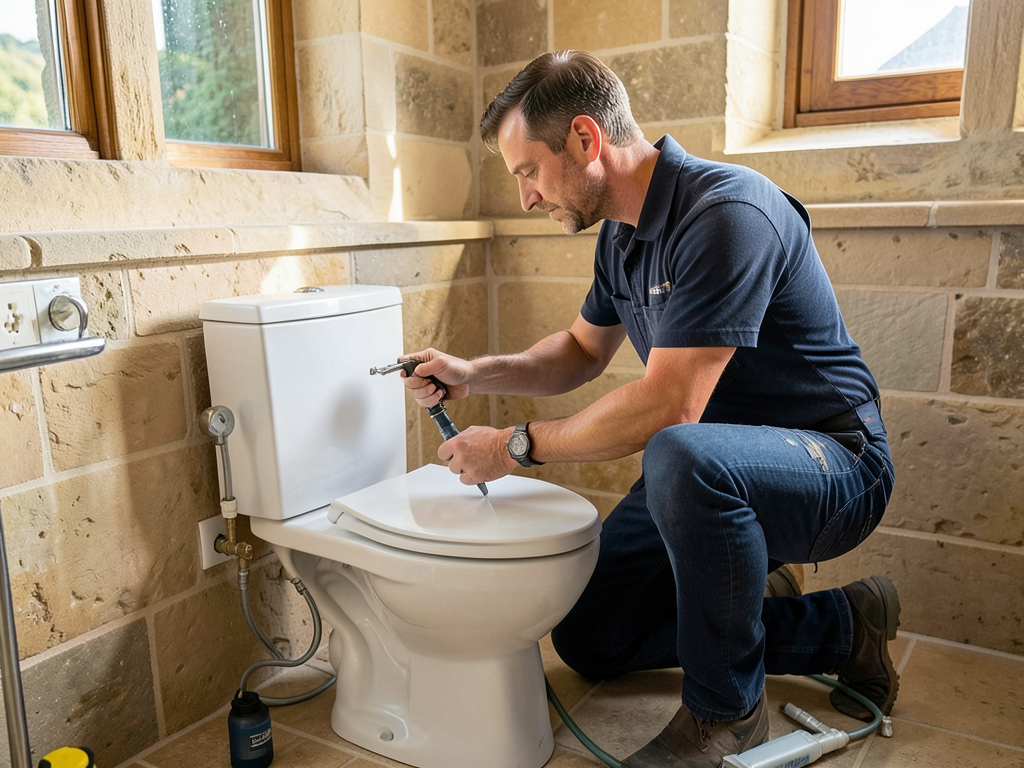
Are Smart Toilets Really Worth the Hype for Your Highlands Bathroom Remodel?
Smart toilets promise luxury features like heated seats, automatic flushing, and built-in bidets. But before you invest in one for your Highlands bathroom remodel, you need to know if they deliver real value or just high-tech gimmicks. The truth is, smart toilets can transform your daily routine, but only if your home’s plumbing and electrical systems can support them.
Most Louisville homes built before 2000 weren’t designed with smart toilet electrical requirements in mind. You’ll need a dedicated GFCI outlet within 4 feet of the toilet location, and many historic Highlands properties lack this infrastructure. Without proper electrical preparation, even the most advanced smart toilet becomes just an expensive regular toilet. EPA WaterSense standards.
Understanding Smart Toilet Installation Requirements in Louisville
Smart toilet installation involves more than swapping out your old fixture. These units require both plumbing expertise and electrical knowledge that most general contractors don’t possess. The installation process typically takes 2-4 hours for a straightforward swap, but can extend to a full day if electrical upgrades are needed.
Water pressure is another critical factor. Smart toilets need consistent 20-80 PSI water pressure to function properly. Many older Louisville homes, especially those in the Highlands area, struggle with pressure fluctuations due to aging galvanized pipes. A professional plumber will test your water pressure before recommending specific models. Louisville Metropolitan Sewer District.
The electrical requirements are non-negotiable. Smart toilets draw between 500-1500 watts when heating water or drying. This means you need a dedicated 15-20 amp circuit. Running new wiring in finished walls of historic Highlands homes often reveals unexpected challenges like knob-and-tube wiring or plaster that crumbles when drilled. The Cost of Tankless Water Heater Installation in Jeffersontown.
Popular Smart Toilet Brands and Their Features
TOTO leads the smart toilet market with their Neorest series, offering features like automatic lid opening, warm water cleansing, and air drying. These units cost $3,500-$6,000 installed and require 120V GFCI protection. The heated seat alone can add $50-75 to your annual electricity bill. Fixing Low Water Pressure in Your Crescent Hill Bungalow.
Kohler’s Numi series provides similar luxury features with a slightly different interface. Their touch-screen remote and ambient lighting appeal to tech-savvy homeowners. However, Kohler units typically need 15% more clearance than standard toilets, which can be problematic in older Highlands bathrooms with tight layouts.
Bio Bidet offers more affordable smart toilet seats that retrofit onto existing toilets. These range from $300-$1,200 and don’t require dedicated circuits, making them ideal for historic Louisville homes where electrical upgrades aren’t feasible. The trade-off is fewer features and less reliable performance.
Louisville Plumbing Code Compliance for Smart Toilets
Jefferson County requires permits for smart toilet installations because they involve both plumbing and electrical modifications. The Louisville Metro Department of Codes & Regulations mandates that all smart toilet installations meet Kentucky State Plumbing Code Section 4.03, which covers high-efficiency fixtures and backflow prevention. Backflow Prevention & Testing.
Smart toilets must comply with EPA WaterSense standards, using no more than 1.28 gallons per flush. This is crucial in Louisville where the Metropolitan Sewer District tracks water usage closely. Some neighborhoods near Cherokee Park have even stricter requirements due to aging sewer infrastructure. How to Handle a Main Sewer Line Backup in Your St. Matthews Home.
Backflow prevention is mandatory for all smart toilets with bidet functions. The Louisville Water Company requires an RPZ (Reduced Pressure Zone) assembly if the bidet system connects to the hot water supply. This prevents contaminated water from flowing back into your clean water lines.
Benefits Beyond the Bidet
Smart toilets offer genuine advantages that justify their cost for many homeowners. The automatic flushing feature eliminates the need to touch potentially contaminated surfaces, which became especially important during recent health concerns. Motion sensors detect when you approach and can automatically lift the lid.
Water efficiency is substantial. Dual-flush technology lets you choose between 0.8 gallons for liquid waste and 1.28 gallons for solid waste. Over a year, this can save 4,000-7,000 gallons compared to older 3.5-gallon toilets. For a family of four, that’s about $100 in water savings annually.. Read more about How to Choose a Durable High Efficiency Toilet for Your Iroquois Park Rental Property.
Comfort features like heated seats and warm water cleansing become particularly valuable during Louisville’s cold winters. The temperature-controlled seat can maintain 82-90 degrees Fahrenheit, eliminating that shock of sitting on a cold porcelain surface at 6 AM.
The Retrofit Challenge: Upgrading Historic Highlands Homes
Many Highlands homes were built between 1900-1940 with cast iron drain lines and galvanized supply pipes. These materials corrode from the inside out, creating rough surfaces that snag toilet wax rings and cause slow leaks. Before installing a smart toilet, you might need to replace the entire closet flange and supply line.
Flooring presents another hurdle. Historic homes often have multiple layers of flooring built up over decades. The total thickness might be 1.5-2 inches, requiring extended closet bolts and careful measurement to ensure the smart toilet sits level. Uneven floors cause premature seal failure and water damage.
Wall cavities in older homes frequently contain unexpected obstacles. You might discover abandoned gas lines, old knob-and-tube wiring, or even structural issues that need addressing before running new electrical circuits. These discoveries can add $500-1,500 to your installation costs.
Smart Toilet ROI: When the Investment Makes Sense
The payback period for smart toilets varies dramatically based on your situation. If you’re already remodeling your bathroom and have the electrical infrastructure in place, adding a smart toilet might only cost $1,000-1,500 more than a high-end traditional toilet. In this scenario, the ROI comes from increased home value and daily comfort.
For homes with elderly residents or people with mobility issues, smart toilets can provide significant quality-of-life improvements. The automatic flushing and bidet functions reduce the need for assistance with basic hygiene tasks. This benefit often outweighs pure financial calculations.
Energy costs vary by model. Basic smart toilet seats use about 50 watts standby and 500 watts during operation. More advanced integrated units can draw 1,500 watts continuously when heating water. At Louisville’s average electricity rate of $0.11/kWh, that’s $40-150 annually in additional electricity costs.
Installation Process and Timeline
The smart toilet installation process follows specific steps that ensure proper function and code compliance. First, the old toilet must be removed carefully to avoid damaging the existing flange. Many Louisville homes have corroded bolts that require cutting rather than unscrewing.
Next, the plumber tests water pressure and checks for leaks in the supply line. If pressure is low, they might recommend a pressure-boosting system, especially in neighborhoods like Crescent Hill where aging infrastructure causes frequent pressure drops.
Electrical work comes third. This involves running new wiring from the nearest circuit breaker, installing a GFCI outlet, and ensuring proper grounding. In historic homes, this often means fishing wires through walls without damaging original plaster or trim.
Finally, the smart toilet is installed, calibrated, and tested. This includes setting up the remote control, programming user preferences, and verifying that all sensors function correctly. The plumber will demonstrate all features and provide maintenance instructions.
Maintenance and Troubleshooting
Smart toilets require different maintenance than traditional models. The bidet nozzles need regular cleaning to prevent mineral buildup, especially in Louisville where water hardness averages 180-220 ppm. Most manufacturers recommend weekly cleaning with a soft cloth and monthly deep cleaning with vinegar solution.
Sensor calibration is crucial for proper operation. If the toilet doesn’t detect your presence or flushes unexpectedly, the sensors might need adjustment. This is common in homes with pets or near exterior doors where drafts trigger motion sensors.
Filter replacement is another maintenance task. Smart toilets with integrated water heaters have filters that trap sediment and prevent scale buildup. In Louisville’s hard water areas, these filters might need replacement every 6-12 months instead of the standard 18-24 months.
Common Problems and Solutions
Smart toilets can develop unique issues that traditional toilets don’t experience. One common problem is the “phantom flush” where the toilet activates randomly. This usually indicates a faulty motion sensor or electrical interference from nearby devices like smart speakers or Wi-Fi routers.
Water temperature fluctuations plague many Louisville homeowners. If your smart toilet connects to the hot water supply, you might experience temperature swings when other fixtures use hot water. Installing a dedicated mixing valve can solve this issue.
Software glitches occasionally require a hard reset. Most smart toilets have a reset button that restores factory settings. However, if problems persist, you might need professional service to update firmware or replace control boards.
Environmental Impact and Water Conservation
Smart toilets contribute to water conservation efforts mandated by the Louisville Metropolitan Sewer District. The dual-flush feature alone can reduce household water consumption by 20-30%. This matters because MSD tracks usage and charges higher rates for excessive consumption.
The environmental benefits extend beyond water savings. Reduced toilet paper usage from bidet functions means fewer trees harvested and less waste in sewage systems. Louisville’s wastewater treatment plants appreciate the reduced solid waste load.
Energy consumption is the main environmental trade-off. While smart toilets save water, they use electricity continuously for features like heated seats and warm water. The net environmental impact depends on your local utility’s energy mix and your water conservation habits.
Cost Factors to Consider
The total cost of smart toilet installation varies widely based on your home’s condition and chosen features. Basic smart toilet seats start around $300, while fully integrated units with all features can exceed $6,000. Installation costs add $200-800 for straightforward swaps but can reach $2,000+ if electrical upgrades are needed.
Hidden costs often surprise homeowners. You might need to replace the wax ring, closet bolts, and supply line even if they appear functional. In older homes, discovering corroded pipes during installation can lead to unexpected repiping costs of $1,000-3,000.
Permit fees in Jefferson County average $75-150 for smart toilet installations. While this seems minor compared to total costs, skipping permits can result in fines and complications when selling your home.
Making the Right Choice for Your Highlands Home
Smart toilets make the most sense for specific situations. If you’re already remodeling your bathroom, have modern electrical infrastructure, and value the convenience features, they can be an excellent investment. The key is understanding your home’s limitations before falling in love with high-tech features.
For historic Highlands properties, consider starting with a smart toilet seat rather than a full unit. This allows you to test the technology without committing to expensive electrical upgrades. If you love the features, you can plan for a full smart toilet during your next major renovation.
Water quality in Louisville affects smart toilet longevity. The city’s hard water can scale bidet nozzles and reduce heating element efficiency. Installing a water softener or using filtered water for the bidet function can extend component life significantly.
Frequently Asked Questions
Are smart toilets difficult to install in older Louisville homes?
Installation difficulty depends on your home’s electrical infrastructure. Most pre-1980s homes need dedicated GFCI outlets installed near the toilet. This can add $300-800 to installation costs but is essential for safe operation.
How much water do smart toilets actually save?
Smart toilets with dual-flush technology typically save 4,000-7,000 gallons annually compared to older 3.5-gallon models. This translates to about $100 in water savings per year for an average family.
Do smart toilets require special maintenance?
Yes, smart toilets need regular nozzle cleaning to prevent mineral buildup, especially in Louisville’s hard water areas. Most models also require occasional sensor calibration and filter replacement every 6-24 months depending on usage.
Can I install a smart toilet myself?
DIY installation isn’t recommended because smart toilets involve both plumbing and electrical work that must meet code requirements. Improper installation can void warranties and create safety hazards.
What’s the average lifespan of a smart toilet?
Quality smart toilets typically last 10-15 years with proper maintenance. The electronic components might need replacement sooner, but the basic toilet function usually remains reliable throughout the unit’s life.
Ready to Upgrade Your Bathroom?
Smart toilets can transform your daily routine, but only if installed correctly in your specific home. Before making a decision, you need a professional assessment of your bathroom’s plumbing and electrical capacity.
Call (502) 370-2677 today to schedule a consultation. Our experienced plumbers will evaluate your Highlands home’s readiness for smart toilet installation and provide honest recommendations based on your needs and budget. Why Your Prospect Home Needs a Whole House Water Filtration System.
Don’t let electrical limitations or plumbing issues prevent you from enjoying modern bathroom luxury. We’ll help you understand exactly what’s required for a successful smart toilet installation in your Louisville home.
{
“@context”: “https://schema.org”,
“@type”: “BlogPosting”,
“headline”: “Are Smart Toilets Really Worth the Hype for Your Highlands Bathroom Remodel?”,
“description”: “Discover if smart toilets justify their cost in Louisville’s Highlands. Learn about electrical requirements, plumbing challenges, and local installation considerations.”,
“wordCount”: 2097,
“datePublished”: “2026-04-28T15:45:00.000Z”,
“dateModified”: “2026-04-28T15:45:00.000Z”,
“inLanguage”: “en-US”,
“mainEntityOfPage”: {
“@type”: “WebPage”,
“@id”: “https://victoryplumbinglouisville.com”
},
“publisher”: {
“@type”: “LocalBusiness”,
“name”: “Victory Plumbing Louisville”,
“url”: “https://victoryplumbinglouisville.com”
},
“author”: {
“@type”: “Organization”,
“name”: “Victory Plumbing Louisville”,
“url”: “https://victoryplumbinglouisville.com”
},
“image”: {
“@type”: “ImageObject”,
“url”: “https://victoryplumbinglouisville.com/wp-content/uploads/2026/03/are-smart-toilets-really-worth-the-hype-for-your-h-1.png”
}
}
{
“@context”: “https://schema.org”,
“@type”: “Plumber”,
“name”: “Victory Plumbing Louisville”,
“url”: “https://victoryplumbinglouisville.com”,
“address”: {
“@type”: “PostalAddress”,
“addressLocality”: “Louisville”
},
“areaServed”: {
“@type”: “City”,
“name”: “Louisville”
}
}
{
“@context”: “https://schema.org”,
“@type”: “FAQPage”,
“mainEntity”: [
{
“@type”: “Question”,
“name”: “Are smart toilets difficult to install in older Louisville homes?”,
“acceptedAnswer”: {
“@type”: “Answer”,
“text”: “Installation difficulty depends on your home’s electrical infrastructure. Most pre-1980s homes need dedicated GFCI outlets installed near the toilet. This can add $300-800 to installation costs but is essential for safe operation.”
}
},
{
“@type”: “Question”,
“name”: “How much water do smart toilets actually save?”,
“acceptedAnswer”: {
“@type”: “Answer”,
“text”: “Smart toilets with dual-flush technology typically save 4,000-7,000 gallons annually compared to older 3.5-gallon models. This translates to about $100 in water savings per year for an average family.”
}
},
{
“@type”: “Question”,
“name”: “Do smart toilets require special maintenance?”,
“acceptedAnswer”: {
“@type”: “Answer”,
“text”: “Yes, smart toilets need regular nozzle cleaning to prevent mineral buildup, especially in Louisville’s hard water areas. Most models also require occasional sensor calibration and filter replacement every 6-24 months depending on usage.”
}
},
{
“@type”: “Question”,
“name”: “Can I install a smart toilet myself?”,
“acceptedAnswer”: {
“@type”: “Answer”,
“text”: “DIY installation isn’t recommended because smart toilets involve both plumbing and electrical work that must meet code requirements. Improper installation can void warranties and create safety hazards.”
}
},
{
“@type”: “Question”,
“name”: “What’s the average lifespan of a smart toilet?”,
“acceptedAnswer”: {
“@type”: “Answer”,
“text”: “Quality smart toilets typically last 10-15 years with proper maintenance. The electronic components might need replacement sooner, but the basic toilet function usually remains reliable throughout the unit’s life.”
}
},
{
“@type”: “Question”,
“name”: “Ready to Upgrade Your Bathroom?”,
“acceptedAnswer”: {
“@type”: “Answer”,
“text”: “Smart toilets can transform your daily routine, but only if installed correctly in your specific home. Before making a decision, you need a professional assessment of your bathroom’s plumbing and electrical capacity.”
}
}
]
}
{
“@context”: “https://schema.org”,
“@type”: “BreadcrumbList”,
“itemListElement”: [
{
“@type”: “ListItem”,
“position”: 1,
“name”: “Home”,
“item”: “https://victoryplumbinglouisville.com”
},
{
“@type”: “ListItem”,
“position”: 2,
“name”: “Blog”,
“item”: “https://victoryplumbinglouisville.com/blog”
},
{
“@type”: “ListItem”,
“position”: 3,
“name”: “Are Smart Toilets Really Worth the Hype for Your Highlands Bathroom Remodel?”
}
]
}
{
“@context”: “https://schema.org”,
“@type”: “Service”,
“serviceType”: “Plumbing”,
“provider”: {
“@type”: “LocalBusiness”,
“name”: “Victory Plumbing Louisville”,
“url”: “https://victoryplumbinglouisville.com”
},
“areaServed”: {
“@type”: “City”,
“name”: “Louisville”
},
“description”: “Discover if smart toilets justify their cost in Louisville’s Highlands. Learn about electrical requirements, plumbing challenges, and local installation considerations.”
}