
Why You Should Replace Your Shively Home’s Galvanized Pipes Before They Fail Entirely
If your Shively home was built before 1960, there’s a good chance you have galvanized steel pipes running through your walls. These pipes were once considered state-of-the-art, but time has proven they’re a ticking time bomb for Louisville homeowners. Galvanized pipes corrode from the inside out, reducing water pressure, discoloring your water, and potentially leaching lead into your drinking supply. The Louisville Water Company has identified thousands of lead service lines still in use, and many of them connect to galvanized pipes that trap lead particles inside their corroded walls. Louisville Water Company.
Replacing galvanized pipes isn’t just about preventing leaks—it’s about protecting your family’s health and your home’s value. Shively’s historic character means many homes still have their original plumbing, but that charm comes at a cost. The humid Kentucky climate accelerates corrosion, and the clay-heavy soil in southern Jefferson County puts extra stress on underground lines. Waiting until a pipe bursts means emergency repairs, water damage, and potentially thousands in restoration costs. The Cost of Tankless Water Heater Installation in Jeffersontown.
The good news is that modern PEX piping offers a durable, cost-effective solution specifically suited to Louisville’s conditions. Unlike copper, PEX resists mineral buildup from our hard water and won’t burst in freezing temperatures. It’s also faster to install, meaning less disruption to your home. The Kentucky State Plumbing Code requires permits for whole-house repiping, and Louisville Metro enforces strict standards to ensure new installations meet current safety requirements. Louisville Metro Department of Codes & Regulations.
Don’t wait for brown water or a flooded basement to force your hand. The average galvanized pipe in a Shively home lasts about 50 years—and many are now pushing 70. Call (502) 370-2677 today to schedule your inspection and get a clear picture of what’s hiding behind your walls. Fixing Low Water Pressure in Your Crescent Hill Bungalow.
Signs Your Louisville Home Has Galvanized Piping
Identifying galvanized pipes is the first step in protecting your home. These pipes have a distinct appearance that changes as they age. New galvanized pipes have a silver-gray color with threaded joints, but after decades of exposure to Louisville’s mineral-rich water, they develop a dull gray or even rusty appearance. Protecting Your Anchorage Basement with a Reliable Sump Pump System.
Here’s how to check if your home has galvanized pipes:
- Visual Inspection
Look at exposed pipes in your basement, crawl space, or utility area. Galvanized pipes are magnetic and have a characteristic gray color. Use a flathead screwdriver to gently scratch the surface—if the metal underneath is dark gray or black rather than copper-colored, you likely have galvanized steel.
- Magnetic Test
Place a magnet against the pipe. Galvanized steel is magnetic, while copper and plastic are not. This simple test can quickly confirm your suspicions.
- Water Quality Check
Turn on cold water in the morning and let it run for 30 seconds. If the water appears rusty or brown initially but clears up, this indicates internal corrosion in galvanized pipes. The rust-colored water is actually iron oxide flakes from the pipe’s interior walls.. Read more about What Actually Happens When Your Main Water Line Needs to be Replaced in the South End.
- Water Pressure Test
Low water pressure throughout your home, especially on upper floors, often indicates galvanized pipes. As corrosion builds up inside the pipes, the internal diameter shrinks, reducing water flow. This is particularly noticeable in Shively’s two-story homes built in the 1950s.
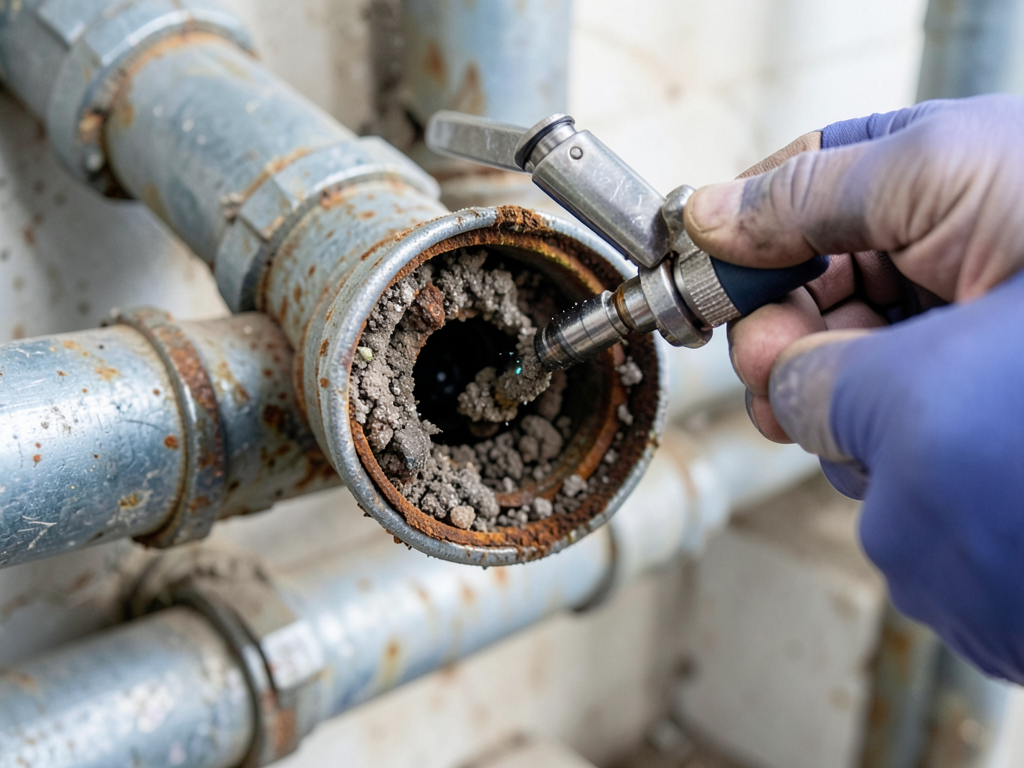
Image description: Close-up comparison showing new galvanized pipe (silver-gray with threaded joints) versus severely corroded pipe with rust pitting and mineral buildup visible on the surface.
The Dangers of Galvanized Pipes: Health and Property Risks
Galvanized pipes pose two major threats to Shively homeowners: health risks from lead contamination and property damage from catastrophic failures. Understanding these dangers helps explain why replacement is often the most cost-effective long-term solution.
Lead Contamination Concerns
While galvanized pipes themselves don’t contain lead, they can become dangerous when connected to lead service lines. The Louisville Water Company has been working to identify and replace lead service lines across the city, but many homes still have this outdated infrastructure. Here’s the problem: as galvanized pipes corrode, they create an ideal surface for lead particles to accumulate. When water flows through these pipes, it can dislodge the trapped lead, contaminating your drinking water.
The Kentucky Department for Public Health recommends testing water in homes built before 1960, especially those with known lead service lines. Even if your water tests clean today, the internal condition of galvanized pipes continues to deteriorate, potentially creating new contamination sources over time.
Property Damage Risks
Galvanized pipes don’t just fail—they fail catastrophically. After 50-70 years, the corrosion creates thin spots in the pipe walls. These areas can’t withstand normal water pressure, leading to sudden bursts. In Shively’s older homes, a pipe failure can mean:
- Flooded basements or crawl spaces
- Water damage to walls, ceilings, and flooring
- Mold growth in hidden areas
- Electrical hazards from water contacting wiring
- Foundation damage from prolonged moisture exposure
The Metropolitan Sewer District (MSD) reports that water damage from pipe failures is one of the leading causes of insurance claims in older Louisville neighborhoods. Many homeowners discover too late that their insurance may not cover damage from neglected plumbing systems. How to Handle a Main Sewer Line Backup in Your St. Matthews Home.
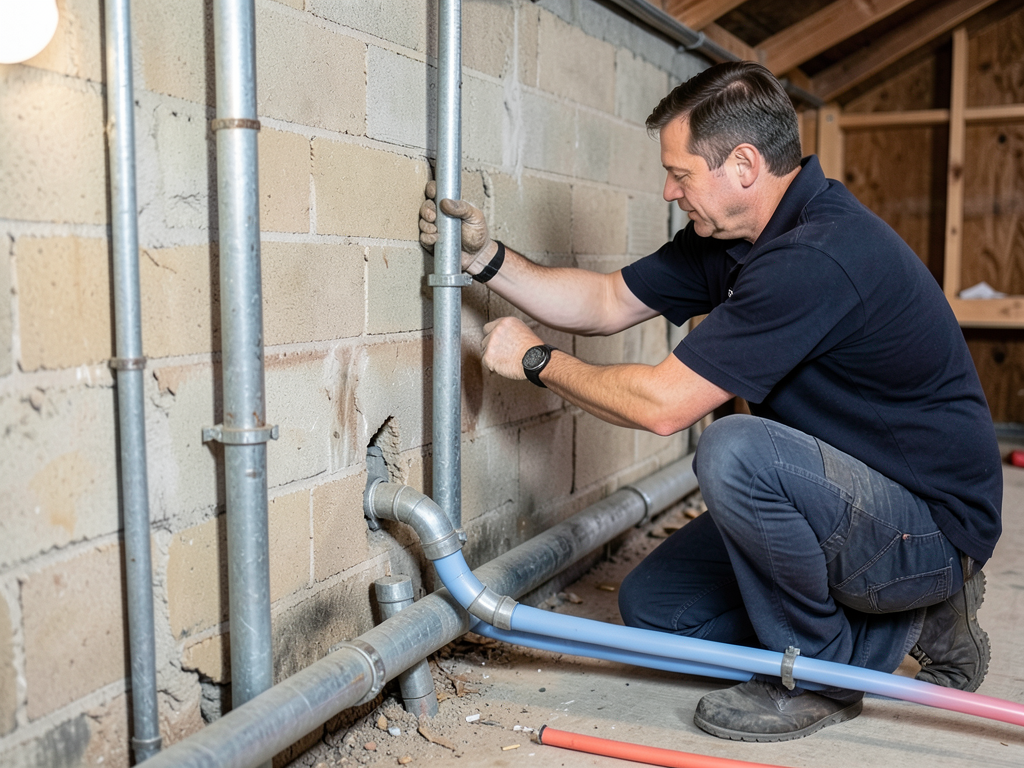
Image description: Technician using a borescope camera to inspect the interior of a galvanized pipe, showing severe corrosion and mineral buildup that has reduced the pipe’s internal diameter by more than 70%.
Our Pipe Replacement Process: PEX vs. Copper
Choosing the right replacement material is crucial for Louisville’s climate and water conditions. We offer both PEX and copper repiping, each with distinct advantages for Shively homes.
PEX Piping Advantages for Louisville
Cross-linked polyethylene (PEX) has become the preferred choice for many Louisville homeowners due to its flexibility and resistance to our local conditions:
- Freeze Resistance
PEX can expand slightly without breaking, making it ideal for Louisville’s freeze-thaw cycles. While copper pipes can burst when water freezes, PEX typically survives these temperature swings.
- Corrosion Resistance
PEX doesn’t corrode or develop mineral buildup, maintaining consistent water pressure throughout its lifespan. This is particularly important given Louisville’s hard water, which accelerates corrosion in metal pipes.
- Installation Efficiency
PEX’s flexibility allows for fewer fittings and connections, reducing potential leak points. It can bend around corners, eliminating the need for elbow joints in many situations.
- Cost-Effectiveness
PEX typically costs 30-40% less than copper while offering comparable longevity when properly installed.
Copper Piping Considerations
Copper remains a premium option with its own set of benefits:
- Proven Longevity
Copper pipes can last 50+ years in ideal conditions and have a track record spanning over a century.
- Fire Resistance
Unlike plastic alternatives, copper won’t melt or release toxic fumes in a house fire.
- Microbial Resistance
Copper’s natural antimicrobial properties inhibit bacterial growth inside the pipes.
However, copper is more susceptible to Louisville’s hard water mineral buildup and freeze damage. The Kentucky State Plumbing Code requires specific installation techniques for copper in areas prone to freezing.. Read more about Plumbing Repairs You Should Definitely Make Before Listing Your St. Matthews Home for Sale.
Our Replacement Process
We follow a systematic approach to ensure your repiping project meets all local requirements and minimizes disruption to your home:
- Comprehensive Inspection
We use camera inspection technology to assess the condition of your existing pipes and identify problem areas that aren’t visible to the naked eye.
- Permit Acquisition
We handle all necessary permits through Louisville Metro’s Department of Codes & Regulations, ensuring your project complies with current building standards.
- Strategic Planning
We map out the most efficient routing for new pipes, often using existing access points to minimize wall and ceiling damage.
- Installation
Our licensed plumbers install new piping according to manufacturer specifications and local code requirements.
- Pressure Testing
We conduct thorough pressure tests to ensure all connections are watertight before closing up walls.
- Final Inspection
We coordinate with local inspectors to verify compliance and provide you with documentation of the completed work.
What Does Pipe Replacement Cost in Louisville?
Understanding the factors that influence repiping costs helps you make an informed decision. While every home is different, here’s what affects pricing in Shively and surrounding Louisville neighborhoods.
Key Cost Factors
Several variables determine the final cost of your repiping project:
- Home Size and Layout
Larger homes require more piping material and labor hours. Multi-story homes often cost more due to the complexity of running pipes between floors.
- Access Difficulty
Homes with finished basements, multiple bathrooms, or complex floor plans may require more invasive work to access existing plumbing.
- Material Choice
PEX typically costs less than copper, both in materials and labor. However, some homeowners prefer copper for its longevity and resale value.
- Code Compliance Upgrades
Older homes may need additional updates to meet current code requirements, such as water hammer arrestors or updated shut-off valves.
- Permit and Inspection Fees
Louisville Metro charges permit fees based on project scope, typically ranging from $100 to $500 for whole-house repiping.
Cost Comparison Table
| Factor | PEX Repiping | Copper Repiping |
|---|---|---|
| Material Cost per Linear Foot | $0.50 – $2.00 | $2.00 – $4.00 |
| Installation Time | 2-4 days | 3-5 days |
| Typical 2,000 sq ft Home | $4,000 – $7,000 | $6,000 – $10,000 |
| Freeze Resistance | Excellent | Poor |
| Expected Lifespan | 30-50 years | 50+ years |
Financing and Insurance Considerations
Many Shively homeowners don’t realize that some insurance companies offer discounts for updated plumbing systems. Additionally, if your galvanized pipes have already caused damage, your homeowner’s insurance might cover part of the replacement cost. We work with insurance companies to provide documentation and estimates for covered work.
The Louisville Water Company also offers rebates for certain plumbing upgrades that improve water efficiency. While repiping itself may not qualify, we can help you identify other upgrades that could offset your costs.
Local Neighborhoods We Serve
While this article focuses on Shively, we regularly work in these surrounding Louisville neighborhoods where galvanized pipes are also common:
St. Matthews (40207, 40207): Many post-war homes in this area still have their original galvanized plumbing. The neighborhood’s mature trees and clay soil create unique challenges for underground pipe replacements.
The Highlands (40204, 40205): Historic homes in The Highlands often feature beautiful architecture with outdated plumbing. We frequently encounter galvanized pipes in basements of these Victorian and Craftsman-style homes.
Old Louisville (40208, 40209): This historic district has some of the oldest housing stock in the city, with many homes still using their original plumbing systems. Preservation guidelines here require careful planning for any repiping work.
Jeffersontown (40299): While newer than central Louisville, many homes in Jeffersontown built in the 1960s and 1970s are now reaching the end of their galvanized pipes’ lifespan.
Each neighborhood presents unique challenges based on construction methods, soil conditions, and local regulations. We’re familiar with the specific requirements for working in historic districts and can navigate the permit process efficiently.
Frequently Asked Questions About Repiping
How long does a whole-house repiping project take?
Most whole-house repiping projects in Shively homes take 2-4 days for PEX installation or 3-5 days for copper. This includes removal of old pipes, installation of new ones, pressure testing, and restoration of walls and ceilings. We work efficiently to minimize disruption to your daily routine.
Will I have water during the repiping process?
Yes, we typically arrange our work so you have water service each evening. We’ll discuss the schedule in advance and can make special arrangements if needed for medical equipment or other critical needs. Why Your Prospect Home Needs a Whole House Water Filtration System.
Do I need to leave my home during repiping?
In most cases, you can remain in your home during the repiping process. We’ll section off work areas and maintain safe, usable spaces throughout the project. For extensive whole-house projects, some homeowners choose to stay elsewhere for a day or two, but this is usually optional.
How do I know if I need to replace all my pipes or just sections?
This depends on the age and condition of your existing pipes. If your home has mixed materials or some newer sections, we might recommend partial replacement. However, if most of your pipes are galvanized and over 40 years old, replacing everything at once is often more cost-effective than patching problems as they arise.
Will repiping increase my home’s value?
Yes, updated plumbing is a significant selling point. Home inspectors and appraisers note modern plumbing systems, and buyers often request credits for outdated galvanized pipes. Repiping can also prevent negotiation issues during the sales process and may help your home sell faster.
What about my water heater and other fixtures?
During repiping, we’ll assess your water heater connections and other fixtures. If they’re original to the home, we may recommend updates to ensure compatibility with your new piping system. We can provide a comprehensive assessment and recommendations.
How does Louisville’s water quality affect my new pipes?
Louisville’s water is considered moderately hard, with mineral content that can affect plumbing over time. PEX is highly resistant to mineral buildup, while copper may require periodic maintenance in areas with very hard water. We can recommend appropriate water treatment solutions based on your specific needs.
What permits are required for repiping in Louisville?
The Louisville Metro Department of Codes & Regulations requires permits for whole-house repiping. We handle all permit applications and coordinate inspections as required by the Kentucky State Plumbing Code. This ensures your project meets all local safety standards.
Can you work with my home’s historic character?
Absolutely. We have experience working in historic homes throughout Louisville, including properties in designated historic districts. We use minimally invasive techniques and can match existing finishes when possible to preserve your home’s character.
What warranty comes with repiping?
We offer a 10-year warranty on our repiping workmanship, and the piping materials themselves typically carry 25-year to lifetime manufacturer warranties. We’ll provide all warranty documentation and explain what’s covered.
How do I prepare for a repiping project?
We’ll provide specific preparation instructions based on your home’s layout. Generally, this includes clearing work areas, protecting valuables, and arranging for pets during noisy work periods. We handle all major preparations and protect your home throughout the process.
What if you discover unexpected problems during the project?
Sometimes we uncover hidden issues like deteriorated studs, mold, or previous improper repairs. If we encounter unexpected problems, we’ll document them, explain the implications, and provide options for addressing them before proceeding with any additional work.
How soon can you start?
Our schedule typically books 1-2 weeks out, though we can often accommodate emergency situations sooner. Contact us to discuss your specific timeline and we’ll work to find the best start date for your project.
Image description: Before and after comparison showing a section of wall opened during repiping, with old corroded galvanized pipes removed and new PEX piping neatly installed and secured.
Don’t Wait for Disaster to Strike
Galvanized pipes in Shively homes are living on borrowed time. Every year you wait increases the risk of a catastrophic failure that could flood your home and cost thousands in repairs. The humid Kentucky summers accelerate corrosion, and the freeze-thaw cycles of winter put extra stress on already weakened pipes.
Modern PEX piping offers a smart, cost-effective solution specifically suited to Louisville’s climate and water conditions. Unlike the galvanized pipes installed 50+ years ago, today’s materials are designed to last and resist the specific challenges our area presents. The investment in repiping often pays for itself through prevented water damage, improved water pressure, and peace of mind.
We’ve helped hundreds of Louisville homeowners make the transition from aging galvanized pipes to reliable, modern plumbing systems. Our team understands the unique challenges of working in historic neighborhoods and can navigate the permit process efficiently while respecting your home’s character.
The question isn’t whether your galvanized pipes will fail—it’s when. Take control of the situation before an emergency forces your hand. Call (502) 370-2677 today to schedule your professional inspection. We’ll assess your current plumbing, explain your options clearly, and provide a detailed quote with no pressure. Don’t let another day go by with a ticking time bomb behind your walls.
Pick up the phone and call (502) 370-2677 before the next storm hits. Your home—and your peace of mind—are worth protecting.
You may also find this helpful. Stopping the Banging Sound in Your Pipes with Water Hammer Arrestors in Shively.
{
“@context”: “https://schema.org”,
“@type”: “BlogPosting”,
“headline”: “Why You Should Replace Your Shively Home’s Galvanized Pipes Before They Fail Entirely”,
“description”: “Galvanized pipes in Shively homes are corroding from the inside out. Learn the health risks, warning signs, and why PEX replacement is the smart move for Louisville homeowners.”,
“wordCount”: 2690,
“datePublished”: “2026-05-18T12:44:00.000Z”,
“dateModified”: “2026-05-18T12:44:00.000Z”,
“inLanguage”: “en-US”,
“mainEntityOfPage”: {
“@type”: “WebPage”,
“@id”: “https://victoryplumbinglouisville.com”
},
“publisher”: {
“@type”: “LocalBusiness”,
“name”: “Victory Plumbing Louisville”,
“url”: “https://victoryplumbinglouisville.com”
},
“author”: {
“@type”: “Organization”,
“name”: “Victory Plumbing Louisville”,
“url”: “https://victoryplumbinglouisville.com”
},
“image”: {
“@type”: “ImageObject”,
“url”: “https://victoryplumbinglouisville.com/wp-content/uploads/2026/03/why-you-should-replace-your-shively-home-s-galvani-1.png”
}
}
{
“@context”: “https://schema.org”,
“@type”: “Plumber”,
“name”: “Victory Plumbing Louisville”,
“url”: “https://victoryplumbinglouisville.com”,
“address”: {
“@type”: “PostalAddress”,
“addressLocality”: “Louisville”
},
“areaServed”: {
“@type”: “City”,
“name”: “Louisville”
}
}
{
“@context”: “https://schema.org”,
“@type”: “FAQPage”,
“mainEntity”: [
{
“@type”: “Question”,
“name”: “What Does Pipe Replacement Cost in Louisville?”,
“acceptedAnswer”: {
“@type”: “Answer”,
“text”: “Understanding the factors that influence repiping costs helps you make an informed decision. While every home is different, here’s what affects pricing in Shively and surrounding Louisville neighborhoods.”
}
},
{
“@type”: “Question”,
“name”: “How long does a whole-house repiping project take?”,
“acceptedAnswer”: {
“@type”: “Answer”,
“text”: “Most whole-house repiping projects in Shively homes take 2-4 days for PEX installation or 3-5 days for copper. This includes removal of old pipes, installation of new ones, pressure testing, and restoration of walls and ceilings. We work efficiently to minimize disruption to your daily routine.”
}
},
{
“@type”: “Question”,
“name”: “Will I have water during the repiping process?”,
“acceptedAnswer”: {
“@type”: “Answer”,
“text”: “Yes, we typically arrange our work so you have water service each evening. We’ll discuss the schedule in advance and can make special arrangements if needed for medical equipment or other critical needs. Why Your Prospect Home Needs a Whole House Water Filtration System.”
}
},
{
“@type”: “Question”,
“name”: “Do I need to leave my home during repiping?”,
“acceptedAnswer”: {
“@type”: “Answer”,
“text”: “In most cases, you can remain in your home during the repiping process. We’ll section off work areas and maintain safe, usable spaces throughout the project. For extensive whole-house projects, some homeowners choose to stay elsewhere for a day or two, but this is usually optional.”
}
},
{
“@type”: “Question”,
“name”: “How do I know if I need to replace all my pipes or just sections?”,
“acceptedAnswer”: {
“@type”: “Answer”,
“text”: “This depends on the age and condition of your existing pipes. If your home has mixed materials or some newer sections, we might recommend partial replacement. However, if most of your pipes are galvanized and over 40 years old, replacing everything at once is often more cost-effective than patching problems as they arise.”
}
},
{
“@type”: “Question”,
“name”: “Will repiping increase my home’s value?”,
“acceptedAnswer”: {
“@type”: “Answer”,
“text”: “Yes, updated plumbing is a significant selling point. Home inspectors and appraisers note modern plumbing systems, and buyers often request credits for outdated galvanized pipes. Repiping can also prevent negotiation issues during the sales process and may help your home sell faster.”
}
},
{
“@type”: “Question”,
“name”: “What about my water heater and other fixtures?”,
“acceptedAnswer”: {
“@type”: “Answer”,
“text”: “During repiping, we’ll assess your water heater connections and other fixtures. If they’re original to the home, we may recommend updates to ensure compatibility with your new piping system. We can provide a comprehensive assessment and recommendations.”
}
},
{
“@type”: “Question”,
“name”: “What permits are required for repiping in Louisville?”,
“acceptedAnswer”: {
“@type”: “Answer”,
“text”: “The Louisville Metro Department of Codes & Regulations requires permits for whole-house repiping. We handle all permit applications and coordinate inspections as required by the Kentucky State Plumbing Code. This ensures your project meets all local safety standards.”
}
},
{
“@type”: “Question”,
“name”: “Can you work with my home’s historic character?”,
“acceptedAnswer”: {
“@type”: “Answer”,
“text”: “Absolutely. We have experience working in historic homes throughout Louisville, including properties in designated historic districts. We use minimally invasive techniques and can match existing finishes when possible to preserve your home’s character.”
}
},
{
“@type”: “Question”,
“name”: “What warranty comes with repiping?”,
“acceptedAnswer”: {
“@type”: “Answer”,
“text”: “We offer a 10-year warranty on our repiping workmanship, and the piping materials themselves typically carry 25-year to lifetime manufacturer warranties. We’ll provide all warranty documentation and explain what’s covered.”
}
},
{
“@type”: “Question”,
“name”: “How do I prepare for a repiping project?”,
“acceptedAnswer”: {
“@type”: “Answer”,
“text”: “We’ll provide specific preparation instructions based on your home’s layout. Generally, this includes clearing work areas, protecting valuables, and arranging for pets during noisy work periods. We handle all major preparations and protect your home throughout the process.”
}
},
{
“@type”: “Question”,
“name”: “What if you discover unexpected problems during the project?”,
“acceptedAnswer”: {
“@type”: “Answer”,
“text”: “Sometimes we uncover hidden issues like deteriorated studs, mold, or previous improper repairs. If we encounter unexpected problems, we’ll document them, explain the implications, and provide options for addressing them before proceeding with any additional work.”
}
},
{
“@type”: “Question”,
“name”: “How soon can you start?”,
“acceptedAnswer”: {
“@type”: “Answer”,
“text”: “Our schedule typically books 1-2 weeks out, though we can often accommodate emergency situations sooner. Contact us to discuss your specific timeline and we’ll work to find the best start date for your project.”
}
}
]
}
{
“@context”: “https://schema.org”,
“@type”: “HowTo”,
“name”: “How to Identify Galvanized Pipes”,
“step”: [
{
“@type”: “HowToStep”,
“position”: 1,
“name”: “Visual Inspection”,
“text”: “Look at exposed pipes in your basement, crawl space, or utility area. Galvanized pipes are magnetic and have a characteristic gray color. Use a flathead screwdriver to gently scratch the surface—if the metal underneath is dark gray or black rather than copper-colored, you likely have galvanized steel.”
},
{
“@type”: “HowToStep”,
“position”: 2,
“name”: “Magnetic Test”,
“text”: “Place a magnet against the pipe. Galvanized steel is magnetic, while copper and plastic are not. This simple test can quickly confirm your suspicions.”
},
{
“@type”: “HowToStep”,
“position”: 3,
“name”: “Water Quality Check”,
“text”: “Turn on cold water in the morning and let it run for 30 seconds. If the water appears rusty or brown initially but clears up, this indicates internal corrosion in galvanized pipes. The rust-colored water is actually iron oxide flakes from the pipe’s interior walls.”
},
{
“@type”: “HowToStep”,
“position”: 4,
“name”: “Water Pressure Test”,
“text”: “Low water pressure throughout your home, especially on upper floors, often indicates galvanized pipes. As corrosion builds up inside the pipes, the internal diameter shrinks, reducing water flow. This is particularly noticeable in Shively’s two-story homes built in the 1950s.”
}
],
“image”: “https://victoryplumbinglouisville.com/wp-content/uploads/2026/03/why-you-should-replace-your-shively-home-s-galvani-1.png”
}
{
“@context”: “https://schema.org”,
“@type”: “BreadcrumbList”,
“itemListElement”: [
{
“@type”: “ListItem”,
“position”: 1,
“name”: “Home”,
“item”: “https://victoryplumbinglouisville.com”
},
{
“@type”: “ListItem”,
“position”: 2,
“name”: “Blog”,
“item”: “https://victoryplumbinglouisville.com/blog”
},
{
“@type”: “ListItem”,
“position”: 3,
“name”: “Why You Should Replace Your Shively Home’s Galvanized Pipes Before They Fail Entirely”
}
]
}
{
“@context”: “https://schema.org”,
“@type”: “Service”,
“serviceType”: “Plumbing”,
“provider”: {
“@type”: “LocalBusiness”,
“name”: “Victory Plumbing Louisville”,
“url”: “https://victoryplumbinglouisville.com”
},
“areaServed”: {
“@type”: “City”,
“name”: “Louisville”
},
“description”: “Galvanized pipes in Shively homes are corroding from the inside out. Learn the health risks, warning signs, and why PEX replacement is the smart move for Louisville homeowners.”
}