
The Logistics of Shared Sewer Lines for Historic Homeowners in Old Louisville
If your Old Louisville Victorian shares a sewer line with the neighbor you are not alone. Nearly 40 percent of homes in this historic district have what plumbers call a private lateral collector a single pipe that serves multiple properties before connecting to the city main. The confusion starts with responsibility. Is it yours theirs or the city’s? Here is the straight answer: the Louisville Metropolitan Sewer District maintains only the public main. Everything from your foundation to the point where the line splits is private property. That means if the shared section clogs or collapses you and your neighbor must work together to fix it. Louisville MSD website.
Old Louisville’s dense Victorian blocks create a perfect storm for shared laterals. Homes built between 1880 and 1920 often used the same exit strategy for waste: one large clay pipe that exits multiple basements at the rear property line. Tree roots from century-old maples love to invade these brittle pipes. A single root intrusion can block flow for everyone on the line. Add Louisville’s freeze-thaw cycles and you get cracked joints that leak into yards and basements. Louisville Metro Code.
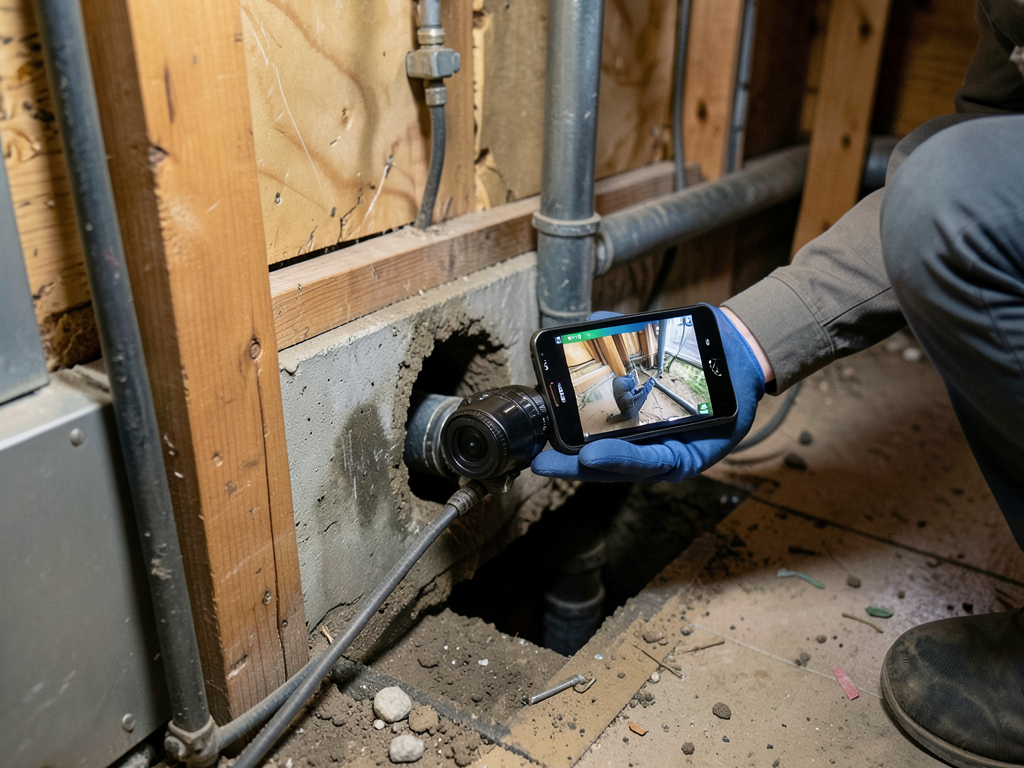
The first step to clarity is a camera inspection. A plumber feeds a small camera through the line to map its path locate joints and identify blockages. This diagnostic test costs around $350 in 2026 and can save thousands by pinpointing the exact problem area. If the camera shows a shared section you can then check property deeds for maintenance agreements. Many Old Louisville blocks have informal arrangements but without a written easement disputes can escalate quickly.
Louisville MSD follows Kentucky plumbing code 815 KAR 20:011 which places lateral maintenance on the property owner. MSD will not repair a private shared line even if it serves multiple homes. That means if roots collapse the pipe you and your neighbor must split the repair cost unless your deed states otherwise. Costs in 2026 for a full replacement range from $4500 to $9000 depending on length and depth. A spot repair for a single joint costs less but may only be a temporary fix. Kentucky plumbing code 815 KAR 20:011.
Communication is your best tool. If sewage backs up call your neighbor immediately. Document the date time and symptoms. A neutral third-party plumber can provide a written assessment that both parties can use to decide next steps. Avoid the blame game; roots and age affect everyone equally on a shared line.
Homeowner’s insurance rarely covers lateral repairs unless a named peril like a sudden collapse occurs. Flood or sewer backup riders may help but they often exclude pre-existing conditions. Check your policy and ask your agent about endorsements for lateral damage. How to Handle a Main Sewer Line Backup in Your St. Matthews Home.
Preventive measures pay off. Hydro-jetting every 18 to 24 months can clear roots before they cause a total blockage. Installing a backwater valve on your side of the line can protect your basement if the shared section fails downstream. These valves cost $800 to $1200 installed in 2026 and are permitted under Louisville Metro Code 15.20.040. The Cost of Tankless Water Heater Installation in Jeffersontown.
If you are buying an Old Louisville home ask the seller for a recent lateral inspection. Many savvy buyers now make the inspection a contingency. A clean report can save you from inheriting a $6000 repair.
Bottom line: shared sewer lines in Old Louisville are a fact of life. Understanding your rights responsibilities and the local codes puts you in control. When in doubt call a licensed Louisville plumber who knows the MSD system and can provide a written scope of work.
Louisville MSD Regulations on Shared Lines
The Louisville Metropolitan Sewer District maintains only the public sewer main and the property service connection where it crosses the right-of-way. Everything from your foundation cleanout to the split point is private. MSD’s Service Connection Policy No. 08-02 states that lateral repairs are the owner’s responsibility. This means the agency will not send a crew to unclog a shared line even if it serves multiple homes.. Read more about Everything You Need to Know About Maintaining Floor Drains in Your Older Shawnee Basement.
MSD inspects only when a blockage affects the public main. If roots or grease trap a line before it reaches the main MSD considers it a private issue. This policy has not changed in 2026 and is unlikely to shift because of the cost burden on the agency.
Understanding this boundary is critical. If your plumber tells you the clog is in the shared section MSD will not help. You must hire a contractor and work with your neighbor to share costs unless a deed easement states otherwise.
Keep a copy of MSD’s lateral responsibility diagram on file. Many plumbers carry it and it can prevent disputes with neighbors who think the city should fix the problem.
Who is Financially Responsible
Financial responsibility for a shared sewer line falls on the property owners served by that line. The key is determining where the line becomes shared. If the pipe exits your basement and immediately joins a neighbor’s line that joint section is shared. You and your neighbor must agree on how to pay for repairs.
Common arrangements include splitting costs 50-50 or dividing by linear footage. For example if your home’s pipe is 30 feet and the neighbor’s is 40 feet a 60-40 split may feel fair. Without a written agreement these splits are informal and can lead to disputes.
Legal easements recorded in property deeds can specify responsibility. Some Old Louisville deeds include a shared sewer easement that outlines cost-sharing and access rights. If you do not have one consider drafting a simple agreement with your neighbor. A one-page document signed by both parties can prevent costly arguments later.
Insurance may cover sudden damage but rarely routine repairs. Check your policy for sewer backup coverage. Some carriers offer endorsements for lateral line repair but they often exclude pre-existing conditions like tree root intrusion.
Cost-sharing tip: Get two independent repair quotes. If they differ average them to find a middle ground. This transparency builds trust and speeds up the repair process.
Common Shared Sewer Scenarios in Louisville Neighborhoods
Old Louisville is not the only area with shared laterals. The Highlands Crescent Hill and parts of St. Matthews have similar layouts. In these neighborhoods homes often sit close together with rear alleys making a single exit line practical during original construction.
A common scenario in Old Louisville: Three Victorian homes share one 8-inch clay pipe that exits the block at the alley. If roots block the pipe all three basements are at risk. Each owner may notice slow drains gurgling toilets or sewage odors before a full backup occurs.
In the Highlands some shotgun doubles share a lateral that runs under a narrow side yard. Tree roots from mature oaks often infiltrate these lines. Because the pipe is shallow a backhoe can expose it for repair but the process still requires coordination with the neighbor.
Crescent Hill’s mid-century ranches sometimes share laterals inherited from earlier subdivisions. These pipes may be cast iron rather than clay which resists roots but corrodes over time. A corroded joint can leak sewage into the yard creating a health hazard.
Jeffersontown’s newer developments rarely have shared laterals but some 1970s pockets do. If you live in one of these areas check your property survey for lateral paths before planting trees or building sheds.
Recognizing your neighborhood’s pattern helps you anticipate problems. If you know shared lines are common you can budget for inspections and maintenance before an emergency strikes. 24/7 Emergency Plumbing Services.
Legal Easements and Maintenance Agreements
A legal easement is a right to use another’s property for a specific purpose. In sewer terms it allows access to a shared line across property lines. Many Old Louisville deeds recorded before 1940 include boilerplate sewer easements that grant mutual access for repair and maintenance.
If your deed does not list an easement you can create one. A simple agreement drafted by a real estate attorney can establish shared rights and responsibilities. The document should describe the pipe’s location state cost-sharing rules and grant access rights for contractors.
Without an easement repairing a shared line becomes tricky. You cannot enter a neighbor’s basement without permission. If they refuse access you may have to pursue legal action which can cost more than the repair itself.
Tip: Keep a copy of any easement or agreement with your home title paperwork. When you sell it transfers to the new owner preventing future disputes.
Maintenance agreements can also cover routine cleaning. Some neighbors agree to hydro-jet the shared line annually and split the $400 to $500 cost. This proactive step prevents major blockages and extends pipe life.
If you are buying an older home ask your title company to search for existing easements. If none exist consider adding one during the purchase to protect your investment.
How to Determine if You Have a Shared Line
Determining whether your sewer line is shared starts with observation. If your home is part of a row of similar age and style especially in Old Louisville or the Highlands the odds are high. Next check for signs of shared problems: if your neighbor’s toilet gurgles when you run the washing machine the lines may connect.
The most reliable method is a camera inspection. A plumber inserts a waterproof camera into your cleanout and records the journey to the main. The camera shows pipe material joints and any branches that serve other properties. If the plumber sees a wye fitting or tee that diverts flow you have a shared line. Fixing Low Water Pressure in Your Crescent Hill Bungalow.
MSD also maintains sewer maps that show main lines but not always private laterals. You can request a map from MSD’s engineering department but it may not reveal shared connections. A camera inspection is still the best verification.
Signs of a shared line include: slow drains in multiple homes at once sewage odors in yards or recurring clogs that return weeks after cleaning. These symptoms suggest a blockage in a common section rather than an individual line.
If you confirm a shared line document its path with video and notes. Share this with your neighbor so both parties understand the layout before a problem occurs.
Steps to Take During a Shared Sewer Dispute
When a shared sewer line fails emotions can run high. The first step is to stay calm and communicate. Call your neighbor as soon as you notice symptoms. Explain what you see and ask if they have similar issues. This simple conversation can prevent escalation.
Next hire a neutral third-party plumber to inspect both properties. A written report from an unbiased professional carries more weight than competing opinions. The report should include video footage pipe locations and a recommended repair plan.
Share the report with your neighbor and discuss options. If both agree on a repair get two quotes from licensed contractors. Choose a plumber familiar with Louisville’s clay pipes and MSD regulations.
If your neighbor disputes the findings or refuses to cooperate mediation can help. Louisville’s Community Mediation Center offers low-cost services for property disputes. A neutral mediator can facilitate an agreement without going to court.
If mediation fails you may need legal counsel. An attorney can review your deed for easements and advise on next steps. In extreme cases a court order can compel access for repair but this process is costly and time-consuming.
Preventive tip: Draft a shared sewer agreement before a problem occurs. It is much easier to agree on paper than in a crisis.
Cost Factors for Shared Line Repairs in 2026
Repair costs vary based on pipe material length depth and access. In 2026 a full replacement of a shared clay lateral in Old Louisville averages $6000 to $9000. This includes excavation removal of old pipe installation of new PVC and site restoration.
Spot repairs cost less around $1500 to $2500 but may only fix one joint. If the rest of the line is old another failure is likely within a few years.
Trenchless methods like pipe bursting or slip lining cost more upfront $8000 to $12000 but save landscaping and reduce labor time. These methods work well in tight urban yards where heavy equipment cannot reach.
Permits from Louisville Metro add $150 to $300 to the cost. A licensed plumber will pull the permit and ensure the work meets Kentucky plumbing code 815 KAR 20:011.
Shared cost example: If a $7200 repair serves two homes equally each pays $3600. If one home’s pipe section is longer a proportional split may feel fairer.
Ask your plumber about warranties. A new PVC line often carries a 10-year warranty against material defects. This protection can offset the higher upfront cost.
Preventing Future Shared Line Problems
Prevention starts with awareness. Know your pipe’s material and age. Clay pipes last 50 to 60 years; cast iron 60 to 80. If your home is older than that plan for replacement rather than emergency repair. Backflow Prevention & Testing.
Tree selection matters. Avoid planting willows poplars or silver maples near sewer lines. These species have aggressive roots that seek water. If you already have large trees consider root barriers installed by a landscaper.. Read more about Identifying Dangerous Water Heater Venting Issues in Your Historic Old Louisville Home.
Annual or bi-annual hydro-jetting can clear roots before they cause blockages. The service costs $400 to $600 and takes less than a day. It is far cheaper than an emergency excavation.
Install a backwater valve on your side of the line. This one-way valve prevents sewage from backing up into your basement if the shared section fails downstream. It costs $800 to $1200 installed and is permitted under Louisville Metro Code.
Educate your household about what not to flush. Wipes paper towels and grease cause most residential clogs. Even products labeled flushable do not break down in older pipes.
Finally maintain open communication with your neighbor. A quick text about slow drains can prevent a weekend emergency. Shared responsibility works best when both parties stay informed.
Frequently Asked Questions
Who is responsible for a shared sewer line in Louisville?
Property owners served by the line are responsible. MSD maintains only the public main. Shared sections are private and require owner cooperation to repair.
How can I tell if my sewer line is shared?
A camera inspection is the most reliable method. Signs include slow drains in multiple homes recurring clogs or sewage odors in yards.
What if my neighbor refuses to pay for a repair?
Start with mediation through Louisville’s Community Mediation Center. If that fails consult an attorney to review any easements and discuss legal options.
Are shared sewer repairs covered by homeowner’s insurance?
Most policies exclude lateral repairs unless a named peril causes sudden damage. Sewer backup riders may help but check for pre-existing condition exclusions.
How much does it cost to replace a shared sewer line?
In 2026 replacement costs range from $6000 to $9000 for a full PVC line depending on length depth and access.
Shared sewer lines in Old Louisville are a reality of historic living. Understanding your rights responsibilities and the local regulations can save you thousands and prevent disputes with neighbors. If you suspect a problem do not wait for a backup. Call (502) 370-2677 today to schedule a camera inspection and get a clear picture of your sewer line’s condition. Early action keeps your home dry and your relationships intact.
{
“@context”: “https://schema.org”,
“@type”: “BlogPosting”,
“headline”: “The Logistics of Shared Sewer Lines for Historic Homeowners in Old Louisville”,
“description”: “Learn who fixes shared sewer lines in Old Louisville. MSD policies. Cost-sharing. Legal easements. Call (502) 370-2677 for camera inspection.”,
“wordCount”: 2577,
“datePublished”: “2026-05-17T08:23:00.000Z”,
“dateModified”: “2026-05-17T08:23:00.000Z”,
“inLanguage”: “en-US”,
“mainEntityOfPage”: {
“@type”: “WebPage”,
“@id”: “https://victoryplumbinglouisville.com”
},
“publisher”: {
“@type”: “LocalBusiness”,
“name”: “Victory Plumbing Louisville”,
“url”: “https://victoryplumbinglouisville.com”
},
“author”: {
“@type”: “Organization”,
“name”: “Victory Plumbing Louisville”,
“url”: “https://victoryplumbinglouisville.com”
},
“image”: {
“@type”: “ImageObject”,
“url”: “https://victoryplumbinglouisville.com/wp-content/uploads/2026/03/the-logistics-of-shared-sewer-lines-for-historic-h-1.png”
}
}
{
“@context”: “https://schema.org”,
“@type”: “Plumber”,
“name”: “Victory Plumbing Louisville”,
“url”: “https://victoryplumbinglouisville.com”,
“address”: {
“@type”: “PostalAddress”,
“addressLocality”: “Louisville”
},
“areaServed”: {
“@type”: “City”,
“name”: “Louisville”
}
}
{
“@context”: “https://schema.org”,
“@type”: “FAQPage”,
“mainEntity”: [
{
“@type”: “Question”,
“name”: “Who is responsible for a shared sewer line in Louisville?”,
“acceptedAnswer”: {
“@type”: “Answer”,
“text”: “Property owners served by the line are responsible. MSD maintains only the public main. Shared sections are private and require owner cooperation to repair.”
}
},
{
“@type”: “Question”,
“name”: “How can I tell if my sewer line is shared?”,
“acceptedAnswer”: {
“@type”: “Answer”,
“text”: “A camera inspection is the most reliable method. Signs include slow drains in multiple homes recurring clogs or sewage odors in yards.”
}
},
{
“@type”: “Question”,
“name”: “What if my neighbor refuses to pay for a repair?”,
“acceptedAnswer”: {
“@type”: “Answer”,
“text”: “Start with mediation through Louisville’s Community Mediation Center. If that fails consult an attorney to review any easements and discuss legal options.”
}
},
{
“@type”: “Question”,
“name”: “Are shared sewer repairs covered by homeowner’s insurance?”,
“acceptedAnswer”: {
“@type”: “Answer”,
“text”: “Most policies exclude lateral repairs unless a named peril causes sudden damage. Sewer backup riders may help but check for pre-existing condition exclusions.”
}
},
{
“@type”: “Question”,
“name”: “How much does it cost to replace a shared sewer line?”,
“acceptedAnswer”: {
“@type”: “Answer”,
“text”: “In 2026 replacement costs range from $6000 to $9000 for a full PVC line depending on length depth and access.”
}
}
]
}
{
“@context”: “https://schema.org”,
“@type”: “BreadcrumbList”,
“itemListElement”: [
{
“@type”: “ListItem”,
“position”: 1,
“name”: “Home”,
“item”: “https://victoryplumbinglouisville.com”
},
{
“@type”: “ListItem”,
“position”: 2,
“name”: “Blog”,
“item”: “https://victoryplumbinglouisville.com/blog”
},
{
“@type”: “ListItem”,
“position”: 3,
“name”: “The Logistics of Shared Sewer Lines for Historic Homeowners in Old Louisville”
}
]
}
{
“@context”: “https://schema.org”,
“@type”: “Service”,
“serviceType”: “Plumbing”,
“provider”: {
“@type”: “LocalBusiness”,
“name”: “Victory Plumbing Louisville”,
“url”: “https://victoryplumbinglouisville.com”
},
“areaServed”: {
“@type”: “City”,
“name”: “Louisville”
},
“description”: “Learn who fixes shared sewer lines in Old Louisville. MSD policies. Cost-sharing. Legal easements. Call (502) 370-2677 for camera inspection.”
}