
Running New Plumbing and Gas Lines to Your New Pool House in Indian Hills
Building a pool house in Indian Hills means extending essential utilities across your property. This guide covers the complete process of running new plumbing and gas lines to your pool house from initial planning through final inspection. You will learn about Louisville Metro permitting requirements proper trenching depths for Kentucky clay soil winterization strategies to protect against freeze damage and how to connect to your home’s existing systems. Louisville Metro Department of Codes Regulations.
Indian Hills properties often sit on larger lots with varying elevations. This creates unique challenges for utility extensions that require professional planning. The goal is to create a fully functional pool house with bathroom kitchenette or outdoor shower that works reliably year-round and meets all Jefferson County building codes.
Planning Your Pool House Utility Extensions
Before breaking ground you need a detailed plan showing where all utilities will run. The Louisville Metro Department of Codes Regulations requires permits for any new plumbing or gas line installation. Your plan must show the route from your main house to the pool house including trenching paths depth measurements and connection points. 24/7 Emergency Plumbing Services.
Indian Hills sits in an area with high clay content soil that expands and contracts with moisture changes. This movement can stress underground pipes over time. Professional plumbers use flexible PEX piping for water lines and schedule 40 PVC for drainage to accommodate this soil movement. Gas lines typically use polyethylene PE piping with proper depth protection. The Cost of Tankless Water Heater Installation in Jeffersontown.
Consider the elevation difference between your main house and pool house. If the pool house sits lower than the sewer connection point you will need a sewage ejector pump to lift wastewater to the main sewer line. This adds complexity but ensures proper drainage regardless of terrain. How to Handle a Main Sewer Line Backup in Your St. Matthews Home.
Trenching Requirements and Safety Considerations
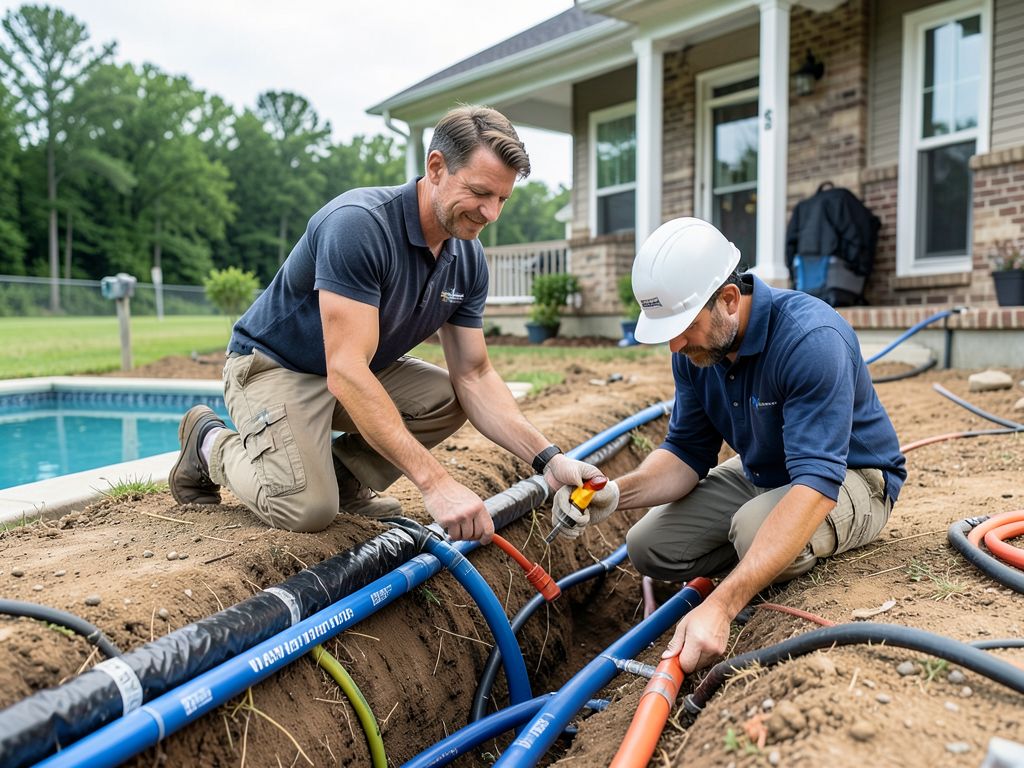
Trenching depth matters for both function and safety. Kentucky State Plumbing Code requires water lines to be buried at least 18 inches deep in residential settings. Gas lines need even deeper burial at 24 inches minimum. These depths protect pipes from surface damage and provide insulation against freezing. Kentucky 811.
Before any digging contact Kentucky 811 at least two business days before work begins. This free service marks underground utilities like electric gas and communication lines. Hitting an unmarked line can cause serious injury or service outages to your neighborhood.. Read more about What to Know Before Installing a High-End Miele or Bosch Dishwasher in Your Indian Hills Home.
Clay soil in Indian Hills can hold water and become unstable when excavated. Proper trench shoring prevents collapse during installation. Never enter an unshored trench deeper than 5 feet. Use trench boxes or sloping techniques based on soil conditions and trench depth. Fixing Low Water Pressure in Your Crescent Hill Bungalow.
Keep water and gas lines separated by at least 12 inches horizontally in the trench. This spacing prevents cross-contamination and allows for individual repairs if needed. Use marking tape above buried lines as an additional warning layer before you reach the actual pipe.
Connecting to Your Home’s Existing Systems
Extending utilities requires tapping into your home’s main water supply and gas meter. For water connections you will typically tie into the main line after the meter but before any irrigation systems. This ensures the pool house gets clean metered water while maintaining separate shut-off capability.
Gas line extensions connect to your home’s main gas supply after the meter. You will need a T-fitting installed by a licensed plumber to create the new branch line. The total BTU load of your pool house appliances must not exceed your home’s gas capacity. A professional calculation prevents pressure drops that could affect existing appliances.
Water pressure can drop significantly across long pipe runs. Indian Hills properties often have acre-plus lots meaning long runs from house to pool house. Install a pressure regulator at the pool house if pressure exceeds 80 PSI. This protects fixtures and appliances from high-pressure damage.
For sewer connections you will tie into your home’s main sewer line if elevation allows. The connection must maintain proper slope (1/4 inch per foot minimum) to ensure waste flows correctly. If elevation doesn’t permit gravity drainage install a sewage ejector pump with proper venting to prevent sewer gas backup.
Winterization Strategies for Louisville’s Climate
Louisville winters bring freeze-thaw cycles that can damage unprotected plumbing. Indian Hills experiences hard freezes that can burst pipes if water remains inside during cold spells. Proper winterization protects your investment and prevents costly repairs.. Read more about Plumbing Essentials for Converting Your Backyard Shed into a Home Office or Guest Suite in Clifton.
Install frost-proof hose bibs at all outdoor water connections. These extend the valve mechanism into the heated space keeping the actual shut-off inside where it stays warm. For pool house bathrooms and kitchens use pipe insulation with R-values of at least 3.0 on all exposed lines.
Consider installing a whole-pool-house shut-off valve near your main house. This allows you to drain the entire system quickly when closing the pool house for winter. Open all fixtures and use compressed air to blow out remaining water from the lines. Even small amounts of trapped water can freeze and crack pipes.
For gas lines moisture can condense and freeze in low spots blocking gas flow. Install drip legs at low points to collect condensation. These simple fittings prevent freeze-ups that could leave your pool house without heat during cold snaps.
Gas Line Installation for Pool House Appliances
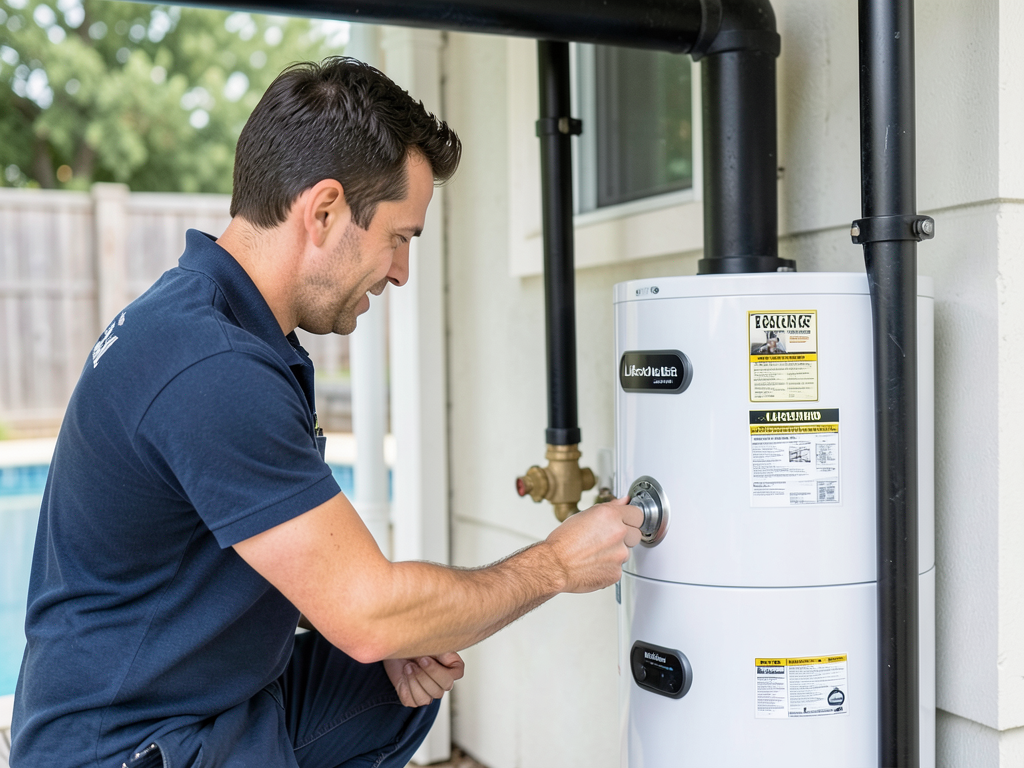
Pool houses often include gas appliances like tankless water heaters outdoor grills or patio heaters. Each appliance needs its own gas line sized for its BTU rating. Undersized lines cause poor performance and potential safety hazards. Why Your Prospect Home Needs a Whole House Water Filtration System.
Calculate total gas load by adding the BTU ratings of all planned appliances. A typical pool house might have a 199000 BTU tankless water heater plus a 40000 BTU grill totaling 239000 BTUs. Your gas line must deliver this capacity at the farthest appliance while maintaining minimum pressure.
Use black iron pipe for above-ground gas runs inside the pool house. This material handles the heat and moisture common in pool environments. For underground runs use polyethylene PE piping with proper tracer wire for locating. Never use flexible connectors underground or in concealed spaces.
Install emergency gas shut-off valves at the pool house entrance. This allows quick gas isolation without going to the main meter. Tag all valves clearly and ensure everyone knows their location. Gas leaks in enclosed pool houses pose serious explosion risks.
Plumbing Fixture Selection for Pool Environments
Pool houses face unique moisture and chemical exposure challenges. Choose fixtures rated for high-humidity environments. Stainless steel or brass fixtures resist corrosion better than standard chrome-plated options. Look for marine-grade or pool-rated products specifically designed for these conditions.
For showers and bathroom fixtures install pressure-balanced valves to prevent scalding when other fixtures turn on. This matters in pool houses where multiple people might use water simultaneously. Anti-scald technology is required by Kentucky code for all new shower and tub installations.
Consider water-saving fixtures to reduce utility costs. Low-flow showerheads use 1.5 gallons per minute versus older models using 2.5 GPM. This saves thousands of gallons annually while maintaining good pressure through modern aeration technology.
Install water hammer arrestors on quick-closing valves like dishwashers and washing machines. The sudden water stoppage can cause pipe vibration and noise. These simple devices absorb the shock and protect your plumbing system from damage.
Louisville Metro Permitting and Inspection Process
Jefferson County requires permits for all new plumbing and gas line installations. Apply through the Louisville Metro Department of Codes Regulations. You will need detailed plans showing pipe routes fixture locations and connection points. Licensed plumbers pull these permits as part of their service.
Expect inspections at three stages: trench inspection before covering rough-in inspection after all pipes are installed but before fixtures and final inspection after completion. The trench inspection ensures proper depth bedding and protection before covering. Rough-in inspection verifies all connections meet code requirements.
MSD Metropolitan Sewer District compliance matters for any sewer connections. You must follow their lateral line requirements and may need additional permits depending on your specific connection method. Some areas near waterways have additional restrictions to protect against contamination. MSD Metropolitan Sewer District.
Permit fees vary based on project scope but typically range from $150 to $500 for pool house installations. Processing takes 3-5 business days for standard residential projects. Rush service may be available for additional fees if you are on a tight construction schedule.
Cost Factors and Budgeting Considerations
Pool house utility installation costs vary widely based on distance soil conditions and fixture count. Expect $15 to $30 per linear foot for trenching and piping installation. A 100-foot run could cost $1500 to $3000 just for the basic utility lines.
Fixture costs add up quickly. A basic bathroom with toilet sink and shower might cost $2000 to $4000 in fixtures alone. Tankless water heaters range from $800 to $1500 plus installation. Gas line materials and labor typically cost $15 to $25 per linear foot.
Soil conditions in Indian Hills can increase costs. Rocky soil or high clay content may require specialized excavation equipment. Tree roots along the trench path might need removal or rerouting. These conditions can add 25-50% to your excavation costs.
Factor in permit fees inspection costs and potential landscaping repairs. Trenching across established lawns requires sod replacement or seeding. Budget an additional 10-15% of your total project cost for these finishing touches.
Maintenance and Troubleshooting Guidelines
After installation regular maintenance prevents costly repairs. Check exposed pipes annually for signs of corrosion leaks or damage. Look for green deposits on copper pipes indicating slow leaks. Listen for hissing sounds near gas connections that might indicate small leaks.
Test all shut-off valves annually to ensure they operate smoothly. Stuck valves during emergencies can cause extensive water damage. Exercise gate valves fully open and closed several times to prevent mineral buildup from seizing them in place.
Monitor water pressure at the pool house. Install a simple pressure gauge on an outdoor spigot. Pressure above 80 PSI indicates problems that could damage fixtures. Low pressure might signal leaks or undersized piping that needs professional evaluation.
For gas systems learn the smell of natural gas (rotten egg odor). If you detect this smell evacuate immediately and call your gas company from a safe distance. Never use electrical switches or phones near suspected gas leaks as sparks could ignite accumulated gas.
Energy Efficiency and Sustainability Options
Modern pool houses can incorporate energy-efficient plumbing systems that save money long-term. Tankless water heaters eliminate standby heat loss from traditional tanks. They provide endless hot water while using 30-50% less energy than storage tanks.
Consider solar water heating for your pool house. Louisville receives enough sunlight to make solar thermal systems practical. These systems preheat water before it reaches your tankless heater reducing gas or electric consumption. Initial costs run $3000 to $5000 but pay back over 5-7 years.
Install low-flow fixtures throughout the pool house. Modern low-flow technology maintains good pressure while using less water. This reduces both water and heating costs. Look for WaterSense labeled products that meet EPA efficiency standards.
Insulate all hot water pipes to prevent heat loss during delivery. Uninsulated pipes can lose 2-4 degrees Fahrenheit per linear foot. Foam pipe insulation costs pennies per foot and pays for itself within one heating season through energy savings.
Common Problems and Professional Solutions
Even professionally installed systems can develop issues over time. Common problems include pipe freezing gas line blockages and sewer odors. Understanding these issues helps you identify when to call a professional.
Frozen pipes typically occur in exposed locations or during extreme cold snaps. Signs include no water flow bulging pipes or frost on exposed sections. Never use open flame to thaw pipes. Call a professional who uses safe thawing methods to prevent pipe damage.
Gas line issues might show as appliance performance problems unusual odors or dead vegetation near underground lines. Gas leaks require immediate professional attention. Don’t attempt repairs yourself as gas line work requires specialized tools and knowledge of local codes.
Sewer odors in pool houses often indicate dry traps or venting problems. Floor drains and seldom-used fixtures can lose their water seal through evaporation. Pour water into all drains monthly to maintain trap seals. Persistent odors suggest venting issues needing professional diagnosis.
Choosing the Right Plumbing Contractor
Pool house utility work requires specialized knowledge beyond basic plumbing. Choose a contractor with experience in outdoor installations gas line work and Louisville code compliance. Ask for references from similar projects in your area.
Verify current Kentucky state plumbing license and insurance coverage. Ask about specific experience with pool house installations not just general plumbing work. A contractor familiar with Indian Hills properties understands local soil conditions and common challenges.
Get detailed written estimates showing materials timeline and payment schedule. Compare bids carefully – the lowest price often means cutting corners on materials or code compliance. Quality materials and proper installation prevent costly repairs later.
Ask about warranty coverage for both materials and workmanship. Most reputable plumbers offer at least one year on labor. Some provide extended warranties on specific components like water heaters or gas lines.
Frequently Asked Questions
How long does pool house plumbing installation take?
Most pool house plumbing projects take 3-7 days depending on complexity. This includes trenching pipe installation fixture mounting and final connections. Weather delays can extend timelines especially during rainy seasons when clay soil becomes difficult to work with.
Do I need a separate water meter for my pool house?
Most pool houses connect to your existing water meter rather than requiring a separate one. This simplifies billing and maintenance. However if you are installing extensive irrigation or pool filling systems a separate meter might be beneficial for tracking specific usage.
Can I run both water and gas lines in the same trench?
Yes but they must maintain minimum separation distances. Water lines need 18 inches depth while gas lines require 24 inches. Keep them at least 12 inches apart horizontally and use separate warning tape above each line. Never run electrical and gas in the same trench.
What happens if my pool house is too far from existing utilities?
Long runs increase costs and may require larger pipe sizes to maintain pressure. For distances over 200 feet consider a separate water heater at the pool house rather than running hot water lines from the main house. This prevents heat loss and ensures adequate hot water supply.
How do I know if my gas meter can handle the additional load?
A professional plumber calculates your total gas load including existing appliances and new pool house additions. If your current meter lacks capacity you may need a meter upgrade from your gas company. Never guess – undersized gas service causes poor appliance performance and safety hazards.
What maintenance does pool house plumbing need?
Annual inspections catch problems early. Check for leaks test shut-off valves inspect insulation and verify proper drainage. Before winter drain systems if the pool house won’t be heated. After severe storms check for shifted pipes or damaged fixtures that might need adjustment.
Ready to Extend Utilities to Your Pool House?
Running new plumbing and gas lines to your pool house requires careful planning proper permitting and professional installation. The unique soil conditions and climate in Indian Hills make this work particularly important for long-term reliability.
Don’t risk DIY mistakes that could lead to frozen pipes gas leaks or failed inspections. Professional plumbers understand Louisville codes proper trenching techniques and winterization strategies specific to our area.
Call (502) 370-2677 today to schedule your pool house utility consultation. We will assess your property explain your options and provide a detailed quote for bringing water gas and sewer service to your new pool house. Our licensed team serves Indian Hills and all of Louisville with prompt professional service you can trust.
Don’t wait until construction is underway – proper utility planning saves time and money. Pick up the phone and call (502) 370-2677 now to get started on your pool house project the right way.
{
“@context”: “https://schema.org”,
“@type”: “BlogPosting”,
“headline”: “Running New Plumbing and Gas Lines to Your New Pool House in Indian Hills”,
“description”: “Expert guide to running plumbing and gas lines to pool houses in Indian Hills. Learn Louisville codes, trenching depths, and winterization for Kentucky clay soil.”,
“wordCount”: 2693,
“datePublished”: “2026-05-20T09:31:00.000Z”,
“dateModified”: “2026-05-20T09:31:00.000Z”,
“inLanguage”: “en-US”,
“mainEntityOfPage”: {
“@type”: “WebPage”,
“@id”: “https://victoryplumbinglouisville.com”
},
“publisher”: {
“@type”: “LocalBusiness”,
“name”: “Victory Plumbing Louisville”,
“url”: “https://victoryplumbinglouisville.com”
},
“author”: {
“@type”: “Organization”,
“name”: “Victory Plumbing Louisville”,
“url”: “https://victoryplumbinglouisville.com”
},
“image”: {
“@type”: “ImageObject”,
“url”: “https://victoryplumbinglouisville.com/wp-content/uploads/2026/03/running-new-plumbing-and-gas-lines-to-your-new-poo-1.png”
}
}
{
“@context”: “https://schema.org”,
“@type”: “Plumber”,
“name”: “Victory Plumbing Louisville”,
“url”: “https://victoryplumbinglouisville.com”,
“address”: {
“@type”: “PostalAddress”,
“addressLocality”: “Louisville”
},
“areaServed”: {
“@type”: “City”,
“name”: “Louisville”
}
}
{
“@context”: “https://schema.org”,
“@type”: “FAQPage”,
“mainEntity”: [
{
“@type”: “Question”,
“name”: “How long does pool house plumbing installation take?”,
“acceptedAnswer”: {
“@type”: “Answer”,
“text”: “Most pool house plumbing projects take 3-7 days depending on complexity. This includes trenching pipe installation fixture mounting and final connections. Weather delays can extend timelines especially during rainy seasons when clay soil becomes difficult to work with.”
}
},
{
“@type”: “Question”,
“name”: “Do I need a separate water meter for my pool house?”,
“acceptedAnswer”: {
“@type”: “Answer”,
“text”: “Most pool houses connect to your existing water meter rather than requiring a separate one. This simplifies billing and maintenance. However if you are installing extensive irrigation or pool filling systems a separate meter might be beneficial for tracking specific usage.”
}
},
{
“@type”: “Question”,
“name”: “Can I run both water and gas lines in the same trench?”,
“acceptedAnswer”: {
“@type”: “Answer”,
“text”: “Yes but they must maintain minimum separation distances. Water lines need 18 inches depth while gas lines require 24 inches. Keep them at least 12 inches apart horizontally and use separate warning tape above each line. Never run electrical and gas in the same trench.”
}
},
{
“@type”: “Question”,
“name”: “What happens if my pool house is too far from existing utilities?”,
“acceptedAnswer”: {
“@type”: “Answer”,
“text”: “Long runs increase costs and may require larger pipe sizes to maintain pressure. For distances over 200 feet consider a separate water heater at the pool house rather than running hot water lines from the main house. This prevents heat loss and ensures adequate hot water supply.”
}
},
{
“@type”: “Question”,
“name”: “How do I know if my gas meter can handle the additional load?”,
“acceptedAnswer”: {
“@type”: “Answer”,
“text”: “A professional plumber calculates your total gas load including existing appliances and new pool house additions. If your current meter lacks capacity you may need a meter upgrade from your gas company. Never guess – undersized gas service causes poor appliance performance and safety hazards.”
}
},
{
“@type”: “Question”,
“name”: “What maintenance does pool house plumbing need?”,
“acceptedAnswer”: {
“@type”: “Answer”,
“text”: “Annual inspections catch problems early. Check for leaks test shut-off valves inspect insulation and verify proper drainage. Before winter drain systems if the pool house won’t be heated. After severe storms check for shifted pipes or damaged fixtures that might need adjustment.”
}
},
{
“@type”: “Question”,
“name”: “Ready to Extend Utilities to Your Pool House?”,
“acceptedAnswer”: {
“@type”: “Answer”,
“text”: “Running new plumbing and gas lines to your pool house requires careful planning proper permitting and professional installation. The unique soil conditions and climate in Indian Hills make this work particularly important for long-term reliability.”
}
}
]
}
{
“@context”: “https://schema.org”,
“@type”: “BreadcrumbList”,
“itemListElement”: [
{
“@type”: “ListItem”,
“position”: 1,
“name”: “Home”,
“item”: “https://victoryplumbinglouisville.com”
},
{
“@type”: “ListItem”,
“position”: 2,
“name”: “Blog”,
“item”: “https://victoryplumbinglouisville.com/blog”
},
{
“@type”: “ListItem”,
“position”: 3,
“name”: “Running New Plumbing and Gas Lines to Your New Pool House in Indian Hills”
}
]
}
{
“@context”: “https://schema.org”,
“@type”: “Service”,
“serviceType”: “Plumbing”,
“provider”: {
“@type”: “LocalBusiness”,
“name”: “Victory Plumbing Louisville”,
“url”: “https://victoryplumbinglouisville.com”
},
“areaServed”: {
“@type”: “City”,
“name”: “Louisville”
},
“description”: “Expert guide to running plumbing and gas lines to pool houses in Indian Hills. Learn Louisville codes, trenching depths, and winterization for Kentucky clay soil.”
}