
The Simple Maintenance Task That Doubles Your Water Heater’s Lifespan in Fern Creek
Your water heater works silently every day but one small component could be the difference between a tank that lasts 6 years and one that lasts 12. In Fern Creek homes the anode rod protects your tank from the corrosive effects of Louisville’s hard water but most homeowners never think about it until it’s too late. Louisville Water Company.
Replacing this sacrificial rod every 4-5 years prevents rust buildup and can double your water heater’s lifespan saving you thousands in premature replacement costs. The process takes less than an hour but requires specific tools and safety knowledge. Let’s explore why this matters for your Fern Creek home and how to know when it’s time. The Cost of Tankless Water Heater Installation in Jeffersontown.
What is an Anode Rod and Why Does Your Water Heater Need One
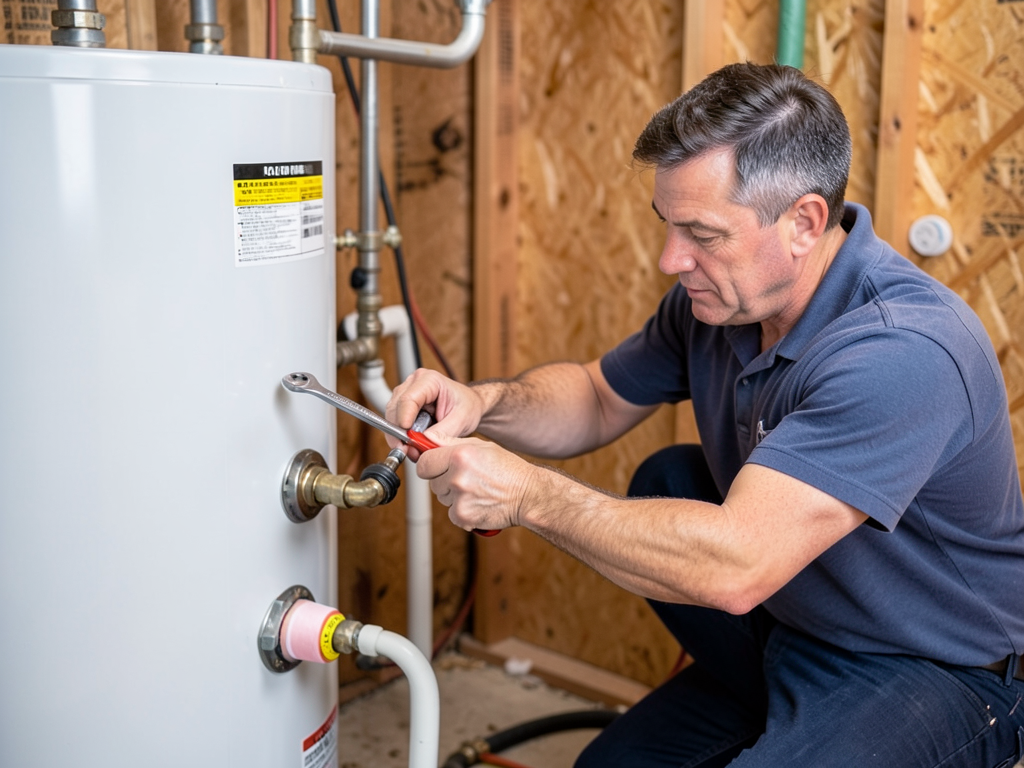
The anode rod is a long metal rod typically made of magnesium aluminum or zinc that sits inside your water heater tank. It works through a process called galvanic corrosion where the rod corrodes instead of your tank’s steel lining. Fixing Low Water Pressure in Your Crescent Hill Bungalow.
Think of it as a bodyguard for your water heater. Without this protection the tank walls would rust through within 3-5 years especially in areas with hard water like Fern Creek. Louisville Water Company reports water hardness levels between 140-160 mg/L which accelerates anode rod consumption.
The rod attracts corrosive elements in the water sacrificing itself to protect the tank. Once the rod is completely corroded the tank becomes vulnerable to rust and eventual failure. This is why regular inspection and replacement is critical for extending your water heater’s service life.
Signs Your Anode Rod Needs Replacing
Knowing when to replace your anode rod can prevent emergency breakdowns. Here are the most common warning signs Fern Creek homeowners encounter: 24/7 Emergency Plumbing Services.
- Rotten egg smell from hot water taps indicating hydrogen sulfide gas production
- Rust colored water especially noticeable when filling a white bathtub
- Popping or rumbling sounds from sediment buildup on the tank bottom
- Visible corrosion on the tank’s pressure relief valve
- Water temperature fluctuations suggesting internal damage
The rotten egg smell is particularly common in Fern Creek due to the area’s specific mineral composition. This odor indicates the anode rod has deteriorated and bacteria are interacting with the exposed tank metal.
Another diagnostic test involves checking your water heater’s age. Most rods last 4-5 years but Louisville’s hard water can reduce this to 3-4 years. If your water heater is over 5 years old and you’ve never replaced the rod it’s likely overdue.
Aluminum vs Magnesium vs Powered Anode Rods
Choosing the right anode rod depends on your water quality and tank type. Here’s a comparison of the three main options:
| Rod Type | Best For | Lifespan | Cost | Pros |
|---|---|---|---|---|
| Magnesium | Soft to moderately hard water | 3-5 years | $25-40 | Most effective protection |
| Aluminum | Very hard water | 4-6 years | $20-35 | Resists hard water better |
| Powered | Any water condition | 20+ years | $100-200 | No replacement needed |
Magnesium rods provide the best protection but corrode faster in Louisville’s hard water. Aluminum rods last longer but offer less protection. Powered anode rods use electrical current to prevent corrosion and never need replacement but cost significantly more upfront.
For most Fern Creek homes a magnesium rod replaced every 4 years provides the best balance of protection and cost. However if your water has extremely high mineral content you might consider aluminum or a powered option.
Step by Step Replacement Guide
Replacing an anode rod requires specific tools and safety precautions. Here’s the process we follow for Fern Creek homes:
- Turn Off Power and Water Supply
Shut off the circuit breaker for electric heaters or turn the gas control to “pilot” for gas models. Close the cold water supply valve at the top of the tank.
- Drain Several Gallons
Connect a garden hose to the drain valve and drain 3-4 gallons to lower the water level below the rod. This prevents water from gushing out when you remove the rod.
- Locate and Remove the Rod
The anode rod is typically located on top of the tank under a plastic cap. Use a 1-1/16 inch socket wrench and a breaker bar to loosen the hex head. This often requires significant force due to mineral buildup.
- Inspect and Replace
Pull out the old rod. If it’s less than 1/2 inch thick or completely covered in calcium deposits replace it. Wrap the new rod’s threads with Teflon tape and install it by hand then tighten with the wrench.
- Refill and Restore Power
Close the drain valve remove the hose and open the cold water supply. Once the tank is full restore power or turn the gas back to the desired setting.
This process requires caution. The tank must be cool enough to work on safely and the wrench must be properly sized. Many Fern Creek homeowners underestimate the force needed to break the rod free from years of mineral buildup.
How Louisville’s Hard Water Affects Your Water Heater
Fern Creek sits in an area with some of Louisville’s hardest water. The Louisville Water Company’s Crescent Hill treatment plant serves this area and the water contains high levels of calcium and magnesium.
These minerals create several problems for water heaters. First they accelerate anode rod consumption as the rod works harder to protect against increased mineral content. Second they form scale deposits on the tank bottom and heating elements reducing efficiency by up to 30%.
Third the minerals can create hot spots on the tank bottom where water becomes superheated causing the popping sounds many homeowners hear. This popping indicates steam bubbles forming under mineral deposits and bursting through.
Local plumbers report that water heaters in the 40291 zip code area typically fail 2-3 years earlier than those in areas with softer water. This makes regular anode rod replacement even more critical for Fern Creek residents.
Cost of Professional Anode Rod Replacement in Louisville
Professional replacement costs in Louisville vary based on several factors. The national average ranges from $200-300 but local conditions affect pricing.
In Fern Creek most plumbing companies charge $225-350 for anode rod replacement. This includes the rod itself labor and disposal of the old rod. Emergency service or weekend appointments typically add $75-100 to the base price.
Some factors that increase cost include: difficult access requiring special tools, tanks located in tight spaces, or severe corrosion requiring additional cleaning. Many companies offer annual maintenance plans that include rod inspection and replacement for $150-200 per year.
While DIY replacement can save $100-150 the risk of damaging your water heater or causing a leak often outweighs the savings. Professional plumbers also ensure proper disposal of the old rod which contains metals that require special handling.
Water Heater Life Expectancy Extension
Regular anode rod replacement can extend your water heater’s life from the typical 6-8 years to 12-15 years. This represents significant savings since replacement units cost $800-1500 installed.
Beyond the anode rod other maintenance tasks contribute to longevity. Annual tank flushing removes sediment that reduces efficiency and causes premature failure. Checking the temperature and pressure relief valve ensures safe operation. Insulating older tanks can reduce heat loss by 25%.
Fern Creek homes built before 2000 often have water heaters in unconditioned spaces like garages or attics. These tanks work harder in winter and summer leading to faster wear. Adding an insulated blanket and maintaining the anode rod becomes even more critical for these installations.
The return on investment for regular maintenance is substantial. A $300 rod replacement every 4 years versus a $1200 water heater replacement every 6 years saves $900 over 12 years while providing more reliable hot water service.
Sediment Flushing vs Anode Rod Replacement
Many homeowners confuse sediment flushing with anode rod replacement but these serve different purposes. Sediment flushing removes mineral deposits from the tank bottom while rod replacement protects the tank walls.
Flushing should be done annually regardless of rod condition. It improves efficiency and prevents the popping sounds caused by steam bubbles under mineral deposits. The process involves draining the entire tank and running fresh water through until it runs clear.
Anode rod replacement addresses a different problem. While flushing removes existing deposits the rod prevents new corrosion from forming on the tank walls. You can have a perfectly flushed tank with a completely corroded rod and still face imminent failure.
Both maintenance tasks work together. Annual flushing plus rod replacement every 4-5 years provides maximum protection. Many Fern Creek plumbing companies offer combined service packages for this reason.
Powered Anode Rod Alternatives
Powered anode rods represent a newer technology that eliminates replacement needs. These rods use a small electrical current to prevent corrosion instead of sacrificing metal. Why Your Prospect Home Needs a Whole House Water Filtration System.
The technology works by creating an electrical field that stops the chemical reaction causing rust. Since the rod doesn’t corrode it never needs replacement. Most powered rods include a 20-year warranty and cost $100-200.
The main advantage is convenience. Once installed you never need to worry about rod replacement again. They also eliminate the rotten egg smell since they don’t produce hydrogen sulfide gas.
However powered rods have drawbacks. They cost 3-4 times more than standard rods upfront. Some older water heaters may need electrical modifications to accommodate them. And if the electrical component fails the entire unit must be replaced rather than just swapping a $30 rod.
For Fern Creek homes with extremely hard water or homeowners who want to avoid future maintenance powered rods offer a compelling option despite the higher initial cost.
Emergency Replacement Services Availability
Water heater failures often occur at the worst times. When your tank starts leaking at midnight or you wake up to no hot water on a cold morning you need immediate help.
Many Louisville plumbing companies offer 24/7 emergency anode rod replacement and water heater repair. These services typically cost 1.5-2 times the standard rate but provide peace of mind. EPA WaterSense.
Emergency service includes rapid response times usually within 2-4 hours. Technicians arrive with common rod sizes and can often complete replacement within an hour. They also check for related issues like leaking connections or failing thermostats.
For Fern Creek residents living in areas with older infrastructure like the Old Pond Path or Beulah Church Road corridors emergency service becomes even more valuable. These neighborhoods have many homes over 20 years old where water heater issues are more common.
When calling for emergency service ask about after hours fees upfront. Some companies charge a flat emergency fee while others add a percentage to their standard rates.
Disposal Guidelines for Old Rods
Proper disposal of old anode rods matters for environmental and legal reasons. The rods contain metals like magnesium aluminum and zinc that shouldn’t go in regular trash.
Jefferson County Waste Management accepts metal rods at their waste transfer stations. Some recycling centers also accept them though you may need to separate the steel hex head from the sacrificial rod material.
Professional plumbers typically include disposal in their service fees. They have arrangements with metal recyclers or waste facilities to handle the rods properly. If you’re doing DIY replacement check with your local waste authority about disposal options. How to Handle a Main Sewer Line Backup in Your St. Matthews Home.
Never cut or burn old rods. The metals can release harmful fumes and the magnesium can react violently with water. Always handle old rods with gloves as they may have sharp edges from corrosion.
Frequently Asked Questions
How often should I replace my water heater’s anode rod?
Most anode rods need replacement every 4-5 years. In Fern Creek’s hard water conditions 3-4 years is more typical. Check your rod annually after the 3 year mark and replace if it’s less than 1/2 inch thick or heavily corroded.
Can I replace the anode rod myself or should I hire a professional?
DIY replacement is possible but challenging. The rod is often stuck due to mineral buildup and requires significant force to remove. Professionals have the right tools and experience to complete the job without damaging your water heater. For most homeowners the $100-150 savings isn’t worth the risk of causing a leak.
Why does my hot water smell like rotten eggs?
This smell indicates your anode rod has deteriorated and bacteria are producing hydrogen sulfide gas. It’s common in areas with hard water like Fern Creek. Replacing the rod with an aluminum or powered option often solves the problem permanently.
Will replacing the anode rod void my water heater warranty?
DIY replacement might void your warranty if done incorrectly. Professional replacement typically won’t affect warranty coverage. Check your warranty terms before attempting DIY work. Some manufacturers require professional service to maintain coverage.
How can I tell if my anode rod is still good?
Remove the rod and inspect it. A good rod should be at least 1/2 inch thick and not completely covered in calcium deposits. If it’s heavily corroded or worn down to a thin wire it needs replacement. When in doubt have a professional inspect it.
Your water heater works hard every day to keep your family comfortable. One simple maintenance task can double its lifespan and save you thousands in replacement costs. The anode rod protects your tank from the corrosive effects of Louisville’s hard water but it needs regular attention to do its job.
Fern Creek homeowners face unique challenges with water hardness that accelerate tank corrosion. By replacing your anode rod every 3-4 years you can extend your water heater’s life from 6-8 years to 12-15 years. This simple step prevents emergency breakdowns and ensures reliable hot water when you need it.
Don’t wait for rusty water or cold showers to remind you about this critical maintenance. Whether you choose DIY replacement or professional service the key is taking action before your tank fails. Your future self will thank you when your water heater keeps working trouble free for years to come.
Call (502) 370-2677 today to schedule your anode rod inspection and keep your water heater running strong. Our Fern Creek plumbing experts are ready to help you protect your investment and avoid costly emergency replacements.
{
“@context”: “https://schema.org”,
“@type”: “BlogPosting”,
“headline”: “The Simple Maintenance Task That Doubles Your Water Heater’s Lifespan in Fern Creek”,
“description”: “Discover how replacing your water heater anode rod can prevent costly breakdowns and extend your tank’s life. Serving Fern Creek with expert maintenance since 2010.”,
“wordCount”: 2384,
“datePublished”: “2026-05-24T09:39:00.000Z”,
“dateModified”: “2026-05-24T09:39:00.000Z”,
“inLanguage”: “en-US”,
“mainEntityOfPage”: {
“@type”: “WebPage”,
“@id”: “https://victoryplumbinglouisville.com”
},
“publisher”: {
“@type”: “LocalBusiness”,
“name”: “Victory Plumbing Louisville”,
“url”: “https://victoryplumbinglouisville.com”
},
“author”: {
“@type”: “Organization”,
“name”: “Victory Plumbing Louisville”,
“url”: “https://victoryplumbinglouisville.com”
},
“image”: {
“@type”: “ImageObject”,
“url”: “https://victoryplumbinglouisville.com/wp-content/uploads/2026/03/the-simple-maintenance-task-that-doubles-your-wate-1-1.png”
}
}
{
“@context”: “https://schema.org”,
“@type”: “Plumber”,
“name”: “Victory Plumbing Louisville”,
“url”: “https://victoryplumbinglouisville.com”,
“address”: {
“@type”: “PostalAddress”,
“addressLocality”: “Louisville”
},
“areaServed”: {
“@type”: “City”,
“name”: “Louisville”
}
}
{
“@context”: “https://schema.org”,
“@type”: “FAQPage”,
“mainEntity”: [
{
“@type”: “Question”,
“name”: “How often should I replace my water heater’s anode rod?”,
“acceptedAnswer”: {
“@type”: “Answer”,
“text”: “Most anode rods need replacement every 4-5 years. In Fern Creek’s hard water conditions 3-4 years is more typical. Check your rod annually after the 3 year mark and replace if it’s less than 1/2 inch thick or heavily corroded.”
}
},
{
“@type”: “Question”,
“name”: “Can I replace the anode rod myself or should I hire a professional?”,
“acceptedAnswer”: {
“@type”: “Answer”,
“text”: “DIY replacement is possible but challenging. The rod is often stuck due to mineral buildup and requires significant force to remove. Professionals have the right tools and experience to complete the job without damaging your water heater. For most homeowners the $100-150 savings isn’t worth the risk of causing a leak.”
}
},
{
“@type”: “Question”,
“name”: “Why does my hot water smell like rotten eggs?”,
“acceptedAnswer”: {
“@type”: “Answer”,
“text”: “This smell indicates your anode rod has deteriorated and bacteria are producing hydrogen sulfide gas. It’s common in areas with hard water like Fern Creek. Replacing the rod with an aluminum or powered option often solves the problem permanently.”
}
},
{
“@type”: “Question”,
“name”: “Will replacing the anode rod void my water heater warranty?”,
“acceptedAnswer”: {
“@type”: “Answer”,
“text”: “DIY replacement might void your warranty if done incorrectly. Professional replacement typically won’t affect warranty coverage. Check your warranty terms before attempting DIY work. Some manufacturers require professional service to maintain coverage.”
}
},
{
“@type”: “Question”,
“name”: “How can I tell if my anode rod is still good?”,
“acceptedAnswer”: {
“@type”: “Answer”,
“text”: “Remove the rod and inspect it. A good rod should be at least 1/2 inch thick and not completely covered in calcium deposits. If it’s heavily corroded or worn down to a thin wire it needs replacement. When in doubt have a professional inspect it.”
}
}
]
}
{
“@context”: “https://schema.org”,
“@type”: “HowTo”,
“name”: “How to Replace a Water Heater Anode Rod”,
“step”: [
{
“@type”: “HowToStep”,
“position”: 1,
“name”: “Turn Off Power and Water Supply”,
“text”: “Shut off the circuit breaker for electric heaters or turn the gas control to \”pilot\” for gas models. Close the cold water supply valve at the top of the tank.”
},
{
“@type”: “HowToStep”,
“position”: 2,
“name”: “Drain Several Gallons”,
“text”: “Connect a garden hose to the drain valve and drain 3-4 gallons to lower the water level below the rod. This prevents water from gushing out when you remove the rod.”
},
{
“@type”: “HowToStep”,
“position”: 3,
“name”: “Locate and Remove the Rod”,
“text”: “The anode rod is typically located on top of the tank under a plastic cap. Use a 1-1/16 inch socket wrench and a breaker bar to loosen the hex head. This often requires significant force due to mineral buildup.”
},
{
“@type”: “HowToStep”,
“position”: 4,
“name”: “Inspect and Replace”,
“text”: “Pull out the old rod. If it’s less than 1/2 inch thick or completely covered in calcium deposits replace it. Wrap the new rod’s threads with Teflon tape and install it by hand then tighten with the wrench.”
},
{
“@type”: “HowToStep”,
“position”: 5,
“name”: “Refill and Restore Power”,
“text”: “Close the drain valve remove the hose and open the cold water supply. Once the tank is full restore power or turn the gas back to the desired setting.”
}
],
“image”: “https://victoryplumbinglouisville.com/wp-content/uploads/2026/03/the-simple-maintenance-task-that-doubles-your-wate-1-1.png”
}
{
“@context”: “https://schema.org”,
“@type”: “BreadcrumbList”,
“itemListElement”: [
{
“@type”: “ListItem”,
“position”: 1,
“name”: “Home”,
“item”: “https://victoryplumbinglouisville.com”
},
{
“@type”: “ListItem”,
“position”: 2,
“name”: “Blog”,
“item”: “https://victoryplumbinglouisville.com/blog”
},
{
“@type”: “ListItem”,
“position”: 3,
“name”: “The Simple Maintenance Task That Doubles Your Water Heater’s Lifespan in Fern Creek”
}
]
}
{
“@context”: “https://schema.org”,
“@type”: “Service”,
“serviceType”: “Plumbing”,
“provider”: {
“@type”: “LocalBusiness”,
“name”: “Victory Plumbing Louisville”,
“url”: “https://victoryplumbinglouisville.com”
},
“areaServed”: {
“@type”: “City”,
“name”: “Louisville”
},
“description”: “Discover how replacing your water heater anode rod can prevent costly breakdowns and extend your tank’s life. Serving Fern Creek with expert maintenance since 2010.”
}