
Deciding Between a Gas or Electric Dryer for Your Pleasure Ridge Park Laundry Room
Choosing between a gas and electric dryer comes down to more than just energy costs. In Pleasure Ridge Park where many homes were built between the 1960s and 1980s, the existing laundry room infrastructure often determines which option is viable. Gas dryers require a dedicated gas line connection, proper venting, and adherence to Kentucky State Plumbing Code requirements. Electric dryers need a 240-volt outlet and adequate amperage. Understanding these requirements helps you avoid costly surprises during installation. 24/7 Emergency Plumbing Services.
Existing Infrastructure in Pleasure Ridge Park Homes
Most PRP homes have one of three laundry room setups. First, homes with only a 240-volt outlet and no gas line nearby. Second, homes with an existing gas line but inadequate venting. Third, homes with both utilities but outdated connections that need replacement. Before purchasing a new dryer, inspect your current setup or have a licensed plumber evaluate it. This prevents buying a dryer you cannot use without expensive modifications.. Read more about How to Protect Your Fern Creek Home from Second Floor Laundry Room Floods.
The Louisville Metro Department of Codes and Regulations requires all gas line work to be performed by a licensed Kentucky plumber. DIY gas line installation is prohibited due to explosion and carbon monoxide risks. Even extending an existing line requires a permit and inspection. Electric installations must meet National Electrical Code requirements for dedicated circuits and proper grounding. Louisville Metro Department of Codes and Regulations.
Gas Dryer Installation Requirements
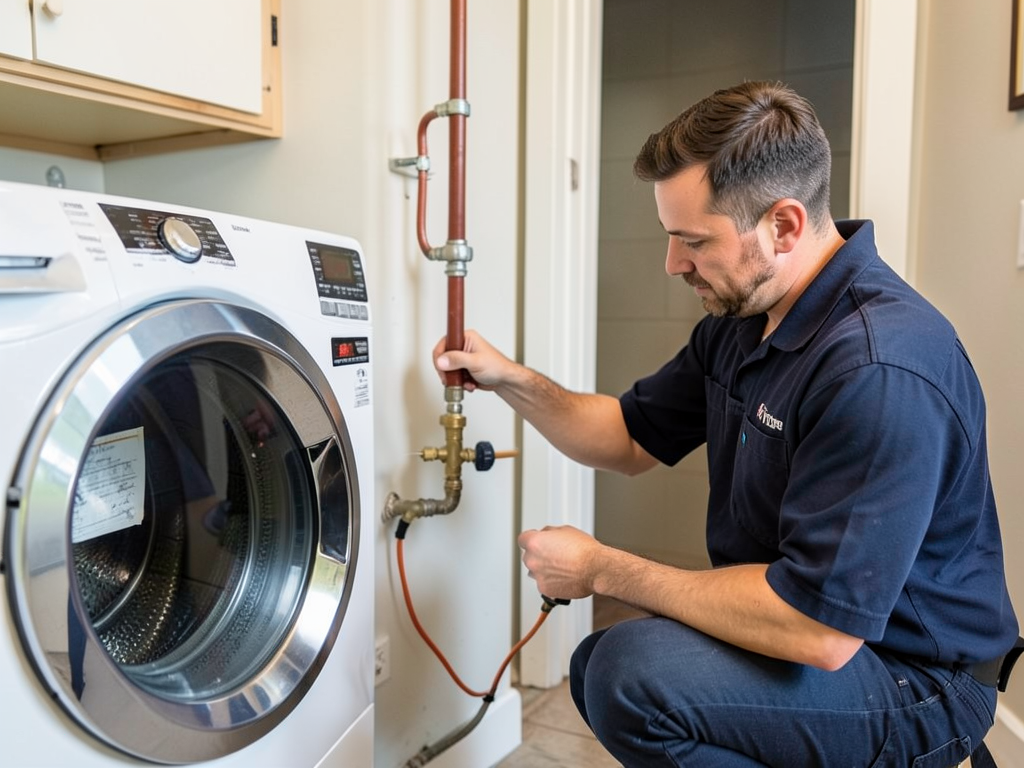
Gas dryers connect to a ½-inch black iron or CSST (Corrugated Stainless Steel Tubing) gas line with a shut-off valve within six feet of the appliance. The Kentucky State Plumbing Code mandates a sediment trap (drip leg) to catch debris before it reaches the dryer. Connections use NPT threads sealed with gas-rated tape or compound. Every installation requires a pressure test to verify leak-free connections.
LG&E (Louisville Gas and Electric) requires all new gas line installations to be pressure tested at 10 psi for 15 minutes with no pressure drop. This test proves the line can handle the 7-inch water column pressure required for most residential gas dryers. Without passing this test, LG&E will not authorize the meter to be turned on. LG&E (Louisville Gas and Electric).
Electric Dryer Installation Requirements
Electric dryers require a 30-amp, 240-volt dedicated circuit with 10-gauge wiring minimum. The National Electrical Code requires a four-prong outlet (NEMA 14-30) in new installations. Older three-prong outlets are grandfathered but should be upgraded during renovations. The circuit must have a double-pole breaker and proper grounding to prevent electrical shock.
Electric dryers draw approximately 5,000 to 7,000 watts during operation. This high power draw means they cannot share circuits with other appliances. Overloaded circuits cause tripped breakers and potential fire hazards. A licensed electrician must verify your panel has capacity for the new circuit before installation.
Cost Comparison for Pleasure Ridge Park Residents
Gas dryers typically cost $50 to $100 more than comparable electric models. However, operating costs are lower because natural gas costs less per BTU than electricity in Louisville. Over a dryer’s 10 to 13-year lifespan, gas dryers can save $100 to $200 in energy costs. The break-even point depends on local utility rates and usage patterns.
Installation costs vary significantly. Adding a new gas line in an existing home ranges from $300 to $800 depending on distance from the meter and accessibility. Extending an electric circuit costs $200 to $500. If your laundry room needs both a new gas line and upgraded electrical service, total costs can exceed $1,000. Why Your Prospect Home Needs a Whole House Water Filtration System.
Safety Considerations for Both Types
Gas dryers produce carbon monoxide and require proper venting to the outside. Blocked vents cause dangerous gas buildup. The venting pipe must be rigid metal, not flexible plastic, and terminate at least three feet from any opening. Annual vent cleaning prevents lint accumulation that can cause fires.
Electric dryers also pose fire risks from lint buildup. They require a thermal fuse that cuts power if the dryer overheats. Both types need proper clearance from walls and other materials. Gas dryers require a flexible stainless steel connector no longer than six feet to prevent kinking and gas leaks.
Performance Differences
Gas dryers heat up faster and reach higher temperatures than electric models. This means shorter drying cycles, typically 10 to 15 minutes less per load. Gas dryers also cool down faster at cycle end, reducing wrinkles. Electric dryers have more consistent heat but take longer to reach operating temperature.
High-efficiency gas dryers use moisture sensors to stop cycles when clothes are dry, saving energy. Electric dryers with similar sensors cost more but offer the same benefit. Both types now meet federal energy efficiency standards, though gas models generally have lower operating costs in Louisville’s utility market.
Making the Right Choice for Your Home
If your laundry room already has a gas line within six feet, a gas dryer is usually the better choice. The lower operating costs and faster drying times provide long-term benefits. If you lack a gas line, factor in $300 to $800 installation costs when comparing total ownership expenses.
Electric dryers make sense when gas line installation is impractical due to distance from the meter or structural barriers. They also work better in apartments or condos where gas line modifications are prohibited. Consider your home’s existing infrastructure first, then evaluate energy costs and performance needs.
Professional Installation Requirements
Both gas and electric dryer installations require permits in Louisville Metro. Gas installations need a plumbing permit and inspection. Electric installations require an electrical permit. These permits ensure work meets code requirements and passes safety inspections. Skipping permits can result in fines and insurance complications if problems arise.
Professional installers verify proper venting, gas line pressure, electrical connections, and leveling. They also test for gas leaks using electronic detectors and verify proper operation before completion. Many manufacturers void warranties if installations are not performed by licensed professionals.
Maintenance Requirements
Gas dryers need annual vent cleaning and occasional burner inspection. The gas line shut-off valve should be exercised annually to prevent seizing. Electric dryers require vent cleaning and thermal fuse testing. Both benefit from cleaning the lint screen after every load and periodic drum cleaning to prevent residue buildup.
Hard water in Louisville can cause mineral buildup in electric dryer heating elements, reducing efficiency. Gas burners can accumulate soot from combustion, requiring professional cleaning every few years. Regular maintenance extends appliance life and prevents safety hazards. The Cost of Tankless Water Heater Installation in Jeffersontown.
Environmental Impact
Gas dryers produce carbon dioxide emissions from burning natural gas. Electric dryers’ environmental impact depends on electricity generation sources. LG&E’s power mix includes coal, natural gas, and renewables. Gas dryers generally have a lower carbon footprint in regions where electricity comes primarily from coal.
Both types can be made more environmentally friendly through proper use. Full loads maximize efficiency. Moisture sensors prevent over-drying. Air-drying when possible eliminates energy use entirely. Energy Star certified models reduce consumption by 20% compared to standard models.
Resale Value Considerations
Gas dryers appeal to buyers who prioritize operating costs and faster drying. Electric dryers are preferred in areas where gas service is unreliable or where whole-house electrification is trending. In Pleasure Ridge Park, most buyers expect at least the option for gas appliances due to existing infrastructure.
If you plan to sell within five years, consider what buyers in your neighborhood prefer. Check recent home sales to see which type dominates. Installing the less common type could make your home less attractive to potential buyers.
Common Installation Mistakes to Avoid
Using flexible plastic venting instead of rigid metal is a common error that creates fire hazards. Incorrect gas line sizing causes pressure drops and poor performance. Overloading electrical circuits trips breakers and creates fire risks. Improper leveling causes vibration and premature wear.
DIY installations often violate local codes and void warranties. Professional installers know code requirements for clearances, venting, and electrical connections. They also have proper testing equipment to verify safe operation. The small upfront cost for professional installation prevents expensive problems later.
Future-Proofing Your Laundry Room
If you’re renovating, consider installing both gas and electric connections. This provides flexibility for future dryer replacements and appeals to more buyers. Include a 240-volt outlet even if you choose gas initially. The cost difference is minimal during construction but expensive to add later.
Plan for adequate space around the dryer for maintenance access. Include water shut-off valves if installing a steam dryer. Consider noise reduction through proper placement and vibration isolation. These details improve long-term satisfaction and prevent common complaints. Fixing Low Water Pressure in Your Crescent Hill Bungalow.
Local Utility Considerations
LG&E natural gas rates in Louisville average $0.95 per therm. Electricity costs approximately $0.11 per kilowatt-hour. These rates make gas dryers about 30% cheaper to operate for typical usage patterns. However, gas prices fluctuate more than electricity rates, affecting long-term operating costs.
Both utilities offer energy efficiency rebates for high-efficiency appliances. Check current programs before purchasing. Some rebates require specific models or installation by certified contractors. These incentives can offset the higher initial cost of premium appliances.
Final Recommendations
Evaluate your existing infrastructure first. If you have a nearby gas line, gas dryers offer lower operating costs and faster performance. If gas line installation is impractical, electric dryers provide reliable performance with simpler installation. Consider your long-term plans, local utility rates, and maintenance preferences when making your final decision.
Professional installation ensures safety and code compliance regardless of your choice. The small additional cost prevents dangerous mistakes and protects your investment. Whether gas or electric, proper installation and maintenance provide years of reliable service.
Frequently Asked Questions
Can I install a gas dryer if I only have electric service?
Yes, but you’ll need to have a licensed plumber run a new gas line from your meter to the laundry room. This typically costs $300 to $800 depending on distance and accessibility. You’ll also need a building permit and inspection from Louisville Metro.
How do I know if my electrical panel can handle an electric dryer?
Electric dryers require a 30-amp dedicated circuit. Check your panel’s capacity and available breaker spaces. A licensed electrician can verify if your panel needs an upgrade, which typically costs $500 to $1,500 for older panels.
What’s the average lifespan of gas vs electric dryers?
Both types typically last 10 to 13 years with proper maintenance. Gas dryers may need more frequent professional servicing due to burner and gas line components. Electric dryers have fewer mechanical parts but can develop heating element issues over time.
Do I need a permit to install a new dryer?
Yes. Gas dryer installations require a plumbing permit and inspection. Electric installations need an electrical permit. Louisville Metro enforces these requirements to ensure safety and code compliance. Professional installers typically handle permit acquisition. How to Handle a Main Sewer Line Backup in Your St. Matthews Home.
Which type is better for the environment?
Gas dryers produce direct emissions but use less energy overall. Electric dryers’ environmental impact depends on your electricity source. In Louisville where LG&E uses a mix of fuels, gas dryers typically have a lower carbon footprint for equivalent performance.
Need help deciding or ready to install? Call (502) 370-2677 today to schedule your inspection. Our licensed plumbers can evaluate your current setup and recommend the best option for your Pleasure Ridge Park home.
Still unsure about your laundry room setup? Pick up the phone and call (502) 370-2677 before the next storm hits. We’ll help you choose the right dryer for your specific situation and handle all required permits and inspections. For more information, visit MSD (Metropolitan Sewer District).
{
“@context”: “https://schema.org”,
“@type”: “BlogPosting”,
“headline”: “Deciding Between a Gas or Electric Dryer for Your Pleasure Ridge Park Laundry Room”,
“description”: “Compare gas vs electric dryers for your PRP home. Learn about installation requirements, costs, and safety with Louisville-specific plumbing codes.”,
“wordCount”: 1950,
“datePublished”: “2026-05-08T12:48:00.000Z”,
“dateModified”: “2026-05-08T12:48:00.000Z”,
“inLanguage”: “en-US”,
“mainEntityOfPage”: {
“@type”: “WebPage”,
“@id”: “https://victoryplumbinglouisville.com”
},
“publisher”: {
“@type”: “LocalBusiness”,
“name”: “Victory Plumbing Louisville”,
“url”: “https://victoryplumbinglouisville.com”
},
“author”: {
“@type”: “Organization”,
“name”: “Victory Plumbing Louisville”,
“url”: “https://victoryplumbinglouisville.com”
},
“image”: {
“@type”: “ImageObject”,
“url”: “https://victoryplumbinglouisville.com/wp-content/uploads/2026/03/deciding-between-a-gas-or-electric-dryer-for-your-1.png”
}
}
{
“@context”: “https://schema.org”,
“@type”: “Plumber”,
“name”: “Victory Plumbing Louisville”,
“url”: “https://victoryplumbinglouisville.com”,
“address”: {
“@type”: “PostalAddress”,
“addressLocality”: “Louisville”
},
“areaServed”: {
“@type”: “City”,
“name”: “Louisville”
}
}
{
“@context”: “https://schema.org”,
“@type”: “FAQPage”,
“mainEntity”: [
{
“@type”: “Question”,
“name”: “Can I install a gas dryer if I only have electric service?”,
“acceptedAnswer”: {
“@type”: “Answer”,
“text”: “Yes, but you’ll need to have a licensed plumber run a new gas line from your meter to the laundry room. This typically costs $300 to $800 depending on distance and accessibility. You’ll also need a building permit and inspection from Louisville Metro.”
}
},
{
“@type”: “Question”,
“name”: “How do I know if my electrical panel can handle an electric dryer?”,
“acceptedAnswer”: {
“@type”: “Answer”,
“text”: “Electric dryers require a 30-amp dedicated circuit. Check your panel’s capacity and available breaker spaces. A licensed electrician can verify if your panel needs an upgrade, which typically costs $500 to $1,500 for older panels.”
}
},
{
“@type”: “Question”,
“name”: “What’s the average lifespan of gas vs electric dryers?”,
“acceptedAnswer”: {
“@type”: “Answer”,
“text”: “Both types typically last 10 to 13 years with proper maintenance. Gas dryers may need more frequent professional servicing due to burner and gas line components. Electric dryers have fewer mechanical parts but can develop heating element issues over time.”
}
},
{
“@type”: “Question”,
“name”: “Do I need a permit to install a new dryer?”,
“acceptedAnswer”: {
“@type”: “Answer”,
“text”: “Yes. Gas dryer installations require a plumbing permit and inspection. Electric installations need an electrical permit. Louisville Metro enforces these requirements to ensure safety and code compliance. Professional installers typically handle permit acquisition. How to Handle a Main Sewer Line Backup in Your St. Matthews Home.”
}
},
{
“@type”: “Question”,
“name”: “Which type is better for the environment?”,
“acceptedAnswer”: {
“@type”: “Answer”,
“text”: “Gas dryers produce direct emissions but use less energy overall. Electric dryers’ environmental impact depends on your electricity source. In Louisville where LG&E uses a mix of fuels, gas dryers typically have a lower carbon footprint for equivalent performance.”
}
}
]
}
{
“@context”: “https://schema.org”,
“@type”: “BreadcrumbList”,
“itemListElement”: [
{
“@type”: “ListItem”,
“position”: 1,
“name”: “Home”,
“item”: “https://victoryplumbinglouisville.com”
},
{
“@type”: “ListItem”,
“position”: 2,
“name”: “Blog”,
“item”: “https://victoryplumbinglouisville.com/blog”
},
{
“@type”: “ListItem”,
“position”: 3,
“name”: “Deciding Between a Gas or Electric Dryer for Your Pleasure Ridge Park Laundry Room”
}
]
}
{
“@context”: “https://schema.org”,
“@type”: “Service”,
“serviceType”: “Plumbing”,
“provider”: {
“@type”: “LocalBusiness”,
“name”: “Victory Plumbing Louisville”,
“url”: “https://victoryplumbinglouisville.com”
},
“areaServed”: {
“@type”: “City”,
“name”: “Louisville”
},
“description”: “Compare gas vs electric dryers for your PRP home. Learn about installation requirements, costs, and safety with Louisville-specific plumbing codes.”
}