
How Louisville’s Hard Water is Quietly Ruining Your High-End Coffee Maker and Dishwasher in Prospect
Hard water is silently destroying your expensive kitchen appliances in Prospect right now. Louisville’s water contains high levels of calcium and magnesium that form mineral deposits inside your coffee maker and dishwasher. These deposits reduce efficiency, increase energy bills, and lead to premature appliance failure. The Louisville Water Company reports water hardness levels between 7-11 grains per gallon throughout Jefferson County, well above the 3.5 GPG threshold where problems begin. Louisville Water Company.
Your $1,200 espresso machine and $800 dishwasher are losing efficiency every day. The heating elements work harder to overcome mineral insulation, water flow decreases through clogged spray arms, and electronic sensors malfunction from scale buildup. Most homeowners don’t notice until their appliances stop working completely. Water Quality Association.
Warning Signs Your Appliances Are Under Attack
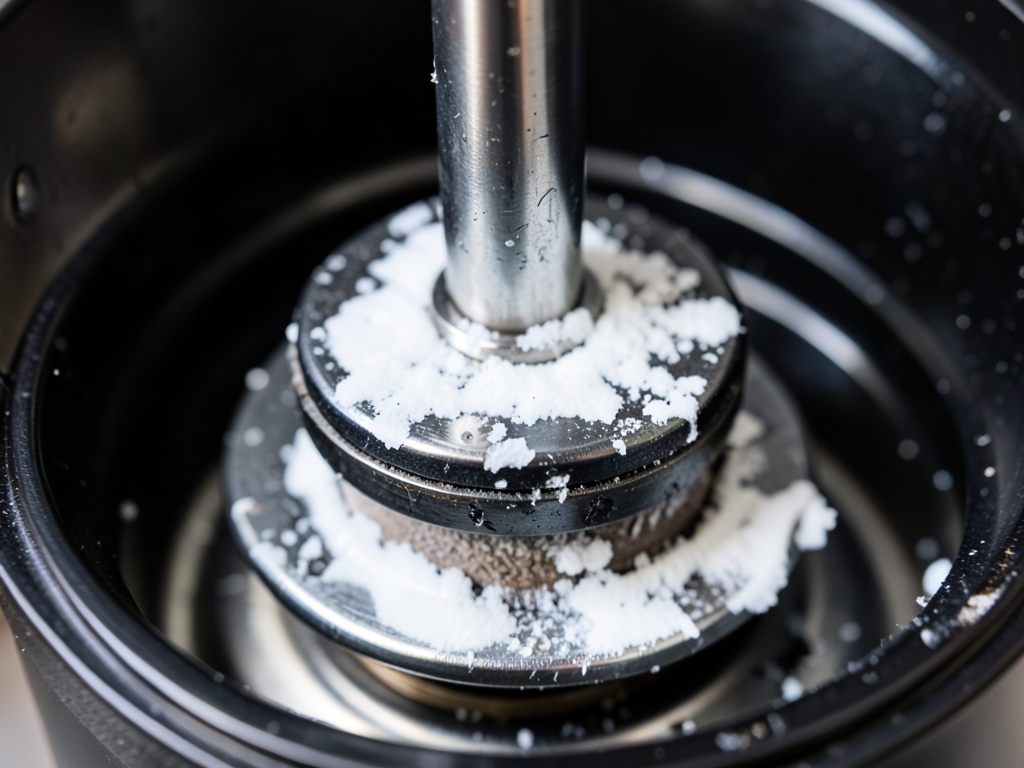
White chalky residue on dishes and coffee carafes indicates mineral buildup. Reduced water pressure from your dishwasher spray arms means calcium deposits are blocking the jets. Your coffee maker takes longer to brew as scale insulates the heating element. Cloudy glassware that won’t clean properly shows mineral film that regular detergent cannot remove. The Cost of Tankless Water Heater Installation in Jeffersontown.
Strange noises during appliance cycles often signal scale hitting heating elements. Your dishwasher may run longer cycles trying to compensate for reduced water flow. Coffee makers may stop heating properly or leak from pressure buildup behind mineral blockages. Fixing Low Water Pressure in Your Crescent Hill Bungalow.
The Science Behind Appliance Destruction
Calcium carbonate and magnesium minerals precipitate out of hot water and attach to metal surfaces. This scale acts as insulation, forcing heating elements to use 20-30% more energy. The minerals also create pressure points that stress seals and gaskets. Over time, scale flakes off and damages pumps, valves, and other moving parts.
High-efficiency appliances are particularly vulnerable. Their smaller water passages and precise temperature controls cannot handle mineral buildup. A standard coffee maker might last 5-7 years in Louisville, but with hard water that drops to 2-3 years. Dishwashers face similar lifespan reduction. How to Handle a Main Sewer Line Backup in Your St. Matthews Home.
Which Appliances Suffer Most
Water heaters top the damage list, but coffee makers and dishwashers follow closely. Tankless water heaters develop scale on heat exchangers, reducing flow by half within 18 months. Coffee makers experience heating element failure when scale reaches 1/4 inch thickness. Dishwashers suffer clogged spray arms, damaged pumps, and seal failure from mineral deposits.
Ice makers in refrigerators develop scale on water lines and ice cube trays. Washing machines experience pump failure and reduced cleaning effectiveness. Even steam ovens and instant hot water dispensers cannot escape mineral damage in Louisville’s hard water conditions.
Cost Impact on Your Wallet
Hard water increases appliance energy consumption by 20-30% according to the Water Quality Association. A dishwasher using $40 in electricity annually now costs $52-56. Coffee makers take 30% longer to brew, wasting your morning time. Most expensive is replacement cost – appliances failing at 3 years instead of 6-8 years means buying new units twice as often.
Scale buildup voids manufacturer warranties when it causes component failure. Repair costs for scale-damaged appliances often exceed 60% of replacement value. Professional descaling services cost $150-300 per appliance and provide only temporary relief.
Louisville Water Chemistry Facts
The Louisville Water Company draws from the Ohio River, which naturally contains 7-11 grains per gallon of hardness minerals. This exceeds EPA’s secondary standards for aesthetic effects. Jefferson County’s limestone bedrock contributes to high calcium levels. Prospect area homes often see slightly higher readings near 11-12 GPG due to local water main conditions. Why Your Prospect Home Needs a Whole House Water Filtration System.
Seasonal variations affect hardness levels. Spring runoff can temporarily increase mineral content by 15-20%. Homes near water treatment plants may experience different hardness than those at the ends of distribution lines. Testing your specific home’s water hardness costs $30-50 and provides accurate treatment planning data.
Testing Your Water Hardness
DIY test strips provide quick results but lack accuracy. Professional laboratory testing measures exact mineral content and pH levels. Water samples should be taken after water sits in pipes for 6+ hours to capture true home water chemistry. Testing both hot and cold water lines reveals if your water heater is already accumulating scale.
Electronic conductivity meters estimate hardness but cannot distinguish between mineral types. Visual inspection of faucet aerators and showerheads often reveals scale buildup patterns. White crusty deposits that crumble when scraped indicate calcium carbonate – the primary hard water mineral in Louisville.
Professional Treatment Options
Water softeners use ion exchange to replace calcium and magnesium with sodium or potassium. A properly sized system for a Prospect home costs $1,200-2,500 installed. Softeners require monthly salt addition and annual maintenance. They protect all household appliances, plumbing fixtures, and even skin and hair from hard water damage. 24/7 Emergency Plumbing Services.
Reverse osmosis systems remove minerals at specific points of use. Under-sink RO units for coffee stations cost $400-600. Whole-house RO systems run $3,000-5,000 but provide bottled-water quality throughout your home. RO requires more frequent filter changes and wastewater production.
DIY Maintenance Strategies
Monthly vinegar cycles clean coffee makers and remove light scale. Fill the reservoir with white vinegar, run a brew cycle, then rinse thoroughly. Dishwasher cleaning tablets dissolve mineral deposits in spray arms and filters. Leave the dishwasher door open after cycles to prevent moisture buildup that accelerates scale formation.
Commercial descaling products work faster than vinegar but cost more. Follow manufacturer instructions exactly – some products require multiple rinses to prevent residual taste. Never mix different cleaning chemicals as dangerous reactions can occur. Replace water filters in refrigerators and coffee makers every 2-3 months instead of the standard 6 months.
When to Call a Professional
Call immediately if your coffee maker leaks, makes loud popping noises, or stops heating properly. Dishwasher error codes indicating water flow problems often mean scale-blocked components. Water heaters making rumbling sounds have significant scale buildup requiring professional flushing. Reduced water pressure throughout your home may indicate main line scale accumulation.
Professional plumbers use hydro-jetting and chemical descaling to restore appliance function. They can also test your entire plumbing system for scale damage. If multiple appliances show problems, whole-house treatment becomes more cost-effective than individual repairs.
Prevention Pays Off
Installing water treatment saves money long-term. A $2,000 softener system prevents $3,000-5,000 in premature appliance replacements over 10 years. Energy savings from scale-free operation pay back installation costs in 3-4 years. Protected appliances last their full expected lifespan instead of failing early.
Soft water also improves soap and detergent effectiveness by 50-75%. You’ll use less cleaning products and enjoy better results. Skin and hair feel softer without mineral residue. Plumbing fixtures stay clean without constant scrubbing of white deposits.
Local Building Code Considerations
Louisville Metro plumbing code requires proper drainage for water softener discharge. Backwash cannot enter septic systems or stormwater drains. A dedicated drain line with air gap prevents contamination. Permit requirements vary by installation complexity – simple under-sink units need no permit while whole-house systems may require inspection.
Jefferson County regulations address water softener brine discharge environmental impact. Some municipalities restrict salt-based softeners due to wastewater treatment concerns. Potassium chloride alternatives cost 30% more but avoid salt discharge issues. Always check local requirements before installation.
Choosing the Right Solution
Match treatment to your specific water chemistry and appliance usage. Test your water first – different mineral compositions require different approaches. Consider household size, number of bathrooms, and appliance types when sizing systems. Budget-conscious homeowners might start with point-of-use treatment for coffee makers and dishwashers only.
Factor in maintenance requirements and operating costs. Salt-based softeners need regular attention but cost less upfront. Salt-free conditioners require less maintenance but may not work as effectively in extreme hardness. RO systems provide best protection but have higher operating costs.
Protecting Your Investment
Your high-end appliances represent significant financial investments. Louisville’s hard water threatens to cut their useful life in half. Professional water treatment protects this investment while improving daily living quality. The choice becomes clear when comparing treatment costs against premature replacement expenses.
Don’t wait until your $1,500 coffee machine fails completely. Early intervention prevents irreversible damage. Simple maintenance extends appliance life, but only proper water treatment eliminates the root cause. Your appliances work hard for you – protect them from Louisville’s mineral-rich water.
Take Action Today
Hard water damage happens gradually but accelerates over time. Each month of delay means more scale accumulation and reduced appliance efficiency. Schedule a professional water test to determine your exact hardness level and treatment needs. Compare the cost of treatment against the expense of replacing scale-damaged appliances.
Victory Plumbing offers free water quality consultations for Prospect homeowners. Our licensed plumbers test your water, inspect existing appliances for scale damage, and recommend cost-effective solutions. We install and maintain all types of water treatment systems with warranty protection.
Call (502) 370-2677 today to schedule your inspection. Stop hard water from ruining your expensive appliances and start enjoying better performance, lower energy bills, and longer appliance life. Your coffee deserves better than mineral-contaminated water.
Frequently Asked Questions
How can I tell if my water is hard?
Hard water leaves white spots on dishes, creates soap scum in showers, and reduces soap lathering. You can test with strips or have a professional analysis done. Louisville’s water typically tests 7-11 grains per gallon.
Will a water softener damage my coffee maker?
No, water softeners actually protect coffee makers by removing scale-forming minerals. Some people prefer the taste of hard water for coffee, but soft water prevents internal damage and extends machine life significantly.
How often should I descale my appliances?
In Louisville’s hard water conditions, descale coffee makers monthly and dishwashers every 3-4 months. More frequent cleaning may be needed if you notice white deposits or reduced performance.
Is bottled water better for my appliances?
Bottled water avoids hard water minerals but creates plastic waste and ongoing costs. A water treatment system provides the same protection more economically while preserving all your home’s water-using appliances.
{
“@context”: “https://schema.org”,
“@type”: “BlogPosting”,
“headline”: “How Louisville’s Hard Water is Quietly Ruining Your High-End Coffee Maker and Dishwasher in Prospect”,
“description”: “Learn how Louisville’s hard water is damaging your appliances and what you can do about it. Expert advice from local plumbers serving Prospect and surrounding areas.”,
“wordCount”: 1689,
“datePublished”: “2026-05-29T14:34:00.000Z”,
“dateModified”: “2026-05-29T14:34:00.000Z”,
“inLanguage”: “en-US”,
“mainEntityOfPage”: {
“@type”: “WebPage”,
“@id”: “https://victoryplumbinglouisville.com”
},
“publisher”: {
“@type”: “LocalBusiness”,
“name”: “Victory Plumbing Louisville”,
“url”: “https://victoryplumbinglouisville.com”
},
“author”: {
“@type”: “Organization”,
“name”: “Victory Plumbing Louisville”,
“url”: “https://victoryplumbinglouisville.com”
},
“image”: {
“@type”: “ImageObject”,
“url”: “https://victoryplumbinglouisville.com/wp-content/uploads/2026/03/how-louisville-s-hard-water-is-quietly-ruining-you-1-1.png”
}
}
{
“@context”: “https://schema.org”,
“@type”: “Plumber”,
“name”: “Victory Plumbing Louisville”,
“url”: “https://victoryplumbinglouisville.com”,
“address”: {
“@type”: “PostalAddress”,
“addressLocality”: “Louisville”
},
“areaServed”: {
“@type”: “City”,
“name”: “Louisville”
}
}
{
“@context”: “https://schema.org”,
“@type”: “FAQPage”,
“mainEntity”: [
{
“@type”: “Question”,
“name”: “How can I tell if my water is hard?”,
“acceptedAnswer”: {
“@type”: “Answer”,
“text”: “Hard water leaves white spots on dishes, creates soap scum in showers, and reduces soap lathering. You can test with strips or have a professional analysis done. Louisville’s water typically tests 7-11 grains per gallon.”
}
},
{
“@type”: “Question”,
“name”: “Will a water softener damage my coffee maker?”,
“acceptedAnswer”: {
“@type”: “Answer”,
“text”: “No, water softeners actually protect coffee makers by removing scale-forming minerals. Some people prefer the taste of hard water for coffee, but soft water prevents internal damage and extends machine life significantly.”
}
},
{
“@type”: “Question”,
“name”: “How often should I descale my appliances?”,
“acceptedAnswer”: {
“@type”: “Answer”,
“text”: “In Louisville’s hard water conditions, descale coffee makers monthly and dishwashers every 3-4 months. More frequent cleaning may be needed if you notice white deposits or reduced performance.”
}
},
{
“@type”: “Question”,
“name”: “Is bottled water better for my appliances?”,
“acceptedAnswer”: {
“@type”: “Answer”,
“text”: “Bottled water avoids hard water minerals but creates plastic waste and ongoing costs. A water treatment system provides the same protection more economically while preserving all your home’s water-using appliances.”
}
}
]
}
{
“@context”: “https://schema.org”,
“@type”: “BreadcrumbList”,
“itemListElement”: [
{
“@type”: “ListItem”,
“position”: 1,
“name”: “Home”,
“item”: “https://victoryplumbinglouisville.com”
},
{
“@type”: “ListItem”,
“position”: 2,
“name”: “Blog”,
“item”: “https://victoryplumbinglouisville.com/blog”
},
{
“@type”: “ListItem”,
“position”: 3,
“name”: “How Louisville’s Hard Water is Quietly Ruining Your High-End Coffee Maker and Dishwasher in Prospect”
}
]
}
{
“@context”: “https://schema.org”,
“@type”: “Service”,
“serviceType”: “Plumbing”,
“provider”: {
“@type”: “LocalBusiness”,
“name”: “Victory Plumbing Louisville”,
“url”: “https://victoryplumbinglouisville.com”
},
“areaServed”: {
“@type”: “City”,
“name”: “Louisville”
},
“description”: “Learn how Louisville’s hard water is damaging your appliances and what you can do about it. Expert advice from local plumbers serving Prospect and surrounding areas.”
}