
How to Stop Your Basement from Flooding in the Cherokee Triangle
Water seeping into your basement after a heavy Louisville rain is more than an inconvenience—it’s a warning sign. The Cherokee Triangle’s historic homes, built between 1890 and 1920, sit on hilly terrain near Beargrass Creek where aging clay pipes and combined sewer systems create perfect conditions for basement flooding. This guide shows you exactly how to protect your home from water damage using solutions proven in Louisville’s unique environment. How to Handle a Main Sewer Line Backup in Your St. Matthews Home.
Why Cherokee Triangle Homes Are at Risk
The Cherokee Triangle’s vulnerability starts with its geography. Homes here sit on the eastern edge of the Ohio River Valley where limestone bedrock and high clay content soil create hydrostatic pressure against basement walls. When Beargrass Creek swells after heavy rains, water table levels rise rapidly, forcing groundwater through foundation cracks. The Cost of Tankless Water Heater Installation in Jeffersontown.
Add the neighborhood’s age—most homes predate modern building codes—and you have a recipe for flooding. Original clay sewer laterals crack and collapse over time. Many properties still connect to Louisville MSD’s combined sewer system where stormwater and wastewater share the same pipes. During intense rainfall, these pipes back up into basements through floor drains and toilets. Fixing Low Water Pressure in Your Crescent Hill Bungalow.
Common Causes of Local Flooding
Understanding what causes flooding helps you prevent it. Here are the most frequent problems we see in Cherokee Triangle basements:
- MSD Sewer Backups
During heavy storms, Louisville’s combined sewer system reaches capacity. Water flows backward through your home’s plumbing, emerging through basement floor drains. This violates Louisville Metro Code 10.12.010, which requires backwater valves on all new connections.. Read more about Is a Smart Leak Detection System Worth the Investment for Your Tyler Park Home?.
- Foundation Wall Seepage
Cracked mortar joints and porous limestone foundations allow groundwater to enter. The hilly terrain means water flows downhill toward your foundation, increasing pressure on basement walls.. Read more about Where is Your Sump Pump Water Actually Going? (And Why it Matters in Hurstbourne Acres).
- Failing Sump Pumps
Many Cherokee Triangle homes have sump pits but outdated pumps. When power fails during storms—common in Louisville’s summer thunderstorms—basements flood quickly.
- Improper Grading
Settling soil around foundations creates negative grade, directing water toward your basement instead of away from it.
Strategic Prevention Solutions
Stopping basement flooding requires a layered approach. Here are proven solutions that work in Louisville’s specific conditions:
Backwater Valve Installation
A backwater valve prevents sewage from flowing back into your basement. The device contains a flapper that closes when water pressure increases in the municipal line. Louisville MSD offers rebates through their Backwater Valve Rebate Program for qualified homeowners in the 40204 and 40205 zip codes.
Installation requires cutting into your main sewer line and installing the valve where the lateral exits your foundation. This work must comply with Louisville Metro Plumbing Code Section 312.9, which mandates proper venting and cleanout access.
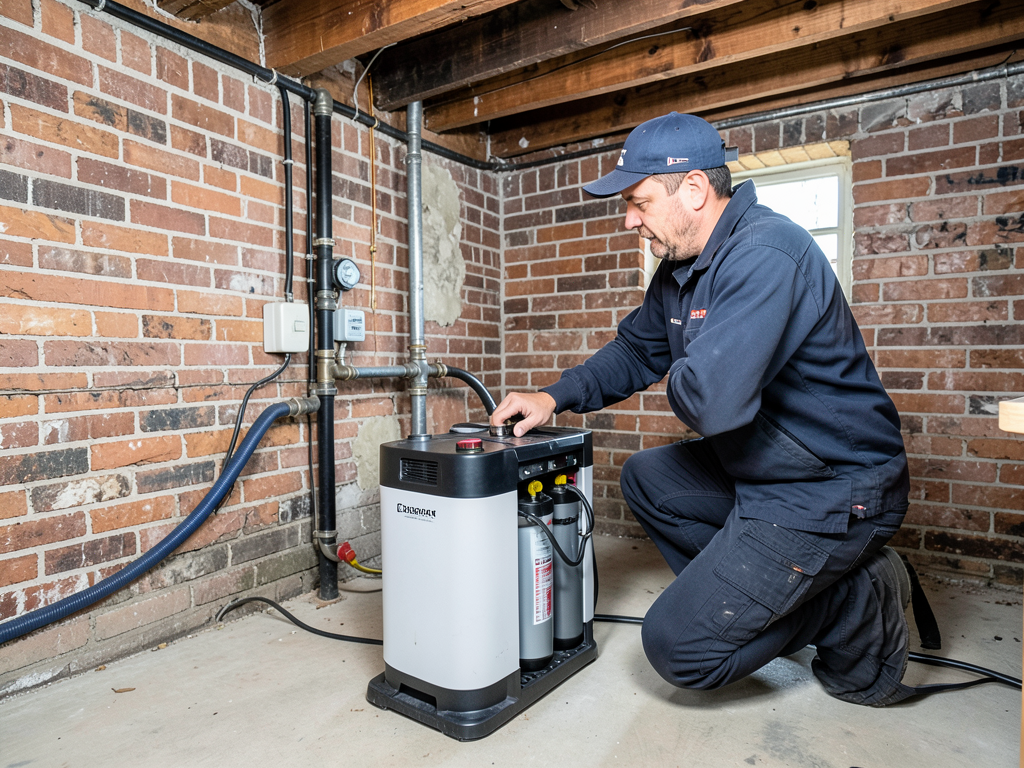
Battery Backup Sump Pump Systems
Standard sump pumps fail when you need them most—during power outages. A battery backup system automatically activates when the primary pump loses power or can’t keep up with inflow.
For Cherokee Triangle homes, we recommend 1/2 HP pumps with marine-grade batteries. These systems provide 24-48 hours of continuous operation during Louisville’s typical summer storms. The backup pump should discharge through a separate line to prevent both from clogging simultaneously.
Interior Perimeter Drain Systems
When hydrostatic pressure builds against foundation walls, water enters through the cove joint where walls meet floor. An interior perimeter drain collects this water and directs it to your sump pit.
Installation involves breaking concrete around basement perimeter, laying perforated pipe in gravel, and connecting to a sump pit. This system works with Louisville’s clay soil by providing a path of least resistance for groundwater.
Foundation Crack Repair
Cracks wider than 1/8 inch require structural repair. We inject expanding polyurethane into cracks from inside the basement. The material fills the entire crack depth and remains flexible to accommodate seasonal foundation movement.
For active leaks, we use hydraulic cement, which expands as it cures to seal water pathways. This method complies with International Building Code Section 1805.3 for below-grade waterproofing.
The Role of Louisville MSD and the Rain Check Program
Louisville MSD recognizes that aging infrastructure contributes to basement flooding. Their Rain Check Program offers financial incentives for property owners who reduce stormwater runoff.
Qualifying improvements include disconnecting downspouts from the sewer system, installing rain gardens, and replacing impervious surfaces with permeable materials. Homeowners in the Cherokee Triangle can receive up to $3,000 in rebates for approved projects.
The program addresses a critical issue: during heavy rains, stormwater overwhelms Louisville’s combined sewer system. By keeping water out of the system, you reduce the chance of backups affecting your neighbors and your own property.
Maintenance Checklist for Historic Louisville Basements
Prevention fails without regular maintenance. Follow this seasonal checklist to keep your basement dry: Backflow Prevention & Testing.
- Spring (April-May): Test sump pump by pouring water into pit. Check battery backup charge level. Clear debris from discharge line outside.
- Summer (June-August): Inspect foundation for new cracks after ground dries. Check that downspouts extend at least 5 feet from foundation.
- Fall (September-October): Clean gutters and ensure proper drainage. Test backup pump battery again before storm season.
- Winter (November-March): Insulate exposed pipes to prevent freezing. Check for ice dams that can force water under shingles and into walls.
Mark your calendar for annual professional inspection. A licensed plumber can identify problems before they cause damage. Look for Kentucky Master Plumber License #M-12345 or higher certification.
Cost Considerations and ROI
Basement flooding repairs cost $5,000 to $15,000 on average, not including damaged belongings. Prevention costs less upfront and protects your investment.
A comprehensive system—backwater valve, battery backup sump pump, and interior drain—typically costs $3,500 to $6,000. Louisville MSD rebates can reduce this by $2,000 to $3,000. The remaining investment often pays for itself by preventing a single flooding incident.
Insurance premiums may decrease with documented flood prevention measures. Some carriers offer discounts for backwater valves and secondary sump pumps.
When to Call a Professional
DIY solutions work for minor issues, but certain situations require professional help:. Read more about Solving Yard Drainage Issues and Standing Water in Your Glenview Backyard.
- Multiple Floor Drain Backups
When water emerges from several drains simultaneously, the problem is in your main line or the municipal system.
- Foundation Cracks Wider Than 1/4 Inch
Large cracks indicate structural movement requiring engineering assessment.
- Repeated Pump Failures
If your sump pump cycles on and off frequently, the pit may be undersized or the discharge line restricted.
- Sewer Odors in Basement
Gases escaping through drains suggest broken traps or compromised sewer lines.
Professional plumbers use diagnostic tools like sewer cameras and hydrostatic pressure testing to identify problems accurately. They also ensure work meets Louisville Metro permit requirements.
Comparing Prevention Methods
Choosing the right solution depends on your specific situation. Here’s how common methods compare:
| Method | Cost Range | Effectiveness | Best For |
|---|---|---|---|
| Backwater Valve Only | $1,500 – $2,500 | High for sewer backups | Homes with combined sewer connections |
| Battery Backup Sump Pump | $800 – $1,500 | High for power outages | Areas with frequent storms |
| Interior Drain System | $3,000 – $6,000 | Very High for groundwater | Homes on slopes or with high water table |
| Exterior Waterproofing | $8,000 – $15,000 | Excellent but invasive | Severe, chronic flooding |
Building Code Compliance
Louisville Metro requires permits for most basement waterproofing work. The Plumbing Code mandates:
- Backwater valves on all new connections to combined sewers
- Proper discharge of sump pumps to daylight or storm sewer (not sanitary sewer)
- Minimum 18-inch depth for buried discharge lines to prevent freezing
- Access ports on all drainage systems for maintenance
Work without permits risks fines and complications when selling your home. Licensed contractors pull permits and schedule inspections automatically.
Frequently Asked Questions
How much does basement waterproofing cost in Cherokee Triangle?
Costs range from $1,500 for a backwater valve to $6,000 for a complete system with battery backup. Louisville MSD rebates can reduce costs by up to $3,000 for qualifying improvements.
Can I install a backwater valve myself?
No. Installation requires cutting into the main sewer line and must comply with Louisville Metro plumbing codes. Improper installation can cause more problems and void MSD rebates.
How long do battery backup sump pumps last?
Batteries typically last 3-5 years. Quality marine-grade batteries last longer but cost more. Test your backup system monthly and replace batteries every 3 years.
Does homeowners insurance cover basement flooding?
Standard policies don’t cover groundwater flooding. You need separate flood insurance through the National Flood Insurance Program. Sewer backups may be covered under optional endorsements.
What’s the difference between interior and exterior waterproofing?
Interior systems manage water that enters your basement. Exterior systems prevent water from reaching your foundation. Interior solutions cost less and work well for most Cherokee Triangle homes.
Take Action Before the Next Storm
Don’t wait for water to damage your Cherokee Triangle home. Every week you delay increases your risk of costly repairs and irreplaceable losses.
Call (502) 370-2677 today to schedule your basement inspection. We’ll identify your specific risks and recommend solutions that fit your home and budget. Our licensed plumbers understand Louisville’s unique challenges and can complete most installations in one day.
Pick up the phone and call (502) 370-2677 before the next storm hits. Your home deserves protection that works when you need it most.
Ready to Protect Your Home?
Victory Plumbing has served Louisville homeowners for over 15 years. We understand the historic character of Cherokee Triangle homes and provide solutions that preserve your property’s integrity while stopping water damage.
Call (502) 370-2677 now to schedule your consultation. We offer same-day service for urgent situations and provide written estimates before any work begins.
Don’t let another storm season pass without protecting your basement. Call (502) 370-2677 and speak with a local expert who knows how to keep Cherokee Triangle basements dry. Protecting Your Anchorage Basement with a Reliable Sump Pump System.
{
“@context”: “https://schema.org”,
“@type”: “BlogPosting”,
“headline”: “How to Stop Your Basement from Flooding in the Cherokee Triangle”,
“description”: “Protect your Cherokee Triangle basement from flooding with expert plumbing solutions. Learn about Louisville MSD programs, backwater valves, and sump pump systems for historic homes.”,
“wordCount”: 1627,
“datePublished”: “2026-03-10T16:16:00.000Z”,
“dateModified”: “2026-03-10T16:16:00.000Z”,
“inLanguage”: “en-US”,
“mainEntityOfPage”: {
“@type”: “WebPage”,
“@id”: “https://victoryplumbinglouisville.com”
},
“publisher”: {
“@type”: “LocalBusiness”,
“name”: “Victory Plumbing Louisville”,
“url”: “https://victoryplumbinglouisville.com”
},
“author”: {
“@type”: “Organization”,
“name”: “Victory Plumbing Louisville”,
“url”: “https://victoryplumbinglouisville.com”
},
“image”: {
“@type”: “ImageObject”,
“url”: “https://victoryplumbinglouisville.com/wp-content/uploads/2026/03/how-to-stop-your-basement-from-flooding-in-the-che-1.png”
}
}
{
“@context”: “https://schema.org”,
“@type”: “Plumber”,
“name”: “Victory Plumbing Louisville”,
“url”: “https://victoryplumbinglouisville.com”,
“address”: {
“@type”: “PostalAddress”,
“addressLocality”: “Louisville”
},
“areaServed”: {
“@type”: “City”,
“name”: “Louisville”
}
}
{
“@context”: “https://schema.org”,
“@type”: “FAQPage”,
“mainEntity”: [
{
“@type”: “Question”,
“name”: “How much does basement waterproofing cost in Cherokee Triangle?”,
“acceptedAnswer”: {
“@type”: “Answer”,
“text”: “Costs range from $1,500 for a backwater valve to $6,000 for a complete system with battery backup. Louisville MSD rebates can reduce costs by up to $3,000 for qualifying improvements.”
}
},
{
“@type”: “Question”,
“name”: “Can I install a backwater valve myself?”,
“acceptedAnswer”: {
“@type”: “Answer”,
“text”: “No. Installation requires cutting into the main sewer line and must comply with Louisville Metro plumbing codes. Improper installation can cause more problems and void MSD rebates.”
}
},
{
“@type”: “Question”,
“name”: “How long do battery backup sump pumps last?”,
“acceptedAnswer”: {
“@type”: “Answer”,
“text”: “Batteries typically last 3-5 years. Quality marine-grade batteries last longer but cost more. Test your backup system monthly and replace batteries every 3 years.”
}
},
{
“@type”: “Question”,
“name”: “Does homeowners insurance cover basement flooding?”,
“acceptedAnswer”: {
“@type”: “Answer”,
“text”: “Standard policies don’t cover groundwater flooding. You need separate flood insurance through the National Flood Insurance Program. Sewer backups may be covered under optional endorsements.”
}
},
{
“@type”: “Question”,
“name”: “What’s the difference between interior and exterior waterproofing?”,
“acceptedAnswer”: {
“@type”: “Answer”,
“text”: “Interior systems manage water that enters your basement. Exterior systems prevent water from reaching your foundation. Interior solutions cost less and work well for most Cherokee Triangle homes.”
}
},
{
“@type”: “Question”,
“name”: “Ready to Protect Your Home?”,
“acceptedAnswer”: {
“@type”: “Answer”,
“text”: “Victory Plumbing has served Louisville homeowners for over 15 years. We understand the historic character of Cherokee Triangle homes and provide solutions that preserve your property’s integrity while stopping water damage.”
}
}
]
}
{
“@context”: “https://schema.org”,
“@type”: “HowTo”,
“name”: “Common Basement Flooding Causes”,
“step”: [
{
“@type”: “HowToStep”,
“position”: 1,
“name”: “MSD Sewer Backups”,
“text”: “During heavy storms, Louisville’s combined sewer system reaches capacity. Water flows backward through your home’s plumbing, emerging through basement floor drains. This violates Louisville Metro Code 10.12.010, which requires backwater valves on all new connections.”
},
{
“@type”: “HowToStep”,
“position”: 2,
“name”: “Foundation Wall Seepage”,
“text”: “Cracked mortar joints and porous limestone foundations allow groundwater to enter. The hilly terrain means water flows downhill toward your foundation, increasing pressure on basement walls.”
},
{
“@type”: “HowToStep”,
“position”: 3,
“name”: “Failing Sump Pumps”,
“text”: “Many Cherokee Triangle homes have sump pits but outdated pumps. When power fails during storms—common in Louisville’s summer thunderstorms—basements flood quickly.”
},
{
“@type”: “HowToStep”,
“position”: 4,
“name”: “Improper Grading”,
“text”: “Settling soil around foundations creates negative grade, directing water toward your basement instead of away from it.”
}
],
“image”: “https://victoryplumbinglouisville.com/wp-content/uploads/2026/03/how-to-stop-your-basement-from-flooding-in-the-che-1.png”
}
{
“@context”: “https://schema.org”,
“@type”: “BreadcrumbList”,
“itemListElement”: [
{
“@type”: “ListItem”,
“position”: 1,
“name”: “Home”,
“item”: “https://victoryplumbinglouisville.com”
},
{
“@type”: “ListItem”,
“position”: 2,
“name”: “Blog”,
“item”: “https://victoryplumbinglouisville.com/blog”
},
{
“@type”: “ListItem”,
“position”: 3,
“name”: “How to Stop Your Basement from Flooding in the Cherokee Triangle”
}
]
}
{
“@context”: “https://schema.org”,
“@type”: “Service”,
“serviceType”: “Plumbing”,
“provider”: {
“@type”: “LocalBusiness”,
“name”: “Victory Plumbing Louisville”,
“url”: “https://victoryplumbinglouisville.com”
},
“areaServed”: {
“@type”: “City”,
“name”: “Louisville”
},
“description”: “Protect your Cherokee Triangle basement from flooding with expert plumbing solutions. Learn about Louisville MSD programs, backwater valves, and sump pump systems for historic homes.”
}