
Managing Humidity and Pipe Condensation in Your St. Matthews Crawl Space
If you notice water droplets forming on your pipes in the crawl space under your St. Matthews home, you’re not alone. The humid summers in Louisville create perfect conditions for pipe condensation, which can lead to mold growth, wood rot, and even structural damage if left unchecked. Understanding why this happens and how to fix it is essential for protecting your home investment. The Cost of Tankless Water Heater Installation in Jeffersontown.
The good news is that pipe condensation is a common issue in Kentucky’s humid climate, and there are proven solutions that work specifically for St. Matthews homes. From proper insulation to crawl space encapsulation, you have several options to keep your pipes dry and your home healthy. Plumbing St. Matthews.
Why Pipe Condensation Happens in Kentucky Homes
Pipe condensation occurs when warm, humid air contacts cold water supply lines. In Louisville’s Ohio Valley climate, summer humidity often exceeds 70%, creating ideal conditions for condensation. When cold water flows through your pipes, the surface temperature drops below the dew point of the surrounding air, causing moisture to form on the pipe exterior. Fixing Low Water Pressure in Your Crescent Hill Bungalow.
St. Matthews homes, many built in the 1950s-1970s with crawl space foundations, are particularly susceptible because these spaces often lack proper ventilation and vapor barriers. The clay soil common in Jefferson County retains moisture, increasing humidity levels under your home.. Read more about How Foundation Drains and Interior Perimeters Keep Your Bonnycastle Basement Bone Dry.
According to the Kentucky Residential Code, crawl spaces should maintain relative humidity below 60% to prevent moisture-related damage. When humidity exceeds this threshold, condensation becomes inevitable on cold water lines.. Read more about Why is Water Leaking from Your Attic or Closet Near the AC Unit in Germantown?.
The Hidden Dangers of ‘Sweating’ Pipes
While pipe condensation might seem like a minor nuisance, it creates several serious problems for St. Matthews homeowners. The constant moisture provides an ideal environment for mold and mildew growth, which can spread to floor joists and subflooring. The Kentucky Department of Housing identifies crawl space mold as a leading cause of indoor air quality issues.
Wood rot becomes a significant concern when moisture persists. Floor joists that support your home’s structure can weaken over time, potentially leading to sagging floors or more severe structural issues. The cost to repair rotted floor joists often exceeds $5,000, making prevention far more economical. Backflow Prevention & Testing.
Pests are also attracted to damp environments. Termites, carpenter ants, and other wood-destroying insects thrive in moist conditions. The Louisville Metro Health Department reports increased pest activity in homes with chronic crawl space moisture problems.
5 Step-by-Step Solutions for Crawl Space Moisture
Addressing pipe condensation requires a systematic approach. Here are five proven methods that work well for St. Matthews homes:
- Identify the Problem Areas
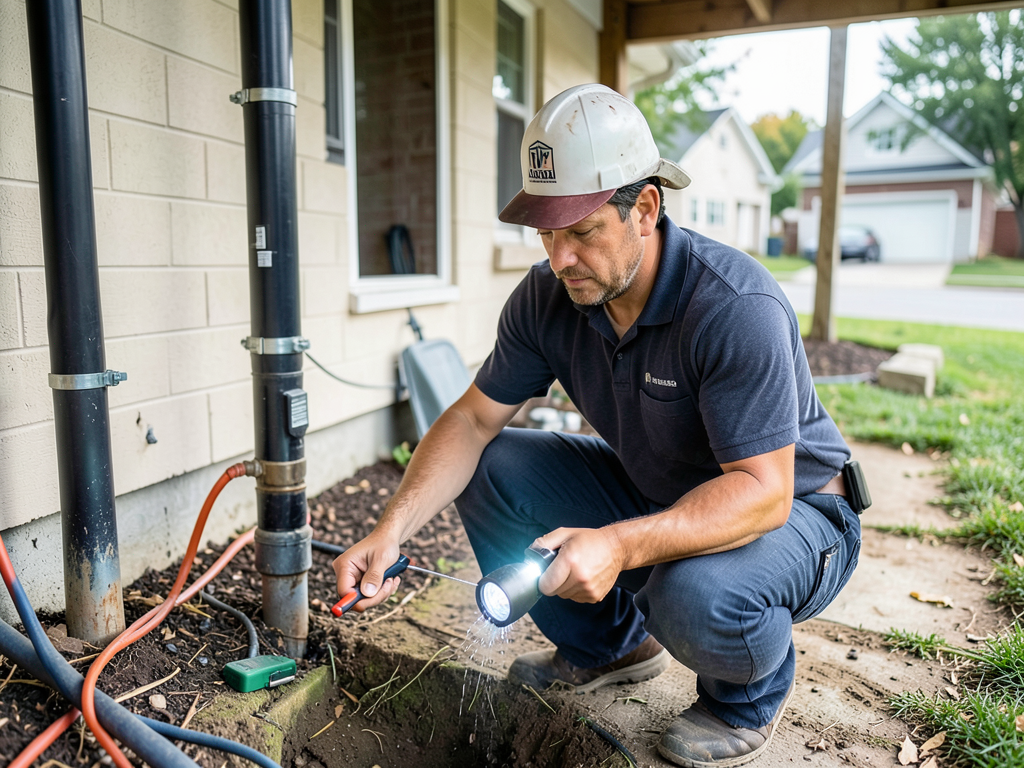
Start by inspecting your crawl space during humid weather. Look for water droplets on pipes, especially near the water heater or main supply lines. Use a flashlight to check all accessible pipes. The paper towel test works well: wrap pipes with paper towels and check for moisture after 24 hours.
- Install Closed-Cell Foam Insulation
Closed-cell foam pipe insulation provides the best moisture barrier. Unlike fiberglass, which can absorb water, closed-cell foam creates a vapor barrier that prevents humid air from contacting pipe surfaces. The standard R-value recommendation for Louisville crawl spaces is R-4 to R-6 for water supply lines.
- Seal Foundation Vents
Traditional building codes once required foundation vents, but modern research shows they often increase humidity in humid climates. The Louisville Metro Code now recommends sealing vents in homes with proper moisture control systems. Use rigid foam board or vent covers designed for crawl spaces.
- Install a Vapor Barrier
A heavy-duty vapor barrier (minimum 6-mil polyethylene) covering the crawl space floor prevents ground moisture from rising into the space. For St. Matthews homes with clay soil, extending the barrier up foundation walls provides additional protection. Secure seams with moisture-resistant tape.
- Add Dehumidification
A crawl space dehumidifier maintains optimal humidity levels year-round. Look for models rated for at least 70 pints per day for spaces up to 2,000 square feet. The Energy Star program recommends dehumidifiers with automatic drainage to prevent manual emptying during peak humidity months. Energy Star dehumidifier guidelines.
Copper vs. PEX Pipe Sweating Tendencies
The type of plumbing material in your St. Matthews home affects condensation patterns. Copper pipes, common in homes built before 2000, conduct temperature more readily than PEX piping. This means copper pipes are more likely to develop condensation in humid conditions. 24/7 Emergency Plumbing Services.
PEX (cross-linked polyethylene) piping, now standard in new construction, resists condensation better due to its lower thermal conductivity. If you’re planning repiping work, consider PEX for crawl space installations to reduce future condensation issues.
The transition from copper to PEX in Louisville homes typically occurs around the water heater, where hot water lines can also sweat if cold water enters the tank during high demand periods.
When to Call a Professional Louisville Plumber
While some moisture control measures are DIY-friendly, certain situations require professional expertise. Call a licensed plumber if you notice:
- Persistent musty odors that suggest mold growth beyond surface condensation
- Standing water in your crawl space, which indicates drainage problems
- Efflorescence (white mineral deposits) on foundation walls, signaling water intrusion
- Wood that feels soft or crumbles when probed, indicating advanced rot
Professional plumbers use moisture meters to assess humidity levels throughout your crawl space and can recommend targeted solutions. They also check for hidden plumbing leaks that might be mistaken for condensation.
The Louisville Metro Health Department recommends professional assessment if crawl space humidity exceeds 65% for extended periods, as this creates conditions conducive to mold growth and structural damage.
Cost-Benefit Analysis of Encapsulation vs. Simple Insulation
Homeowners often wonder whether to invest in full crawl space encapsulation or stick with basic pipe insulation. Here’s a comparison of typical approaches for St. Matthews homes:
| Solution | Initial Cost | Effectiveness | Maintenance |
|---|---|---|---|
| Pipe Insulation Only | $300-600 | Moderate (70%) | Low (5 years) |
| Vapor Barrier Installation | $800-1,500 | Good (85%) | Medium (10 years) |
| Full Encapsulation | $3,000-5,000 | Excellent (95%) | Low (20+ years) |
While encapsulation requires a larger upfront investment, it provides the most comprehensive protection and often pays for itself through prevented damage and improved energy efficiency.
Local Building Code Considerations
The Louisville Metro Department of Codes & Regulations has specific requirements for crawl space moisture control. Section 13.10.080 of the Louisville Metro Code addresses foundation ventilation and moisture barriers for residential structures.
For homes in the St. Matthews area, the code requires:
- Minimum 6-mil vapor barrier on crawl space floors
- Proper drainage to prevent water accumulation
- Ventilation openings if mechanical dehumidification is not installed
Working with a plumber familiar with local codes ensures your moisture control solutions meet all regulatory requirements and pass inspection when needed.
Preventing Future Moisture Problems
Once you’ve addressed existing condensation, take steps to prevent future issues. Grade soil around your foundation so water drains away from the house. Clean gutters regularly and ensure downspouts direct water at least five feet from the foundation.
During humid summer months, run your HVAC system consistently. Air conditioning naturally dehumidifies indoor air, reducing the moisture that can migrate into crawl spaces. The EPA recommends maintaining indoor humidity between 30-50% for optimal comfort and building health.
Consider installing a smart humidity monitor in your crawl space. These devices alert you when moisture levels rise above recommended thresholds, allowing you to address problems before they cause damage.
Health Risks in the Ohio Valley Region
The Ohio Valley’s climate creates unique health considerations for homeowners dealing with crawl space moisture. The region’s combination of high humidity and moderate temperatures provides ideal conditions for mold species that can trigger respiratory issues.
The CDC identifies several mold species common in Kentucky crawl spaces that can cause allergic reactions, asthma attacks, and other respiratory problems. Children, elderly individuals, and those with compromised immune systems are particularly vulnerable. CDC mold information.
Beyond mold, damp crawl spaces can harbor dust mites, another common allergen. The University of Kentucky College of Agriculture reports that dust mite populations explode in humid environments, potentially affecting indoor air quality throughout your home.
Professional Assessment and Next Steps
If you’re unsure about the extent of moisture problems in your St. Matthews crawl space, professional assessment provides clarity. Licensed plumbers use thermal imaging cameras to detect temperature variations that indicate moisture issues, even in areas not visible to the naked eye.
During an assessment, technicians measure humidity at multiple points, check for proper drainage, and evaluate existing insulation. They can identify whether you’re dealing with simple condensation or more serious water intrusion issues that require different solutions.
Don’t wait until you notice structural damage or experience health symptoms. Early intervention prevents costly repairs and protects your family’s wellbeing.
Frequently Asked Questions
How can I tell if I have a plumbing leak or just condensation?
Place a dry paper towel around the pipe and check it after 24 hours. If the towel is wet, you likely have condensation. If only one section is wet or the moisture appears suddenly, you might have a leak. A plumber can use pressure testing to confirm.
Will insulating my pipes completely stop condensation?
Insulation significantly reduces condensation but may not eliminate it entirely in extremely humid conditions. For best results, combine pipe insulation with crawl space dehumidification and proper vapor barriers.
How much does professional crawl space moisture control cost?
Costs vary based on your home’s size and existing conditions. Basic pipe insulation runs $300-600, while full encapsulation typically costs $3,000-5,000. Most homeowners find that investing in comprehensive moisture control prevents much more expensive structural repairs later.
Can I use regular fiberglass insulation for my pipes?
While fiberglass insulation is inexpensive, it absorbs moisture and can promote mold growth. Closed-cell foam insulation provides better moisture protection and typically lasts longer in humid crawl spaces.
Take Action Today
Don’t let pipe condensation in your St. Matthews crawl space lead to bigger problems. The humid Kentucky summers will only make the issue worse as we move into peak moisture season. Whether you need simple pipe insulation or a complete crawl space moisture management system, professional help is just a phone call away.
Call (502) 370-2677 today to schedule your crawl space inspection. Our experienced technicians understand the unique challenges of Louisville’s climate and can recommend solutions that protect your home for years to come. Pick up the phone and call (502) 370-2677 before the next storm hits and turns minor condensation into major damage.
{
“@context”: “https://schema.org”,
“@type”: “BlogPosting”,
“headline”: “Managing Humidity and Pipe Condensation in Your St. Matthews Crawl Space”,
“description”: “Discover why St. Matthews crawl spaces suffer from pipe condensation and how to protect your home from moisture damage. Call (502) 370-2677 for expert help.”,
“wordCount”: 1738,
“datePublished”: “2026-06-04T06:54:00.000Z”,
“dateModified”: “2026-06-04T06:54:00.000Z”,
“inLanguage”: “en-US”,
“mainEntityOfPage”: {
“@type”: “WebPage”,
“@id”: “https://victoryplumbinglouisville.com”
},
“publisher”: {
“@type”: “LocalBusiness”,
“name”: “Victory Plumbing Louisville”,
“url”: “https://victoryplumbinglouisville.com”
},
“author”: {
“@type”: “Organization”,
“name”: “Victory Plumbing Louisville”,
“url”: “https://victoryplumbinglouisville.com”
},
“image”: {
“@type”: “ImageObject”,
“url”: “https://victoryplumbinglouisville.com/wp-content/uploads/2026/03/managing-humidity-and-pipe-condensation-in-your-st-1.png”
}
}
{
“@context”: “https://schema.org”,
“@type”: “Plumber”,
“name”: “Victory Plumbing Louisville”,
“url”: “https://victoryplumbinglouisville.com”,
“address”: {
“@type”: “PostalAddress”,
“addressLocality”: “Louisville”
},
“areaServed”: {
“@type”: “City”,
“name”: “Louisville”
}
}
{
“@context”: “https://schema.org”,
“@type”: “FAQPage”,
“mainEntity”: [
{
“@type”: “Question”,
“name”: “How can I tell if I have a plumbing leak or just condensation?”,
“acceptedAnswer”: {
“@type”: “Answer”,
“text”: “Place a dry paper towel around the pipe and check it after 24 hours. If the towel is wet, you likely have condensation. If only one section is wet or the moisture appears suddenly, you might have a leak. A plumber can use pressure testing to confirm.”
}
},
{
“@type”: “Question”,
“name”: “Will insulating my pipes completely stop condensation?”,
“acceptedAnswer”: {
“@type”: “Answer”,
“text”: “Insulation significantly reduces condensation but may not eliminate it entirely in extremely humid conditions. For best results, combine pipe insulation with crawl space dehumidification and proper vapor barriers.”
}
},
{
“@type”: “Question”,
“name”: “How much does professional crawl space moisture control cost?”,
“acceptedAnswer”: {
“@type”: “Answer”,
“text”: “Costs vary based on your home’s size and existing conditions. Basic pipe insulation runs $300-600, while full encapsulation typically costs $3,000-5,000. Most homeowners find that investing in comprehensive moisture control prevents much more expensive structural repairs later.”
}
},
{
“@type”: “Question”,
“name”: “Can I use regular fiberglass insulation for my pipes?”,
“acceptedAnswer”: {
“@type”: “Answer”,
“text”: “While fiberglass insulation is inexpensive, it absorbs moisture and can promote mold growth. Closed-cell foam insulation provides better moisture protection and typically lasts longer in humid crawl spaces.”
}
}
]
}
{
“@context”: “https://schema.org”,
“@type”: “HowTo”,
“name”: “How to Fix Pipe Condensation”,
“step”: [
{
“@type”: “HowToStep”,
“position”: 1,
“name”: “Identify the Problem Areas”,
“text”: “Start by inspecting your crawl space during humid weather. Look for water droplets on pipes, especially near the water heater or main supply lines. Use a flashlight to check all accessible pipes. The paper towel test works well: wrap pipes with paper towels and check for moisture after 24 hours.”
},
{
“@type”: “HowToStep”,
“position”: 2,
“name”: “Install Closed-Cell Foam Insulation”,
“text”: “Closed-cell foam pipe insulation provides the best moisture barrier. Unlike fiberglass, which can absorb water, closed-cell foam creates a vapor barrier that prevents humid air from contacting pipe surfaces. The standard R-value recommendation for Louisville crawl spaces is R-4 to R-6 for water supply lines.”
},
{
“@type”: “HowToStep”,
“position”: 3,
“name”: “Seal Foundation Vents”,
“text”: “Traditional building codes once required foundation vents, but modern research shows they often increase humidity in humid climates. The Louisville Metro Code now recommends sealing vents in homes with proper moisture control systems. Use rigid foam board or vent covers designed for crawl spaces.”
},
{
“@type”: “HowToStep”,
“position”: 4,
“name”: “Install a Vapor Barrier”,
“text”: “A heavy-duty vapor barrier (minimum 6-mil polyethylene) covering the crawl space floor prevents ground moisture from rising into the space. For St. Matthews homes with clay soil, extending the barrier up foundation walls provides additional protection. Secure seams with moisture-resistant tape.”
},
{
“@type”: “HowToStep”,
“position”: 5,
“name”: “Add Dehumidification”,
“text”: “A crawl space dehumidifier maintains optimal humidity levels year-round. Look for models rated for at least 70 pints per day for spaces up to 2,000 square feet. The Energy Star program recommends dehumidifiers with automatic drainage to prevent manual emptying during peak humidity months. Energy Star dehumidifier guidelines.”
}
],
“image”: “https://victoryplumbinglouisville.com/wp-content/uploads/2026/03/managing-humidity-and-pipe-condensation-in-your-st-1.png”
}
{
“@context”: “https://schema.org”,
“@type”: “BreadcrumbList”,
“itemListElement”: [
{
“@type”: “ListItem”,
“position”: 1,
“name”: “Home”,
“item”: “https://victoryplumbinglouisville.com”
},
{
“@type”: “ListItem”,
“position”: 2,
“name”: “Blog”,
“item”: “https://victoryplumbinglouisville.com/blog”
},
{
“@type”: “ListItem”,
“position”: 3,
“name”: “Managing Humidity and Pipe Condensation in Your St. Matthews Crawl Space”
}
]
}
{
“@context”: “https://schema.org”,
“@type”: “Service”,
“serviceType”: “Plumbing”,
“provider”: {
“@type”: “LocalBusiness”,
“name”: “Victory Plumbing Louisville”,
“url”: “https://victoryplumbinglouisville.com”
},
“areaServed”: {
“@type”: “City”,
“name”: “Louisville”
},
“description”: “Discover why St. Matthews crawl spaces suffer from pipe condensation and how to protect your home from moisture damage. Call (502) 370-2677 for expert help.”
}