
Plumbing Essentials for Converting Your Backyard Shed into a Home Office or Guest Suite in Clifton
Converting your backyard shed in Clifton into a functional home office or guest suite requires more than just drywall and paint. You need proper plumbing to meet Louisville Metro codes and Kentucky’s climate demands. This guide walks you through everything from permits to pipe selection so your project stays legal and leak-free. Louisville Metro Planning & Design Services.
Understanding Louisville’s Shed Conversion Requirements
Before you hammer a single nail, you need to know Louisville’s rules for accessory structures. The Louisville Metro Department of Codes & Regulations treats converted sheds as Accessory Dwelling Units (ADUs) when they include plumbing fixtures. That means you must pull permits through the Louisville Metro Planning & Design Services office. 24/7 Emergency Plumbing Services.
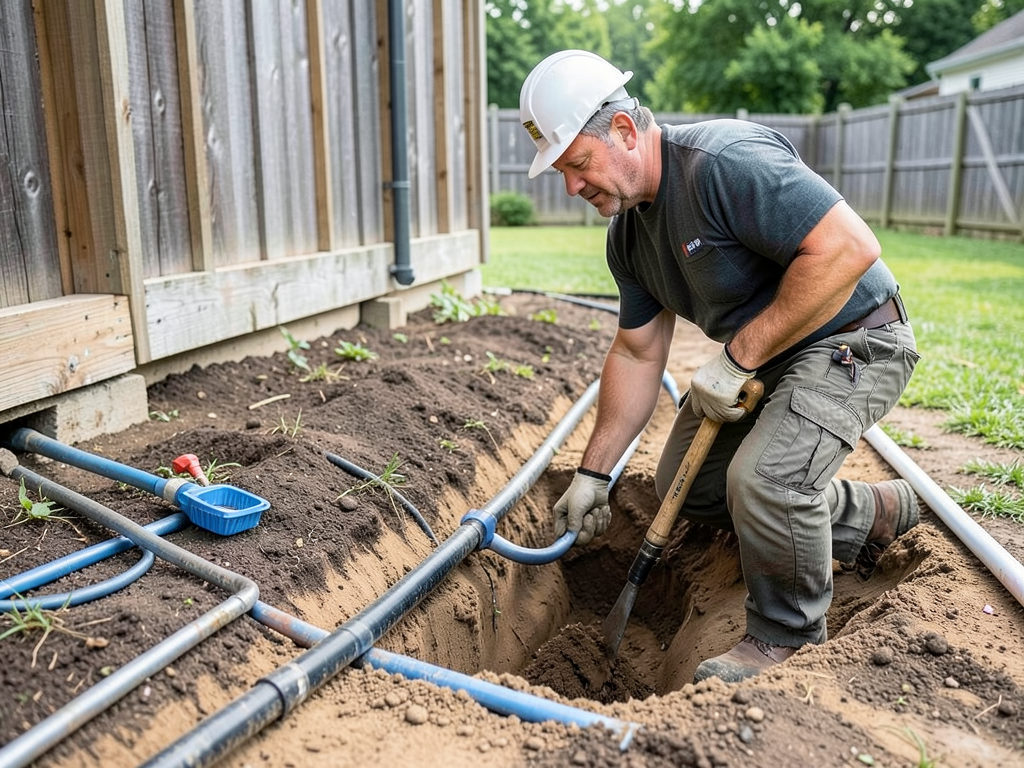
Jefferson County’s frost line depth of 24 to 30 inches affects every trench you dig. Pipes buried above this depth risk freezing and bursting during Kentucky winters. The Kentucky State Plumbing Code requires all underground supply lines to be installed below this threshold with proper insulation.
MSD Permit Process for Shed Plumbing in Clifton
The Metropolitan Sewer District (MSD) manages sewer lateral connections in Louisville. When your shed sits more than 100 feet from your main house, you’ll need a separate sewer lateral tie-in. MSD requires a permit application showing your property’s sewer layout and a licensed plumber’s signature. MSD (Metropolitan Sewer District).
Key MSD requirements include:
- Minimum 4-inch diameter sewer lateral for ADUs
- Backflow preventer installation where needed
- Proper cleanout access within 5 feet of the structure
- Inspection by MSD before backfilling
The Jefferson County Clerk’s office handles permit fees based on fixture count. A simple half-bath costs less than a full kitchen setup. Expect to pay $300 to $800 in permit fees depending on your fixture selection. How to Handle a Main Sewer Line Backup in Your St. Matthews Home.
Choosing the Right Plumbing Materials for Kentucky Weather
PEX piping dominates modern shed conversions in Louisville. It resists freezing better than copper and flexes with Kentucky’s freeze-thaw cycles. For underground runs, use PEX rated for direct burial with UV protection if any portion runs above ground.
Copper still works for exposed runs inside finished spaces. Use Type L copper for hot water lines and Type M for cold lines. The higher initial cost pays off in longevity, especially in converted sheds that might become permanent living spaces. The Cost of Tankless Water Heater Installation in Jeffersontown.
CPVC works well for drain lines in Louisville’s climate. It handles temperature swings better than PVC and costs less than cast iron for most residential applications.
Trenching and Excavation: Kentucky’s Clay Soil Challenge
Clifton sits on Louisville’s high-clay soil that expands when wet and contracts when dry. This movement stresses underground pipes. When trenching, dig 6 inches wider than your pipe diameter and backfill with sand around the pipe before adding native soil.
Limestone bedrock underlies much of Jefferson County. You might hit solid rock at 18 to 24 inches, forcing you to bore under rather than trench through. This adds $15 to $25 per linear foot to your excavation costs.
Always call Kentucky 811 before digging. The service marks underground utilities free and prevents costly damage to gas lines or electrical conduits.
Sewer Connection Options: Main Line vs. Septic
Most Clifton properties connect to Louisville Water Company’s municipal sewer system. If your shed sits downhill from your house, gravity flow works fine. Uphill locations need an ejector pump to lift wastewater to the main sewer line. Fixing Low Water Pressure in Your Crescent Hill Bungalow.
Ejector pumps cost $1,200 to $2,500 installed. They require a 30-gallon basin and proper venting to prevent sewer gases from entering your shed. The pump needs annual maintenance to prevent backups during heavy use. Why Your Prospect Home Needs a Whole House Water Filtration System.
Septic system owners face different challenges. Adding a bathroom to your shed increases your daily wastewater load. Your septic tank might need pumping more frequently, and your drain field could require expansion to handle the additional load.
Water Supply Considerations for Remote Structures
Distance from your main water line affects pressure and pipe sizing. Runs over 100 feet need 1-inch supply lines to maintain adequate pressure for multiple fixtures. Shorter runs can use 3/4-inch lines.
Water hammer arrestors prevent pipe banging when valves close quickly. Install them near washing machines and dishwashers to protect your plumbing system.
Consider a point-of-use water heater for your shed. Tankless electric units work well for sinks and small bathrooms. They eliminate the wait for hot water and reduce energy waste compared to running long hot water lines.
Winterization Strategies for Kentucky Sheds
Kentucky winters bring hard freezes that can burst unprotected pipes. Insulate all supply lines with R-4 minimum foam insulation. For extra protection, wrap pipes with heat tape controlled by a thermostat.
Install shutoff valves inside your main house for all shed supply lines. Drain the lines completely before the first hard freeze each year. Leave faucets slightly open to prevent vacuum lock that traps water in low spots.
Heat your shed during winter if it contains plumbing. Even 45 to 50 degrees Fahrenheit prevents freezing in most Kentucky conditions. Use programmable thermostats to save energy when the space sits unused.
The Installation Process: From Excavation to Inspection
Professional shed plumbing follows a specific sequence. First, trenching and pipe installation happen with the rough plumbing inspected before backfill. Next, the drain-waste-vent (DWV) system gets installed and inspected. Finally, fixtures get connected and the final inspection passes.
Step-by-step process:
- Permit acquisition and utility locates
- Trench excavation to proper depth
- Supply line installation with pressure testing
- Drain line installation with proper slope (1/4 inch per foot minimum)
- Backflow preventer installation if required
- Backfill and compaction
- Fixture installation
- Pressure testing and leak detection
- Final inspection and permit closeout
Expect the entire process to take 3 to 5 days for a simple half-bath setup. Complex installations with full kitchens might need 7 to 10 days.
Cost Breakdown for Shed Plumbing in Louisville
Several factors affect your total cost. Distance from the main house matters most. A 20-foot run costs far less than a 150-foot run through challenging terrain.
Fixture count drives fixture fees and pipe sizing requirements. One sink and toilet cost less than a full kitchen with dishwasher and washing machine.
Soil conditions impact excavation costs. Easy sandy soil costs $5 to $8 per linear foot to trench. Rocky or clay soil can reach $12 to $20 per linear foot.
Here’s what most Clifton homeowners pay:
| Work Description | Typical Cost Range |
|---|---|
| Basic half-bath (sink and toilet) | $2,800 – $4,200 |
| Full bath with shower | $4,500 – $7,000 |
| Kitchenette setup | $3,200 – $5,500 |
| Complete guest suite | $6,500 – $10,000 |
| Ejector pump installation | $1,200 – $2,500 |
| Permit fees (Jefferson County) | $300 – $800 |
These prices assume standard conditions in Clifton. Unusual challenges like bedrock excavation or long runs through existing structures increase costs.
Common DIY Mistakes That Cost More Later
Skipping permits seems like a money saver until code enforcement issues fines or forces you to tear out non-compliant work. Louisville Metro actively inspects unpermitted plumbing additions.
Incorrect pipe sizing causes pressure problems and fixture malfunctions. A toilet needs specific flow rates that undersized pipes cannot deliver. This leads to poor flushing and potential backups.
Poor slope on drain lines causes frequent clogs. The 1/4 inch per foot minimum isn’t arbitrary. Less slope allows waste to settle and block pipes. More slope causes liquids to outrun solids, creating blockages.
Missing cleanouts turns simple clogs into major excavation projects. Every horizontal drain run needs cleanouts every 100 feet and at direction changes.
Professional vs. DIY: When to Call a Licensed Plumber
Simple tasks like replacing fixtures or connecting a new sink to existing lines work for skilled DIYers. However, anything involving new supply lines, drain installation, or permit acquisition needs a licensed plumber in Kentucky.
Professional plumbers understand Louisville’s specific requirements. They know which MSD inspector looks for what details. They carry insurance that protects you if something goes wrong underground.
DIY plumbing mistakes often cost 3 to 4 times the professional price to fix. A small leak in a buried pipe might not show for months, causing extensive water damage by the time you discover it.
Maintaining Your Shed’s Plumbing System
Annual inspections catch problems before they cause damage. Check for leaks at connections, test shutoff valves, and inspect visible pipes for corrosion or damage.
Clean your ejector pump basin every six months. Remove debris that could clog the pump impeller. Test the pump by pouring water into the basin and confirming it activates properly.
Flush your water heater annually to remove sediment buildup. This extends the unit’s life and maintains efficiency. Check the temperature and pressure relief valve annually for proper operation.
Future-Proofing Your Shed Conversion
Install larger pipes than currently needed if you might expand later. Running 1-inch supply lines instead of 3/4-inch adds minimal cost during initial installation but saves major expense later.
Include extra electrical circuits for future appliances. Plumbing and electrical rough-ins are much cheaper when walls remain open.
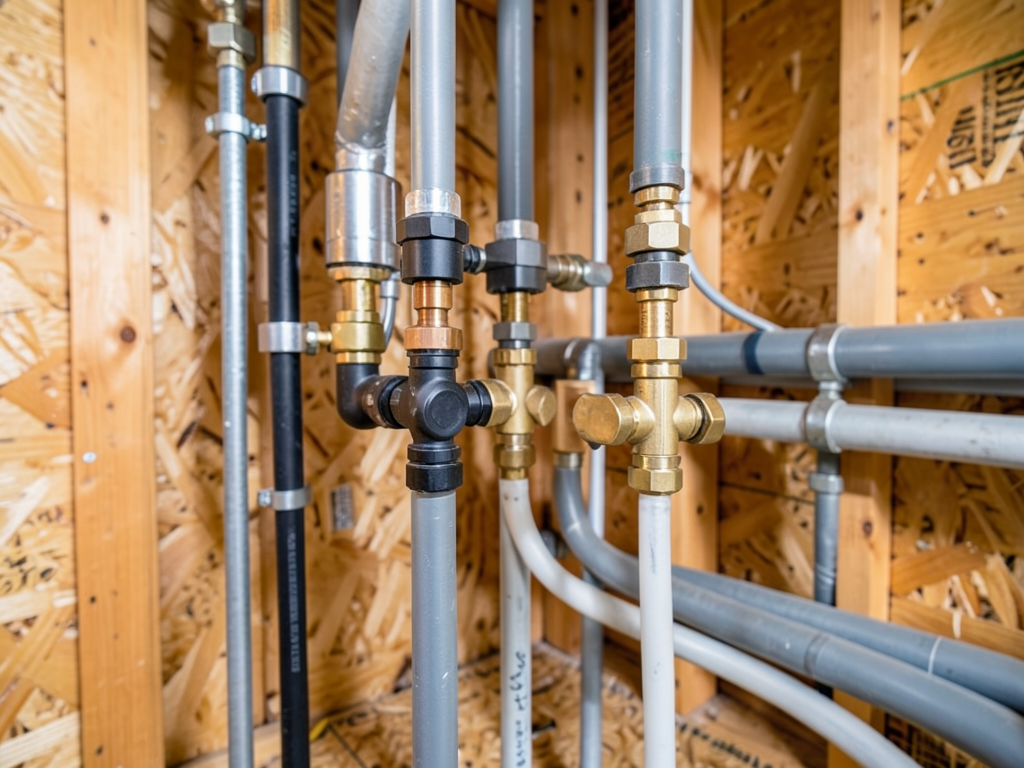
Consider PEX manifold systems that allow individual fixture shutoff without affecting the entire system. This makes future modifications and repairs much simpler.
Local Success Stories: Clifton Shed Conversions
Several Clifton homeowners have successfully converted sheds into functional spaces. One Edgewood Avenue property converted a 12×16 shed into a home office with half-bath. The project included 75 feet of trenching through clay soil and cost $3,800 total.
A Brownsboro Road conversion created a guest suite with full bathroom. The 120-foot run required boring under a driveway and installing an ejector pump. Total cost reached $9,200 but added significant property value.
These local examples show what’s possible in Clifton’s specific conditions. Each project followed Louisville Metro codes and passed all required inspections.
Getting Started with Your Shed Conversion
Begin with a professional assessment of your property. A licensed plumber can evaluate your shed’s location, soil conditions, and existing utility connections. They’ll provide a realistic budget and timeline for your specific situation.
Check your homeowner’s association rules if you live in a planned community. Some associations restrict ADUs or require specific exterior finishes to match your main house.
Start the permit process early. Louisville Metro’s review times vary from 2 to 6 weeks depending on current workload and project complexity.
Frequently Asked Questions
How deep should plumbing lines be buried in Louisville?
Kentucky’s frost line requires pipes to be buried 24 to 30 inches deep in Jefferson County. This prevents freezing during winter months. Some areas with bedrock might need boring instead of trenching.
Do I need a permit for shed plumbing in Clifton?
Yes. Louisville Metro requires permits for any plumbing work in accessory structures. The permit process ensures your work meets Kentucky State Plumbing Code and MSD requirements. Unpermitted work can result in fines and forced removal.
What’s the best pipe material for outdoor shed plumbing?
PEX works best for most shed applications in Louisville. It resists freezing, flexes with soil movement, and costs less than copper. Use PEX rated for direct burial with UV protection for underground runs.
How much does it cost to plumb a shed in Clifton?
Costs range from $2,800 for a basic half-bath to $10,000 for a complete guest suite with kitchen. Factors include distance from main house, soil conditions, and fixture count. Most homeowners spend $4,000 to $7,000 for a functional bathroom setup.
Can I install plumbing myself in my backyard shed?
You can handle simple connections to existing lines, but new supply lines, drains, and permit acquisition require a licensed plumber in Kentucky. DIY mistakes often cost more to fix than hiring a professional initially.
How long does shed plumbing installation take?
A basic half-bath takes 3 to 5 days for installation plus permit review time. Complex installations with kitchens might need 7 to 10 days. Weather and soil conditions can extend timelines.
What happens if my shed is uphill from my house?
Uphill locations need an ejector pump to lift wastewater to the main sewer line. The pump costs $1,200 to $2,500 installed and requires proper venting and annual maintenance to prevent backups.
How do I protect shed plumbing from freezing?
Insulate all supply lines with R-4 minimum foam insulation. Install shutoff valves inside your main house. Drain lines completely before winter. Heat the shed to at least 45 degrees if it contains plumbing. Use heat tape for extra protection in extreme conditions.
Ready to Start Your Shed Conversion?
Converting your backyard shed into a functional space adds value to your Clifton property and creates the extra room you need. But proper plumbing makes the difference between a successful project and an expensive mistake.
Don’t risk fines, leaks, or frozen pipes by cutting corners on your shed conversion. Victory Plumbing understands Louisville’s specific requirements and Kentucky’s climate challenges. We handle everything from permit acquisition to final inspection, ensuring your project meets all codes and passes every inspection.
Call (502) 370-2677 today to schedule your free assessment. Our licensed plumbers will evaluate your property, explain your options, and provide a detailed quote with no hidden fees. Stop wondering if you can convert that shed and start planning your new home office or guest suite with confidence.
Pick up the phone and call (502) 370-2677 before the next cold snap hits. Your shed conversion deserves professional plumbing that lasts for years to come.
{
“@context”: “https://schema.org”,
“@type”: “BlogPosting”,
“headline”: “Plumbing Essentials for Converting Your Backyard Shed into a Home Office or Guest Suite in Clifton”,
“description”: “Need plumbing for your Clifton shed conversion? Learn Louisville MSD permit requirements, frost line depth, and local codes for legal ADUs and guest suites.”,
“wordCount”: 2243,
“datePublished”: “2026-06-01T06:08:00.000Z”,
“dateModified”: “2026-06-01T06:08:00.000Z”,
“inLanguage”: “en-US”,
“mainEntityOfPage”: {
“@type”: “WebPage”,
“@id”: “https://victoryplumbinglouisville.com”
},
“publisher”: {
“@type”: “LocalBusiness”,
“name”: “Victory Plumbing Louisville”,
“url”: “https://victoryplumbinglouisville.com”
},
“author”: {
“@type”: “Organization”,
“name”: “Victory Plumbing Louisville”,
“url”: “https://victoryplumbinglouisville.com”
},
“image”: {
“@type”: “ImageObject”,
“url”: “https://victoryplumbinglouisville.com/wp-content/uploads/2026/03/plumbing-essentials-for-converting-your-backyard-s-1-1.png”
}
}
{
“@context”: “https://schema.org”,
“@type”: “Plumber”,
“name”: “Victory Plumbing Louisville”,
“url”: “https://victoryplumbinglouisville.com”,
“address”: {
“@type”: “PostalAddress”,
“addressLocality”: “Louisville”
},
“areaServed”: {
“@type”: “City”,
“name”: “Louisville”
}
}
{
“@context”: “https://schema.org”,
“@type”: “FAQPage”,
“mainEntity”: [
{
“@type”: “Question”,
“name”: “How deep should plumbing lines be buried in Louisville?”,
“acceptedAnswer”: {
“@type”: “Answer”,
“text”: “Kentucky’s frost line requires pipes to be buried 24 to 30 inches deep in Jefferson County. This prevents freezing during winter months. Some areas with bedrock might need boring instead of trenching.”
}
},
{
“@type”: “Question”,
“name”: “Do I need a permit for shed plumbing in Clifton?”,
“acceptedAnswer”: {
“@type”: “Answer”,
“text”: “Yes. Louisville Metro requires permits for any plumbing work in accessory structures. The permit process ensures your work meets Kentucky State Plumbing Code and MSD requirements. Unpermitted work can result in fines and forced removal.”
}
},
{
“@type”: “Question”,
“name”: “What’s the best pipe material for outdoor shed plumbing?”,
“acceptedAnswer”: {
“@type”: “Answer”,
“text”: “PEX works best for most shed applications in Louisville. It resists freezing, flexes with soil movement, and costs less than copper. Use PEX rated for direct burial with UV protection for underground runs.”
}
},
{
“@type”: “Question”,
“name”: “How much does it cost to plumb a shed in Clifton?”,
“acceptedAnswer”: {
“@type”: “Answer”,
“text”: “Costs range from $2,800 for a basic half-bath to $10,000 for a complete guest suite with kitchen. Factors include distance from main house, soil conditions, and fixture count. Most homeowners spend $4,000 to $7,000 for a functional bathroom setup.”
}
},
{
“@type”: “Question”,
“name”: “Can I install plumbing myself in my backyard shed?”,
“acceptedAnswer”: {
“@type”: “Answer”,
“text”: “You can handle simple connections to existing lines, but new supply lines, drains, and permit acquisition require a licensed plumber in Kentucky. DIY mistakes often cost more to fix than hiring a professional initially.”
}
},
{
“@type”: “Question”,
“name”: “How long does shed plumbing installation take?”,
“acceptedAnswer”: {
“@type”: “Answer”,
“text”: “A basic half-bath takes 3 to 5 days for installation plus permit review time. Complex installations with kitchens might need 7 to 10 days. Weather and soil conditions can extend timelines.”
}
},
{
“@type”: “Question”,
“name”: “What happens if my shed is uphill from my house?”,
“acceptedAnswer”: {
“@type”: “Answer”,
“text”: “Uphill locations need an ejector pump to lift wastewater to the main sewer line. The pump costs $1,200 to $2,500 installed and requires proper venting and annual maintenance to prevent backups.”
}
},
{
“@type”: “Question”,
“name”: “Ready to Start Your Shed Conversion?”,
“acceptedAnswer”: {
“@type”: “Answer”,
“text”: “Converting your backyard shed into a functional space adds value to your Clifton property and creates the extra room you need. But proper plumbing makes the difference between a successful project and an expensive mistake.”
}
}
]
}
{
“@context”: “https://schema.org”,
“@type”: “BreadcrumbList”,
“itemListElement”: [
{
“@type”: “ListItem”,
“position”: 1,
“name”: “Home”,
“item”: “https://victoryplumbinglouisville.com”
},
{
“@type”: “ListItem”,
“position”: 2,
“name”: “Blog”,
“item”: “https://victoryplumbinglouisville.com/blog”
},
{
“@type”: “ListItem”,
“position”: 3,
“name”: “Plumbing Essentials for Converting Your Backyard Shed into a Home Office or Guest Suite in Clifton”
}
]
}
{
“@context”: “https://schema.org”,
“@type”: “Service”,
“serviceType”: “Plumbing”,
“provider”: {
“@type”: “LocalBusiness”,
“name”: “Victory Plumbing Louisville”,
“url”: “https://victoryplumbinglouisville.com”
},
“areaServed”: {
“@type”: “City”,
“name”: “Louisville”
},
“description”: “Need plumbing for your Clifton shed conversion? Learn Louisville MSD permit requirements, frost line depth, and local codes for legal ADUs and guest suites.”
}