
Plumbing Essentials for Converting Your Backyard Shed into a Home Office or Guest Suite in Clifton
Converting your backyard shed into a functional home office or guest suite requires careful planning and professional plumbing work to meet Louisville Metro requirements. The process involves more than just running a few pipes. It demands understanding local codes, proper trenching depths for Kentucky’s freeze-thaw cycles, and selecting materials that withstand our humid summers and cold winters. Louisville MSD requirements.
Before you begin any shed conversion project in Clifton, you need to know that Louisville Metro requires permits for any plumbing work, even in accessory structures. The Metropolitan Sewer District (MSD) oversees sewer connections, while the Louisville Metro Department of Codes & Regulations handles building permits. These permits ensure your conversion meets Kentucky State Plumbing Code standards and protects public health. Louisville Metro Department of Codes & Regulations.
The first step involves determining your water source connection. Most Clifton homes connect to Louisville Water Company’s main lines, but the distance from your primary residence to the shed affects trenching requirements. Kentucky’s frost line typically extends 24 to 30 inches deep, meaning all underground pipes must sit below this level to prevent freezing and bursting during our harsh winters. The Cost of Tankless Water Heater Installation in Jeffersontown.
Material selection proves critical for outdoor plumbing. PEX piping offers flexibility and freeze resistance, making it ideal for Kentucky’s temperature swings. Copper provides durability but requires more careful installation. The choice between these materials affects both installation costs and long-term maintenance requirements.
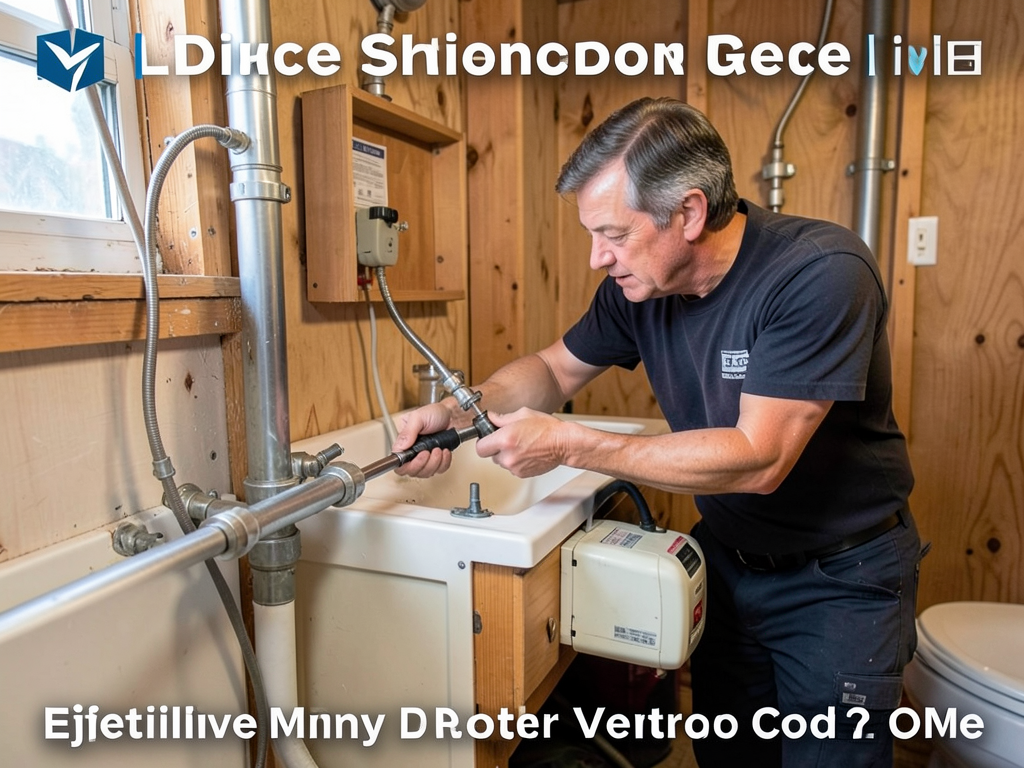
Sewer connections present another challenge. If your shed sits at a lower elevation than your main house, you may need an ejector pump to move waste uphill to the main sewer line. This pump must meet Louisville MSD specifications and include proper venting to prevent sewer gas issues. How to Handle a Main Sewer Line Backup in Your St. Matthews Home.
Winterization becomes essential for any plumbing you install in your Clifton shed. Even with proper insulation, Kentucky’s temperature drops can cause problems. Heat tape, pipe insulation, and sometimes even small space heaters may be necessary to protect your investment during the coldest months.
Understanding these requirements helps you make informed decisions about whether to tackle this as a DIY project or hire a licensed Louisville plumber. The complexity of meeting local codes, obtaining permits, and ensuring proper installation often makes professional help the smarter choice.
Why Convert Your Shed? (ADUs and Guest Suites)
Accessory Dwelling Units (ADUs) have gained popularity across Louisville as homeowners seek additional living space without the cost of full home additions. A properly plumbed shed conversion can serve as a home office, guest suite, or even a rental unit, potentially increasing your property value while providing flexible living arrangements.. Read more about Why Your Unused Basement Guest Bathroom Smells Like Sewage in Lake Forest.
Clifton’s historic character and established neighborhoods make it an ideal location for shed conversions. Many homes in the area have spacious backyards perfect for accessory structures. The key is ensuring your conversion meets all Louisville Metro requirements while maintaining the neighborhood’s architectural integrity.
Legal considerations matter significantly. Louisville Metro updated its zoning ordinances to accommodate ADUs, but specific requirements vary by lot size, setback rules, and existing structures. Your shed must comply with these regulations before any plumbing work begins.
Beyond legal requirements, practical considerations drive the decision. A plumbed shed provides year-round usability, unlike unheated structures that become unusable during Kentucky winters. This extends your living space and can serve multiple purposes throughout the year.
Energy efficiency plays a role in planning. Modern plumbing materials and proper insulation can reduce utility costs while ensuring comfortable use during both summer heat and winter cold. This becomes especially important if you plan to use the space as a home office where you’ll spend significant time.
Resale value often justifies the investment. A well-executed shed conversion with proper plumbing can make your property more attractive to future buyers, particularly in Clifton where space and functionality are premium features.
Louisville Plumbing Codes & Permits for Sheds
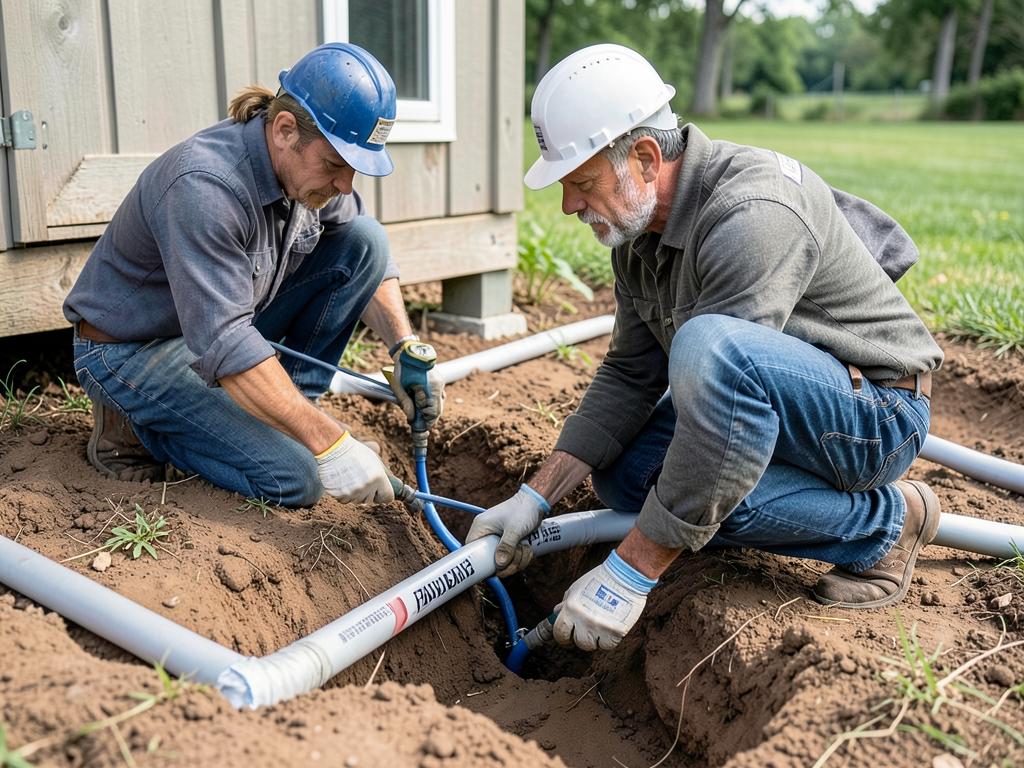
Louisville Metro requires permits for all plumbing work, including accessory structures like shed conversions. The process starts with submitting detailed plans to the Department of Codes & Regulations, showing your proposed plumbing layout, fixture locations, and connection points to existing systems.
The Kentucky State Plumbing Code mandates specific requirements for pipe sizing, venting, and fixture placement. For example, a bathroom in your shed must have proper venting to prevent trap siphoning and ensure sewer gases escape safely. This venting must connect to your home’s main vent stack or terminate through the roof of the shed.
MSD (Metropolitan Sewer District) oversees sewer connections and requires separate permits for any new connections to the main sewer line. They inspect trenching depths, pipe materials, and connection methods to ensure compliance with their standards and prevent future sewer issues.
Backflow prevention becomes critical when connecting to your home’s water supply. Louisville Water Company requires backflow preventers on all new connections to protect the public water system from contamination. This device must be installed and tested by a certified professional. Fixing Low Water Pressure in Your Crescent Hill Bungalow.
Inspection requirements include multiple stages. A rough-in inspection occurs after pipes are installed but before walls are closed. A final inspection happens when all fixtures are installed and connected. Missing these inspections can result in fines and require costly rework.
Permit costs vary based on project scope but typically range from several hundred to over a thousand dollars. While this adds upfront expense, it protects you from potential legal issues and ensures your plumbing meets safety standards.
Working with a licensed Louisville plumber familiar with local codes can streamline this process. They understand the specific requirements for Clifton properties and can handle permit applications, inspections, and code compliance on your behalf.
Key Technical Considerations
Trenching depth represents one of the most critical technical decisions. Kentucky’s frost line of 24-30 inches means all underground pipes must sit below this level. In Clifton’s clay-heavy soil, this becomes even more important as soil expansion and contraction can stress pipes that aren’t deep enough.
Pipe material selection affects both installation and long-term performance. PEX offers flexibility and freeze resistance, making it ideal for Kentucky’s temperature swings. It expands slightly when frozen, reducing burst risk. Copper provides durability but requires more precise installation and can burst if frozen.
Water pressure considerations matter when running new lines. If your shed sits far from the main house, pressure loss can become significant. You may need a booster pump to maintain adequate pressure for showers, sinks, and toilets, especially if multiple fixtures run simultaneously.. Read more about Pros and Cons of Undermount vs. Drop-in Sinks for Your Middletown Kitchen Refresh.
Septic versus sewer connections determine your approach. Most Clifton properties connect to Louisville’s sewer system, but if you’re on septic, your shed plumbing must tie into your existing septic system. This requires careful planning to avoid overloading the system.
Winterization strategies extend beyond basic insulation. Heat tape along pipes, insulated access panels for shut-off valves, and sometimes even small space heaters may be necessary. The goal is preventing frozen pipes during Kentucky’s coldest periods, which can reach well below freezing.
Ventilation requirements ensure proper drainage and prevent sewer gas buildup. Every fixture needs appropriate venting, and the total vent system must meet code requirements for diameter and placement. Poor venting can cause slow drains, gurgling sounds, and even trap failures. Why Your Prospect Home Needs a Whole House Water Filtration System.
Electrical considerations overlap with plumbing. You’ll need power for water heaters, pumps, and sometimes heat tape. This may require a separate electrical permit and inspection, adding another layer of complexity to your conversion project.
The Installation Process
The installation process begins with site preparation and trenching. This involves marking utility lines, excavating to proper depth, and ensuring proper slope for drainage. In Clifton’s clay soil, water can pool in trenches, so proper drainage during excavation becomes essential.
Pipe installation follows a specific sequence. Main supply lines run first, typically in a manifold configuration that allows easy isolation of different fixtures. Drain lines install next, with careful attention to slope requirements – typically 1/4 inch per foot for proper drainage.
Fixture installation requires precise measurements and leveling. Toilets need proper flange height, sinks require correct drain heights, and showers demand waterproofing beyond just the plumbing connections. Each fixture must meet manufacturer specifications and code requirements.
Pressure testing occurs after rough-in installation but before closing walls. This involves pressurizing the system and checking for leaks over 15-30 minutes. Even small leaks can cause significant damage over time, so this testing proves crucial.
Backflow preventer installation and testing follows pressure testing. This device must be accessible for future testing and maintenance. Louisville Water Company requires annual testing by certified professionals to ensure continued protection of the water supply. Backflow Prevention & Testing.
Final connections involve hooking up fixtures, testing all functions, and checking for proper drainage. This includes running water through all fixtures, checking for leaks, and ensuring toilets flush properly. Any issues discovered at this stage require immediate correction.
Post-installation cleanup and documentation complete the process. This includes removing debris, patching trenches, and providing you with all necessary documentation, including permits, inspection reports, and warranty information.
Estimated Costs for Shed Plumbing in Louisville
Plumbing costs for shed conversions vary significantly based on distance from the main house, number of fixtures, and site conditions. A basic cold-water-only setup for a simple office might start around $2,000 to $3,000, while a full bathroom with hot water can exceed $8,000 to $12,000.
Distance factors heavily into pricing. Every foot of trenching adds labor and material costs. A shed 50 feet from your house might cost $1,500 to $2,000 less than one 150 feet away, assuming similar fixture counts and site conditions.
Fixture count drives overall costs. A simple sink setup requires minimal piping and drainage. Adding a toilet increases complexity due to waste line requirements and potential need for an ejector pump. A full bathroom with shower multiplies both material and labor requirements.
Site conditions affect pricing significantly. Rocky soil or areas with many tree roots increase excavation time. Poor access for equipment can extend project duration. Clifton’s established neighborhoods often present these challenges due to mature landscaping and existing infrastructure.
Permit and inspection fees add $300 to $800 to most projects, depending on complexity. These mandatory costs ensure your installation meets all Louisville Metro requirements and passes all required inspections.
Material choices impact both upfront and long-term costs. PEX piping typically costs less than copper but offers excellent performance. Premium fixtures increase initial costs but may provide better durability and warranty coverage.
Emergency repairs during installation can add unexpected costs. Hitting an unmarked utility line, discovering poor soil conditions, or encountering existing drainage issues may require additional work and materials not included in initial estimates.
- Assess Your Needs
Determine which fixtures you need – sink, toilet, shower, or just cold water for a basic setup. This drives all other decisions.
- Check Local Requirements
Contact Louisville Metro Department of Codes & Regulations to understand permit requirements and zoning restrictions for your specific property.
- Plan the Layout
Design your plumbing layout considering distance from main house, trenching paths, and connection points to existing systems.
- Choose Materials
Select appropriate pipe materials (PEX vs. copper) and fixtures based on your needs, budget, and local climate considerations.
- Hire Licensed Professionals
Engage licensed Louisville plumbers who understand local codes and can handle permits, inspections, and proper installation.
- Schedule Inspections
Plan for rough-in and final inspections to ensure your installation meets all code requirements and passes municipal review.
Frequently Asked Questions
Do I need a permit to plumb my shed conversion in Clifton?
Yes. Louisville Metro requires permits for all plumbing work, including accessory structures. You’ll need permits from both the Department of Codes & Regulations and potentially MSD for sewer connections.
How deep should I trench for plumbing pipes in Kentucky?
Pipes must extend below Kentucky’s frost line of 24-30 inches. In Clifton’s clay soil, consider going slightly deeper to account for soil expansion and contraction that can stress pipes over time.
Can I use PEX piping for my shed plumbing?
Yes. PEX offers excellent freeze resistance and flexibility, making it ideal for Kentucky’s climate. It expands slightly when frozen, reducing burst risk compared to rigid materials like copper.
What if my shed sits lower than my main house?
You’ll likely need an ejector pump to move waste uphill to the main sewer line. This pump must meet Louisville MSD specifications and include proper venting to prevent sewer gas issues.
How do I prevent pipes from freezing in my shed during winter?
Beyond proper trenching depth, use pipe insulation, heat tape on exposed pipes, and consider small space heaters for extreme cold periods. Kentucky winters can reach well below freezing.
Can I connect to my existing septic system instead of city sewer?
Yes, if you’re on septic. However, you must ensure your shed’s waste won’t overload the system. A professional assessment helps determine if your septic can handle the additional load.
How long does shed plumbing installation typically take?
Most projects take 3-7 days, depending on complexity. This includes trenching, pipe installation, fixture mounting, pressure testing, and passing inspections. Weather can extend timelines.
What’s the difference between rough-in and final plumbing inspections?
Rough-in inspection occurs after pipes install but before walls close. Final inspection happens when all fixtures connect and operate properly. Both must pass before you can legally use the plumbing.
Call (502) 370-2677 Today to Schedule Your Inspection
Converting your backyard shed into a functional home office or guest suite represents a significant investment in your Clifton property. The plumbing work forms the backbone of this conversion, determining whether your space remains usable throughout Kentucky’s changing seasons.
Professional installation ensures your plumbing meets Louisville Metro codes, passes all required inspections, and provides reliable service for years to come. The complexity of permits, trenching requirements, and material selection makes expert help invaluable for most homeowners.
Don’t risk costly mistakes or code violations that could delay your project or require expensive rework. Our team understands Clifton’s specific requirements and can handle your entire shed plumbing project from initial planning through final inspection.
Ready to start your shed conversion? Call (502) 370-2677 today to schedule a consultation. We’ll assess your property, explain your options, and provide a detailed quote for your specific needs. Your dream home office or guest suite is just a phone call away.
Pick up the phone and call (502) 370-2677 before the next cold snap hits. Proper plumbing installation now prevents frozen pipes and costly repairs later. Let’s make your shed conversion a success.
{
“@context”: “https://schema.org”,
“@type”: “BlogPosting”,
“headline”: “Plumbing Essentials for Converting Your Backyard Shed into a Home Office or Guest Suite in Clifton”,
“description”: “Expert guide to plumbing your Clifton shed conversion. Learn Louisville codes, trenching, permits, and installation for legal ADUs and guest suites.”,
“wordCount”: 2427,
“datePublished”: “2026-06-01T06:08:00.000Z”,
“dateModified”: “2026-06-01T06:08:00.000Z”,
“inLanguage”: “en-US”,
“mainEntityOfPage”: {
“@type”: “WebPage”,
“@id”: “https://victoryplumbinglouisville.com”
},
“publisher”: {
“@type”: “LocalBusiness”,
“name”: “Victory Plumbing Louisville”,
“url”: “https://victoryplumbinglouisville.com”
},
“author”: {
“@type”: “Organization”,
“name”: “Victory Plumbing Louisville”,
“url”: “https://victoryplumbinglouisville.com”
},
“image”: {
“@type”: “ImageObject”,
“url”: “https://victoryplumbinglouisville.com/wp-content/uploads/2026/03/plumbing-essentials-for-converting-your-backyard-s-1.png”
}
}
{
“@context”: “https://schema.org”,
“@type”: “Plumber”,
“name”: “Victory Plumbing Louisville”,
“url”: “https://victoryplumbinglouisville.com”,
“address”: {
“@type”: “PostalAddress”,
“addressLocality”: “Louisville”
},
“areaServed”: {
“@type”: “City”,
“name”: “Louisville”
}
}
{
“@context”: “https://schema.org”,
“@type”: “FAQPage”,
“mainEntity”: [
{
“@type”: “Question”,
“name”: “Do I need a permit to plumb my shed conversion in Clifton?”,
“acceptedAnswer”: {
“@type”: “Answer”,
“text”: “Yes. Louisville Metro requires permits for all plumbing work, including accessory structures. You’ll need permits from both the Department of Codes & Regulations and potentially MSD for sewer connections.”
}
},
{
“@type”: “Question”,
“name”: “How deep should I trench for plumbing pipes in Kentucky?”,
“acceptedAnswer”: {
“@type”: “Answer”,
“text”: “Pipes must extend below Kentucky’s frost line of 24-30 inches. In Clifton’s clay soil, consider going slightly deeper to account for soil expansion and contraction that can stress pipes over time.”
}
},
{
“@type”: “Question”,
“name”: “Can I use PEX piping for my shed plumbing?”,
“acceptedAnswer”: {
“@type”: “Answer”,
“text”: “Yes. PEX offers excellent freeze resistance and flexibility, making it ideal for Kentucky’s climate. It expands slightly when frozen, reducing burst risk compared to rigid materials like copper.”
}
},
{
“@type”: “Question”,
“name”: “What if my shed sits lower than my main house?”,
“acceptedAnswer”: {
“@type”: “Answer”,
“text”: “You’ll likely need an ejector pump to move waste uphill to the main sewer line. This pump must meet Louisville MSD specifications and include proper venting to prevent sewer gas issues.”
}
},
{
“@type”: “Question”,
“name”: “Can I connect to my existing septic system instead of city sewer?”,
“acceptedAnswer”: {
“@type”: “Answer”,
“text”: “Yes, if you’re on septic. However, you must ensure your shed’s waste won’t overload the system. A professional assessment helps determine if your septic can handle the additional load.”
}
},
{
“@type”: “Question”,
“name”: “How long does shed plumbing installation typically take?”,
“acceptedAnswer”: {
“@type”: “Answer”,
“text”: “Most projects take 3-7 days, depending on complexity. This includes trenching, pipe installation, fixture mounting, pressure testing, and passing inspections. Weather can extend timelines.”
}
},
{
“@type”: “Question”,
“name”: “What’s the difference between rough-in and final plumbing inspections?”,
“acceptedAnswer”: {
“@type”: “Answer”,
“text”: “Rough-in inspection occurs after pipes install but before walls close. Final inspection happens when all fixtures connect and operate properly. Both must pass before you can legally use the plumbing.”
}
}
]
}
{
“@context”: “https://schema.org”,
“@type”: “HowTo”,
“name”: “How to Plan Your Shed Plumbing Project”,
“step”: [
{
“@type”: “HowToStep”,
“position”: 1,
“name”: “Assess Your Needs”,
“text”: “Determine which fixtures you need – sink, toilet, shower, or just cold water for a basic setup. This drives all other decisions.”
},
{
“@type”: “HowToStep”,
“position”: 2,
“name”: “Check Local Requirements”,
“text”: “Contact Louisville Metro Department of Codes & Regulations to understand permit requirements and zoning restrictions for your specific property.”
},
{
“@type”: “HowToStep”,
“position”: 3,
“name”: “Plan the Layout”,
“text”: “Design your plumbing layout considering distance from main house, trenching paths, and connection points to existing systems.”
},
{
“@type”: “HowToStep”,
“position”: 4,
“name”: “Choose Materials”,
“text”: “Select appropriate pipe materials (PEX vs. copper) and fixtures based on your needs, budget, and local climate considerations.”
},
{
“@type”: “HowToStep”,
“position”: 5,
“name”: “Hire Licensed Professionals”,
“text”: “Engage licensed Louisville plumbers who understand local codes and can handle permits, inspections, and proper installation.”
},
{
“@type”: “HowToStep”,
“position”: 6,
“name”: “Schedule Inspections”,
“text”: “Plan for rough-in and final inspections to ensure your installation meets all code requirements and passes municipal review.”
}
],
“image”: “https://victoryplumbinglouisville.com/wp-content/uploads/2026/03/plumbing-essentials-for-converting-your-backyard-s-1.png”
}
{
“@context”: “https://schema.org”,
“@type”: “BreadcrumbList”,
“itemListElement”: [
{
“@type”: “ListItem”,
“position”: 1,
“name”: “Home”,
“item”: “https://victoryplumbinglouisville.com”
},
{
“@type”: “ListItem”,
“position”: 2,
“name”: “Blog”,
“item”: “https://victoryplumbinglouisville.com/blog”
},
{
“@type”: “ListItem”,
“position”: 3,
“name”: “Plumbing Essentials for Converting Your Backyard Shed into a Home Office or Guest Suite in Clifton”
}
]
}
{
“@context”: “https://schema.org”,
“@type”: “Service”,
“serviceType”: “Plumbing”,
“provider”: {
“@type”: “LocalBusiness”,
“name”: “Victory Plumbing Louisville”,
“url”: “https://victoryplumbinglouisville.com”
},
“areaServed”: {
“@type”: “City”,
“name”: “Louisville”
},
“description”: “Expert guide to plumbing your Clifton shed conversion. Learn Louisville codes, trenching, permits, and installation for legal ADUs and guest suites.”
}