
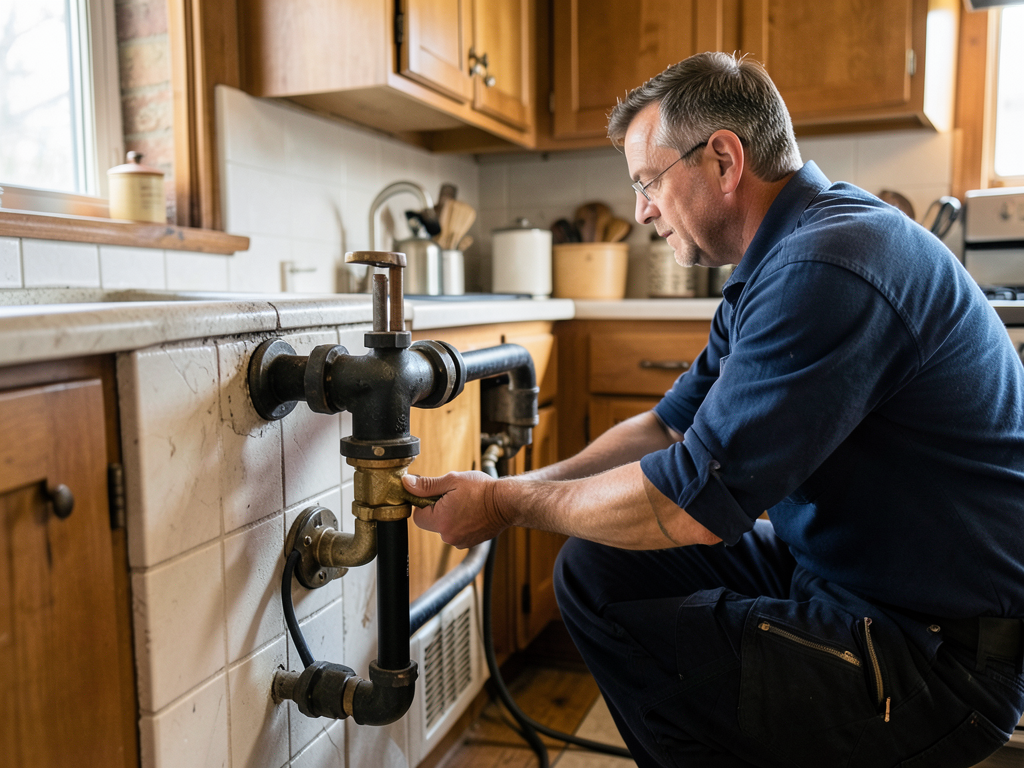
Switching from Electric to Gas — What You Need to Know About Running Gas Lines in Germantown
Thinking about upgrading your kitchen with a gas range in Germantown? Switching from electric to gas is a smart move for many Louisville homeowners who want better cooking control and lower energy costs. But before you buy that new stove, you need to understand the gas line installation process. It is not a simple plug-and-play upgrade. Running new gas lines in older Germantown homes requires careful planning, permits, and professional expertise to keep your family safe. Louisville Metro Department of Codes & Regulations.
Gas line work is serious business. A single mistake can lead to dangerous leaks or explosions. That is why Kentucky law requires a licensed master plumber to handle any new gas line installation. In this guide, we will walk you through what to expect when switching from electric to gas in your Germantown kitchen. You will learn about the installation steps, local permit requirements, safety standards, and how to choose the right stove for your home. How to Handle a Main Sewer Line Backup in Your St. Matthews Home.
Why Germantown Homeowners Choose Gas Over Electric
Germantown is known for its historic charm and older homes built before the 1960s. Many of these houses still have electric ranges, but more homeowners are switching to gas for several reasons. Gas stoves heat faster and give you more precise temperature control. They also work during power outages, which can be a big advantage during Louisville’s storm season.
Another factor is energy efficiency. Natural gas is often cheaper than electricity in Louisville, so cooking with gas can lower your monthly utility bills. Plus, high-BTU gas ranges are popular with home chefs who want restaurant-quality cooking at home. If you are remodeling your kitchen or just want an upgrade, switching to gas can add both value and functionality to your home.
But before you make the switch, you need to know that not every home is ready for gas. Older Germantown homes may need new gas lines installed or existing lines extended to reach the kitchen. This is where a professional plumber comes in.. Read more about Professional Pot Filler Installation for Your Rock Creek Kitchen.
Understanding Gas Line Installation in Louisville
Installing a gas line is not a DIY project. Kentucky plumbing code requires that all gas line work be done by a licensed master plumber. This is for your safety and to meet Louisville Metro Department of Codes & Regulations standards. The process starts with a site assessment to determine how much gas your new stove will need and where the nearest gas supply line is located. 24/7 Emergency Plumbing Services.
Your plumber will calculate the BTU rating of your new stove to make sure the gas line is sized correctly. Too small a line can cause poor stove performance or even be dangerous. The plumber will also check if your home has a natural gas meter or if you need to switch to propane. In Germantown, most homes use natural gas from LG&E, but some older properties might need conversion. LG&E Gas Safety Information.
The installation involves running new pipe from the gas meter to your kitchen. This could mean cutting into walls or floors to route the line. Once the line is in place, it must be pressure tested to check for leaks. Only after passing this test can the stove be connected and the gas turned on. This entire process requires permits from Louisville Metro and inspections to ensure everything meets code.
Gas Line Materials and Safety Standards
When running new gas lines, plumbers use materials that meet strict safety standards. In Louisville, the most common options are black iron pipe and CSST (Corrugated Stainless Steel Tubing). Black iron is durable and has been used for decades, but it is heavy and can be harder to install in tight spaces. CSST is more flexible and easier to route around obstacles, making it a popular choice for kitchen installations.
Safety is the top priority. Every gas line must include a shut-off valve near the stove so you can quickly turn off the gas in an emergency. The valve must be easy to reach and clearly marked. Louisville code also requires a sediment trap, a small device that catches debris before it enters your stove. This keeps your appliance running safely and efficiently.
Your plumber will also perform a gas pressure test before connecting your stove. This test checks the entire line for leaks by pressurizing it with air or gas and monitoring for pressure drops. If the pressure holds steady, the line is safe. If not, the plumber finds and fixes the leak before proceeding. This step is critical to prevent dangerous gas buildup in your home.
Permits and Inspections in Germantown
Before any gas line work begins, you need a permit from the Louisville Metro Department of Codes & Regulations. This ensures the work meets Kentucky State Plumbing Code and LG&E safety standards. Your plumber will pull the permit and schedule the required inspections. Skipping this step is illegal and can void your home insurance if something goes wrong. Plumbing St. Matthews.
The inspection process includes checking the gas line installation, the shut-off valve placement, and the pressure test results. An inspector will verify that everything is up to code before signing off. This protects you and your neighbors from potential hazards. In Germantown, where homes are close together, proper gas line installation is especially important for community safety.
After passing inspection, your plumber will connect your new stove and test it to make sure it lights properly and burns cleanly. They will also show you how to use the shut-off valve and what to do if you ever smell gas. This education is part of the service and helps you feel confident about your new appliance.
Electric to Gas Stove Conversion Process
Converting from electric to gas involves more than just running a new line. You also need to remove the old electric stove and cap the electrical outlet. This might require an electrician if the outlet is hardwired. Your plumber and electrician will coordinate to make the switch smooth and safe.
Once the gas line is ready, your plumber will install a new flexible gas connector that links the stove to the line. This connector must be certified for gas use and installed according to manufacturer instructions. The stove is then positioned, leveled, and connected. Your plumber will light the burners and oven to check for proper operation.
During this process, your plumber will also check for gas leaks using a soap solution or electronic leak detector. Even tiny leaks can be dangerous, so this step is not optional. If any leaks are found, they are fixed before the job is complete. Only then will your new gas stove be ready for cooking.
Choosing the Right Gas Stove for Your Kitchen
When switching to gas, you have many stove options. Standard gas ranges work well for most families, but if you love to cook, you might want a high-BTU professional-style range. These stoves offer more power and features but require larger gas lines to supply enough fuel.
Before buying, check the BTU rating of the stove and discuss it with your plumber. A 30,000 BTU stove needs a smaller line than a 90,000 BTU model. If your home’s gas supply is limited, you might need to upgrade the main line to the house, which adds to the cost and complexity. Why Your Prospect Home Needs a Whole House Water Filtration System.
Also consider the size and layout of your kitchen. Gas stoves need clearance from walls and cabinets for safety. If you have a small kitchen, a compact model might be best. Your plumber can help you choose a stove that fits your space and meets your cooking needs.
Cost Factors for Gas Line Installation in Germantown
The cost to run a new gas line depends on several factors. The distance from the gas meter to your kitchen is a big one. Longer runs need more pipe and labor. The type of pipe used also affects price. CSST is usually cheaper and faster to install than black iron.
If your home needs a new gas meter or a propane tank, that adds to the cost. High-BTU stoves require larger pipes, which can increase material costs. Permit fees and inspection charges are also part of the total price. In Germantown, where many homes are older, you might also need to repair walls or floors after the line is run.
Your plumber will give you a detailed estimate before starting work. This should include all labor, materials, permits, and inspections. While it might seem expensive upfront, a safe, professional installation protects your home and family for years to come.
Safety Tips for New Gas Stove Owners
Once your gas stove is installed, there are a few safety habits to follow. Always keep the area around the stove clear of flammable items like paper towels or curtains. Never leave cooking unattended, especially when using high heat. If you smell gas, leave the house immediately and call LG&E or your plumber from outside.
Install a carbon monoxide detector near your kitchen. Gas stoves produce small amounts of CO, and a detector can alert you to dangerous levels. Also, teach everyone in your home how to use the shut-off valve. In an emergency, turning off the gas quickly can prevent a disaster.
Schedule regular maintenance for your stove and gas line. Your plumber can check for leaks, clean burners, and make sure everything is working safely. This simple step can prevent problems and extend the life of your appliance.
Common Mistakes to Avoid
One of the biggest mistakes homeowners make is trying to install a gas line themselves. Even if you are handy, gas work is dangerous and illegal without a license. Another mistake is buying a stove before checking if your home can support it. High-BTU ranges need proper gas supply, and not all homes have it.
Some people skip permits to save money, but this can lead to fines, unsafe installations, and insurance problems. Always hire a licensed plumber who knows Louisville codes and can handle the permit process. Also, don’t forget to factor in the cost of removing your old electric stove and capping the outlet.
Finally, don’t ignore small problems. If your stove lights slowly, smells odd, or makes strange noises, call your plumber right away. These can be signs of a gas leak or other issue that needs immediate attention.
Why Choose a Local Louisville Plumber
When it comes to gas line work, local experience matters. A plumber who knows Germantown and Louisville Metro codes can get your permit faster and avoid common pitfalls. They understand the quirks of older homes, like hidden pipes or unusual layouts, and know how to work around them safely.
Local plumbers also have relationships with inspectors and utility companies like LG&E. This can speed up the process and reduce delays. Plus, if you ever need service or repairs, a local company can respond quickly. For something as important as gas, having a trusted professional nearby is worth it.
Look for a plumber who is licensed, insured, and has good reviews from other Germantown homeowners. Ask about their experience with gas line installations and if they offer warranties on their work. A quality plumber will be happy to answer your questions and give you peace of mind.
Ready to Make the Switch
Switching from electric to gas is a great way to upgrade your kitchen and improve your cooking experience. But it is not a project to rush into. Proper planning, permits, and professional installation are key to a safe and successful conversion.
If you live in Germantown and are thinking about making the switch, start by talking to a licensed Louisville plumber. They can assess your home, explain your options, and give you a clear plan and price. With the right help, you will be cooking with gas in no time.
Call (502) 370-2677 today to schedule your gas line consultation. Don’t wait until the last minute—permits and inspections take time, and you want everything ready before your new stove arrives. Make the smart, safe choice for your Germantown home.
Frequently Asked Questions
How long does it take to install a gas line for a stove?
Most gas line installations take one to two days, depending on the distance from the gas meter and any obstacles in the way. If permits and inspections are needed, the total process can take a week or more from start to finish.
Can I keep my electric stove and add a gas line for a grill or fireplace?
Yes, you can run a new gas line for outdoor or additional appliances without removing your electric stove. Your plumber will help you plan the best route and ensure the line is sized correctly for the new appliance.
What if my home doesn’t have a natural gas meter?
If you don’t have natural gas, you might need to install a propane tank or arrange for a new gas meter from LG&E. Your plumber can help you explore these options and determine the best solution for your home.
Is it expensive to switch from electric to gas?
The cost varies based on your home’s layout, the stove you choose, and permit fees. While it can be a significant investment, many homeowners find the improved cooking experience and lower energy bills worth it over time.
Do I need a permit to install a gas line in Louisville?
Yes, Louisville Metro requires a permit for all new gas line installations. Your licensed plumber will pull the permit and schedule inspections to ensure the work meets all safety codes.
You may also find this helpful. Custom Commercial Grease Trap Solutions for Paristown Breweries.
You may also find this helpful. How to Size a Tankless Water Heater for Your Large Indian Hills Home.
{
“@context”: “https://schema.org”,
“@type”: “BlogPosting”,
“headline”: “Switching from Electric to Gas — What You Need to Know About Running Gas Lines in Germantown”,
“description”: “Thinking about converting your electric stove to gas in Germantown? Learn about gas line installation, permits, safety codes, and the process from Louisville plumbers.”,
“wordCount”: 2292,
“datePublished”: “2026-04-09T10:03:00.000Z”,
“dateModified”: “2026-04-09T10:03:00.000Z”,
“inLanguage”: “en-US”,
“mainEntityOfPage”: {
“@type”: “WebPage”,
“@id”: “https://victoryplumbinglouisville.com”
},
“publisher”: {
“@type”: “LocalBusiness”,
“name”: “Victory Plumbing Louisville”,
“url”: “https://victoryplumbinglouisville.com”
},
“author”: {
“@type”: “Organization”,
“name”: “Victory Plumbing Louisville”,
“url”: “https://victoryplumbinglouisville.com”
},
“image”: {
“@type”: “ImageObject”,
“url”: “https://victoryplumbinglouisville.com/wp-content/uploads/2026/03/switching-from-electric-to-gas-what-you-need-to-kn-1.png”
}
}
{
“@context”: “https://schema.org”,
“@type”: “Plumber”,
“name”: “Victory Plumbing Louisville”,
“url”: “https://victoryplumbinglouisville.com”,
“address”: {
“@type”: “PostalAddress”,
“addressLocality”: “Louisville”
},
“areaServed”: {
“@type”: “City”,
“name”: “Louisville”
}
}
{
“@context”: “https://schema.org”,
“@type”: “FAQPage”,
“mainEntity”: [
{
“@type”: “Question”,
“name”: “How long does it take to install a gas line for a stove?”,
“acceptedAnswer”: {
“@type”: “Answer”,
“text”: “Most gas line installations take one to two days, depending on the distance from the gas meter and any obstacles in the way. If permits and inspections are needed, the total process can take a week or more from start to finish.”
}
},
{
“@type”: “Question”,
“name”: “Can I keep my electric stove and add a gas line for a grill or fireplace?”,
“acceptedAnswer”: {
“@type”: “Answer”,
“text”: “Yes, you can run a new gas line for outdoor or additional appliances without removing your electric stove. Your plumber will help you plan the best route and ensure the line is sized correctly for the new appliance.”
}
},
{
“@type”: “Question”,
“name”: “What if my home doesn’t have a natural gas meter?”,
“acceptedAnswer”: {
“@type”: “Answer”,
“text”: “If you don’t have natural gas, you might need to install a propane tank or arrange for a new gas meter from LG&E. Your plumber can help you explore these options and determine the best solution for your home.”
}
},
{
“@type”: “Question”,
“name”: “Is it expensive to switch from electric to gas?”,
“acceptedAnswer”: {
“@type”: “Answer”,
“text”: “The cost varies based on your home’s layout, the stove you choose, and permit fees. While it can be a significant investment, many homeowners find the improved cooking experience and lower energy bills worth it over time.”
}
},
{
“@type”: “Question”,
“name”: “Do I need a permit to install a gas line in Louisville?”,
“acceptedAnswer”: {
“@type”: “Answer”,
“text”: “Yes, Louisville Metro requires a permit for all new gas line installations. Your licensed plumber will pull the permit and schedule inspections to ensure the work meets all safety codes.”
}
}
]
}
{
“@context”: “https://schema.org”,
“@type”: “BreadcrumbList”,
“itemListElement”: [
{
“@type”: “ListItem”,
“position”: 1,
“name”: “Home”,
“item”: “https://victoryplumbinglouisville.com”
},
{
“@type”: “ListItem”,
“position”: 2,
“name”: “Blog”,
“item”: “https://victoryplumbinglouisville.com/blog”
},
{
“@type”: “ListItem”,
“position”: 3,
“name”: “Switching from Electric to Gas — What You Need to Know About Running Gas Lines in Germantown”
}
]
}
{
“@context”: “https://schema.org”,
“@type”: “Service”,
“serviceType”: “Plumbing”,
“provider”: {
“@type”: “LocalBusiness”,
“name”: “Victory Plumbing Louisville”,
“url”: “https://victoryplumbinglouisville.com”
},
“areaServed”: {
“@type”: “City”,
“name”: “Louisville”
},
“description”: “Thinking about converting your electric stove to gas in Germantown? Learn about gas line installation, permits, safety codes, and the process from Louisville plumbers.”
}