
The Best Tankless Water Heaters for Small Condos and Apartments in the Highlands
Living in a condo or apartment in Louisville’s Highlands neighborhood means dealing with unique space constraints and building regulations. Finding the right tankless water heater for your small home requires understanding both your hot water needs and the specific requirements of multi-family living. This guide covers everything you need to know about selecting the perfect tankless water heater for your Highlands condo or apartment. Louisville Metro Department of Codes & Regulations.
Why Tankless Water Heaters Work Best for Small Condos and Apartments
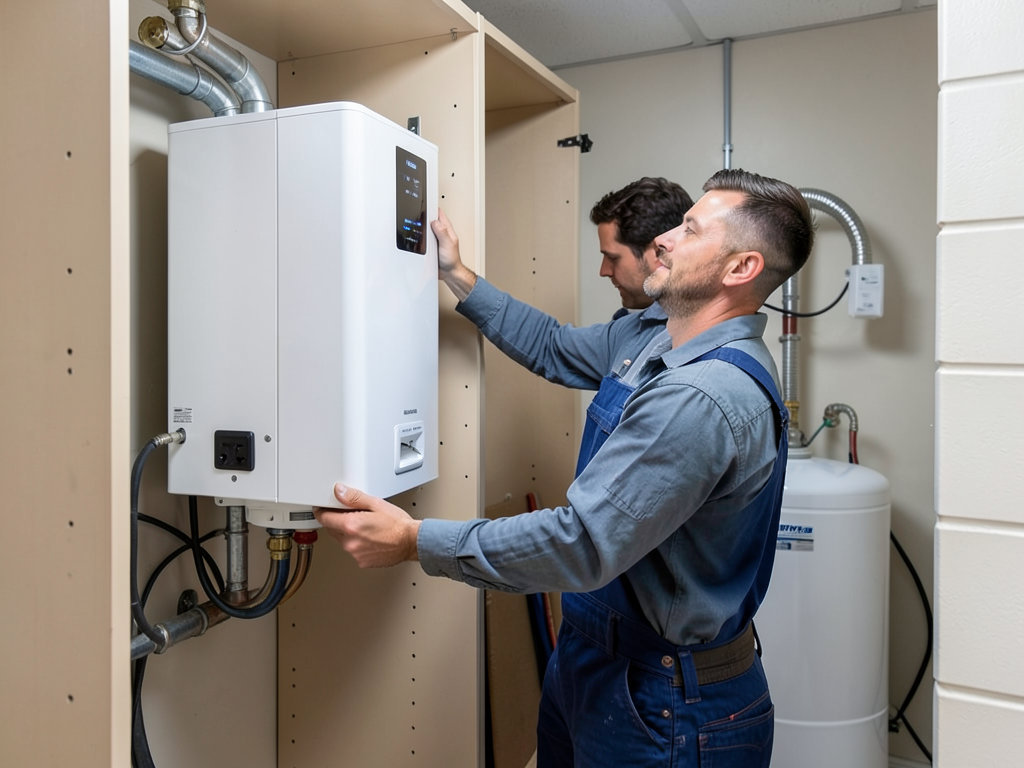
Tankless water heaters offer several advantages for small living spaces. Unlike traditional tank models that can take up valuable closet or utility space, tankless units mount on walls and free up floor space for storage or other uses. In the Highlands where many condos and apartments were built in the early-to-mid 20th century, space is at a premium and every square foot counts. The Cost of Tankless Water Heater Installation in Jeffersontown.
The compact design of tankless water heaters makes them ideal for the narrow utility closets and tight mechanical rooms common in Highlands condos. Most units measure just 18-24 inches wide and 28-30 inches tall, compared to bulky 40-50 gallon tanks that can be over 60 inches tall and 24 inches in diameter. Fixing Low Water Pressure in Your Crescent Hill Bungalow.
Beyond space savings, tankless water heaters provide endless hot water on demand. This means no more cold showers when multiple people need hot water simultaneously, a common issue in multi-unit buildings where water pressure and flow can fluctuate.
Top Tankless Water Heater Options for Highlands Condos
Several excellent tankless water heater models work particularly well for small condos and apartments in the Highlands. The right choice depends on your specific needs, gas or electric availability, and budget constraints. Why Your Prospect Home Needs a Whole House Water Filtration System.
For electric-only buildings common in many Highlands condos, the EcoSmart ECO 11 electric tankless water heater provides reliable performance for one to two bathrooms. This unit requires 240-volt power and can deliver up to 3.5 gallons per minute, enough for simultaneous showering and sink use.
Condos with natural gas service have more powerful options. The Rinnai RL75eP propane tankless water heater delivers up to 7.5 gallons per minute, making it suitable for larger condos or those with multiple bathrooms. This condensing model offers excellent energy efficiency and can handle the demands of a busy household. How to Handle a Main Sewer Line Backup in Your St. Matthews Home.
The Stiebel Eltron Tempra 24 Plus electric tankless water heater stands out for its advanced flow control technology. This German-engineered unit maintains consistent water temperature even when flow rates change, eliminating the temperature fluctuations common in older Highlands buildings with inconsistent water pressure.
Space Requirements and Installation Considerations
Before purchasing a tankless water heater, measure your available space carefully. Most Highlands condos have utility closets between 24-30 inches wide and 36-48 inches deep. Tankless units need proper clearance for ventilation and maintenance access.
Electric tankless water heaters typically require a dedicated 240-volt circuit with appropriate amperage. Most units need between 40-80 amps, which may require electrical panel upgrades in older Highlands buildings where electrical systems haven’t been updated since the 1960s or 1970s.
Gas-powered tankless units need proper venting to the outside. In high-rise buildings, this often means installing a direct-vent system that draws combustion air from outside and exhausts through a separate pipe. This requires cutting through exterior walls, which may need HOA approval.
Condensation from condensing tankless units must drain properly. Many Highlands condos lack floor drains in utility areas, requiring creative solutions like condensate pumps or routing to existing plumbing lines.
Louisville Building Code Requirements for Multi-Family Units
Installing a tankless water heater in a Highlands condo requires compliance with Louisville Metro building codes and HOA regulations. The Louisville Metro Department of Codes & Regulations mandates specific requirements for multi-family dwellings.
According to the Kentucky State Plumbing Code, all water heaters in multi-family buildings must include a temperature and pressure relief valve with a discharge line that terminates within 6 inches of the floor. This prevents scalding and property damage from pressure buildup.
Condensation from tankless units must drain to an approved location. In buildings without floor drains, this typically means connecting to the building’s sanitary sewer system through an air gap to prevent backflow contamination.
Gas-fired units require proper venting per manufacturer specifications and local code. Most Highlands condos need Category III stainless steel venting for high-efficiency condensing units, which can withstand the acidic condensate produced during operation.
Electrical upgrades must meet National Electrical Code requirements for dedicated circuits serving water heating equipment. This includes proper grounding, overcurrent protection, and GFCI protection where required.
Energy Efficiency and Cost Savings
Tankless water heaters offer significant energy savings compared to traditional tank models. While tank heaters continuously maintain 40-50 gallons of hot water, tankless units only heat water when needed, reducing standby energy losses by up to 50%.
The energy factor (EF) of tankless water heaters typically ranges from 0.82 to 0.98, compared to 0.58 to 0.70 for standard tank models. This means tankless units convert 82-98% of their energy input into hot water, while tank models waste more energy maintaining temperature.
For a typical Highlands condo using 40-60 gallons of hot water daily, switching to a tankless system can reduce annual water heating costs by $100-200. Over the unit’s 20+ year lifespan, this adds up to substantial savings that can offset the higher initial installation cost.
Many tankless units qualify for federal energy efficiency tax credits under the Inflation Reduction Act. Homeowners can claim 30% of installation costs up to $2,000, making the investment more affordable for Highlands residents.
Installation Process and Timeline
Professional installation of a tankless water heater typically takes 4-8 hours, depending on complexity. The process begins with removing the old unit and preparing the installation site.
For electric units, this often means upgrading the electrical panel to accommodate the new circuit. Many Highlands condos built before 1980 have 60-100 amp service, while modern tankless units may require 150-200 amp service for proper operation.
Gas installations require running new gas lines if the existing line isn’t sized for the increased demand. This may involve accessing walls or running lines through utility chases, which can add time and complexity to the installation.
Venting installation is often the most time-consuming part of gas tankless installation. Proper venting requires cutting through exterior walls, installing termination caps, and ensuring all connections are sealed against Louisville’s humid climate.
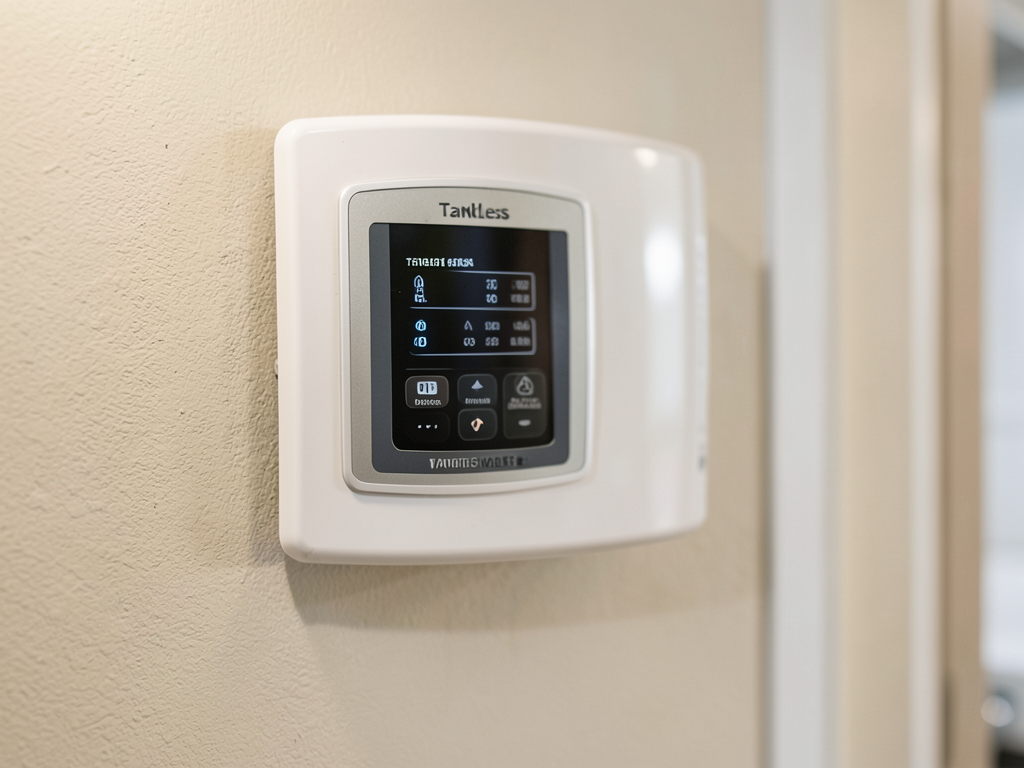
After installation, the technician tests the system for proper operation, checks for gas or water leaks, and verifies that all safety devices function correctly. They also provide instructions on using the unit’s controls and scheduling maintenance.
Maintenance Requirements for Tankless Water Heaters
Tankless water heaters require annual maintenance to maintain peak efficiency and prevent premature failure. Louisville’s hard water, with mineral content around 200-300 parts per million, can cause scale buildup that reduces efficiency and damages heating elements.
Annual descaling involves circulating a food-grade acid solution through the unit to dissolve mineral deposits. This process typically takes 1-2 hours and should be performed by a licensed plumber familiar with tankless technology.
Inline water filters protect tankless units from sediment and debris. The Highlands area’s aging infrastructure means water quality can vary, making filtration particularly important for protecting your investment. Protecting Your Anchorage Basement with a Reliable Sump Pump System.
Checking and cleaning the air intake and exhaust vents prevents airflow restrictions that can cause error codes and system shutdowns. This is especially important in Louisville’s humid climate where mold and mildew can grow in vent pipes.
Testing the pressure relief valve annually ensures it will function properly if needed. This simple test can prevent dangerous pressure buildup that could damage your unit or cause injury.
Common Issues and Troubleshooting
Even high-quality tankless water heaters can experience issues. Understanding common problems helps you identify when to call a professional versus when simple troubleshooting might solve the issue.
Scale buildup from Louisville’s hard water is the most common problem. Symptoms include reduced hot water flow, longer wait times for hot water, and error codes indicating flow restrictions. Regular descaling prevents these issues.
Condensate drain blockages can cause units to shut down. This often happens when the drain line develops algae growth or gets clogged with debris. Installing a condensate trap and cleaning it annually prevents most drain issues.
Gas supply problems manifest as error codes or inconsistent heating. Low gas pressure from undersized lines or partially closed valves can prevent units from reaching full output. A professional should check gas pressure and line sizing.
Electrical issues in older Highlands buildings can cause intermittent operation. Voltage fluctuations, inadequate grounding, or overloaded circuits can trigger safety shutdowns. An electrician should verify proper power delivery to the unit.
Cost Considerations and ROI
The total cost of switching to a tankless water heater includes the unit, installation, and any necessary upgrades to electrical or gas systems. Understanding these costs helps you budget appropriately for your Highlands condo.
Unit costs range from $500-1,500 depending on capacity and features. Basic electric models start around $500, while high-end gas condensing units with recirculation pumps can exceed $1,500.
Installation costs typically range from $1,000-3,000. Simple replacements of similar units cost less, while complex installations requiring electrical panel upgrades or new gas lines cost more.
Additional costs may include electrical panel upgrades ($500-2,000), new gas line installation ($300-1,000), or vent system installation ($200-600). These costs vary based on your building’s existing infrastructure.
While the upfront investment is higher than traditional tank heaters, the energy savings, longer lifespan (20+ years vs. 10-15 years for tanks), and space savings provide excellent return on investment for Highlands residents.
Comparing Tankless vs. Traditional Water Heaters
Understanding the differences between tankless and traditional water heaters helps you make the right choice for your specific situation. Here’s a comparison of key factors:
| Factor | Tankless Water Heater | Traditional Tank Heater |
|---|---|---|
| Space Required | Wall-mounted, 18-24″ wide | Floor space, 24-30″ diameter |
| Hot Water Supply | Endless on demand | Limited to tank capacity |
| Energy Efficiency | 82-98% efficient | 58-70% efficient |
| Lifespan | 20+ years | 10-15 years |
| Initial Cost | $1,500-3,500 installed | $800-1,500 installed |
| Operating Cost | 30-50% less annually | Standard operating cost |
| Maintenance | Annual descaling required | Minimal maintenance |
Choosing the Right Size for Your Needs
Selecting the proper size tankless water heater ensures you have enough hot water without overspending on unnecessary capacity. The right size depends on your household’s simultaneous hot water needs and the temperature rise required.
Calculate your peak hot water demand by adding the flow rates of fixtures you might use simultaneously. A typical scenario might include one shower (2.5 GPM), one bathroom sink (1.5 GPM), and a kitchen sink (1.5 GPM), totaling 5.5 GPM.
Louisville’s groundwater temperature averages 55-60°F, so a shower requiring 105°F water needs a 45-50°F temperature rise. This affects the unit’s flow rate capability, as larger temperature rises reduce maximum flow.
For most Highlands condos with one to two bathrooms, a unit providing 5-7 GPM at a 45°F temperature rise works well. Larger units providing 8-10 GPM accommodate bigger households or those with luxury fixtures like multiple showerheads.
Electric units typically max out around 4-5 GPM, while gas units can provide 7-11 GPM. Choose based on your simultaneous usage patterns rather than the total number of fixtures in your condo.
Frequently Asked Questions
Are tankless water heaters worth it for small condos?
Yes, tankless water heaters are excellent for small condos. They save valuable space, provide endless hot water, and reduce energy costs by 30-50%. The higher upfront cost is offset by energy savings and longer lifespan over time.
How long does it take to get hot water with a tankless unit?
Tankless units heat water instantly, but it still takes a few seconds for hot water to reach your faucet. This is similar to traditional tanks. Recirculation pumps can provide near-instant hot water but add installation complexity and cost.
Do tankless water heaters work during power outages?
Electric tankless units won’t work without power. Gas units with electric ignition also require electricity for controls and ignition. Battery backup systems are available but add cost and complexity.
What maintenance do tankless water heaters need?
Tankless units need annual descaling to remove mineral buildup, especially in Louisville’s hard water areas. This involves circulating a cleaning solution through the heat exchanger and typically takes 1-2 hours by a professional.
Can I install a tankless water heater myself?
Professional installation is strongly recommended. Tankless units involve gas lines, high-voltage electricity, and proper venting that require licensed expertise. DIY installation can void warranties and create safety hazards.
How do I know if my condo can support a tankless unit?
A professional plumber should assess your electrical panel capacity, gas line sizing, and venting options. Many older Highlands condos need electrical upgrades or gas line modifications to support tankless units.
Ready to Upgrade Your Highlands Condo’s Water Heater?
Choosing the right tankless water heater for your Highlands condo or apartment can transform your daily comfort while saving space and energy. The experts at Victory Plumbing understand the unique challenges of multi-family living in Louisville’s historic neighborhoods.
Our licensed plumbers have extensive experience with condo-specific installations, including navigating HOA requirements, working in tight spaces, and ensuring compliance with Louisville Metro building codes. We handle everything from initial assessment to final testing and cleanup.
Don’t wait until your old water heater fails. Call (502) 370-2677 today to schedule your free consultation. We’ll assess your specific needs, explain your options, and provide a detailed quote with no hidden fees. Our team is ready to help you enjoy endless hot water and lower energy bills in your Highlands home.
Pick up the phone and call (502) 370-2677 now to schedule your tankless water heater consultation. Your perfect hot water solution is just one call away. For more information, visit U.S. Department of Energy tankless water heater guide.
{
“@context”: “https://schema.org”,
“@type”: “BlogPosting”,
“headline”: “The Best Tankless Water Heaters for Small Condos and Apartments in the Highlands”,
“description”: “Discover the top tankless water heaters for small condos and apartments in Louisville’s Highlands. Learn about space-saving options, installation requirements, and local code compliance.”,
“wordCount”: 2331,
“datePublished”: “2026-04-23T12:20:00.000Z”,
“dateModified”: “2026-04-23T12:20:00.000Z”,
“inLanguage”: “en-US”,
“mainEntityOfPage”: {
“@type”: “WebPage”,
“@id”: “https://victoryplumbinglouisville.com”
},
“publisher”: {
“@type”: “LocalBusiness”,
“name”: “Victory Plumbing Louisville”,
“url”: “https://victoryplumbinglouisville.com”
},
“author”: {
“@type”: “Organization”,
“name”: “Victory Plumbing Louisville”,
“url”: “https://victoryplumbinglouisville.com”
},
“image”: {
“@type”: “ImageObject”,
“url”: “https://victoryplumbinglouisville.com/wp-content/uploads/2026/03/the-best-tankless-water-heaters-for-small-condos-a-1.png”
}
}
{
“@context”: “https://schema.org”,
“@type”: “Plumber”,
“name”: “Victory Plumbing Louisville”,
“url”: “https://victoryplumbinglouisville.com”,
“address”: {
“@type”: “PostalAddress”,
“addressLocality”: “Louisville”
},
“areaServed”: {
“@type”: “City”,
“name”: “Louisville”
}
}
{
“@context”: “https://schema.org”,
“@type”: “FAQPage”,
“mainEntity”: [
{
“@type”: “Question”,
“name”: “Are tankless water heaters worth it for small condos?”,
“acceptedAnswer”: {
“@type”: “Answer”,
“text”: “Yes, tankless water heaters are excellent for small condos. They save valuable space, provide endless hot water, and reduce energy costs by 30-50%. The higher upfront cost is offset by energy savings and longer lifespan over time.”
}
},
{
“@type”: “Question”,
“name”: “How long does it take to get hot water with a tankless unit?”,
“acceptedAnswer”: {
“@type”: “Answer”,
“text”: “Tankless units heat water instantly, but it still takes a few seconds for hot water to reach your faucet. This is similar to traditional tanks. Recirculation pumps can provide near-instant hot water but add installation complexity and cost.”
}
},
{
“@type”: “Question”,
“name”: “Do tankless water heaters work during power outages?”,
“acceptedAnswer”: {
“@type”: “Answer”,
“text”: “Electric tankless units won’t work without power. Gas units with electric ignition also require electricity for controls and ignition. Battery backup systems are available but add cost and complexity.”
}
},
{
“@type”: “Question”,
“name”: “What maintenance do tankless water heaters need?”,
“acceptedAnswer”: {
“@type”: “Answer”,
“text”: “Tankless units need annual descaling to remove mineral buildup, especially in Louisville’s hard water areas. This involves circulating a cleaning solution through the heat exchanger and typically takes 1-2 hours by a professional.”
}
},
{
“@type”: “Question”,
“name”: “Can I install a tankless water heater myself?”,
“acceptedAnswer”: {
“@type”: “Answer”,
“text”: “Professional installation is strongly recommended. Tankless units involve gas lines, high-voltage electricity, and proper venting that require licensed expertise. DIY installation can void warranties and create safety hazards.”
}
},
{
“@type”: “Question”,
“name”: “How do I know if my condo can support a tankless unit?”,
“acceptedAnswer”: {
“@type”: “Answer”,
“text”: “A professional plumber should assess your electrical panel capacity, gas line sizing, and venting options. Many older Highlands condos need electrical upgrades or gas line modifications to support tankless units.”
}
},
{
“@type”: “Question”,
“name”: “Ready to Upgrade Your Highlands Condo’s Water Heater?”,
“acceptedAnswer”: {
“@type”: “Answer”,
“text”: “Choosing the right tankless water heater for your Highlands condo or apartment can transform your daily comfort while saving space and energy. The experts at Victory Plumbing understand the unique challenges of multi-family living in Louisville’s historic neighborhoods.”
}
}
]
}
{
“@context”: “https://schema.org”,
“@type”: “BreadcrumbList”,
“itemListElement”: [
{
“@type”: “ListItem”,
“position”: 1,
“name”: “Home”,
“item”: “https://victoryplumbinglouisville.com”
},
{
“@type”: “ListItem”,
“position”: 2,
“name”: “Blog”,
“item”: “https://victoryplumbinglouisville.com/blog”
},
{
“@type”: “ListItem”,
“position”: 3,
“name”: “The Best Tankless Water Heaters for Small Condos and Apartments in the Highlands”
}
]
}
{
“@context”: “https://schema.org”,
“@type”: “Service”,
“serviceType”: “Plumbing”,
“provider”: {
“@type”: “LocalBusiness”,
“name”: “Victory Plumbing Louisville”,
“url”: “https://victoryplumbinglouisville.com”
},
“areaServed”: {
“@type”: “City”,
“name”: “Louisville”
},
“description”: “Discover the top tankless water heaters for small condos and apartments in Louisville’s Highlands. Learn about space-saving options, installation requirements, and local code compliance.”
}