
The Hidden Risks of Attic Plumbing and How to Prevent Costly Ceiling Leaks
Your Louisville home’s attic might seem like empty space above your living area, but it could be hiding a ticking time bomb of plumbing problems. The combination of Kentucky’s dramatic temperature swings, high humidity, and aging housing stock creates unique challenges for attic plumbing systems that many homeowners never consider until water starts dripping through their ceiling. Kentucky State Plumbing Code 815 KAR 20:401.
Attic plumbing in Louisville faces threats that simply don’t exist in milder climates. Our region’s freeze-thaw cycles can cause pipes to expand and contract thousands of times per season, while summer humidity creates condensation that slowly rots wood and corrodes metal connections. These conditions, combined with poor insulation and inadequate ventilation, transform your attic into a perfect environment for plumbing failures that can cost thousands in water damage repairs. EPA WaterSense Program.
The most alarming aspect of attic plumbing failures is their stealth. Unlike a visible leak under your kitchen sink, attic leaks often go undetected for months or years, silently destroying insulation, rotting structural beams, and creating the perfect breeding ground for toxic mold. By the time you notice a stain on your ceiling, the damage beneath could be extensive and expensive to repair.. Read more about Plumbing Repairs You Should Definitely Make Before Listing Your St. Matthews Home for Sale.
Why Louisville’s Climate Creates Special Attic Plumbing Risks
Kentucky’s climate presents unique challenges for attic plumbing systems that homeowners in other regions rarely face. Our region experiences some of the most extreme temperature variations in the country, with winter lows that can drop below 0°F and summer highs that regularly exceed 95°F. These temperature swings cause pipes to expand and contract repeatedly, weakening joints and creating microscopic cracks that eventually lead to catastrophic failures.
The Ohio Valley’s high humidity compounds these problems. During summer months, attic temperatures can soar above 130°F while relative humidity remains above 70%. This creates condensation on cold water pipes that drips continuously onto insulation and wood framing. Over time, this moisture leads to rot, mold growth, and structural weakening that can compromise your home’s safety. The Cost of Tankless Water Heater Installation in Jeffersontown.
Louisville’s freeze-thaw cycles are particularly destructive to attic plumbing. When temperatures fluctuate above and below freezing, water trapped in pipes expands and contracts repeatedly. This constant movement stresses pipe connections and can cause even small leaks to worsen rapidly. The problem is especially severe in older Louisville neighborhoods like St. Matthews and the Highlands, where many homes still have original plumbing that wasn’t designed for modern temperature extremes. Fixing Low Water Pressure in Your Crescent Hill Bungalow.
Common Attic Plumbing Components and Their Failure Points
Understanding what’s in your attic is the first step to preventing costly leaks. Most Louisville homes have several plumbing-related components in their attic spaces, each with specific vulnerabilities that require different maintenance approaches.
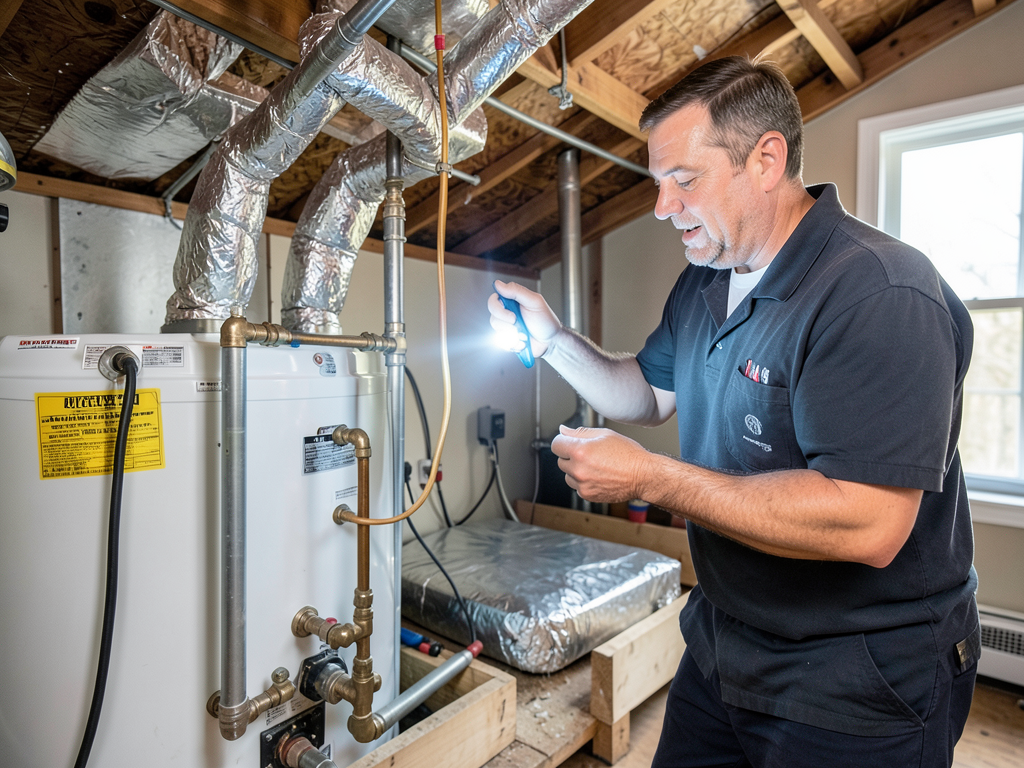
Water heaters installed in attics represent one of the highest-risk components. These units contain 40 to 80 gallons of water under pressure, and a single failure can release thousands of gallons before anyone notices. The combination of heat, pressure, and constant temperature fluctuations causes tank corrosion, valve failures, and connection leaks that worsen over time.
HVAC condensate lines are another common attic plumbing component that many homeowners overlook. These small pipes carry away moisture collected by your air conditioning system during summer months. When these lines become clogged or develop leaks, water can overflow into your attic space, causing damage that mimics roof leaks but originates from within your home.
PEX piping has become increasingly popular in newer Louisville homes due to its flexibility and resistance to freezing. However, PEX still requires proper insulation and support to prevent sagging and connection failures. Copper pipes, still common in older homes, are particularly vulnerable to corrosion from Louisville’s mineral-rich water and temperature cycling.
Expansion tanks, often installed near water heaters, absorb pressure fluctuations in your plumbing system. When these tanks fail, they can cause pressure spikes that stress pipe connections throughout your home. A failed expansion tank in your attic can lead to multiple simultaneous leaks that are difficult to diagnose and repair.
The Kentucky State Plumbing Code Requirements for Attic Installations
Proper attic plumbing installation isn’t just about preventing leaks—it’s also about meeting legal requirements that protect your home and family. The Kentucky State Plumbing Code establishes specific standards for attic plumbing that all licensed plumbers must follow.. Read more about How to Protect Your Fern Creek Home from Second Floor Laundry Room Floods.
According to Kentucky Administrative Regulations 815 KAR 20:401, all exposed water pipes in unconditioned spaces must be protected against freezing. This typically means installing insulation with a minimum R-value of 4.2 for residential applications. The code also requires that all pipe supports be spaced no more than 4 feet apart for horizontal runs and 10 feet apart for vertical runs.
Water heater installations in attics must include a drain pan with a minimum depth of 1.5 inches and a drain line that terminates at an observable location outside the building. This requirement exists specifically to prevent the catastrophic water damage that occurs when attic water heaters fail. The drain pan must be constructed of corrosion-resistant materials and be at least 1.5 inches larger than the water heater in all directions.
Expansion tanks must be installed according to manufacturer specifications, which typically require mounting on a vertical surface with adequate clearance for maintenance. The Kentucky Plumbing Code mandates that these devices be accessible for inspection and replacement, as they typically need replacement every 5 to 7 years.
Condensate lines for HVAC systems must be installed with proper slope—minimum 1/8 inch per foot—to ensure proper drainage. The code also requires overflow switches that automatically shut down the HVAC system if the primary condensate line becomes blocked, preventing the water damage that occurs when drain pans overflow.
Warning Signs: How to Spot Attic Plumbing Problems Before They Cause Major Damage
Attic plumbing problems often develop slowly, giving you time to address them before they cause catastrophic damage. Learning to recognize the early warning signs can save you thousands in repair costs and prevent the stress of emergency plumbing situations.
Water stains on your ceiling are often the most obvious sign of an attic plumbing problem, but they’re also a late-stage indicator. By the time you see a stain, water has likely been leaking for weeks or months. The stain may appear as a yellowish-brown discoloration that grows larger over time, often with a slightly raised or bubbled texture.
Musty odors in your home can indicate hidden moisture problems in your attic. If you notice a persistent damp smell that doesn’t seem to come from any visible source, it could be caused by slow leaks from attic plumbing that are creating mold growth in your insulation or ceiling materials.
Unexpected increases in your water bill often signal hidden leaks. If your water usage hasn’t changed but your bill has increased significantly, you may have a slow leak somewhere in your plumbing system. Attic leaks can be particularly difficult to detect because the water often evaporates before it becomes visible.
Changes in water pressure throughout your home can indicate problems with your plumbing system’s pressure regulation. If you notice that your water pressure fluctuates or seems lower than normal, it could be caused by a failing expansion tank or other pressure regulation problems in your attic.
Unusual sounds from your attic, such as dripping, running water, or hissing noises, should always be investigated immediately. These sounds often indicate active leaks or pressure problems that require immediate attention to prevent extensive damage.
Essential Attic Plumbing Maintenance Checklist for Louisville Homeowners
Regular maintenance is your best defense against attic plumbing failures. This comprehensive checklist will help you identify potential problems before they cause expensive damage to your Louisville home.
Inspect your attic plumbing twice yearly—once in spring before the humid summer season and once in fall before winter freezing temperatures arrive. During these inspections, look for signs of moisture, corrosion, or physical damage to all visible plumbing components.
Check pipe insulation for gaps, compression, or water damage. Insulation that has become wet loses its effectiveness and can actually accelerate pipe corrosion. Replace any damaged insulation immediately, using materials rated for your specific climate conditions.
Test all accessible shut-off valves to ensure they operate smoothly. A valve that won’t close completely can allow small leaks to continue unnoticed for months. Apply penetrating oil to any stuck valves and work them back and forth until they move freely.
Examine all pipe connections for signs of corrosion, mineral buildup, or moisture. Pay special attention to threaded connections and joints, which are common failure points. Use a flashlight to inspect areas that are difficult to see directly.
Check the temperature and pressure relief valve on your water heater by lifting the test lever briefly. You should hear a rush of water exiting the discharge pipe. If you don’t hear anything or if the valve continues to leak after testing, it needs immediate replacement. Why Your Prospect Home Needs a Whole House Water Filtration System.
Inspect the drain pan under your water heater for cracks, rust, or debris. The pan should be clean and free of obstructions that could prevent proper drainage if a leak occurs. Ensure the drain line is securely connected and free of blockages.
Verify that all pipes are properly supported and not sagging between supports. Sagging pipes can cause stress on connections and create low spots where water can collect and freeze during winter months.
Winterization: Protecting Your Attic Plumbing from Louisville’s Freezing Temperatures
Louisville winters can bring extended periods of sub-freezing temperatures that pose serious risks to attic plumbing systems. Proper winterization is essential to prevent frozen pipes and the costly water damage that results when they burst.
Identify all vulnerable pipes in your attic, particularly those near exterior walls or in poorly insulated areas. These pipes are most susceptible to freezing and require additional protection during extreme cold spells.
Increase insulation around vulnerable pipes using pipe sleeves or heat tape. Heat tape should be installed according to manufacturer specifications and plugged into a GFCI-protected outlet. Never install heat tape over existing insulation, as this can create fire hazards.
Seal all air leaks in your attic that could allow cold air to reach pipes. Common leak sources include gaps around vent pipes, electrical penetrations, and areas where plumbing lines enter the attic. Use expanding foam or caulk to seal these openings.
Maintain a minimum indoor temperature of 55°F even when you’re away from home during winter months. This helps prevent freezing in attic spaces that may be poorly insulated from exterior temperatures.
Allow a small trickle of water to flow from faucets connected to vulnerable pipes during extreme cold spells. Moving water is much less likely to freeze than standing water, and the minimal water cost is far less than repairing burst pipes.
Install pipe insulation with appropriate R-values for your climate zone. In Louisville’s Zone 5 climate, pipe insulation should have a minimum R-value of 4.2 for exposed pipes in unconditioned spaces.
Consider installing temperature sensors in your attic that can alert you if temperatures drop below freezing. These devices can provide early warning of potential freezing conditions, allowing you to take preventive action before pipes freeze.
Professional Inspection: When to Call a Licensed Louisville Plumber
While regular homeowner maintenance is important, certain attic plumbing issues require professional expertise to diagnose and repair properly. Knowing when to call a licensed plumber can prevent minor problems from becoming major disasters.
Call a professional if you discover any active leaks, regardless of their size. Even small leaks can cause extensive damage over time, and proper repair requires identifying and addressing the underlying cause, not just patching the visible problem.
Schedule a professional inspection if your home is more than 20 years old and has never had its attic plumbing evaluated. Older systems may have outdated materials or installation methods that no longer meet current code requirements.
Contact a plumber immediately if you notice water stains spreading rapidly across your ceiling or if you hear active dripping sounds in your attic. These situations require emergency response to prevent extensive water damage to your home’s structure and contents.
Professional inspection is recommended before purchasing a home, especially in older Louisville neighborhoods where plumbing systems may be original to the construction. A thorough inspection can identify potential problems that might not be visible during a standard home inspection.
Consider annual professional maintenance if your home has complex attic plumbing systems, multiple water heaters, or if you’ve experienced plumbing problems in the past. Regular professional maintenance can identify developing problems before they cause system failures.
Professional plumbers have specialized equipment like thermal imaging cameras and moisture meters that can detect hidden leaks and moisture problems that aren’t visible to the naked eye. This technology can identify problems while they’re still small and relatively inexpensive to repair.
The Cost of Neglect: Real Examples from Louisville Homes
Understanding the real costs of attic plumbing neglect can motivate homeowners to take preventive action. These examples from actual Louisville homes illustrate how quickly small problems can escalate into major expenses.
One St. Matthews homeowner discovered a small leak in their attic water heater drain pan during a routine inspection. The leak was causing minimal visible damage, but professional inspection revealed that the tank was severely corroded and at risk of catastrophic failure. Emergency replacement cost $1,200, but prevented the $15,000+ in damage that would have occurred if the tank had burst.
A Crescent Hill family noticed a small water stain on their dining room ceiling that gradually grew larger over several months. Investigation revealed a slow leak in a PEX connection that had been dripping for over a year. The resulting damage required $8,500 in repairs, including ceiling replacement, insulation removal, and mold remediation that could have been prevented with early detection.
An Old Louisville homeowner experienced a complete HVAC condensate line failure during a summer heat wave. The line clogged and the overflow switch failed, allowing over 200 gallons of water to flood the attic before the problem was discovered. The resulting damage to ceilings, walls, and hardwood floors exceeded $22,000 in repairs.
These examples demonstrate that the cost of preventive maintenance is minimal compared to the expense of repairing water damage. Annual professional inspections typically cost between $150 and $300, while emergency repairs for major water damage often exceed $10,000.
Modern Solutions: Upgrading Your Attic Plumbing for Better Protection
Advances in plumbing technology offer new ways to protect your home from attic plumbing failures. These modern solutions provide better reliability, easier maintenance, and enhanced protection against water damage.
Smart water sensors can detect the presence of moisture in your attic and send instant alerts to your smartphone. These devices can detect leaks when they’re still minor, allowing you to address problems before they cause extensive damage. Some systems can even automatically shut off your home’s water supply when leaks are detected.
Leak detection systems use flow sensors to monitor your home’s water usage patterns and can identify abnormal flow that might indicate a leak. These systems can differentiate between normal water usage and potential problems, providing early warning of developing issues.
Upgraded expansion tanks with built-in pressure gauges allow you to monitor your plumbing system’s pressure easily. These devices help you identify pressure problems before they cause leaks or damage to your plumbing fixtures and appliances.
PEX piping with oxygen barrier technology provides better protection against corrosion and freezing than standard PEX. This upgraded material is particularly valuable for attic installations where temperature extremes and moisture exposure are common.
Water heaters with integrated leak detection and automatic shut-off features provide an extra layer of protection. These units can detect tank failures and immediately stop water flow, preventing the catastrophic flooding that occurs when traditional water heaters fail.
Condensate pumps with backup batteries ensure that your HVAC system continues to drain properly even during power outages. This prevents the water damage that can occur when primary condensate pumps fail during summer storms.
Insurance Considerations: Protecting Your Investment
Your homeowner’s insurance policy may not cover all types of water damage, particularly if the damage results from neglected maintenance. Understanding your coverage and taking preventive steps can protect your financial investment in your home.
Most standard homeowner’s policies cover sudden and accidental water damage but exclude damage resulting from lack of maintenance or gradual leaks. This means that damage from a sudden pipe burst might be covered, while damage from a slow leak that developed over months might not be.
Document all maintenance and inspections of your attic plumbing systems. Keep records of professional inspections, repairs, and any upgrades you make. This documentation can be crucial if you need to file an insurance claim related to water damage.
Consider adding water damage riders to your policy for enhanced coverage. These optional additions can provide protection for situations that might not be covered under standard policies, such as sewer backup or sump pump failure. How to Handle a Main Sewer Line Backup in Your St. Matthews Home.
Review your policy annually with your insurance agent to ensure you understand your coverage limits and any exclusions that might apply to attic plumbing systems. Ask specifically about coverage for water damage in unconditioned spaces like attics.
Install water monitoring systems that can provide documentation of your home’s water usage patterns. This data can help demonstrate that you’ve maintained your plumbing systems properly and can be valuable evidence if you need to file a claim.
Keep contact information for emergency plumbing services readily available. Many insurance companies have preferred providers they work with, and having this information handy can speed up the claims process if you experience water damage.
Building a Relationship with Your Louisville Plumbing Professional
Developing a relationship with a qualified local plumber can provide peace of mind and faster response times when plumbing emergencies occur. A plumber who knows your home’s systems can provide more effective service and help you plan for future maintenance needs.
Look for plumbers who are licensed in Kentucky and have experience with the specific challenges of Louisville’s climate and housing stock. Local experience matters because plumbers familiar with our area understand the unique issues that affect attic plumbing in older homes.
Choose a plumbing company that offers emergency services with guaranteed response times. Plumbing emergencies rarely happen during business hours, so having access to 24/7 service can prevent minor problems from becoming major disasters.
Ask potential plumbers about their experience with attic plumbing specifically. Not all plumbers have extensive experience with the unique challenges of attic installations, including proper insulation, ventilation, and code compliance.
Request references from other homeowners in your neighborhood or similar homes. A plumber who has worked on homes like yours will be better prepared to handle your specific plumbing challenges.
Discuss maintenance plans and service agreements that can provide regular inspections and priority service. These arrangements often include discounted rates for repairs and can provide valuable peace of mind.
Ensure your chosen plumber carries proper insurance and offers warranties on their work. This protection is essential for both routine maintenance and emergency repairs.
Frequently Asked Questions
How often should I inspect my attic plumbing?
Inspect your attic plumbing twice yearly—once in spring before summer humidity arrives and once in fall before winter freezing temperatures. Additionally, check for signs of problems monthly, especially during extreme weather conditions common in Louisville.
What’s the average cost of professional attic plumbing inspection?
Professional attic plumbing inspections in Louisville typically cost between $150 and $300, depending on your home’s size and the complexity of your plumbing systems. This cost is minimal compared to the potential expense of repairing water damage from undetected leaks.
Can I prevent all attic plumbing leaks?
While you cannot prevent all plumbing problems, regular maintenance and inspections can prevent most common attic plumbing failures. Professional installation using quality materials and proper techniques also significantly reduces the risk of leaks developing over time.
How do I know if my attic water heater needs replacement?
Signs that your attic water heater needs replacement include rust-colored water, unusual noises, visible corrosion on the tank, water pooling around the base, and age over 10-12 years. Professional inspection can identify developing problems before complete failure occurs.
What should I do if I discover a leak in my attic?
If you discover an active leak, immediately shut off the water supply to the affected area if possible, or the main water shut-off valve if you cannot isolate the problem. Contact a licensed plumber immediately for emergency service to prevent further damage.
Are attic plumbing problems covered by home warranties?
Coverage varies by warranty provider and specific terms. Most home warranties cover sudden failures but may exclude problems resulting from lack of maintenance or pre-existing conditions. Review your warranty terms carefully and document all maintenance activities.
How much insulation should attic pipes have in Louisville?
In Louisville’s climate zone, exposed pipes in unconditioned spaces should have insulation with a minimum R-value of 4.2. This provides adequate protection against freezing while also preventing condensation during humid summer months.
What’s the best type of pipe for attic installations?
PEX piping with oxygen barrier technology is often recommended for attic installations due to its flexibility, freeze resistance, and resistance to corrosion. However, the best choice depends on your specific situation, existing plumbing, and local building codes.
How long does attic plumbing typically last?
The lifespan of attic plumbing varies by material and installation quality. Copper pipes typically last 20-50 years, PEX can last 30-50 years, and water heaters usually need replacement every 10-15 years. Regular maintenance can extend these lifespans significantly.
Should I convert my attic water heater to a tankless system?
Tankless water heaters can be excellent for attic installations because they eliminate the risk of tank failure and catastrophic flooding. However, they require proper venting and may need upgraded gas lines or electrical service. Professional assessment is recommended to determine if conversion is appropriate for your home.
Taking Action: Your Next Steps for Attic Plumbing Protection
Protecting your home from attic plumbing failures doesn’t require extensive plumbing knowledge or expensive equipment. The key is taking consistent, preventive action before problems develop into emergencies. Protecting Your Anchorage Basement with a Reliable Sump Pump System.
Start by scheduling a professional inspection of your attic plumbing systems if you haven’t had one in the past two years. This inspection will identify potential problems and establish a baseline for future maintenance. Many Louisville homeowners find that this single step provides significant peace of mind.
Implement the maintenance checklist we’ve provided, focusing on the most critical items first. Inspecting pipe insulation, testing shut-off valves, and checking for visible signs of moisture are tasks that any homeowner can perform safely and effectively.
Consider investing in water monitoring technology if your home has complex plumbing systems or if you’ve experienced plumbing problems in the past. These systems provide early warning of developing issues and can prevent the extensive damage that results from undetected leaks.
Build a relationship with a qualified local plumber who understands Louisville’s unique climate challenges and building codes. Having a trusted professional available for both routine maintenance and emergency repairs can save you time, money, and stress when plumbing problems occur.
Remember that attic plumbing problems rarely resolve themselves and almost always worsen over time. Taking action today, whether it’s scheduling an inspection or implementing basic maintenance procedures, can prevent the costly and stressful experience of dealing with major water damage in your home.
Don’t wait for water to start dripping through your ceiling before addressing your attic plumbing concerns. The cost of preventive maintenance is always less than the expense of emergency repairs and water damage restoration.
Call (502) 370-2677 today to schedule your comprehensive attic plumbing inspection. Our experienced Louisville plumbers understand the unique challenges that Kentucky’s climate presents for attic plumbing systems and can help you protect your home from costly water damage. We offer emergency services, routine maintenance, and professional inspections to keep your plumbing systems functioning safely and efficiently year-round.
Pick up the phone and call (502) 370-2677 before the next storm hits or temperatures drop below freezing. Your home’s protection is just one call away, and the peace of mind that comes from knowing your attic plumbing is properly maintained is priceless.
You may also find this helpful. Comparing CPVC and PEX for a Whole Home Repipe in Hikes Point.
{
“@context”: “https://schema.org”,
“@type”: “BlogPosting”,
“headline”: “The Hidden Risks of Attic Plumbing and How to Prevent Costly Ceiling Leaks”,
“description”: “Discover the attic plumbing risks specific to Louisville homes. Learn how Kentucky’s climate and building codes impact your pipes, plus prevention tips to avoid costly ceiling leaks.”,
“wordCount”: 4039,
“datePublished”: “2026-04-30T07:21:00.000Z”,
“dateModified”: “2026-04-30T07:21:00.000Z”,
“inLanguage”: “en-US”,
“mainEntityOfPage”: {
“@type”: “WebPage”,
“@id”: “https://victoryplumbinglouisville.com”
},
“publisher”: {
“@type”: “LocalBusiness”,
“name”: “Victory Plumbing Louisville”,
“url”: “https://victoryplumbinglouisville.com”
},
“author”: {
“@type”: “Organization”,
“name”: “Victory Plumbing Louisville”,
“url”: “https://victoryplumbinglouisville.com”
},
“image”: {
“@type”: “ImageObject”,
“url”: “https://victoryplumbinglouisville.com/wp-content/uploads/2026/03/the-hidden-risks-of-attic-plumbing-and-how-to-prev-1.png”
}
}
{
“@context”: “https://schema.org”,
“@type”: “Plumber”,
“name”: “Victory Plumbing Louisville”,
“url”: “https://victoryplumbinglouisville.com”,
“address”: {
“@type”: “PostalAddress”,
“addressLocality”: “Louisville”
},
“areaServed”: {
“@type”: “City”,
“name”: “Louisville”
}
}
{
“@context”: “https://schema.org”,
“@type”: “FAQPage”,
“mainEntity”: [
{
“@type”: “Question”,
“name”: “How often should I inspect my attic plumbing?”,
“acceptedAnswer”: {
“@type”: “Answer”,
“text”: “Inspect your attic plumbing twice yearly—once in spring before summer humidity arrives and once in fall before winter freezing temperatures. Additionally, check for signs of problems monthly, especially during extreme weather conditions common in Louisville.”
}
},
{
“@type”: “Question”,
“name”: “What’s the average cost of professional attic plumbing inspection?”,
“acceptedAnswer”: {
“@type”: “Answer”,
“text”: “Professional attic plumbing inspections in Louisville typically cost between $150 and $300, depending on your home’s size and the complexity of your plumbing systems. This cost is minimal compared to the potential expense of repairing water damage from undetected leaks.”
}
},
{
“@type”: “Question”,
“name”: “Can I prevent all attic plumbing leaks?”,
“acceptedAnswer”: {
“@type”: “Answer”,
“text”: “While you cannot prevent all plumbing problems, regular maintenance and inspections can prevent most common attic plumbing failures. Professional installation using quality materials and proper techniques also significantly reduces the risk of leaks developing over time.”
}
},
{
“@type”: “Question”,
“name”: “How do I know if my attic water heater needs replacement?”,
“acceptedAnswer”: {
“@type”: “Answer”,
“text”: “Signs that your attic water heater needs replacement include rust-colored water, unusual noises, visible corrosion on the tank, water pooling around the base, and age over 10-12 years. Professional inspection can identify developing problems before complete failure occurs.”
}
},
{
“@type”: “Question”,
“name”: “What should I do if I discover a leak in my attic?”,
“acceptedAnswer”: {
“@type”: “Answer”,
“text”: “If you discover an active leak, immediately shut off the water supply to the affected area if possible, or the main water shut-off valve if you cannot isolate the problem. Contact a licensed plumber immediately for emergency service to prevent further damage.”
}
},
{
“@type”: “Question”,
“name”: “Are attic plumbing problems covered by home warranties?”,
“acceptedAnswer”: {
“@type”: “Answer”,
“text”: “Coverage varies by warranty provider and specific terms. Most home warranties cover sudden failures but may exclude problems resulting from lack of maintenance or pre-existing conditions. Review your warranty terms carefully and document all maintenance activities.”
}
},
{
“@type”: “Question”,
“name”: “How much insulation should attic pipes have in Louisville?”,
“acceptedAnswer”: {
“@type”: “Answer”,
“text”: “In Louisville’s climate zone, exposed pipes in unconditioned spaces should have insulation with a minimum R-value of 4.2. This provides adequate protection against freezing while also preventing condensation during humid summer months.”
}
},
{
“@type”: “Question”,
“name”: “What’s the best type of pipe for attic installations?”,
“acceptedAnswer”: {
“@type”: “Answer”,
“text”: “PEX piping with oxygen barrier technology is often recommended for attic installations due to its flexibility, freeze resistance, and resistance to corrosion. However, the best choice depends on your specific situation, existing plumbing, and local building codes.”
}
},
{
“@type”: “Question”,
“name”: “How long does attic plumbing typically last?”,
“acceptedAnswer”: {
“@type”: “Answer”,
“text”: “The lifespan of attic plumbing varies by material and installation quality. Copper pipes typically last 20-50 years, PEX can last 30-50 years, and water heaters usually need replacement every 10-15 years. Regular maintenance can extend these lifespans significantly.”
}
},
{
“@type”: “Question”,
“name”: “Should I convert my attic water heater to a tankless system?”,
“acceptedAnswer”: {
“@type”: “Answer”,
“text”: “Tankless water heaters can be excellent for attic installations because they eliminate the risk of tank failure and catastrophic flooding. However, they require proper venting and may need upgraded gas lines or electrical service. Professional assessment is recommended to determine if conversion is appropriate for your home.”
}
}
]
}
{
“@context”: “https://schema.org”,
“@type”: “BreadcrumbList”,
“itemListElement”: [
{
“@type”: “ListItem”,
“position”: 1,
“name”: “Home”,
“item”: “https://victoryplumbinglouisville.com”
},
{
“@type”: “ListItem”,
“position”: 2,
“name”: “Blog”,
“item”: “https://victoryplumbinglouisville.com/blog”
},
{
“@type”: “ListItem”,
“position”: 3,
“name”: “The Hidden Risks of Attic Plumbing and How to Prevent Costly Ceiling Leaks”
}
]
}
{
“@context”: “https://schema.org”,
“@type”: “Service”,
“serviceType”: “Plumbing”,
“provider”: {
“@type”: “LocalBusiness”,
“name”: “Victory Plumbing Louisville”,
“url”: “https://victoryplumbinglouisville.com”
},
“areaServed”: {
“@type”: “City”,
“name”: “Louisville”
},
“description”: “Discover the attic plumbing risks specific to Louisville homes. Learn how Kentucky’s climate and building codes impact your pipes, plus prevention tips to avoid costly ceiling leaks.”
}