The Truth About Flushable Wipes and Why They Keep Clogging Pipes in Hikes Point
Flushable wipes are clogging sewer lines across Hikes Point and causing expensive plumbing emergencies. Despite what the packaging claims these wipes do not break down like toilet paper and are a leading cause of main line backups in Louisville homes. If you have been using them you are not alone but you are putting your plumbing at serious risk. How to Handle a Main Sewer Line Backup in Your St. Matthews Home.
Louisville Metro Sewer District reports that flushable wipes are one of the top contributors to sewer blockages in Jefferson County. These products may go down your toilet but they do not disappear. Instead they accumulate in your pipes snag on roots and create stubborn clogs that require professional hydro-jetting to remove.
Homeowners in Hikes Point often face unique plumbing challenges due to the area’s mix of older homes and newer construction. Many properties near Dutchmans Lane and Dixie Highway have aging cast iron or clay sewer lines that are especially vulnerable to wipe-related clogs. The combination of tree roots and non-dispersible materials creates the perfect storm for a plumbing disaster.
How Flushable Wipes Differ From Toilet Paper
Flushable wipes are made from synthetic fibers like polypropylene and polyester which are designed to be durable. Unlike toilet paper which dissolves quickly in water these materials maintain their strength and structure. This is why they feel soft on your skin but act like a net in your pipes. The Cost of Tankless Water Heater Installation in Jeffersontown.
During a standard dispersibility test toilet paper breaks apart within seconds while flushable wipes remain intact after hours of soaking. This difference is critical because your plumbing system relies on materials breaking down to pass through pipes and sewer mains. When wipes stay whole they catch on pipe joints and build up over time. 24/7 Emergency Plumbing Services.
Many Hikes Point homeowners are surprised to learn that even products labeled biodegradable can take months or years to break down in a plumbing system. The conditions inside your pipes do not provide the heat moisture or microbial activity needed for true biodegradation. This means every wipe you flush is essentially a time bomb waiting to cause a backup.
The Impact on Louisville’s Sewer System
Louisville’s combined sewer system which serves older neighborhoods like Hikes Point is particularly susceptible to wipe-related clogs. These systems carry both sanitary sewage and stormwater in the same pipes. When wipes enter this network they can create blockages that lead to overflows and environmental hazards. Fixing Low Water Pressure in Your Crescent Hill Bungalow.
MSD has documented a significant increase in maintenance calls related to flushable wipes over the past five years. The agency spends thousands of dollars annually removing these materials from pump stations and main lines. This cost ultimately gets passed on to taxpayers and utility customers across Jefferson County.
In Hikes Point the problem is compounded by the area’s mature tree canopy. Tree roots naturally seek out moisture and can infiltrate small cracks in sewer pipes. When wipes pass through they snag on these root intrusions and start to accumulate. Over time this creates a dense blockage that can completely shut down your sewer line.
Common Signs of a Wipe-Related Clog
Recognizing the early warning signs of a wipe clog can save you from a costly emergency repair. One of the first indicators is slow drainage in multiple fixtures. If your sink and tub are both draining slowly it often points to a main line issue rather than a localized clog.
Gurgling sounds from your toilet when you run the sink or washing machine is another red flag. This noise indicates that air is trapped in the plumbing system due to a partial blockage. In Hikes Point older homes with cast iron pipes are especially prone to this symptom because corrosion creates rough surfaces that catch wipes easily.
Foul odors coming from drains or your yard can signal a more serious problem. When wipes create a complete blockage sewage can back up into your home or escape through cracks in the yard. If you notice a persistent sewage smell near your cleanout or basement floor drain you need immediate professional help.
The Mason Jar Test You Can Try at Home
Want to see for yourself why flushable wipes are a problem? Try the Mason Jar Test. Fill a clear jar halfway with water add one wipe and one sheet of toilet paper then shake vigorously for 30 seconds. The toilet paper will disintegrate while the wipe remains almost unchanged.
This simple experiment demonstrates why wipes travel through your plumbing system intact. They may make it past the toilet but they will not make it through your main sewer line. The test also shows why even biodegradable wipes are not safe for your plumbing.
Many Hikes Point residents have conducted this test after experiencing repeated clogs and were shocked by the results. The visual proof often motivates them to switch to safer alternatives and avoid future plumbing emergencies.
Why Hikes Point Homes Are Especially Vulnerable
Hikes Point’s mix of housing ages creates unique plumbing vulnerabilities. Homes built before 1970 often have clay or cast iron sewer lines that are more prone to root intrusion and corrosion. These materials have rough interiors that catch and hold wipe fibers creating dense blockages over time.
The area’s mature trees including maples oaks and poplars have extensive root systems that seek out water sources. These roots can enter sewer lines through small cracks and create a net-like structure inside the pipe. When wipes pass through they get caught in this root mat and start to accumulate.
Recent infrastructure projects along Dutchmans Lane have disturbed soil around older homes causing shifts that can create new cracks in sewer lines. This makes it even easier for wipes to snag and start building up. If your home is near these construction zones you should be especially cautious about what goes down your drains.
Safe Alternatives to Flushable Wipes
The safest alternative to flushable wipes is simple toilet paper. If you need extra cleaning power consider a bidet attachment which uses water instead of disposable products. These devices are inexpensive easy to install and eliminate the need for wipes entirely.
For those who prefer wipes there are truly flushable options made from 100 percent cellulose that break down like toilet paper. However these products are rare and often cost significantly more than standard wipes. Always check for third-party dispersibility certifications before trusting any flushable claim.
Another option is to use wipes but dispose of them in a lined trash can instead of flushing. This may seem inconvenient but it will save you from expensive plumbing repairs. Many Hikes Point families have adopted this practice after dealing with repeat clogs and found it to be a worthwhile trade-off.
Professional Solutions for Existing Clogs
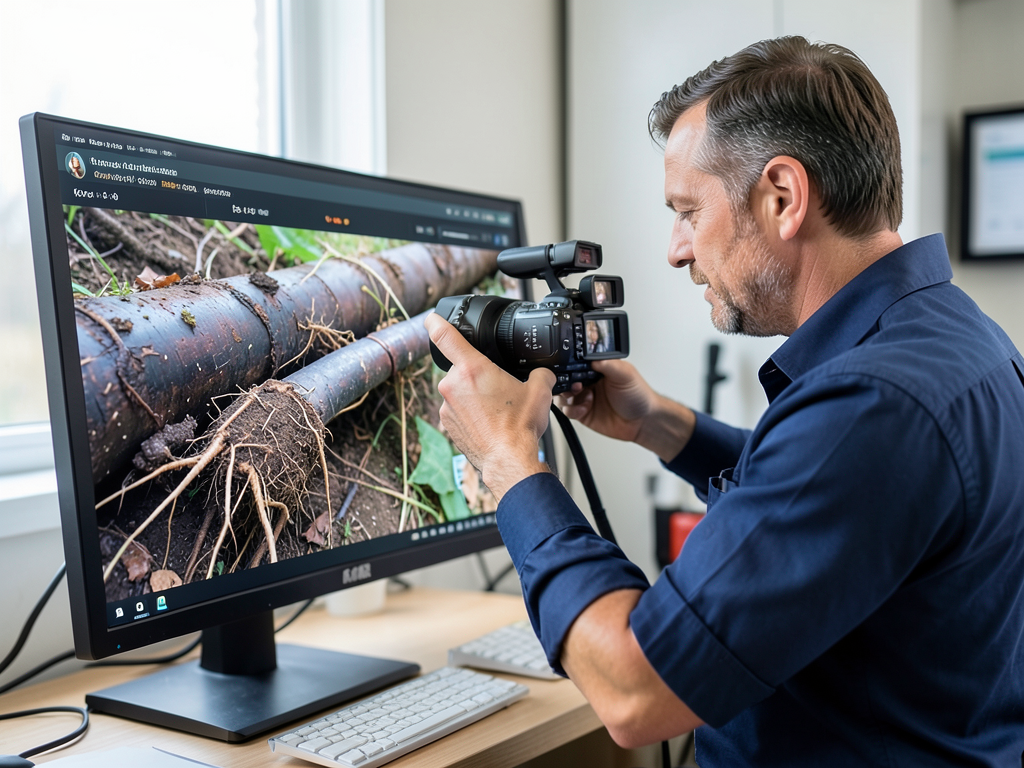
If you suspect wipes have already caused a clog in your sewer line you need professional diagnosis. A plumber can use a video camera to inspect your pipes and locate the exact position of the blockage. This technology allows for targeted repairs without unnecessary digging or demolition.
For minor clogs a professional snaking service may be sufficient. This involves feeding a flexible cable with a cutting head through your pipes to break up the blockage. However if wipes have accumulated extensively you may need hydro-jetting which uses high-pressure water to scour the inside of your pipes clean.
In Hikes Point the average cost for main line cleaning ranges from 350 to 600 depending on the severity and accessibility of the clog. Camera inspections typically add 200 to 300 to the job but provide valuable information about the condition of your entire sewer system.
The Environmental Impact You Should Know About
Beyond your home flushable wipes create environmental problems that affect the entire Louisville community. When these products enter the sewer system they can cause overflows that release untreated sewage into local waterways. The Ohio River which borders Jefferson County is particularly vulnerable to this type of pollution.
MSD has documented numerous sanitary sewer overflows in the past decade many of which were linked to wipe-related blockages. These events can harm aquatic life introduce harmful bacteria into recreational waters and create unpleasant conditions along the waterfront.
The plastic fibers in many wipes also persist in the environment long after they enter waterways. These microplastics can be ingested by fish and other wildlife potentially entering the food chain. By choosing truly flushable alternatives you help protect both your plumbing and the local ecosystem.
How to Prevent Future Clogs
Preventing wipe-related clogs starts with education. Make sure everyone in your household understands what can and cannot be flushed. A simple rule is to only flush the three Ps: pee poop and toilet paper. Everything else belongs in the trash.
Consider scheduling annual plumbing maintenance if your home is more than 30 years old. A professional inspection can identify potential issues before they become emergencies. Many Hikes Point plumbers offer camera inspections as part of their maintenance services which can catch root intrusions or pipe damage early.
If you have experienced repeat clogs consider having your sewer line evaluated for replacement. Modern PVC pipes are resistant to root intrusion and corrosion making them much less likely to trap wipes and other debris. While this is a significant investment it can save you thousands in future repairs.
The Cost of Ignoring the Problem
Ignoring wipe-related clogs can lead to catastrophic plumbing failures. A complete main line blockage can cause sewage to back up into your home creating a hazardous and expensive mess. Cleanup costs alone can run into thousands of dollars not to mention the damage to flooring walls and personal belongings.
In Hikes Point where many homes have finished basements the risk is even greater. A sewer backup can destroy drywall flooring and stored items in minutes. The emotional toll of dealing with sewage in your living space is significant and the process of remediation can take weeks.
Beyond the immediate damage repeated clogs can weaken your pipes over time. This can lead to leaks collapses and the need for complete sewer line replacement. The cost of a full replacement in Louisville typically ranges from 3000 to 7000 making prevention a much more economical choice. Backflow Prevention & Testing.
Local Resources and Regulations
Louisville Metro Government and MSD provide resources to help residents understand proper waste disposal. The MSD website offers guidelines on what not to flush and provides information on how to properly dispose of wipes and other non-dispersible products.
Local plumbing codes in Jefferson County require that all new construction use pipes that meet specific durability and joint integrity standards. However many older homes in Hikes Point were built before these codes existed leaving them more vulnerable to wipe-related problems.
If you experience repeated clogs your plumber may recommend a permit for sewer line repair or replacement. These permits ensure that work meets current code requirements and is inspected for quality. Always verify that your plumber is licensed in Kentucky and familiar with local regulations.
Frequently Asked Questions
Are flushable wipes really flushable?
No. Despite the labeling flushable wipes do not break down like toilet paper and are a leading cause of sewer clogs. They maintain their strength in water and can create blockages in your pipes and the municipal sewer system.
How many wipes does it take to clog a toilet?
Even a single wipe can start a clog especially in older pipes with existing issues. The problem compounds over time as more wipes are flushed and catch on pipe imperfections or root intrusions.
What should I do if I already flushed wipes?
If you have flushed wipes recently watch for signs of slow drainage or gurgling sounds. Consider having your sewer line inspected with a camera to check for early blockages. Stop flushing wipes immediately to prevent further buildup.
Are biodegradable wipes safer for plumbing?
Not necessarily. Many biodegradable wipes still contain synthetic fibers that do not break down quickly in plumbing systems. Always verify third-party dispersibility testing rather than relying on marketing claims.
How can I tell if my pipes are vulnerable to wipe clogs?
Homes built before 1970 with cast iron or clay pipes are most vulnerable. If you experience slow drainage have mature trees near your sewer line or live in an area with known infrastructure issues you should be cautious about flushing any non-toilet paper products.
Take Action Before It Is Too Late
If you have been using flushable wipes now is the time to stop. The damage may already be starting in your pipes and waiting will only make the problem worse. Hikes Point homeowners have already learned this lesson the hard way with costly emergency repairs and messy sewage backups.
Whether you need a camera inspection to check for existing clogs or want to schedule preventative maintenance do not wait until your drains stop working completely. The team at Victory Plumbing has been helping Louisville families since 2006 and understands the unique challenges of Hikes Point plumbing systems.
Pick up the phone and call (502) 370-2677 before the next storm hits or the next load of laundry creates a backup. Our experienced plumbers are ready to diagnose your system recommend the right solution and get your plumbing flowing freely again. Do not let flushable wipes flush your savings down the drain.
Call (502) 370-2677 today to schedule your inspection and protect your home from costly sewer line damage.
{
“@context”: “https://schema.org”,
“@type”: “BlogPosting”,
“headline”: “The Truth About Flushable Wipes and Why They Keep Clogging Pipes in Hikes Point”,
“description”: “Find out why flushable wipes are causing major sewer backups in Hikes Point homes and what Louisville plumbers recommend instead. Call (502) 370-2677 for help.”,
“wordCount”: 2259,
“datePublished”: “2026-06-06T10:07:00.000Z”,
“dateModified”: “2026-06-06T10:07:00.000Z”,
“inLanguage”: “en-US”,
“mainEntityOfPage”: {
“@type”: “WebPage”,
“@id”: “https://victoryplumbinglouisville.com”
},
“publisher”: {
“@type”: “LocalBusiness”,
“name”: “Victory Plumbing Louisville”,
“url”: “https://victoryplumbinglouisville.com”
},
“author”: {
“@type”: “Organization”,
“name”: “Victory Plumbing Louisville”,
“url”: “https://victoryplumbinglouisville.com”
},
“image”: {
“@type”: “ImageObject”,
“url”: “https://victoryplumbinglouisville.com/wp-content/uploads/2026/03/the-truth-about-flushable-wipes-and-why-they-keep-1.png”
}
}
{
“@context”: “https://schema.org”,
“@type”: “Plumber”,
“name”: “Victory Plumbing Louisville”,
“url”: “https://victoryplumbinglouisville.com”,
“address”: {
“@type”: “PostalAddress”,
“addressLocality”: “Louisville”
},
“areaServed”: {
“@type”: “City”,
“name”: “Louisville”
}
}
{
“@context”: “https://schema.org”,
“@type”: “FAQPage”,
“mainEntity”: [
{
“@type”: “Question”,
“name”: “Are flushable wipes really flushable?”,
“acceptedAnswer”: {
“@type”: “Answer”,
“text”: “No. Despite the labeling flushable wipes do not break down like toilet paper and are a leading cause of sewer clogs. They maintain their strength in water and can create blockages in your pipes and the municipal sewer system.”
}
},
{
“@type”: “Question”,
“name”: “How many wipes does it take to clog a toilet?”,
“acceptedAnswer”: {
“@type”: “Answer”,
“text”: “Even a single wipe can start a clog especially in older pipes with existing issues. The problem compounds over time as more wipes are flushed and catch on pipe imperfections or root intrusions.”
}
},
{
“@type”: “Question”,
“name”: “What should I do if I already flushed wipes?”,
“acceptedAnswer”: {
“@type”: “Answer”,
“text”: “If you have flushed wipes recently watch for signs of slow drainage or gurgling sounds. Consider having your sewer line inspected with a camera to check for early blockages. Stop flushing wipes immediately to prevent further buildup.”
}
},
{
“@type”: “Question”,
“name”: “Are biodegradable wipes safer for plumbing?”,
“acceptedAnswer”: {
“@type”: “Answer”,
“text”: “Not necessarily. Many biodegradable wipes still contain synthetic fibers that do not break down quickly in plumbing systems. Always verify third-party dispersibility testing rather than relying on marketing claims.”
}
},
{
“@type”: “Question”,
“name”: “How can I tell if my pipes are vulnerable to wipe clogs?”,
“acceptedAnswer”: {
“@type”: “Answer”,
“text”: “Homes built before 1970 with cast iron or clay pipes are most vulnerable. If you experience slow drainage have mature trees near your sewer line or live in an area with known infrastructure issues you should be cautious about flushing any non-toilet paper products.”
}
}
]
}
{
“@context”: “https://schema.org”,
“@type”: “BreadcrumbList”,
“itemListElement”: [
{
“@type”: “ListItem”,
“position”: 1,
“name”: “Home”,
“item”: “https://victoryplumbinglouisville.com”
},
{
“@type”: “ListItem”,
“position”: 2,
“name”: “Blog”,
“item”: “https://victoryplumbinglouisville.com/blog”
},
{
“@type”: “ListItem”,
“position”: 3,
“name”: “The Truth About Flushable Wipes and Why They Keep Clogging Pipes in Hikes Point”
}
]
}
{
“@context”: “https://schema.org”,
“@type”: “Service”,
“serviceType”: “Plumbing”,
“provider”: {
“@type”: “LocalBusiness”,
“name”: “Victory Plumbing Louisville”,
“url”: “https://victoryplumbinglouisville.com”
},
“areaServed”: {
“@type”: “City”,
“name”: “Louisville”
},
“description”: “Find out why flushable wipes are causing major sewer backups in Hikes Point homes and what Louisville plumbers recommend instead. Call (502) 370-2677 for help.”
}