
What Actually Happens When Your Main Water Line Needs to be Replaced in the South End
Water bubbling up in your front yard at 6 AM is never a good sign. If you’re in Louisville’s South End and facing a main water line break, you’re dealing with one of the most disruptive plumbing emergencies a homeowner can experience. The good news? Understanding what actually happens during a replacement can help you prepare and make informed decisions about your property. Louisville Metro MSD regulations.
The process involves more than just digging a trench and dropping in new pipe. From coordinating with Louisville Water Company to navigating local permits and choosing between traditional excavation or trenchless methods, each step affects your timeline, budget, and how quickly you can restore your yard. This guide walks you through exactly what to expect when your South End home needs a main water line replacement. Louisville Water Company service line information.
Signs Your Louisville Home Needs a Water Line Replacement
Before we dive into the replacement process, let’s identify what triggers this major project. In the South End’s older neighborhoods, water line failures often stem from aging galvanized steel or deteriorating copper pipes that have been underground for decades. The Cost of Tankless Water Heater Installation in Jeffersontown.
Common warning signs include:
- Sudden drops in water pressure throughout your home
- Unexplained wet spots or puddles in your yard that never dry up
- Significantly higher water bills without increased usage
- Muddy or discolored water coming from your taps
- The sound of running water when all fixtures are off
These symptoms indicate a break somewhere between your home’s main shut-off valve and the Louisville Water Company’s service connection at the street. In South End properties built before 1970, the culprit is often corrosion from Louisville’s slightly acidic water chemistry interacting with older metal pipes. Fixing Low Water Pressure in Your Crescent Hill Bungalow.
The Replacement Process: From Permit to Turn-On
Once you’ve confirmed a water line break, here’s what actually happens during a professional replacement. This process typically takes 1-3 days depending on weather, soil conditions, and whether you choose traditional or trenchless methods.
- Site Inspection and Utility Marking
A licensed plumber arrives to locate your main shut-off valve, identify the break point, and mark all underground utilities. Kentucky law requires calling 811 at least two business days before any excavation. The plumber will also coordinate with Louisville Water Company to verify service details.
- Permit Acquisition Through Louisville Metro/MSD
Jefferson County requires permits for any water line replacement. Your plumber submits documentation showing pipe specifications, excavation plans, and backflow prevention measures. MSD (Metropolitan Sewer District) reviews this to ensure compliance with local codes. How to Handle a Main Sewer Line Backup in Your St. Matthews Home.
- Excavation vs. Trenchless ‘Pipe Bursting’ Methods
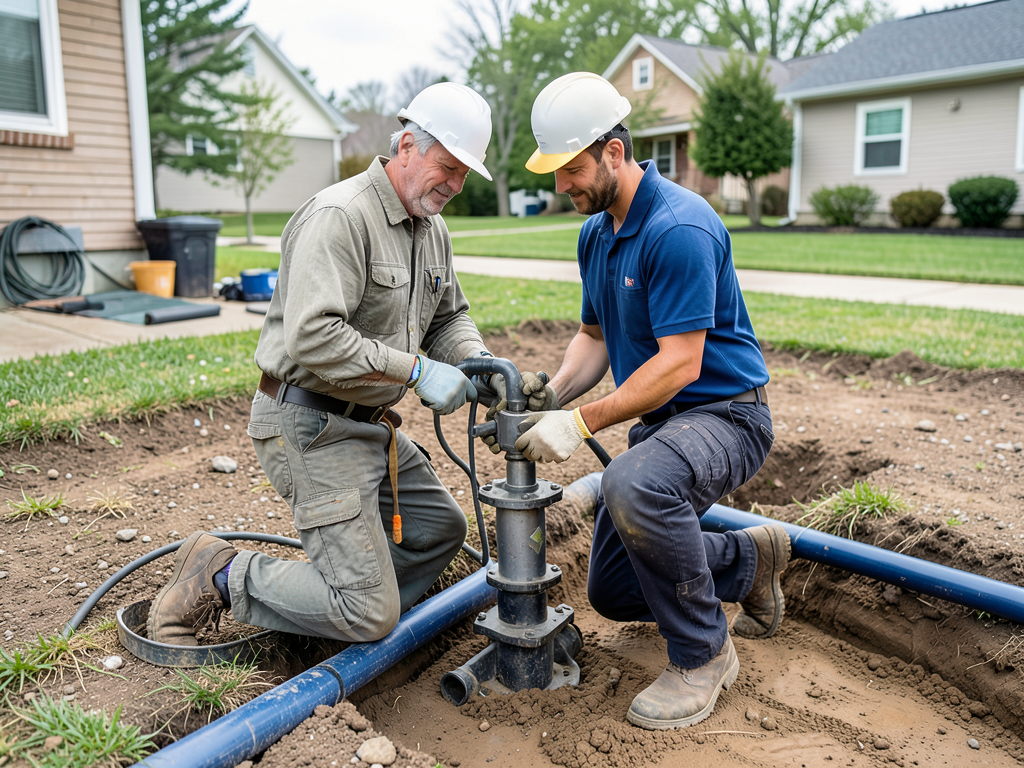
Traditional excavation involves digging a trench from your home to the street. Trenchless pipe bursting pulls a new pipe through the old one, breaking it apart underground. The choice affects your yard, timeline, and cost.
- Installation and Pressure Testing
The new pipe connects to your home’s main shut-off valve and the water meter pit at the street. Technicians then perform a hydrostatic pressure test to ensure the new line holds without leaks.
- City Inspection and Backfilling
Louisville Metro conducts a final inspection to verify code compliance. Once approved, the trench gets backfilled with clean material and compacted to prevent future settling.
IMAGE_PLACEHOLDER_1
Trenchless vs. Traditional Excavation
The choice between these methods significantly impacts your property and timeline. Here’s a detailed comparison to help you understand your options:
| Method | Cost Range | Duration | Impact on Louisville Landscaping |
|---|---|---|---|
| Traditional Excavation | $3,500 – $7,500 | 1-2 days | Complete trench across yard, requires full restoration |
| Trenchless Pipe Bursting | $5,000 – $9,000 | 1-3 days | Small access pits at each end, minimal yard disruption |
Traditional excavation works well for straight, accessible runs under open lawn. However, many South End properties have mature trees, established landscaping, or narrow side yards where trenchless methods shine. The pipe bursting technique uses hydraulic force to break apart the old pipe while simultaneously pulling the new pipe through the same path.
South End homeowners often prefer trenchless when dealing with:
- Landscaping with mature trees or expensive plantings
- Sidewalks or driveways that would need demolition
- Properties with limited equipment access
- Historical homes where preserving original features matters
The Kentucky State Plumbing Code (KRS 227) requires all new water service lines to be pressure-tested and inspected, regardless of installation method. Your plumber should provide documentation of both tests for your records. 24/7 Emergency Plumbing Services.
Local Factors: Soil, Weather, and Regulations
Louisville’s unique geography creates specific challenges for water line replacement. The South End sits on a mix of clay-heavy soil and limestone bedrock that affects both excavation difficulty and pipe longevity.
IMAGE_PLACEHOLDER_2
Key local considerations include:
- Soil Composition: Louisville’s clay soil expands when wet and contracts when dry, putting stress on underground pipes. This expansion can cause pipes to shift or crack over time.
- Frost Line Requirements: Kentucky’s frost line depth is 12-18 inches. All new water lines must be buried below this level to prevent freezing, as specified in the Louisville Metro Plumbing Code.
- Limestone Bedrock: Some South End properties sit atop limestone formations that can complicate trenchless operations. The rock may require specialized equipment or slight route adjustments.
- MSD Regulations: The Metropolitan Sewer District requires backflow prevention devices on all new water service lines to prevent contamination of the public water supply.
Weather also plays a crucial role. Louisville’s freeze-thaw cycles in winter can cause soil movement that damages newly installed pipes if they’re not properly bedded. Summer thunderstorms can flood excavation sites, extending project timelines.
Your plumber should also verify whether your property has any lead service lines. Louisville Water Company has been replacing lead lines on public property, but private-side replacements remain the homeowner’s responsibility under the Lead Service Line Replacement program.
Restoration and What to Expect After Installation
Once your new water line passes inspection and gets backfilled, the restoration process begins. This phase is often overlooked but crucial for getting your property back to normal.
For traditional excavation, restoration typically includes:
- Backfilling the trench with clean, compacted material
- Grading to ensure proper drainage away from your foundation
- Sodding or seeding bare areas
- Repairing any damaged sidewalks or driveways
Trenchless methods leave much smaller footprints but still require some restoration:
- Backfilling and compacting access pits
- Reseeding disturbed areas
- Repairing any surface damage to driveways or walkways
Most homeowners see their yards return to normal within 4-6 weeks after traditional excavation and 2-3 weeks after trenchless work. Louisville’s growing season affects how quickly grass establishes, so timing your replacement for spring or early fall often yields better results.
Don’t forget to test your new system after restoration. Run all fixtures, check for leaks, and monitor your water meter for unusual activity. Most reputable plumbers provide a warranty on both materials and workmanship.
Frequently Asked Questions
How long does a main water line replacement take in Louisville?
Most replacements take 1-3 days total, including permits, excavation, installation, testing, and inspection. Weather and soil conditions can extend this timeline.
Will my homeowner’s insurance cover water line replacement?
Standard policies typically don’t cover water line replacement unless the damage results from a covered peril like a tree falling on the line. Check your policy or contact your agent for specifics.
What pipe material should I choose for my new water line?
PEX (cross-linked polyethylene) and copper are most common. PEX resists corrosion and handles Louisville’s soil conditions well. Copper lasts longer but costs more. Your plumber can recommend based on your specific situation.
Do I need to be home during the replacement?
You don’t need to be present the entire time, but someone over 18 should be available for the initial setup and final inspection. The water will be shut off during installation, so plan accordingly.
How much does main water line replacement cost in the South End?
Costs range from $3,500 to $9,000 depending on method, pipe length, and site conditions. Trenchless methods cost more upfront but save on restoration expenses.
Call (502) 370-2677 Before the Next Storm Hits
Water line breaks don’t wait for convenient timing. If you’re seeing warning signs or already dealing with a leak in your South End home, don’t let the problem escalate. Our licensed Louisville plumbers understand the unique challenges of replacing water lines in this area’s older neighborhoods.
We’ll assess your situation, explain your options clearly, and handle all permits and inspections. Whether you need traditional excavation or trenchless pipe bursting, we’ll restore your water service quickly while minimizing disruption to your property.
Pick up the phone and call (502) 370-2677 today. Let’s get your water flowing reliably again before the next heavy rain or freeze-thaw cycle causes further damage.
You may also find this helpful. Plumbing Essentials for Converting Your Backyard Shed into a Home Office or Guest Suite in Clifton.
{
“@context”: “https://schema.org”,
“@type”: “BlogPosting”,
“headline”: “What Actually Happens When Your Main Water Line Needs to be Replaced in the South End”,
“description”: “Discover the step-by-step process of main water line replacement in Louisville’s South End. Learn about trenchless options, local permits, and how to restore your yard.”,
“wordCount”: 1465,
“datePublished”: “2026-06-05T08:56:00.000Z”,
“dateModified”: “2026-06-05T08:56:00.000Z”,
“inLanguage”: “en-US”,
“mainEntityOfPage”: {
“@type”: “WebPage”,
“@id”: “https://victoryplumbinglouisville.com”
},
“publisher”: {
“@type”: “LocalBusiness”,
“name”: “Victory Plumbing Louisville”,
“url”: “https://victoryplumbinglouisville.com”
},
“author”: {
“@type”: “Organization”,
“name”: “Victory Plumbing Louisville”,
“url”: “https://victoryplumbinglouisville.com”
},
“image”: {
“@type”: “ImageObject”,
“url”: “https://victoryplumbinglouisville.com/wp-content/uploads/2026/03/what-actually-happens-when-your-main-water-line-ne-1.png”
}
}
{
“@context”: “https://schema.org”,
“@type”: “Plumber”,
“name”: “Victory Plumbing Louisville”,
“url”: “https://victoryplumbinglouisville.com”,
“address”: {
“@type”: “PostalAddress”,
“addressLocality”: “Louisville”
},
“areaServed”: {
“@type”: “City”,
“name”: “Louisville”
}
}
{
“@context”: “https://schema.org”,
“@type”: “FAQPage”,
“mainEntity”: [
{
“@type”: “Question”,
“name”: “How long does a main water line replacement take in Louisville?”,
“acceptedAnswer”: {
“@type”: “Answer”,
“text”: “Most replacements take 1-3 days total, including permits, excavation, installation, testing, and inspection. Weather and soil conditions can extend this timeline.”
}
},
{
“@type”: “Question”,
“name”: “Will my homeowner’s insurance cover water line replacement?”,
“acceptedAnswer”: {
“@type”: “Answer”,
“text”: “Standard policies typically don’t cover water line replacement unless the damage results from a covered peril like a tree falling on the line. Check your policy or contact your agent for specifics.”
}
},
{
“@type”: “Question”,
“name”: “What pipe material should I choose for my new water line?”,
“acceptedAnswer”: {
“@type”: “Answer”,
“text”: “PEX (cross-linked polyethylene) and copper are most common. PEX resists corrosion and handles Louisville’s soil conditions well. Copper lasts longer but costs more. Your plumber can recommend based on your specific situation.”
}
},
{
“@type”: “Question”,
“name”: “Do I need to be home during the replacement?”,
“acceptedAnswer”: {
“@type”: “Answer”,
“text”: “You don’t need to be present the entire time, but someone over 18 should be available for the initial setup and final inspection. The water will be shut off during installation, so plan accordingly.”
}
},
{
“@type”: “Question”,
“name”: “How much does main water line replacement cost in the South End?”,
“acceptedAnswer”: {
“@type”: “Answer”,
“text”: “Costs range from $3,500 to $9,000 depending on method, pipe length, and site conditions. Trenchless methods cost more upfront but save on restoration expenses.”
}
}
]
}
{
“@context”: “https://schema.org”,
“@type”: “HowTo”,
“name”: “Main Water Line Replacement Process”,
“step”: [
{
“@type”: “HowToStep”,
“position”: 1,
“name”: “Site Inspection and Utility Marking”,
“text”: “A licensed plumber arrives to locate your main shut-off valve, identify the break point, and mark all underground utilities. Kentucky law requires calling 811 at least two business days before any excavation. The plumber will also coordinate with Louisville Water Company to verify service details.”
},
{
“@type”: “HowToStep”,
“position”: 2,
“name”: “Permit Acquisition Through Louisville Metro/MSD”,
“text”: “Jefferson County requires permits for any water line replacement. Your plumber submits documentation showing pipe specifications, excavation plans, and backflow prevention measures. MSD (Metropolitan Sewer District) reviews this to ensure compliance with local codes. How to Handle a Main Sewer Line Backup in Your St. Matthews Home.”
},
{
“@type”: “HowToStep”,
“position”: 3,
“name”: “Excavation vs. Trenchless ‘Pipe Bursting’ Methods”,
“text”: “Traditional excavation involves digging a trench from your home to the street. Trenchless pipe bursting pulls a new pipe through the old one, breaking it apart underground. The choice affects your yard, timeline, and cost.”
},
{
“@type”: “HowToStep”,
“position”: 4,
“name”: “Installation and Pressure Testing”,
“text”: “The new pipe connects to your home’s main shut-off valve and the water meter pit at the street. Technicians then perform a hydrostatic pressure test to ensure the new line holds without leaks.”
},
{
“@type”: “HowToStep”,
“position”: 5,
“name”: “City Inspection and Backfilling”,
“text”: “Louisville Metro conducts a final inspection to verify code compliance. Once approved, the trench gets backfilled with clean material and compacted to prevent future settling.”
}
],
“image”: “https://victoryplumbinglouisville.com/wp-content/uploads/2026/03/what-actually-happens-when-your-main-water-line-ne-1.png”
}
{
“@context”: “https://schema.org”,
“@type”: “BreadcrumbList”,
“itemListElement”: [
{
“@type”: “ListItem”,
“position”: 1,
“name”: “Home”,
“item”: “https://victoryplumbinglouisville.com”
},
{
“@type”: “ListItem”,
“position”: 2,
“name”: “Blog”,
“item”: “https://victoryplumbinglouisville.com/blog”
},
{
“@type”: “ListItem”,
“position”: 3,
“name”: “What Actually Happens When Your Main Water Line Needs to be Replaced in the South End”
}
]
}
{
“@context”: “https://schema.org”,
“@type”: “Service”,
“serviceType”: “Plumbing”,
“provider”: {
“@type”: “LocalBusiness”,
“name”: “Victory Plumbing Louisville”,
“url”: “https://victoryplumbinglouisville.com”
},
“areaServed”: {
“@type”: “City”,
“name”: “Louisville”
},
“description”: “Discover the step-by-step process of main water line replacement in Louisville’s South End. Learn about trenchless options, local permits, and how to restore your yard.”
}