
When to Call a Pro for a Clogged Drain Instead of Using Chemicals in Your Highlands Apartment
Your kitchen sink is backing up again. You see that familiar bottle of drain cleaner on the shelf and think it’s the quick fix you need. But before you pour those chemicals down your Highlands apartment drain, you need to know what’s really happening inside your pipes.
Chemical drain cleaners might seem like an easy solution but they can cause serious damage to your plumbing system especially in older Louisville neighborhoods. The corrosive ingredients can eat away at pipes create toxic fumes and leave you with a bigger problem than you started with. Understanding when to call a professional plumber instead of reaching for chemicals could save you hundreds or even thousands of dollars in repairs. EPA information on drain cleaner safety.
How Chemical Drain Cleaners Actually Work (And Why They Fail)
Chemical drain cleaners use three main types of active ingredients: caustic (like sodium hydroxide), oxidizing (like bleach), or acidic (like sulfuric acid). These chemicals generate heat through chemical reactions to break down organic matter like hair, grease, and food particles.
The heat and chemical reaction can dissolve clogs temporarily but they also attack your pipes. In Louisville’s older Highlands homes with cast iron or galvanized steel pipes, this corrosion happens much faster than manufacturers admit. The chemicals create microscopic pits in the pipe walls that weaken the structure over time.
When chemicals fail to clear a clog, they often leave behind a hardened residue that’s harder to remove than the original blockage. This creates a cycle where homeowners keep pouring more chemicals down the drain, causing cumulative damage that leads to leaks or complete pipe failure.
The Hidden Danger: When a plumber eventually has to snake or hydro-jet a drain that’s been treated with chemicals, they risk chemical splashback that can cause severe burns or respiratory issues. This safety hazard is why many Louisville plumbers refuse to work on chemically-treated drains without proper protective equipment.
The Dangers of Sodium Hydroxide and Sulfuric Acid on Pipes
Sodium hydroxide (lye) generates extreme heat when it contacts water. In PVC pipes common in newer Louisville apartments, this heat can warp and soften the plastic. The chemical also creates a saponification reaction with grease, turning it into a soap-like substance that can re-solidify deeper in your plumbing system. The Cost of Tankless Water Heater Installation in Jeffersontown.
Sulfuric acid drain cleaners work differently but are equally destructive. They produce hydrogen gas and heat that can cause PVC pipes to melt or crack. In cast iron pipes found in many Old Louisville and Highlands historic homes, sulfuric acid creates sulfuric compounds that accelerate rust and corrosion.
The Kentucky State Plumbing Code (Section 815.5) specifically warns against using chemical cleaners in plumbing systems because they can damage pipes, seals, and fixtures. Many Louisville plumbers have seen cases where chemical damage voided manufacturer warranties on new plumbing fixtures. 24/7 Emergency Plumbing Services.
Real-World Example: A Victory Plumbing technician recently inspected a 1920s Highlands bungalow where the homeowner had used chemical cleaners monthly for five years. The cast iron main drain line had thinned from 1/4 inch to less than 1/8 inch in diameter, creating multiple weak spots that required complete replacement.
The Professional Alternative: Snaking and Hydro-Jetting Explained
Professional drain cleaning uses mechanical methods that remove clogs without damaging your pipes. Drain snaking involves inserting a flexible steel cable with an auger tip into the drain. The cable breaks up clogs and scrapes the pipe walls clean without chemicals.
Hydro-jetting takes this further by using high-pressure water (up to 4,000 PSI) to blast away clogs, grease, and mineral buildup. This method is particularly effective for Louisville’s hard water areas where mineral scale accumulates inside pipes. Fixing Low Water Pressure in Your Crescent Hill Bungalow.
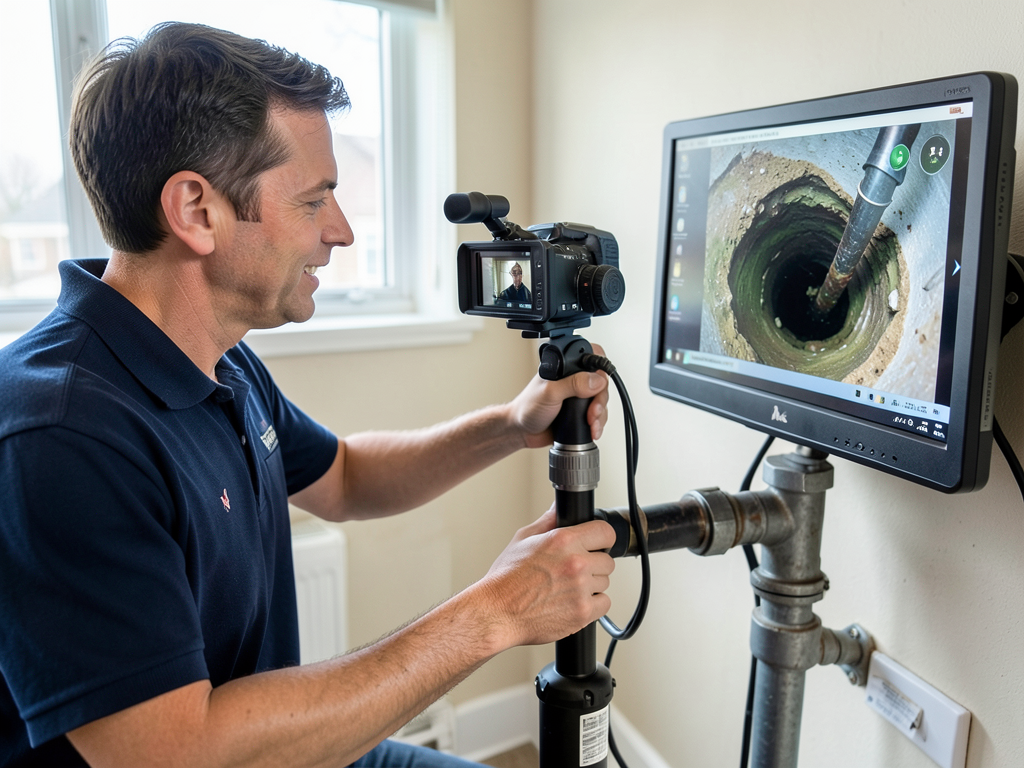
Before any cleaning begins, professional plumbers use video camera inspection to identify the exact location and nature of the clog. This diagnostic step prevents unnecessary work and ensures the right tool is used for your specific situation.
The Victory Plumbing Process: We start with a camera inspection to see what’s really happening in your pipes. Then we choose between snaking for simple clogs or hydro-jetting for severe blockages or grease buildup. This targeted approach means we fix the problem without causing damage.
Head-to-Head Comparison: Cost, Safety, and Long-Term Results
| Method | Initial Cost | Safety Risk | Long-Term Impact | Effectiveness |
|---|---|---|---|---|
| Chemical Cleaner | $5-15 | High (burns, fumes) | Pipe corrosion, recurring clogs | 50-70% |
| Drain Snaking | $150-300 | Low (professional equipment) | Preserves pipe integrity | 85-95% |
| Hydro-Jetting | $300-500 | Low (professional equipment) | Restores pipe to like-new condition | 95-100% |
The upfront cost difference is significant but consider this: a $15 bottle of chemical cleaner might need to be used multiple times per year. Over five years, that’s $300-500 spent on temporary fixes that damage your pipes. One professional cleaning could solve the problem permanently.. Read more about Everything You Should Consider Before Installing a Bidet in Your Deer Park Bathroom.
Hydro-jetting also removes the scale and buildup that narrows your pipes over time. This restoration can improve water flow and prevent future clogs, something chemicals cannot accomplish.. Read more about Why Water Keeps Pooling at the Bottom of Your Dishwasher in Valley Station.
When to Call a Louisville Plumber Immediately
Not every clog requires emergency service, but certain situations demand immediate professional attention. Call a plumber right away if you notice multiple drains backing up simultaneously. This usually indicates a main sewer line blockage that affects your entire plumbing system. How to Handle a Main Sewer Line Backup in Your St. Matthews Home.
Gurgling sounds from drains or toilets when other fixtures are used suggest air trapped in the pipes due to a partial blockage. This is especially common in Louisville’s older neighborhoods where tree roots infiltrate sewer lines through tiny cracks.
Water backing up into other fixtures is a serious warning sign. For example, if your toilet overflows when you run the washing machine, you have a main line blockage that requires immediate attention.
Emergency Indicators:
- Multiple fixtures backing up at once
- Gurgling sounds from drains
- Water backing up into other fixtures
- Sewer odors coming from drains
- Standing water around cleanout caps
In Louisville’s humid climate, standing water from sewer backups creates ideal conditions for mold growth within 24-48 hours. This makes fast response critical for preventing additional damage to your home.
Protecting Louisville’s Older Plumbing Systems
Louisville’s historic neighborhoods like the Highlands, Old Louisville, and Crescent Hill feature plumbing systems that are 50-100 years old. These systems were built with materials and standards that don’t match today’s demands.
Cast iron pipes, common in homes built before 1970, corrode from the inside out. The corrosion creates rough surfaces that catch debris and form stubborn clogs. Chemical cleaners accelerate this process by widening existing pits and creating new ones.
Galvanized steel pipes, found in many St. Matthews and Jeffersontown homes from the 1950s-60s, develop internal rust buildup that narrows the pipe diameter over time. This makes them particularly vulnerable to chemical damage that can cause sudden leaks.
Louisville-Specific Issue: The Ohio River’s hard water contributes to mineral scale buildup in pipes throughout the metro area. This scale combines with grease and debris to create clogs that chemicals cannot effectively dissolve.
The Louisville Water Company reports that local water contains 150-200 parts per million of dissolved minerals. This hardness level is significantly higher than the national average, making scale buildup a constant challenge for local homeowners.. Read more about Solving Constant Bathroom Mold and Moisture Issues in Your Belknap Home.
Safe DIY Alternatives That Actually Work
Before calling a plumber, try these safe methods that won’t damage your pipes. A plunger works surprisingly well for sink clogs when used correctly. Cover the overflow opening with a wet rag to create proper suction, then plunge vigorously for 30 seconds.
Boiling water can dissolve grease clogs in kitchen sinks. Heat a large pot of water to boiling and pour it slowly down the drain in stages, waiting a few seconds between pours. This method works best for recent grease buildup.
Baking soda and vinegar create a mild chemical reaction that can help break up minor clogs. Pour 1/2 cup baking soda down the drain, followed by 1/2 cup white vinegar. Cover the drain and let it sit for 15 minutes, then flush with hot water.
Zip-it tools are inexpensive plastic strips with barbs that can pull hair and debris from bathroom sink and shower drains. These work well for surface-level clogs without requiring any chemicals.
Important Safety Note: Never mix different chemical cleaners or use these DIY methods after applying commercial drain cleaners. The resulting reactions can produce toxic gases or cause violent eruptions that can injure you.
The Environmental Impact of Chemical Drain Cleaners
When you pour chemical drain cleaners down your sink, they don’t just disappear. These chemicals enter Louisville’s municipal sewer system and eventually make their way to the Ohio River. The Metropolitan Sewer District (MSD) reports that household chemicals are a significant source of water pollution in our area. MSD Louisville household chemical guidelines.
Sodium hydroxide and sulfuric acid are highly alkaline or acidic substances that can disrupt the bacterial balance in wastewater treatment plants. These bacteria are essential for breaking down organic waste, and chemical interference reduces treatment efficiency.
The MSD has documented cases where chemical cleaners killed beneficial bacteria in treatment facilities, leading to incomplete waste processing and higher levels of pollutants in discharged water. This affects not just the Ohio River ecosystem but also the quality of water returned to the municipal supply.
Local Impact: The Ohio River supports over 150 species of fish and provides drinking water for millions of people. Chemical pollutants from household drains contribute to the river’s ongoing water quality challenges, affecting everything from recreational use to commercial fishing.
Understanding Your Highlands Apartment Plumbing
Highlands apartments often feature unique plumbing configurations that affect how clogs develop and how they should be treated. Many buildings have shared vent stacks that can cause problems to spread between units if not addressed properly.
Older apartment buildings may have original plumbing that’s been modified over decades. These patchwork systems can have unexpected connections, dead ends, or deteriorating sections that make DIY solutions ineffective.
The age of your building matters significantly. Apartments in converted Victorian homes or early 20th century buildings likely have cast iron or galvanized pipes that are much more vulnerable to chemical damage than modern PVC systems.
Building-Specific Factors:
- Shared vent stacks can spread problems between units
- Converted buildings may have modified plumbing
- Age of pipes affects vulnerability to chemicals
- Apartment layouts can make access difficult
Before attempting any drain cleaning in a multi-unit building, check your lease agreement or building rules. Some Louisville apartment complexes prohibit tenants from using chemical cleaners or attempting plumbing repairs due to liability concerns.
Cost-Benefit Analysis: When Professional Service Makes Financial Sense
Let’s break down the real costs of chemical vs. professional drain cleaning over a five-year period. Chemical cleaners seem cheaper at $15 per bottle but most clogs require multiple applications and the chemicals often fail to solve the underlying problem.
Professional snaking at $200 might seem expensive for a single service, but it typically includes a camera inspection that identifies the root cause of recurring clogs. This diagnostic step can prevent future problems and extend the life of your plumbing system.
Hydro-jetting at $400-500 provides the most comprehensive cleaning and can restore pipes to near-original condition. While this is the most expensive option upfront, it often eliminates the need for repeated service calls.
Five-Year Cost Comparison:
- Chemical Cleaners: $300-500 (assuming 2-3 bottles per year)
- Snaking Service: $1,000-1,500 (assuming 1-2 service calls)
- Hydro-Jetting: $400-500 (one-time service)
When you factor in the potential cost of pipe replacement due to chemical damage ($2,000-10,000 for main line replacement), professional cleaning becomes the most economical choice for recurring clogs.
Victory Plumbing’s Approach to Drain Cleaning in Louisville
At Victory Plumbing, we understand the unique challenges of Louisville’s plumbing systems. Our technicians are trained to identify the specific pipe materials and configurations common in local homes and apartments, allowing us to choose the safest and most effective cleaning method.
We use state-of-the-art video inspection equipment to see exactly what’s happening inside your pipes before we begin any work. This technology allows us to diagnose problems accurately and recommend the most cost-effective solution.
Our hydro-jetting equipment is calibrated specifically for Louisville’s water conditions and pipe materials. We adjust pressure settings based on pipe age, material, and condition to ensure thorough cleaning without damage.
Why Local Experience Matters: Louisville’s unique combination of historic architecture, hard water, and aging infrastructure requires specialized knowledge. A plumber from out of state might not recognize the warning signs of pipe failure common in our area.
Frequently Asked Questions
Can I use chemical drain cleaners if I have PVC pipes?
While PVC pipes are more resistant to chemical damage than metal pipes, frequent use of chemical cleaners can still cause problems. The heat generated by chemical reactions can warp PVC, and the chemicals can damage the pipe joints and seals. For PVC pipes, mechanical cleaning methods are always safer and more effective.
How do I know if my clog is in the main sewer line or a secondary drain?
If only one fixture is clogged (like your kitchen sink), the problem is likely in that secondary line. If multiple fixtures are backing up simultaneously or if water backs up in one fixture when you use another, you probably have a main sewer line blockage. Professional camera inspection is the only way to know for sure.
Are enzymatic drain cleaners safer than chemical ones?
Enzymatic cleaners use bacteria and enzymes to break down organic matter and are much safer for pipes than chemical cleaners. However, they work slowly (often taking 24 hours or more) and are only effective on organic clogs like hair and grease. They won’t dissolve mineral scale or foreign objects.
What should I do if I already used chemical drain cleaner and it didn’t work?
Don’t try to snake the drain yourself after using chemicals. The chemicals can splash back and cause severe burns. Instead, call a professional plumber who has the proper protective equipment and knows how to handle chemically-treated drains safely. Be sure to tell them what chemicals you used.
How often should I have my drains professionally cleaned?
For most Louisville homes, professional drain cleaning every 1-2 years is sufficient as preventive maintenance. However, if you have recurring clogs, older pipes, or hard water, you might need service more frequently. A plumber can recommend a schedule based on your specific situation after inspecting your system.
Call (502) 370-2677 Today to Schedule Your Drain Inspection
Don’t let a simple clog turn into a major plumbing emergency. Victory Plumbing offers fast, professional drain cleaning throughout Louisville including the Highlands, St. Matthews, and surrounding areas. Our experienced technicians will diagnose your problem accurately and recommend the safest, most cost-effective solution.
We understand that plumbing problems don’t wait for convenient times. That’s why we offer flexible scheduling and emergency service when you need it most. Whether you’re dealing with a stubborn kitchen sink clog or suspect a main line blockage, we have the tools and expertise to solve your problem quickly.
Pick up the phone and call (502) 370-2677 before that minor clog becomes a major headache. Our team is standing by to help you protect your plumbing system and avoid the costly damage that chemical cleaners can cause.
Victory Plumbing – Serving Louisville’s Plumbing Needs Since 2010. Licensed, insured, and ready to help you with all your drain cleaning needs. Why Your Prospect Home Needs a Whole House Water Filtration System.
You may also find this helpful. How to Keep Your Garbage Disposal from Smelling in Your Bonnycastle Kitchen.
You may also find this helpful. Moving to Fern Creek — What You Need to Know About Maintaining a Septic System.
You may also find this helpful. Caring for the Vintage Radiator System in Your Highlands Douglass Home.
{
“@context”: “https://schema.org”,
“@type”: “BlogPosting”,
“headline”: “When to Call a Pro for a Clogged Drain Instead of Using Chemicals in Your Highlands Apartment”,
“description”: “Learn when DIY drain chemicals damage your Highlands pipes. Discover safer alternatives and when to call Victory Plumbing for fast professional drain cleaning in Louisville.”,
“wordCount”: 2571,
“datePublished”: “2026-03-22T07:37:00.000Z”,
“dateModified”: “2026-03-22T07:37:00.000Z”,
“inLanguage”: “en-US”,
“mainEntityOfPage”: {
“@type”: “WebPage”,
“@id”: “https://victoryplumbinglouisville.com”
},
“publisher”: {
“@type”: “LocalBusiness”,
“name”: “Victory Plumbing Louisville”,
“url”: “https://victoryplumbinglouisville.com”
},
“author”: {
“@type”: “Organization”,
“name”: “Victory Plumbing Louisville”,
“url”: “https://victoryplumbinglouisville.com”
},
“image”: {
“@type”: “ImageObject”,
“url”: “https://victoryplumbinglouisville.com/wp-content/uploads/2026/03/when-to-call-a-pro-for-a-clogged-drain-instead-of-1.png”
}
}
{
“@context”: “https://schema.org”,
“@type”: “Plumber”,
“name”: “Victory Plumbing Louisville”,
“url”: “https://victoryplumbinglouisville.com”,
“address”: {
“@type”: “PostalAddress”,
“addressLocality”: “Louisville”
},
“areaServed”: {
“@type”: “City”,
“name”: “Louisville”
}
}
{
“@context”: “https://schema.org”,
“@type”: “FAQPage”,
“mainEntity”: [
{
“@type”: “Question”,
“name”: “Can I use chemical drain cleaners if I have PVC pipes?”,
“acceptedAnswer”: {
“@type”: “Answer”,
“text”: “While PVC pipes are more resistant to chemical damage than metal pipes, frequent use of chemical cleaners can still cause problems. The heat generated by chemical reactions can warp PVC, and the chemicals can damage the pipe joints and seals. For PVC pipes, mechanical cleaning methods are always safer and more effective.”
}
},
{
“@type”: “Question”,
“name”: “How do I know if my clog is in the main sewer line or a secondary drain?”,
“acceptedAnswer”: {
“@type”: “Answer”,
“text”: “If only one fixture is clogged (like your kitchen sink), the problem is likely in that secondary line. If multiple fixtures are backing up simultaneously or if water backs up in one fixture when you use another, you probably have a main sewer line blockage. Professional camera inspection is the only way to know for sure.”
}
},
{
“@type”: “Question”,
“name”: “Are enzymatic drain cleaners safer than chemical ones?”,
“acceptedAnswer”: {
“@type”: “Answer”,
“text”: “Enzymatic cleaners use bacteria and enzymes to break down organic matter and are much safer for pipes than chemical cleaners. However, they work slowly (often taking 24 hours or more) and are only effective on organic clogs like hair and grease. They won’t dissolve mineral scale or foreign objects.”
}
},
{
“@type”: “Question”,
“name”: “What should I do if I already used chemical drain cleaner and it didn’t work?”,
“acceptedAnswer”: {
“@type”: “Answer”,
“text”: “Don’t try to snake the drain yourself after using chemicals. The chemicals can splash back and cause severe burns. Instead, call a professional plumber who has the proper protective equipment and knows how to handle chemically-treated drains safely. Be sure to tell them what chemicals you used.”
}
},
{
“@type”: “Question”,
“name”: “How often should I have my drains professionally cleaned?”,
“acceptedAnswer”: {
“@type”: “Answer”,
“text”: “For most Louisville homes, professional drain cleaning every 1-2 years is sufficient as preventive maintenance. However, if you have recurring clogs, older pipes, or hard water, you might need service more frequently. A plumber can recommend a schedule based on your specific situation after inspecting your system.”
}
}
]
}
{
“@context”: “https://schema.org”,
“@type”: “BreadcrumbList”,
“itemListElement”: [
{
“@type”: “ListItem”,
“position”: 1,
“name”: “Home”,
“item”: “https://victoryplumbinglouisville.com”
},
{
“@type”: “ListItem”,
“position”: 2,
“name”: “Blog”,
“item”: “https://victoryplumbinglouisville.com/blog”
},
{
“@type”: “ListItem”,
“position”: 3,
“name”: “When to Call a Pro for a Clogged Drain Instead of Using Chemicals in Your Highlands Apartment”
}
]
}
{
“@context”: “https://schema.org”,
“@type”: “Service”,
“serviceType”: “Plumbing”,
“provider”: {
“@type”: “LocalBusiness”,
“name”: “Victory Plumbing Louisville”,
“url”: “https://victoryplumbinglouisville.com”
},
“areaServed”: {
“@type”: “City”,
“name”: “Louisville”
},
“description”: “Learn when DIY drain chemicals damage your Highlands pipes. Discover safer alternatives and when to call Victory Plumbing for fast professional drain cleaning in Louisville.”
}