




Menu

Low Water Pressure Issues in Louisville – Expert Diagnosis and Permanent Fixes for Weak Flow

Victory Plumbing Louisville identifies the root cause of poor water pressure and decreased water flow in your home, from corroded pipes to pressure regulator failures, delivering lasting solutions backed by local expertise.

Slider Image 1
Slider Image 2
Slider Image 3
Slider Image 4
Slider Image 5
Slider Image 7
Slider Image 8
Slider Image 9
Slider Image 10
Slider Image 11

Why Louisville Homes Experience Persistent Water Pressure Problems

You turn on the shower and wait. The faucet trickles. The dishwasher takes twice as long. Weak water pressure disrupts your morning routine and makes simple tasks frustrating.

Louisville's aging infrastructure contributes directly to these issues. Many homes in the Highlands, Old Louisville, and surrounding neighborhoods were built between the 1920s and 1950s. Original galvanized steel pipes corrode from the inside over decades, restricting flow. The Louisville Water Company maintains excellent quality at the main line, but the journey from street to fixture exposes vulnerabilities.

Clay soil throughout Jefferson County shifts with seasonal moisture changes. This movement can stress underground supply lines, creating pinch points or microfractures that reduce pressure. The freeze-thaw cycles we experience, particularly in January and February, exacerbate these stresses.

Poor water pressure rarely fixes itself. The loss of water pressure you notice at one fixture today often signals a system-wide problem developing in your walls. Mineral buildup from hard water compounds the issue. Louisville's water hardness averages 120-180 parts per million, enough to create scale deposits inside pipes and fixture aerators over time.

Decreased water pressure also masks other problems. A failing pressure regulator can drop your home's pressure from the street supply of 60-80 PSI down to 30 PSI or lower. Hidden leaks in slab foundations or crawl spaces divert water before it reaches your fixtures. Identifying the actual cause requires methodical testing and local knowledge of how Louisville's older plumbing systems behave under stress.

Why Louisville Homes Experience Persistent Water Pressure Problems
How We Isolate and Eliminate the Source of Low Water Flow

How We Isolate and Eliminate the Source of Low Water Flow

Guessing wastes your time and money. We use a systematic diagnostic approach that pinpoints exactly where your pressure drops.

First, we test static pressure at the main shutoff valve using a calibrated gauge. This establishes your baseline pressure from the street. If pressure reads normal here but drops at fixtures, the problem lies within your distribution system. If pressure reads low at the main, we check your pressure reducing valve.

Next, we isolate zones. We close individual fixture shutoffs and branch valves to determine if the pressure loss affects the whole house or specific areas. Hot water pressure problems often trace back to the water heater, where sediment buildup or a failing dip tube restricts flow. Cold water issues point to supply line problems or the main PRV.

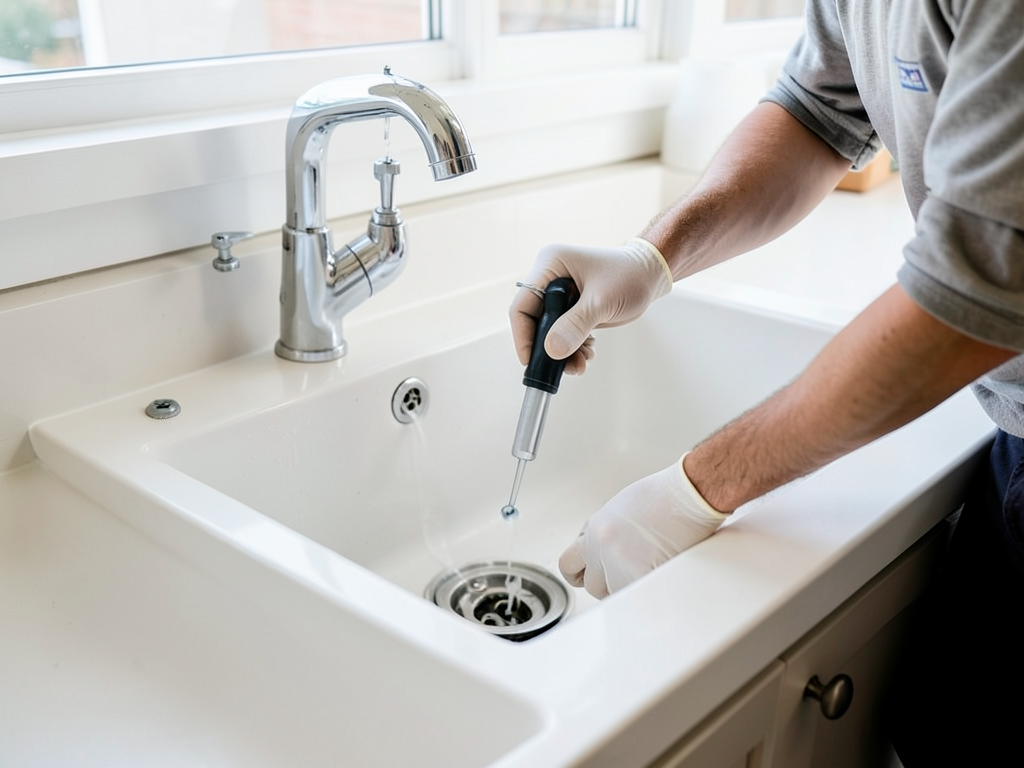
We inspect aerators and showerheads for mineral deposits. These screw-on components can choke flow to a trickle even when your pipes deliver adequate pressure. A simple cleaning often restores partial flow, but it does not address the underlying hard water issue creating the deposits.

For whole-house low flow, we evaluate your pressure regulator. These spring-loaded valves sit near your main shutoff and reduce street pressure to safe levels for your home. When the internal diaphragm fails or the spring weakens, output pressure drops. Replacement takes less than an hour and immediately restores proper flow.

If pressure remains low after checking these common causes, we examine your supply lines. Galvanized pipes corrode internally, creating restrictions you cannot see. We use pressure differential testing between zones to map where flow restriction occurs, then recommend targeted repiping of affected sections.

What Happens During Your Pressure Diagnostic Service

Low Water Pressure Issues in Louisville – Expert Diagnosis and Permanent Fixes for Weak Flow
01

Initial Pressure Testing

We connect a professional-grade pressure gauge to your hose bib or main water valve to measure static and dynamic pressure. This baseline reading tells us immediately if your pressure falls below the Louisville standard of 40-60 PSI for residential service. We document readings at multiple points to create a pressure map of your system, identifying where drops occur between the street connection and your fixtures.
02

Component and Line Inspection

We systematically check your pressure reducing valve, branch shutoffs, water heater connections, and fixture supplies. We inspect for corrosion, mineral buildup, and mechanical failures in valves and regulators. Using isolation testing, we determine whether your decreased water pressure affects one zone or your entire system. This step identifies whether you need a simple valve replacement or comprehensive line evaluation.
03

Solution and Restoration Plan

After identifying the cause, we explain your options clearly. Simple fixes like aerator cleaning or PRV replacement happen the same day. Partial or full repiping requires planning, but we map the most efficient route to minimize wall cuts and restoration work. We provide a detailed scope with expected pressure improvements so you know exactly what restoration to expect. You get your water flow back with no guesswork or return trips.

Why Louisville Homeowners Choose Local Pressure Experts

Louisville's plumbing behaves differently than newer construction in Sun Belt cities. Our Victorian and early 20th-century housing stock features plumbing configurations that require specific knowledge.

Victory Plumbing Louisville understands how original cast iron drains, galvanized supply lines, and outdated venting interact. We have worked in hundreds of Crescent Hill bungalows, Germantown shotgun houses, and St. Matthews ranch homes. Each era of construction presents unique challenges for pressure diagnostics.

We know which neighborhoods still use galvanized steel versus copper. We recognize when a pressure problem stems from the 1950s-era PRV hidden in a basement corner versus a corroded section of pipe in the crawl space. This local pattern recognition speeds diagnosis and eliminates unnecessary exploratory work.

Local building codes matter for any pressure-related repairs. Jefferson County requires permits for water service line replacements and main valve installations. We handle permit applications and coordinate inspections, so your repair stays compliant. Out-of-area contractors often miss these requirements, creating headaches during home sales or insurance claims.

We also understand Louisville Water Company protocols. If your pressure problem traces back to a main line issue or a faulty meter connection, we know exactly who to contact and how to document the problem for utility response. We have established relationships with city inspectors and utility supervisors that expedite resolution when the problem extends beyond your property line.

Trust matters when someone enters your home and opens walls to access plumbing. Our technicians live in these neighborhoods. We show up in marked vehicles, provide upfront pricing before work begins, and clean up thoroughly after repairs. No surprise charges, no upselling, no pressure tactics.

What You Can Expect During Your Pressure Restoration Service

Same-Day Service Availability

Most pressure diagnostics and simple repairs happen during a single appointment. We arrive within the scheduled window with all standard testing equipment and common replacement parts. For straightforward issues like failed pressure regulators or clogged aerators, we restore normal flow before we leave. Complex problems requiring repiping get scheduled quickly, typically within three to five business days depending on material availability and your schedule. We respect your time and coordinate our work around your availability.

Thorough Diagnostic Process

We do not guess. Our technicians use calibrated gauges and systematic isolation testing to identify the exact cause of your decreased water pressure. You receive a clear explanation of what we found, why it is causing your problem, and what options will restore proper flow. We show you pressure readings before and after repairs, so you have objective proof the problem is resolved. If we recommend repiping, we explain precisely which sections need replacement and why. You make informed decisions based on facts, not fear.

Restored Flow That Lasts

Our goal is permanent resolution, not temporary patches. When we replace a pressure reducing valve, you get a quality brass unit designed for decades of service. Repiping projects use Type L copper or PEX-A tubing, both rated for 50-plus years of trouble-free operation. We pressure test all new installations before closing walls. You should feel confident your water pressure will remain consistent for years, not weeks. We document all work with photos and material specs for your records.

Follow-Up Support and Maintenance Guidance

After restoring your pressure, we provide specific guidance for maintaining consistent flow. If hard water contributed to your problem, we explain filtration options and regular aerator maintenance schedules. We mark the location of your main shutoff and pressure regulator so you can access them quickly if needed. If we replaced sections of pipe, we note locations in your home for future reference during renovations. You get our direct line for any follow-up questions or concerns. We stand behind our work.

Frequently Asked Questions

You Have Questions,
We Have Answers

What is the most common cause of low water pressure? +

Mineral buildup inside your pipes is the most common culprit. Louisville's water supply contains dissolved minerals that accumulate over time, narrowing pipe diameter and restricting flow. Older galvanized steel pipes in historic neighborhoods like Old Louisville are especially vulnerable. Corroded pipes, failed pressure regulators, and clogged aerators also cause pressure drops. In some Louisville homes built before 1980, undersized half-inch supply lines struggle to meet modern demands. The freeze-thaw cycles we experience each winter can crack pipes and fittings, reducing pressure. A plumber can diagnose whether the issue is isolated to one fixture or affects your entire system.

How do I fix my low water pressure? +

Start by checking if the problem affects one fixture or your whole house. Clean faucet aerators by unscrewing them and removing sediment. Inspect your main shutoff valve to confirm it is fully open. If you have a pressure regulator near your meter, it may need adjustment or replacement. For whole-house issues, you need a licensed plumber to inspect your pressure regulator, check for hidden leaks, and test your pipes for corrosion or blockages. In Louisville, older homes often require pipe replacement or installation of a booster pump. Do not attempt regulator adjustments without proper tools and knowledge.

Who is responsible for low water pressure? +

Responsibility splits at your property line. Louisville Water Company maintains pressure in the main line and to your meter. If pressure is adequate at the meter, the problem is yours to fix. If pressure is low before it enters your property, call Louisville Water at their emergency line to report the issue. They handle main breaks, valve malfunctions, and street-side problems. You handle everything from the meter to your fixtures, including the pressure regulator installed after the meter. In older neighborhoods, aging infrastructure on both sides can contribute. Always verify meter pressure before paying for private repairs.

Can I increase water pressure myself? +

You can handle simple fixes. Clean clogged aerators by soaking them in vinegar for an hour. Check that your main shutoff valve is fully open. Replace worn washers in compression fittings if you see leaks. Beyond these basics, stop. Adjusting your pressure regulator without a gauge can damage pipes and appliances. Installing a booster pump requires electrical work and permits. Misdiagnosing corroded pipes as a simple blockage wastes time and money. Louisville's older housing stock often hides complex plumbing issues behind walls. Call a licensed plumber for diagnosis before attempting repairs that could worsen the problem or void insurance.

Do I need a plumber for low pressure? +

Yes, for most low pressure issues. A plumber has the diagnostic tools to measure actual pressure at multiple points, camera equipment to inspect pipe interiors, and knowledge of Louisville building codes. They can identify whether you need a simple aerator cleaning or a full pressure regulator replacement. In Louisville's older neighborhoods, plumbers understand how galvanized pipe corrosion differs from mineral buildup. They can pull permits for booster pump installations and ensure compliance with local codes. Attempting complex repairs yourself risks water damage, code violations, and failed inspections. A plumber saves you time by diagnosing correctly the first time.

How to unclog a p-trap? +

Place a bucket under the trap. Loosen the slip nuts on both ends using channel locks or a pipe wrench, turning counterclockwise. Pull the trap down and away. Dump contents into the bucket and inspect for hair clogs, soap buildup, or foreign objects. Clean thoroughly with a bottle brush and hot water. Check the rubber washers for cracks and replace if worn. Realign the trap and hand-tighten the slip nuts, then snug them with your wrench. Do not overtighten or you will crack the plastic. Run water and check for leaks. Tighten slightly if needed.

Why is barely any water coming out of my faucet? +

A severely clogged aerator is the most likely cause. Unscrew the aerator from your faucet spout and inspect it. Louisville's mineral-heavy water clogs screens quickly. Rinse debris and soak the aerator in vinegar for 30 minutes. If other fixtures work fine, you have isolated the problem to that faucet. If multiple fixtures have reduced flow, check your main shutoff valve position. A partially closed valve restricts flow throughout your home. Corroded supply lines to that specific fixture can also choke flow. If cleaning the aerator does not restore pressure, the valve cartridge inside your faucet may have failed.

How Louisville's Aging Housing Stock Creates Unique Pressure Challenges

Louisville's median home age exceeds 50 years, with significant concentrations of pre-1960 construction throughout Jefferson County. These older homes predominantly feature galvanized steel supply lines, which corrode internally over time. The rust buildup narrows the pipe diameter gradually, creating progressive loss of water pressure that homeowners often attribute to city supply issues. The problem worsens in areas with clay soil, where ground movement stresses connections and accelerates deterioration. Understanding which neighborhoods have original plumbing versus updated systems helps us diagnose pressure problems faster and recommend appropriate solutions.

Victory Plumbing Louisville specializes in the unique configurations found in Louisville's historic districts and mid-century neighborhoods. We understand local plumbing evolution, from original galvanized installations to 1970s copper retrofits to modern PEX systems. This experience matters because weak water pressure diagnostics in a 1920s Highlands home differ significantly from troubleshooting in a 1980s subdivision. We work within Louisville's permitting requirements and maintain relationships with city inspectors who expedite approvals for pressure-related repairs. Local knowledge translates directly to faster, more accurate diagnosis and lasting solutions for poor water pressure throughout the Louisville metro area.

Plumbing Services in The Louisville Area

We are proud to serve the entire Louisville metropolitan area and its surrounding communities. Our convenient location allows us to provide swift and reliable service to homes and businesses throughout the region. Whether you're in the heart of the city or a nearby suburb, we’re never far away. Visit our office or give us a call to discuss your plumbing needs. We look forward to being your trusted local plumbing partner.

Address:
Victory Plumbing Louisville, 2600 W Broadway, Louisville, KY, 40211

Additional Services We Offer

Our news updates

Latest Articles & News from The Blogs

Installing a French Drain to Stop Yard Erosion in Windy Hills Standing water in your yard after a Kentucky downpour…

Installing a French Drain to Stop Yard Erosion in Windy Hills

Installing a French Drain to Stop Yard Erosion in Windy Hills Standing water in your yard after a Kentucky downpour…

ADA Compliant Bathroom Remodeling for Seniors in the Russell Neighborhood

ADA Compliant Bathroom Remodeling for Seniors in the Russell Neighborhood\p>Seniors in Louisville's Russell neighborhood deserve bathrooms that support independence and…

Professional Pot Filler Installation for Your Rock Creek Kitchen

Professional Pot Filler Installation for Your Rock Creek Kitchen A pot filler mounted near your stove eliminates heavy lifting and…

Contact Us

Stop waiting for weak showers and slow-filling sinks. Call Victory Plumbing Louisville at (502) 370-2677 now for accurate diagnosis and permanent pressure restoration. We identify the real problem and fix it right the first time.