



Menu

Plumbing Inspection Checklist for Louisville Homes – Catch Problems Before They Cost You Thousands

Get a complete home plumbing inspection list designed for Louisville's unique water conditions and aging infrastructure, so you can protect your investment and avoid emergency repairs down the line.

Slider Image 1
Slider Image 2
Slider Image 3
Slider Image 4
Slider Image 5
Slider Image 7
Slider Image 8
Slider Image 9
Slider Image 10
Slider Image 11

Why Louisville Homeowners Need a Residential Plumbing Checkup List

Louisville's older housing stock and hard water create a perfect storm for hidden plumbing damage. Homes built before 1986 in neighborhoods like Old Louisville and the Highlands often have galvanized steel pipes corroding from the inside out. You will not see the problem until a pipe bursts or your water pressure drops to a trickle.

The Ohio River basin's high mineral content accelerates sediment buildup in water heaters and supply lines. Most homeowners do not realize their fixtures are clogging until flow rates drop by 40 percent or more. A preventative plumbing maintenance checklist catches these issues early, before you face a flooded basement or a complete repiping job.

Winter freeze-thaw cycles stress outdoor faucets and underground supply lines. Spring rains saturate the clay soil common throughout Jefferson County, which shifts foundations and stresses slab-on-grade plumbing. Without a systematic home plumbing inspection list, these seasonal threats go unnoticed until damage becomes expensive.

Your plumbing system works silently until it fails loudly. A residential plumbing checkup list helps you spot corroded flange bolts, failing wax rings, and deteriorating supply hoses before they turn into insurance claims. You need a structured plumbing system inspection guide that addresses Louisville-specific risks, not a generic checklist that misses local problem areas.

Victory Plumbing Louisville built this plumbing maintenance checklist around the actual failure points we see in Louisville homes every day. This is not theory. This is field data from thousands of service calls across the metro area.

Why Louisville Homeowners Need a Residential Plumbing Checkup List
How to Conduct a Thorough Home Plumbing Inspection

How to Conduct a Thorough Home Plumbing Inspection

A proper plumbing system inspection guide follows the water from entry to exit. Start at the curb stop and work systematically through supply lines, fixtures, drains, and vents. Random spot-checks miss the connections where failures actually happen.

Check your main shutoff valve first. If it has not been operated in years, the gate or ball mechanism may have seized. Test it quarterly to avoid discovering a frozen valve during an emergency. Inspect the pressure regulator if your home has one. Louisville Water Company delivers at 80 to 100 psi in some areas, which exceeds the safe operating pressure for most residential fixtures and appliances.

Examine all visible supply lines under sinks and behind toilets. Look for braided stainless hoses older than five years. The rubber inner liner degrades even when the exterior looks fine. Check compression fittings for mineral deposits, which signal slow leaks. Feel around shutoff valves for moisture or corrosion on the threads.

Your residential plumbing checkup list should include water heater inspection. Drain a gallon from the tank bottom to check sediment levels. Inspect the TPR valve discharge pipe and test the valve itself. Check the anode rod if your tank is more than three years old. Louisville's water chemistry can consume sacrificial anodes faster than the manufacturer expects.

Drain inspection requires different techniques. Pour water down infrequently used drains to check trap seals. Listen for gurgling, which indicates venting problems. Slow drainage points to partial blockages that will worsen. Use a flashlight to inspect visible drain connections for corrosion or separation.

Your Step-by-Step Plumbing Inspection Process

Plumbing Inspection Checklist for Louisville Homes – Catch Problems Before They Cost You Thousands
01

Water Supply Assessment

Start at your main water line and pressure regulator. Test static pressure with a gauge, then check for pressure drops during simultaneous fixture use. Inspect all visible supply lines for corrosion, mineral buildup, and proper support. Document valve locations and test operation. This baseline assessment identifies supply-side risks before they cause fixture damage or flooding.
02

Fixture and Appliance Check

Examine every fixture connection, shutoff valve, and supply hose. Test toilets for hidden leaks using dye tablets. Check faucet aerators for sediment. Inspect washing machine hoses, dishwasher connections, and water heater components. Look for signs of previous leaks like water stains or mineral deposits. This phase catches the component failures that cause most residential water damage.
03

Drainage System Evaluation

Test every drain for proper flow and venting. Check visible trap connections and cleanout access points. Inspect vent terminations on the roof for blockages or damage. Look for signs of sewer gas infiltration or chronic slow drainage. Document findings and prioritize repairs based on failure risk. This creates your maintenance roadmap for the next 12 months.

Why Louisville Homeowners Trust Local Plumbing Expertise

Louisville's plumbing challenges require local knowledge. A technician from another region will not recognize the galvanized pipe corrosion patterns we see in pre-1970s homes, or understand how Louisville Water Company's treatment process affects fixture lifespan. Generic inspection checklists miss the area-specific failure points that matter here.

Victory Plumbing Louisville knows which neighborhoods have clay tile sewer laterals prone to root intrusion. We understand how the karstic limestone bedrock in southern Jefferson County affects foundation settlement and plumbing stress. We have mapped the freeze risk zones where exterior hose bibs fail most often. This geographical knowledge makes our residential plumbing checkup list more accurate than a national template.

Local building codes shape how your plumbing was installed. Louisville requires backflow prevention in specific situations, has particular venting requirements for island sinks, and enforces flood-resistant installation standards in FEMA zones near the Ohio River and Beargrass Creek. An inspector unfamiliar with these regulations might miss non-compliant work that poses real risk.

We have inspected thousands of Louisville homes across every neighborhood from Portland to Newburg. We know the common defects in each decade of construction. We recognize the warning signs that precede failure in your specific type of plumbing system. When you use our plumbing maintenance checklist, you get pattern recognition based on actual local failure data.

The best preventative plumbing maintenance checklist comes from a company that has fixed what breaks in your specific area. Book knowledge matters less than field experience when you are trying to avoid expensive surprises.

What to Expect from a Professional Plumbing Inspection

Inspection Timeline and Scheduling

A complete home plumbing inspection list takes 90 minutes to two hours for an average single-family home. Larger homes or properties with finished basements that hide plumbing runs require more time. Schedule your inspection when you can provide access to all areas, including attics, crawlspaces, and mechanical rooms. We offer flexible scheduling including evenings and weekends to accommodate your availability. Most homeowners book annual inspections in spring or fall when seasonal transitions create the most stress on plumbing systems. You will receive same-day verbal findings and a written report within 24 hours.

Comprehensive Assessment Methods

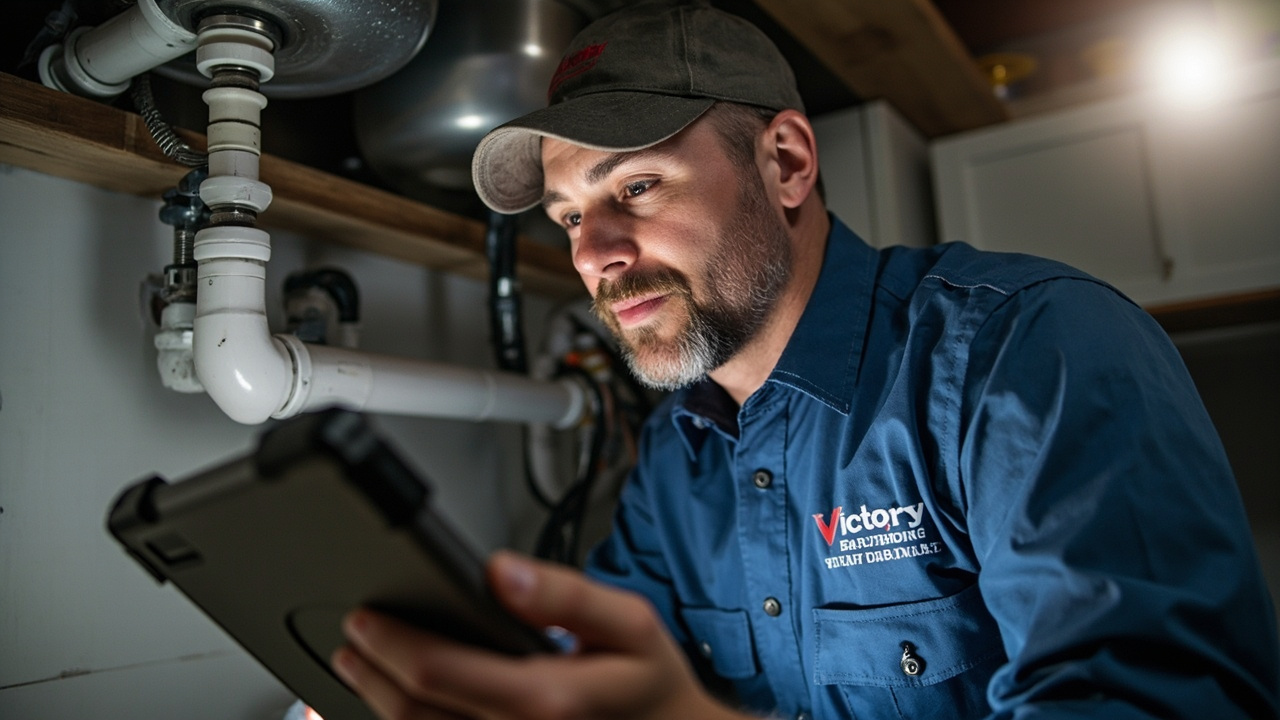
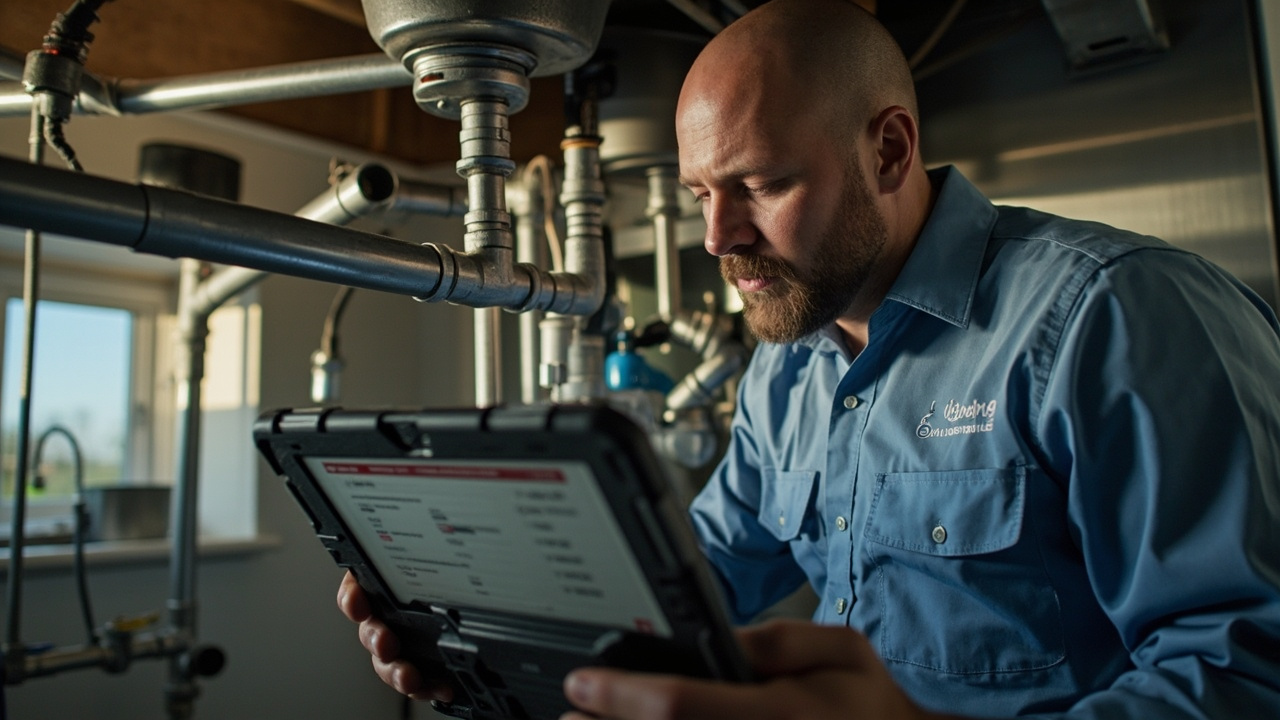
Professional inspections use diagnostic tools that go beyond visual examination. We measure water pressure under static and flow conditions to identify hidden restrictions. Camera inspection reveals drain line condition without excavation. Thermal imaging detects hidden leaks behind walls and under slabs. We test TPR valves, document anode rod condition, and measure sediment in water heaters. Every shutoff valve gets operated to verify function. The assessment includes fixture flow testing, trap seal verification, and vent system evaluation. You get objective data, not guesswork, about your plumbing condition.

Detailed Reporting and Prioritization

Your inspection report categorizes findings by urgency and risk level. Critical issues that could cause imminent failure or water damage get flagged for immediate attention. Moderate concerns that will worsen over time receive timeline recommendations. Maintenance items that prevent future problems get scheduled into a multi-year plan. Each finding includes photos, location details, and plain-language explanation of the problem and consequences. You receive cost estimates for recommended repairs so you can budget appropriately. The report becomes your roadmap for maintaining plumbing system reliability and protecting your home value.

Ongoing Maintenance Support

Annual inspections create a historical record of your plumbing system's condition. We track changes over time to predict component lifespan and plan replacements before failures occur. You receive a customized maintenance schedule based on your specific equipment and usage patterns. Our system sends reminders for water heater flushing, supply hose replacement, and seasonal preparation tasks. If you complete recommended repairs, we document the work and adjust your maintenance timeline accordingly. This proactive approach eliminates most emergency repairs and extends the service life of expensive components like water heaters and sewage ejector pumps.

Frequently Asked Questions

You Have Questions,
We Have Answers

What does a plumbing inspection consist of? +

A plumbing inspection examines your entire water supply and drainage system. The inspector checks all visible pipes, fixtures, water heaters, and sewer lines for leaks, corrosion, or damage. They test water pressure, look for improper venting, and verify that all connections meet Louisville building codes. In older Louisville homes, inspectors pay close attention to outdated galvanized pipes and clay sewer laterals common in historic neighborhoods. They also check for cross-connections, backflow issues, and drainage problems caused by shifting clay soil. You receive a detailed report identifying current problems and potential future failures.

What are the 7 steps of the inspection process? +

The inspection process follows seven key steps. First, the inspector reviews property records and existing permits. Second, they conduct a visual assessment of all accessible plumbing. Third, they test water pressure and flow rates at multiple fixtures. Fourth, they inspect drain lines using cameras when needed. Fifth, they examine water heaters and supply lines for code compliance. Sixth, they check outdoor plumbing, including hose bibs and irrigation systems. Finally, they document findings with photos and prepare a written report. In Louisville, inspectors also assess how freeze-thaw cycles and high humidity have affected your plumbing system over time.

What are the 5 main items you should inspect for at a drain detail? +

At a drain detail, inspect five critical items. First, check the drain pipe slope to ensure proper gravity flow. Second, verify trap installation and placement to prevent sewer gas entry. Third, examine vent pipe connections for proper sizing and placement. Fourth, inspect cleanout access points for future maintenance. Fifth, confirm all joints are sealed and leak-free. Louisville's clay soil can shift foundations and affect drain slope, so pay attention to settlement issues. Also check that all drain materials meet current local codes, especially in renovations where older cast iron or clay pipes connect to newer PVC systems.

What would make a house fail a home inspection? +

A house fails inspection when major safety or code violations exist. Active water leaks, missing shutoff valves, improper venting, and cross-contamination risks are common failures. Undersized water heaters, illegal DIY work without permits, and outdated galvanized piping that restricts flow also cause failures. In Louisville, inspectors flag sewer laterals damaged by tree roots or soil movement, especially in established neighborhoods. Missing backflow preventers, malfunctioning sump pumps, and water heaters without proper expansion tanks fail inspection. Gas line leaks, corroded supply lines, and drainage issues that threaten the foundation also stop the sale until you fix them.

How much should a plumbing inspection cost? +

A standard plumbing inspection in Louisville typically costs between $150 and $400, depending on property size and scope. A basic visual inspection runs cheaper, while camera inspections of sewer lines add $200 to $400 more. Larger homes or properties with multiple bathrooms cost more due to additional fixtures and complexity. If you need specialized testing for water quality, backflow prevention, or gas lines, expect higher fees. Most inspectors charge flat rates rather than hourly fees. Getting an inspection before buying helps you avoid expensive surprises. Always hire licensed inspectors familiar with Louisville building codes and common local plumbing issues.

What is the biggest red flag in a home inspection? +

Active water leaks and signs of past water damage are the biggest red flags. Water stains on ceilings, walls, or around fixtures indicate ongoing problems or band-aid repairs that hide deeper issues. Corroded pipes, especially galvanized steel common in older Louisville homes, signal imminent failure. Low water pressure throughout the house suggests main line problems or significant buildup. Multiple amateur repairs with mismatched materials indicate hidden damage. Sewer odors point to venting failures or damaged drain lines. In Louisville's humid climate, watch for mold growth near plumbing fixtures, which reveals chronic moisture problems that need immediate professional attention.

What should be included in an inspection checklist? +

A complete inspection checklist covers water supply lines, drain systems, fixtures, and appliances. Include all shutoff valves, water pressure testing, and supply line condition. Check all drains for proper slope and venting. Inspect water heaters for age, capacity, and safety devices like pressure relief valves. Examine toilets, sinks, tubs, and showers for leaks and proper operation. Include sump pumps, backflow preventers, and outdoor hose bibs. For Louisville properties, add sections for sewer lateral condition, foundation drainage, and freeze protection. Document pipe materials, especially in older homes where galvanized or polybutylene pipes create future headaches.

What are the 4 types of inspections? +

Four main inspection types serve different purposes. A pre-purchase inspection evaluates a home before buying and identifies repair needs. A maintenance inspection catches small problems before they become expensive failures. A code compliance inspection verifies new installations or renovations meet Louisville building standards and require permits for legal work. A warranty inspection documents plumbing condition for home warranty coverage or insurance claims. Each type focuses on different concerns. Pre-purchase inspections are comprehensive, while maintenance inspections target high-risk components. Code inspections verify specific installations match approved plans and meet safety standards required by Louisville Metro regulations.

What do you need in order to pass an inspection? +

To pass inspection, your plumbing must meet current Louisville building codes and function properly. All fixtures need working shutoff valves and proper connections. Water heaters require temperature and pressure relief valves with proper discharge pipes. Drains must have proper venting and trap installation. Gas lines need approved materials and leak-free connections. Supply lines must provide adequate pressure and volume. Sewer connections need backflow prevention where required. Everything must be accessible for future maintenance. New work requires proper permits before inspection. Fix all leaks, ensure proper pipe support and slope, and verify all materials match code requirements for Louisville installations.

How to prepare for a rough plumbing inspection? +

Before rough plumbing inspection, ensure all supply and drain lines are installed per approved plans. Leave all pipes exposed and accessible for the inspector to examine. Mark hot and cold lines clearly. Install all required cleanouts, access panels, and shutoff valves. Verify drain slopes meet code minimums. Complete all pressure testing before the inspector arrives. Have your permits and approved plans available on site. In Louisville, confirm you used approved materials and methods for local soil conditions. Remove debris from work areas. Schedule your inspection after completing all rough plumbing but before covering walls or floors.

How Louisville's Water Chemistry Affects Your Plumbing Inspection Priorities

Louisville Water Company draws from the Ohio River and treats it to meet federal standards, but the finished product still carries significant mineral content. Calcium and magnesium concentrations range from 120 to 180 parts per million, which classifies as moderately hard to hard water. This accelerates scale formation in water heaters, reduces fixture lifespan, and clogs aerators faster than soft water areas experience. Your plumbing system inspection guide needs to account for these local conditions by prioritizing sediment checks, anode rod inspection, and supply line evaluation. Homes in eastern Jefferson County sometimes experience even harder water from well sources, which compounds these problems.

Victory Plumbing Louisville has calibrated our home plumbing inspection list specifically for local water chemistry and infrastructure age. We know which components fail first under Louisville conditions. We understand the typical lifespan of fixtures and appliances in this water quality environment. Our preventative plumbing maintenance checklist addresses the actual problems we see in the field every day, not theoretical issues from a national template. When you need a residential plumbing checkup list that reflects real Louisville conditions, you need inspectors who have fixed thousands of local homes and documented the patterns.

Plumbing Services in The Louisville Area

We are proud to serve the entire Louisville metropolitan area and its surrounding communities. Our convenient location allows us to provide swift and reliable service to homes and businesses throughout the region. Whether you're in the heart of the city or a nearby suburb, we’re never far away. Visit our office or give us a call to discuss your plumbing needs. We look forward to being your trusted local plumbing partner.

Address:
Victory Plumbing Louisville, 2600 W Broadway, Louisville, KY, 40211

Additional Services We Offer

Our news updates

Latest Articles & News from The Blogs

Stopping the Banging Sound in Your Pipes with Water Hammer Arrestors in Shively That sudden banging noise when you turn…

Stopping the Banging Sound in Your Pipes with Water Hammer Arrestors in Shively

Stopping the Banging Sound in Your Pipes with Water Hammer Arrestors in Shively That sudden banging noise when you turn…

Identifying Dangerous Water Heater Venting Issues in Your Historic Old Louisville Home

Identifying Dangerous Water Heater Venting Issues in Your Historic Old Louisville Home Water heater venting problems in Old Louisville’s historic…

The Truth About Flushable Wipes and Why They Keep Clogging Pipes in Hikes Point

The Truth About Flushable Wipes and Why They Keep Clogging Pipes in Hikes Point Flushable wipes might seem convenient but…

Contact Us

Call (502) 370-2677 now to book your comprehensive plumbing inspection. Get a detailed assessment of your home's plumbing system and a customized maintenance plan that prevents expensive surprises. Same-day scheduling available for Louisville area homeowners.