
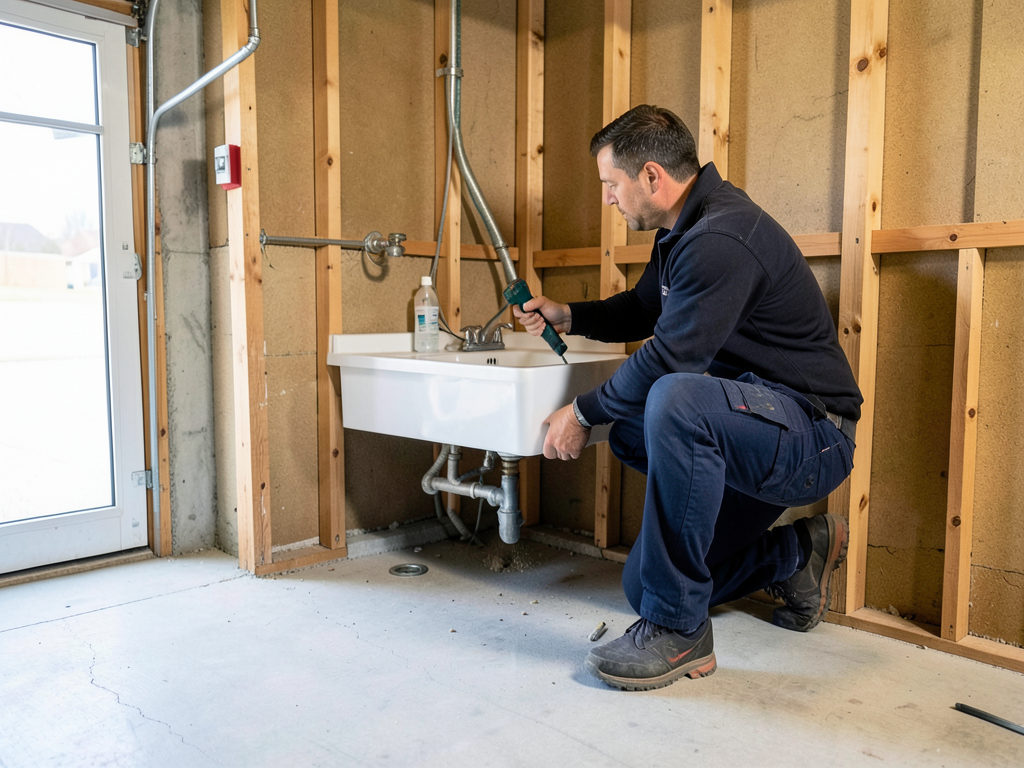
Adding a Utility Sink to Your Laundry Room or Garage in Highview
Installing a utility sink in your Highview home transforms how you handle laundry, cleaning projects, and messy tasks. Whether you’re upgrading your laundry room or adding functionality to your garage, a properly installed utility sink provides convenience and increases your home’s practical value. Highview’s older homes and Louisville’s specific plumbing requirements mean this project requires careful planning and professional expertise. Louisville MSD requirements.
Utility sink installation involves more than connecting pipes. You need to consider drainage slopes, vent stacks, water supply lines, and compliance with Jefferson County plumbing codes. The soil composition in Highview with its high clay content affects underground drainage, while many homes built before 1980 have cast iron drain lines that require special handling when adding new fixtures. The Cost of Tankless Water Heater Installation in Jeffersontown.
Professional installation ensures your new sink works efficiently and prevents costly water damage or sewer gas issues. From proper P-trap installation to meeting Louisville Metro Department of Codes & Regulations requirements, every step matters for long-term reliability. Louisville Metro Department of Codes & Regulations.
Understanding Utility Sink Types and Highview Home Considerations
Utility sinks come in several configurations suited to different needs and spaces. In Highview’s mix of mid-century ranches and newer construction, wall-mounted stainless steel sinks offer durability and easy cleaning. Floor-mount models provide stability for heavy-duty use in garages, while drop-in styles work well for laundry room remodels where existing cabinetry exists. Why Your Prospect Home Needs a Whole House Water Filtration System.
Highview’s climate presents unique challenges. Winter temperatures can drop below freezing, making proper pipe insulation critical for garage installations. Summer humidity levels often exceed 70%, which can cause condensation on cold water lines if not properly insulated. The area’s clay soil expands and contracts with moisture changes, stressing underground drain lines over time. Fixing Low Water Pressure in Your Crescent Hill Bungalow.
Many Highview homes were built during Louisville’s post-war expansion, featuring galvanized steel supply lines that may be nearing the end of their service life. When adding a new sink, you might discover these pipes need replacement to ensure reliable water flow and prevent future leaks.. Read more about Why Adding a Mudroom Utility Sink is a Game Changer for Your Middletown Home.
Professional Installation Process and Louisville Code Compliance
Professional utility sink installation follows a systematic process that ensures code compliance and long-term performance. The first step involves assessing your existing plumbing infrastructure. This includes checking water pressure, evaluating drain line capacity, and determining the best location for the new fixture relative to existing supply and waste lines.. Read more about Managing Drainage and Waste Lines for Your Prospect Outdoor Kitchen.
Kentucky State Plumbing Code Section 815.2 requires all new plumbing fixtures to connect to properly sized drain lines with appropriate venting. In Highview homes, this often means tapping into existing 2-inch drain lines or upgrading to 3-inch lines for increased capacity. The code also requires P-traps on all fixtures to prevent sewer gas from entering living spaces. How to Handle a Main Sewer Line Backup in Your St. Matthews Home.
Water supply installation typically involves running 1/2-inch or 3/4-inch copper or PEX lines from existing supply points. PEX piping has become increasingly popular in Louisville due to its flexibility and resistance to freeze damage. Local codes require specific installation methods, including proper support spacing and protection from UV exposure.
Drainage installation requires careful attention to slope requirements. Kentucky code mandates a minimum 1/4-inch drop per foot for drain lines to ensure proper flow. In Highview’s older homes, achieving this slope can challenge existing floor structures and the need to avoid conflicts with electrical wiring or HVAC ducts.
Common Installation Challenges in Highview Homes
Highview’s housing stock presents several installation challenges that homeowners should understand. Many homes built before 1970 have cast iron drain lines that can be difficult to cut and connect to modern PVC fittings. The transition between materials requires specific adapters and careful sealing to prevent leaks.
Basement installations are particularly common in Highview, where many homes have partially below-grade laundry areas. These installations often require ejector pumps to lift wastewater to the main sewer line level. Ejector pumps must be properly sized and vented according to Louisville MSD requirements, which mandate specific discharge rates and backflow prevention devices. Backflow Prevention & Testing.
Garage installations face different challenges. Without existing plumbing, running new supply lines can require cutting through concrete slabs or walls. The Louisville Water Company’s high-quality but high-pressure water supply typically 60-80 psi means pressure-reducing valves may be necessary to protect fixtures and prevent water hammer.
Historic preservation considerations also come into play in some Highview areas. While not in designated historic districts, many homes retain architectural features that require careful work to preserve while installing new plumbing.
Cost Factors and Permit Requirements in Jefferson County
Utility sink installation costs in Highview vary based on several factors. Basic installations where existing plumbing is nearby might start around $800-$1,200, while complex installations requiring new supply and drain lines can exceed $2,500. Permit costs from the Louisville Metro Department of Codes & Regulations typically range from $75-$150 for residential plumbing work.
Several factors influence total cost. Distance from existing plumbing affects material and labor requirements. Concrete cutting adds significant expense if work is needed in garages or basements. The need for ejector pumps or macerating systems for below-grade installations can add $500-$1,000 to the project.. Read more about Maintaining the Sewage Ejector Pump in Your Barret Hill Basement.
Material choices also impact cost. Stainless steel sinks with commercial-grade faucets cost more upfront but offer better durability for heavy use. PVC drain lines are less expensive than cast iron replacements but may not be suitable for all applications. PEX supply lines are generally less expensive than copper but require specific tools and expertise.
Unexpected issues can arise during installation. Discovering corroded supply lines, inadequate venting, or structural obstacles can extend project timelines and increase costs. Professional plumbers typically build contingency into their estimates for these possibilities.
Professional vs. DIY: Making the Right Choice
While DIY utility sink installation might seem appealing, the risks often outweigh the potential savings. Professional plumbers bring expertise in local codes, proper venting techniques, and leak prevention that most homeowners lack. A single mistake can lead to water damage costing thousands of dollars to repair.
Common DIY mistakes include improper P-trap installation, inadequate venting, and incorrect pipe sizing. These issues may not cause immediate problems but can lead to slow drains, sewer gas odors, or complete system failure over time. Professional installation includes pressure testing and code compliance verification that DIY work cannot match.
Insurance considerations also matter. Many homeowner insurance policies exclude coverage for damage caused by unlicensed plumbing work. Professional installation typically includes liability coverage and may come with workmanship warranties that protect your investment.
Time is another factor. What might take a professional plumber 4-6 hours could take a DIYer several days, especially when dealing with unexpected complications. Professional plumbers also have access to specialized tools and materials that aren’t available at most home improvement stores.
Maintenance and Winterization Tips for Highview Utility Sinks
Once installed, your utility sink requires proper maintenance to ensure longevity. In Highview’s climate, winterization is particularly important for garage installations. Insulating supply lines prevents freezing, while draining the system before extended absences protects against burst pipes.
Regular maintenance includes checking for leaks at connection points, cleaning P-traps to prevent clogs, and inspecting faucet aerators for mineral buildup. Louisville’s water while high quality contains minerals that can accumulate over time and affect water flow.
For garage installations, consider installing a frost-proof sillcock if the sink has an outdoor spigot feature. This prevents freezing in the valve mechanism. Additionally, installing a floor drain nearby provides backup protection against accidental overflows.
Commercial-grade fixtures often require less maintenance than residential models due to their robust construction. However, they may use more water so consider installing low-flow aerators to balance durability with efficiency.
Choosing the Right Professional for Your Highview Installation
Selecting a qualified plumber for your utility sink installation requires careful consideration. Look for licensed professionals with experience in Louisville’s specific plumbing challenges. Ask about their familiarity with Highview’s housing stock and their approach to dealing with common issues like cast iron drain lines and concrete cutting.
Request references from similar projects in the Highview area. A reputable plumber should be able to show examples of previous utility sink installations and explain their approach to common challenges specific to your home’s construction era.
Verify licensing and insurance before work begins. Kentucky requires plumbers to be licensed and proper insurance protects you from liability if accidents occur during installation. Ask about warranties on both labor and materials.
Clear communication about the project scope, timeline, and potential complications helps prevent misunderstandings. A professional plumber should provide a written estimate detailing all work to be performed and any assumptions made about existing conditions.
Frequently Asked Questions
How long does utility sink installation typically take?
Most utility sink installations in Highview take 4-8 hours for professional plumbers depending on complexity. Simple replacements where existing plumbing is nearby might be completed in half a day while new installations requiring extensive new piping can take a full day or more.
Do I need a permit for a new utility sink in Highview?
Yes Jefferson County requires permits for new plumbing fixtures. The Louisville Metro Department of Codes & Regulations issues these permits and your plumber should handle the permitting process as part of the installation. Permit costs typically range from $75-$150.
Can I install a utility sink in my garage without existing plumbing?
Yes but it requires running new supply and drain lines. This involves cutting through concrete or walls to access existing plumbing which adds complexity and cost. Professional installation is strongly recommended for these situations due to the specialized skills required.
What’s the best material for utility sink faucets in Highview?
Brass or stainless steel faucets offer the best durability for utility sinks. These materials resist corrosion from frequent use and exposure to various chemicals. Look for commercial-grade fixtures with ceramic disc valves for longest service life.
How do I prevent my utility sink from freezing in winter?
Insulate supply lines with foam pipe insulation install heat tape in extremely cold areas and consider adding a small space heater to unheated areas where the sink is located. For garage installations ensure the garage door seals properly to prevent cold air infiltration.
Ready to Add a Utility Sink to Your Highview Home?
Installing a utility sink is a significant home improvement that requires professional expertise to ensure proper function and code compliance. From navigating Highview’s unique plumbing challenges to meeting Louisville’s specific code requirements professional installation protects your investment and prevents costly future problems.
Don’t risk water damage or code violations with DIY attempts. Call (502) 370-2677 today to schedule your utility sink installation consultation. Our experienced plumbers understand Highview’s specific needs and can provide solutions that work for your home and budget.
Pick up the phone and call (502) 370-2677 before the next big project leaves you wishing for that convenient utility sink. We’re ready to help you transform your laundry room or garage with professional installation you can count on.
{
“@context”: “https://schema.org”,
“@type”: “BlogPosting”,
“headline”: “Adding a Utility Sink to Your Laundry Room or Garage in Highview”,
“description”: “Professional utility sink installation in Highview homes requires expertise with local plumbing codes, clay soil conditions, and older home infrastructure. Call (502) 370-2677.”,
“wordCount”: 1840,
“datePublished”: “2026-04-08T08:34:00.000Z”,
“dateModified”: “2026-04-08T08:34:00.000Z”,
“inLanguage”: “en-US”,
“mainEntityOfPage”: {
“@type”: “WebPage”,
“@id”: “https://victoryplumbinglouisville.com”
},
“publisher”: {
“@type”: “LocalBusiness”,
“name”: “Victory Plumbing Louisville”,
“url”: “https://victoryplumbinglouisville.com”
},
“author”: {
“@type”: “Organization”,
“name”: “Victory Plumbing Louisville”,
“url”: “https://victoryplumbinglouisville.com”
},
“image”: {
“@type”: “ImageObject”,
“url”: “https://victoryplumbinglouisville.com/wp-content/uploads/2026/03/adding-a-utility-sink-to-your-laundry-room-or-gara-1.png”
}
}
{
“@context”: “https://schema.org”,
“@type”: “Plumber”,
“name”: “Victory Plumbing Louisville”,
“url”: “https://victoryplumbinglouisville.com”,
“address”: {
“@type”: “PostalAddress”,
“addressLocality”: “Louisville”
},
“areaServed”: {
“@type”: “City”,
“name”: “Louisville”
}
}
{
“@context”: “https://schema.org”,
“@type”: “FAQPage”,
“mainEntity”: [
{
“@type”: “Question”,
“name”: “How long does utility sink installation typically take?”,
“acceptedAnswer”: {
“@type”: “Answer”,
“text”: “Most utility sink installations in Highview take 4-8 hours for professional plumbers depending on complexity. Simple replacements where existing plumbing is nearby might be completed in half a day while new installations requiring extensive new piping can take a full day or more.”
}
},
{
“@type”: “Question”,
“name”: “Do I need a permit for a new utility sink in Highview?”,
“acceptedAnswer”: {
“@type”: “Answer”,
“text”: “Yes Jefferson County requires permits for new plumbing fixtures. The Louisville Metro Department of Codes & Regulations issues these permits and your plumber should handle the permitting process as part of the installation. Permit costs typically range from $75-$150.”
}
},
{
“@type”: “Question”,
“name”: “Can I install a utility sink in my garage without existing plumbing?”,
“acceptedAnswer”: {
“@type”: “Answer”,
“text”: “Yes but it requires running new supply and drain lines. This involves cutting through concrete or walls to access existing plumbing which adds complexity and cost. Professional installation is strongly recommended for these situations due to the specialized skills required.”
}
},
{
“@type”: “Question”,
“name”: “What’s the best material for utility sink faucets in Highview?”,
“acceptedAnswer”: {
“@type”: “Answer”,
“text”: “Brass or stainless steel faucets offer the best durability for utility sinks. These materials resist corrosion from frequent use and exposure to various chemicals. Look for commercial-grade fixtures with ceramic disc valves for longest service life.”
}
},
{
“@type”: “Question”,
“name”: “How do I prevent my utility sink from freezing in winter?”,
“acceptedAnswer”: {
“@type”: “Answer”,
“text”: “Insulate supply lines with foam pipe insulation install heat tape in extremely cold areas and consider adding a small space heater to unheated areas where the sink is located. For garage installations ensure the garage door seals properly to prevent cold air infiltration.”
}
},
{
“@type”: “Question”,
“name”: “Ready to Add a Utility Sink to Your Highview Home?”,
“acceptedAnswer”: {
“@type”: “Answer”,
“text”: “Installing a utility sink is a significant home improvement that requires professional expertise to ensure proper function and code compliance. From navigating Highview’s unique plumbing challenges to meeting Louisville’s specific code requirements professional installation protects your investment and prevents costly future problems.”
}
}
]
}
{
“@context”: “https://schema.org”,
“@type”: “BreadcrumbList”,
“itemListElement”: [
{
“@type”: “ListItem”,
“position”: 1,
“name”: “Home”,
“item”: “https://victoryplumbinglouisville.com”
},
{
“@type”: “ListItem”,
“position”: 2,
“name”: “Blog”,
“item”: “https://victoryplumbinglouisville.com/blog”
},
{
“@type”: “ListItem”,
“position”: 3,
“name”: “Adding a Utility Sink to Your Laundry Room or Garage in Highview”
}
]
}
{
“@context”: “https://schema.org”,
“@type”: “Service”,
“serviceType”: “Plumbing”,
“provider”: {
“@type”: “LocalBusiness”,
“name”: “Victory Plumbing Louisville”,
“url”: “https://victoryplumbinglouisville.com”
},
“areaServed”: {
“@type”: “City”,
“name”: “Louisville”
},
“description”: “Professional utility sink installation in Highview homes requires expertise with local plumbing codes, clay soil conditions, and older home infrastructure. Call (502) 370-2677.”
}