
Understanding Sewer Line Bellies and Why Your Wildwood Home Keeps Having Clogs
Your Wildwood home’s recurring sewer clogs might not be from what you’re flushing down the drain. A sewer line belly could be the hidden culprit causing your plumbing headaches. A belly is a sag or low spot in your sewer line where waste and water collect instead of flowing freely to the main sewer. This creates a perfect trap for debris and leads to frequent backups that frustrate homeowners across Louisville’s Wildwood neighborhood. Louisville MSD regulations.
Wildwood’s location in Louisville’s eastern suburbs means your home sits on soil that shifts and settles over time. The combination of Kentucky’s clay soil and the area’s older infrastructure creates the perfect conditions for sewer line bellies to form. When your sewer line develops a belly, wastewater pools in the low spot, and solid waste accumulates. This buildup eventually causes the clogs that keep you calling the plumber. Louisville Metro building codes.
What is a Sewer Line Belly?
A sewer line belly is exactly what it sounds like – a sag or depression in your underground sewer pipe that creates a low point where waste collects. Your sewer line should maintain a consistent downward slope of at least one-quarter inch per foot to keep waste flowing toward the main sewer. When a section of pipe sags below this grade, gravity can’t do its job properly. How to Handle a Main Sewer Line Backup in Your St. Matthews Home.
Bellies form when the soil beneath your pipe shifts or settles unevenly. In Wildwood, the high clay content in our soil expands when wet and contracts when dry, creating movement that can cause pipes to sag. The problem often starts during the original installation if the trench wasn’t properly prepared with adequate bedding material.
Older homes in Wildwood built before the 1980s are particularly susceptible to bellies. Many of these homes have cast iron or clay pipes that are more prone to settling than modern PVC. The weight of the soil above these pipes, combined with ground movement, can cause sections to collapse inward over decades.
Signs You Have a Sewer Belly in Your Wildwood Home
Sewer bellies create specific symptoms that differ from other plumbing problems. If you notice multiple issues below, you might have a belly affecting your sewer line. 24/7 Emergency Plumbing Services.
Recurring clogs that return quickly after clearing are the most common sign. Unlike a simple blockage that clears and stays clear, belly-related clogs return within days or weeks because waste continues to collect in the low spot.
Multiple drains backing up simultaneously often indicates a main line issue rather than a localized clog. When your toilet, shower, and washing machine all struggle to drain at once, the problem likely exists in the sewer line before these branches connect.
Sewer gas odors in your yard can signal a belly problem. When waste sits in a low spot, it can create pressure that forces sewer gases through tiny cracks or loose connections in your pipe. You might notice this smell near cleanout caps or in areas where your sewer line runs underground.
Gurgling sounds from drains occur when air gets trapped by waste collecting in the belly. As water tries to flow past the obstruction, it creates bubbles that produce these distinctive sounds. The noise often gets louder when multiple fixtures are used simultaneously.
How We Diagnose Sewer Line Bellies
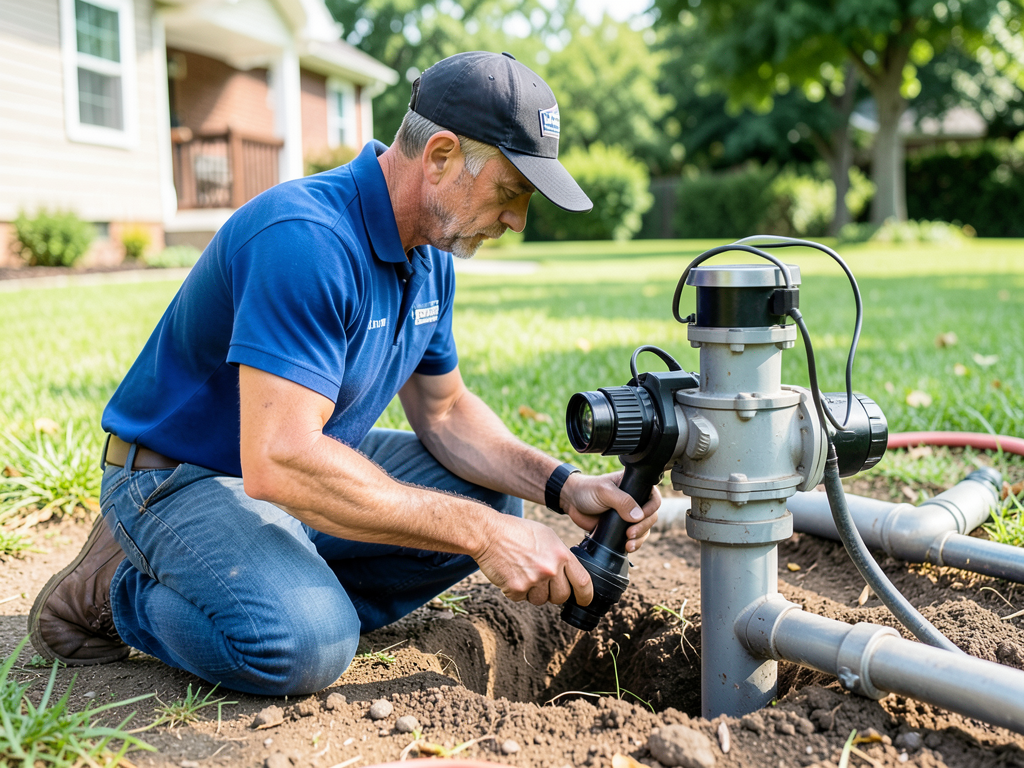
Diagnosing a sewer belly requires specialized equipment and expertise. At Victory Plumbing, we use waterproof sewer cameras to inspect your entire line from inside the pipe. This diagnostic process reveals exactly what’s happening underground without digging up your yard. The Cost of Tankless Water Heater Installation in Jeffersontown.
Our sewer camera inspection involves inserting a high-resolution camera mounted on a flexible cable into your cleanout or toilet drain. The camera sends real-time video to a monitor, allowing us to see every inch of your pipe. We look for standing water, debris buildup, and the characteristic U-shape of a belly. Fixing Low Water Pressure in Your Crescent Hill Bungalow.
During the inspection, we measure the exact location and depth of any bellies we find. This information is crucial for planning repairs. We also check for pipe damage, root intrusion, and other issues that might contribute to your sewer problems.
The camera reveals more than just bellies. We can see if your pipe is made of cast iron, clay, or PVC, and identify any cracks, breaks, or joint separations. This comprehensive view helps us recommend the most effective repair solution for your specific situation.
Repair Options for Sewer Line Bellies
Fixing a sewer belly requires restoring the proper slope to your pipe. This usually means excavation and replacement, though some situations allow for trenchless methods. The best approach depends on your pipe’s material, location, and the severity of the belly.
Traditional excavation involves digging a trench to access the affected pipe section. We remove the damaged pipe, prepare the trench bottom with proper bedding material, and install new pipe at the correct slope. This method provides the most reliable fix for severe bellies.
The excavation process starts with locating utilities and obtaining necessary permits from Louisville Metro. We then dig carefully to expose the pipe, remove the belly section, and rebuild the trench bottom with gravel or sand to create a stable base. The new pipe section is installed with laser-level precision to ensure proper slope.
Trenchless pipe bursting can work for some belly situations, particularly when the belly affects a long pipe section. This method pulls a new pipe through the old one, breaking apart the damaged pipe while simultaneously installing the replacement. However, trenchless methods can’t fix bellies that require changing the pipe’s elevation.
Pipe lining creates a new pipe inside your existing one using a resin-coated liner. While this can seal cracks and restore structural integrity, it doesn’t address the fundamental slope problem of a belly. We typically recommend lining only for pipes with minimal bellies or as a temporary solution.
Louisville Soil and Environmental Factors Contributing to Bellies
Wildwood’s location in Louisville’s eastern suburbs means your home sits on soil that’s particularly prone to causing sewer line problems. Understanding these local factors helps explain why bellies form and how to prevent them.
Kentucky’s clay soil is notorious for its expansive properties. When clay gets wet, it can expand up to 10% in volume. When it dries, it contracts just as dramatically. This constant expansion and contraction creates movement that stresses underground pipes, especially those installed before modern soil stabilization techniques.
The Louisville area’s karst topography adds another layer of complexity. Karst landscapes contain soluble rocks like limestone that can dissolve over time, creating underground voids. These voids can cause the ground above to settle unevenly, putting stress on sewer lines that cross these areas.
Wildwood’s development history also plays a role. Many homes in this area were built during Louisville’s post-World War II expansion when building practices were less stringent. Trenches were often backfilled with excavated soil rather than proper bedding material, setting the stage for future settling.
Recent construction in surrounding areas can also affect your sewer line. New development changes water drainage patterns and can cause soil movement that impacts nearby properties. Even if your home is older, nearby construction might be contributing to your belly problem.. Read more about Managing Drainage and Waste Lines for Your Prospect Outdoor Kitchen.
Cost Factors for Sewer Belly Repair in Wildwood
Sewer belly repair costs vary widely based on several factors specific to your Wildwood property. Understanding these variables helps you prepare for the investment needed to fix your sewer line permanently.
The depth of your sewer line significantly impacts repair costs. Lines buried deeper than three feet require more excavation time, larger equipment, and additional safety measures. Wildwood homes built on slopes often have deeper sewer lines on the downhill side, increasing repair complexity.
Access to the repair area affects both cost and timeline. If your belly is located under a concrete driveway or deck, breaking through this material adds labor and disposal costs. Lawn repairs after excavation are typically not included in the base repair price.
The length of pipe needing replacement directly correlates with material and labor costs. A small belly affecting just a few feet of pipe costs much less than a long section requiring extensive replacement. We often find that bellies indicate broader pipe deterioration, potentially requiring more extensive repairs.
Permit requirements from Louisville Metro add to the total cost but are essential for legal compliance. The Metropolitan Sewer District requires permits for sewer line repairs, and inspections ensure the work meets current code requirements. These fees typically range from $150 to $300 depending on the repair scope.
Emergency versus scheduled repairs create different pricing structures. While we offer 24/7 emergency service for sewer backups, scheduling repairs during normal business hours can reduce costs. However, waiting too long can lead to more extensive damage and higher overall expenses.
Preventing Future Sewer Line Problems
After repairing your sewer belly, taking preventive measures helps protect your investment and avoid future plumbing emergencies. These steps are particularly important in Wildwood’s challenging soil conditions. Plumbing St. Matthews.
Proper pipe material selection for any replacement sections makes a significant difference. Modern PVC pipes resist settling better than older materials and have smooth interiors that prevent waste buildup. For Wildwood’s expansive clay soil, we recommend Schedule 40 PVC or SDR-35 sewer pipe for durability.
Correct bedding installation is crucial for preventing future bellies. The trench bottom should be lined with crushed stone or sand that allows water to drain away from the pipe. This bedding material prevents the pipe from settling into soft soil over time.
Regular sewer line maintenance helps catch problems before they become emergencies. Annual camera inspections can identify early signs of settling, root intrusion, or pipe deterioration. For Wildwood homes over 20 years old, we recommend bi-annual inspections due to the area’s soil conditions.
Landscaping considerations can impact your sewer line’s longevity. Large trees planted near sewer lines can cause problems as roots seek water sources. When planning landscaping, keep trees at least 10 feet from your sewer line path, and choose species with less aggressive root systems.
Water management around your home helps prevent soil movement that stresses sewer pipes. Ensure downspouts direct water away from your foundation, and consider French drains if your property has poor drainage. Reducing soil saturation minimizes the expansion and contraction that causes settling.
Why Professional Diagnosis Matters
Sewer line problems require accurate diagnosis before any repair work begins. What appears to be a simple clog might actually be a belly, and treating it as a basic blockage wastes money and delays the real fix.
Professional plumbers use specialized diagnostic tools that reveal what’s happening underground. Sewer cameras show the exact location, depth, and severity of bellies. This precision allows us to target repairs rather than replacing entire lines unnecessarily.
Understanding the full scope of your sewer line’s condition helps you make informed decisions. During our camera inspection, we assess pipe material, joint conditions, and overall structural integrity. This comprehensive evaluation often reveals issues homeowners weren’t aware of, allowing you to address multiple problems at once.
Local building codes and MSD requirements affect how repairs must be performed. Professional plumbers understand these regulations and ensure your repair meets all legal requirements. This compliance protects you from potential fines and ensures your repair lasts.
Insurance coverage for sewer line repairs varies by policy. Professional documentation of your sewer line’s condition can support insurance claims if damage is covered. We provide detailed reports with video evidence that insurance companies often require for reimbursement.
When to Call for Professional Help
Knowing when to call a professional can save you from extensive damage and costly emergency repairs. Certain situations require immediate professional attention to prevent further problems.
Multiple drain backups indicate a main line problem rather than isolated clogs. If plunging one drain doesn’t resolve issues affecting other fixtures, you need professional diagnosis to identify whether a belly or another issue is causing the problem.
Sewer odors inside or outside your home suggest pipe damage or improper waste flow. These odors can indicate a belly causing waste to sit in your line, creating pressure that forces gases through tiny openings. This situation poses health risks and requires prompt attention.
Standing water in your yard near sewer line paths might indicate a break or severe belly causing waste to surface. This creates unsanitary conditions and can contaminate groundwater. Any signs of sewage in your yard require immediate professional intervention.
Persistent clogs that return quickly after clearing suggest an underlying structural problem. If you’re using a plunger or drain cleaner weekly, you likely have a belly or other issue that requires professional repair rather than temporary fixes.
Older homes with original plumbing benefit from preventive inspections even without current problems. Homes in Wildwood over 30 years old with original clay or cast iron pipes should have annual camera inspections to catch issues before they cause emergencies.
Frequently Asked Questions
How long does sewer belly repair take?
Most sewer belly repairs take one to three days depending on the repair complexity, weather conditions, and permit requirements. Simple repairs affecting short pipe sections can often be completed in a single day, while extensive repairs requiring deep excavation may take longer.
Will my homeowner’s insurance cover sewer belly repair?
Coverage varies by policy. Many standard policies exclude sewer line repairs, considering them maintenance issues. However, if the belly results from covered damage like tree root intrusion or ground shifting from insured events, you might have coverage. Check your policy or contact your insurance provider for specifics.
Can I prevent sewer bellies from forming?
While you can’t control soil movement, proper installation techniques during initial construction or repairs significantly reduce belly risk. Using appropriate bedding material, ensuring correct pipe slope, and selecting durable pipe materials all help prevent future bellies. Regular inspections also catch early settling before it becomes a major problem.
How do I know if I have a belly or just a clog?
Recurring clogs that return quickly after clearing often indicate a belly rather than a simple blockage. Multiple drains backing up simultaneously also suggests a structural issue. The only way to know for certain is through professional camera inspection, which reveals the exact condition of your sewer line.
What’s the difference between a belly and a collapsed pipe?
A belly is a sag that creates a low spot but maintains pipe integrity, while a collapsed pipe has lost structural integrity and may be crushed or severely damaged. Both can cause similar symptoms, but collapsed pipes often require more extensive repairs. Camera inspection determines which issue you’re facing.
Take Action Before Your Next Backup
Don’t wait for your next sewer backup to address potential belly problems. The longer waste sits in a low spot, the more damage it can cause to your pipes and surrounding soil. Wildwood’s soil conditions make prompt attention to sewer issues particularly important.
Victory Plumbing offers comprehensive sewer camera inspections that can identify bellies and other issues before they cause major problems. Our experienced technicians understand Wildwood’s unique challenges and provide repair solutions that last. We handle everything from diagnosis to final repair, including permits and inspections required by Louisville Metro.
Emergency service is available 24/7 for sewer backups and other plumbing emergencies. Don’t let a sewer belly disrupt your home life or cause property damage. Early intervention saves money and prevents the stress of unexpected plumbing failures.. Read more about What to Expect When Converting from Septic to City Sewer in the Louisville Outskirts.
Call (502) 370-2677 today to schedule your sewer camera inspection. Our team will assess your system, explain any issues we find, and recommend the most effective repair solutions for your Wildwood home. Protect your property and restore your peace of mind with professional sewer line service from Victory Plumbing.
Pick up the phone and call (502) 370-2677 before the next storm hits. Louisville’s heavy rains can worsen existing sewer line problems, turning a minor belly into a major emergency. Don’t wait until you’re standing in backed-up water to take action.
You may also find this helpful. Choosing the Right Garbage Disposal Horsepower for Your Busy Louisville Kitchen.
{
“@context”: “https://schema.org”,
“@type”: “BlogPosting”,
“headline”: “Understanding Sewer Line Bellies and Why Your Wildwood Home Keeps Having Clogs”,
“description”: “Learn why sewer line bellies cause chronic clogs in Wildwood homes and how Louisville’s clay soil contributes to this plumbing issue.”,
“wordCount”: 2669,
“datePublished”: “2026-04-25T15:31:00.000Z”,
“dateModified”: “2026-04-25T15:31:00.000Z”,
“inLanguage”: “en-US”,
“mainEntityOfPage”: {
“@type”: “WebPage”,
“@id”: “https://victoryplumbinglouisville.com”
},
“publisher”: {
“@type”: “LocalBusiness”,
“name”: “Victory Plumbing Louisville”,
“url”: “https://victoryplumbinglouisville.com”
},
“author”: {
“@type”: “Organization”,
“name”: “Victory Plumbing Louisville”,
“url”: “https://victoryplumbinglouisville.com”
},
“image”: {
“@type”: “ImageObject”,
“url”: “https://victoryplumbinglouisville.com/wp-content/uploads/2026/03/understanding-sewer-line-bellies-and-why-your-wild-1.png”
}
}
{
“@context”: “https://schema.org”,
“@type”: “Plumber”,
“name”: “Victory Plumbing Louisville”,
“url”: “https://victoryplumbinglouisville.com”,
“address”: {
“@type”: “PostalAddress”,
“addressLocality”: “Louisville”
},
“areaServed”: {
“@type”: “City”,
“name”: “Louisville”
}
}
{
“@context”: “https://schema.org”,
“@type”: “FAQPage”,
“mainEntity”: [
{
“@type”: “Question”,
“name”: “What is a Sewer Line Belly?”,
“acceptedAnswer”: {
“@type”: “Answer”,
“text”: “A sewer line belly is exactly what it sounds like – a sag or depression in your underground sewer pipe that creates a low point where waste collects. Your sewer line should maintain a consistent downward slope of at least one-quarter inch per foot to keep waste flowing toward the main sewer. When a section of pipe sags below this grade, gravity can’t do its job properly. How to Handle a Main Sewer Line Backup in Your St. Matthews Home.”
}
},
{
“@type”: “Question”,
“name”: “How long does sewer belly repair take?”,
“acceptedAnswer”: {
“@type”: “Answer”,
“text”: “Most sewer belly repairs take one to three days depending on the repair complexity, weather conditions, and permit requirements. Simple repairs affecting short pipe sections can often be completed in a single day, while extensive repairs requiring deep excavation may take longer.”
}
},
{
“@type”: “Question”,
“name”: “Will my homeowner’s insurance cover sewer belly repair?”,
“acceptedAnswer”: {
“@type”: “Answer”,
“text”: “Coverage varies by policy. Many standard policies exclude sewer line repairs, considering them maintenance issues. However, if the belly results from covered damage like tree root intrusion or ground shifting from insured events, you might have coverage. Check your policy or contact your insurance provider for specifics.”
}
},
{
“@type”: “Question”,
“name”: “How do I know if I have a belly or just a clog?”,
“acceptedAnswer”: {
“@type”: “Answer”,
“text”: “Recurring clogs that return quickly after clearing often indicate a belly rather than a simple blockage. Multiple drains backing up simultaneously also suggests a structural issue. The only way to know for certain is through professional camera inspection, which reveals the exact condition of your sewer line.”
}
},
{
“@type”: “Question”,
“name”: “What’s the difference between a belly and a collapsed pipe?”,
“acceptedAnswer”: {
“@type”: “Answer”,
“text”: “A belly is a sag that creates a low spot but maintains pipe integrity, while a collapsed pipe has lost structural integrity and may be crushed or severely damaged. Both can cause similar symptoms, but collapsed pipes often require more extensive repairs. Camera inspection determines which issue you’re facing.”
}
}
]
}
{
“@context”: “https://schema.org”,
“@type”: “BreadcrumbList”,
“itemListElement”: [
{
“@type”: “ListItem”,
“position”: 1,
“name”: “Home”,
“item”: “https://victoryplumbinglouisville.com”
},
{
“@type”: “ListItem”,
“position”: 2,
“name”: “Blog”,
“item”: “https://victoryplumbinglouisville.com/blog”
},
{
“@type”: “ListItem”,
“position”: 3,
“name”: “Understanding Sewer Line Bellies and Why Your Wildwood Home Keeps Having Clogs”
}
]
}
{
“@context”: “https://schema.org”,
“@type”: “Service”,
“serviceType”: “Plumbing”,
“provider”: {
“@type”: “LocalBusiness”,
“name”: “Victory Plumbing Louisville”,
“url”: “https://victoryplumbinglouisville.com”
},
“areaServed”: {
“@type”: “City”,
“name”: “Louisville”
},
“description”: “Learn why sewer line bellies cause chronic clogs in Wildwood homes and how Louisville’s clay soil contributes to this plumbing issue.”
}