
What to Expect When Converting from Septic to City Sewer in the Louisville Outskirts
Converting from a septic system to city sewer in Louisville’s outskirts is a major infrastructure upgrade that many homeowners face when municipal sewer becomes available. This process involves working with the Louisville Metropolitan Sewer District (MSD), obtaining Jefferson County permits, and managing significant excavation work on your property. Most conversions in areas like Fisherville and Lake Forest take between two to four weeks from start to finish, with costs typically ranging from $8,000 to $15,000 depending on your property’s specific conditions. How to Handle a Main Sewer Line Backup in Your St. Matthews Home.
The Louisville MSD Connection Process
The Louisville Metropolitan Sewer District manages all sewer connections in the metro area. When your property becomes eligible for sewer service, MSD will notify you of the opportunity. The connection process starts with a site evaluation where MSD determines the mainline location and your property’s elevation relative to the sewer main.. Read more about The Logistics of Shared Sewer Lines for Historic Homeowners in Old Louisville.
MSD charges specific fees for the connection including a tap-in fee that currently ranges from $2,500 to $4,500 depending on your property size and the mainline capacity required. You will also need to pay capacity charges based on your expected water usage. These fees are separate from the contractor costs for installing the lateral line from your home to the mainline. The Cost of Tankless Water Heater Installation in Jeffersontown.
MSD provides detailed guidelines for lateral line installation that all contractors must follow. The lateral line must maintain a minimum slope of 1/4 inch per foot to ensure proper gravity flow. In areas with challenging topography, you may need a grinder pump system which adds approximately $3,000 to $5,000 to your total cost.
Jefferson County Permits and Inspections
Before any work begins you must obtain permits from Jefferson County. The permit process includes submitting detailed plans showing the proposed sewer line route, depth, and connection points. Permit fees typically range from $300 to $600 depending on the project scope.
Jefferson County requires inspections at multiple stages. The first inspection occurs after trench excavation but before pipe installation. A second inspection verifies proper pipe bedding and backfill. The final inspection confirms the connection to the mainline and proper abandonment of the septic system.
The Kentucky State Plumbing Code Section 815.04 specifically addresses sewer lateral installations and requires all work to be performed by licensed plumbers. This code mandates specific pipe materials, bedding requirements, and testing procedures to prevent future failures. Kentucky State Board of Plumbing.
Septic Tank Decommissioning Requirements
Proper septic tank decommissioning is not optional. The Kentucky Division of Water and local health departments require complete removal or proper abandonment of the existing septic tank. Simply disconnecting the system and leaving the tank in place creates future liability and potential environmental hazards. Fixing Low Water Pressure in Your Crescent Hill Bungalow.
The decommissioning process involves pumping out all remaining waste, removing the tank, or crushing it in place if removal is impractical. The crushed tank must be filled with sand or gravel to prevent collapse. This work requires heavy equipment and adds $1,500 to $3,000 to your project cost.
During decommissioning you may discover the tank is closer to your home’s foundation than building codes currently allow. This situation requires additional work to ensure proper setbacks from structures, often necessitating rerouting of the new sewer lateral.
Factors That Influence Your Conversion Cost
Several factors affect the total cost of converting from septic to city sewer in Louisville’s outskirts. The distance from your home to the mainline is the primary cost driver. Each linear foot of trenching typically costs $20 to $30 including labor and materials.
Soil conditions significantly impact excavation costs. The Louisville area has varying soil types from clay-heavy soils in eastern Jefferson County to more rocky conditions near the knobs. Clay soils require wider trenches and more careful compaction, while rocky soils may need specialized equipment that increases costs by 25 to 40 percent.
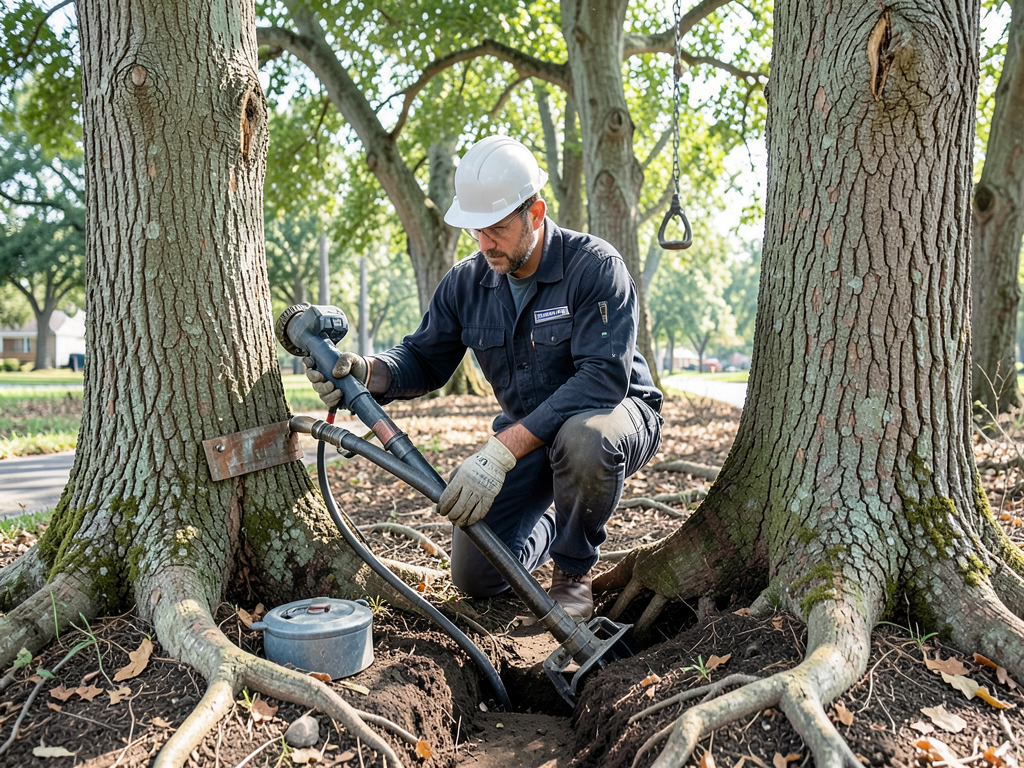
Landscape restoration represents another significant cost factor. Mature trees near the proposed trench route may require careful tunneling to avoid damage. Established landscaping, driveways, or patios that must be removed and replaced can add $2,000 to $5,000 to your project.
Access to the mainline also affects costs. If your property is across a street from the mainline, you will need permits for street excavation and traffic control, adding $1,000 to $2,000 to your project. Properties with limited equipment access may require smaller machinery that extends project duration and increases labor costs.
The Step-by-Step Conversion Process
The conversion process follows a specific sequence to ensure proper installation and code compliance. Understanding this process helps you plan for the disruption and timeline.
- Site Survey and Planning
Technicians locate existing utilities, measure distances to the mainline, and evaluate soil conditions. This survey typically takes one day and identifies potential obstacles before excavation begins.
- Permit Acquisition
Submit permit applications to Jefferson County and MSD. This process takes one to two weeks depending on workload and the completeness of your submittal.
- Excavation and Trenching
Dig the trench following the approved route. Typical trench depth ranges from 4 to 6 feet depending on frost line requirements and mainline depth. This phase takes two to four days.. Read more about Navigating the Plumbing Requirements for Your New Backyard ADU in the Highlands.
- Pipe Installation and Connection
Install the sewer lateral using approved materials. Connect to the mainline and pressure test the system. This work requires one to two days.
- Septic System Removal
Pump and remove or crush the septic tank. Backfill the area and restore the surface. This phase takes one to two days.
- Final Inspections
Schedule and pass final inspections from Jefferson County and MSD. This process takes one to three days depending on inspector availability.
- Landscape Restoration
Repair any damaged landscaping, replace removed structures, and restore the property to its original condition. This work takes two to five days depending on the extent of restoration needed.
Financing and Local Assistance Programs
Several financing options exist for homeowners converting from septic to city sewer in Louisville. MSD offers a Sewer Lateral Loan Program that provides low-interest loans for eligible homeowners. These loans typically have terms of 5 to 10 years with interest rates below market rates.
Jefferson County occasionally offers grants or cost-sharing programs for infrastructure improvements in specific areas. These programs often target older neighborhoods where failing septic systems create environmental concerns. Check with the Jefferson County Division of Planning for current availability.
Many homeowners use home equity loans or lines of credit to finance the conversion. The interest on these loans may be tax-deductible as a home improvement expense. Some contractors offer in-house financing or can connect you with lenders familiar with this type of project.
Property tax assessments may increase slightly after conversion due to the improved infrastructure. However, this increase is typically minimal compared to the ongoing maintenance and pumping costs of a septic system.
Common Challenges and Solutions
Several challenges commonly arise during septic to sewer conversions in Louisville’s outskirts. Understanding these issues helps you prepare and avoid delays.
Tree root interference represents one of the most frequent complications. Mature trees near the proposed route may require either careful tunneling beneath the root system or rerouting the line to avoid damage. Some homeowners choose to remove problematic trees rather than risk damage to both the tree and the new sewer line.
Underground utility conflicts occur in approximately 15 percent of conversions. Gas lines, water mains, or electrical conduits may cross your proposed route. Utility locating services can identify these conflicts before excavation begins, allowing for proper planning and coordination with utility companies.
High water table conditions in low-lying areas of eastern Jefferson County can complicate excavation and require dewatering systems. These conditions add $1,000 to $3,000 to your project but are necessary to prevent trench collapse and ensure proper pipe bedding.
Weather delays affect approximately 30 percent of projects during winter months. Frozen ground or heavy rainfall can halt excavation work for days or weeks. Planning your project during drier seasons can minimize these delays.
Property Value Impact and Long-Term Benefits
Converting from septic to city sewer typically increases property values by 3 to 5 percent in Louisville’s outskirts. This increase reflects the improved reliability, reduced maintenance, and enhanced marketability of homes with municipal sewer connections.
City sewer eliminates the ongoing costs of septic maintenance including annual inspections, pumping every three to five years, and potential repair costs. These savings typically range from $300 to $600 annually, providing a return on your conversion investment over time.
Sewer connections also eliminate the risk of septic system failure, which can cause property damage and environmental contamination. This reliability factor is particularly important for homeowners planning to sell their property within the next five to ten years.
Insurance companies often view homes with city sewer more favorably than those with septic systems. Some insurers offer slightly lower premiums for properties with municipal utilities due to the reduced risk of system failure and property damage.
Comparing Gravity vs. Grinder Pump Systems
The choice between gravity-fed and grinder pump systems significantly impacts your conversion cost and long-term maintenance requirements.
| System Type | Initial Cost | Maintenance Requirements | Best For |
|---|---|---|---|
| Gravity Fed | $6,000 – $10,000 | Minimal, annual inspection | Properties with mainline below home |
| Grinder Pump | $9,000 – $15,000 | Annual service, eventual replacement | Properties with mainline above home |
Gravity systems use the natural slope of your property to move waste to the mainline. These systems have fewer moving parts and lower long-term maintenance costs. However, they require sufficient elevation difference between your home and the mainline.
Grinder pump systems use a small pump to macerate waste and pump it uphill to the mainline. These systems work in any topography but require electricity to operate. The pump motor typically lasts 8 to 12 years before needing replacement, which costs $1,500 to $2,500.
Your property’s specific topography and the mainline location will determine which system is most appropriate for your conversion.
Frequently Asked Questions
How long does a septic to sewer conversion take?
Most conversions take two to four weeks from permit acquisition to final inspection. Weather delays, utility conflicts, or complex landscape restoration can extend this timeline. The actual work days typically total 7 to 12 days spread across the project duration.
Will I need to be home during the conversion?
You do not need to be home for most of the work, but you must be available for the initial site survey, final inspections, and any utility disconnects. Plan to have water service interrupted for one to two days during the connection phase.
Can I continue using my septic system during the conversion?
You can typically use your septic system until the new sewer connection is complete. However, once the connection is made, your septic system must be immediately decommissioned. Plan for temporary water use restrictions during the final connection days.
Does converting to city sewer increase my property taxes?
Property taxes may increase slightly due to the improved infrastructure, but this increase is typically minimal compared to the ongoing costs of septic system maintenance. The exact impact varies by location and local tax assessment practices.
Choosing the Right Contractor
Selecting an experienced contractor is crucial for a successful conversion. Look for plumbers licensed in Jefferson County with specific experience in septic to sewer conversions. Ask for references from similar projects in your area.
Verify that your contractor has proper insurance including liability coverage and workers’ compensation. Request proof of current licensing and check for any complaints with the Kentucky State Board of Plumbing. 24/7 Emergency Plumbing Services.
Obtain detailed written estimates from at least three contractors. These estimates should specify the scope of work, materials to be used, permit costs, and the timeline for completion. Be wary of estimates significantly lower than others as they may indicate cost-cutting measures that could cause problems later.
Ask about the contractor’s process for handling unexpected issues like utility conflicts or difficult soil conditions. A reputable contractor will have contingency plans and will communicate any necessary changes to the scope or cost promptly.
Check if the contractor offers warranties on their work. Many provide one to two-year warranties on labor and materials, which provides protection if issues arise after project completion.
Environmental Considerations
Converting from septic to city sewer provides significant environmental benefits. Septic systems can leak nutrients and bacteria into groundwater, particularly in areas with high water tables or poorly draining soils. Municipal sewer systems provide more reliable treatment and prevent these contaminants from reaching local waterways.
The Louisville area has several environmentally sensitive areas where septic systems pose particular risks. Properties near Floyds Fork, Harrods Creek, or other waterways benefit significantly from the improved treatment provided by MSD facilities.
During excavation, contractors must follow specific erosion control measures to prevent sediment from entering storm drains or waterways. These measures include silt fencing, straw wattles, and proper staging of excavated materials.
Proper disposal of septic tank contents is required by Kentucky environmental regulations. Licensed waste haulers must transport the waste to approved treatment facilities where it receives proper processing before disposal.
The reduction in household water usage after conversion is typically minimal, as modern low-flow fixtures have already reduced consumption. However, the elimination of septic system maintenance reduces the use of harsh cleaning chemicals that can harm beneficial bacteria in septic tanks.
Preparing Your Property
Before work begins, prepare your property to minimize damage and facilitate the conversion process. Clear the area along the proposed trench route of movable objects, outdoor furniture, and delicate landscaping.
Mark any underground features you know about that might not appear on utility locating maps. This includes invisible pet fences, irrigation lines, or landscape lighting systems. Provide this information to your contractor before excavation begins.
Consider temporarily relocating valuable plants or garden features that fall within the work zone. While contractors will exercise care, heavy equipment and trenching inevitably cause some damage to nearby vegetation.
Arrange for alternative parking if your driveway will be affected by the work. The excavation trench and equipment staging area may block normal vehicle access for several days.
Plan for temporary water use restrictions during the final connection phase. This typically involves one to two days without normal water service while the new connection is made and tested.
Communicate with your neighbors about the upcoming work, particularly if the project will affect shared property lines or create noise and dust. Good communication prevents misunderstandings and maintains good relationships during the construction period.
Post-Conversion Considerations
After your septic to sewer conversion is complete, several important steps remain to ensure proper operation and compliance.
Schedule the final inspection with Jefferson County and MSD. Do not consider the project complete until you receive written approval from both agencies. Keep these inspection reports with your property records.
Update your property records to reflect the change from septic to sewer service. This update is important for future property sales and may affect your property tax assessment.
Notify your homeowners insurance company about the conversion. Some insurers offer discounts for properties with municipal utilities due to the reduced risk of system failure.
Monitor the new sewer connection for any signs of problems during the first few months of operation. Unusual odors, slow drains, or wet spots near the lateral line may indicate installation issues that require prompt attention.
Keep all documentation from the conversion including permits, inspection reports, contractor warranties, and payment receipts. This documentation is valuable for future property transactions and may be required for warranty claims.
Consider having your lateral line inspected with a camera five to seven years after installation. This inspection can identify developing issues like root intrusion or pipe settling before they cause significant problems.
Cost Breakdown Example
Here is a typical cost breakdown for a septic to sewer conversion in Louisville’s outskirts:
| Item | Cost Range |
|---|---|
| MSD Tap-in Fees | $2,500 – $4,500 |
| Jefferson County Permits | $300 – $600 |
| Excavation and Trenching | $3,000 – $8,000 |
| Sewer Lateral Installation | $2,000 – $4,000 |
| Septic Tank Decommissioning | $1,500 – $3,000 |
| Landscape Restoration | $1,000 – $3,000 |
| Contingency (10%) | $800 – $1,800 |
| Total Estimated Cost | $8,000 – $15,000 |
These costs vary significantly based on your specific property conditions. Properties with difficult access, extensive landscaping, or challenging topography may see costs at the higher end of these ranges.
Timeline Overview
A typical septic to sewer conversion follows this timeline:
- Week 1: Site survey, permit application, utility locating
- Week 2: Permit approval, contractor scheduling
- Week 3: Excavation and pipe installation
- Week 4: Septic tank removal, final connections, inspections
- Week 5: Landscape restoration, final cleanup
Weather delays, utility conflicts, or inspection scheduling issues can extend this timeline. Planning your project during drier seasons can help minimize weather-related delays.
Making the Right Decision
Deciding whether to convert from septic to city sewer depends on several factors specific to your situation. Consider the age and condition of your current septic system. Systems over 20 years old or showing signs of failure may justify the conversion cost even without municipal incentives.
Evaluate the ongoing costs of septic system maintenance including pumping, inspections, and potential repairs. Compare these costs to the one-time conversion expense to determine the break-even point for your investment.
Consider your future plans for the property. If you plan to sell within the next five to ten years, the increased property value and marketability of city sewer often justify the conversion cost.
Check for any municipal incentives or requirements in your area. Some Louisville neighborhoods have received grants or low-interest loans for conversions, significantly reducing the financial burden on homeowners.
Consult with multiple contractors to get accurate estimates for your specific property. Each property has unique characteristics that affect the conversion cost and complexity.
Converting from septic to city sewer represents a significant investment in your property’s infrastructure. While the process involves disruption and expense, the long-term benefits of reliability, reduced maintenance, and increased property value often make it a worthwhile improvement for Louisville homeowners in the outskirts.
Call (502) 370-2677 today to schedule your inspection and get a detailed estimate for your septic to sewer conversion. Our experienced team understands the specific requirements of Louisville Metropolitan Sewer District and Jefferson County permits. We will guide you through every step of the process, from initial planning to final inspection, ensuring your conversion is completed efficiently and to all code requirements.
Don’t wait until your septic system fails or until MSD requirements force the conversion. Taking action now allows you to plan the project on your schedule and potentially take advantage of current financing options. Pick up the phone and call (502) 370-2677 before the next storm hits or your septic system shows signs of failure.
{
“@context”: “https://schema.org”,
“@type”: “BlogPosting”,
“headline”: “What to Expect When Converting from Septic to City Sewer in the Louisville Outskirts”,
“description”: “Learn the process, costs, and local requirements for septic to sewer conversion in Louisville’s outskirts. Includes MSD fees, Jefferson County permits, and expert guidance.”,
“wordCount”: 3092,
“datePublished”: “2026-05-09T15:35:00.000Z”,
“dateModified”: “2026-05-09T15:35:00.000Z”,
“inLanguage”: “en-US”,
“mainEntityOfPage”: {
“@type”: “WebPage”,
“@id”: “https://victoryplumbinglouisville.com”
},
“publisher”: {
“@type”: “LocalBusiness”,
“name”: “Victory Plumbing Louisville”,
“url”: “https://victoryplumbinglouisville.com”
},
“author”: {
“@type”: “Organization”,
“name”: “Victory Plumbing Louisville”,
“url”: “https://victoryplumbinglouisville.com”
},
“image”: {
“@type”: “ImageObject”,
“url”: “https://victoryplumbinglouisville.com/wp-content/uploads/2026/03/what-to-expect-when-converting-from-septic-to-city-1.png”
}
}
{
“@context”: “https://schema.org”,
“@type”: “Plumber”,
“name”: “Victory Plumbing Louisville”,
“url”: “https://victoryplumbinglouisville.com”,
“address”: {
“@type”: “PostalAddress”,
“addressLocality”: “Louisville”
},
“areaServed”: {
“@type”: “City”,
“name”: “Louisville”
}
}
{
“@context”: “https://schema.org”,
“@type”: “FAQPage”,
“mainEntity”: [
{
“@type”: “Question”,
“name”: “How long does a septic to sewer conversion take?”,
“acceptedAnswer”: {
“@type”: “Answer”,
“text”: “Most conversions take two to four weeks from permit acquisition to final inspection. Weather delays, utility conflicts, or complex landscape restoration can extend this timeline. The actual work days typically total 7 to 12 days spread across the project duration.”
}
},
{
“@type”: “Question”,
“name”: “Will I need to be home during the conversion?”,
“acceptedAnswer”: {
“@type”: “Answer”,
“text”: “You do not need to be home for most of the work, but you must be available for the initial site survey, final inspections, and any utility disconnects. Plan to have water service interrupted for one to two days during the connection phase.”
}
},
{
“@type”: “Question”,
“name”: “Can I continue using my septic system during the conversion?”,
“acceptedAnswer”: {
“@type”: “Answer”,
“text”: “You can typically use your septic system until the new sewer connection is complete. However, once the connection is made, your septic system must be immediately decommissioned. Plan for temporary water use restrictions during the final connection days.”
}
},
{
“@type”: “Question”,
“name”: “Does converting to city sewer increase my property taxes?”,
“acceptedAnswer”: {
“@type”: “Answer”,
“text”: “Property taxes may increase slightly due to the improved infrastructure, but this increase is typically minimal compared to the ongoing costs of septic system maintenance. The exact impact varies by location and local tax assessment practices.”
}
}
]
}
{
“@context”: “https://schema.org”,
“@type”: “HowTo”,
“name”: “Septic to Sewer Conversion Process”,
“step”: [
{
“@type”: “HowToStep”,
“position”: 1,
“name”: “Site Survey and Planning”,
“text”: “Technicians locate existing utilities, measure distances to the mainline, and evaluate soil conditions. This survey typically takes one day and identifies potential obstacles before excavation begins.”
},
{
“@type”: “HowToStep”,
“position”: 2,
“name”: “Permit Acquisition”,
“text”: “Submit permit applications to Jefferson County and MSD. This process takes one to two weeks depending on workload and the completeness of your submittal.”
},
{
“@type”: “HowToStep”,
“position”: 3,
“name”: “Excavation and Trenching”,
“text”: “Dig the trench following the approved route. Typical trench depth ranges from 4 to 6 feet depending on frost line requirements and mainline depth. This phase takes two to four days.”
},
{
“@type”: “HowToStep”,
“position”: 4,
“name”: “Pipe Installation and Connection”,
“text”: “Install the sewer lateral using approved materials. Connect to the mainline and pressure test the system. This work requires one to two days.”
},
{
“@type”: “HowToStep”,
“position”: 5,
“name”: “Septic System Removal”,
“text”: “Pump and remove or crush the septic tank. Backfill the area and restore the surface. This phase takes one to two days.”
},
{
“@type”: “HowToStep”,
“position”: 6,
“name”: “Final Inspections”,
“text”: “Schedule and pass final inspections from Jefferson County and MSD. This process takes one to three days depending on inspector availability.”
},
{
“@type”: “HowToStep”,
“position”: 7,
“name”: “Landscape Restoration”,
“text”: “Repair any damaged landscaping, replace removed structures, and restore the property to its original condition. This work takes two to five days depending on the extent of restoration needed.”
}
],
“image”: “https://victoryplumbinglouisville.com/wp-content/uploads/2026/03/what-to-expect-when-converting-from-septic-to-city-1.png”
}
{
“@context”: “https://schema.org”,
“@type”: “BreadcrumbList”,
“itemListElement”: [
{
“@type”: “ListItem”,
“position”: 1,
“name”: “Home”,
“item”: “https://victoryplumbinglouisville.com”
},
{
“@type”: “ListItem”,
“position”: 2,
“name”: “Blog”,
“item”: “https://victoryplumbinglouisville.com/blog”
},
{
“@type”: “ListItem”,
“position”: 3,
“name”: “What to Expect When Converting from Septic to City Sewer in the Louisville Outskirts”
}
]
}
{
“@context”: “https://schema.org”,
“@type”: “Service”,
“serviceType”: “Plumbing”,
“provider”: {
“@type”: “LocalBusiness”,
“name”: “Victory Plumbing Louisville”,
“url”: “https://victoryplumbinglouisville.com”
},
“areaServed”: {
“@type”: “City”,
“name”: “Louisville”
},
“description”: “Learn the process, costs, and local requirements for septic to sewer conversion in Louisville’s outskirts. Includes MSD fees, Jefferson County permits, and expert guidance.”
}