
Can You Install a Gray Water Recycling System in Your Louisville Garden?
Gray water recycling systems capture gently used water from showers, bathroom sinks, and washing machines to irrigate your garden. In Louisville’s humid climate with heavy clay soil and seasonal rainfall, these systems can reduce your water bill by up to 40% while keeping your landscape green during dry spells. Kentucky plumbing codes allow residential gray water systems when properly installed with approved filtration and subsurface irrigation methods. Louisville MSD regulations.
What is a Gray Water System and How Does It Work?
Gray water systems collect wastewater from non-kitchen sources like bathroom sinks, showers, and laundry machines. This water contains soap residue and skin cells but no fecal matter or harsh chemicals found in black water. The system diverts this water through a three-way valve to either the sewer or a collection tank. From there, it passes through a filter to remove particles before being pumped to subsurface irrigation lines in your garden. How to Handle a Main Sewer Line Backup in Your St. Matthews Home.
The key components include a diverter valve, primary filter, storage tank, pump, and distribution network. Most Louisville homeowners use laundry-to-landscape systems that connect directly to washing machine discharge without requiring a pump. These gravity-fed systems work best in areas with elevation changes and can irrigate up to 1,200 square feet of garden space.
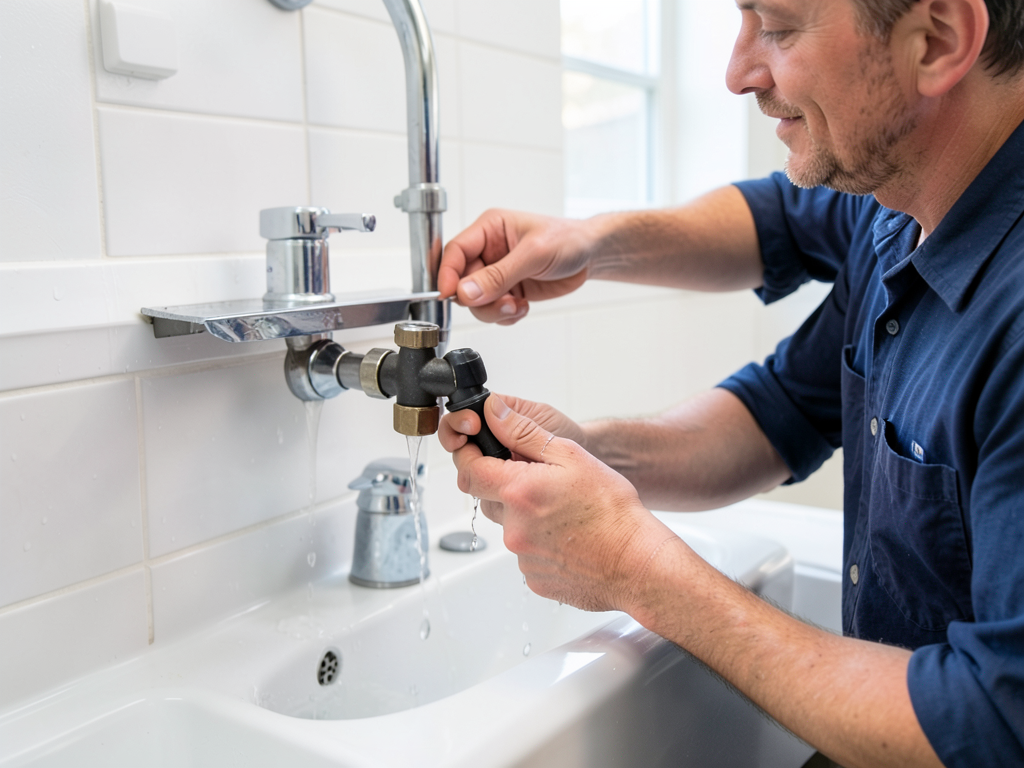
Diagram showing a residential gray water system with diverter valve, filter, storage tank, and subsurface drip irrigation lines. The Cost of Tankless Water Heater Installation in Jeffersontown.
Kentucky Plumbing Codes: Is Gray Water Legal in Louisville?
Gray water systems are legal in Louisville when installed according to Kentucky Administrative Regulations (KAR) Chapter 318 and Louisville Metro Department of Codes & Regulations requirements. The Kentucky State Plumbing Code permits non-potable water reuse for subsurface irrigation but prohibits surface application or storage for more than 24 hours without treatment. EPA gray water guidelines.
Installation requires a permit from Louisville Metro Building Safety and inspections by a licensed plumber. The system must include approved backflow prevention devices to prevent contamination of potable water lines. Louisville MSD (Metropolitan Sewer District) mandates that gray water systems cannot discharge to storm drains or surface water bodies. Fixing Low Water Pressure in Your Crescent Hill Bungalow.
Key code requirements include using NSF-certified components, installing clearly marked purple piping for non-potable water, and maintaining a minimum separation distance of 2 feet between irrigation lines and building foundations. The system cannot connect to kitchen sinks or dishwashers, as this water contains food particles and grease that can clog filters and create odors.. Read more about Installing a French Drain to Stop Yard Erosion in Windy Hills.
Benefits of Gray Water Recycling for Louisville Homeowners
Reducing Your Louisville Water & MSD Bills
Louisville Water Company charges residential customers $5.29 per 1,000 gallons for the first 9,000 gallons monthly, with higher rates for additional usage. A typical family uses 40-60 gallons per day for showers and 15-30 gallons per load of laundry. By recycling this water for irrigation, you can save $15-30 monthly during the growing season.
MSD bills are based on water consumption, so reducing your water usage also lowers your sewer charges. Many Louisville homeowners see a 25-35% reduction in their combined water and sewer bills after installing gray water systems. During summer months when irrigation demands peak, these savings become even more significant.
Sustainable Landscaping and Irrigation
Louisville’s humid continental climate creates distinct wet and dry periods. Summer thunderstorms can deliver 2-3 inches of rain in a single day, while July and August often see less than 3 inches total. Gray water provides consistent moisture during dry spells when municipal water restrictions may apply.
The clay soil common in Jefferson County holds moisture well but drains poorly. Subsurface gray water irrigation delivers water directly to plant roots, reducing evaporation losses and preventing the fungal diseases that thrive in wet foliage. This targeted approach promotes deeper root growth and more drought-resistant plants.
Our Professional Gray Water Installation Process
- Site Assessment and Design
Our licensed plumbers evaluate your home’s plumbing layout, soil conditions, and garden design. We determine which fixtures can supply gray water and design a system that meets code requirements while maximizing water savings. 24/7 Emergency Plumbing Services.
- Permit Acquisition and Planning
We handle all permit applications through Louisville Metro Building Safety and coordinate with MSD for compliance verification. This includes submitting detailed plumbing plans and obtaining necessary approvals before installation begins.
- Plumbing Modifications and Installation
Certified technicians install diverter valves, filtration systems, and purple-coded distribution piping. We ensure all connections meet Kentucky plumbing code standards and include proper backflow prevention devices. Backflow Prevention & Testing.
- Testing and Final Inspection
After installation, we pressure test the system, verify proper flow rates, and coordinate final inspections with Louisville Metro. We provide complete documentation for your records and warranty registration.
Technician installing a three-way diverter valve under a bathroom sink to enable gray water collection.
Why Choose Victory Plumbing for Your Louisville Gray Water System?
Victory Plumbing holds Kentucky Master Plumber licenses and maintains current certifications in water conservation technologies. Our technicians complete annual training on evolving gray water regulations and installation best practices. We understand Louisville’s specific challenges, from the freeze-thaw cycles that affect buried piping to the clay soil conditions that impact drainage.
We provide detailed cost estimates upfront and handle all permit paperwork, saving you time and ensuring compliance. Our installations include premium NSF-certified components with manufacturer warranties and our own workmanship guarantee. We also offer maintenance services to keep your system operating efficiently for years to come.
Call (502) 370-2677 today to schedule your gray water consultation and start saving water tomorrow.
Gray Water FAQs for Kentucky Residents
Is gray water safe for vegetable gardens?
Yes, when properly filtered and applied through subsurface irrigation. Avoid using gray water on root vegetables or leafy greens that contact soil directly. Fruit trees and ornamental plants are ideal candidates for gray water irrigation.
How much maintenance does a gray water system require?
Basic maintenance includes quarterly filter cleaning, annual system inspection, and checking for leaks or blockages. Most homeowners can handle simple maintenance, but we recommend professional service every 2-3 years to ensure optimal performance.
Can I install a gray water system myself?
Kentucky law requires licensed plumbers to install systems connected to potable water lines. DIY installations risk code violations, water contamination, and system failures. Professional installation ensures safety, compliance, and warranty protection.
What happens during freezing weather?
Gray water systems include automatic drain-back features that empty lines when temperatures drop below freezing. We also install insulation on exposed components and provide winterization services to prevent freeze damage.
How long does installation take?
Most residential systems install in 1-2 days once permits are approved. Complex systems or those requiring extensive plumbing modifications may take 3-4 days. We work efficiently to minimize disruption to your home.
Will gray water affect my plants?
When properly filtered, gray water provides beneficial nutrients from soap residues. However, avoid using water containing bleach, fabric softener, or bath salts, as these can harm plants. We provide guidelines on safe gray water practices.
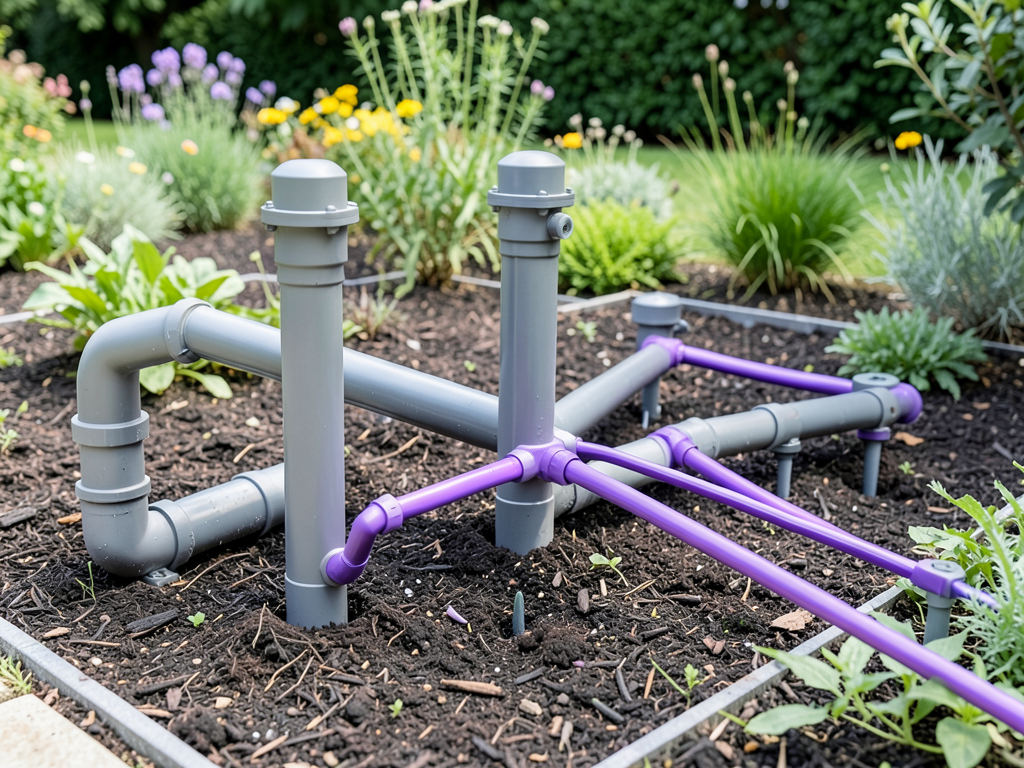
Finished gray water system with purple-coded distribution lines feeding subsurface drip emitters in a landscaped garden area.
{
“@context”: “https://schema.org”,
“@type”: “BlogPosting”,
“headline”: “Can You Install a Gray Water Recycling System in Your Louisville Garden?”,
“description”: “Learn if gray water recycling is legal in Louisville and how to install a system that saves water and money. Expert plumbing insights for Kentucky homeowners.”,
“wordCount”: 1198,
“datePublished”: “2026-04-04T14:19:00.000Z”,
“dateModified”: “2026-04-04T14:19:00.000Z”,
“inLanguage”: “en-US”,
“mainEntityOfPage”: {
“@type”: “WebPage”,
“@id”: “https://victoryplumbinglouisville.com”
},
“publisher”: {
“@type”: “LocalBusiness”,
“name”: “Victory Plumbing Louisville”,
“url”: “https://victoryplumbinglouisville.com”
},
“author”: {
“@type”: “Organization”,
“name”: “Victory Plumbing Louisville”,
“url”: “https://victoryplumbinglouisville.com”
},
“image”: {
“@type”: “ImageObject”,
“url”: “https://victoryplumbinglouisville.com/wp-content/uploads/2026/03/can-you-install-a-gray-water-recycling-system-in-y-1.png”
}
}
{
“@context”: “https://schema.org”,
“@type”: “Plumber”,
“name”: “Victory Plumbing Louisville”,
“url”: “https://victoryplumbinglouisville.com”,
“address”: {
“@type”: “PostalAddress”,
“addressLocality”: “Louisville”
},
“areaServed”: {
“@type”: “City”,
“name”: “Louisville”
}
}
{
“@context”: “https://schema.org”,
“@type”: “FAQPage”,
“mainEntity”: [
{
“@type”: “Question”,
“name”: “What is a Gray Water System and How Does It Work?”,
“acceptedAnswer”: {
“@type”: “Answer”,
“text”: “Gray water systems collect wastewater from non-kitchen sources like bathroom sinks, showers, and laundry machines. This water contains soap residue and skin cells but no fecal matter or harsh chemicals found in black water. The system diverts this water through a three-way valve to either the sewer or a collection tank. From there, it passes through a filter to remove particles before being pumped to subsurface irrigation lines in your garden. How to Handle a Main Sewer Line Backup in Your St. Matthews Home.”
}
},
{
“@type”: “Question”,
“name”: “Kentucky Plumbing Codes: Is Gray Water Legal in Louisville?”,
“acceptedAnswer”: {
“@type”: “Answer”,
“text”: “Gray water systems are legal in Louisville when installed according to Kentucky Administrative Regulations (KAR) Chapter 318 and Louisville Metro Department of Codes & Regulations requirements. The Kentucky State Plumbing Code permits non-potable water reuse for subsurface irrigation but prohibits surface application or storage for more than 24 hours without treatment. EPA gray water guidelines.”
}
},
{
“@type”: “Question”,
“name”: “Why Choose Victory Plumbing for Your Louisville Gray Water System?”,
“acceptedAnswer”: {
“@type”: “Answer”,
“text”: “Victory Plumbing holds Kentucky Master Plumber licenses and maintains current certifications in water conservation technologies. Our technicians complete annual training on evolving gray water regulations and installation best practices. We understand Louisville’s specific challenges, from the freeze-thaw cycles that affect buried piping to the clay soil conditions that impact drainage.”
}
},
{
“@type”: “Question”,
“name”: “Is gray water safe for vegetable gardens?”,
“acceptedAnswer”: {
“@type”: “Answer”,
“text”: “Yes, when properly filtered and applied through subsurface irrigation. Avoid using gray water on root vegetables or leafy greens that contact soil directly. Fruit trees and ornamental plants are ideal candidates for gray water irrigation.”
}
},
{
“@type”: “Question”,
“name”: “How much maintenance does a gray water system require?”,
“acceptedAnswer”: {
“@type”: “Answer”,
“text”: “Basic maintenance includes quarterly filter cleaning, annual system inspection, and checking for leaks or blockages. Most homeowners can handle simple maintenance, but we recommend professional service every 2-3 years to ensure optimal performance.”
}
},
{
“@type”: “Question”,
“name”: “Can I install a gray water system myself?”,
“acceptedAnswer”: {
“@type”: “Answer”,
“text”: “Kentucky law requires licensed plumbers to install systems connected to potable water lines. DIY installations risk code violations, water contamination, and system failures. Professional installation ensures safety, compliance, and warranty protection.”
}
},
{
“@type”: “Question”,
“name”: “What happens during freezing weather?”,
“acceptedAnswer”: {
“@type”: “Answer”,
“text”: “Gray water systems include automatic drain-back features that empty lines when temperatures drop below freezing. We also install insulation on exposed components and provide winterization services to prevent freeze damage.”
}
},
{
“@type”: “Question”,
“name”: “How long does installation take?”,
“acceptedAnswer”: {
“@type”: “Answer”,
“text”: “Most residential systems install in 1-2 days once permits are approved. Complex systems or those requiring extensive plumbing modifications may take 3-4 days. We work efficiently to minimize disruption to your home.”
}
},
{
“@type”: “Question”,
“name”: “Will gray water affect my plants?”,
“acceptedAnswer”: {
“@type”: “Answer”,
“text”: “When properly filtered, gray water provides beneficial nutrients from soap residues. However, avoid using water containing bleach, fabric softener, or bath salts, as these can harm plants. We provide guidelines on safe gray water practices.”
}
}
]
}
{
“@context”: “https://schema.org”,
“@type”: “HowTo”,
“name”: “Gray Water System Installation”,
“step”: [
{
“@type”: “HowToStep”,
“position”: 1,
“name”: “Site Assessment and Design”,
“text”: “Our licensed plumbers evaluate your home’s plumbing layout, soil conditions, and garden design. We determine which fixtures can supply gray water and design a system that meets code requirements while maximizing water savings. 24/7 Emergency Plumbing Services.”
},
{
“@type”: “HowToStep”,
“position”: 2,
“name”: “Permit Acquisition and Planning”,
“text”: “We handle all permit applications through Louisville Metro Building Safety and coordinate with MSD for compliance verification. This includes submitting detailed plumbing plans and obtaining necessary approvals before installation begins.”
},
{
“@type”: “HowToStep”,
“position”: 3,
“name”: “Plumbing Modifications and Installation”,
“text”: “Certified technicians install diverter valves, filtration systems, and purple-coded distribution piping. We ensure all connections meet Kentucky plumbing code standards and include proper backflow prevention devices. Backflow Prevention & Testing.”
},
{
“@type”: “HowToStep”,
“position”: 4,
“name”: “Testing and Final Inspection”,
“text”: “After installation, we pressure test the system, verify proper flow rates, and coordinate final inspections with Louisville Metro. We provide complete documentation for your records and warranty registration.”
}
],
“image”: “https://victoryplumbinglouisville.com/wp-content/uploads/2026/03/can-you-install-a-gray-water-recycling-system-in-y-1.png”
}
{
“@context”: “https://schema.org”,
“@type”: “BreadcrumbList”,
“itemListElement”: [
{
“@type”: “ListItem”,
“position”: 1,
“name”: “Home”,
“item”: “https://victoryplumbinglouisville.com”
},
{
“@type”: “ListItem”,
“position”: 2,
“name”: “Blog”,
“item”: “https://victoryplumbinglouisville.com/blog”
},
{
“@type”: “ListItem”,
“position”: 3,
“name”: “Can You Install a Gray Water Recycling System in Your Louisville Garden?”
}
]
}
{
“@context”: “https://schema.org”,
“@type”: “Service”,
“serviceType”: “Plumbing”,
“provider”: {
“@type”: “LocalBusiness”,
“name”: “Victory Plumbing Louisville”,
“url”: “https://victoryplumbinglouisville.com”
},
“areaServed”: {
“@type”: “City”,
“name”: “Louisville”
},
“description”: “Learn if gray water recycling is legal in Louisville and how to install a system that saves water and money. Expert plumbing insights for Kentucky homeowners.”
}