
How to Spot Hard Water Damage in Your Pleasure Ridge Park Plumbing
Hard water contains high levels of dissolved minerals like calcium and magnesium. In Pleasure Ridge Park, the Louisville Water Company reports water hardness levels between 7-10 grains per gallon (GPG), which falls in the moderately hard to hard range. This mineral content creates visible and hidden problems throughout your home’s plumbing system. Louisville Water Company.
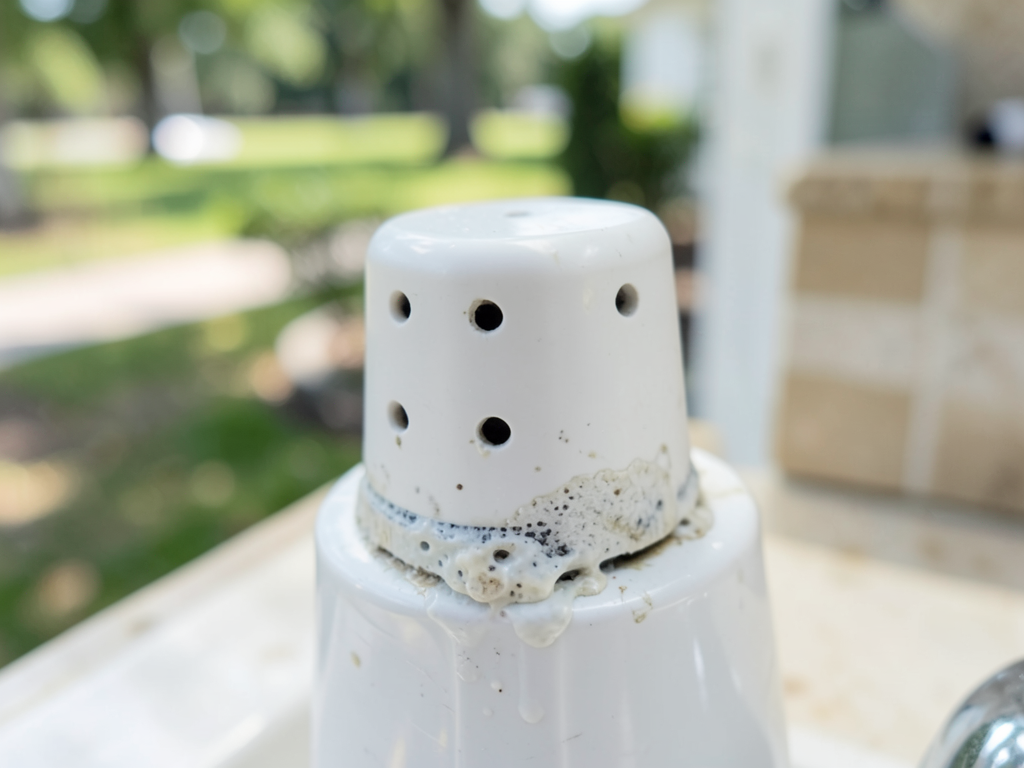
You’ll notice hard water damage through scale buildup on faucets, reduced water pressure, and appliances that wear out faster than expected. The white chalky residue on showerheads and cloudy spots on glassware are clear indicators. These minerals precipitate out of the water when heated, forming stubborn deposits that restrict flow and reduce efficiency. The Cost of Tankless Water Heater Installation in Jeffersontown.
Visual Signs of Hard Water Damage
The most obvious evidence appears on fixtures and surfaces throughout your home. Scale buildup forms a white, crusty layer on faucets, showerheads, and around drain openings. This mineral deposit feels rough to the touch and resists normal cleaning methods.. Read more about How to Choose the Right Shower Valve for Your Pleasure Ridge Park Bathroom Upgrade.
Glassware and dishes develop cloudy spots that don’t wash away. Even after thorough cleaning, glasses appear dull and streaked. This happens because dissolved minerals leave behind microscopic deposits as water evaporates from the surface. Fixing Low Water Pressure in Your Crescent Hill Bungalow.
Shower doors and tiles accumulate a film that feels slick but won’t wipe clean easily. This soap scum forms when hard water minerals react with soap, creating a sticky residue that traps dirt and bacteria.. Read more about Comparing Heat Pump Water Heaters and Electric Tanks for Energy Savings in Butchertown.
IMAGE_PLACEHOLDER_1
Hidden Damage Inside Your Pipes
Inside your plumbing, minerals accumulate along pipe walls, reducing water flow over time. This buildup creates rough surfaces that catch debris and form blockages. You might notice reduced water pressure at faucets or showerheads, especially in homes over 15 years old.. Read more about Troubleshooting Well Pump Pressure Problems for Homes in Fisherville.
Water heaters suffer significantly from hard water. Minerals settle at the bottom of the tank, creating a layer of sediment that reduces heating efficiency by up to 30%. The burner must work harder to heat water through this insulating layer, increasing energy costs and shortening the unit’s lifespan.. Read more about Why Water Keeps Pooling at the Bottom of Your Dishwasher in Valley Station.
According to the Kentucky State Plumbing Code, water heaters should be flushed annually in areas with water hardness above 7 GPG. This maintenance removes sediment and prevents premature failure.
Appliance Performance Issues
Dishwashers and washing machines experience reduced efficiency when hard water minerals coat internal components. You might notice:
- Dishes coming out with spots or a film
- Clothes feeling stiff or looking dull after washing
- Increased detergent usage to achieve clean results
- Unusual noises from appliances as mineral deposits interfere with moving parts
Ice makers produce cloudy cubes that melt faster than clear ice. The dissolved minerals affect both appearance and melting rate, potentially impacting beverage quality.
Skin and Hair Effects
Hard water affects more than just your plumbing. The minerals strip natural oils from skin and hair, causing:
- Dry, itchy skin after showering
- Dull, brittle hair that tangles easily
- Razor burn or irritation during shaving
- Scalp dryness or flaking
Soap and shampoo don’t lather well in hard water, forcing you to use more product for the same cleaning effect. This creates a cycle where you’re using more chemicals while getting less benefit.
The Louisville Water Quality Context
Pleasure Ridge Park receives water from the Louisville Water Company, which draws from the Ohio River. The water travels through limestone-rich areas before reaching treatment facilities, picking up calcium and magnesium along the way.
Local water hardness varies seasonally. Spring runoff from limestone areas can temporarily increase mineral content, while winter months often show slightly lower readings. The 40258 and 40272 zip codes consistently report hardness levels in the moderately hard to hard range.
Unlike municipal water systems that use corrosion control chemicals, Louisville’s approach focuses on maintaining natural mineral content while ensuring safety. This means the hardness levels remain relatively stable year-round.
Testing Your Water at Home
You can perform a simple test to check your water hardness. Fill a clear bottle one-third full with tap water, add a few drops of pure liquid soap, and shake vigorously. If you get minimal suds and cloudy water, you likely have hard water.
For more accurate results, test strips available at hardware stores measure hardness in grains per gallon. These provide a quick reading that helps determine if treatment is necessary.
Professional plumbers use digital testing equipment that measures multiple water quality parameters simultaneously. This comprehensive analysis identifies specific mineral content and helps recommend appropriate treatment solutions.
Comparing Hard Water Solutions
Understanding your options helps you choose the right solution for your home. Here’s how common water treatment methods compare:
| Treatment Method | Initial Cost | Maintenance | Effectiveness |
|---|---|---|---|
| Water Softener | $800-$2,500 | Monthly salt refill | Removes 95%+ minerals |
| Water Conditioner | $600-$1,800 | Annual cleaning | Changes mineral structure |
| Reverse Osmosis | $300-$600 | Filter replacement | Point-of-use only |
| Whole House Filter | $400-$1,200 | Annual cartridge change | Reduces sediment |
Professional Water Testing Benefits
While home tests provide basic information, professional testing reveals the complete picture of your water quality. A comprehensive analysis includes:
- Hardness levels in grains per gallon
- pH balance and acidity
- Iron and manganese content
- Total dissolved solids (TDS)
- Chlorine and chloramine levels
This detailed information helps determine if you need a simple water softener or a more comprehensive treatment system. It also identifies other potential issues like high iron content that could stain fixtures or affect taste.
Impact on Specific Appliances
Different appliances experience unique problems from hard water exposure:
Water Heaters: Sediment buildup reduces efficiency by 25-30% and can cause popping sounds as water bubbles through mineral layers. Tankless units develop scale on heat exchangers, potentially causing premature failure.
Dishwashers: Spray arms clog with mineral deposits, reducing cleaning effectiveness. Heating elements develop scale that insulates them from water, increasing energy use.
Washing Machines: Hard water minerals combine with detergent to form soap curd that clogs hoses and reduces cleaning power. This buildup can cause leaks and mechanical failures.
Coffee Makers: Scale forms on heating elements and inside water lines, affecting brewing temperature and taste. Regular descaling becomes necessary to maintain performance.
Long-Term Cost Considerations
Hard water damage adds up over time. Consider these potential costs:
- Water heater replacement every 7-10 years instead of 12-15
- Increased energy bills from reduced appliance efficiency
- More frequent plumbing repairs due to scale buildup
- Higher detergent and soap costs
- Premature replacement of faucets and fixtures
Many homeowners find that investing in water treatment pays for itself within 3-5 years through these savings.
Local Water Treatment Regulations
The Louisville Metro Department of Codes & Regulations requires permits for water treatment system installations. According to Section 401.3 of the Kentucky State Plumbing Code, all water treatment equipment must meet NSF/ANSI standards for drinking water treatment. EPA drinking water regulations.
Installation must comply with local plumbing codes regarding backflow prevention. This prevents treated water from contaminating the municipal supply through cross-connections.
Professional installation ensures your system meets these requirements while providing optimal performance for Pleasure Ridge Park’s specific water conditions.
Choosing the Right Solution
Your ideal water treatment solution depends on several factors:
- Current hardness level
- Household size and water usage
- Budget for equipment and maintenance
- Space available for installation
- Environmental concerns about salt discharge
Water softeners using ion exchange technology remain the most effective solution for homes with hardness above 7 GPG. These systems exchange calcium and magnesium ions for sodium or potassium ions, completely removing the minerals that cause hard water problems.
Alternative technologies like template-assisted crystallization change how minerals behave without removing them. These systems prevent scale formation while avoiding salt discharge, making them suitable for homes with septic systems or environmental concerns.
Maintenance Requirements
Water treatment systems require regular maintenance to function properly:
- Water softeners need monthly salt refills
- Filters require replacement every 6-12 months
- RO systems need membrane replacement every 2-3 years
- Conditioners may need annual cleaning
Neglecting maintenance reduces system effectiveness and can lead to premature failure. Professional service plans ensure your equipment continues protecting your plumbing investment. Protecting Your Anchorage Basement with a Reliable Sump Pump System.
Environmental Considerations
Traditional water softeners discharge brine during regeneration cycles. This salt-laden water enters the municipal sewer system and can affect wastewater treatment processes. How to Handle a Main Sewer Line Backup in Your St. Matthews Home.
Newer systems use demand-initiated regeneration, only regenerating when necessary based on actual water usage. This reduces salt consumption by 30-50% compared to timer-based systems.
Some communities restrict water softener installation due to environmental concerns. While Louisville doesn’t currently have such restrictions, it’s worth considering salt-free alternatives if you’re environmentally conscious.
Cost-Benefit Analysis
Let’s examine the financial impact of hard water versus treatment:
| Factor | Hard Water Cost | Treated Water Savings |
|---|---|---|
| Appliance Lifespan | Reduced by 30-40% | Extended by 50% |
| Energy Costs | 15-25% higher | 15-25% lower |
| Cleaning Products | 40% more usage | 40% less usage |
| Plumbing Repairs | $200-$500 annually | Minimal |
| Water Heater Efficiency | 25% less efficient | 25% more efficient |
Professional Installation Benefits
DIY water treatment installation often leads to problems. Professional plumbers understand:
- Proper sizing based on water hardness and household usage
- Local plumbing code requirements
- Optimal placement for minimal disruption
- Integration with existing plumbing systems
- Backflow prevention requirements
Professional installation includes water testing, system sizing calculations, and proper permit acquisition. This ensures your system works effectively from day one.
Warning Signs You Need Treatment
Certain indicators suggest immediate action is needed:
- White scale buildup visible within 6 months of new fixtures
- Water pressure dropping noticeably over 1-2 years
- Water heater making popping or rumbling sounds
- Dishes consistently spotty after washing
- Skin irritation after showering
These symptoms indicate mineral levels high enough to cause significant damage to your plumbing system.
Future-Proofing Your Home
Water treatment represents a home improvement that protects your entire plumbing investment. As homes in Pleasure Ridge Park age, hard water damage accelerates deterioration of pipes, fixtures, and appliances.
Installing treatment now prevents costly emergency repairs later. It’s similar to replacing an old roof before leaks cause interior damage – proactive maintenance saves money long-term.
Modern systems include smart technology that monitors water usage and system performance. These features alert you to problems before they cause damage, providing peace of mind and protecting your investment.
IMAGE_PLACEHOLDER_2
Take Action Today
Hard water damage in Pleasure Ridge Park homes is progressive and cumulative. The longer you wait, the more expensive repairs become. Scale buildup inside pipes cannot be removed without replacement, and appliances suffering from mineral damage rarely recover full efficiency.. Read more about PEX vs Copper Pipe Replacement for Older Homes in Cloverleaf.
A simple water test reveals your exact hardness level and helps determine the most cost-effective solution. Professional plumbers can evaluate your specific situation and recommend systems sized correctly for your home’s needs. Why Your Prospect Home Needs a Whole House Water Filtration System.
Don’t let hard water destroy your plumbing investment. The minerals that make our Louisville water taste good can silently damage your home’s infrastructure. Early detection and treatment prevent costly repairs and extend the life of your plumbing system.
Frequently Asked Questions
How can I tell if I have hard water without testing?
Look for white scale buildup on faucets, cloudy spots on glassware, soap that doesn’t lather well, and dry skin after showering. These are the most common visible signs of hard water in Pleasure Ridge Park homes.. Read more about Signs Your Lake Forest Home Has Failing Polybutylene Pipes.
Is hard water dangerous to drink?
Hard water isn’t harmful to drink and may even provide beneficial minerals like calcium and magnesium. The issues are primarily related to plumbing damage, appliance efficiency, and cleaning effectiveness rather than health concerns.
How much does water softening cost in Pleasure Ridge Park?
Professional water softener installation typically ranges from $800 to $2,500 depending on system size and features. Monthly maintenance costs include salt refills at approximately $5-10 per month.
Can I install a water softener myself?
While DIY installation is possible, professional installation ensures proper sizing, code compliance, and optimal performance. Incorrect installation can lead to leaks, inefficient operation, or even water contamination issues.
How long do water softeners last?
Quality water softeners typically last 10-15 years with proper maintenance. The resin bed may need replacement after 7-10 years, but the control valve and tank often last the system’s full lifespan.
Protect Your Plumbing Investment
Hard water damage in Pleasure Ridge Park homes is preventable with the right solution. The signs are clear – scale buildup, reduced water pressure, and appliance inefficiency all point to mineral problems that worsen over time.
Professional water testing takes less than an hour and provides the information needed to make an informed decision. With proper treatment, you can eliminate scale buildup, extend appliance life, and improve cleaning effectiveness throughout your home.
Don’t wait until hard water causes expensive damage. Call (502) 370-2677 today to schedule your free water hardness test and protect your home’s plumbing system.
IMAGE_PLACEHOLDER_3
Call (502) 370-2677 now to speak with a water treatment specialist about protecting your Pleasure Ridge Park home from hard water damage.
{
“@context”: “https://schema.org”,
“@type”: “BlogPosting”,
“headline”: “How to Spot Hard Water Damage in Your Pleasure Ridge Park Plumbing”,
“description”: “Learn the telltale signs of hard water damage in Pleasure Ridge Park homes. From limescale buildup to appliance wear, discover how Louisville’s water affects your plumbing.”,
“wordCount”: 2129,
“datePublished”: “2026-03-05T13:37:00.000Z”,
“dateModified”: “2026-03-05T13:37:00.000Z”,
“inLanguage”: “en-US”,
“mainEntityOfPage”: {
“@type”: “WebPage”,
“@id”: “https://victoryplumbinglouisville.com”
},
“publisher”: {
“@type”: “LocalBusiness”,
“name”: “Victory Plumbing Louisville”,
“url”: “https://victoryplumbinglouisville.com”
},
“author”: {
“@type”: “Organization”,
“name”: “Victory Plumbing Louisville”,
“url”: “https://victoryplumbinglouisville.com”
},
“image”: {
“@type”: “ImageObject”,
“url”: “https://victoryplumbinglouisville.com/wp-content/uploads/2026/03/how-to-spot-hard-water-damage-in-your-pleasure-rid-1.png”
}
}
{
“@context”: “https://schema.org”,
“@type”: “Plumber”,
“name”: “Victory Plumbing Louisville”,
“url”: “https://victoryplumbinglouisville.com”,
“address”: {
“@type”: “PostalAddress”,
“addressLocality”: “Louisville”
},
“areaServed”: {
“@type”: “City”,
“name”: “Louisville”
}
}
{
“@context”: “https://schema.org”,
“@type”: “FAQPage”,
“mainEntity”: [
{
“@type”: “Question”,
“name”: “How can I tell if I have hard water without testing?”,
“acceptedAnswer”: {
“@type”: “Answer”,
“text”: “Look for white scale buildup on faucets, cloudy spots on glassware, soap that doesn’t lather well, and dry skin after showering. These are the most common visible signs of hard water in Pleasure Ridge Park homes.”
}
},
{
“@type”: “Question”,
“name”: “Is hard water dangerous to drink?”,
“acceptedAnswer”: {
“@type”: “Answer”,
“text”: “Hard water isn’t harmful to drink and may even provide beneficial minerals like calcium and magnesium. The issues are primarily related to plumbing damage, appliance efficiency, and cleaning effectiveness rather than health concerns.”
}
},
{
“@type”: “Question”,
“name”: “How much does water softening cost in Pleasure Ridge Park?”,
“acceptedAnswer”: {
“@type”: “Answer”,
“text”: “Professional water softener installation typically ranges from $800 to $2,500 depending on system size and features. Monthly maintenance costs include salt refills at approximately $5-10 per month.”
}
},
{
“@type”: “Question”,
“name”: “Can I install a water softener myself?”,
“acceptedAnswer”: {
“@type”: “Answer”,
“text”: “While DIY installation is possible, professional installation ensures proper sizing, code compliance, and optimal performance. Incorrect installation can lead to leaks, inefficient operation, or even water contamination issues.”
}
},
{
“@type”: “Question”,
“name”: “How long do water softeners last?”,
“acceptedAnswer”: {
“@type”: “Answer”,
“text”: “Quality water softeners typically last 10-15 years with proper maintenance. The resin bed may need replacement after 7-10 years, but the control valve and tank often last the system’s full lifespan.”
}
}
]
}
{
“@context”: “https://schema.org”,
“@type”: “BreadcrumbList”,
“itemListElement”: [
{
“@type”: “ListItem”,
“position”: 1,
“name”: “Home”,
“item”: “https://victoryplumbinglouisville.com”
},
{
“@type”: “ListItem”,
“position”: 2,
“name”: “Blog”,
“item”: “https://victoryplumbinglouisville.com/blog”
},
{
“@type”: “ListItem”,
“position”: 3,
“name”: “How to Spot Hard Water Damage in Your Pleasure Ridge Park Plumbing”
}
]
}
{
“@context”: “https://schema.org”,
“@type”: “Service”,
“serviceType”: “Plumbing”,
“provider”: {
“@type”: “LocalBusiness”,
“name”: “Victory Plumbing Louisville”,
“url”: “https://victoryplumbinglouisville.com”
},
“areaServed”: {
“@type”: “City”,
“name”: “Louisville”
},
“description”: “Learn the telltale signs of hard water damage in Pleasure Ridge Park homes. From limescale buildup to appliance wear, discover how Louisville’s water affects your plumbing.”
}