
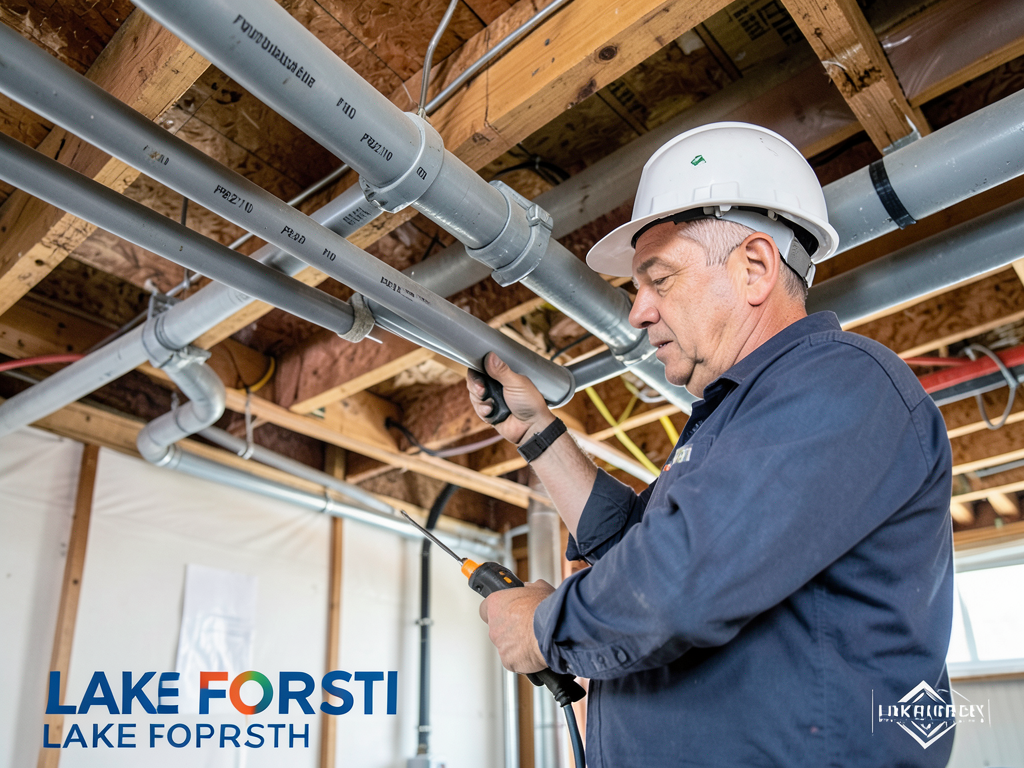
Signs Your Lake Forest Home Has Failing Polybutylene Pipes
If you own a home in Lake Forest built between 1978 and 1995, your plumbing system may contain polybutylene pipes. These gray plastic pipes were once considered a revolutionary plumbing material but have since proven to be a ticking time bomb in thousands of Louisville homes. Polybutylene pipes react with chlorine in treated water, causing them to become brittle and fail without warning. The result can be catastrophic water damage to your home’s interior, ruined personal belongings, and expensive repairs that insurance companies may refuse to cover. EPA information on chlorine in drinking water.
Polybutylene was widely installed in Louisville’s East End suburbs during the 1980s building boom. The material’s flexibility made it attractive to builders, but its chemical instability made it a disaster waiting to happen. Homes in Lake Forest are particularly vulnerable because many were constructed during the peak years of polybutylene use. The pipes typically fail after 10 to 15 years of service, and many Lake Forest homes are now approaching or exceeding that critical age threshold. Louisville Metro Department of Codes and Regulations.
How to Identify Polybutylene Pipes in Your Lake Forest Home
Identifying polybutylene pipes requires knowing what to look for. These pipes are typically gray, blue, or black and have a distinctive dull finish. They are flexible and can be bent without breaking. The most reliable identification method is finding the PB2110 marking stamped on the pipe surface. This marking indicates polybutylene material that meets certain manufacturing standards.. Read more about Preventing Frozen Pipes and Outdoor Spigot Damage During a Louisville Winter.
Common locations to check include your basement ceiling, crawl space, or utility room where the main water line enters your home. Look for gray pipes running along floor joists or through walls. The pipes often connect to copper fittings using plastic or metal insert fittings. If you see gray flexible pipes with copper connections, you likely have polybutylene in your system. The Cost of Tankless Water Heater Installation in Jeffersontown.
Another telltale sign is the presence of “Quest” brand markings on the pipes. Quest was the most popular polybutylene manufacturer during the 1980s. These pipes may also have production codes indicating the manufacturing date. Pipes produced after 1985 are particularly problematic as manufacturing changes made the material more susceptible to chlorine degradation.
If you cannot access your plumbing directly, check your home inspection report from when you purchased the property. Many inspectors note the presence of polybutylene pipes as a significant defect. You can also hire a licensed plumber to perform a camera inspection of your water lines to confirm the pipe material. Fixing Low Water Pressure in Your Crescent Hill Bungalow.
Why Polybutylene Pipes Fail in Louisville Homes
The chemistry behind polybutylene failure is well understood. When chlorine-treated water flows through polybutylene pipes, a chemical reaction occurs between the chlorine and the polymer chains that make up the pipe material. This reaction causes the pipes to become brittle and develop micro-fractures. Over time, these fractures grow larger until the pipe fails completely.. Read more about How to Locate and Use the Main Water Shutoff Valve in Your Newburg Home.
Louisville’s water treatment process uses chlorine levels that are safe for human consumption but destructive to polybutylene pipes. The Jefferson County Water District maintains chlorine levels between 0.8 and 1.2 parts per million, which is sufficient to initiate the degradation process in polybutylene materials. The reaction accelerates in hot water lines where temperatures reach 120 to 140 degrees Fahrenheit.
Acetal fittings used to connect polybutylene pipes are also prone to failure. These plastic fittings become brittle over time and can crack or break under normal water pressure. When both the pipe and fittings fail, the result is a catastrophic leak that can release hundreds of gallons of water before you can shut off the main supply.
The failure pattern follows a predictable timeline. Pipes typically show no visible signs of deterioration for the first 8 to 10 years. After that, small pinhole leaks begin to appear. These leaks often occur behind walls or under floors where they go unnoticed until significant damage has occurred. By year 15, the failure rate increases dramatically as the pipe material reaches the end of its useful life.
Warning Signs Your Polybutylene Pipes Are Failing
Several warning signs indicate your polybutylene pipes may be failing. Water pressure drops throughout your home can signal internal pipe degradation. As pipes become brittle and develop scale buildup, the internal diameter decreases, reducing water flow to fixtures. You might notice weak shower pressure or slow-filling toilets.
Discolored water from your faucets often indicates pipe deterioration. As polybutylene breaks down, it releases particles into the water supply. The water may appear gray, yellow, or have a cloudy appearance. This discoloration is more noticeable when you first turn on a faucet after periods of inactivity.
Frequent plumbing leaks are the most obvious sign of polybutylene failure. If you have experienced multiple leaks in different areas of your home over the past few years, your pipes are likely deteriorating systemically. These leaks often occur without warning and can cause significant water damage before they are discovered. 24/7 Emergency Plumbing Services.
Unusual noises from your plumbing system can indicate pipe stress. As polybutylene becomes brittle, it loses its ability to expand and contract with temperature changes. You might hear popping, creaking, or banging sounds when you use hot water or when your water heater cycles on and off.. Read more about Is a Smart Leak Detection System Worth the Investment for Your Tyler Park Home?.
High water bills without increased usage often point to hidden leaks. Polybutylene pipes can develop small leaks behind walls or under floors that are not immediately visible. These slow leaks can waste thousands of gallons of water before you notice the increased water usage on your monthly bill.
Musty odors or visible mold growth in your home can indicate water damage from leaking pipes. Polybutylene failures often occur in wall cavities or under floors where the water has time to soak into building materials before it becomes visible. By the time you smell mold or see water stains, significant damage has already occurred.
The Risks of Ignoring Polybutylene Pipe Problems
Delaying polybutylene replacement exposes your Lake Forest home to severe risks. The most immediate danger is catastrophic water damage. When a polybutylene pipe fails completely, it can release water at a rate of 10 to 15 gallons per minute. In a two-story home, this means thousands of gallons can flood your lower levels before you can locate and operate the main shutoff valve.. Read more about PEX vs Copper Pipe Replacement for Older Homes in Cloverleaf.
Insurance companies have become increasingly aware of polybutylene risks. Many Kentucky insurers now charge premium surcharges for homes with polybutylene pipes or refuse to cover water damage claims related to these materials. Some companies may even cancel your policy if they discover polybutylene during a routine inspection or claim investigation.
Property values in Lake Forest can be negatively impacted by the presence of polybutylene pipes. Home buyers are becoming more educated about the risks and often demand price reductions or require replacement before closing. In a competitive real estate market, having polybutylene pipes can make your home less attractive to potential buyers.
The health risks associated with polybutylene failure extend beyond water damage. As pipes deteriorate, they can release chemicals and particles into your drinking water. While the long-term health effects are still being studied, many homeowners prefer to eliminate this potential source of water contamination.. Read more about What Every Schnitzelburg Homeowner Should Know Before Relocating Laundry Room Pipes.
Emergency plumbing services during a pipe failure can cost thousands of dollars in after-hours rates. When a polybutylene pipe bursts at night or on a weekend, you may pay premium rates for emergency response. The water damage restoration process that follows can add tens of thousands of dollars to your repair costs.
Polybutylene Replacement Options for Lake Forest Homes
Replacing polybutylene pipes requires careful planning and professional installation. The two primary replacement options are PEX piping and copper piping. Each material has advantages depending on your home’s construction and your budget considerations.
PEX piping has become the preferred choice for many Louisville homeowners. This flexible plastic piping resists chlorine damage and can be installed with fewer fittings than rigid piping systems. PEX expands slightly when frozen, reducing the risk of burst pipes during Louisville’s occasional winter cold snaps. The material costs less than copper and installs more quickly, reducing labor expenses.
Copper piping offers superior longevity and maintains its value over time. This material has been used in plumbing for over a century and provides excellent water quality. Copper resists bacterial growth and does not leach chemicals into drinking water. However, copper costs significantly more than PEX and requires more fittings, increasing installation complexity.
The replacement process typically involves removing access panels in walls and ceilings to reach the existing plumbing. Professional plumbers use techniques to minimize damage to finished surfaces. In many cases, new piping can be routed through existing wall cavities or along basement ceilings, reducing the need for extensive drywall repair.
Whole-house repiping projects usually take three to five days for an average Lake Forest home. The process includes removing the old pipes, installing new piping, pressure testing the system, and making necessary drywall repairs. Professional plumbers coordinate with drywall contractors to ensure seamless restoration of your home’s interior.
Permit requirements in Louisville-Jefferson County mandate inspections for whole-house repiping projects. The Louisville Metro Department of Codes and Regulations requires permits for any work that modifies the main water distribution system. Licensed plumbers handle permit applications and coordinate inspections to ensure your project complies with local building codes. How to Handle a Main Sewer Line Backup in Your St. Matthews Home.
Our Lake Forest Polybutylene Replacement Process
Our polybutylene replacement process begins with a comprehensive home inspection. We examine your entire plumbing system to identify all polybutylene pipes and assess their condition. This inspection includes checking water pressure, looking for existing leaks, and evaluating your home’s layout to determine the most efficient replacement strategy.
We provide detailed proposals that outline the scope of work, materials to be used, and project timeline. Our proposals include options for PEX or copper piping so you can make an informed decision based on your preferences and budget. We explain the advantages of each material and help you understand how your choice affects the project cost and timeline.
During the replacement process, we take extensive precautions to protect your home. We use drop cloths and plastic sheeting to contain dust and debris. Our technicians wear shoe covers and use floor protection to prevent damage to your flooring. We work systematically to minimize disruption to your daily routine.
The installation phase involves carefully removing old polybutylene pipes while preserving as much of your home’s structure as possible. We install new piping according to manufacturer specifications and local building codes. All connections are pressure tested to ensure leak-free operation before we consider the job complete.
Once the new piping is installed and tested, we coordinate with drywall contractors to repair any openings made during the replacement process. We ensure that all repairs match your existing wall texture and paint, making the replacement virtually invisible. Our goal is to leave your home in better condition than we found it.
Final inspection and testing verify that your new plumbing system operates correctly. We check all fixtures, test water pressure, and ensure that hot water reaches all parts of your home efficiently. We provide documentation of the work performed and information about maintaining your new plumbing system.
Cost Factors and Insurance Considerations
The cost of polybutylene replacement varies based on several factors. Home size significantly impacts the project scope, with larger homes requiring more materials and labor. The number of bathrooms, kitchen locations, and laundry facilities all affect the complexity of the repiping project.
Accessibility of existing plumbing influences installation costs. Homes with unfinished basements or accessible crawl spaces typically cost less to repipe than homes with finished interiors that require extensive wall and ceiling access. The routing of new pipes also affects labor time and material requirements.
Material selection between PEX and copper creates substantial cost differences. PEX piping typically costs 40 to 60 percent less than copper for comparable projects. However, copper may provide better long-term value in terms of durability and home resale appeal. We help you weigh these factors when selecting materials.
Insurance implications of polybutylene replacement can be significant. Many insurance companies offer premium discounts for homes that have replaced polybutylene pipes with modern materials. Some insurers require documentation of the replacement before they will provide coverage or renew existing policies.
Property value considerations extend beyond immediate repair costs. Homes with updated plumbing systems typically sell faster and command higher prices than homes with known plumbing issues. The investment in polybutylene replacement often pays for itself through improved marketability and reduced insurance costs.
Financing options are available for polybutylene replacement projects. Many homeowners choose to finance the work through home equity loans or specialized home improvement financing. We work with several financing partners to provide flexible payment options that fit your budget.
Frequently Asked Questions
How do I know if my Lake Forest home has polybutylene pipes?
Look for gray, blue, or black flexible pipes in your basement or crawl space. Check for PB2110 markings or “Quest” brand names on the pipe surface. If you cannot access your plumbing directly, a professional inspection can confirm the pipe material.
How long does polybutylene pipe replacement take?
Most Lake Forest homes require three to five days for complete repiping. The timeline depends on home size, accessibility, and material selection. We provide detailed schedules before starting work and coordinate with you to minimize disruption.
Will I need to leave my home during the replacement?
You can typically remain in your home during the repiping process. We isolate work areas and maintain water service to essential fixtures as much as possible. We communicate daily about access requirements and work schedules.
Does homeowners insurance cover polybutylene replacement?
Insurance typically does not cover preventative replacement of polybutylene pipes. However, many policies will cover damage caused by polybutylene failures. Some insurers offer premium discounts for homes that have replaced polybutylene with modern materials.
What permits are required for polybutylene replacement in Louisville?
Louisville Metro requires permits for whole-house repiping projects. Licensed plumbers handle permit applications and coordinate inspections with the Department of Codes and Regulations. The permit process ensures your new plumbing meets all local building codes.
Protecting Your Lake Forest Investment
Your Lake Forest home represents a significant investment that deserves protection. Polybutylene pipes pose a serious risk to that investment through potential water damage, insurance complications, and reduced property value. The decision to replace these pipes is not just about preventing leaks; it’s about protecting your family’s financial future. Protecting Your Anchorage Basement with a Reliable Sump Pump System.
The timing of polybutylene replacement matters. Pipes that have survived 15 to 20 years are living on borrowed time. Each year you delay increases the risk of catastrophic failure. Many Lake Forest homeowners who waited too long regret not acting sooner when they face emergency repairs and water damage restoration.
Modern plumbing materials offer superior performance and reliability compared to polybutylene. PEX piping resists chlorine damage and provides decades of trouble-free service. Copper piping offers unmatched durability and maintains its value over time. Both options eliminate the risks associated with polybutylene failure.
The peace of mind that comes with updated plumbing is invaluable. You can travel without worrying about returning to a flooded home. You can sleep soundly without wondering if a pipe will fail in the middle of the night. You can enjoy your home without the constant stress of potential plumbing disasters.
Don’t wait for a polybutylene pipe to fail before taking action. The cost of preventative replacement is far less than the expense of emergency repairs and water damage restoration. Contact us today to schedule your home inspection and learn about your replacement options.
Take Action Before Disaster Strikes
Polybutylene pipes in Lake Forest homes are a serious concern that requires immediate attention. The combination of aging materials, Louisville’s water chemistry, and the potential for catastrophic failure makes replacement a wise investment in your home’s future. Every day you wait increases the risk of costly water damage and insurance complications.
Our team has extensive experience replacing polybutylene pipes in Lake Forest and throughout the Louisville area. We understand the unique challenges of working in established neighborhoods and have developed techniques to minimize disruption while ensuring quality results. We stand behind our work with comprehensive warranties and ongoing support.
Don’t let polybutylene pipes threaten your Lake Forest home. Call (502) 370-2677 today to schedule your inspection. Our experts will evaluate your plumbing system, explain your replacement options, and provide a detailed proposal with transparent pricing. We make the process simple and stress-free.
Pick up the phone and call (502) 370-2677 before the next storm hits or the next pipe fails. Your home deserves modern, reliable plumbing that will protect your family and your investment for decades to come. Let us help you eliminate the risks of polybutylene and enjoy peace of mind in your Lake Forest home.
You may also find this helpful. How to Tell if Your Historic Portland Home Still Has Lead Service Lines.
{
“@context”: “https://schema.org”,
“@type”: “BlogPosting”,
“headline”: “Signs Your Lake Forest Home Has Failing Polybutylene Pipes”,
“description”: “Is your Lake Forest home at risk from polybutylene pipes? Learn the warning signs, risks, and replacement solutions from Louisville’s trusted plumbing experts.”,
“wordCount”: 2817,
“datePublished”: “2026-03-09T11:59:00.000Z”,
“dateModified”: “2026-03-09T11:59:00.000Z”,
“inLanguage”: “en-US”,
“mainEntityOfPage”: {
“@type”: “WebPage”,
“@id”: “https://victoryplumbinglouisville.com”
},
“publisher”: {
“@type”: “LocalBusiness”,
“name”: “Victory Plumbing Louisville”,
“url”: “https://victoryplumbinglouisville.com”
},
“author”: {
“@type”: “Organization”,
“name”: “Victory Plumbing Louisville”,
“url”: “https://victoryplumbinglouisville.com”
},
“image”: {
“@type”: “ImageObject”,
“url”: “https://victoryplumbinglouisville.com/wp-content/uploads/2026/03/signs-your-lake-forest-home-has-failing-polybutyle-1.png”
}
}
{
“@context”: “https://schema.org”,
“@type”: “Plumber”,
“name”: “Victory Plumbing Louisville”,
“url”: “https://victoryplumbinglouisville.com”,
“address”: {
“@type”: “PostalAddress”,
“addressLocality”: “Louisville”
},
“areaServed”: {
“@type”: “City”,
“name”: “Louisville”
}
}
{
“@context”: “https://schema.org”,
“@type”: “FAQPage”,
“mainEntity”: [
{
“@type”: “Question”,
“name”: “How do I know if my Lake Forest home has polybutylene pipes?”,
“acceptedAnswer”: {
“@type”: “Answer”,
“text”: “Look for gray, blue, or black flexible pipes in your basement or crawl space. Check for PB2110 markings or \”Quest\” brand names on the pipe surface. If you cannot access your plumbing directly, a professional inspection can confirm the pipe material.”
}
},
{
“@type”: “Question”,
“name”: “How long does polybutylene pipe replacement take?”,
“acceptedAnswer”: {
“@type”: “Answer”,
“text”: “Most Lake Forest homes require three to five days for complete repiping. The timeline depends on home size, accessibility, and material selection. We provide detailed schedules before starting work and coordinate with you to minimize disruption.”
}
},
{
“@type”: “Question”,
“name”: “Will I need to leave my home during the replacement?”,
“acceptedAnswer”: {
“@type”: “Answer”,
“text”: “You can typically remain in your home during the repiping process. We isolate work areas and maintain water service to essential fixtures as much as possible. We communicate daily about access requirements and work schedules.”
}
},
{
“@type”: “Question”,
“name”: “Does homeowners insurance cover polybutylene replacement?”,
“acceptedAnswer”: {
“@type”: “Answer”,
“text”: “Insurance typically does not cover preventative replacement of polybutylene pipes. However, many policies will cover damage caused by polybutylene failures. Some insurers offer premium discounts for homes that have replaced polybutylene with modern materials.”
}
},
{
“@type”: “Question”,
“name”: “What permits are required for polybutylene replacement in Louisville?”,
“acceptedAnswer”: {
“@type”: “Answer”,
“text”: “Louisville Metro requires permits for whole-house repiping projects. Licensed plumbers handle permit applications and coordinate inspections with the Department of Codes and Regulations. The permit process ensures your new plumbing meets all local building codes.”
}
}
]
}
{
“@context”: “https://schema.org”,
“@type”: “BreadcrumbList”,
“itemListElement”: [
{
“@type”: “ListItem”,
“position”: 1,
“name”: “Home”,
“item”: “https://victoryplumbinglouisville.com”
},
{
“@type”: “ListItem”,
“position”: 2,
“name”: “Blog”,
“item”: “https://victoryplumbinglouisville.com/blog”
},
{
“@type”: “ListItem”,
“position”: 3,
“name”: “Signs Your Lake Forest Home Has Failing Polybutylene Pipes”
}
]
}
{
“@context”: “https://schema.org”,
“@type”: “Service”,
“serviceType”: “Plumbing”,
“provider”: {
“@type”: “LocalBusiness”,
“name”: “Victory Plumbing Louisville”,
“url”: “https://victoryplumbinglouisville.com”
},
“areaServed”: {
“@type”: “City”,
“name”: “Louisville”
},
“description”: “Is your Lake Forest home at risk from polybutylene pipes? Learn the warning signs, risks, and replacement solutions from Louisville’s trusted plumbing experts.”
}