
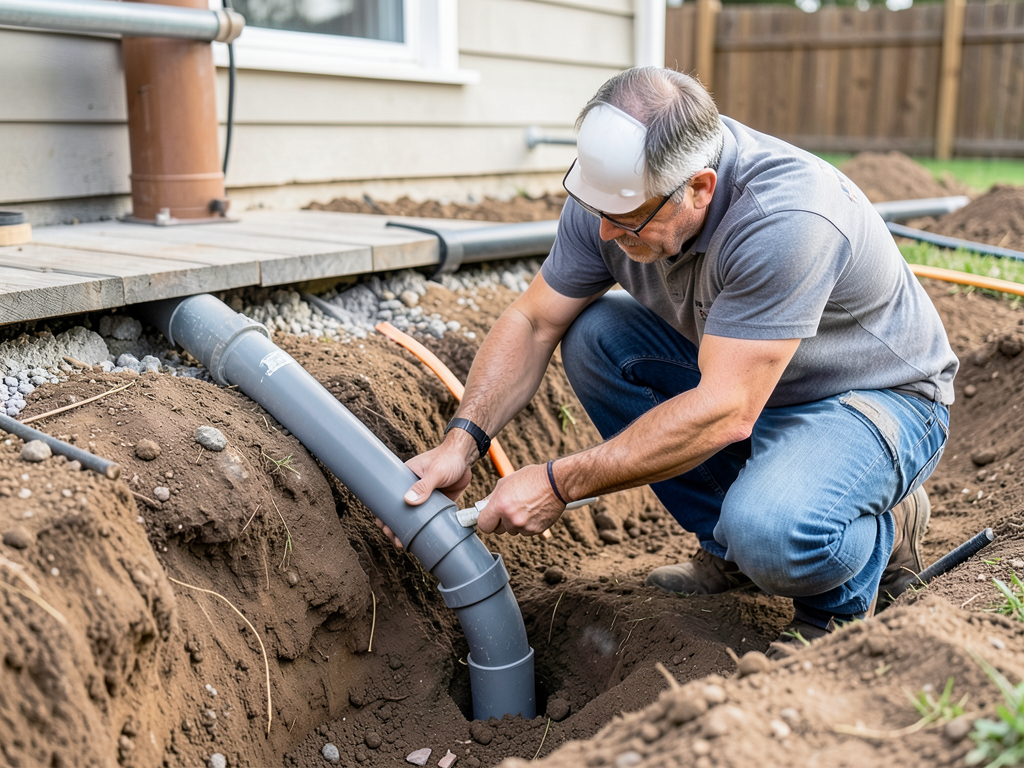
Managing Drainage and Waste Lines for Your Prospect Outdoor Kitchen
Building an outdoor kitchen in Prospect Kentucky requires more than just choosing the right grill and countertops. The drainage and waste lines beneath your new cooking space determine whether your investment lasts for years or becomes a soggy mess after the first heavy rain. Kentucky’s freeze-thaw cycles and Prospect’s clay-heavy soil create unique challenges that standard drainage systems simply cannot handle. How to Handle a Main Sewer Line Backup in Your St. Matthews Home.
Before you pour that concrete slab or install those stainless steel cabinets you need to understand how Louisville Metro Sewer District regulations apply to outdoor kitchens and why proper pipe burial depth prevents winter disasters. This guide walks you through the technical requirements for keeping your outdoor cooking area dry functional and code compliant. Louisville Metro Sewer District.
Why Prospect Outdoor Kitchens Need Special Drainage Attention
Prospect sits on Kentucky’s limestone bedrock with a thick layer of clay soil on top. This combination means water does not drain quickly and can pool around your outdoor kitchen foundation. When temperatures drop below freezing that trapped water expands and cracks pipes from the inside out. Why Your Prospect Home Needs a Whole House Water Filtration System.
The Louisville Metro area receives an average of 45 inches of rainfall annually with most falling between March and May. Heavy spring rains test your drainage system before you even fire up the grill for the season. Without proper grading and pipe sizing you will watch water back up into sink basins and create mosquito breeding grounds in your patio. The Cost of Tankless Water Heater Installation in Jeffersontown.
Local building codes require outdoor kitchen waste lines to connect to the main sewer system rather than discharging onto your property. This means trenching across your yard to reach the house and installing proper P-traps and venting to prevent sewer gases from entering your cooking space.
Understanding Louisville MSD Requirements for Outdoor Kitchens
The Louisville Metro Sewer District treats outdoor kitchen waste water as gray water requiring connection to the municipal sewer system. You cannot simply pipe sink drainage into a dry well or French drain on your property. MSD permit applications must show the exact location of your outdoor kitchen and how waste lines connect to existing plumbing. Fixing Low Water Pressure in Your Crescent Hill Bungalow.
MSD regulations specify minimum pipe sizes based on the number of fixtures. A single outdoor sink requires at least a 1.5-inch drain line while adding a dishwasher or ice maker increases the minimum to 2 inches. These pipes must maintain a minimum slope of 1/4 inch per foot to ensure proper flow.. Read more about Why Adding a Mudroom Utility Sink is a Game Changer for Your Middletown Home.
Permit fees vary by project scope but expect to pay $150 to $300 for drainage permits plus inspection costs. Inspections occur at rough-in when pipes are installed but before concrete is poured and again when the project is complete.
Essential Drainage Components for Your Outdoor Kitchen
Proper outdoor kitchen drainage starts with understanding each component’s role. The sink basin connects to a P-trap that holds water to block sewer gases. This P-trap connects to a vent pipe that runs upward to prevent vacuum locks that stop water from draining.
Underground you need Schedule 40 PVC pipes rated for underground use. These pipes resist soil chemicals and UV damage better than standard drain pipes. For Prospect’s frost line depth of 12 inches you must bury pipes at least 18 inches deep to prevent freezing even during severe cold snaps.. Read more about How to Stop Your Sump Pump Discharge Line from Freezing in St. Matthews.
Catch basins collect water from multiple sources like sink runoff and roof downspouts. These basins prevent debris from entering your main drain lines and causing clogs. A properly sized catch basin for an outdoor kitchen measures 12 inches by 12 inches and sits in a bed of gravel for drainage.
Comparing Drainage System Options for Outdoor Kitchens
| System Type | Best For | Installation Cost | Maintenance Needs |
|---|---|---|---|
| Direct Sewer Connection | Most Louisville properties | $1,500-$3,000 | Annual inspection |
| Dry Well with Overflow | Large properties away from sewer | $2,000-$4,000 | Every 2-3 years cleaning |
| Sump Pump System | Low elevation sites | $2,500-$5,000 | Quarterly testing |
Step-by-Step Installation Process for Outdoor Kitchen Drainage
- Site Assessment
Locate existing sewer cleanouts and measure distance to outdoor kitchen location. Check soil drainage by digging a 2-foot hole and timing how long water takes to drain.
- Permit Acquisition
Submit MSD permit application with site plans showing pipe routing and fixture locations. Schedule inspections for rough-in and final phases.
- Trench Excavation
Dig trenches 18 to 24 inches deep following planned pipe routes. Maintain consistent slope using a laser level to achieve 1/4 inch per foot grade.
- Pipe Installation
Cut Schedule 40 PVC to length and dry fit all connections. Use PVC primer and cement to join pipes permanently. Install P-traps and vent connections at sink location.
- Backfill and Compaction
Backfill trenches in 6-inch layers compacting each layer with a hand tamper. This prevents future settling that could break pipes.
- Pressure Testing
Cap all pipe ends and use an air compressor to pressurize the system to 20 PSI. Check for pressure drops over 15 minutes to find leaks.
Common Mistakes That Destroy Outdoor Kitchen Drainage
DIY bucket systems under sinks might seem like a quick fix but they create serious problems. These open containers collect grease food particles and soap scum creating foul odors and attracting pests. During heavy rains they overflow onto your patio creating slip hazards.
Shallow pipe burial represents another critical error. Pipes buried at the minimum 12-inch frost line depth in Prospect still freeze during extended cold spells. Frozen pipes burst when water trapped inside expands creating expensive repairs that require jackhammering concrete to access. EPA Outdoor Drainage Guidelines.
Improper pipe sizing causes slow drainage and frequent clogs. A 1-inch pipe might work for a bathroom sink but outdoor kitchen sinks handle food waste grease and larger volumes of water. Undersized pipes create chronic backup problems that worsen over time.
Winterizing Your Prospect Outdoor Kitchen Plumbing
Kentucky’s freeze-thaw cycles demand specific winterization steps. First locate and install shut-off valves for all outdoor water lines inside your home’s heated space. These valves allow you to drain the entire outdoor system without affecting indoor plumbing. 24/7 Emergency Plumbing Services.
After shutting off water open all outdoor faucets and remove sink P-traps. Pour RV antifreeze into P-traps and any low spots in the drain lines. This prevents standing water from freezing and cracking pipes during January cold snaps.
Cover exposed pipes with foam insulation sleeves rated for outdoor use. Pay special attention to pipes running along exterior walls or through unheated spaces. Even insulated pipes can freeze if temperatures drop below 20 degrees Fahrenheit for several days.
Advanced Drainage Solutions for Complex Outdoor Kitchens
Large outdoor kitchens with multiple sinks dishwashers and ice makers require sophisticated drainage planning. You need to calculate total fixture units to determine pipe sizing. One sink equals 2 fixture units while a dishwasher adds 2 more units. Pipes must handle the total load without backing up.
French drains handle patio surface water while underground pipes manage waste water. A French drain consists of perforated pipe surrounded by gravel and landscape fabric. Water enters through the gravel filters through the fabric and exits through the pipe away from your kitchen.
Sump pump systems work when your outdoor kitchen sits lower than surrounding areas. The pump activates when water reaches a certain level pumping it up and away from your cooking space. These systems require electricity and battery backup for power outages during storms.
Maintenance Schedule to Protect Your Investment
Outdoor kitchen drainage systems need regular maintenance to prevent costly failures. Clean sink strainers weekly to prevent food particles from entering drain lines. Flush drains monthly with hot water to melt grease buildup before it solidifies in pipes.
Inspect visible pipes quarterly for signs of corrosion leaks or animal damage. Kentucky’s humid summers accelerate pipe deterioration especially at connection points. Replace any damaged sections immediately to prevent water damage to your outdoor kitchen structure.
Test your drainage system at the start of each outdoor cooking season. Run water through all fixtures for five minutes checking for slow drainage or gurgling sounds that indicate venting problems. Address these issues before heavy usage begins.
Cost Factors That Affect Your Drainage Project
Several variables impact outdoor kitchen drainage costs in Prospect. Distance from your home’s main sewer line affects trenching expenses. A 20-foot run might cost $500 while a 100-foot run could exceed $2,000 for excavation alone.
Soil conditions play a major role in pricing. Prospect’s clay soil requires more excavation effort than sandy soil and may need additional gravel backfill for proper drainage. Rocky soil containing limestone chunks increases labor time and equipment needs.
Access limitations affect costs significantly. Tight spaces between existing structures require hand digging rather than machine excavation. Steep slopes need terracing or retaining walls to maintain proper pipe grades adding $1,000 to $3,000 to your project.
Why Professional Installation Matters in Louisville
Outdoor kitchen drainage requires knowledge of local soil conditions building codes and MSD regulations. A professional plumber knows Prospect’s specific frost line depth and how Kentucky’s clay soil affects pipe bedding. They understand which materials withstand Louisville’s weather extremes and how to properly vent outdoor fixtures.
Professional installation includes proper permits inspections and warranty protection. If problems develop within the warranty period your installer handles repairs at no additional cost. DIY installations void manufacturer warranties and leave you responsible for code violations and failed inspections.
Experienced plumbers bring specialized tools like pipe cameras and hydrostatic testing equipment. These tools identify problems before they cause damage. They also know local suppliers and can source quality materials at competitive prices passing savings to you.
Frequently Asked Questions
How deep should outdoor kitchen drain pipes be buried in Prospect?
Drain pipes should be buried at least 18 inches deep to protect against Kentucky’s frost line which reaches 12 inches. This extra depth provides a safety margin for severe cold snaps that could freeze shallower pipes.
Can I connect my outdoor kitchen sink to a dry well instead of the sewer?
Louisville Metro Sewer District regulations require outdoor kitchen waste water to connect to the municipal sewer system. Dry wells are only permitted for stormwater runoff not for sink or dishwasher drainage.
How much does outdoor kitchen drainage installation cost in Prospect?
Basic drainage installation costs $1,500 to $3,000 depending on distance from sewer connection soil conditions and project complexity. Complex systems with multiple fixtures or sump pumps can cost $5,000 or more.
Do I need a permit for outdoor kitchen drainage in Louisville?
Yes MSD permits are required for all outdoor kitchen drainage work. Permit fees range from $150 to $300 plus inspection costs. Work without permits can result in fines and required removal of non-compliant installations.
How do I prevent my outdoor kitchen pipes from freezing?
Install shut-off valves inside your home drain all outdoor lines before winter and use RV antifreeze in P-traps. Insulate exposed pipes and bury drainage lines at least 18 inches deep to protect against freezing temperatures.
Protect Your Outdoor Kitchen Investment
Your outdoor kitchen represents a significant investment in your Prospect home’s value and your family’s enjoyment. Proper drainage and waste line installation protects that investment from water damage mold growth and costly repairs. The technical requirements might seem overwhelming but they exist to prevent exactly the problems DIY installations create.. Read more about Navigating the Plumbing Requirements for Your New Backyard ADU in the Highlands.
Don’t let drainage problems ruin your outdoor cooking experience. Call (502) 370-2677 today to schedule your professional drainage assessment. Our licensed plumbers understand Prospect’s unique soil conditions and Louisville’s building codes. We will design a drainage system that keeps your outdoor kitchen dry and functional through every season.
Pick up the phone and call (502) 370-2677 before the next heavy rain test your drainage system. We offer free estimates and can often complete most installations within one week of your approval. Your outdoor kitchen deserves professional drainage protection that lasts for years not months.
You may also find this helpful. Choosing the Right Garbage Disposal Horsepower for Your Busy Louisville Kitchen.
You may also find this helpful. Essential Plumbing Considerations for Your Jeffersontown Basement Wet Bar Project.
You may also find this helpful. Connecting Rain Barrels to Your Butchertown Gutter System the Right Way.
{
“@context”: “https://schema.org”,
“@type”: “BlogPosting”,
“headline”: “Managing Drainage and Waste Lines for Your Prospect Outdoor Kitchen”,
“description”: “Proper drainage and waste line installation for Prospect outdoor kitchens requires MSD compliance, frost protection, and local soil expertise. Learn the technical requirements before you build.”,
“wordCount”: 1993,
“datePublished”: “2026-04-27T06:36:00.000Z”,
“dateModified”: “2026-04-27T06:36:00.000Z”,
“inLanguage”: “en-US”,
“mainEntityOfPage”: {
“@type”: “WebPage”,
“@id”: “https://victoryplumbinglouisville.com”
},
“publisher”: {
“@type”: “LocalBusiness”,
“name”: “Victory Plumbing Louisville”,
“url”: “https://victoryplumbinglouisville.com”
},
“author”: {
“@type”: “Organization”,
“name”: “Victory Plumbing Louisville”,
“url”: “https://victoryplumbinglouisville.com”
},
“image”: {
“@type”: “ImageObject”,
“url”: “https://victoryplumbinglouisville.com/wp-content/uploads/2026/03/managing-drainage-and-waste-lines-for-your-prospec-1.png”
}
}
{
“@context”: “https://schema.org”,
“@type”: “Plumber”,
“name”: “Victory Plumbing Louisville”,
“url”: “https://victoryplumbinglouisville.com”,
“address”: {
“@type”: “PostalAddress”,
“addressLocality”: “Louisville”
},
“areaServed”: {
“@type”: “City”,
“name”: “Louisville”
}
}
{
“@context”: “https://schema.org”,
“@type”: “FAQPage”,
“mainEntity”: [
{
“@type”: “Question”,
“name”: “How deep should outdoor kitchen drain pipes be buried in Prospect?”,
“acceptedAnswer”: {
“@type”: “Answer”,
“text”: “Drain pipes should be buried at least 18 inches deep to protect against Kentucky’s frost line which reaches 12 inches. This extra depth provides a safety margin for severe cold snaps that could freeze shallower pipes.”
}
},
{
“@type”: “Question”,
“name”: “Can I connect my outdoor kitchen sink to a dry well instead of the sewer?”,
“acceptedAnswer”: {
“@type”: “Answer”,
“text”: “Louisville Metro Sewer District regulations require outdoor kitchen waste water to connect to the municipal sewer system. Dry wells are only permitted for stormwater runoff not for sink or dishwasher drainage.”
}
},
{
“@type”: “Question”,
“name”: “How much does outdoor kitchen drainage installation cost in Prospect?”,
“acceptedAnswer”: {
“@type”: “Answer”,
“text”: “Basic drainage installation costs $1,500 to $3,000 depending on distance from sewer connection soil conditions and project complexity. Complex systems with multiple fixtures or sump pumps can cost $5,000 or more.”
}
},
{
“@type”: “Question”,
“name”: “Do I need a permit for outdoor kitchen drainage in Louisville?”,
“acceptedAnswer”: {
“@type”: “Answer”,
“text”: “Yes MSD permits are required for all outdoor kitchen drainage work. Permit fees range from $150 to $300 plus inspection costs. Work without permits can result in fines and required removal of non-compliant installations.”
}
},
{
“@type”: “Question”,
“name”: “How do I prevent my outdoor kitchen pipes from freezing?”,
“acceptedAnswer”: {
“@type”: “Answer”,
“text”: “Install shut-off valves inside your home drain all outdoor lines before winter and use RV antifreeze in P-traps. Insulate exposed pipes and bury drainage lines at least 18 inches deep to protect against freezing temperatures.”
}
}
]
}
{
“@context”: “https://schema.org”,
“@type”: “HowTo”,
“name”: “Outdoor Kitchen Drainage Installation”,
“step”: [
{
“@type”: “HowToStep”,
“position”: 1,
“name”: “Site Assessment”,
“text”: “Locate existing sewer cleanouts and measure distance to outdoor kitchen location. Check soil drainage by digging a 2-foot hole and timing how long water takes to drain.”
},
{
“@type”: “HowToStep”,
“position”: 2,
“name”: “Permit Acquisition”,
“text”: “Submit MSD permit application with site plans showing pipe routing and fixture locations. Schedule inspections for rough-in and final phases.”
},
{
“@type”: “HowToStep”,
“position”: 3,
“name”: “Trench Excavation”,
“text”: “Dig trenches 18 to 24 inches deep following planned pipe routes. Maintain consistent slope using a laser level to achieve 1/4 inch per foot grade.”
},
{
“@type”: “HowToStep”,
“position”: 4,
“name”: “Pipe Installation”,
“text”: “Cut Schedule 40 PVC to length and dry fit all connections. Use PVC primer and cement to join pipes permanently. Install P-traps and vent connections at sink location.”
},
{
“@type”: “HowToStep”,
“position”: 5,
“name”: “Backfill and Compaction”,
“text”: “Backfill trenches in 6-inch layers compacting each layer with a hand tamper. This prevents future settling that could break pipes.”
},
{
“@type”: “HowToStep”,
“position”: 6,
“name”: “Pressure Testing”,
“text”: “Cap all pipe ends and use an air compressor to pressurize the system to 20 PSI. Check for pressure drops over 15 minutes to find leaks.”
}
],
“image”: “https://victoryplumbinglouisville.com/wp-content/uploads/2026/03/managing-drainage-and-waste-lines-for-your-prospec-1.png”
}
{
“@context”: “https://schema.org”,
“@type”: “BreadcrumbList”,
“itemListElement”: [
{
“@type”: “ListItem”,
“position”: 1,
“name”: “Home”,
“item”: “https://victoryplumbinglouisville.com”
},
{
“@type”: “ListItem”,
“position”: 2,
“name”: “Blog”,
“item”: “https://victoryplumbinglouisville.com/blog”
},
{
“@type”: “ListItem”,
“position”: 3,
“name”: “Managing Drainage and Waste Lines for Your Prospect Outdoor Kitchen”
}
]
}
{
“@context”: “https://schema.org”,
“@type”: “Service”,
“serviceType”: “Plumbing”,
“provider”: {
“@type”: “LocalBusiness”,
“name”: “Victory Plumbing Louisville”,
“url”: “https://victoryplumbinglouisville.com”
},
“areaServed”: {
“@type”: “City”,
“name”: “Louisville”
},
“description”: “Proper drainage and waste line installation for Prospect outdoor kitchens requires MSD compliance, frost protection, and local soil expertise. Learn the technical requirements before you build.”
}