
Preventing Frozen Pipes and Outdoor Spigot Damage During a Louisville Winter
Louisville winters can turn brutal overnight. When temperatures drop below 20°F, the risk of frozen pipes becomes real for homeowners across the Metro area. A single burst pipe can release hundreds of gallons of water, causing thousands of dollars in damage before you even notice the problem. Louisville Water Company.
Preventing frozen pipes requires understanding Louisville’s unique climate challenges. Our Ohio Valley location means we face rapid temperature swings, high humidity, and occasional arctic blasts that can catch even prepared homeowners off guard. This guide covers everything you need to know to protect your plumbing system this winter. EPA Ground Water and Drinking Water.
Why Louisville’s Climate is Specifically Harsh on Residential Plumbing
Louisville sits in the Ohio Valley where cold air funnels down from Canada and collides with Gulf moisture. This creates freeze-thaw cycles that are particularly damaging to plumbing systems. When daytime temperatures hover around freezing but nighttime lows plunge into the teens, water trapped in pipes expands and contracts repeatedly. The Cost of Tankless Water Heater Installation in Jeffersontown.
The Louisville Water Company reports that service calls for frozen pipes spike whenever temperatures drop below 20°F for more than 24 hours. Our area’s average January low of 26°F means we’re right on the edge of dangerous territory for much of the winter season. Fixing Low Water Pressure in Your Crescent Hill Bungalow.
Older neighborhoods like Old Louisville and the Highlands face additional challenges. Many homes built before 1950 have uninsulated crawl spaces and exterior walls where pipes run through unheated areas. The historic architecture that makes these neighborhoods charming also makes them vulnerable to winter plumbing failures.. Read more about PEX vs Copper Pipe Replacement for Older Homes in Cloverleaf.
Pre-Winter Checklist: 5 Steps to Take Before the First Freeze
Taking action before the first hard freeze can save you from emergency plumbing calls. Here’s what to do:
- Locate Your Main Water Shut-off Valve
Find the valve where water enters your home. In Louisville’s older neighborhoods, this is often in the basement near the front of the house. In newer developments, it might be in a utility closet or outside near the foundation.. Read more about How to Locate and Use the Main Water Shutoff Valve in Your Newburg Home.
- Inspect Outdoor Spigots
Check all hose bibs for leaks or cracks. Even a small drip can freeze and create an ice blockage that splits the pipe inside your wall.
- Clean Gutters and Downspouts
Clogged gutters cause ice dams that can force water back under roof shingles and into walls where plumbing runs.
- Service Your Sump Pump
Test the pump and check the discharge line. A frozen discharge pipe can cause basement flooding when snow melts.. Read more about How to Stop Your Basement from Flooding in the Cherokee Triangle.
- Check Crawl Space Vents
Close foundation vents in unheated crawl spaces. Louisville’s clay soil holds moisture that can freeze and expand against your foundation walls.
Exterior Maintenance: Hose Bibs and Spigots
Outdoor spigots are often the first point of failure during a freeze. Louisville homes typically have either standard hose bibs or frost-free sill cocks. Both need winter preparation.. Read more about Reliable Gas Line Installation for Outdoor Kitchens in Norton Commons.
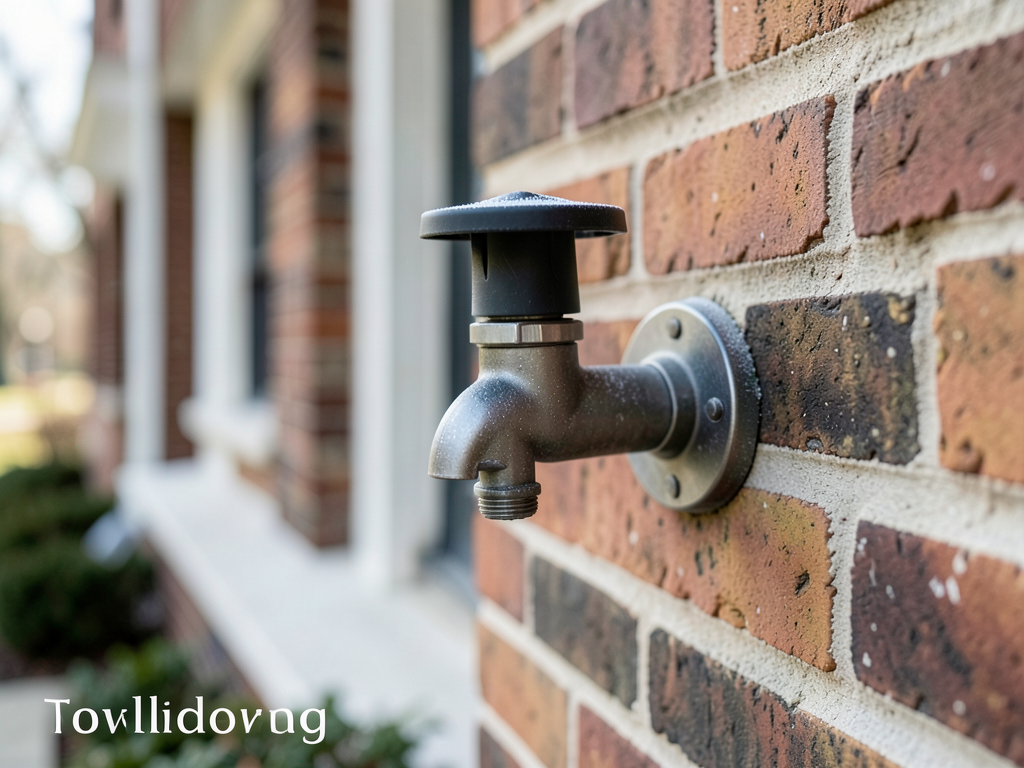
Standard hose bibs require complete shut-off from inside the home. Look for a shut-off valve near where the pipe exits the foundation. Turn it off, then open the outside spigot to drain any remaining water. Leave it open all winter.
Frost-free sill cocks are designed to prevent freezing by keeping the actual valve inside your heated space. However, they still need attention. Disconnect all hoses and drain any water in the spout. Even frost-free models can freeze if a hose remains connected and traps water.
Consider installing insulated spigot covers available at local hardware stores like Caudill’s or Lowe’s. These foam covers provide an extra layer of protection during extreme cold snaps.
Interior Protection: Unheated Areas and Crawl Spaces
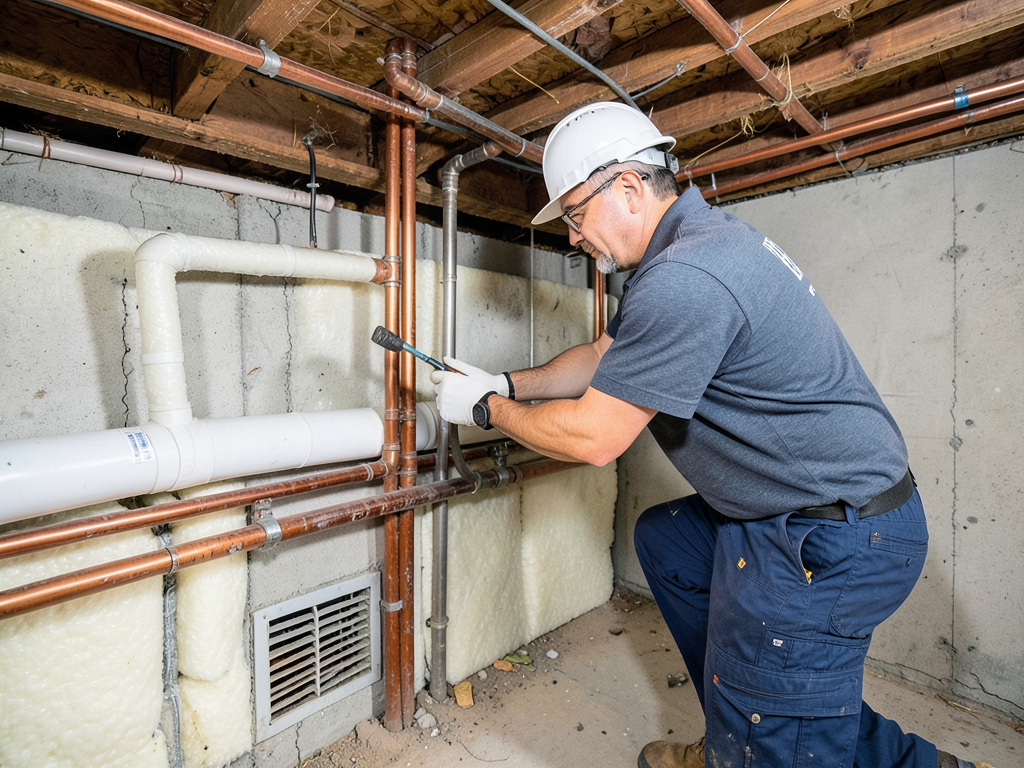
Pipes in unheated areas need special attention. Louisville’s older homes often have plumbing running through uninsulated crawl spaces or exterior walls. These areas can drop to freezing even when your living space stays warm.
Wrap exposed pipes with foam insulation sleeves. Measure the pipe diameter before buying – standard residential pipes are either 1/2-inch or 3/4-inch. Cut the insulation to length and secure it with duct tape or zip ties.
For crawl spaces, consider adding heat tape to vulnerable pipes. Heat tape contains an electrical element that warms when plugged in. Follow manufacturer instructions carefully – improper installation can create fire hazards. The Louisville Fire Department reports increased calls during winter months related to faulty heat tape installations.. Read more about Adding an Outdoor Dog Wash or Shower to Your Backyard in Graymoor-Devondale.
Seal gaps where cold air enters crawl spaces. Use spray foam insulation around foundation penetrations, plumbing vents, and electrical conduits. Even small gaps can let in enough cold air to freeze pipes.
The ‘Drip’ Rule: When and How to Let Faucets Run in Kentucky
The traditional advice to let faucets drip during freezes has merit, but timing matters. In Louisville, start dripping when forecasts predict sustained temperatures below 20°F. A steady drip – not a trickle – keeps water moving through pipes.
Which faucets should you drip? Focus on those served by pipes running through unheated areas or along exterior walls. If you have a two-story home, let both hot and cold lines drip at fixtures served by pipes in exterior walls.
Place a bucket under dripping faucets to catch water for plants or pets. A faucet dripping five times per minute uses about two gallons per hour – minimal waste compared to the cost of repairing a burst pipe.
During extreme cold, open cabinet doors under sinks to allow warm air circulation around pipes. This simple step can raise pipe temperatures by several degrees.
Identifying High-Risk Areas in Local Housing Styles
Louisville’s diverse housing stock creates different risk profiles. Understanding your home’s vulnerabilities helps you target prevention efforts. Backflow Prevention & Testing.
Historic homes in Old Louisville often have plaster walls with no insulation. Pipes running through exterior walls are directly exposed to freezing temperatures. Many have uninsulated basements where the first floor sits several feet above ground level, creating cold zones around plumbing.
Mid-century ranches in St. Matthews typically have slab foundations but may have plumbing running through attics or crawl spaces above garages. These areas can drop well below freezing even when living spaces stay warm.
Newer developments in East End subdivisions often use PEX piping, which handles freezing better than copper. However, they may have long runs of pipe through unconditioned spaces like garages or bonus rooms above garages. How to Handle a Main Sewer Line Backup in Your St. Matthews Home.
Check your home’s construction type and focus prevention on the most vulnerable areas. A plumber familiar with Louisville’s housing stock can identify specific risks in your neighborhood.
What to Do if Your Pipes Have Already Frozen
Finding frozen pipes requires quick action. Signs include no water flow, frost on exposed pipes, or strange smells from drains. If you suspect frozen pipes, shut off the main water valve immediately.
Never use an open flame to thaw pipes. This creates fire hazards and can damage pipes further. Instead, use a hair dryer on low heat, moving it back and forth along the frozen section. Start from the faucet end and work toward the coldest area.
Open faucets served by frozen pipes to provide an escape route for water as it thaws. This reduces pressure buildup that can cause pipes to burst.. Read more about Troubleshooting Well Pump Pressure Problems for Homes in Fisherville.
If you cannot locate the frozen section or if multiple pipes are affected, call a professional immediately. Water expands about 9% when it freezes, creating tremendous pressure that can split pipes along their length.
Once pipes thaw, inspect for leaks. Even small cracks can release significant water once flow resumes. Check under sinks, behind access panels, and in crawl spaces for signs of moisture.
When to Call an Emergency Louisville Plumber
Some situations require immediate professional help. Call an emergency plumber if you notice water stains on walls or ceilings, hear hissing sounds from walls, or see water pooling in unexpected areas.
Louisville’s older neighborhoods have specific challenges. Homes in the Highlands may have original galvanized steel pipes that are more prone to bursting when frozen. These pipes often require complete replacement rather than simple repairs.
Commercial properties face additional urgency. A frozen pipe in a business can mean lost revenue, damaged inventory, and liability issues. Many Louisville businesses have emergency response plans that include pre-vetted plumbing contractors.
Look for plumbers who offer 24/7 emergency service and have experience with Louisville’s specific housing stock. Local knowledge matters when diagnosing problems in historic homes or navigating older neighborhoods with narrow streets and limited access.
Cost Comparison: Prevention vs. Emergency Repair
| Service | Average Cost | Time Required | DIY Difficulty |
|---|---|---|---|
| Pipe insulation materials | $50-150 | 2-4 hours | Easy |
| Heat tape installation | $100-300 | 3-6 hours | Moderate |
| Emergency pipe repair | $500-2,000+ | 2-8 hours | Professional only |
| Water damage restoration | $2,000-10,000+ | Several days | Professional only |
Prevention costs a fraction of emergency repairs. A typical prevention package including insulation, heat tape, and professional inspection runs $300-500. Emergency repairs often start at $500 and can exceed $5,000 when water damage is involved.
Insurance may cover burst pipe damage, but you’ll still face deductibles and potential rate increases. Prevention keeps your home safe and your insurance record clean.
Smart Home Technology for Pipe Protection
Modern technology offers additional protection layers. Smart water sensors placed near vulnerable pipes can alert you to leaks via smartphone before major damage occurs.
Smart thermostats can maintain minimum temperatures in specific zones of your home. Set crawl spaces or garages to stay above 40°F during extreme cold snaps. Some systems integrate with leak detectors to automatically shut off water if problems are detected.
Wi-Fi connected heat tape allows remote monitoring and control. You can verify that vulnerable pipes are receiving heat even when you’re away from home.
These technologies add upfront costs but provide peace of mind and can prevent costly emergencies. Many Louisville homeowners find them worthwhile investments, especially for vacation properties or homes with a history of freezing issues.
Local Resources and Support
The Louisville Water Company offers free home plumbing audits for customers concerned about freezing risks. Their technicians can identify vulnerable areas and recommend specific prevention strategies for your home’s construction type.
Jefferson County’s Emergency Management Agency provides winter weather preparedness resources, including checklists for protecting your home’s plumbing system. Protecting Your Anchorage Basement with a Reliable Sump Pump System.
Local hardware stores like Caudill’s Hardware on Bardstown Road stock winterization supplies specifically chosen for Louisville’s climate. Their staff understands local conditions and can recommend appropriate products.
Community organizations in neighborhoods like Crescent Hill and Clifton often share winter preparation tips through neighborhood associations. These local networks can be valuable sources of hyper-local advice.
Frequently Asked Questions
How cold does it need to be for pipes to freeze in Louisville?
Pipes typically freeze when temperatures remain below 20°F for several hours. However, factors like wind exposure, lack of insulation, and pipe material affect freezing risk. Louisville’s average January low of 26°F means we’re often close to the danger zone.
Should I turn off my water if I’m leaving town during winter?
If you’ll be away for more than 48 hours during freezing weather, consider shutting off your main water valve and draining pipes. This eliminates the risk of burst pipes flooding your home while you’re away. Keep your heat set to at least 55°F.
Does PEX piping freeze better than copper?
Yes, PEX piping handles freezing much better than copper. PEX can expand slightly without breaking, while copper splits when water freezes inside it. However, PEX isn’t freeze-proof – it can still burst under extreme conditions or if fittings freeze.
How much does it cost to winterize plumbing professionally?
Professional winterization typically costs $200-400 for an average home. This includes inspecting vulnerable areas, installing insulation, and testing shut-off valves. Emergency winterization during a freeze may cost more due to urgent scheduling.. Read more about Annual Backflow Testing for Businesses and Restaurants in Fern Creek.
Can I use antifreeze in my pipes to prevent freezing?
Never use automotive antifreeze in plumbing systems. It’s toxic and can contaminate your water supply. Only use non-toxic RV antifreeze in traps and toilets if you’re completely draining a system for extended vacancy.
Protecting your home from frozen pipes requires understanding Louisville’s specific climate challenges and taking preventive action before temperatures drop. The combination of our Ohio Valley location, historic housing stock, and occasional arctic blasts creates unique risks that demand attention.
Most frozen pipe emergencies are preventable with proper preparation. Insulating vulnerable pipes, maintaining adequate heat in unheated areas, and knowing how to respond when temperatures plummet can save you thousands in potential damage.
Don’t wait until the first freeze warning to take action. Start your winterization now while temperatures are still mild. Check your home for vulnerable pipes, gather necessary supplies, and consider scheduling a professional inspection if you’re unsure about your home’s specific risks.
If you need help preparing your home’s plumbing for winter or encounter problems with frozen pipes, call (502) 370-2677 today to schedule your inspection. Our experienced Louisville plumbers understand the unique challenges our area faces and can help ensure your home stays safe and dry all winter long.
Pick up the phone and call (502) 370-2677 before the next storm hits. Winter in Louisville waits for no one, but with proper preparation and expert help when needed, you can protect your home from costly freeze damage.
{
“@context”: “https://schema.org”,
“@type”: “BlogPosting”,
“headline”: “Preventing Frozen Pipes and Outdoor Spigot Damage During a Louisville Winter”,
“description”: “Learn how to protect your Louisville home from frozen pipes this winter. Get expert tips on insulation, spigot winterization, and emergency prevention from local plumbers.”,
“wordCount”: 2198,
“datePublished”: “2026-03-08T10:09:00.000Z”,
“dateModified”: “2026-03-08T10:09:00.000Z”,
“inLanguage”: “en-US”,
“mainEntityOfPage”: {
“@type”: “WebPage”,
“@id”: “https://victoryplumbinglouisville.com”
},
“publisher”: {
“@type”: “LocalBusiness”,
“name”: “Victory Plumbing Louisville”,
“url”: “https://victoryplumbinglouisville.com”
},
“author”: {
“@type”: “Organization”,
“name”: “Victory Plumbing Louisville”,
“url”: “https://victoryplumbinglouisville.com”
},
“image”: {
“@type”: “ImageObject”,
“url”: “https://victoryplumbinglouisville.com/wp-content/uploads/2026/03/preventing-frozen-pipes-and-outdoor-spigot-damage-1.png”
}
}
{
“@context”: “https://schema.org”,
“@type”: “Plumber”,
“name”: “Victory Plumbing Louisville”,
“url”: “https://victoryplumbinglouisville.com”,
“address”: {
“@type”: “PostalAddress”,
“addressLocality”: “Louisville”
},
“areaServed”: {
“@type”: “City”,
“name”: “Louisville”
}
}
{
“@context”: “https://schema.org”,
“@type”: “FAQPage”,
“mainEntity”: [
{
“@type”: “Question”,
“name”: “How cold does it need to be for pipes to freeze in Louisville?”,
“acceptedAnswer”: {
“@type”: “Answer”,
“text”: “Pipes typically freeze when temperatures remain below 20°F for several hours. However, factors like wind exposure, lack of insulation, and pipe material affect freezing risk. Louisville’s average January low of 26°F means we’re often close to the danger zone.”
}
},
{
“@type”: “Question”,
“name”: “Should I turn off my water if I’m leaving town during winter?”,
“acceptedAnswer”: {
“@type”: “Answer”,
“text”: “If you’ll be away for more than 48 hours during freezing weather, consider shutting off your main water valve and draining pipes. This eliminates the risk of burst pipes flooding your home while you’re away. Keep your heat set to at least 55°F.”
}
},
{
“@type”: “Question”,
“name”: “Does PEX piping freeze better than copper?”,
“acceptedAnswer”: {
“@type”: “Answer”,
“text”: “Yes, PEX piping handles freezing much better than copper. PEX can expand slightly without breaking, while copper splits when water freezes inside it. However, PEX isn’t freeze-proof – it can still burst under extreme conditions or if fittings freeze.”
}
},
{
“@type”: “Question”,
“name”: “How much does it cost to winterize plumbing professionally?”,
“acceptedAnswer”: {
“@type”: “Answer”,
“text”: “Professional winterization typically costs $200-400 for an average home. This includes inspecting vulnerable areas, installing insulation, and testing shut-off valves. Emergency winterization during a freeze may cost more due to urgent scheduling.”
}
}
]
}
{
“@context”: “https://schema.org”,
“@type”: “HowTo”,
“name”: “Pre-Winter Plumbing Protection”,
“step”: [
{
“@type”: “HowToStep”,
“position”: 1,
“name”: “Locate Your Main Water Shut-off Valve”,
“text”: “Find the valve where water enters your home. In Louisville’s older neighborhoods, this is often in the basement near the front of the house. In newer developments, it might be in a utility closet or outside near the foundation.”
},
{
“@type”: “HowToStep”,
“position”: 2,
“name”: “Inspect Outdoor Spigots”,
“text”: “Check all hose bibs for leaks or cracks. Even a small drip can freeze and create an ice blockage that splits the pipe inside your wall.”
},
{
“@type”: “HowToStep”,
“position”: 3,
“name”: “Clean Gutters and Downspouts”,
“text”: “Clogged gutters cause ice dams that can force water back under roof shingles and into walls where plumbing runs.”
},
{
“@type”: “HowToStep”,
“position”: 4,
“name”: “Service Your Sump Pump”,
“text”: “Test the pump and check the discharge line. A frozen discharge pipe can cause basement flooding when snow melts.”
},
{
“@type”: “HowToStep”,
“position”: 5,
“name”: “Check Crawl Space Vents”,
“text”: “Close foundation vents in unheated crawl spaces. Louisville’s clay soil holds moisture that can freeze and expand against your foundation walls.”
}
],
“image”: “https://victoryplumbinglouisville.com/wp-content/uploads/2026/03/preventing-frozen-pipes-and-outdoor-spigot-damage-1.png”
}
{
“@context”: “https://schema.org”,
“@type”: “BreadcrumbList”,
“itemListElement”: [
{
“@type”: “ListItem”,
“position”: 1,
“name”: “Home”,
“item”: “https://victoryplumbinglouisville.com”
},
{
“@type”: “ListItem”,
“position”: 2,
“name”: “Blog”,
“item”: “https://victoryplumbinglouisville.com/blog”
},
{
“@type”: “ListItem”,
“position”: 3,
“name”: “Preventing Frozen Pipes and Outdoor Spigot Damage During a Louisville Winter”
}
]
}
{
“@context”: “https://schema.org”,
“@type”: “Service”,
“serviceType”: “Plumbing”,
“provider”: {
“@type”: “LocalBusiness”,
“name”: “Victory Plumbing Louisville”,
“url”: “https://victoryplumbinglouisville.com”
},
“areaServed”: {
“@type”: “City”,
“name”: “Louisville”
},
“description”: “Learn how to protect your Louisville home from frozen pipes this winter. Get expert tips on insulation, spigot winterization, and emergency prevention from local plumbers.”
}