
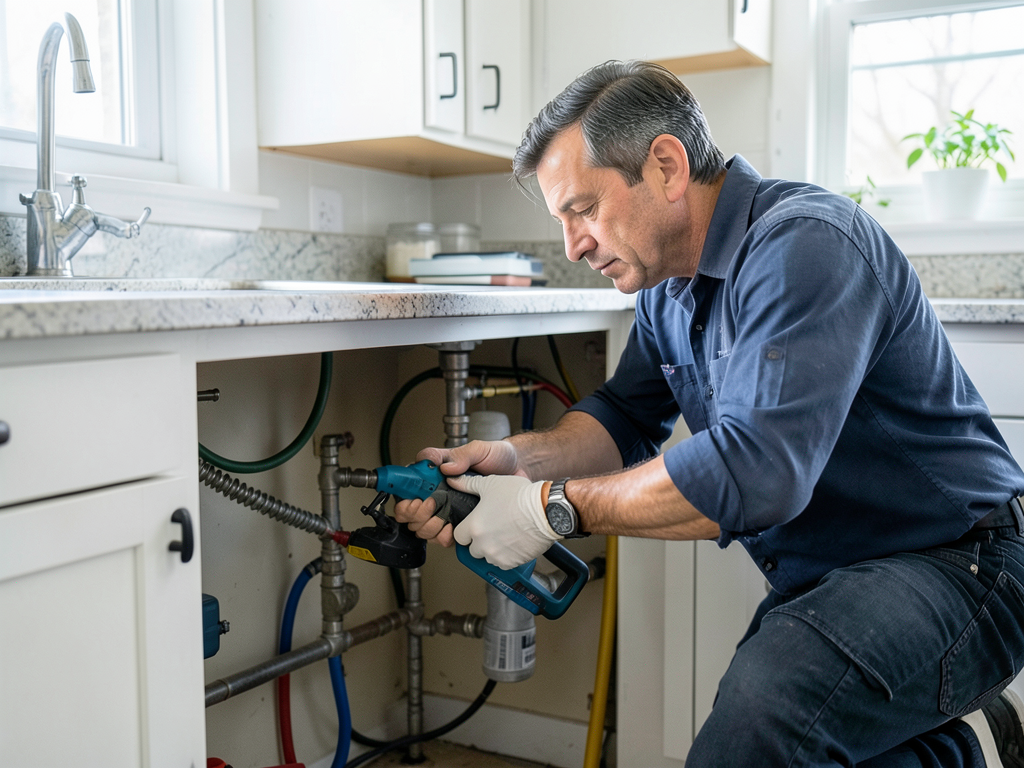
Who is Responsible for Plumbing Repairs in Your Portland Rental Property?
Portland renters face unique plumbing challenges due to the city’s aging infrastructure and frequent freeze-thaw cycles. Under Oregon law, landlords must maintain rental properties in safe and habitable condition, which includes ensuring all plumbing systems function properly. This means working toilets, reliable hot water, and proper sewage disposal are not optional amenities but legal requirements. Oregon Residential Landlord and Tenant Act.
The Oregon Residential Landlord and Tenant Act establishes clear responsibilities for both parties. Landlords must provide and maintain essential services including plumbing, while tenants must use these systems properly and avoid causing damage through negligence. Understanding these basic responsibilities prevents costly disputes and ensures your rental remains a safe place to live.. Read more about Understanding Sewer Line Bellies and Why Your Wildwood Home Keeps Having Clogs.
When plumbing problems occur, timing matters. Emergency situations like sewage backups or complete loss of water service require immediate attention, while minor leaks might allow for standard repair timelines. Knowing these timeframes helps tenants take appropriate action when problems arise. The Cost of Tankless Water Heater Installation in Jeffersontown.
Documentation becomes your strongest ally in repair disputes. Taking photos, saving receipts, and maintaining written communication with your landlord creates a paper trail that proves invaluable if disagreements escalate to legal proceedings or code enforcement involvement.
Portland’s specific housing market and building stock create additional considerations. Many Portland homes were built before modern plumbing codes existed, requiring special attention to aging systems. The city’s frequent rain and occasional freezing temperatures also stress plumbing systems in ways that differ from other regions. Portland’s cross-connection control program.
Understanding these rights and responsibilities helps both tenants and landlords maintain positive relationships while ensuring rental properties remain safe and habitable. The following sections break down exactly what qualifies as a landlord’s responsibility, what tenants must handle themselves, and the legal processes available when repairs are delayed or denied. How to Handle a Main Sewer Line Backup in Your St. Matthews Home.
Oregon’s Residential Landlord and Tenant Act Requirements
The Oregon Residential Landlord and Tenant Act requires landlords to provide and maintain rental properties in a condition that meets basic health and safety standards. For plumbing specifically, this means ensuring all pipes, fixtures, and sewage systems function properly and provide essential services like running water and proper sewage disposal. Fixing Low Water Pressure in Your Crescent Hill Bungalow.
Under this law, landlords must ensure rental properties meet basic structural, health, and safety standards. The law recognizes that functioning plumbing directly impacts tenant health and safety, making it a fundamental requirement rather than an optional amenity.
The act establishes what’s called the “implied warranty of habitability.” This warranty means landlords guarantee their properties meet basic living standards from the moment a tenant moves in. For plumbing, this includes reliable access to hot and cold running water, functional toilets and sinks, and proper sewage disposal systems.
Oregon law defines “essential services” in rental properties. Plumbing services fall squarely within this category, along with heating, electricity, and gas. When any of these essential services fail, landlords must respond promptly to restore functionality.
Unlike some jurisdictions where landlords can shift all repair responsibilities to tenants through lease agreements, Oregon law prevents landlords from waiving their fundamental responsibilities. Even if your lease says you’re responsible for all repairs, the law still requires landlords to maintain habitable conditions.
Portland’s specific housing stock adds another layer to these requirements. Many Portland homes were built before modern plumbing codes existed, requiring special attention to aging systems. The city’s frequent rain and occasional freezing temperatures also stress plumbing systems in ways that differ from other regions. Portland Housing Authority.
Understanding these legal foundations helps tenants recognize when landlords are meeting their obligations and when they’re falling short. This knowledge becomes crucial when repairs are delayed or when landlords attempt to shift responsibility for normal wear and tear onto tenants.
Portland Plumbing Emergencies: What Requires Immediate Attention
Not all plumbing problems require the same level of urgency or response. Understanding what constitutes a plumbing emergency helps tenants communicate effectively with landlords and take appropriate action when problems arise.
A complete loss of running water represents the most serious plumbing emergency. Without access to water, tenants cannot meet basic hygiene needs, prepare food, or maintain sanitation. Portland code requires landlords to restore water service within 24 hours of notification for emergency situations. Why Your Prospect Home Needs a Whole House Water Filtration System.
Sewage backups create immediate health hazards by exposing residents to harmful bacteria and creating conditions for mold growth. These situations require immediate attention, typically within 4-6 hours of discovery. Raw sewage can cause serious illness and property damage if not addressed quickly.
Active flooding from burst pipes or failed water heaters demands immediate response. Water spreads quickly through structures, damaging walls, floors, and personal property. The longer flooding continues, the more extensive and expensive the damage becomes.
Gas line leaks connected to water heaters or other plumbing fixtures constitute true emergencies requiring immediate evacuation and professional response. These situations pose explosion risks and require specialized emergency services rather than standard plumbing repairs.. Read more about The Hidden Risks of Attic Plumbing and How to Prevent Costly Ceiling Leaks.
Complete loss of hot water during winter months qualifies as an emergency in Portland due to freezing temperature risks. While less urgent during summer, extended periods without hot water still violate habitability standards and require timely repair.
Multiple fixture failures affecting essential plumbing functions may constitute emergencies depending on the specific circumstances. For example, losing both toilet and shower function in a one-bathroom unit creates significant hardship requiring prompt attention.
Understanding these emergency categories helps tenants communicate the urgency of situations to landlords and service providers. When calling for emergency repairs, clearly stating the nature of the emergency helps ensure appropriate response times.
Portland’s climate adds another layer to emergency considerations. Winter freeze-thaw cycles can turn minor leaks into major emergencies as ice expands and causes additional pipe damage. Spring storms can overwhelm drainage systems, creating backup situations that require immediate attention.
Landlord vs. Tenant: Who Pays for What Repairs
The fundamental question of repair responsibility often creates the most confusion and conflict in rental relationships. Understanding the basic framework helps both parties know their obligations and avoid unnecessary disputes.
Landlords bear responsibility for maintaining all plumbing systems in good working order. This includes pipes, water heaters, sewage lines, fixtures, and any other components that were functional when the tenant moved in. Normal wear and tear falls squarely on the landlord’s shoulders.
Essential services like running water, proper sewage disposal, and functional hot water systems must remain operational throughout the tenancy. Landlords cannot charge tenants for routine maintenance of these systems or for repairs resulting from normal aging.
Tenants become responsible for damage they cause through negligence or misuse. This includes clogged drains from flushing inappropriate items, broken fixtures from misuse, and damage from unauthorized plumbing modifications. These situations typically require tenants to pay for repairs.
Water damage from tenant negligence, such as overflowing sinks or tubs, usually becomes the tenant’s financial responsibility. While the initial plumbing failure might be the landlord’s responsibility, secondary damage caused by tenant actions often falls to the tenant to repair.
Unauthorized repairs or modifications by tenants can void landlord warranties and create liability issues. Even well-intentioned DIY repairs can lead to bigger problems and financial responsibility for the tenant if they cause additional damage.
Security deposits often cover minor tenant-caused damage, but major negligence can result in additional charges beyond the deposit amount. Understanding these boundaries helps tenants avoid unexpected expenses.
Lease agreements cannot override basic Oregon law protections, but they can clarify responsibilities for situations that fall into gray areas. Clear communication about these responsibilities prevents misunderstandings.
Documentation plays a crucial role in determining responsibility. Photos taken during move-in, maintenance records, and written communication about problems all help establish who should pay for specific repairs.
When disputes arise about responsibility, Portland’s housing authorities can provide guidance based on local ordinances and state law requirements. Their involvement often helps resolve disagreements before they escalate to legal proceedings.
Timeline for Repairs: How Long Does the Landlord Have
Timeframes for plumbing repairs vary significantly based on the severity of the problem and the specific circumstances. Understanding these timelines helps tenants know when to escalate concerns and what actions they can legally take.
Emergency plumbing situations require immediate attention, typically within 24 hours of notification. This includes complete loss of water service, sewage backups, and active flooding. Landlords who fail to respond to emergencies within this timeframe may face code violations and potential liability for resulting damage.
Urgent but non-emergency situations generally require response within 48-72 hours. These include partial loss of water service, single fixture failures, and minor leaks that don’t pose immediate safety hazards. While not emergencies, these situations still require timely attention under Oregon law.
Non-urgent repairs have more flexible timelines but still must be addressed within a reasonable period, typically 7-14 days. These include cosmetic issues, minor fixture problems, and situations where temporary workarounds exist for tenants.
Weather conditions can affect repair timelines in Portland. Winter freezes may delay outdoor repairs, while spring storms can create backlogs for drainage and sewage issues. However, landlords cannot use weather as an excuse for failing to address indoor emergencies.
Tenant notification requirements affect repair timelines. Most legal frameworks require tenants to provide written notice of needed repairs before landlords become responsible for timely response. This notice should clearly describe the problem and its impact on habitability.
Access to property affects repair timing. Landlords must provide reasonable notice before entering rental units, typically 24-48 hours except in true emergencies. This requirement can extend the total time from notification to completion.
Parts availability and contractor scheduling can extend repair timelines beyond initial response requirements. However, landlords must demonstrate good faith efforts to secure timely repairs and should provide tenants with realistic expectations about completion times.
Documentation of repair timelines becomes important if disputes arise. Tenants should note dates of notification, response times, and any delays encountered. This information proves valuable if escalation becomes necessary.
Portland’s housing authorities can intervene when landlords fail to meet reasonable repair timelines. Their involvement often accelerates repair processes and ensures compliance with local ordinances.
Portland-Specific Plumbing Code Requirements
Portland follows the Oregon State Plumbing Specialty Code, which includes specific requirements for rental properties. Understanding these requirements helps tenants recognize when landlords are meeting their legal obligations.
Section 109.4 of the Oregon State Plumbing Specialty Code requires all plumbing fixtures to be properly vented to prevent sewer gas from entering living spaces. Many older Portland homes lack proper venting, creating potential health hazards that landlords must address.. Read more about Trenchless Sewer Pipe Lining vs Digging in Seneca Gardens.
Portland’s cross-connection control program, administered by the Portland Water Bureau, requires backflow prevention devices on certain plumbing systems. These devices prevent contaminated water from flowing back into the clean water supply, protecting public health. Protecting Your Anchorage Basement with a Reliable Sump Pump System.
The city’s stormwater management requirements affect how plumbing systems connect to municipal drainage. Improper connections can cause flooding and violate city codes, requiring professional correction by licensed plumbers.
Portland’s lead testing requirements for rental properties include checking for lead in plumbing fixtures and solder. Properties built before 1985 often contain lead components that must be identified and managed according to city regulations.
Water pressure requirements under Portland code specify minimum flow rates for plumbing fixtures. Consistently low pressure may indicate code violations requiring correction, particularly in older buildings with aging infrastructure.
Understanding these specific code requirements helps tenants identify serious problems that require immediate attention. Many violations also provide strong evidence in repair disputes, as they clearly establish landlord responsibility for correction.
Portland’s housing authorities can verify whether specific problems constitute code violations and may issue violation notices requiring corrective action within specified timeframes.
Preventing Plumbing Problems in Portland Rentals
Prevention often proves more effective than dispute resolution when it comes to rental plumbing issues. Both tenants and landlords can take steps to prevent common problems and maintain systems properly.
Regular maintenance inspections help identify potential problems before they become emergencies. Annual plumbing inspections by licensed professionals can catch small issues like minor leaks or corrosion before they cause major damage.
Proper drain care prevents most common clogging issues. Tenants should avoid flushing anything except toilet paper and human waste, and should use drain screens to catch hair and debris in sinks and showers.
Water heater maintenance extends equipment life and prevents common failures. Annual flushing removes sediment buildup, while checking pressure relief valves ensures safe operation. These simple steps prevent many emergency service calls.
Winter preparation prevents freeze damage in Portland’s cold months. Insulating exposed pipes, disconnecting outdoor hoses, and maintaining minimum temperatures during absences protect plumbing systems from freeze-related failures.
Proper garbage disposal use prevents kitchen drain problems. Avoiding fibrous foods, grease, and hard objects extends disposal life and prevents clogs in connected plumbing systems.. Read more about Custom Commercial Grease Trap Solutions for Paristown Breweries.
Leak detection through regular inspection helps catch problems early. Checking under sinks, around toilets, and near water heaters monthly can identify small leaks before they cause major damage.
Water pressure monitoring prevents stress on plumbing systems. Excessive pressure can cause leaks and fixture damage, while low pressure may indicate developing problems requiring attention.
Proper cleaning practices prevent damage to fixtures and finishes. Avoiding harsh chemicals and abrasive cleaners extends the life of plumbing fixtures and prevents premature failure.
Tenant education about proper plumbing use prevents many common problems. Landlords who provide written guidelines about what can and cannot be flushed or put down drains often experience fewer plumbing issues.
Documentation of maintenance activities creates valuable records for both tenants and landlords. These records prove valuable when determining responsibility for future problems or establishing system condition during tenancy changes.
Understanding Portland’s specific water quality helps prevent problems unique to the area. The city’s water chemistry can affect pipe corrosion rates and fixture life, requiring specific preventive measures.
Preventative approaches benefit both tenants and landlords by reducing emergency calls, preventing property damage, and maintaining positive rental relationships. The small investment in prevention often saves significant costs in repairs and disputes.
Comparing Emergency vs. Non-Emergency Plumbing Issues
| Issue Type | Response Time Required | Who Pays | Documentation Needed |
|---|---|---|---|
| Complete water loss | Within 24 hours | Landlord | Photos, written notice |
| Sewage backup | Within 4-6 hours | Landlord | Emergency photos, immediate notice |
| Single fixture failure | 48-72 hours | Landlord | Photos, written notice |
| Minor leak | 7-14 days | Landlord | Photos, written notice |
| Tenant-caused damage | Within 24 hours | Tenant | Incident report, photos |
When to Call a Professional Plumber in Portland
Knowing when to call a professional plumber can prevent minor problems from becoming major emergencies. Understanding the limits of DIY repairs helps tenants avoid causing additional damage or creating liability issues.
Professional plumbers should handle any work involving main water lines, sewer lines, or gas lines. These systems require specialized knowledge, tools, and often permits that most tenants cannot obtain or use safely.
Water heater problems beyond basic pilot light issues require professional attention. Gas water heaters involve combustion safety concerns, while electric models involve high-voltage electrical components that create shock hazards.
Persistent leaks that continue after basic troubleshooting indicate problems requiring professional diagnosis. Continuing to ignore or improperly repair leaks often leads to structural damage and mold growth that increases repair costs significantly.
Sewer line problems, including frequent backups or slow drains throughout a property, indicate issues in the main lines rather than individual fixtures. These problems require professional equipment and expertise to diagnose and repair properly.
Low water pressure affecting multiple fixtures often indicates supply line problems, pressure regulator failures, or other issues requiring professional diagnosis. These problems rarely resolve through simple fixture cleaning or adjustment.
Water quality issues like unusual tastes, odors, or discoloration may indicate supply line corrosion, contamination, or other serious problems requiring professional evaluation and correction.
Permit-required work under Portland regulations must be performed by licensed professionals. Attempting unpermitted work can result in fines, insurance issues, and problems when selling or renting properties.
Emergency situations requiring immediate attention to prevent damage or restore essential services justify professional emergency calls. The cost of emergency service often proves less expensive than damage from delayed response.
Documentation from professional plumbers provides valuable evidence in repair disputes. Their assessments, diagnoses, and repair proposals often determine responsibility for problems and appropriate remedies.
Professional maintenance agreements can prevent many emergency situations through regular inspection and preventative care. These agreements often include priority service and discounted rates for repairs.
Understanding when professional help is appropriate helps tenants make informed decisions about repair approaches. While DIY repairs might seem cost-effective initially, improper repairs often lead to bigger problems and higher costs.
Portland’s specific plumbing codes and permit requirements make professional involvement necessary for many common repairs. Licensed plumbers understand these requirements and ensure work meets all applicable standards.
Understanding Your Rights as a Portland Renter
Knowledge of your rights as a renter empowers you to maintain safe, habitable housing while avoiding unnecessary conflicts with landlords. Understanding these rights helps you take appropriate action when plumbing problems arise.
Under Oregon law and Portland ordinances, you have the right to safe, habitable housing that includes properly functioning plumbing systems. This right cannot be waived through lease agreements or other contracts, regardless of what your lease might say.
You have the right to timely repairs of plumbing problems that affect health, safety, or basic living conditions. Emergency situations require immediate attention, while non-emergency issues must be addressed within reasonable timeframes specified by law.
You have the right to provide written notice of needed repairs and to receive acknowledgment from your landlord within a reasonable time. This notice creates a formal record of problems and starts legal timelines for landlord response.
You have the right to pursue legal remedies, including repair and deduct procedures, if landlords fail to make necessary repairs within required timeframes. These remedies must be exercised according to specific legal procedures to remain protected.
You have the right to withhold rent only through proper legal procedures after following all required notice and waiting periods. Improper rent withholding can result in eviction proceedings, even if underlying repair issues are legitimate.
You have the right to peaceful enjoyment of your rental property, which includes freedom from persistent plumbing problems that interfere with normal use. Chronic issues that landlords fail to address may constitute violations of this right.
You have the right to contact code enforcement agencies without retaliation from landlords. Portland’s housing authorities can investigate housing quality complaints and issue violation notices requiring corrective action.
You have the right to document problems and maintain records of all communications with landlords and contractors. This documentation often proves crucial in resolving disputes and may be necessary for legal proceedings.
You have the right to terminate leases without penalty if landlords fail to maintain habitable conditions after proper notice and opportunity to cure. This remedy applies only in severe cases where landlords refuse to address serious habitability issues.
Understanding these rights helps you navigate repair situations confidently while maintaining your legal protections. Many tenants successfully resolve problems simply by knowing and asserting their basic rights under the law.
Documentation and proper procedure become crucial when exercising these rights. Following established legal processes ensures you remain protected while compelling landlords to meet their obligations.
Knowledge truly is power when it comes to rental housing rights. Understanding your rights under Oregon law and Portland ordinances helps you maintain safe, comfortable housing while avoiding unnecessary conflicts and expenses.
Frequently Asked Questions
What should I do if my landlord won’t fix a plumbing problem?
Start by providing written notice of the problem via certified mail or email with read receipt. Document the issue with photos and give your landlord reasonable time to respond. If they fail to act, contact Portland’s housing authorities at 503-823-4567 for guidance on next steps including potential repair and deduct procedures.
How long can my landlord take to fix a plumbing issue?
Emergency situations like complete water loss or sewage backups require response within 24 hours. Non-emergency repairs affecting habitability should be addressed within 14 days of written notice. Minor issues without health impacts may take longer but should still be resolved within a reasonable timeframe.
Can I withhold rent if my landlord won’t fix the plumbing?
Only through proper legal procedures after following all required notice and waiting periods. Improper rent withholding can result in eviction. The correct process involves providing 14-day notice, then potentially using repair and deduct remedies if repairs remain incomplete.
Who pays for water damage from a plumbing leak?
Responsibility depends on the cause. If the leak results from normal wear and tear or landlord negligence, they typically pay for both repairs and resulting damage. If tenant negligence caused the problem, the tenant may be responsible for all costs including damage to personal property.
What qualifies as a plumbing emergency in a rental?
Complete loss of running water, sewage backups, active flooding, and gas line leaks all qualify as emergencies requiring immediate attention. During winter months, complete loss of hot water may also constitute an emergency due to freezing risks.
Can my landlord charge me for normal wear and tear plumbing repairs?
No. Under Oregon law, landlords must maintain plumbing systems in good working order throughout the tenancy. Normal wear and tear repairs are the landlord’s responsibility regardless of what your lease might say about repair responsibilities.
What if I caused a plumbing problem through accident?
Even accidental damage you cause typically makes you responsible for repairs. However, you should notify your landlord immediately rather than attempting DIY repairs. Document the situation and work with your landlord to resolve it properly while maintaining your tenancy rights.
How do I prove a plumbing problem existed when I moved in?
Take detailed photos during move-in and note any existing issues in your move-in documentation. Keep all communication about problems and consider having a professional inspection done if you notice significant issues. This documentation proves invaluable if disputes arise later.
What resources are available if I have a serious dispute with my landlord?
Portland’s housing authorities can investigate housing code violations. The Community Alliance of Tenants provides free legal assistance to qualifying tenants. Metro United Way’s 211 service connects residents with various housing resources and support programs.
Can my landlord enter my unit to make plumbing repairs?
Yes, but they must provide reasonable notice, typically 24-48 hours except in true emergencies. You have the right to be present during repairs if you choose, and landlords cannot enter without proper notice except in genuine emergency situations.
Need immediate help with a plumbing emergency in your Portland rental? Call our licensed plumbers 24/7 at (502) 370-2677 for fast response and expert repairs.
5 Steps to Take When You Discover a Plumbing Emergency in Your Rental
- Document the Problem: Take clear photos and videos showing the exact issue, including timestamps if possible. This creates immediate evidence of the problem’s severity and timing.
- Notify Your Landlord: Send written notice via email with read receipt or certified mail. Include photos and clearly state this constitutes an emergency requiring immediate attention.
- Mitigate Damage: Take reasonable steps to prevent further damage, such as turning off water supply if safe to do so, or placing buckets under leaks. Keep receipts for any materials purchased.
- Call Emergency Services if Needed: For gas leaks, sewage backups, or active flooding, contact appropriate emergency services immediately. Your safety comes first.
- Follow Up in Writing: If your landlord doesn’t respond within required timeframes, send a follow-up notice documenting their failure to address the emergency. This creates a paper trail for potential legal action.
Following these steps protects your rights while ensuring problems get resolved quickly and properly. Remember that documentation and proper procedure are your best tools in any repair dispute.
{
“@context”: “https://schema.org”,
“@type”: “BlogPosting”,
“headline”: “Who is Responsible for Plumbing Repairs in Your Portland Rental Property?”,
“description”: “Learn your rights as a Portland renter regarding plumbing repairs. Understand emergency vs. non-emergency timelines, landlord vs. tenant responsibilities, and when to call a professional.”,
“wordCount”: 3938,
“datePublished”: “2026-04-13T13:04:00.000Z”,
“dateModified”: “2026-04-13T13:04:00.000Z”,
“inLanguage”: “en-US”,
“mainEntityOfPage”: {
“@type”: “WebPage”,
“@id”: “https://victoryplumbinglouisville.com”
},
“publisher”: {
“@type”: “LocalBusiness”,
“name”: “Victory Plumbing Louisville”,
“url”: “https://victoryplumbinglouisville.com”
},
“author”: {
“@type”: “Organization”,
“name”: “Victory Plumbing Louisville”,
“url”: “https://victoryplumbinglouisville.com”
},
“image”: {
“@type”: “ImageObject”,
“url”: “https://victoryplumbinglouisville.com/wp-content/uploads/2026/03/who-is-responsible-for-plumbing-repairs-in-your-po-1.png”
}
}
{
“@context”: “https://schema.org”,
“@type”: “Plumber”,
“name”: “Victory Plumbing Louisville”,
“url”: “https://victoryplumbinglouisville.com”,
“address”: {
“@type”: “PostalAddress”,
“addressLocality”: “Louisville”
},
“areaServed”: {
“@type”: “City”,
“name”: “Louisville”
}
}
{
“@context”: “https://schema.org”,
“@type”: “FAQPage”,
“mainEntity”: [
{
“@type”: “Question”,
“name”: “What should I do if my landlord won’t fix a plumbing problem?”,
“acceptedAnswer”: {
“@type”: “Answer”,
“text”: “Start by providing written notice of the problem via certified mail or email with read receipt. Document the issue with photos and give your landlord reasonable time to respond. If they fail to act, contact Portland’s housing authorities at 503-823-4567 for guidance on next steps including potential repair and deduct procedures.”
}
},
{
“@type”: “Question”,
“name”: “How long can my landlord take to fix a plumbing issue?”,
“acceptedAnswer”: {
“@type”: “Answer”,
“text”: “Emergency situations like complete water loss or sewage backups require response within 24 hours. Non-emergency repairs affecting habitability should be addressed within 14 days of written notice. Minor issues without health impacts may take longer but should still be resolved within a reasonable timeframe.”
}
},
{
“@type”: “Question”,
“name”: “Can I withhold rent if my landlord won’t fix the plumbing?”,
“acceptedAnswer”: {
“@type”: “Answer”,
“text”: “Only through proper legal procedures after following all required notice and waiting periods. Improper rent withholding can result in eviction. The correct process involves providing 14-day notice, then potentially using repair and deduct remedies if repairs remain incomplete.”
}
},
{
“@type”: “Question”,
“name”: “Who pays for water damage from a plumbing leak?”,
“acceptedAnswer”: {
“@type”: “Answer”,
“text”: “Responsibility depends on the cause. If the leak results from normal wear and tear or landlord negligence, they typically pay for both repairs and resulting damage. If tenant negligence caused the problem, the tenant may be responsible for all costs including damage to personal property.”
}
},
{
“@type”: “Question”,
“name”: “What qualifies as a plumbing emergency in a rental?”,
“acceptedAnswer”: {
“@type”: “Answer”,
“text”: “Complete loss of running water, sewage backups, active flooding, and gas line leaks all qualify as emergencies requiring immediate attention. During winter months, complete loss of hot water may also constitute an emergency due to freezing risks.”
}
},
{
“@type”: “Question”,
“name”: “Can my landlord charge me for normal wear and tear plumbing repairs?”,
“acceptedAnswer”: {
“@type”: “Answer”,
“text”: “No. Under Oregon law, landlords must maintain plumbing systems in good working order throughout the tenancy. Normal wear and tear repairs are the landlord’s responsibility regardless of what your lease might say about repair responsibilities.”
}
},
{
“@type”: “Question”,
“name”: “What if I caused a plumbing problem through accident?”,
“acceptedAnswer”: {
“@type”: “Answer”,
“text”: “Even accidental damage you cause typically makes you responsible for repairs. However, you should notify your landlord immediately rather than attempting DIY repairs. Document the situation and work with your landlord to resolve it properly while maintaining your tenancy rights.”
}
},
{
“@type”: “Question”,
“name”: “How do I prove a plumbing problem existed when I moved in?”,
“acceptedAnswer”: {
“@type”: “Answer”,
“text”: “Take detailed photos during move-in and note any existing issues in your move-in documentation. Keep all communication about problems and consider having a professional inspection done if you notice significant issues. This documentation proves invaluable if disputes arise later.”
}
},
{
“@type”: “Question”,
“name”: “What resources are available if I have a serious dispute with my landlord?”,
“acceptedAnswer”: {
“@type”: “Answer”,
“text”: “Portland’s housing authorities can investigate housing code violations. The Community Alliance of Tenants provides free legal assistance to qualifying tenants. Metro United Way’s 211 service connects residents with various housing resources and support programs.”
}
},
{
“@type”: “Question”,
“name”: “Can my landlord enter my unit to make plumbing repairs?”,
“acceptedAnswer”: {
“@type”: “Answer”,
“text”: “Yes, but they must provide reasonable notice, typically 24-48 hours except in true emergencies. You have the right to be present during repairs if you choose, and landlords cannot enter without proper notice except in genuine emergency situations.”
}
}
]
}
{
“@context”: “https://schema.org”,
“@type”: “BreadcrumbList”,
“itemListElement”: [
{
“@type”: “ListItem”,
“position”: 1,
“name”: “Home”,
“item”: “https://victoryplumbinglouisville.com”
},
{
“@type”: “ListItem”,
“position”: 2,
“name”: “Blog”,
“item”: “https://victoryplumbinglouisville.com/blog”
},
{
“@type”: “ListItem”,
“position”: 3,
“name”: “Who is Responsible for Plumbing Repairs in Your Portland Rental Property?”
}
]
}
{
“@context”: “https://schema.org”,
“@type”: “Service”,
“serviceType”: “Plumbing”,
“provider”: {
“@type”: “LocalBusiness”,
“name”: “Victory Plumbing Louisville”,
“url”: “https://victoryplumbinglouisville.com”
},
“areaServed”: {
“@type”: “City”,
“name”: “Louisville”
},
“description”: “Learn your rights as a Portland renter regarding plumbing repairs. Understand emergency vs. non-emergency timelines, landlord vs. tenant responsibilities, and when to call a professional.”
}