
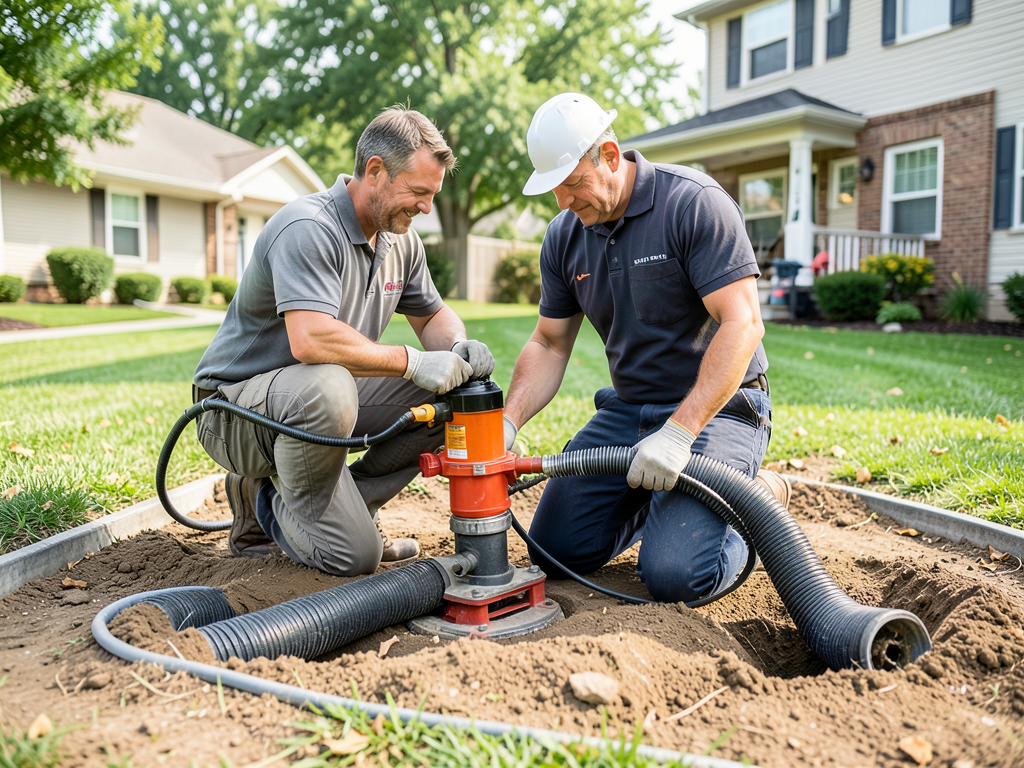
Trenchless Sewer Pipe Lining vs Digging in Seneca Gardens
Homeowners in Seneca Gardens face a critical choice when sewer lines fail: traditional excavation that tears up mature trees and pristine landscaping or modern trenchless methods that fix the problem from within. The clay-heavy soil in this area combined with older clay or cast iron pipes creates perfect conditions for root intrusion and pipe collapse. Trenchless sewer repair offers a faster, less destructive solution that preserves your property’s value while meeting Louisville Metropolitan Sewer District requirements. Louisville Metropolitan Sewer District.
Traditional digging means heavy equipment rolling over your lawn, removing established shrubs, and potentially damaging nearby utilities. Trenchless methods like Cured-in-the-Place Pipe lining and pipe bursting complete repairs through existing access points. Most Seneca Gardens homes can be repaired in one day without visible damage to the yard. The choice affects not just your immediate repair costs but also your property’s long-term integrity.
Understanding Trenchless Sewer Repair Technology
Trenchless sewer repair uses specialized equipment to rehabilitate or replace damaged pipes without extensive excavation. Two primary methods dominate the Louisville market: CIPP lining and pipe bursting. Both work by accessing the damaged pipe through existing cleanouts or small access holes rather than digging up the entire line. How to Handle a Main Sewer Line Backup in Your St. Matthews Home.
CIPP lining involves inserting a felt tube saturated with epoxy resin into the damaged pipe. Hot water or steam then cures the resin, creating a new pipe within the old one. This method works best for pipes with minor cracks, root intrusion, or corrosion but no major structural collapse. The new lining typically lasts 50 years or more and resists future root penetration. The Cost of Tankless Water Heater Installation in Jeffersontown.
Pipe bursting uses a hydraulic machine to pull a new high-density polyethylene pipe through the damaged line while simultaneously fracturing the old pipe outward. This method handles severe damage, major collapses, or when you need to increase pipe diameter. The HDPE pipe resists corrosion and root intrusion for decades.
Seneca Gardens Specific Challenges
Seneca Gardens presents unique challenges for sewer repairs. The neighborhood’s mature Silver Maple and Oak trees send aggressive roots seeking moisture in sewer pipes. These trees, common in 40205 and 40207 zip codes, can penetrate clay pipes through microscopic joints. The Louisville area’s clay soil expands when wet and contracts when dry, creating additional stress on underground pipes.
Many Seneca Gardens homes built before 1970 used vitrified clay pipes connected with mortar joints. These joints deteriorate over decades, allowing roots to enter and cause blockages. The limestone bedrock shelf underlying much of Jefferson County means sewer lines often sit at shallow depths, making them vulnerable to soil movement and root pressure.
Winter freeze-thaw cycles common in Louisville accelerate pipe deterioration. Water trapped in small cracks expands when frozen, creating larger fractures. Summer humidity increases condensation on cold pipes, promoting corrosion in metal lines. These climate factors make Seneca Gardens particularly susceptible to sewer line failures. Fixing Low Water Pressure in Your Crescent Hill Bungalow.
MSD Compliance and Permit Requirements
Louisville Metropolitan Sewer District regulates all lateral line repairs connecting homes to the main sewer system. MSD requires permits for any work affecting these lines, regardless of repair method. The permit process ensures repairs meet current building codes and prevent future sewer overflows that could contaminate local waterways.
MSD mandates specific materials and installation methods for lateral repairs. CIPP lining must use NSF-approved epoxy resins that won’t leach chemicals into the wastewater system. Pipe bursting requires HDPE pipes meeting ASTM F714 standards. These requirements protect the integrity of Louisville’s combined sewer system. ASTM F714 HDPE pipe standard.
Jefferson County requires licensed plumbers to pull permits and inspect completed work. The inspection process verifies proper slope, secure connections, and absence of infiltration points. Failure to obtain permits can result in fines and mandatory rework. Professional trenchless contractors handle permitting as part of their service.
Cost Comparison: Trenchless vs Traditional Digging
| Factor | Trenchless Repair | Traditional Excavation |
|---|---|---|
| Initial Labor Cost | $80-120 per linear foot | $60-90 per linear foot |
| Landscaping Restoration | $0-500 | $3,000-15,000 |
| Project Duration | 1-2 days | 3-7 days |
| Equipment Needed | Camera, lining machine | Backhoe, dump trucks |
| Property Impact | Minimal | Severe |
Trenchless repair typically costs 20-30% more per linear foot than traditional digging. However, when factoring in landscaping restoration, driveway repairs, and project duration, trenchless often proves more economical. A typical Seneca Gardens home might spend $6,000-8,000 on trenchless repair versus $4,000-5,000 for excavation, but avoid $5,000-10,000 in landscape damage.
Insurance coverage varies by policy. Some homeowners insurance policies cover sudden pipe failures but exclude root damage or normal wear. Check your policy’s specific language regarding sewer line repairs. Many trenchless contractors offer financing options to spread costs over time.
Diagnostic Process and Inspection
Professional diagnosis starts with a sewer camera inspection. Technicians insert a waterproof camera with LED lights into the pipe through a cleanout or small access point. The camera transmits real-time video showing pipe condition, blockages, and damage locations. This inspection typically costs $300-500 but proves essential for accurate repair planning.
During inspection, technicians look for specific failure patterns common in Seneca Gardens. Root intrusion appears as fibrous masses blocking pipe flow. Clay pipe joint separation shows as offset sections where mortar has deteriorated. Corrosion in cast iron pipes creates rust scaling that reduces pipe diameter. The camera also identifies pipe material, diameter, and depth.
Hydro jetting often precedes repairs. This process uses high-pressure water (3,000-4,000 PSI) to clear roots, grease, and debris from pipes. The cleaning reveals true pipe condition and ensures proper adhesion for CIPP lining. Hydro jetting costs $500-800 but prevents future blockages and improves repair longevity.. Read more about Custom Commercial Grease Trap Solutions for Paristown Breweries.
Step-by-Step Trenchless Repair Process
- Initial Assessment
Technician performs camera inspection, identifies damage type and location, and determines if trenchless methods suit the specific problem. This step includes measuring pipe diameter and calculating repair length.
- Permit Acquisition
Licensed plumber pulls MSD permit, schedules required inspections, and notifies utility companies of planned work. This process typically takes 3-5 business days.
- Access Point Preparation
Technicians locate cleanouts or dig small access holes (typically 2×2 feet) at pipe entry and exit points. They protect surrounding landscaping with plywood and tarps.
- Cleaning and Preparation
Hydro jetting removes debris and roots. Technicians measure pipe interior diameter to ensure proper liner sizing. Any remaining debris could compromise the repair.
- Installation
For CIPP: Liner insertion, inflation, and curing take 4-6 hours. For pipe bursting: New pipe pulling and old pipe fragmentation complete in 2-4 hours.
- Final Inspection
Post-repair camera inspection verifies proper installation, checks for leaks, and ensures smooth flow. Technicians clean work area and restore any disturbed landscaping.
Common Signs You Need Sewer Repair
Slow drains throughout your home often indicate main line problems rather than individual fixture issues. If multiple fixtures drain slowly simultaneously, the blockage likely exists in the sewer lateral rather than individual branch lines. Gurgling sounds from drains suggest air trapped by partial blockages.. Read more about Installing a French Drain to Stop Yard Erosion in Windy Hills.
Sewage backups into tubs, showers, or floor drains signal severe blockages or collapsed pipes. These backups pose health hazards and require immediate attention. The distinctive sulfur smell of sewage indicates broken pipes allowing gas escape. Lush green patches in your yard above sewer lines suggest leaks providing extra moisture and nutrients to grass.. Read more about Maintaining the Sewage Ejector Pump in Your Barret Hill Basement.
Frequent need for drain cleaning services indicates recurring problems rather than isolated clogs. If you call a plumber for drain cleaning more than once per year, underlying pipe damage likely exists. Foundation cracks or sinkholes near sewer lines suggest severe pipe failure causing soil erosion.
Material Longevity and Warranty Considerations
CIPP lining typically carries 10-25 year warranties depending on the resin system used. The epoxy creates a jointless pipe within your existing line, eliminating future joint failures. The smooth interior surface improves flow capacity by up to 30% compared to original clay pipes.
HDPE pipe bursting installations often include 25-50 year warranties. The material resists chemical corrosion, root intrusion, and soil movement. Unlike clay or cast iron, HDPE won’t rust, scale, or develop joint failures. The pipe’s flexibility allows it to withstand soil shifting without cracking.
Professional installation quality significantly impacts longevity. Improper cleaning before lining or incorrect resin ratios can reduce CIPP lifespan. Pipe bursting requires precise alignment to avoid damaging nearby utilities. Choose contractors with specific trenchless experience and verifiable warranties.
Environmental and Property Value Impact
Trenchless methods minimize environmental disturbance. Traditional excavation can damage tree root systems, compact soil, and disrupt local ecosystems. Trenchless repairs preserve mature trees that provide shade, reduce cooling costs, and support local wildlife. The reduced equipment use also lowers carbon emissions.
Property values often increase after trenchless repairs. Buyers appreciate knowing the sewer system won’t require immediate replacement. The preserved landscaping maintains curb appeal that attracts potential buyers. Some lenders require functioning sewer systems for mortgage approval, making trenchless repairs essential for property transactions.
Water quality improves with new pipe installations. Old clay and cast iron pipes can leach minerals or allow groundwater infiltration. New HDPE or epoxy-lined pipes provide clean, uncontaminated wastewater transport to treatment facilities. This protects local waterways from sewage overflows.
Choosing the Right Contractor
Verify contractor licensing through the Kentucky State Plumbing Board. Licensed plumbers must carry liability insurance and complete continuing education. Ask for specific trenchless experience rather than general plumbing credentials. Request references from Seneca Gardens or similar neighborhoods with comparable housing stock. 24/7 Emergency Plumbing Services.
Professional contractors provide detailed written estimates including permit costs, inspection fees, and warranty terms. Beware of unusually low bids that might indicate cutting corners on materials or skipping required permits. Quality trenchless work requires specialized equipment and trained technicians.
Ask about equipment specifics. CIPP lining requires commercial-grade inversion drums and proper curing equipment. Pipe bursting needs hydraulic power packs matched to pipe diameter. Contractors should explain their specific technology and why it suits your situation. Why Your Prospect Home Needs a Whole House Water Filtration System.
Frequently Asked Questions
How long does trenchless sewer repair take?
Most residential repairs complete in one day. Camera inspection takes 1-2 hours, cleaning requires 2-4 hours, and installation needs 4-6 hours. Final inspection and cleanup add another 1-2 hours. Weather rarely delays trenchless work since all processes occur underground.
Will trenchless repair fix tree root problems permanently?
CIPP lining and HDPE pipe bursting resist future root intrusion. The smooth epoxy surface and jointless construction prevent roots from finding entry points. However, nearby trees may still send roots toward moisture sources. Annual root maintenance might still be necessary for properties with aggressive tree species.
What if trenchless methods won’t work for my situation?
Severe pipe collapse, complete blockages, or pipes filled with sediment might require traditional excavation. A thorough camera inspection determines feasibility. Some situations allow partial trenchless repair combined with minimal excavation for worst-damaged sections.
Does homeowners insurance cover trenchless sewer repair?
Coverage varies by policy. Sudden, accidental damage often qualifies for coverage. Normal wear, root damage, or maintenance issues typically don’t qualify. Review your policy or consult your insurance agent about specific coverage for lateral line repairs.
Call for Professional Assessment
Sewer line problems worsen over time, leading to more expensive repairs and potential property damage. Professional assessment identifies the exact cause and recommends the most cost-effective solution. Camera inspection provides concrete evidence of pipe condition rather than guessing based on symptoms.
Seneca Gardens homeowners deserve solutions that protect their property investment while fixing critical infrastructure problems. Trenchless methods offer the best combination of effectiveness, speed, and property preservation for most situations. The initial cost premium often pays for itself through avoided landscape damage and faster completion.
Don’t wait for sewage backups or yard flooding to force emergency repairs. Early intervention prevents health hazards and property damage. Professional plumbers provide honest assessments and recommend solutions based on your specific situation rather than pushing a single method.
Call (502) 370-2677 today to schedule your sewer line inspection. Our experienced technicians serve Seneca Gardens and surrounding Louisville neighborhoods with the latest trenchless technology. We handle permits, inspections, and cleanup while you avoid the mess of traditional excavation.
{
“@context”: “https://schema.org”,
“@type”: “BlogPosting”,
“headline”: “Trenchless Sewer Pipe Lining vs Digging in Seneca Gardens”,
“description”: “Compare trenchless sewer repair vs traditional digging in Seneca Gardens. Learn CIPP lining, pipe bursting, Louisville MSD compliance, and why no-dig methods protect your mature landscaping.”,
“wordCount”: 2005,
“datePublished”: “2026-04-14T13:45:00.000Z”,
“dateModified”: “2026-04-14T13:45:00.000Z”,
“inLanguage”: “en-US”,
“mainEntityOfPage”: {
“@type”: “WebPage”,
“@id”: “https://victoryplumbinglouisville.com”
},
“publisher”: {
“@type”: “LocalBusiness”,
“name”: “Victory Plumbing Louisville”,
“url”: “https://victoryplumbinglouisville.com”
},
“author”: {
“@type”: “Organization”,
“name”: “Victory Plumbing Louisville”,
“url”: “https://victoryplumbinglouisville.com”
},
“image”: {
“@type”: “ImageObject”,
“url”: “https://victoryplumbinglouisville.com/wp-content/uploads/2026/03/trenchless-sewer-pipe-lining-vs-digging-in-seneca-1.png”
}
}
{
“@context”: “https://schema.org”,
“@type”: “Plumber”,
“name”: “Victory Plumbing Louisville”,
“url”: “https://victoryplumbinglouisville.com”,
“address”: {
“@type”: “PostalAddress”,
“addressLocality”: “Louisville”
},
“areaServed”: {
“@type”: “City”,
“name”: “Louisville”
}
}
{
“@context”: “https://schema.org”,
“@type”: “FAQPage”,
“mainEntity”: [
{
“@type”: “Question”,
“name”: “How long does trenchless sewer repair take?”,
“acceptedAnswer”: {
“@type”: “Answer”,
“text”: “Most residential repairs complete in one day. Camera inspection takes 1-2 hours, cleaning requires 2-4 hours, and installation needs 4-6 hours. Final inspection and cleanup add another 1-2 hours. Weather rarely delays trenchless work since all processes occur underground.”
}
},
{
“@type”: “Question”,
“name”: “Will trenchless repair fix tree root problems permanently?”,
“acceptedAnswer”: {
“@type”: “Answer”,
“text”: “CIPP lining and HDPE pipe bursting resist future root intrusion. The smooth epoxy surface and jointless construction prevent roots from finding entry points. However, nearby trees may still send roots toward moisture sources. Annual root maintenance might still be necessary for properties with aggressive tree species.”
}
},
{
“@type”: “Question”,
“name”: “What if trenchless methods won’t work for my situation?”,
“acceptedAnswer”: {
“@type”: “Answer”,
“text”: “Severe pipe collapse, complete blockages, or pipes filled with sediment might require traditional excavation. A thorough camera inspection determines feasibility. Some situations allow partial trenchless repair combined with minimal excavation for worst-damaged sections.”
}
},
{
“@type”: “Question”,
“name”: “Does homeowners insurance cover trenchless sewer repair?”,
“acceptedAnswer”: {
“@type”: “Answer”,
“text”: “Coverage varies by policy. Sudden, accidental damage often qualifies for coverage. Normal wear, root damage, or maintenance issues typically don’t qualify. Review your policy or consult your insurance agent about specific coverage for lateral line repairs.”
}
}
]
}
{
“@context”: “https://schema.org”,
“@type”: “HowTo”,
“name”: “Trenchless Sewer Repair Process”,
“step”: [
{
“@type”: “HowToStep”,
“position”: 1,
“name”: “Initial Assessment”,
“text”: “Technician performs camera inspection, identifies damage type and location, and determines if trenchless methods suit the specific problem. This step includes measuring pipe diameter and calculating repair length.”
},
{
“@type”: “HowToStep”,
“position”: 2,
“name”: “Permit Acquisition”,
“text”: “Licensed plumber pulls MSD permit, schedules required inspections, and notifies utility companies of planned work. This process typically takes 3-5 business days.”
},
{
“@type”: “HowToStep”,
“position”: 3,
“name”: “Access Point Preparation”,
“text”: “Technicians locate cleanouts or dig small access holes (typically 2×2 feet) at pipe entry and exit points. They protect surrounding landscaping with plywood and tarps.”
},
{
“@type”: “HowToStep”,
“position”: 4,
“name”: “Cleaning and Preparation”,
“text”: “Hydro jetting removes debris and roots. Technicians measure pipe interior diameter to ensure proper liner sizing. Any remaining debris could compromise the repair.”
},
{
“@type”: “HowToStep”,
“position”: 5,
“name”: “Installation”,
“text”: “For CIPP: Liner insertion, inflation, and curing take 4-6 hours. For pipe bursting: New pipe pulling and old pipe fragmentation complete in 2-4 hours.”
},
{
“@type”: “HowToStep”,
“position”: 6,
“name”: “Final Inspection”,
“text”: “Post-repair camera inspection verifies proper installation, checks for leaks, and ensures smooth flow. Technicians clean work area and restore any disturbed landscaping.”
}
],
“image”: “https://victoryplumbinglouisville.com/wp-content/uploads/2026/03/trenchless-sewer-pipe-lining-vs-digging-in-seneca-1.png”
}
{
“@context”: “https://schema.org”,
“@type”: “BreadcrumbList”,
“itemListElement”: [
{
“@type”: “ListItem”,
“position”: 1,
“name”: “Home”,
“item”: “https://victoryplumbinglouisville.com”
},
{
“@type”: “ListItem”,
“position”: 2,
“name”: “Blog”,
“item”: “https://victoryplumbinglouisville.com/blog”
},
{
“@type”: “ListItem”,
“position”: 3,
“name”: “Trenchless Sewer Pipe Lining vs Digging in Seneca Gardens”
}
]
}
{
“@context”: “https://schema.org”,
“@type”: “Service”,
“serviceType”: “Plumbing”,
“provider”: {
“@type”: “LocalBusiness”,
“name”: “Victory Plumbing Louisville”,
“url”: “https://victoryplumbinglouisville.com”
},
“areaServed”: {
“@type”: “City”,
“name”: “Louisville”
},
“description”: “Compare trenchless sewer repair vs traditional digging in Seneca Gardens. Learn CIPP lining, pipe bursting, Louisville MSD compliance, and why no-dig methods protect your mature landscaping.”
}