
Indian Hills Sewer Line Issues: Camera Inspections vs. Snaking Explained
Indian Hills homeowners often face slow drains and recurring backups that leave them wondering whether to call for a simple snake or invest in a camera inspection. The answer depends on what’s actually happening inside your pipes. A traditional snake clears immediate blockages but can’t see what’s causing the problem. A camera inspection reveals the full picture but doesn’t fix the clog itself. Understanding when to use each method can save you hundreds of dollars and prevent major damage to your home’s plumbing system. 24/7 Emergency Plumbing Services.
Indian Hills properties, with their mature tree canopy and established landscaping, face unique sewer challenges. Many homes in the area were built between the 1950s and 1970s, meaning their sewer lines are now 50-70 years old. These aging pipes, combined with the area’s clay-rich soil and extensive tree roots, create a perfect storm for sewer line problems that require different diagnostic and repair approaches. How to Handle a Main Sewer Line Backup in Your St. Matthews Home.
What is a Sewer Camera Inspection? (The Diagnostic Approach)
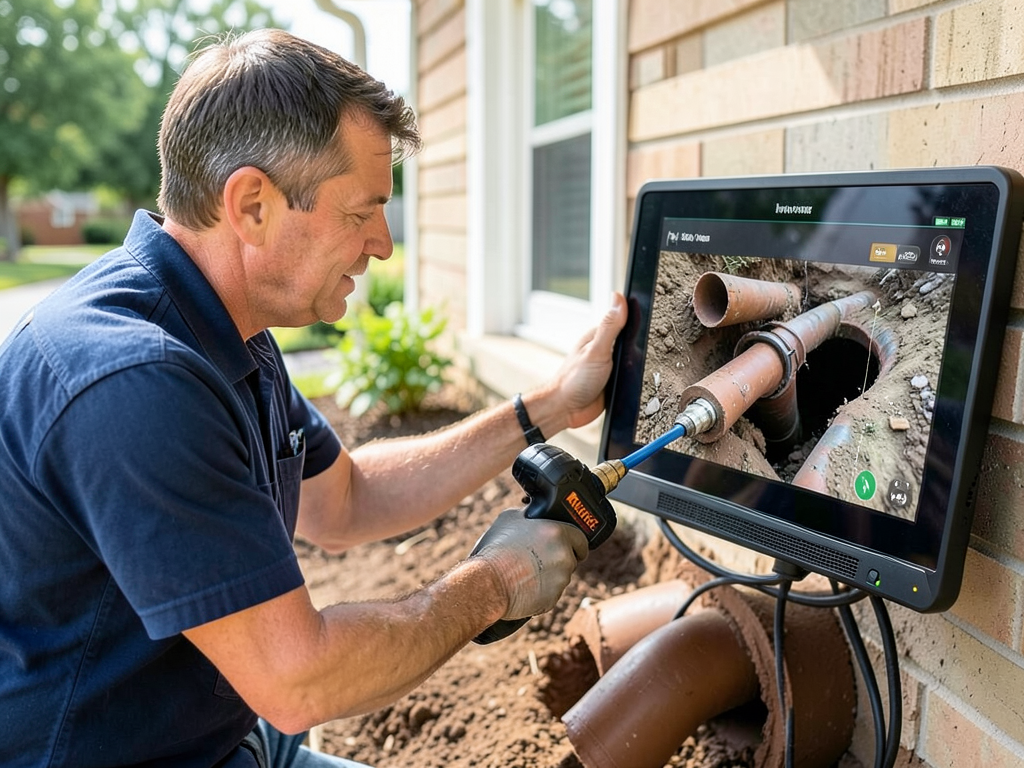
A sewer camera inspection uses a waterproof, high-resolution camera attached to a flexible cable that travels through your sewer line. The camera sends real-time video to a monitor, allowing technicians to see exactly what’s happening inside your pipes. This diagnostic tool reveals cracks, tree root intrusion, collapsed sections, grease buildup, and other issues that would remain hidden without visual inspection. The Cost of Tankless Water Heater Installation in Jeffersontown.
During an inspection, the camera typically travels from your cleanout access point to the main sewer connection. The process takes 30-45 minutes and provides documented evidence of pipe condition. Technicians can measure pipe diameter, locate specific problem areas, and determine whether issues are isolated or widespread throughout your system.
The diagnostic approach matters because Indian Hills’ mature trees send roots searching for water sources. These roots find tiny cracks in aging pipes and grow inside, creating blockages that get worse over time. A camera inspection reveals whether you’re dealing with a simple clog or a structural problem that requires more extensive repair. Fixing Low Water Pressure in Your Crescent Hill Bungalow.
What is Drain Snaking? (The Mechanical Solution)
Drain snaking uses a long, flexible metal cable with an auger tip that rotates to break up or retrieve clogs. The cable travels through your pipes, physically clearing blockages by cutting through or pulling out the obstruction. This mechanical approach provides immediate relief but doesn’t address underlying causes.. Read more about Professional Drain Cleaning to Clear Stubborn Clogs in Middletown.
Professional-grade snakes come in different sizes. Top snakes work for small drains like sinks and showers, while drum machines handle main sewer lines. The cable diameter and motor power vary based on the pipe size and expected clog type. A typical main line snake uses a 3/4 to 1-inch cable that can travel 50-100 feet through your sewer system.. Read more about When to Call a Pro for a Clogged Drain Instead of Using Chemicals in Your Highlands Apartment.
Snaking works best for soft clogs like grease, paper products, or accumulated debris. The rotating auger cuts through these materials, restoring flow. However, if tree roots have grown into your pipes, a snake might clear the immediate blockage but leave the roots intact. This means the clog will return within weeks or months, requiring repeated service calls.
Side-by-Side Comparison: Camera Inspection vs. Snaking
| Feature | Camera Inspection | Traditional Snaking |
|---|---|---|
| Primary Purpose | Diagnosis and Documentation | Immediate Blockage Removal |
| Time Required | 30-45 minutes | 1-2 hours |
| Success Rate for Tree Roots | 100% Detection | 50-70% Temporary Relief |
| Cost Range in Louisville | $250-$400 | $150-$300 |
| Equipment Used | Ridgid SeeSnake or similar professional camera system | Drum machine with 3/4″-1″ cable |
| Long-term Value | Identifies problems before major damage | Provides temporary fix only |
| Best For | Recurring issues, home purchases, preventative maintenance | Single, sudden clogs with known cause |
Common Indian Hills Sewer Problems and the Right Solution
Indian Hills’ combination of mature trees and aging infrastructure creates specific sewer problems that require different approaches. Understanding these patterns helps you choose the right service the first time.
Tree root intrusion represents the most common issue in Indian Hills. The area’s oak, maple, and sycamore trees send roots toward sewer pipes seeking moisture. These roots enter through tiny cracks, then grow and expand inside the pipe. A camera inspection reveals the extent of root growth and whether pipes are cracked or collapsed. Snaking might clear the immediate blockage but won’t solve the structural problem.
Clay pipe deterioration affects many Indian Hills homes built before 1970. These pipes become brittle over time and develop cracks that allow root intrusion. A camera inspection shows whether you have clay pipes and their condition. Snaking clay pipes risks further damage if the pipe walls are already compromised.
Grease buildup from kitchen drains creates another common problem. This soft clog responds well to snaking, as the auger cuts through the grease. However, if grease is accompanied by tree roots or pipe damage, snaking provides only temporary relief. A camera inspection determines whether you need more than just mechanical clearing.
When to Choose Camera Inspection First
Choose a camera inspection when you experience recurring clogs, multiple backed-up drains, or sewage smells in your yard. These symptoms suggest a systemic problem rather than a simple blockage. The inspection cost pays for itself by identifying the exact issue, preventing repeated service calls and potential property damage.
Home buyers in Indian Hills should always request a sewer camera inspection before closing. Many area homes have hidden sewer line issues that could cost $3,000-$10,000 to repair. The $250-$400 inspection fee provides peace of mind and negotiation leverage if problems exist.
If you’ve had your sewer snaked multiple times in the past year, a camera inspection reveals why the problem keeps returning. You might discover tree roots, pipe bellies (low spots where waste collects), or separated pipe joints that require different solutions than simple snaking.
When Snaking Makes Sense
Snaking works best for sudden, isolated clogs with known causes. If your child flushed a toy or you accidentally washed a large amount of paper products down the drain, snaking provides quick, cost-effective relief. The immediate response time and lower cost make it ideal for straightforward blockages.
Single bathroom backups that don’t affect other drains often indicate localized clogs that respond well to snaking. If only one fixture drains slowly and you know what caused the blockage, snaking provides the fastest solution without the need for diagnostic imaging.
Emergency situations where you need immediate drainage restoration also favor snaking. While a camera inspection takes 30-45 minutes just for diagnosis, snaking can often restore flow within an hour, getting your household functioning again quickly.
The Third Option: Hydro Jetting Integration
Hydro jetting represents a middle ground between camera inspection and traditional snaking. This method uses high-pressure water (up to 4,000 PSI) to scour pipe walls clean of grease, scale, and debris. The process often follows a camera inspection to ensure complete cleaning and identify any pipe damage revealed during the process.
Hydro jetting works exceptionally well for Indian Hills homes with grease buildup or soft clogs throughout the system. The high-pressure water cuts through accumulated debris more thoroughly than mechanical snaking. However, like snaking, hydro jetting doesn’t reveal structural problems, making it most effective after a camera inspection confirms pipe integrity.
Many professional plumbers now offer camera inspection followed by hydro jetting as a comprehensive solution. This approach diagnoses the problem, then provides thorough cleaning without the potential pipe damage that aggressive snaking might cause in aging systems.
Local Regulations and Indian Hills Considerations
Indian Hills homeowners must comply with Louisville Metro Department of Codes & Regulations requirements for sewer line repairs. Any work affecting the main sewer line requires permits and inspections to ensure proper connection to the municipal system. The Louisville MSD (Metropolitan Sewer District) also has specific requirements for lateral line repairs and replacements. Louisville MSD (Metropolitan Sewer District).
Kentucky State Plumbing Code Section 312.5 requires proper cleanout access for all sewer lines. Many Indian Hills homes built before 1980 lack adequate cleanouts, making camera inspections more challenging and potentially requiring additional work to establish proper access points.
The area’s clay-rich soil creates additional challenges. Clay soil expands when wet and contracts when dry, putting stress on underground pipes. This soil movement, combined with freeze-thaw cycles common in Louisville winters, accelerates pipe deterioration in Indian Hills properties. Louisville Metro Department of Codes & Regulations.
Cost-Benefit Analysis for Indian Hills Homeowners
The decision between camera inspection and snaking often comes down to cost versus long-term value. A camera inspection costs $250-$400 but can prevent thousands in future repairs by identifying problems early. Snaking costs $150-$300 but may need to be repeated multiple times if underlying issues exist.
Consider this scenario: You experience recurring clogs every few months. Snaking each time costs $200, totaling $800 annually. A $350 camera inspection might reveal tree roots that require $1,200 in repairs but eliminate the $800 annual snaking cost. The investment pays for itself in less than two years while preventing potential sewage backups that could cause $5,000-$15,000 in property damage.
For Indian Hills’ older homes, the camera inspection often reveals issues that affect resale value. Buyers increasingly request sewer line documentation, and having a recent inspection report can facilitate smoother transactions and potentially higher sale prices.
Diagnostic Process: What to Expect During Service
When you call for sewer service, a professional plumber will first ask about your symptoms. Multiple backed-up drains, sewage odors, or recurring clogs suggest the need for camera inspection. A single, isolated backup with known cause might be handled with snaking first.
The diagnostic process typically follows this sequence: initial consultation, access point identification, service selection recommendation, and execution. For camera inspections, the plumber will locate your cleanout or establish access through a roof vent or toilet removal if necessary.
During camera inspection, the plumber documents findings with video and measurements. They can identify pipe material, locate cleanouts, measure distances to problem areas, and determine whether issues are isolated or systemic. This documentation proves invaluable for insurance claims, home sales, or planning major repairs.
Preventative Maintenance for Indian Hills Sewer Lines
Indian Hills homeowners can prevent many sewer problems through regular maintenance. Annual camera inspections for homes over 40 years old can identify developing issues before they cause backups. For properties with extensive tree coverage, inspections every 2-3 years may suffice.
Root treatment products can slow root growth in pipes, extending the time between necessary repairs. These foaming treatments kill roots inside pipes without harming trees. However, they work best after a camera inspection confirms the extent of root intrusion and pipe condition.
Avoiding grease disposal down drains and using enzyme treatments monthly can prevent soft clogs that often combine with other issues to create major blockages. These preventative steps cost pennies compared to emergency service calls or major repairs.
Making the Right Choice for Your Indian Hills Home
The choice between camera inspection and snaking depends on your specific situation. Consider these factors: How often do you experience problems? Do multiple fixtures back up simultaneously? Have you had this home’s plumbing inspected recently? Are you planning to sell soon?
For Indian Hills’ older homes with mature trees, camera inspection often provides the best long-term value. The initial cost reveals whether you’re dealing with simple clogs or complex issues requiring different solutions. This knowledge prevents the cycle of repeated snaking calls and unexpected major repairs.
However, if you’re certain about the clog cause and need immediate relief, snaking provides the fastest solution. Many homeowners start with snaking for sudden issues, then opt for camera inspection if problems recur, creating a balanced approach to sewer line maintenance.
Frequently Asked Questions
How long does a sewer camera inspection take in Indian Hills?
A typical sewer camera inspection takes 30-45 minutes once the plumber accesses your cleanout. The total service time, including arrival and setup, usually runs 60-90 minutes. Older Indian Hills homes might require additional time if cleanout access needs to be established. Why Your Prospect Home Needs a Whole House Water Filtration System.
Can I use a plumbing snake myself instead of calling a professional?
Consumer-grade snakes work for minor sink and shower clogs but lack the power and reach for main sewer lines. Professional drum machines use 3/4 to 1-inch cables that can travel 100+ feet and cut through tough blockages. DIY attempts on main lines often push clogs deeper or damage pipes, especially in older Indian Hills homes with clay or cast iron plumbing.
What does a camera inspection reveal that snaking doesn’t?
A camera inspection reveals pipe material, cracks, separations, tree root locations, grease buildup thickness, low spots (bellies), and the overall condition of your sewer line. Snaking only clears the immediate blockage without showing what caused it or whether structural damage exists that will cause future problems.
How often should Indian Hills homeowners get sewer camera inspections?
Homes over 40 years old in Indian Hills benefit from camera inspections every 2-3 years, especially those with mature trees. Newer homes might only need inspections every 5-7 years or when problems arise. Annual inspections make sense for properties with extensive tree coverage or a history of sewer issues.
Will my homeowner’s insurance cover sewer line repairs?
Standard policies typically don’t cover sewer line repairs, considering them maintenance issues. However, if a backup causes interior damage, that damage might be covered. Some insurers offer optional sewer line coverage riders. A camera inspection providing documentation of pre-existing conditions can help with insurance claims if damage occurs.
Protect Your Indian Hills Home’s Plumbing System
Indian Hills’ unique combination of mature trees, aging infrastructure, and clay-rich soil creates specific sewer line challenges that require informed solutions. Whether you need immediate clog removal or comprehensive system diagnosis, understanding the difference between camera inspections and traditional snaking helps you make cost-effective decisions that protect your home.
Recurring problems, multiple backed-up fixtures, or sewage odors signal the need for camera inspection first. Sudden, isolated clogs with known causes often respond well to snaking. The key is matching the solution to the problem rather than applying the same approach to every situation.
Don’t let sewer line problems escalate into major damage. Call (502) 370-2677 today to schedule your inspection or emergency service. Our experienced technicians understand Indian Hills’ specific plumbing challenges and provide solutions that address both immediate problems and long-term system health. Pick up the phone and call (502) 370-2677 before the next storm hits or the next clog backs up your entire system.
Early diagnosis prevents costly repairs and protects your home’s value. Whether you need a quick snake or comprehensive camera inspection, we’re ready to help with fast, professional service that gets your plumbing working properly again.
You may also find this helpful. Signs Your Lake Forest Home Has Failing Polybutylene Pipes.
You may also find this helpful. How to Stop Your Basement from Flooding in the Cherokee Triangle.
{
“@context”: “https://schema.org”,
“@type”: “BlogPosting”,
“headline”: “The Real Difference Between Sewer Camera Inspections and Traditional Snaking (And Why Indian Hills Homeowners Need Both)”,
“description”: “Indian Hills homes face unique sewer challenges. Learn when to choose a camera inspection vs. traditional snaking to protect your pipes and property from costly damage.”,
“wordCount”: 2434,
“datePublished”: “2026-03-06T07:32:00.000Z”,
“dateModified”: “2026-03-06T07:32:00.000Z”,
“inLanguage”: “en-US”,
“mainEntityOfPage”: {
“@type”: “WebPage”,
“@id”: “https://victoryplumbinglouisville.com”
},
“publisher”: {
“@type”: “LocalBusiness”,
“name”: “Victory Plumbing Louisville”,
“url”: “https://victoryplumbinglouisville.com”
},
“author”: {
“@type”: “Organization”,
“name”: “Victory Plumbing Louisville”,
“url”: “https://victoryplumbinglouisville.com”
},
“image”: {
“@type”: “ImageObject”,
“url”: “https://victoryplumbinglouisville.com/wp-content/uploads/2026/03/the-real-difference-between-sewer-camera-inspectio-1.png”
}
}
{
“@context”: “https://schema.org”,
“@type”: “Plumber”,
“name”: “Victory Plumbing Louisville”,
“url”: “https://victoryplumbinglouisville.com”,
“address”: {
“@type”: “PostalAddress”,
“addressLocality”: “Louisville”
},
“areaServed”: {
“@type”: “City”,
“name”: “Louisville”
}
}
{
“@context”: “https://schema.org”,
“@type”: “FAQPage”,
“mainEntity”: [
{
“@type”: “Question”,
“name”: “How long does a sewer camera inspection take in Indian Hills?”,
“acceptedAnswer”: {
“@type”: “Answer”,
“text”: “A typical sewer camera inspection takes 30-45 minutes once the plumber accesses your cleanout. The total service time, including arrival and setup, usually runs 60-90 minutes. Older Indian Hills homes might require additional time if cleanout access needs to be established. Why Your Prospect Home Needs a Whole House Water Filtration System.”
}
},
{
“@type”: “Question”,
“name”: “Can I use a plumbing snake myself instead of calling a professional?”,
“acceptedAnswer”: {
“@type”: “Answer”,
“text”: “Consumer-grade snakes work for minor sink and shower clogs but lack the power and reach for main sewer lines. Professional drum machines use 3/4 to 1-inch cables that can travel 100+ feet and cut through tough blockages. DIY attempts on main lines often push clogs deeper or damage pipes, especially in older Indian Hills homes with clay or cast iron plumbing.”
}
},
{
“@type”: “Question”,
“name”: “What does a camera inspection reveal that snaking doesn’t?”,
“acceptedAnswer”: {
“@type”: “Answer”,
“text”: “A camera inspection reveals pipe material, cracks, separations, tree root locations, grease buildup thickness, low spots (bellies), and the overall condition of your sewer line. Snaking only clears the immediate blockage without showing what caused it or whether structural damage exists that will cause future problems.”
}
},
{
“@type”: “Question”,
“name”: “How often should Indian Hills homeowners get sewer camera inspections?”,
“acceptedAnswer”: {
“@type”: “Answer”,
“text”: “Homes over 40 years old in Indian Hills benefit from camera inspections every 2-3 years, especially those with mature trees. Newer homes might only need inspections every 5-7 years or when problems arise. Annual inspections make sense for properties with extensive tree coverage or a history of sewer issues.”
}
},
{
“@type”: “Question”,
“name”: “Will my homeowner’s insurance cover sewer line repairs?”,
“acceptedAnswer”: {
“@type”: “Answer”,
“text”: “Standard policies typically don’t cover sewer line repairs, considering them maintenance issues. However, if a backup causes interior damage, that damage might be covered. Some insurers offer optional sewer line coverage riders. A camera inspection providing documentation of pre-existing conditions can help with insurance claims if damage occurs.”
}
}
]
}
{
“@context”: “https://schema.org”,
“@type”: “BreadcrumbList”,
“itemListElement”: [
{
“@type”: “ListItem”,
“position”: 1,
“name”: “Home”,
“item”: “https://victoryplumbinglouisville.com”
},
{
“@type”: “ListItem”,
“position”: 2,
“name”: “Blog”,
“item”: “https://victoryplumbinglouisville.com/blog”
},
{
“@type”: “ListItem”,
“position”: 3,
“name”: “The Real Difference Between Sewer Camera Inspections and Traditional Snaking (And Why Indian Hills Homeowners Need Both)”
}
]
}
{
“@context”: “https://schema.org”,
“@type”: “Service”,
“serviceType”: “Plumbing”,
“provider”: {
“@type”: “LocalBusiness”,
“name”: “Victory Plumbing Louisville”,
“url”: “https://victoryplumbinglouisville.com”
},
“areaServed”: {
“@type”: “City”,
“name”: “Louisville”
},
“description”: “Indian Hills homes face unique sewer challenges. Learn when to choose a camera inspection vs. traditional snaking to protect your pipes and property from costly damage.”
}