
Where is Your Sump Pump Water Actually Going? (And Why it Matters in Hurstbourne Acres)
Water from your sump pump doesn’t just disappear. In Hurstbourne Acres, it flows through underground pipes and exits somewhere on your property. If that discharge line fails, water backs up into your basement or creates dangerous erosion in your yard. Understanding where your sump pump water goes helps you prevent flooding and avoid costly repairs. The Cost of Tankless Water Heater Installation in Jeffersontown.
Most homes in Hurstbourne Acres use one of three discharge methods. The water either flows into a dry well buried in the yard, exits through a pop-up emitter at ground level, or connects to the municipal storm sewer system. Each method has specific requirements to work properly and comply with local regulations. How to Handle a Main Sewer Line Backup in Your St. Matthews Home.
Heavy clay soil in Hurstbourne Acres causes unique problems. When discharge water hits compacted clay, it creates pressure that can crack pipes or force water back toward your foundation. During Kentucky’s freeze-thaw cycles, standing water in discharge lines turns to ice and blocks flow completely. These local conditions make proper sump pump installation critical for every homeowner. Fixing Low Water Pressure in Your Crescent Hill Bungalow.
Water follows the path of least resistance. If your discharge line has even a small crack, water escapes underground and creates saturated soil around your foundation. This moisture attracts tree roots that grow into pipes and cause complete blockages. Once roots enter, they expand and destroy the pipe from inside out.. Read more about Can You Install a Gray Water Recycling System in Your Louisville Garden?.
MSD regulations in Jefferson County require sump pump discharge to stay on your property. Water cannot flow onto sidewalks, streets, or neighboring yards. Violations result in fines and require expensive corrective work. Many Hurstbourne Acres homes built before 2010 need updates to meet current standards. Jefferson County MSD regulations.
Call (502) 370-2677 today to schedule your inspection. Our technicians use camera equipment to trace your discharge line and identify problems before they cause basement flooding.
Common Sump Pump Discharge Problems in Hurstbourne Acres
Discharge line failures create emergency situations during heavy rains. When water cannot escape through the pipe, your sump pump runs continuously and burns out the motor. The basement floods within hours, causing thousands in damage to flooring, walls, and stored items.
Tree root intrusion affects most discharge lines within 10-15 years. Kentucky’s mature trees send roots searching for moisture, and cracked pipes provide the perfect water source. Once roots enter, they grow rapidly and completely block water flow. Chemical treatments cannot remove established root systems.
Freeze damage occurs when discharge pipes are buried too shallow. Louisville’s frost line reaches 24 inches deep, but many older homes have pipes buried at only 12 inches. When water freezes inside the pipe, it expands and splits the PVC or causes joints to separate completely. Louisville Metro building codes.
Animal nesting creates unexpected blockages. Small animals like frogs, snakes, and rodents enter open discharge pipes and build nests that completely stop water flow. These blockages often occur at the discharge point where pipes exit the ground.
Improper pipe slope causes water to pool inside the line. Discharge pipes must slope away from the house at a minimum 1% grade. When pipes sag or develop low spots, water collects and creates stagnant areas that attract mosquitoes and accelerate pipe deterioration.
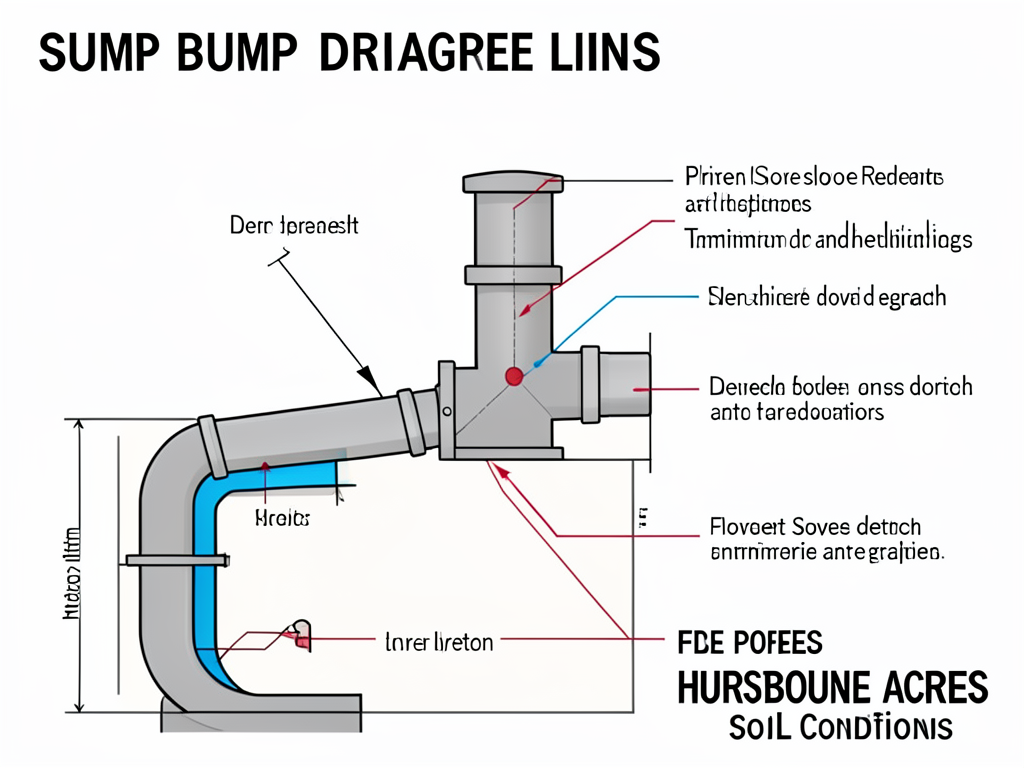
IMAGE_PLACEHOLDER_1 – Technical diagram showing proper sump pump discharge line installation with correct slope, depth, and termination points for Hurstbourne Acres soil conditions.
How to Find Your Sump Pump Discharge Location
Finding your discharge point requires some detective work. Start by locating the sump pump basin in your basement. Follow the 1.5-inch PVC pipe as it exits through the foundation wall. This pipe continues underground for 10-30 feet before surfacing somewhere in your yard.
Look for a small green or black pop-up emitter near your property line. These devices sit flush with the ground when dry but rise when water pressure builds. The emitter releases water away from your foundation and prevents erosion around the discharge point.
Check your basement floor for a floor drain near the sump pump. Some older Hurstbourne Acres homes connect the sump pump directly to the sewer system through a floor drain. This configuration violates current MSD regulations and requires immediate correction.. Read more about Installing a French Drain to Stop Yard Erosion in Windy Hills.
Walk your property during heavy rain and watch for water bubbling up from the ground. This indicates a broken discharge pipe underground. The water finds the path of least resistance and surfaces through cracks in the soil.
Examine your foundation walls for moisture stains. Water leaking from a cracked discharge pipe near the foundation creates damp spots that appear as dark streaks on concrete or brick. These stains often indicate the pipe location.
Use a garden hose to test your system. Pour water into the sump pit and listen for the pump activating. Go outside and watch where water exits. If no water appears within 30 seconds, your discharge line has a blockage that requires professional diagnosis.
MSD Regulations for Sump Pump Discharge in Hurstbourne Acres
Jefferson County Metropolitan Sewer District enforces strict rules for sump pump discharge. Water from your sump pump must remain on your property and cannot enter the municipal storm sewer system without proper permits. These regulations protect the entire drainage system from overload during heavy rains.. Read more about Managing Drainage and Waste Lines for Your Prospect Outdoor Kitchen.
Discharge pipes must terminate at least 10 feet from your foundation and direct water away from all structures. The outlet cannot create erosion or flooding on neighboring properties. Pop-up emitters must be clearly visible and not buried under mulch or soil.
MSD prohibits connecting sump pumps to sanitary sewer lines. This practice, common in homes built before 1970, overloads the wastewater treatment system during storms. The district offers amnesty programs for homeowners who correct illegal connections.
Property owners must maintain discharge lines in good working condition. Broken pipes, missing emitters, or improper slopes constitute code violations. MSD inspectors can issue citations and require repairs within specific timeframes.
New construction in Hurstbourne Acres must include proper sump pump discharge planning. Building permits require detailed drainage plans showing where water will exit and how it will be contained on the property. These plans must comply with MSD engineering standards.
Commercial properties face additional requirements. Businesses must demonstrate that their sump pump systems can handle 100-year storm events without causing flooding or erosion. Many require engineered drainage solutions with multiple discharge points.
Call (502) 370-2677 today to schedule your inspection. Our team understands MSD regulations and can ensure your system complies with all local requirements.
DIY vs Professional Sump Pump Discharge Repairs
Many homeowners attempt DIY repairs when discharge problems occur. Simple tasks like clearing debris from a pop-up emitter or extending a downspout work well for minor issues. However, structural problems require professional equipment and expertise.
DIY limitations become apparent with underground repairs. Without proper diagnostic tools, you cannot locate breaks in buried pipes. Digging random holes across your yard destroys landscaping and rarely finds the actual problem. Professional camera inspection identifies exact break locations without excavation.
Material selection matters for long-term performance. Professional plumbers use SDR-35 PVC pipe rated for underground use. This material resists soil chemicals and UV damage better than standard PVC. DIY repairs often use incorrect materials that fail within months.
Proper pipe joining techniques prevent future leaks. Professionals use primer and solvent cement to create welded joints that never separate. DIY connections using rubber couplings or threaded fittings often leak under soil pressure and cause recurring problems.
Backflow prevention protects your basement during power outages. Professional installations include check valves that prevent water from flowing back through the discharge line when the pump stops. Many DIY repairs omit this critical component, leaving homes vulnerable to flooding. Backflow Prevention & Testing.
Permitting requirements vary by location. Some municipalities require permits for discharge line repairs involving excavation or pipe replacement. Professionals handle permitting and ensure all work meets local codes. DIY repairs without permits can result in fines and required corrections.
Cost comparison shows DIY often costs more long-term. A $200 DIY repair that fails within a year costs more than a $500 professional repair that lasts 15 years. Professional repairs include warranties and prevent the water damage that DIY failures often cause.
Professional Sump Pump Discharge Repair Process
Professional diagnosis starts with a complete system inspection. Technicians examine the sump pump, check valve, and discharge line for proper operation. They measure water flow rates and listen for unusual pump noises that indicate bearing wear or impeller damage.
Camera inspection reveals underground problems without excavation. A waterproof camera travels through the discharge pipe, transmitting video of cracks, blockages, and pipe separations. The camera also measures pipe diameter and identifies material type for proper repair planning.
Hydro-jetting clears root blockages and mineral deposits. High-pressure water at 3,000-4,000 PSI cuts through roots and flushes debris from pipes. This process often restores full flow without requiring pipe replacement, saving thousands in repair costs.
Pipe replacement involves excavating only the damaged section. Trenchless technology allows pipe repair through small access holes rather than digging long trenches. This method preserves landscaping and reduces repair time from days to hours.
Discharge line rerouting solves chronic problems. If your current line terminates in a poor location, professionals can install a new line to a better spot. This might involve connecting to a French drain system or installing a dry well for water absorption.
System upgrades improve reliability. Professionals install larger diameter pipes to handle increased flow, add secondary check valves for redundancy, and incorporate alarm systems that alert you to pump failures before flooding occurs.
Final testing ensures proper operation. After repairs, technicians run the system through multiple pump cycles and measure discharge rates. They verify that water flows freely and terminates in the correct location according to MSD regulations.
IMAGE_PLACEHOLDER_2 – Photo showing professional plumber using sewer camera equipment to inspect underground sump pump discharge line for blockages and damage.
Preventing Future Sump Pump Discharge Problems
Regular maintenance prevents most discharge line failures. Schedule annual inspections before rainy seasons to identify potential problems. Professional maintenance includes cleaning the sump pit, testing the pump, and inspecting the discharge line for damage or blockages.
Install a battery backup system for power outage protection. Kentucky’s storms often cause power failures during heavy rains when your sump pump needs to run continuously. Battery backups automatically activate when utility power fails, providing 8-24 hours of protection. Why Your Prospect Home Needs a Whole House Water Filtration System.
Grade your yard properly to direct surface water away from your foundation. The ground should slope at least 6 inches over 10 feet from your house. Poor grading causes surface water to pool around your foundation and overwhelm your sump pump system.
Keep trees and shrubs away from discharge lines. Plant roots seek moisture and will grow toward any water source. Maintain a 10-foot clearance between large trees and your discharge line to prevent root intrusion damage.
Install a high-water alarm in your sump pit. These devices sound an alarm when water rises above normal levels, alerting you to pump failure or overwhelming inflow. Early warning prevents basement flooding and allows you to address problems before major damage occurs.
Consider a duplex pump system for high-risk situations. Two pumps in the same pit provide redundancy if one fails. The second pump activates automatically when the first cannot keep up with inflow, providing insurance against flooding during heavy rains.
Upgrade to a water-powered backup pump if you have municipal water service. These pumps use water pressure to operate during power failures, providing unlimited run time as long as water pressure remains available. They work independently of electricity and battery systems.
Cost Factors for Sump Pump Discharge Repairs
Repair costs vary based on problem complexity and required solutions. Simple clog removal costs $150-300, while complete discharge line replacement ranges from $1,500-4,000 depending on length and accessibility. Camera inspection adds $200-400 but often prevents unnecessary excavation.
Underground pipe material affects repair costs. PVC pipe replacement costs less than cast iron or clay pipe repairs. Clay pipes, common in homes built before 1980, often require complete replacement due to their brittle nature and tendency to crack with soil movement.
Access difficulty impacts pricing significantly. Discharge lines running under concrete patios or through landscaped areas require more labor and restoration work. Repairs involving minimal excavation cost less than those requiring extensive digging and surface restoration.
Emergency service calls cost 50-100% more than scheduled repairs. Calling for service during heavy rains or weekends results in premium pricing. Regular maintenance prevents emergencies and saves money long-term.
Permit requirements add $50-300 to repair costs. Some municipalities require permits for discharge line repairs involving excavation or pipe replacement. Professional plumbers include permit costs in their estimates and handle all required inspections.
Warranty coverage varies by repair type. Simple clog removal often carries 30-day warranties, while pipe replacement typically includes 1-5 year warranties. Professional repairs with warranties cost more upfront but provide protection against recurring problems.
Insurance considerations affect out-of-pocket costs. Some homeowner policies cover sump pump failures and resulting water damage. Check your policy for specific coverage details and deductible amounts before scheduling repairs.
Frequently Asked Questions
How do I know if my sump pump discharge line is broken?
Signs include water bubbling up in your yard during pump operation, damp spots on foundation walls, unusually frequent pump cycling, or the pump running continuously without water exiting the line. A professional camera inspection can confirm breaks without digging.
Can I connect my sump pump to the storm sewer?
No. Jefferson County MSD regulations prohibit direct connections to storm sewers without special permits. Water must remain on your property through proper discharge methods like dry wells or pop-up emitters.
How deep should my discharge pipe be buried?
In Hurstbourne Acres, discharge pipes should be buried at least 24 inches deep to prevent freeze damage. This depth exceeds Louisville’s frost line and protects pipes from soil movement and temperature extremes.
What happens if my discharge line freezes?
When discharge lines freeze, water backs up into the sump pit and can overflow into your basement. The pump continues running but cannot remove water, leading to motor burnout. Installing a freeze-resistant line or adding insulation prevents this common winter problem.
How long do sump pump discharge lines last?
Properly installed PVC discharge lines last 20-30 years in Kentucky soil conditions. Lines in areas with heavy clay soil or frequent root intrusion may need replacement every 10-15 years. Regular inspections help identify deterioration before complete failure occurs.
Emergency Sump Pump Services in Hurstbourne Acres
Heavy rains in Hurstbourne Acres can overwhelm sump pump systems within hours. When water enters your basement faster than your pump can remove it, immediate professional help prevents catastrophic damage to your home’s structure and contents.
Emergency service response times matter during flooding events. Our technicians arrive within 60-90 minutes of your call, equipped with the tools and replacement parts needed to restore your system quickly. We operate 24/7 because basement flooding doesn’t follow business hours.
Initial emergency response focuses on water removal. We use commercial-grade pumps to extract standing water from your basement, then identify the source of the problem. This might involve clearing a blocked discharge line, repairing a broken pipe, or replacing a failed pump.
Water damage assessment follows initial cleanup. We inspect walls, flooring, and stored items for moisture damage and recommend restoration steps. Quick action prevents mold growth and structural damage that can occur within 24-48 hours of flooding.
Temporary repairs restore immediate function while permanent solutions are planned. We might install bypass piping to restore discharge capability or set up portable pumps to handle inflow until permanent repairs can be completed.
Insurance coordination helps with claim filing. Our technicians document damage with photos and measurements, providing the information your insurance company needs to process claims quickly. We understand the documentation requirements for water damage claims.
Preventive recommendations follow emergency service. We identify system weaknesses that contributed to the failure and suggest upgrades to prevent future emergencies. This might include battery backups, larger capacity pumps, or improved discharge line routing.
Call (502) 370-2677 immediately if you experience basement flooding. Quick response minimizes damage and reduces restoration costs significantly.
IMAGE_PLACEHOLDER_3 – Photo of sump pump discharge line termination with pop-up emitter installed in Hurstbourne Acres yard, showing proper grading and distance from foundation.
Protecting Your Hurstbourne Acres Home Investment
Your home represents your largest financial investment. Sump pump discharge problems threaten that investment through water damage, foundation issues, and potential legal problems with MSD violations. Understanding and maintaining your system protects your property value.. Read more about Maintaining the Sewage Ejector Pump in Your Barret Hill Basement.
Foundation damage from improper discharge costs thousands to repair. Water saturating soil around your foundation creates hydrostatic pressure that cracks basement walls and floors. These cracks allow more water entry, creating a destructive cycle that worsens over time.
Property value impacts extend beyond immediate damage. Homes with chronic water problems sell for 10-15% less than comparable properties with dry basements. Disclosure requirements force sellers to reveal flooding history, reducing buyer interest and negotiation leverage.
Neighborhood relationships suffer from improper discharge. Water flowing onto neighboring properties creates disputes that can escalate to legal action. MSD violations and neighbor complaints create records that follow property ownership changes.
Insurance rates reflect system reliability. Homes with documented sump pump failures face higher premiums or coverage exclusions. Some insurers require annual system inspections to maintain coverage, particularly in flood-prone areas like Hurstbourne Acres.
Resale preparation includes discharge system verification. Smart sellers address sump pump issues before listing homes, preventing inspection failures and buyer demands for price reductions. Professional documentation of system condition provides confidence to potential buyers.
Long-term planning considers system upgrades. Technology improvements in sump pumps and discharge systems offer better reliability and efficiency. Planning upgrades during dry seasons prevents emergency replacements during heavy rains when prices peak.
Professional relationships provide ongoing support. Establishing a relationship with a local plumbing company ensures priority service during emergencies and access to the latest technology and techniques for your specific soil and weather conditions.
Call (502) 370-2677 today to schedule your inspection. Our experienced technicians understand Hurstbourne Acres soil conditions, MSD regulations, and the specific challenges Kentucky weather creates for sump pump systems.
{
“@context”: “https://schema.org”,
“@type”: “BlogPosting”,
“headline”: “Where is Your Sump Pump Water Actually Going? (And Why it Matters in Hurstbourne Acres)”,
“description”: “Learn where sump pump water flows in Hurstbourne Acres and why proper discharge matters for your home’s foundation and your neighbor’s property.”,
“wordCount”: 3035,
“datePublished”: “2026-04-07T06:16:00.000Z”,
“dateModified”: “2026-04-07T06:16:00.000Z”,
“inLanguage”: “en-US”,
“mainEntityOfPage”: {
“@type”: “WebPage”,
“@id”: “https://victoryplumbinglouisville.com”
},
“publisher”: {
“@type”: “LocalBusiness”,
“name”: “Victory Plumbing Louisville”,
“url”: “https://victoryplumbinglouisville.com”
},
“author”: {
“@type”: “Organization”,
“name”: “Victory Plumbing Louisville”,
“url”: “https://victoryplumbinglouisville.com”
},
“image”: {
“@type”: “ImageObject”,
“url”: “https://victoryplumbinglouisville.com/wp-content/uploads/2026/03/where-is-your-sump-pump-water-actually-going-and-w-1.png”
}
}
{
“@context”: “https://schema.org”,
“@type”: “Plumber”,
“name”: “Victory Plumbing Louisville”,
“url”: “https://victoryplumbinglouisville.com”,
“address”: {
“@type”: “PostalAddress”,
“addressLocality”: “Louisville”
},
“areaServed”: {
“@type”: “City”,
“name”: “Louisville”
}
}
{
“@context”: “https://schema.org”,
“@type”: “FAQPage”,
“mainEntity”: [
{
“@type”: “Question”,
“name”: “How do I know if my sump pump discharge line is broken?”,
“acceptedAnswer”: {
“@type”: “Answer”,
“text”: “Signs include water bubbling up in your yard during pump operation, damp spots on foundation walls, unusually frequent pump cycling, or the pump running continuously without water exiting the line. A professional camera inspection can confirm breaks without digging.”
}
},
{
“@type”: “Question”,
“name”: “Can I connect my sump pump to the storm sewer?”,
“acceptedAnswer”: {
“@type”: “Answer”,
“text”: “No. Jefferson County MSD regulations prohibit direct connections to storm sewers without special permits. Water must remain on your property through proper discharge methods like dry wells or pop-up emitters.”
}
},
{
“@type”: “Question”,
“name”: “How deep should my discharge pipe be buried?”,
“acceptedAnswer”: {
“@type”: “Answer”,
“text”: “In Hurstbourne Acres, discharge pipes should be buried at least 24 inches deep to prevent freeze damage. This depth exceeds Louisville’s frost line and protects pipes from soil movement and temperature extremes.”
}
},
{
“@type”: “Question”,
“name”: “What happens if my discharge line freezes?”,
“acceptedAnswer”: {
“@type”: “Answer”,
“text”: “When discharge lines freeze, water backs up into the sump pit and can overflow into your basement. The pump continues running but cannot remove water, leading to motor burnout. Installing a freeze-resistant line or adding insulation prevents this common winter problem.”
}
},
{
“@type”: “Question”,
“name”: “How long do sump pump discharge lines last?”,
“acceptedAnswer”: {
“@type”: “Answer”,
“text”: “Properly installed PVC discharge lines last 20-30 years in Kentucky soil conditions. Lines in areas with heavy clay soil or frequent root intrusion may need replacement every 10-15 years. Regular inspections help identify deterioration before complete failure occurs.”
}
}
]
}
{
“@context”: “https://schema.org”,
“@type”: “BreadcrumbList”,
“itemListElement”: [
{
“@type”: “ListItem”,
“position”: 1,
“name”: “Home”,
“item”: “https://victoryplumbinglouisville.com”
},
{
“@type”: “ListItem”,
“position”: 2,
“name”: “Blog”,
“item”: “https://victoryplumbinglouisville.com/blog”
},
{
“@type”: “ListItem”,
“position”: 3,
“name”: “Where is Your Sump Pump Water Actually Going? (And Why it Matters in Hurstbourne Acres)”
}
]
}
{
“@context”: “https://schema.org”,
“@type”: “Service”,
“serviceType”: “Plumbing”,
“provider”: {
“@type”: “LocalBusiness”,
“name”: “Victory Plumbing Louisville”,
“url”: “https://victoryplumbinglouisville.com”
},
“areaServed”: {
“@type”: “City”,
“name”: “Louisville”
},
“description”: “Learn where sump pump water flows in Hurstbourne Acres and why proper discharge matters for your home’s foundation and your neighbor’s property.”
}